

P0103 on 2010-2015 Toyota Prius: MAF Circuit High Input Causes and Fixes
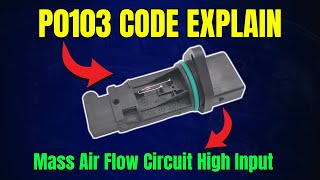
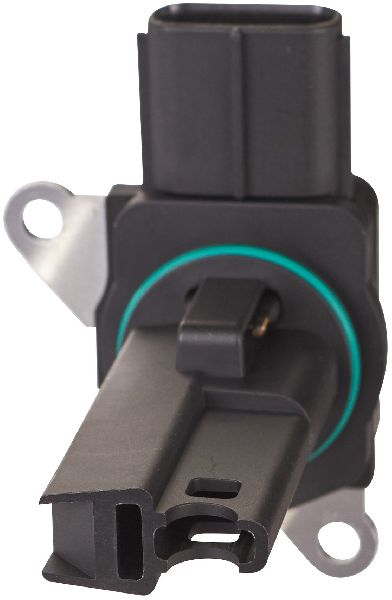
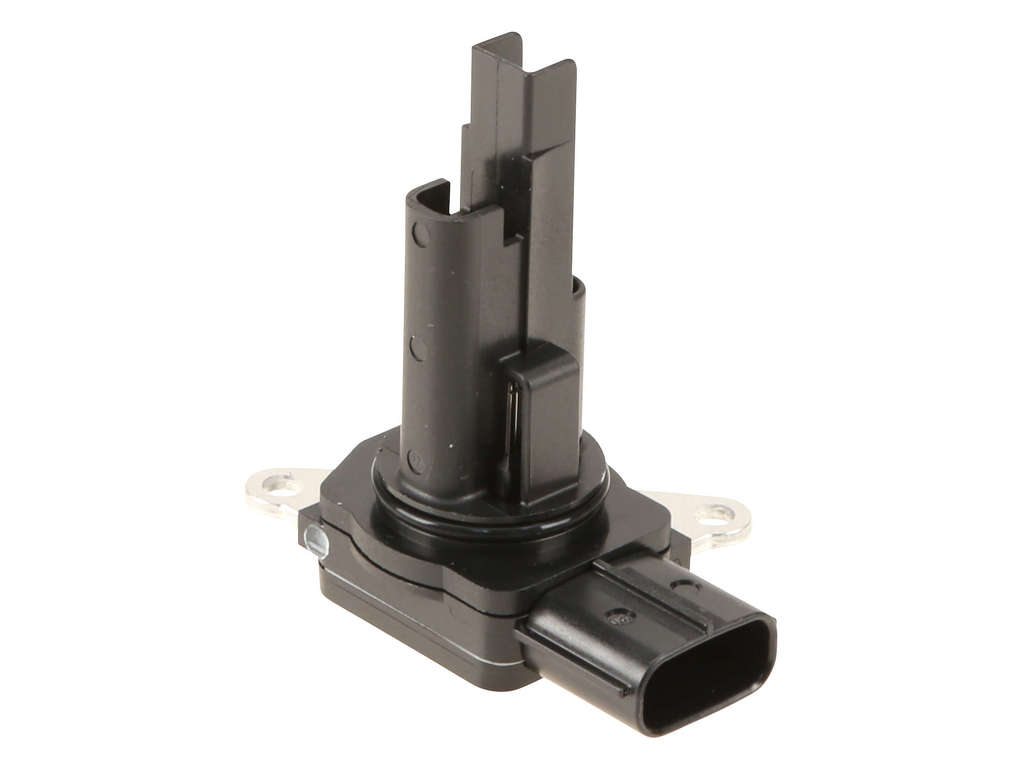
P0103 on a Gen 3 Prius usually points to a dirty or faulty Mass Air Flow (MAF) sensor. The most common and cheapest first step is to clean the sensor with dedicated MAF cleaner. If that doesn't work, a replacement Denso sensor is the likely fix, costing around $100-$150 for the part. Avoid cheap aftermarket sensors as they are known to cause issues.
- P0103 on your Prius means the MAF sensor circuit is reading too high, likely due to a dirty or failed sensor.
- The easiest and most likely fix is cleaning the MAF sensor with a special cleaner. This is a 1/5 difficulty DIY job that takes less than 15 minutes.
- If cleaning doesn't work, replacing the MAF sensor is the next step. Choose a quality brand like Denso (the OEM), as cheap aftermarket parts often fail quickly.
- Before buying any parts, always check the sensor's electrical connector for a secure fit and any signs of damage. Also, ensure your air filter is clean and not over-oiled if it's a reusable type.
What's Unique About the 2010-2015 Toyota Prius
The 2010-2015 Prius (third generation) is generally very reliable, and the 2ZR-FXE engine doesn't have a widespread, inherent design flaw causing P0103. The issue is almost always one of two things: either the MAF sensor's delicate wires have become contaminated with dirt or oil, or the sensor has failed electronically with age. Unlike some vehicles where wiring is a common culprit, on the Prius, the sensor itself is the most frequent point of failure for this specific code. Over-oiling a reusable K&N style air filter is a known cause for contaminating the MAF sensor and triggering this code.
Symptoms You May Notice
- Check Engine Light is on
- Hesitation or stumbling during acceleration
- Rough or unstable idle
- Decreased fuel economy
- Engine stalling, especially at idle
- Black smoke from the exhaust in some cases
- Hard starting or failure to start
- Engine surging or bucking
- Replacing oxygen (O2) sensors. A bad MAF sensor can cause the fuel mixture to be incorrect, which may lead to secondary O2 sensor codes, but the root cause is the MAF.
- Replacing the throttle body. While located nearby, the throttle body is a separate component and is not typically the cause of a P0103 code.
Most Likely Causes
- Dirty Mass Air Flow (MAF) Sensor 🔴 High Probability → Shop Fuel Injection Air Flow Meter Over time, fine dust, oil vapor from the PCV system, or oil from an over-oiled aftermarket air filter can coat the sensor's delicate hot wire, insulating it and causing incorrect readings. This is a very common first point of failure.
How to confirm: Visually inspect the two small wires inside the sensor element. If they appear coated in grime or dirt, they need cleaning. A user on PriusChat noted that after cleaning a dirty sensor, their MFD mileage improved significantly and a rough engine transition disappeared.
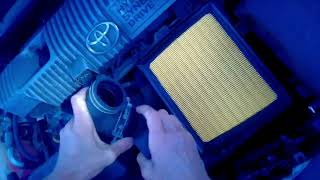
Typical fix: Remove the sensor (held by two Phillips screws) and clean it ONLY with a dedicated Mass Air Flow sensor cleaner spray. Do not use brake cleaner or touch the wires. 🎬 Watch: Step-by-step guide to cleaning your Prius MAF sensor Let it air dry completely for 15-20 minutes before reinstalling.
Est. part cost: $10-$20 for a can of MAF cleaner. - Faulty Mass Air Flow (MAF) Sensor 🟡 Medium Probability → Shop Fuel Injection Air Flow Meter The sensor's internal electronics can fail, causing it to send a constant high voltage signal regardless of actual airflow. This is a common failure mode for electronic components after many years of service.
How to confirm: If cleaning the sensor does not resolve the code, and the wiring is confirmed to be good, the sensor itself is the most likely cause. A scan tool can monitor the MAF data; a stuck high reading (e.g., grams/second value doesn't change with RPM) points to a bad sensor.
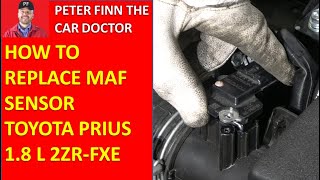
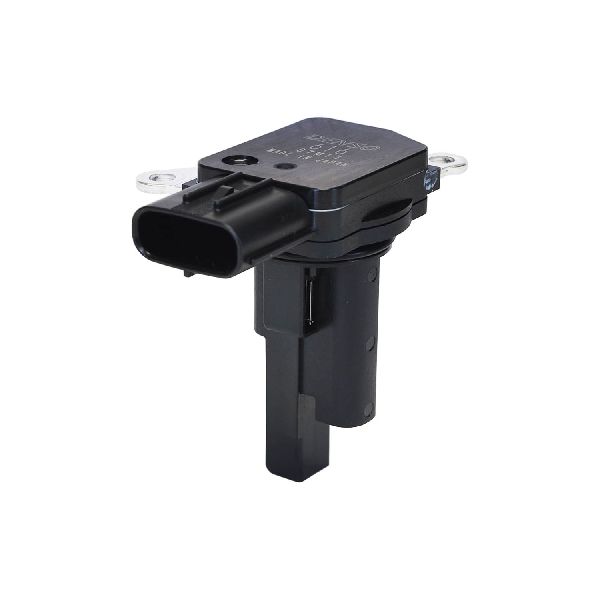
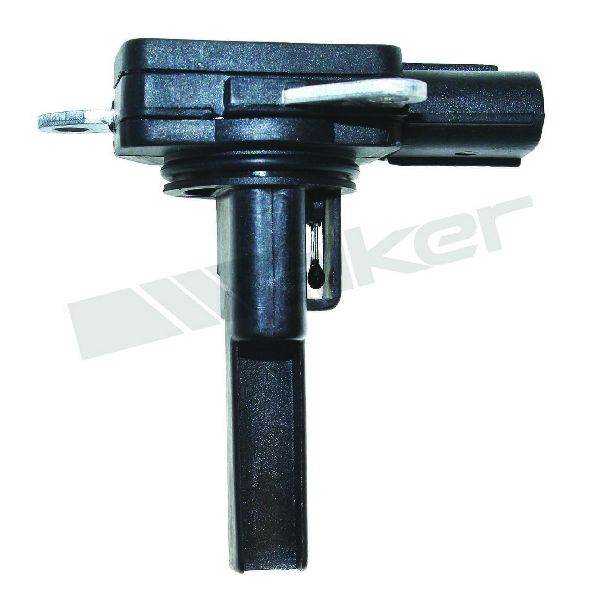
Typical fix: Replace the Mass Air Flow sensor. It is held in by two screws and is easily accessible on top of the air filter housing. It is highly recommended to use the OEM Denso part, 🎬 See this easy DIY MAF sensor replacement walkthrough as cheap aftermarket sensors are a known cause of recurring issues.
Est. part cost: $90-$180 - Damaged Wiring or Poor Connection ⚪ Low Probability While less common on the Prius, a loose connector is a frequent cause of MAF-related codes across all vehicles. Always check this first.
How to confirm: Inspect the MAF sensor's electrical connector for corrosion, pushed-out pins, or damage. Ensure it 'clicks' into place securely. Check the wiring harness leading to the sensor for any signs of fraying, melting, or breaks. A multimeter can be used to check for a short to power on the signal wire.
Typical fix: Repair the damaged section of the wiring harness or clean/replace the electrical connector.
Est. part cost: $5-$50 for wiring repair supplies.
Rare But Worth Checking
- Faulty Engine Control Module (ECM): This is extremely rare. Before condemning the ECM, all other possibilities, including the sensor and wiring, must be exhaustively ruled out by a professional. A key diagnostic step is to check voltage on the signal wire pin at the ECM connector with the MAF sensor unplugged; if it remains high, the ECM is likely at fault.
- Large Vacuum Leak: A significant leak in the intake system after the MAF sensor can sometimes cause erratic readings, though it more commonly leads to lean codes (P0171).
- Clogged Catalytic Converter: A severely restricted exhaust can alter airflow dynamics through the engine, potentially causing an abnormal MAF reading. This condition will typically be accompanied by other codes and a significant loss of engine power.
Diagnosis Steps
- Verify the Check Engine Light is on and code P0103 is present 🎬 Watch: How to diagnose and fix a P0103 code using an OBD-II scanner.
- With the scanner, check for any other codes. P0113 is a strong indicator of a MAF sensor/connector issue.
- Visually inspect the air intake hose between the air filter box and the throttle body for any cracks, tears, or loose clamps.
- Locate the MAF sensor on the air filter housing. Inspect its electrical connector to ensure it is plugged in securely and 'clicked'. Check for any visible damage or corrosion on the pins or wires.
- Unplug the sensor. Remove the two Phillips screws holding it in place and carefully pull it out. A short screwdriver or a socket with a bit attachment may be needed.
- Inspect the sensor's internal wires. If they look dirty, proceed with cleaning.
- Thoroughly spray the sensor wires and bulb with dedicated MAF sensor cleaner. Do NOT touch the wires with brushes or Q-tips. Let the sensor air dry completely for at least 15-20 minutes.
- While the sensor is out, inspect the engine air filter. A dirty or over-oiled filter should be replaced.
- Reinstall the clean, dry sensor, reconnect the plug, and clear the trouble code with your scanner.
- Drive the vehicle to see if the code returns. If it does not, the problem is solved.
- If the code returns, use a scan tool to monitor live MAF data. At idle, it should read a few g/s, and the reading should increase smoothly with RPM. A reading that is stuck high (e.g., maxed out) or doesn't change indicates a faulty sensor that needs replacement.
- If the code returns and live data is inconclusive, check the wiring harness for power, ground, and signal integrity using a multimeter.
Parts You'll Likely Need
- Mass Air Flow (MAF) Sensor
(OEM #22204-37010)— This is the most common fix for P0103 if cleaning the original sensor does not work. The internal electronics fail over time. Using the OEM Denso part is highly recommended to avoid compatibility issues.
Trusted brands: Denso (OEM), Hitachi
OEM price range: $140-$200
Aftermarket price range: $90-$150 - Mass Air Flow Sensor Cleaner — This is the first and cheapest diagnostic and repair step. A dirty sensor is a very common cause for this code.
Trusted brands: CRC, WD-40 Specialist
Aftermarket price range: $10-$20
Related Codes That Often Appear With This One
- P0113 — Intake Air Temperature (IAT) Sensor Circuit High. The IAT sensor is integrated into the MAF sensor assembly on the Prius. A failure of the MAF sensor or its connector can often trigger both codes, as they share the same housing and connector.
- P0171 — System Too Lean. While P0103 is a 'high' circuit code, if the sensor is failing erratically or is dirty, it can sometimes cause the ECM to under-fuel the engine, leading to a lean condition.
- P3190 — Poor Engine Power. This is a common Toyota-specific code that sets when the engine fails to start or run properly. It often accompanies fuel/air metering codes like P0103 as a secondary effect.
Platform-Specific Known Issues
- Owner Experience: Cleaning fixed hesitation and improved MPG: A user on PriusChat with a Gen 2 Prius (which uses a similar sensor) reported that after experiencing poor mileage and a rough transition when the gas engine kicked on, they cleaned the MAF sensor with isopropyl alcohol and a soft brush (Note: using dedicated spray is now the recommended method). They reported that MFD mileage was 'consistently and significantly better' and the rough transition disappeared, even without any MAF-specific error codes present initially. This highlights that a dirty sensor can cause performance issues before it fails completely and sets a code.
- Owner Experience: Over-oiled K&N filter caused P0102/P0113: A PriusChat user performed a large tune-up including cleaning and re-oiling a K&N air filter. Immediately after, codes P0102 (MAF Circuit Low) and P0113 (IAT Circuit High) appeared. The user correctly identified that they likely over-oiled the filter, which contaminated the MAF sensor. The fix was to clean the MAF sensor (with proper MAF cleaner this time) and switch back to an OEM paper air filter, which resolved the codes. This is a classic example of how aftermarket oiled filters can directly cause MAF sensor codes.
Mechanic-Grade Diagnostic Values
- MAF Sensor Signal Voltage (DTC Trigger) — expected: 0.2V to 4.9V. Failure: Voltage is > 4.9V for 3 seconds or more.
- MAF Sensor Live Data (g/s) at Idle — expected: Approx. 1.5 to 4.0 g/s (with engine warm, in maintenance mode). Failure: Reading is stuck at a very high value or does not change with RPM. Note: General specs are 2-7 g/s for many engines, but 1.8L engines are on the lower end.
- MAF Sensor Power Supply Pin Voltage (Key On, Engine Off) — expected: ~12V (Battery Voltage). Failure: Voltage is low or absent, indicating a fuse (e.g., EFI fuse) or wiring issue.
- MAF Sensor Ground Pin Resistance — expected: Less than 0.2 ohms to chassis ground.. Failure: High resistance indicates a poor ground connection, which can cause incorrect readings.
- Long Term Fuel Trim (LONG FT#1) — expected: -15% to +15%. Failure: A large positive or negative value can indicate the ECM is compensating for incorrect MAF readings, although this is more common with lean/rich codes.
Scan Tool Commands That Help
- Toyota Techstream: Put Engine in Inspection Mode — This is required to force the gasoline engine to run continuously at idle for testing, as the Prius hybrid system would normally shut it off.
- Toyota Techstream: Data List > Powertrain / Engine and ECT / MAF — To view the live airflow reading in grams/second (g/s). This allows you to see if the sensor reading is stuck high or if it responds correctly to changes in engine RPM.
- Toyota Techstream: Trouble Codes > Read Pending DTCs — After clearing codes and performing a drive cycle, checking for a pending P0103 before the main MIL illuminates can confirm the fault is still present.
Wiring & Ground Locations
- MAF Sensor Connector (A36) — On the MAF sensor, plugged into the top of the air filter housing.. This is the primary connection point for the sensor. A loose, corroded, or damaged connector is a common cause of MAF circuit codes.
- MAF Connector Wire Colors — At the 5-pin MAF sensor connector.. Knowing the wire colors allows for accurate testing. For the Gen 3 Prius: Pin 1 (Light Green/Black) is IAT Signal, Pin 2 (Brown) is Sensor Ground, Pin 3 (Black) is Power (+B), Pin 4 (Pink/Black) is MAF Signal, Pin 5 (Blue/White) is another ground. Note: This is based on video guides and may vary slightly; always verify with a multimeter.
- Engine Ground Points — There are several key ground wire clusters for the engine harness. One major cluster bolts to the engine block near the passenger side, underneath the coolant reservoir area.. A poor engine ground can cause floating voltages and erratic behavior in multiple sensors, including the MAF sensor. Ensuring this connection is clean and tight is a crucial step in diagnosing electrical issues.
- EFI No. 1 Fuse — In the engine compartment fuse box.. This fuse typically provides the 12V power supply to the MAF sensor. A blown fuse will cause a circuit code (more likely P0102, but could cause other issues).
OEM Part Supersession History
22204-37010→22204-37010 (current)— This is the primary OEM part number for the 2010-2015 Prius.
Heads up: The sensor element itself is shared with other Toyota part numbers like 22204-28010 and 22204-0V020. The correct Denso aftermarket replacement is DENSO DMA-0111. Be cautious, as other Denso parts like DMA-0114 are for different Toyota models (cross-referencing to P/N 22204-46020) and may not work correctly.
Diagnostic Flowchart
Other Known Issues on This Vehicle
Issues unrelated to this code that are worth knowing about as an owner of this generation:
- EGR System Clogging 🔴 High — Extremely common, typically between 80,000-150,000 miles. Leads to rough idle, engine knocking, and P0401 code. If ignored, can contribute to head gasket failure. (Ref: T-SB-0027-16 addresses a sticking EGR valve.)
- Inverter Failure (Intelligent Power Module - IPM) 🔴 High — Common enough to prompt multiple recalls and a warranty extension. Failure of the IPM within the inverter assembly can cause the car to stall or enter a low-power 'limp mode'. (Ref: Warranty Enhancement Program (ZE3) extended coverage to 15 years/unlimited miles for this failure.)
- Brake Booster / Accumulator Failure 🔴 High — Affects primarily 2010 models but can occur on others. A crack can develop in the accumulator, leading to a loss of braking assist and a longer, harder pedal feel. (Ref: Recall DOH (NHTSA ID 13V-235) and Warranty Enhancement ZJB were issued for certain 2010 models.)
- Excessive Oil Consumption 🟠 Medium — More prevalent in higher-mileage (100k+) models. The 2ZR-FXE engine can begin to burn oil, requiring owners to check and top off oil levels between changes.
- Blown Head Gasket 🔴 High — Often a downstream consequence of a clogged EGR system. The engine shake and misfires from a clogged EGR circuit put stress on the head gasket over time, leading to failure.
Used vs. New Parts: Buying Guide for This Vehicle
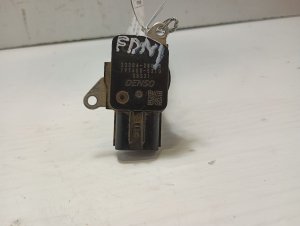
When a used part is the smart pick: A used MAF sensor can be a cost-effective option if sourced from a reputable auto recycler with a parts warranty. Since it's an electronic component without mechanical wear parts, a tested, working unit from a low-mileage donor vehicle is a viable repair.
Donor-vehicle mileage cap: roughly under 80000 miles for the part to have meaningful remaining life.
What to inspect on the donor part:
- Verify the part is a genuine OEM part (stamped with 'DENSO' and 'TOYOTA').
- Inspect the electrical connector pins for any signs of corrosion, bending, or water intrusion.
- Check the sensor housing for cracks or physical damage.
- Ask for the mileage of the donor vehicle if possible.
OEM-only on this vehicle (don't cheap out):
- Mass Air Flow Sensor
Aftermarket brands forum-validated for this vehicle:
- Denso (OEM supplier)
- Hitachi
Brands owners have reported issues with on this vehicle:
- Unbranded, 'white-box' sensors from online marketplaces like eBay or Amazon are frequently reported on forums to be poorly calibrated, fail quickly, or be dead-on-arrival.
Real Owner Stories
Aggregated from forums and TSBs cited above. Mileages and costs reflect what owners reported in those sources.
Gen 2 Toyota Prius
Symptoms: Poor mileage and a rough transition when the gas engine kicked on.
What fixed it: Cleaned the MAF sensor (user used isopropyl alcohol and a brush, though dedicated spray is now the standard recommendation).
Source hint: PriusChat.com thread titled 'A clean mass airflow sensor seems to help'
2010-2015 Toyota Prius 1.8L
Symptoms: Codes P0102 and P0113 appeared immediately after a tune-up involving cleaning and re-oiling a K&N air filter.
What fixed it: Cleaned the MAF sensor with proper MAF cleaner and switched back to an OEM paper air filter.
Source hint: PriusChat.com thread titled 'P0113 P0102 codes after big tune-up'
2010 Toyota Prius 1.8L
Symptoms: Multiple codes including P0102 and P0113 after cleaning the intake manifold; car ran very poorly with a 'CHECK HYBRID SYSTEM' warning.
What fixed it: Checking all connections, as a missed hose connection on the intake manifold can trigger these symptoms.
Source hint: PriusChat.com thread titled 'Help! 2010 Prius P0102, P0113, P0403 after cleaning'
Related OBD-II Codes
Frequently Asked Questions
Can I use any cleaner to fix the MAF sensor on my 2010-2015 Prius?
What specific voltage readings trigger P0103 on a 2014 Prius?
I just re-oiled my K&N air filter and now I have MAF codes. What happened?
Should I buy a cheap aftermarket MAF sensor for my Prius?
Will a dirty MAF sensor cause my Prius to struggle when the gas engine starts?
Is the MAF sensor on the Lexus CT200h the same as the one in my Prius?
Helpful Videos

Used OEM Parts in Stock
New Aftermarket Parts Available


The information in this article is provided for general reference and educational purposes only. Vehicle specifications, procedures, and part compatibility can vary by production date, trim level, and region. Always consult your vehicle's factory service manual and verify part numbers before purchasing or performing repairs. Safety-critical components such as airbags, seat belts, and braking systems should be installed by a qualified professional.
- Toyota Prius:
- 🧭 Diagnostic Flowchart
- 🎬 Helpful Videos
- 🛍️ Shop This Part
- What's Unique About the 2010-2015 Toyota Prius
- Symptoms You May Notice
- Most Likely Causes
- Rare But Worth Checking
- Diagnosis Steps
- Parts You'll Likely Need
- Related Codes That Often Appear With This One
- Platform-Specific Known Issues
- Mechanic-Grade Diagnostic Values
- Scan Tool Commands That Help
- Wiring & Ground Locations
- OEM Part Supersession History
- Other Known Issues on This Vehicle
- Used vs. New Parts: Buying Guide for This Vehicle
- Real Owner Stories
- Gen 2 Toyota Prius
- 2010-2015 Toyota Prius 1.8L
- 2010 Toyota Prius 1.8L
- Related OBD-II Codes
- Frequently Asked Questions
- 🎟️ Get 5% Off