

P0106 on 2021 Cadillac Escalade: MAP Sensor vs. Engine Valve Spring Guide
On a 2021 Escalade, P0106 is most often caused by a faulty Manifold Absolute Pressure (MAP) sensor, a fix covered by a GM Technical Service Bulletin (TSB). However, another TSB warns this code can also signal a serious internal engine issue: a broken valve spring. Diagnosis is key before replacing parts, as a misdiagnosis can lead to severe engine damage.
- P0106 on a 2021 Escalade is most likely a faulty MAP sensor, a known issue with a TSB.
- Before replacing the MAP sensor, check for other codes. If P0300 (misfire) or P0506 (low idle) are present, suspect a more serious broken valve spring issue, which is also a known problem with a specific TSB.
- Do not ignore this code. While the fix might be simple, it could also be an early warning of a problem that can cause catastrophic engine damage if left unaddressed.
What's Unique About the 2021-2021 Cadillac ESCALADE NA
For the 2021 Escalade with the 6.2L V8 (L87) engine, this code is particularly significant. General Motors has issued specific Technical Service Bulletins (TSBs) for this model year and its platform mates (Chevy Tahoe/Suburban, GMC Yukon). One bulletin points directly to faulty MAP sensors requiring replacement. More critically, TSB #PIP5752M links P0106, especially when seen with misfire (P0300) and low idle (P0506) codes, to a known issue with broken engine valve springs. This TSB specifically notes that for 6.2L L87 engines built between June 1, 2020, and October 7, 2020, if one broken spring is found, all 16 valve springs on both banks should be replaced. This makes it crucial to determine if the cause is a simple sensor swap or a major mechanical engine repair.
Diagnostic Flowchart
Tap your situation to follow the diagnostic path that matches what you're seeing on this vehicle.
Symptoms You May Notice
- Service Engine Soon (SES) lamp illuminated
- Poor or erratic acceleration
- Rough idle, shaking, or stalling
- Engine noise (rhythmic ticking, tapping, or light clanking)
- Decreased fuel economy
- Black smoke from the exhaust
- Reduced brake assist performance
- Replacing the MAP sensor without checking for other codes. If codes P0300 and P0506 are also present, the root cause is more likely a mechanical issue like a broken valve spring, and a new MAP sensor will not fix the problem. Forum users often report replacing the sensor first, only to find the problem persists, indicating the more serious mechanical fault.
Most Likely Causes
- Faulty Manifold Absolute Pressure (MAP) Sensor 🔴 High Probability → Shop Manifold Absolute Pressure Sensor GM issued TSB #N212330660 specifically for 2021 models, including the Escalade, acknowledging that the MAP sensor itself can fail and cause P0106 and P0108, recommending its replacement. Heat and oil vapor exposure in the intake manifold contribute to sensor failure.
How to confirm: Use a scan tool to monitor MAP sensor voltage with the key on, engine off (KOEO). The reading should match the Barometric Pressure (BARO) reading. At idle, the reading should be stable and low (high vacuum). When the throttle is snapped, the reading should change smoothly and instantly. If it's stuck or erratic, the sensor is likely bad.
Typical fix: Replace the MAP sensor and its seal. It is located on the top, rear of the intake manifold.
Est. part cost: $50-$140 - Vacuum Leak 🟡 Medium Probability While not specific to this platform, vacuum leaks from cracked hoses or faulty intake manifold gaskets are a common cause for P0106 on any vehicle.
How to confirm: Visually inspect all vacuum hoses connected to the intake manifold for cracks, disconnections, or brittleness. A smoke test is the most effective way to find hard-to-see leaks. Pay attention to the PCV system hoses.
Typical fix: Replace the leaking vacuum hose or intake gasket.
Est. part cost: $10-$50
Rare But Worth Checking
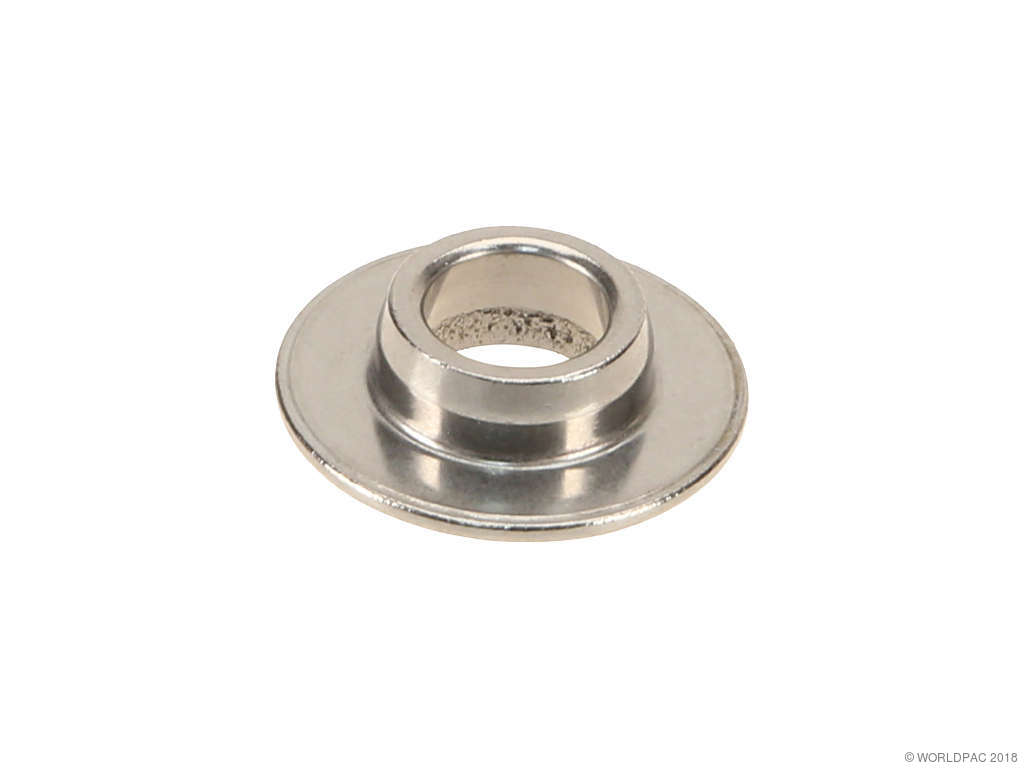
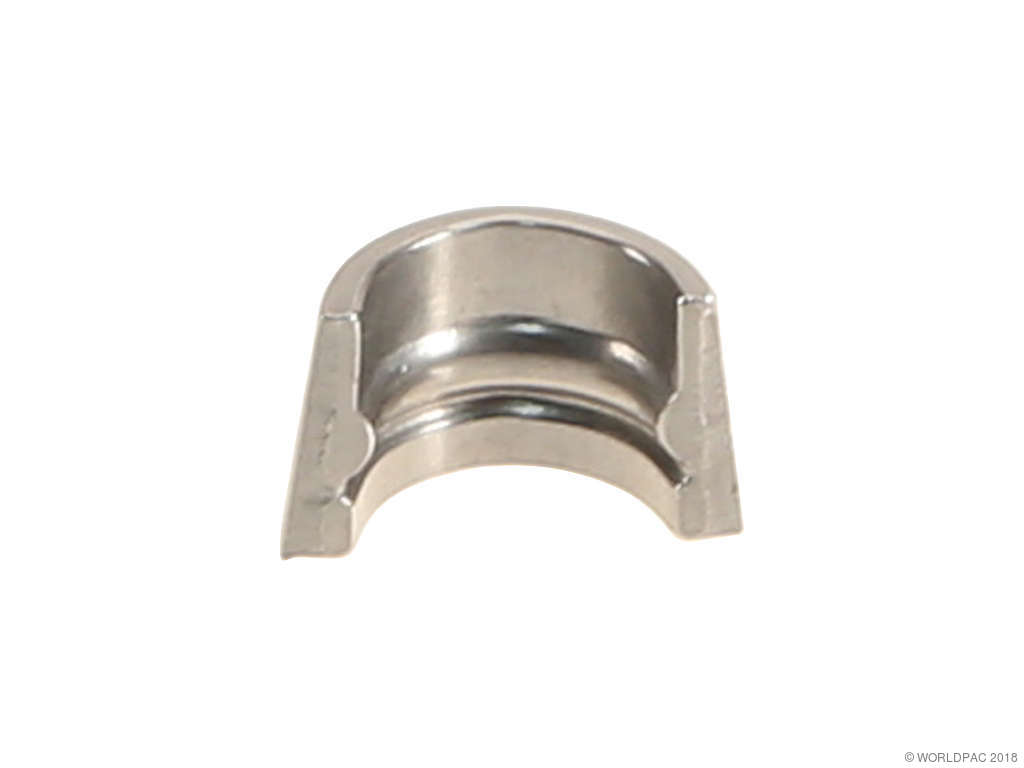
- Broken Engine Valve Spring: → Shop Engine Valve Spring This is a critical, known issue for this engine. TSB #PIP5752M directly links P0106 with P0300 (misfire) and P0506 (low idle) to a possible broken valve spring. A broken spring will cause erratic manifold pressure, mimicking a bad sensor. Ignoring this can lead to severe engine damage. This issue was particularly noted 🎬 See this walkthrough on GM valve spring failure and replacement. for 6.2L (L87) engines built between June and October 2020. If a broken spring is confirmed, a cylinder leak-down test is required to check for further damage before replacing the spring(s).
- Wiring or Connector Issue: Damage to the MAP sensor's wiring harness or a corroded/loose connector can interrupt the signal to the ECM, causing the same symptoms as a failed sensor. The connector can become brittle from heat cycles.
- Restricted Exhaust: A clogged catalytic converter can create backpressure in the engine, which affects the intake manifold pressure and can trigger a P0106 code. This is usually accompanied by other symptoms like a significant loss of power, especially at high RPM.
- Dirty Throttle Body: → Shop Fuel Injection Throttle Body On electronic throttle control systems, heavy carbon buildup can prevent the throttle plate from closing properly, causing a mismatch between the expected and actual MAP readings at idle, which can sometimes trigger P0106.
Diagnosis Steps
- Scan for all stored DTCs. Pay close attention to any other codes present, especially P0300, P0506, or P0108, as they provide critical diagnostic clues.
- Check for applicable TSBs. Given the known issues, check for #N212330660 (MAP sensor replacement) and #PIP5752M (valve spring issue). Note the vehicle's build date to see if it falls within the critical period for valve spring replacement (June-Oct 2020).
- Perform a thorough visual inspection. Check the air intake system for loose connections and inspect all vacuum lines for cracks or disconnection. Ensure the air filter is clean.
- Inspect the MAP sensor connector and wiring for any signs of damage, corrosion, or looseness.
- Use a scan tool to observe live data. With the Key On, Engine Off, the MAP sensor reading should be nearly identical to the Barometric Pressure (BARO) reading. Start the engine; at idle, the MAP reading should be low (high vacuum). Snap the throttle; the reading should respond instantly and smoothly.
- If codes P0300 or P0506 are present, or if an engine ticking noise is heard, professional diagnosis is strongly recommended to inspect for a broken valve spring. This requires removing the valve covers for a physical inspection. If a spring is broken, a cylinder leakage test must be performed to check for valve or piston damage.
- If no other codes are present and the sensor data is erratic or fails the KOEO test, the MAP sensor is the most likely culprit.
Parts You'll Likely Need
- Manifold Absolute Pressure (MAP) Sensor
(OEM #12644228)— This is the most common fix, as identified by GM's own service bulletin (N212330660) for this specific vehicle and code. It is a direct replacement part.
Trusted brands: ACDelco (GM Original Equipment)
OEM price range: $110-$140
Aftermarket price range: $50-$90 - Valve Spring
(OEM #12691120)— The specific part number cited in TSBs related to broken valve springs on the L87 and related engines. If one is found broken on a vehicle built between June-Oct 2020, all 16 should be replaced.
Trusted brands: ACDelco (GM Original Equipment)
OEM price range: $10-$20 per spring
Related Codes That Often Appear With This One
- P0108 — Indicates MAP Sensor Circuit High Voltage. TSB #N212330660 and #PIP5787A note that it often appears with P0106 when the MAP sensor is faulty.
- P0300 — Indicates a Random/Multiple Cylinder Misfire. This code is a strong indicator that the root cause is a mechanical problem, such as the broken valve spring mentioned in TSB #PIP5752M.
- P0506 — Indicates Idle RPM Lower Than Expected. An unstable idle caused by a large vacuum leak or a broken valve spring will often trigger this code alongside P0106, as noted in TSB #PIP5752M.
- P00C7 — Relates to Intake Air Pressure Measurement System performance. TSB #PIP5787A mentions this can appear with P0106 and P0108, pointing towards a sensor or system fault.
Technical Service Bulletins (TSBs) & Recalls
- N212330660: Service Brakes, Hydraulic - Recommends replacing the MAP sensor for DTCs P0106 and P0108.
- PIP5752M: Back Over Prevention - Links DTCs P0106, P0300, and P0506 to a possible valve spring concern, providing specific build dates and repair instructions.
- PIP5787A: Back Over Prevention - Notes that P0106, P0108, and/or P00C7 can be caused by a faulty MAP sensor.
Platform-Specific Known Issues
- TSB #N212330660: Directly addresses P0106 and P0108 caused by a faulty MAP sensor and instructs dealers to replace it.
- TSB #PIP5752M: Warns that a combination of codes P0106, P0300, and P0506 can be caused by a broken valve spring, a known issue on the 6.2L L87 engine. It specifies a build date range (June-Oct 2020) for which all 16 springs should be replaced if one fails.
- L87 Engine Lifter/Valvetrain Issues: Beyond just valve springs, the 6.2L L87 engine in 2021+ models is known for issues with its Dynamic Fuel Management (DFM) lifters, which can also cause misfires and engine noise. While not a direct cause of P0106, it highlights the sensitivity of the valvetrain on this platform.
Mechanic-Grade Diagnostic Values
- MAP Sensor Signal Voltage — expected: 1.0V to 4.5V, changing smoothly with engine load/vacuum. Should not have spikes or dropouts when vacuum is applied with a hand pump.. Failure: Voltage is stuck, erratic, or does not respond to changes in engine vacuum.
- MAP Sensor 5-Volt Reference Circuit — expected: A steady ~5.0 volts DC with key on, engine off.. Failure: Voltage is 0V, below 4.8V, or shows a fluctuating 'sawtooth' pattern on an oscilloscope, indicating a short to ground or an internal PCM fault.
- MAP Sensor Reading vs. BARO (Key On, Engine Off) — expected: The MAP sensor reading on a scan tool should be nearly identical to the Barometric Pressure (BARO) reading.. Failure: A significant difference between the MAP and BARO readings indicates a faulty sensor.
Hidden / Shadow Codes Worth Checking
- P3189 - P3190: These are additional manufacturer-specific DTCs that TSB #PIP5752M notes may be present along with P0106, P0300, and P0506 when a broken valve spring is the cause. (see via A professional GM-compatible scan tool (like GDS2) may be required to view these codes.)
Wiring & Ground Locations
- MAP Sensor Connector — On the top, rear of the intake manifold. It is a 3-pin connector.. This is the primary connection point for the sensor. The pins are for the 5V reference, ground, and signal wire. A poor connection here will directly cause P0106, P0107, or P0108.
- Engine Ground Straps — General locations on GM trucks include the back of the cylinder head and on the firewall between the brake booster and the engine.. A poor engine ground can cause erratic behavior in various sensors, including the MAP sensor, by creating an unstable ground reference for the sensor's signal.
- Engine Wiring Harness Chafe Point — On related GM T1XX platforms, a known chafe point exists where the engine harness can rub against the ECM/TCM mounting bracket, the upper control arm, or a shock tower bolt.. Although from a different TSB, this highlights a potential area for wiring damage on the same vehicle platform, which could short the MAP sensor's 5V reference or signal wire, causing P0106.
Real Owner Repair Stories
- Reddit user in r/Justrolledintotheshop (Not specified, but GM vehicle with similar symptoms.) — Vehicle ran poorly, had code P0106, and reduced brake assist performance.
❌ Tried (didn't work) Replacing the MAP sensor.
✅ What actually fixed it The actual problem was a mechanical issue where an intake valve was hanging open, causing exhaust reversion into the intake manifold. This created erratic pressure readings that fooled the MAP sensor. The fix required engine mechanical repair, not just a sensor replacement.
"I Checked Everything" — The Actual Cause
- The most critical example for this vehicle is a broken valve spring. A smoke test for vacuum leaks will come back clean because there is no external leak. However, the broken spring allows exhaust gases to be pushed back into the intake manifold during the exhaust stroke (a process called reversion). This creates positive pressure pulses that the MAP sensor reads as an irrational signal, triggering P0106.
When the Usual Fixes Don't Work
- While a faulty MAP sensor is a common cause for P0106, on the 2021 Escalade it should not be the default diagnosis. Given the multiple TSBs about broken valve springs on the 6.2L L87 engine, a P0106 code—especially when paired with a misfire (P0300) or low idle (P0506)—must be investigated as a potential serious mechanical failure first. As one owner story confirms, replacing the sensor will not fix a mechanical valve issue and only delays the correct diagnosis.
OEM Part Supersession History
12644228→12711681— Standard part revision/update by the manufacturer.12678635, 12661339, 12629515→12691120— Standard part revision/update for the engine valve spring.
Model Year Variations Within This Range
- 2021 (with specific build dates): TSB #PIP5752M provides different repair instructions based on mileage for the L87 engine. If a broken valve spring is found on a vehicle with less than 500 miles (800 km), all 16 valve springs should be replaced. For vehicles with over 500 miles, only the single broken spring needs replacement. This contradicts another version of the TSB that bases the 'replace all' instruction on a build date range, indicating the repair procedure may have evolved.
Helpful Videos
We Have This Part in Stock


The information in this article is provided for general reference and educational purposes only. Vehicle specifications, procedures, and part compatibility can vary by production date, trim level, and region. Always consult your vehicle's factory service manual and verify part numbers before purchasing or performing repairs. Safety-critical components such as airbags, seat belts, and braking systems should be installed by a qualified professional.
- Cadillac ESCALADE NA:
- 🧭 Diagnostic Flowchart
- 🎬 Helpful Videos
- 🛍️ Shop This Part
- What's Unique About the 2021-2021 Cadillac ESCALADE NA
- Symptoms You May Notice
- Most Likely Causes
- Rare But Worth Checking
- Diagnosis Steps
- Parts You'll Likely Need
- Related Codes That Often Appear With This One
- Technical Service Bulletins (TSBs) & Recalls
- Platform-Specific Known Issues
- Mechanic-Grade Diagnostic Values
- Hidden / Shadow Codes Worth Checking
- Wiring & Ground Locations
- Real Owner Repair Stories
- "I Checked Everything" — The Actual Cause
- When the Usual Fixes Don't Work
- OEM Part Supersession History
- Model Year Variations Within This Range
- 🎟️ Get 5% Off