

P0106 on 2014-2020 Chevrolet Impala: MAP Sensor Causes and Fixes
On the 2.5L LCV engine, P0106 is almost always caused by loose intake manifold bolts creating a vacuum leak. Before buying any parts, tighten these bolts to 89 lb-in (10 Nm). For the 3.6L LFX, check for a failed MAP sensor or cracked vacuum lines.
- For the 2.5L engine, your first and most important check should be the intake manifold bolts. There is a high probability they are loose, and tightening them costs nothing in parts.
- Do not replace the MAP sensor without first ruling out a vacuum leak, especially on the 2.5L engine.
- This code is often accompanied by P0171 (System Lean) and P0068 (MAP/Throttle Position Correlation), which are strong indicators of a vacuum leak.
- The fix is generally DIY-friendly, with the most common repair (tightening bolts) being very simple. Replacing the MAP sensor is also straightforward, though access is tighter on the 3.6L V6.
- Driving with this code will negatively affect fuel economy and performance, so it should be addressed promptly.
What's Unique About the 2014-2020 Chevrolet Impala
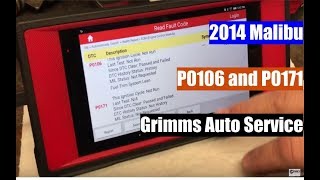
For the 2014-2020 Impala, particularly with the 2.5L LCV engine, this code has a very specific and well-documented cause. General Motors issued a Technical Service Bulletin (TSB PIP5529B) because the intake manifold bolts are known to loosen over time, creating a vacuum leak that directly triggers the P0106 code. This issue is so prevalent that it also affects platform mates like the Chevrolet Malibu with the same engine. While a bad MAP 🎬 Watch: How loose intake bolts cause these specific codes. sensor is a common cause on many vehicles, on this platform, checking the intake bolts first can save significant time and money.
Symptoms You May Notice
- Check Engine Light is on
- Rough or unstable idle
- Engine hesitation or stumbling on acceleration
- Reduced engine power
- Poor fuel economy
- Engine stalling, especially at low speeds or when stopping
- Black smoke from the exhaust
- Erratic acceleration
- Replacing the MAP sensor without first checking for loose intake manifold bolts on the 2.5L engine.
Most Likely Causes
- Loose Intake Manifold Bolts (2.5L LCV Engine) 🔴 High Probability → Shop Engine Intake Manifold This is a well-documented issue covered by GM Technical Service Bulletin PIP5529B. The bolts are known to back out over time, breaking the intake manifold gasket seal and causing a significant vacuum leak. This issue is widely reported on forums and affects other GM vehicles with the same engine.
How to confirm: Physically check if the intake manifold mounting bolts are loose. Many can be turned by hand or with very little effort. A smoke test will also definitively show a leak from the gasket area if the bolts are loose.
Typical fix: Torque the intake manifold bolts to the manufacturer's specification of 89 lb-in (10 Nm). For a more permanent fix, as recommended in the TSB, remove one bolt at a time, apply a medium-strength threadlocker (like Loctite Blue 242), and then torque it.
Est. part cost: $0-$15 (for threadlocker) - Faulty Manifold Absolute Pressure (MAP) Sensor 🟡 Medium Probability → Shop Manifold Absolute Pressure Sensor Sensors can fail over time due to heat cycles, vibration, or internal electronic faults. On the 3.6L LFX engine, this is a more likely primary cause than on the 2.5L after vacuum leaks are ruled out.
How to confirm: Use a scan tool to monitor the MAP sensor voltage. At Key On, Engine Off (KOEO), it should read around 4.5V (matching barometric pressure). At idle, it should drop to 1.0-1.5V. If the voltage is stuck or doesn't change with RPM, the sensor is likely bad.
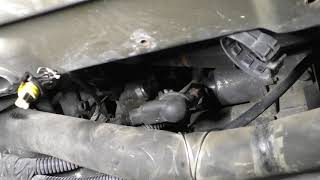
Typical fix: Replace the MAP sensor. On the 2.5L engine, it is located on the bottom rear of the intake manifold. 🎬 See this walkthrough on replacing the 2.5L MAP sensor. On the 3.6L LFX, it is at the back of the engine under the upper intake plenum, requiring more disassembly to access.
Est. part cost: $30-$90 - Cracked or Disconnected Vacuum Hoses ⚪ Low Probability → Shop Vacuum Hose Rubber hoses, such as the PCV hose or brake booster line, become brittle and crack with age and exposure to engine heat, creating unmetered air leaks.
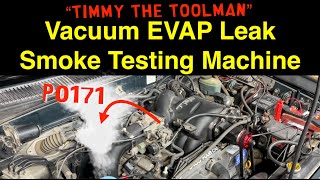
How to confirm: Visually inspect all vacuum lines connected to the intake manifold for obvious cracks, splits, or disconnections. A hissing sound near the engine can indicate a leak. A smoke test is the most effective way to find a small, hidden leak. 🎬 Watch: How to use a smoke machine to find leaks.
Typical fix: Replace the damaged vacuum hose.
Est. part cost: $10-$50 - Dirty Throttle Body ⚪ Low Probability → Shop Fuel Injection Throttle Body Carbon buildup around the throttle plate can restrict airflow at idle, causing the PCM to open the throttle more than expected. This creates a mismatch between the throttle position and MAP sensor readings that can trigger P0106.
How to confirm: Visually inspect the throttle body bore and plate for significant carbon deposits after removing the intake tube.
Typical fix: Clean the throttle body using a dedicated throttle body cleaner and a soft cloth or brush. A throttle position relearn procedure may be required afterward.
Est. part cost: $5-$15 (for cleaner)
Rare But Worth Checking
- Wiring Harness Damage: GM TSB PI0631G notes that the engine wiring harness can chafe against the transmission case, potentially causing a short or open in the MAP sensor circuit (or other sensor circuits). The typical GM MAP sensor wiring is Pin 1: 5V Reference (Gray), Pin 2: Low Reference/Ground (Orange/Black), Pin 3: Signal (Light Green). A visual inspection of the harness in contact areas is recommended if other tests are inconclusive.
- Clogged Catalytic Converter: A severe exhaust restriction can create backpressure that affects intake manifold pressure, confusing the MAP sensor. This is usually accompanied by a major loss of power at higher RPMs and potentially a rotten egg smell from the exhaust.
- Faulty Powertrain Control Module (PCM): This is extremely rare and should only be considered after all other possibilities, including all wiring and sensor circuits, have been exhaustively checked.
Diagnosis Steps
- Scan for any other trouble codes. Codes like P0068 and P0171 strongly point towards a vacuum leak.
- If you have the 2.5L engine, the first and most important step is to physically check the intake manifold bolts for looseness. Attempt to tighten them by hand or with a socket. If loose, this is the most likely cause.
- Visually inspect all vacuum hoses connected to the intake manifold for cracks, splits, or disconnections. Pay attention to the PCV and brake booster lines.
- Using a scan tool, observe the live data for the MAP sensor. Check the voltage/pressure reading with the Key On, Engine Off (KOEO) and compare it to the reading at a steady idle. The voltage should drop significantly from ~4.5V to ~1.0-1.5V when the engine is running.
- If the MAP sensor reading is stuck or irrational, inspect the sensor's wiring and connector for damage, corrosion, or a loose connection. Check for 5V reference, ground, and a changing signal voltage at the connector.
- If no vacuum leaks are found and the wiring is good, consider replacing the MAP sensor.
- If the problem persists, perform a smoke test to find any hard-to-see leaks in the intake system.
- As a final, rare possibility, inspect the wiring harness for chafing near the transmission per TSB PI0631G, or check for exhaust blockages.
Parts You'll Likely Need
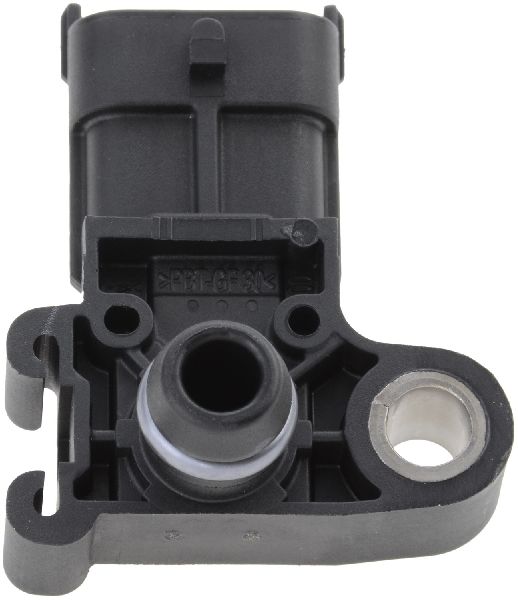
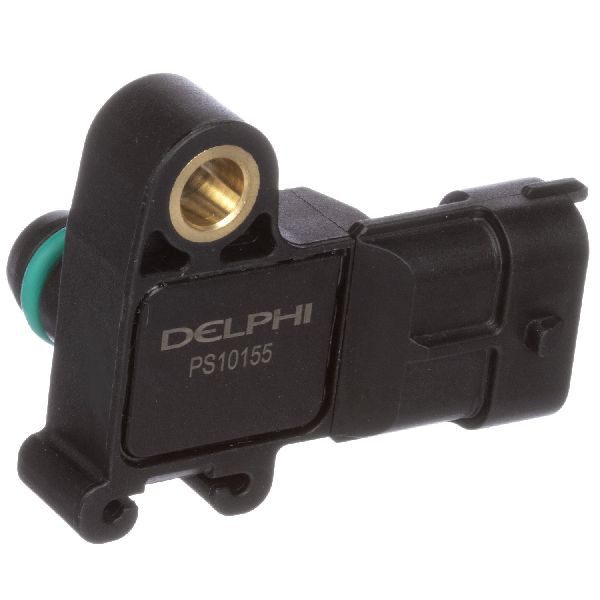
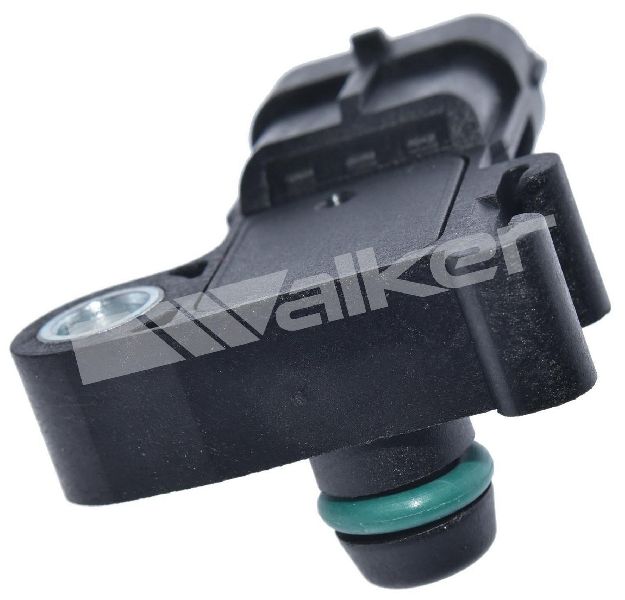
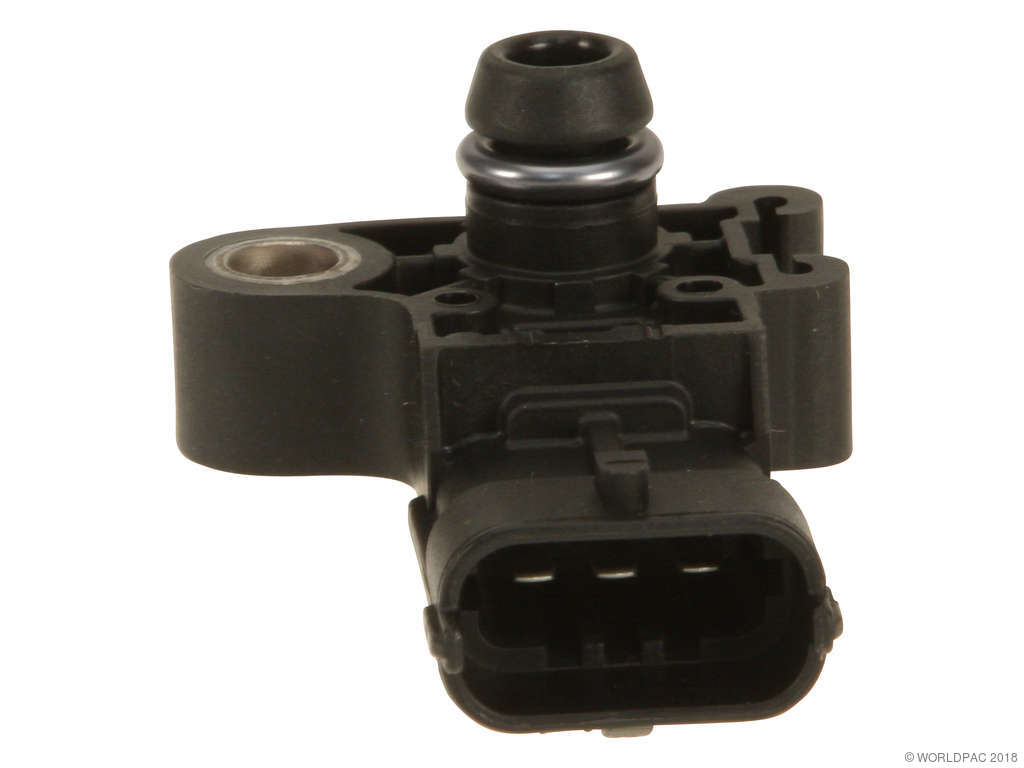
- Manifold Absolute Pressure (MAP) Sensor
(OEM #12644228 (Superseded by 12711681))— This is the second most common cause after checking for vacuum leaks. The sensor can fail electronically, providing incorrect readings to the PCM.
Trusted brands: ACDelco (GM OE), Delphi, NTK/NGK
OEM price range: $60-$90
Aftermarket price range: $30-$60 - Threadlocker — Required for the most common fix on the 2.5L engine (loose intake manifold bolts) to prevent them from backing out again, as recommended by GM TSB PIP5529B.
Trusted brands: Loctite (Blue 242 or 243), Permatex (Medium Strength)
OEM price range: N/A
Aftermarket price range: $10-$15
Related Codes That Often Appear With This One
- P0068 — Indicates a correlation error between the MAP sensor, MAF sensor, and throttle position. A vacuum leak causing P0106 is a direct cause of this code, and it is listed in TSB PIP5529B.
- P0171 — Means 'System Too Lean'. A vacuum leak from loose intake bolts or a cracked hose allows unmetered air into the engine, creating a lean condition that triggers this code alongside P0106.
Technical Service Bulletins (TSBs) & Recalls
- PIP5529B: Addresses stall, hesitation, or MIL with codes P0106, P0068, P0171, etc., due to loose intake manifold bolts on 2.5L and other engines. Recommends removing bolts one at a time, applying medium-strength threadlocker, and re-torquing to 10Nm / 89 lb-in.
- PI0631G: Notes potential for the engine wiring harness to chafe on the transmission case, causing various sensor codes. The bulletin advises inspecting the harness and applying protective conduit.
Platform-Specific Known Issues
- GM Technical Service Bulletin PIP5529B was issued for multiple vehicles, including the Impala with the 2.5L engine, due to intake manifold bolts loosening and causing codes like P0106, P0068, and P0171. The fix is to re-torque the bolts with threadlocker.
- In cold climates, ice can form on the MAP sensor during long drives in freezing temperatures, which can temporarily cause a P0106 code. GM issued a bulletin for other vehicles suggesting a winter grille cover can help prevent this.
Mechanic-Grade Diagnostic Values
- MAP Sensor Signal Voltage (Key On, Engine Off) — expected: 4.5 - 5.0 Volts DC. Failure: Voltage is significantly lower than 4.5V or is stuck at a value that doesn't reflect atmospheric pressure.
- MAP Sensor Signal Voltage (Engine Idling) — expected: 1.0 - 1.5 Volts DC. Failure: Voltage is high (closer to KOEO reading), indicating a vacuum leak or a faulty sensor.
- MAP Sensor 5V Reference Wire — expected: 4.5 - 5.0 Volts DC. Failure: Voltage is low or absent, indicating a wiring or PCM issue.
- MAP Sensor Ground Wire Resistance — expected: < 5 Ohms to chassis ground. Failure: High resistance indicates a poor ground connection, which can cause incorrect sensor readings.
- MAP Sensor Voltage vs. Applied Vacuum — expected: Voltage should decrease as vacuum is applied. ~3.9V at 5 in. Hg, ~3.0V at 10 in. Hg, ~1.2V at 20 in. Hg.. Failure: Voltage does not change or changes erratically when vacuum is applied with a hand pump.
Wiring & Ground Locations
- MAP Sensor Connector — On the MAP sensor, located on the intake manifold.. The typical wiring is a 3-pin connector: Pin 1 for 5V Reference (Gray), Pin 2 for Low Reference/Ground (Orange/Black), and Pin 3 for the Signal (Light Green). Verifying power, ground, and signal at this connector is a primary diagnostic step.
- G103 — Typically located on the cowl in the engine compartment, often near the brake booster.. This is a major ground point for multiple components, including the Body Control Module (BCM) and Data Link Connector (DLC). While not always the direct ground for the MAP sensor, a poor connection here can cause widespread electrical issues that may affect sensor readings.
- G105 — Typically located at the left front of the engine compartment, sometimes near the cooling fans or on the engine block itself.. This ground is often used for engine-mounted components. A faulty ground here could potentially affect the MAP sensor's low reference circuit.
OEM Part Supersession History
12644228→12711681— Standard part number update by the manufacturer.
Model Year Variations Within This Range
- 2020: The 2.5L LCV I4 engine was discontinued for the 2020 model year. All 2020 Impalas came standard with the 3.6L LFX V6. Therefore, the common issue of loose intake manifold bolts is not applicable to the 2020 model.
- 2015-2019: Beginning in 2015, the 2.5L LCV engine was equipped with start/stop technology. This does not directly affect the cause of P0106 but is a notable change in the engine's operation during the vehicle's production run.
Diagnostic Flowchart
Other Known Issues on This Vehicle
Issues unrelated to this code that are worth knowing about as an owner of this generation:
- Crankshaft Reluctor Wheel Movement (3.6L LFX) 🔴 High — Occurs in some 2014-2019 models. Can cause stalling and requires significant engine work to replace the crankshaft. (Ref: Related codes include P0016, P0017, P0018, P0019.)
- Detached Piston Oil Nozzles (2.5L LCV) 🔴 High — Internal parts of the oil squirters can detach, leading to low oil pressure and potential for major internal engine damage. (Ref: TSB PIP5247A; Related codes P06DE, P0521.)
- Cracked Front Catalytic Converter Pipe (3.6L LFX) 🟠 Medium — The pipe near the mounting flange weld is prone to cracking on 2014-2017 models, causing an exhaust leak. (Ref: NHTSA complaints mention this failure.)
- High-Pressure Fuel Pump Failure (3.6L LFX) 🟠 Medium — The high-pressure fuel pump can fail prematurely, causing stalling and running issues. Often sets code P228C.
- Water Pump Failure (2.5L LCV) 🟠 Medium — The water pump is known to become noisy and develop coolant leaks, often before 100,000 miles.
- Carbon Buildup on Intake Valves 🟡 Low — Common on direct-injection engines like the LFX and LCV after 100,000 miles. Can cause rough idle, hesitation, and misfires. Walnut blasting is the typical cleaning procedure.
- Water Intrusion in Trunk 🟡 Low — A known issue where water can leak into the trunk, often pooling in the spare tire well, due to body seam or taillight seal issues.
Used vs. New Parts: Buying Guide for This Vehicle
When a used part is the smart pick: For this repair, using used parts is generally not recommended. The primary fix for the 2.5L engine (retorquing bolts) requires no parts. If a part is needed, it's typically the MAP sensor, which is a sensitive electronic component.
Donor-vehicle mileage cap: roughly under 50000 miles for the part to have meaningful remaining life.
What to inspect on the donor part:
- If considering a used intake manifold (for LFX V6), ensure it is not cracked or warped and comes from a known low-mileage, non-wrecked vehicle.
- Avoid used MAP sensors entirely. They are a common failure item and their remaining lifespan is impossible to determine. The risk of getting a bad part from a junkyard is high.
OEM-only on this vehicle (don't cheap out):
- Manifold Absolute Pressure (MAP) Sensor: While quality aftermarket options exist, using a genuine GM/ACDelco sensor is the safest choice to ensure correct voltage scaling and prevent immediate or premature failure.
Aftermarket brands forum-validated for this vehicle:
- ACDelco (GM Original Equipment)
- Delphi (Often an OEM supplier)
- NTK/NGK
Brands owners have reported issues with on this vehicle:
- No-name, unbranded sensors from online marketplaces. These often have incorrect calibration, leading to persistent codes or poor performance even when new.
Real Owner Stories
Aggregated from forums and TSBs cited above. Mileages and costs reflect what owners reported in those sources.
2014-2020 Chevrolet Impala 2.5L LCV
Symptoms: Vehicle runs poorly and has P0106. Customer replaced the MAP sensor themselves, but the problem persisted.
What fixed it: Technician diagnosis revealed the issue was not the sensor but likely related to the intake manifold or vacuum system (consistent with the loose bolt issue described in TSB PIP5529B).
Source hint: Reddit - r/Justrolledintotheshop - "C/S vehicle runs poorly and has P0106. Customer replaced MAP sensor and problem persists"
Related OBD-II Codes
Frequently Asked Questions
My 2.5L Impala is stalling and has a P0106 code; does TSB PIP5529B apply to my vehicle?
What is the recommended fix for the loose intake manifold bolts on the 2.5L engine?
Where is the MAP sensor located on the 3.6L LFX V6 engine compared to the 2.5L?
Can a dirty throttle body cause a P0106 code on my Impala?
I replaced my MAP sensor but the P0106 code is still there. What else should I check?
Does cold weather affect the MAP sensor on this vehicle?
Helpful Videos

We Have This Part in Stock


The information in this article is provided for general reference and educational purposes only. Vehicle specifications, procedures, and part compatibility can vary by production date, trim level, and region. Always consult your vehicle's factory service manual and verify part numbers before purchasing or performing repairs. Safety-critical components such as airbags, seat belts, and braking systems should be installed by a qualified professional.
- Chevrolet Impala:
- 🧭 Diagnostic Flowchart
- 🎬 Helpful Videos
- 🛍️ Shop This Part
- What's Unique About the 2014-2020 Chevrolet Impala
- Symptoms You May Notice
- Most Likely Causes
- Rare But Worth Checking
- Diagnosis Steps
- Parts You'll Likely Need
- Related Codes That Often Appear With This One
- Technical Service Bulletins (TSBs) & Recalls
- Platform-Specific Known Issues
- Mechanic-Grade Diagnostic Values
- Wiring & Ground Locations
- OEM Part Supersession History
- Model Year Variations Within This Range
- Other Known Issues on This Vehicle
- Used vs. New Parts: Buying Guide for This Vehicle
- Real Owner Stories
- 2014-2020 Chevrolet Impala 2.5L LCV
- Related OBD-II Codes
- Frequently Asked Questions
- 🎟️ Get 5% Off