

P0106 on 2015-2021 GMC Sierra 1500: Faulty MAP Sensor or a Broken Valve Spring?
On a 2015-2021 Sierra, P0106 is most often a faulty Manifold Absolute Pressure (MAP) sensor, an easy fix. However, GM has issued multiple bulletins warning that this code can also be a symptom of a more serious mechanical issue: a broken engine valve spring, a known issue on the 5.3L and 6.2L engines of this era. Do not ignore this code or immediately replace the sensor without further diagnosis, especially if engine noise or misfires are present.
- P0106 on a 2015-2021 Sierra has two main causes: a simple faulty MAP sensor or a serious broken valve spring.
- Always check for other codes. If P0300 (misfire) or P0506 (low idle) are present, a broken valve spring is highly likely.
- Listen for any engine ticking or tapping noises. These sounds are a strong indicator of a mechanical valve train problem.
- Replacing the MAP sensor (Part #12644228) is an easy and inexpensive first step if no other symptoms of mechanical failure are present.
- Due to the risk of severe engine damage, it is highly recommended to have the vehicle diagnosed by a professional if you suspect a valve spring issue.
What's Unique About the 2015-2021 Gmc SIERRA 1500

For this specific generation of Sierra and its platform mates (Tahoe, Yukon, Silverado), the P0106 code has two very distinct and common causes documented by GM. While a simple, faulty MAP sensor is a frequent culprit, multiple Technical Service Bulletins (TSBs) also link this code directly to a broken engine valve spring. This is unusual, as a MAP sensor code on most vehicles rarely points to a severe internal engine mechanical failure. A broken spring allows a valve to hang open or not seat properly, causing erratic pressure pulses in the intake manifold that the MAP sensor correctly reports as an illogical reading. In some cases, these exhaust gases can even be pushed back into the intake manifold, melting plastic components.
Diagnostic Flowchart
 🎬 Watch: How to replace the MAP sensor on your Sierra." loading="lazy" style="max-width:100%;height:auto;border-radius:6px;display:block;box-shadow:0 2px 8px rgba(0,0,0,0.1);" />
Tap your situation to follow the diagnostic path that matches what you're seeing on this vehicle.
Generation note: The 2015-2021 year range covers two generations of the GMC Sierra 1500: the end of the third generation (K2XX, 2014-2018) and the start of the fourth generation (T1XX, 2019-2021). The documented issues with both MAP sensors and valve springs apply across these generations, particularly in the popular 5.3L (L83/L84) and 6.2L (L86/L87) V8 engines.
Symptoms You May Notice

- Check Engine Light (SES) is on
- Engine running rough or idling poorly
- Engine misfires (may feel like a shake or stumble, especially under load)
- Audible engine noise (a distinct rhythmic ticking or tapping from the valve cover area)
- Poor acceleration or hesitation
- Reduced engine power or 'limp mode'
- Increased fuel consumption
- Hard starting or failure to start
- Black smoke from the exhaust
- Replacing the MAP sensor when the true cause is a broken valve spring. If codes P0300 or P0506 are also present, or if there is engine noise, the valve train should be inspected first.
- Replacing the Mass Airflow (MAF) sensor. P0106 is a code specific to the Manifold Absolute Pressure (MAP) sensor circuit, not the MAF.
Most Likely Causes

- Faulty Manifold Absolute Pressure (MAP) Sensor 🔴 High Probability → Shop Manifold Absolute Pressure Sensor GM issued a Technical Service Bulletin (N212330660) specifically for faulty MAP sensors on some 2021 models, indicating a known quality issue. The bulletin instructs dealers to replace the sensor to resolve P0106 and/or P0108.
How to confirm: With a scan tool, monitor the MAP sensor reading. It should be around 1.0v at idle and increase to ~4.5v at wide-open throttle. If the reading is stuck, erratic, or doesn't change with RPM, and no other mechanical issues are present, the sensor is likely bad. Swapping with a known good sensor from another vehicle is a quick test if available.
Typical fix: Replace the MAP sensor. It is typically located on the top of the intake manifold and is held in by a single bolt.
Est. part cost: $25-$60 - Broken Engine Valve Spring 🟡 Medium Probability → Shop Engine Valve Spring Multiple TSBs (#PIP5752M, #PIP5423B) confirm this is a known issue on these GM engines. The P0106 code is often accompanied by P0300 (misfire) and/or P0506 (low idle) when a spring fails. Failures are widely discussed by owners, often occurring between 80,000 and 150,000 miles.
How to confirm: Listen for a distinct ticking or tapping noise from the engine. A mechanic will typically remove the valve covers to visually inspect the valve springs for breakage. A compression test or cylinder leak-down test can also pinpoint the affected cylinder.
Typical fix: Replace the broken valve spring, valve stem seals, and any related hardware. TSB #PIP5752M advised that for some 2020-2021 vehicles built between June and September 2020, if one spring is found broken, all springs on both banks should be replaced. This is a labor-intensive job.
Est. part cost: $10-$30 for the spring, but labor can range from $800 to over $2000 depending on the shop and extent of repair. - Vacuum Leak ⚪ Low Probability All engines are susceptible to vacuum leaks. On these V8s, common points include the PCV hoses, the brake booster vacuum hose, and the intake manifold gaskets.
How to confirm: Perform a visual inspection of all vacuum lines connected to the intake manifold. A smoke test is the most effective way to find a leak in the intake manifold gasket or a cracked hose.
Typical fix: Replace the leaking hose or gasket.
Est. part cost: $5-$100
Rare But Worth Checking
- Wiring Harness Issue: Corrosion or damage to the MAP sensor's connector or wiring can cause an erratic signal. This is worth checking before replacing the sensor, especially in areas with high humidity or road salt usage.
- Clogged Catalytic Converter: A severely restricted exhaust can cause excessive backpressure, affecting intake manifold pressure and potentially triggering a P0106 code. This is usually accompanied by other codes and a significant loss of power.
- AFM/DFM Lifter Failure: The Active Fuel Management (AFM) or Dynamic Fuel Management (DFM) systems in these engines use special lifters that are a known failure point. A collapsed or stuck lifter can cause symptoms (misfire, ticking noise) and codes (P0300) similar to a broken valve spring, and can lead to catastrophic engine damage if not addressed. Repair often involves replacing all lifters, the camshaft, and disabling the AFM/DFM system, costing $3,500-$6,000.
Diagnosis Steps
- Read all stored diagnostic trouble codes. Pay close attention to any accompanying codes like P0300, P0506, or P0108, as they provide crucial diagnostic clues.
- Listen to the engine while it's running. Any rhythmic ticking, tapping, or misfire sounds strongly suggest a mechanical issue like a broken valve spring or failed lifter.
- Inspect the intake system for obvious vacuum leaks, such as cracked PCV hoses, a loose intake tube, or a leaking brake booster line.
- Using a scan tool, observe the live data for the MAP sensor with the key on and engine off. The reading should be close to the barometric pressure. Start the engine; the reading should drop significantly at idle (to around 1.0-1.5v or 19-21 inches/mercury of vacuum) and respond smoothly as you press the accelerator.
- If MAP sensor data is erratic or stuck and no mechanical noises are present, inspect the sensor's wiring and connector for damage or corrosion.
- If codes P0300 or P0506 are present and/or engine noise is heard, the valve covers must be removed to visually inspect the valve springs for breakage. This is the definitive diagnostic step outlined by GM.
- If no mechanical issues or vacuum leaks are found, and the wiring is intact, the MAP sensor is the most likely culprit and should be replaced.
Parts You'll Likely Need
- Manifold Absolute Pressure (MAP) Sensor
(OEM #12644228, 12711681)— This is the most common fix when P0106 appears alone. TSB #N212330660 for 2021 models calls for replacing the sensor with P/N 12711681.
Trusted brands: ACDelco
OEM price range: $40-$60
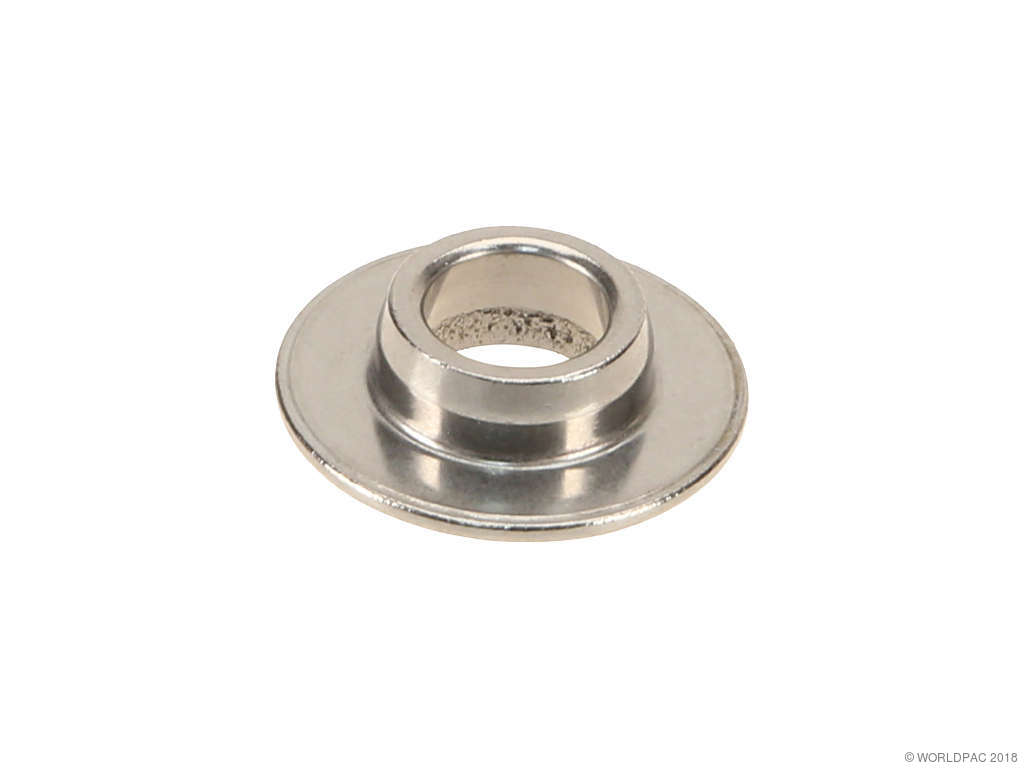
Aftermarket price range: $25-$45 - Engine Valve Spring
(OEM #12728729)— A documented cause of P0106 on these engines, especially when accompanied by P0300 (misfire). TSBs #PIP5752M and #PIP5423B point to this failure. The original springs were superseded by an improved design.
Trusted brands: ACDelco, Melling, PAC
OEM price range: $7-$15 per spring
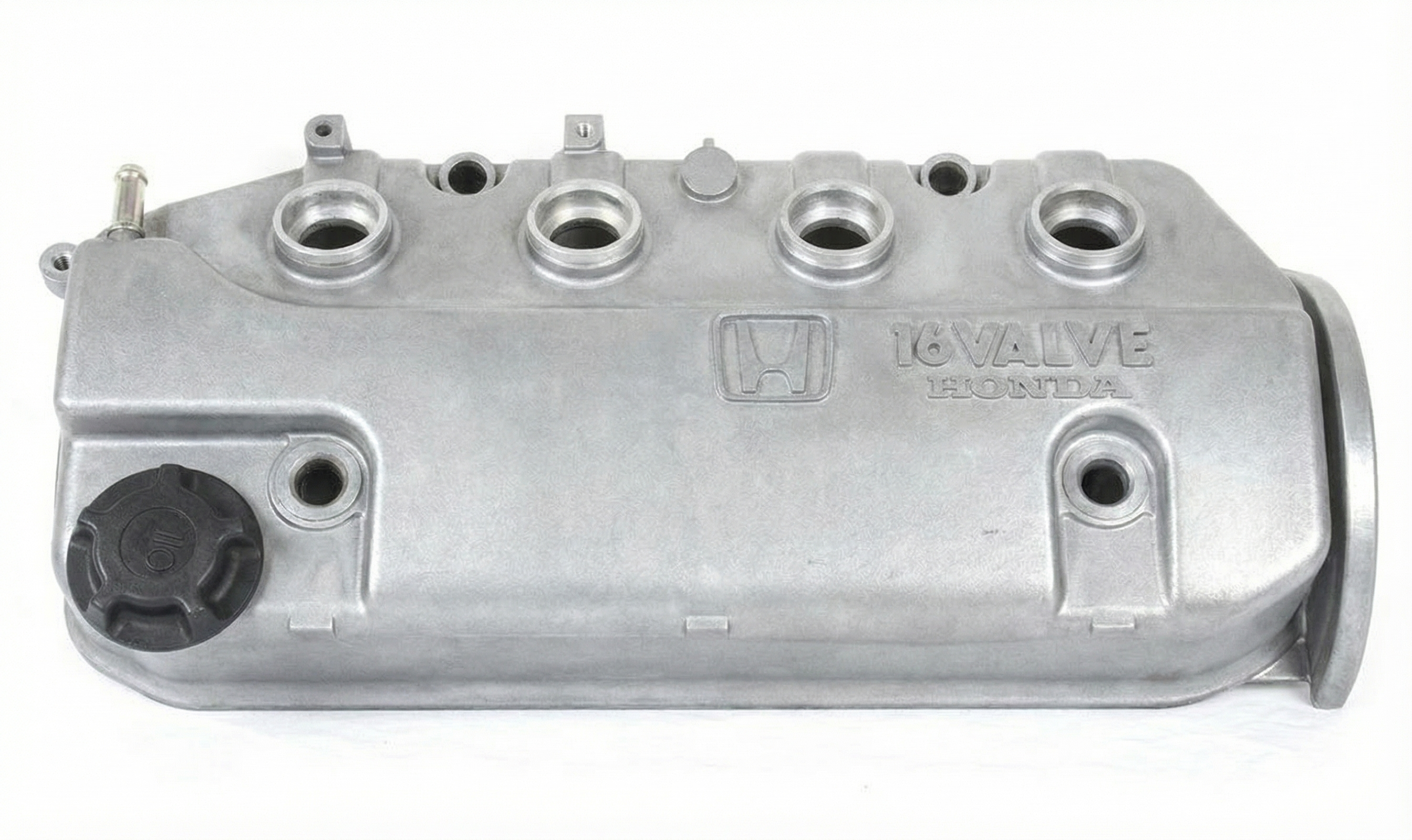
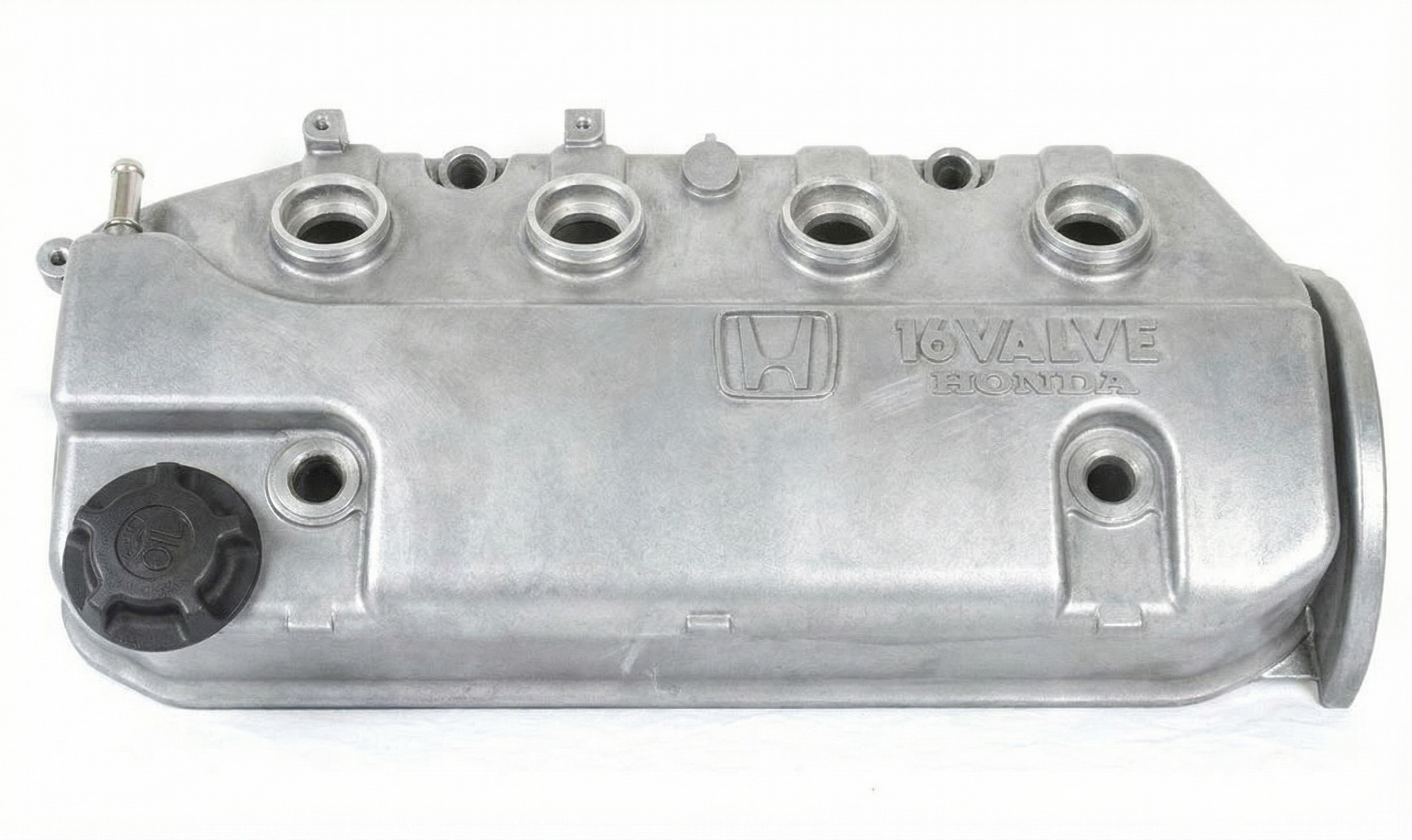
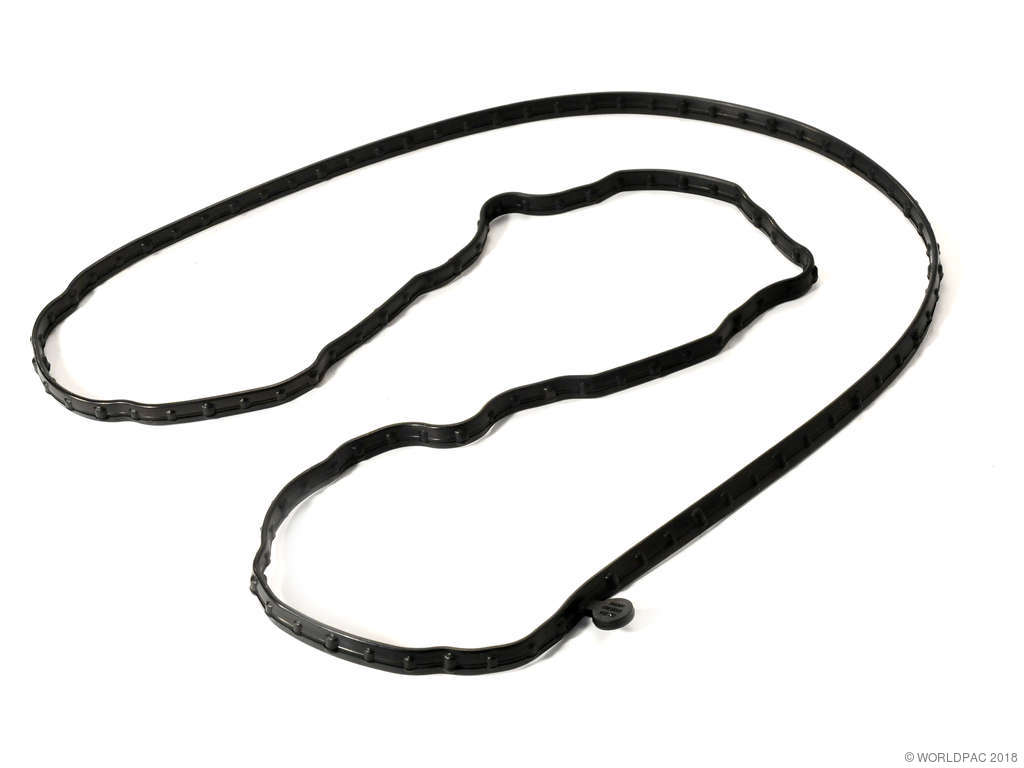
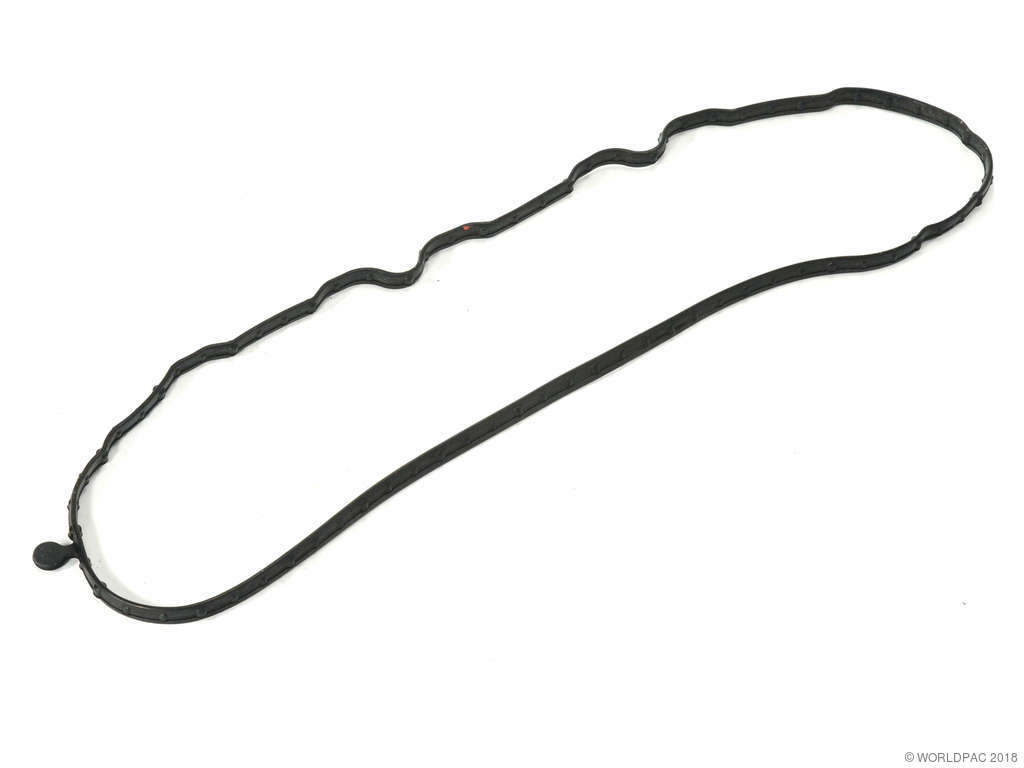
Aftermarket price range: $5-$10 per spring - Valve Cover Gasket — Required when removing the valve covers to inspect or replace valve springs.
Trusted brands: ACDelco, Fel-Pro
OEM price range: $30-$50
Aftermarket price range: $20-$40
Related Codes That Often Appear With This One
- P0300 — A broken valve spring or failed lifter prevents the cylinder from operating correctly, leading to a Random/Multiple Cylinder Misfire code. TSB #PIP5752M explicitly links P0106 and P0300 to a valve spring concern.
- P0506 — A broken valve spring or a large vacuum leak can cause the engine's idle speed to be unstable and lower than the target RPM. TSBs #PIP5752M and #PIP5423B mention this code in conjunction with P0106.
- P0108 — This code indicates 'Manifold Absolute Pressure Sensor Circuit High Voltage'. It often appears with P0106 and points directly to a problem with the MAP sensor or its circuit, as noted in TSBs #N212330660 and #PIP5787A.
Technical Service Bulletins (TSBs) & Recalls
- PIP5752M: Links P0106, P0300, and P0506 to a possible valve spring concern. Recommends replacing all springs on both banks for certain 2020-2021 models if one is found broken.
- PIP5423B: Connects P0106 and P0506 to a broken valve spring, requiring inspection and replacement. Also notes to check for a melted intake runner.
- N212330660: A service update for certain 2021 models instructing dealers to replace the MAP sensor (P/N 12711681) to resolve P0106 and/or P0108.
- PIP5787A: Notes that P0106 and P0108 may be set due to a MAP sensor performance issue and recommends replacement.
Platform-Specific Known Issues
- Known Valve Spring Failures: TSBs #PIP5752M and #PIP5423B document a known issue where a broken valve spring can cause code P0106, often with P0300 and P0506. This is a serious mechanical failure that requires immediate attention. For some 2020-2021 models, GM recommended replacing all 16 springs if one was found broken.
- Faulty MAP Sensors: TSB #N212330660 was issued for 2021 models specifically to address faulty MAP sensors that could cause P0106 and P0108. The fix is a direct replacement of the sensor with an updated part number.
- AFM/DFM Lifter Concerns: While not a direct cause of P0106, the failure of Active/Dynamic Fuel Management lifters is a widespread issue on these engines. The resulting misfires and engine instability can sometimes present alongside a P0106 code, complicating diagnosis. A ticking noise could be a lifter or a valve spring, requiring careful inspection.
Mechanic-Grade Diagnostic Values
- MAP Sensor 5-Volt Reference Circuit — expected: 4.8-5.2 Volts DC with ignition ON, engine OFF, sensor disconnected.. Failure: Voltage below 4.8V or above 5.2V indicates a fault in the circuit or the ECM.
- MAP Sensor Low Reference (Ground) Circuit — expected: Less than 5 Ohms of resistance between the low reference circuit terminal and a known good ground.. Failure: Resistance greater than 5 Ohms indicates an open or high resistance in the ground circuit.
- MAP Sensor Signal Voltage at Idle — expected: Approximately 1.0V to 1.5V (corresponding to 19-21 inches of mercury vacuum).. Failure: Significantly higher voltage at idle (e.g., over 2.5V or 65 kPa) suggests a vacuum leak, mechanical issue (like a broken valve spring), or a faulty sensor.
- MAP Sensor Signal (Disconnected) — expected: Scan tool should read less than 12 kPa with the sensor harness disconnected and ignition ON.. Failure: A reading greater than 12 kPa suggests the signal wire is shorted to voltage.
Scan Tool Commands That Help
- GM GDS2 (Global Diagnostic System 2): Vehicle DTC Information -> Display DTCs — To retrieve manufacturer-specific and history codes that generic OBD-II scanners might miss, providing a more complete diagnostic picture when troubleshooting P0106.
- GM GDS2 (Global Diagnostic System 2): Engine Control Module -> Control Functions — While it cannot directly test the MAP sensor, GDS2 can be used to command other systems on and off to observe the effect on manifold pressure, helping to isolate the root cause of an illogical reading.
Wiring & Ground Locations
- MAP Sensor Connector — On the top of the intake manifold, typically to the driver's side of the throttle body.. This is the primary connection point for testing voltage and ground. The 3-wire connector typically has a 5V reference (Gray wire), a signal wire (Light Green wire), and a low reference/ground (Orange with Black stripe).
- G104 / G107 — On the rear of the driver's side cylinder head.. This is a critical engine harness ground. A loose or corroded connection here can cause erratic behavior in multiple engine sensors, including the MAP sensor, leading to incorrect readings and codes like P0106.
- G108 — On the lower right rear of the engine block.. This serves as another main engine block ground. Poor contact at this point can lead to unstable sensor reference voltages.
- G102 — On the lower left front of the engine, grounding the ignition coils.. While primarily for the ignition system, poor grounding here can contribute to electrical noise and misfires (P0300), which are often seen alongside P0106, especially in cases of mechanical failure.
Real Owner Repair Stories
- Reddit user in r/Justrolledintotheshop (GM Truck (unspecified year, likely 5.3L/6.2L)) — Vehicle runs poorly, P0106 code present. Later found to have P0300 (multiple misfire) as well.
❌ Tried (didn't work) Customer replaced the MAP sensor.
✅ What actually fixed it A broken valve spring was found on one of the cylinders. The erratic manifold pressure caused by the valve not seating properly triggered the P0106 code.
"I Checked Everything" — The Actual Cause
- In a documented case for a 2011 Sierra with P0106, the vehicle passed a smoke test, leading the owner to believe there were no vacuum leaks. The actual cause was a clogged catalytic converter on the driver's side. The excessive exhaust backpressure caused erratic readings from the MAP sensor, triggering the code. Replacing the catalytic converter resolved all symptoms.
OEM Part Supersession History
12644228→12711681— Part has been updated by the manufacturer.
Heads up: The new part number (12711681) is the direct replacement for the original and should be used for service.
Helpful Videos


Used OEM Parts in Stock
New Aftermarket Parts Available


The information in this article is provided for general reference and educational purposes only. Vehicle specifications, procedures, and part compatibility can vary by production date, trim level, and region. Always consult your vehicle's factory service manual and verify part numbers before purchasing or performing repairs. Safety-critical components such as airbags, seat belts, and braking systems should be installed by a qualified professional.
- Gmc SIERRA 1500:
- 🧭 Diagnostic Flowchart
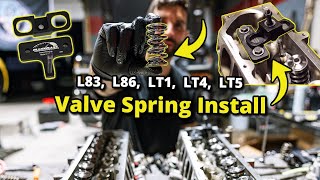
- 🎬 Helpful Videos
- 🛍️ Shop This Part
- What's Unique About the 2015-2021 Gmc SIERRA 1500
- Symptoms You May Notice
- Most Likely Causes
- Rare But Worth Checking
- Diagnosis Steps
- Parts You'll Likely Need
- Related Codes That Often Appear With This One
- Technical Service Bulletins (TSBs) & Recalls
- Platform-Specific Known Issues
- Mechanic-Grade Diagnostic Values
- Scan Tool Commands That Help
- Wiring & Ground Locations
- Real Owner Repair Stories
- "I Checked Everything" — The Actual Cause
- OEM Part Supersession History
- 🎟️ Get 5% Off