

P0106 on 2016-2022 Honda HR-V: MAP Sensor Causes and Fixes
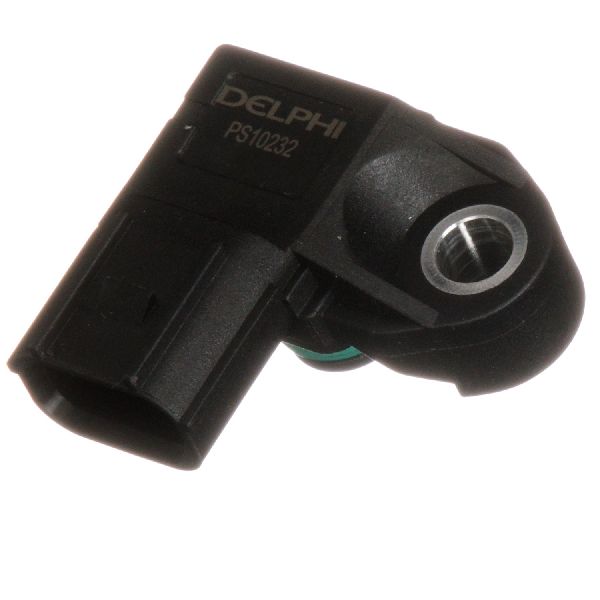
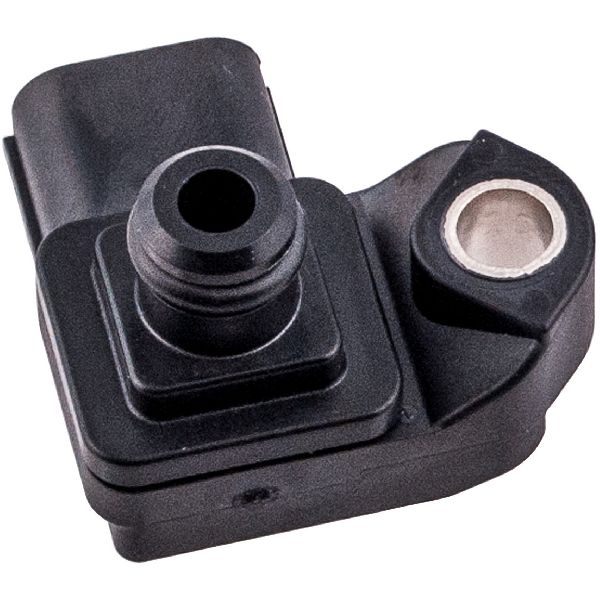
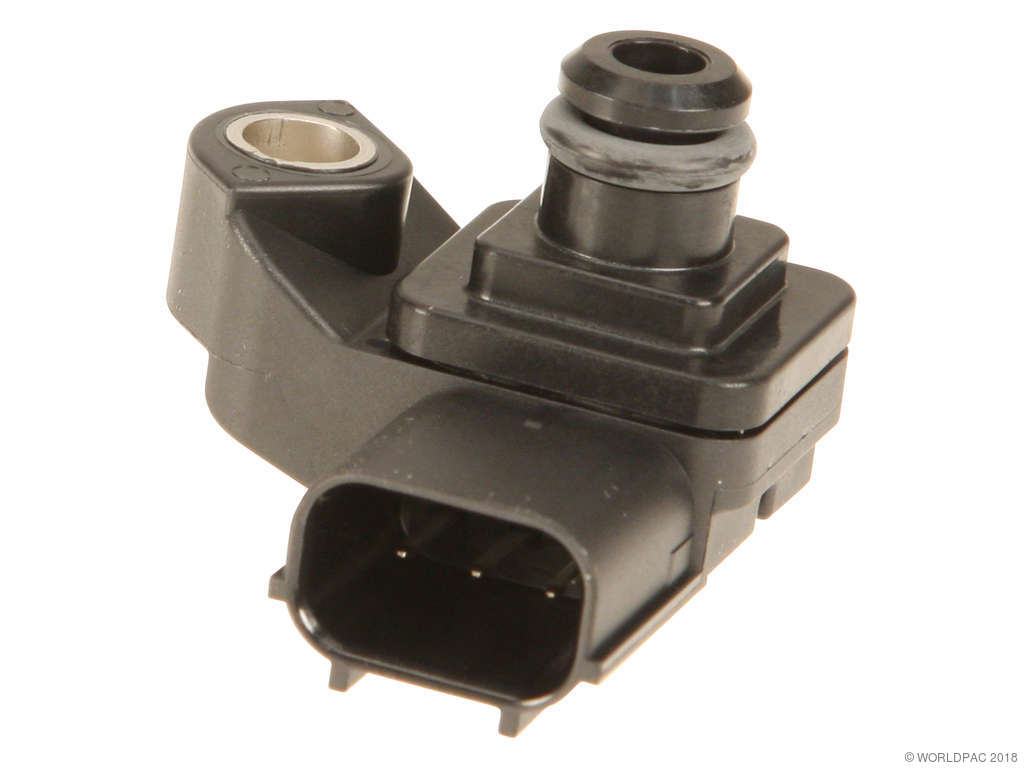
On a 2016-2022 Honda HR-V, code P0106 is most often caused by a faulty Manifold Absolute Pressure (MAP) sensor. It's a simple, DIY-friendly repair with the part costing around $70-$100 for an OEM sensor and $25-$60 for an aftermarket replacement. However, before replacing the sensor, check for vacuum leaks and consider if a dirty throttle body or a needed idle-relearn procedure is the true cause, especially if the battery was recently disconnected.
- P0106 on your HR-V almost always points to a problem with the Manifold Absolute Pressure (MAP) sensor system.
- The most likely fix is replacing the MAP sensor itself, which is an easy and affordable DIY job.
- Before replacing parts, always inspect vacuum hoses for leaks and check the MAP sensor wiring.
- Crucially, if the code appeared after disconnecting the battery or cleaning the throttle body, perform an 'Idle Relearn Procedure' before attempting any repairs.
- The correct OEM part number for the MAP sensor is 37830-RNA-A01, which is shared across many Honda models.
- Driving with this code can cause poor performance and fuel economy, so it's best to address it promptly.
What's Unique About the 2016-2022 Honda HR-V

For the 2016-2022 HR-V with the 1.8L R18 engine, the P0106 code is a straightforward diagnostic issue with no unique platform-specific quirks or widespread defects noted in technical service bulletins. The problem is almost always what it appears to be: a sensor performance issue. The MAP sensor (OEM part 37830-RNA-A01) is a common component across many Honda models from this era, making diagnosis and parts sourcing relatively simple. A notable characteristic for this platform is the potential for the code to be triggered after disconnecting the battery or cleaning the throttle body, which can often be resolved with an idle relearn procedure rather than part replacement.
Symptoms You May Notice
- Check Engine Light is on
- Rough or unstable idle
- Hesitation or stumbling during acceleration
- Noticeably reduced fuel economy
- Black smoke from the exhaust in some cases
- Difficulty starting the engine
- Engine may stall at low speeds or when stopping
- In some cases, the engine may enter a reduced-power 'limp mode'
- Replacing the throttle body when only a cleaning and idle relearn is needed.
- Replacing oxygen sensors, which can have similar symptoms but will typically set different codes.
- Repeatedly replacing the MAP sensor without diagnosing underlying vacuum leaks, wiring issues, or performing a required throttle body idle relearn.
Most Likely Causes

- Faulty Manifold Absolute Pressure (MAP) Sensor 🔴 High Probability → Shop Manifold Absolute Pressure Sensor The MAP sensor is a sensitive electronic component that can fail over time due to heat cycles, internal wear, or contamination from oil and carbon.
How to confirm: With the key on and engine off, use a scan tool to compare the MAP sensor reading with the Barometric Pressure (BARO) reading. They should be nearly identical. If they differ significantly, or if the voltage does not change smoothly when revving the engine, the sensor is likely faulty. Some users attempt to clean the sensor with an approved electrical cleaner as a first step, but replacement is often necessary.
Typical fix: Replace the MAP sensor. It is typically held in place by a single bolt on the intake manifold.
Est. part cost: $25-$100 - Vacuum Leak 🟡 Medium Probability Rubber vacuum hoses, the air intake boot, and intake gaskets can become brittle and crack over time, creating unmetered air leaks that confuse the MAP sensor.
How to confirm: Visually inspect all vacuum hoses connected to the intake manifold for cracks or disconnection. Pay close attention to the PCV hose and brake booster line. The most effective method is to perform a smoke test, which will force smoke through the intake system and reveal the source of any leaks.
Typical fix: Replace the cracked hose or faulty gasket.
Est. part cost: $10-$50 - Damaged Wiring or Connector ⚪ Low Probability Engine bay heat and vibration can, over many years, cause wiring to become brittle or pins in the connector to become loose, corroded, or lose tension.
How to confirm: Visually inspect the MAP sensor's electrical connector and wiring harness for any signs of damage, corrosion, or loose pins. Ensure the connector is fully seated. Use a multimeter to check for the correct reference voltage (usually 5V), a good ground, and a smooth signal voltage change at the connector.
Typical fix: Repair the damaged wiring or replace the pigtail connector.
Est. part cost: $15-$40
Rare But Worth Checking
- Dirty or Uncalibrated Throttle Body: → Shop Fuel Injection Throttle Body Excessive carbon buildup on the throttle plate can restrict airflow at idle, causing erratic MAP readings. Furthermore, cleaning the throttle body or disconnecting the battery without performing an 'Idle Relearn Procedure' can cause the ECM to set a P0106 code because it has lost its learned idle values.
- Severely Clogged Engine Air Filter: A completely blocked air filter can starve the engine of air, causing an abnormally high vacuum reading that the ECM may interpret as a MAP sensor performance issue.
- Internal Engine Mechanical Issue: Extremely rare for this code, but a significant internal issue like a stuck or burnt valve can affect manifold pressure enough to trigger a P0106 code after other causes are ruled out.
- Faulty Powertrain Control Module (PCM): This is extremely rare. The PCM itself can fail, but this should only be considered after all other possible causes have been exhaustively ruled out by a professional.
Diagnosis Steps

- Read all fault codes with an OBD-II scanner. Note any other codes that are present.
- Visually inspect the air intake tube between the air filter and the throttle body for any cracks or loose connections.
- Inspect all vacuum hoses connected to the intake manifold for obvious cracks, breaks, or disconnections.
- Inspect the MAP sensor's electrical connector for corrosion, damage, or loose pins. Ensure it is seated firmly.
- With the key on and engine off, use a scan tool to view live data. Compare the 'MAP' reading to the 'BARO' (Barometric Pressure) reading. They should be very close. If not, the sensor is suspect.
- Start the engine and observe the MAP sensor reading at idle. It should be a steady, low voltage/pressure reading. Briefly rev the engine; the reading should change instantly and smoothly.
- Inspect the throttle body for heavy carbon buildup. If cleaning is performed or the battery has been disconnected, perform an 'Idle Relearn Procedure'.
- If a vacuum leak is suspected but not visible, perform a smoke test to pinpoint the source of the leak.
- If no vacuum leaks are found and the wiring appears intact, the MAP sensor is the most likely cause of the problem.
Parts You'll Likely Need
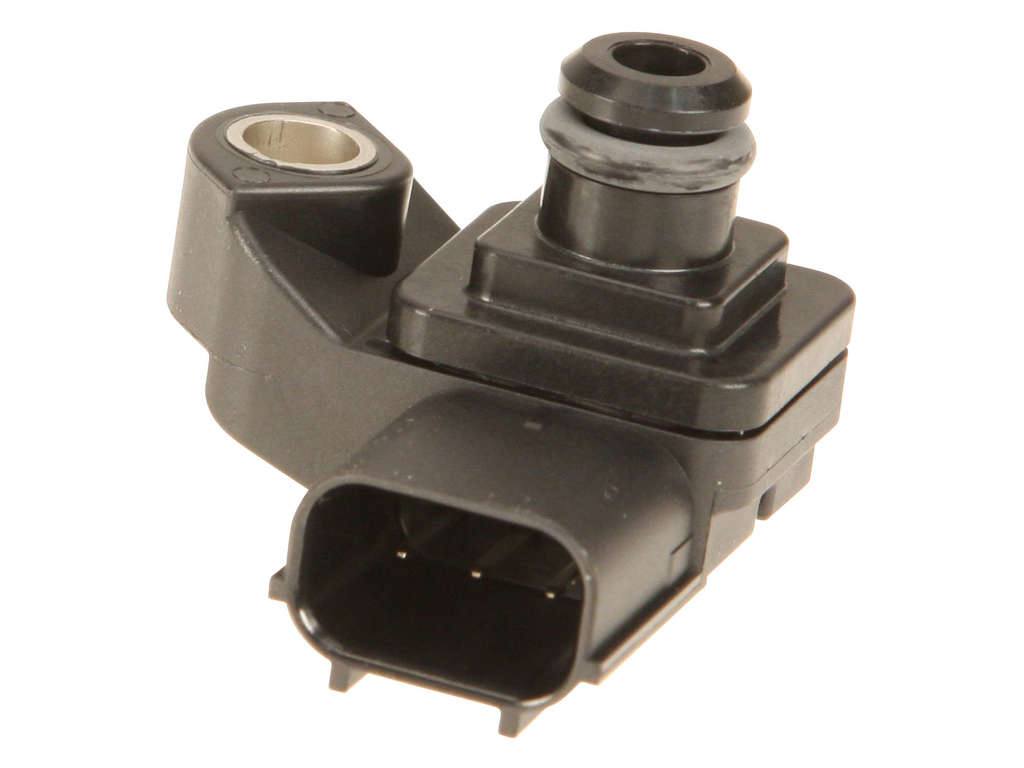
- Manifold Absolute Pressure (MAP) Sensor
(OEM #37830-RNA-A01)— This is the most common failure point for code P0106. It is a critical sensor that wears out over time.
Trusted brands: Honda (Genuine OEM), Denso (Often the OEM supplier), Bosch, NTK/NGK
OEM price range: $70-$100
Aftermarket price range: $25-$60
Related Codes That Often Appear With This One
- P0107 — This code indicates 'MAP Sensor Circuit Low Input,' which can be triggered by the same faulty sensor or wiring issue causing the P0106 performance code.
- P0108 — This code indicates 'MAP Sensor Circuit High Input,' which points to the same set of potential failures as P0106 and P0107.
Technical Service Bulletins (TSBs) & Recalls
- No specific Honda Technical Service Bulletins (TSBs) for P0106 on the 2016-2022 HR-V are widely available in public databases. However, TSBs from other manufacturers (e.g., GM Service Bulletin 20-NA-193) note that similar codes can be set by environmental factors like ice forming on the MAP sensor in freezing temperatures, which is a rare but plausible scenario.
Platform-Specific Known Issues
- Throttle Body Idle Relearn Requirement: → Shop Fuel Injection Throttle Body A recurring theme among Honda owners is the appearance of code P0106 immediately following a battery replacement, battery disconnection, or after cleaning the throttle body. This occurs because the ECM's memory of the learned idle position is wiped. The new, cleaner throttle body position doesn't match the old stored values, leading to an air/fuel calculation error that triggers P0106. The fix is often not a new part, but performing the specific 'Idle Relearn Procedure' for the vehicle.
Mechanic-Grade Diagnostic Values
- MAP Sensor Reference Voltage — expected: ~5.0V. Failure: No voltage or significantly lower voltage indicates a problem with the PCM or wiring.
- MAP Sensor Signal Voltage (Key On, Engine Off) — expected: ~3.0V - 3.5V. Failure: A reading significantly outside this range, such as ~0.37V as noted in one forum, points to a sensor or wiring issue. A reading below 0.23V can trigger a P0107 (low voltage) code.
- MAP Sensor Signal Voltage (Engine at Idle) — expected: ~1.0V or less. Failure: Voltage that doesn't drop from the KOEO reading, or is unstable, indicates a faulty sensor or a vacuum leak.
- Live Data: MAP Reading at Idle — expected: 15-25 kPa. Failure: A reading that fluctuates wildly or stays at 0 kPa suggests the sensor has failed.
Scan Tool Commands That Help
- Honda Diagnostic System (HDS): MAP Sensor Voltage Check (Live Data) — Used as the primary step to confirm if the MAP sensor voltage is out of the expected range. For a related code (P0107), the HDS is used to check if the voltage is below the 0.23V threshold with the key on, engine off.
- Honda Diagnostic System (HDS): Jump SCS Line — This service function is used to prepare the vehicle for continuity checks on the MAP sensor wiring to the PCM.
Wiring & Ground Locations

- MAP Sensor Connector (3-Pin) — On the intake manifold, held by a single bolt.. This is the primary connection point for the sensor. Pins must be clean and secure. Pin 1 is typically the signal, Pin 2 is the ground, and Pin 3 is the 5V reference.
- PCM Connector B (51-Pin) — At the Powertrain Control Module (PCM).. Pin B41 is the VCC1 (5V reference) wire for the MAP sensor. Continuity must be checked between this pin and Pin 3 at the sensor connector if reference voltage is missing.
- G101 — Commonly found on or near the engine block or cylinder head.. A wiring diagram for the R18 engine family shows G101 as a primary engine ground. A loose or corroded G101 can cause erratic sensor readings, including for the MAP sensor.
Real Owner Repair Stories
- Reddit r/MechanicAdvice (Hyundai (symptoms and cause are directly applicable to the Honda issue)) — Check Engine Light with P0106, incredibly hard idling, and stalling.
❌ Tried (didn't work) Replacing the MAP sensor., Clearing the DTC code (it returned).
✅ What actually fixed it The issue started after the battery died. The user noted the car seemed to have relearned its idle, but the code persisted. The proposed next step, which aligns with Honda-specific issues, was to clean the throttle body and perform a full idle relearn procedure.
OEM Part Supersession History
37830-RNA-A01→37830-RNA-A01— No supersession found.
Heads up: This part number remains consistent across many Honda models and years, including the 2016-2022 HR-V.
Model Year Variations Within This Range
- 2019-2022: The HR-V received a facelift for the 2019 model year. While the 1.8L R18Z9 engine remained the standard powertrain in North America, the exterior styling, headlights, and interior features like the Display Audio system were updated. The 6-speed manual transmission was discontinued. These changes do not directly affect the diagnosis of P0106, as the core engine management components, including the MAP sensor, remained the same.
Diagnostic Flowchart
Real Owner Stories
Aggregated from forums and TSBs cited above. Mileages and costs reflect what owners reported in those sources.
Honda vehicle (General)
Symptoms: The P0106 code appeared immediately after the vehicle's battery died.
What fixed it: Cleaning the throttle body and performing an idle relearn procedure resolved the issue after replacing the MAP sensor failed to fix it.
Source hint: Reddit r/MechanicAdvice thread titled 'Car keeps kicking out P0106 code - even after replacing the MAP sensor'
Honda vehicle (General)
Symptoms: Triggered a P0106 code immediately after cleaning the throttle body and replacing the air filter, even though the car continued to run fine.
What fixed it: Performing an idle relearn procedure to recalibrate the ECM to the newly cleaned throttle body.
Source hint: Reddit r/Cartalk thread titled 'P0106 after cleaning throttle body'
2006-2015 Honda Civic (1.8L R18 engine)
Symptoms: P0106 code requiring diagnosis of the MAP sensor circuit.
What fixed it: Performed detailed electrical testing of the MAP sensor circuit with a multimeter, checking for correct voltage and ground at the connector and ECU.
Source hint: Honda-Tech Forum thread titled 'How do I fix P0106?'
Related OBD-II Codes
Frequently Asked Questions
I just replaced the battery on my 2016-2022 Honda HR-V and got a P0106 code. Do I need a new MAP sensor?
Why did the P0106 code trigger immediately after I cleaned the throttle body on my HR-V?
What is the OEM part number for the MAP sensor on the 2016-2022 Honda HR-V?
Are there any specific Honda Technical Service Bulletins (TSBs) for the P0106 code on the HR-V?
How can I test the MAP sensor on my HR-V before buying a replacement?
We Have This Part in Stock


The information in this article is provided for general reference and educational purposes only. Vehicle specifications, procedures, and part compatibility can vary by production date, trim level, and region. Always consult your vehicle's factory service manual and verify part numbers before purchasing or performing repairs. Safety-critical components such as airbags, seat belts, and braking systems should be installed by a qualified professional.
- Honda HR-V:
- 🧭 Diagnostic Flowchart
- 🛍️ Shop This Part
- What's Unique About the 2016-2022 Honda HR-V
- Symptoms You May Notice
- Most Likely Causes
- Rare But Worth Checking
- Diagnosis Steps
- Parts You'll Likely Need
- Related Codes That Often Appear With This One
- Technical Service Bulletins (TSBs) & Recalls
- Platform-Specific Known Issues
- Mechanic-Grade Diagnostic Values
- Scan Tool Commands That Help
- Wiring & Ground Locations
- Real Owner Repair Stories
- OEM Part Supersession History
- Model Year Variations Within This Range
- Real Owner Stories
- Honda vehicle (General)
- Honda vehicle (General)
- 2006-2015 Honda Civic (1.8L R18 engine)
- Related OBD-II Codes
- Frequently Asked Questions
- 🎟️ Get 5% Off