

P0106 on 2013-2018 Ram 5500 6.7L Cummins: MAP Sensor Causes and Fixes
On a 2013-2018 Ram 5500 with the 6.7L Cummins, code P0106 is most often caused by a soot-contaminated Manifold Absolute Pressure (MAP) sensor. Cleaning the sensor may provide a temporary fix, but replacement is usually the best solution. Expect to pay between $50 and $140 for a new sensor. In some cases, the code can be triggered by outdated software or, more rarely, a faulty turbo speed sensor.
- P0106 on a 2013-2018 Ram 6.7L Cummins almost always points to the Manifold Absolute Pressure (MAP) sensor.
- The most likely cause is heavy soot contamination on the sensor due to the EGR system design.
- Before replacing expensive parts like the turbo, inspect, clean, or replace the MAP sensor first. It's an easy, 10-minute job.
- If the code appears mainly in cold weather, check with a dealer for a possible software update before replacing parts.
- Ignoring this code can lead to poor performance, bad fuel economy, and potential damage to the DPF.
What's Unique About the 2013-2018 Ram 5500
On the 6.7L Cummins engine, the MAP sensor is highly susceptible to contamination from soot and oil due to the Exhaust Gas Recirculation (EGR) system. The sensor is located on the intake horn right next to the EGR valve, where exhaust gases are reintroduced, causing a massive amount of soot to build up on the sensor. This contamination can clog the sensor, leading to incorrect pressure readings, slow throttle response, and reduced fuel mileage long before the sensor fails electronically. Forum users frequently describe removing the sensor to find it covered in a 'layer of greasy crud'.
Symptoms You May Notice
- Check Engine Light is on
- Reduced engine power or 'limp mode'
- Poor or slow acceleration
- Rough idle or engine stalling
- Black smoke from the exhaust
- Decreased fuel economy
- Difficulty starting the vehicle
- Replacing the turbocharger without first checking the MAP sensor and for boost leaks. A faulty MAP sensor can mimic the symptoms of a bad turbo.
- Replacing the MAP sensor repeatedly when the actual fault is the Turbo Speed Sensor. The PCM may incorrectly flag the MAP sensor due to conflicting data from the turbo speed sensor.
Most Likely Causes
- Soot-Contaminated or Faulty MAP Sensor 🔴 High Probability → Shop Manifold Absolute Pressure Sensor The MAP sensor's location next to the EGR valve on the intake horn makes it extremely vulnerable to soot and oil buildup from the crankcase ventilation system.
How to confirm: Remove the MAP sensor (located on the intake horn on the driver's side) and visually inspect it for soot or oily residue. A scan tool can also be used to monitor MAP sensor voltage; it should be around 1V at idle and increase with boost. A user on Turbo Diesel Register noted their code was intermittent, appearing on the second start of the day, and the fix was replacing the sensor which was found 'covered in a layer of greasy crud'.
Typical fix: Cleaning the sensor with a dedicated mass air flow or electrical 🎬 See how to clean a soot-covered MAP sensor. parts cleaner can be a temporary fix, as reported by multiple forum users. However, due to heavy contamination, replacement with a quality OEM part is often necessary for a permanent solution.
Est. part cost: $50-$140 - Outdated Powertrain Control Module (PCM) Software 🟡 Medium Probability Ram has issued Technical Service Bulletins (TSBs) for newer model years (e.g., 18-019-20, 18-059-20) indicating that overly sensitive software can falsely trigger a P0106 code, particularly in extreme cold weather. While a specific TSB for the 2013-2018 range is not commonly cited for P0106, this pattern strongly suggests that some vehicles in this generation may have a similar calibration issue that a dealer software update could resolve.
How to confirm: Contact a Ram dealership with your vehicle's VIN to see if any open software updates or TSBs apply. This is especially relevant if the code appears primarily in cold temperatures or if a new MAP sensor does not fix the issue.
Typical fix: A Ram dealer will need to update the PCM software using the wiTECH tool. This is not a DIY repair.
Est. part cost: $0-$200 - Wiring or Connector Issues ⚪ Low Probability
How to confirm: Inspect the MAP sensor's electrical connector and wiring harness for any signs of damage, corrosion, or loose connections. Check for a stable 5-volt reference signal (F855 circuit), a good ground (K916 circuit), and a changing signal on the K37 circuit with a multimeter.
Typical fix: Repair or replace the damaged section of the wiring harness or clean the connector terminals. A replacement pigtail connector is available (Cummins 5299163).
Est. part cost: $10-$100
Rare But Worth Checking
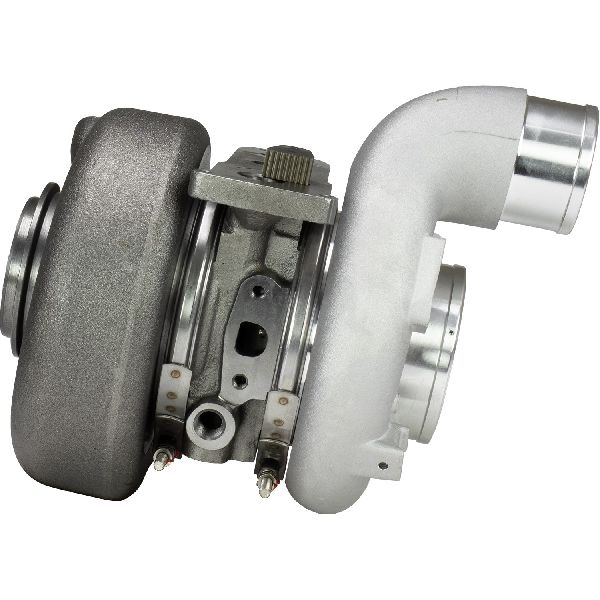
- Faulty Turbocharger Speed Sensor: → Shop Turbocharger A failing turbo speed sensor can trigger a 'derived' P0106 code. The PCM may see an illogical condition, such as high boost pressure from the MAP sensor but zero RPM from the turbo speed sensor, and incorrectly flag the MAP sensor for a performance issue. Multiple owners have reported replacing the MAP sensor with no success, only to find the turbo speed sensor was the true culprit. This is often accompanied by turbo-related codes like P2579 or P2580.
- Faulty EGR Airflow Throttle Control Valve: A sticking or failed EGR airflow throttle control valve can alter intake pressure and trigger a P0106. A diagnostic check is to turn the engine off and listen/look to see if the valve cycles closed as it should.
- Restricted Air Intake or Exhaust: A severely clogged engine air filter or a restricted Diesel Particulate Filter (DPF) can alter intake manifold pressure enough to set this code. This would likely be accompanied by other codes related to the DPF (e.g., P2463) or low boost.
- Boost Leaks: A leak in the intake system between the turbocharger and the engine (e.g., a cracked intercooler boot) can cause the MAP sensor readings to be lower than what the PCM expects, potentially triggering P0106.
Diagnosis Steps
- Read the Code: Use an OBD-II scanner to confirm P0106 is the active code and check for any other pending or stored codes, especially P0107, P0108, P2579, or P2580.
- Check for TSBs: Contact a Ram dealer with your VIN to check for any applicable PCM software updates, especially if the issue occurs in cold weather.
- Visual Inspection: Inspect the air intake system for any obvious leaks, such as cracked hoses or loose clamps between the turbo and the intake manifold.
- Inspect and Clean/Replace the MAP Sensor: Locate the MAP sensor on the driver's side of the intake horn. Disconnect it and remove the single retaining bolt. Visually inspect for heavy soot. Try cleaning it with sensor-safe electronics cleaner. If heavily contaminated or if cleaning doesn't resolve the issue, replacement is the recommended fix.
- Check Wiring: If a new sensor doesn't fix the code, inspect the sensor's connector and wiring for damage. Use a multimeter to verify a 5-volt reference, good ground, and a changing signal voltage as engine RPM changes.
- Investigate Turbo Speed Sensor: If a new MAP sensor does not fix the code (especially if P2579/P2580 are present), the turbo speed sensor is a likely culprit. It is located on the turbocharger housing and can be replaced in about 10-20 minutes. 🎬 Watch: Step-by-step guide to replacing the turbo speed sensor.
- Check EGR Airflow Control Valve: After shutting down the engine, check if the EGR airflow throttle control valve cycles. If it does not, it may be stuck and require replacement.
Parts You'll Likely Need
- Manifold Absolute Pressure (MAP) Sensor
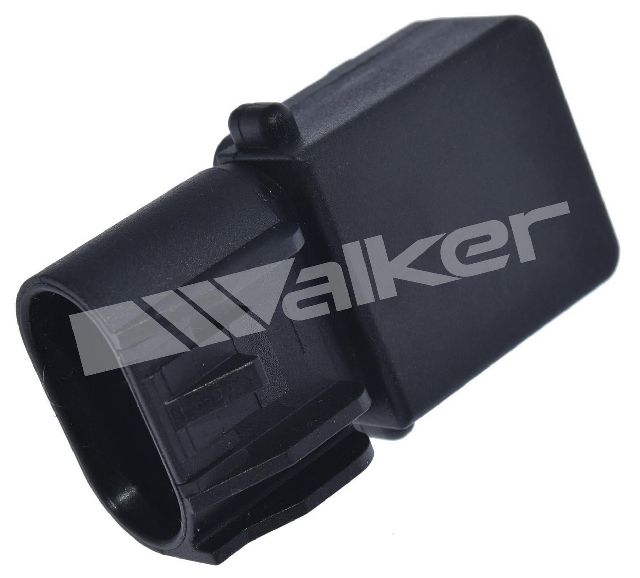
(OEM #68282012AB (supersedes 68282012AA))— This is the most common failure point for code P0106 on the 6.7L Cummins due to its high susceptibility to soot contamination. It is technically a TMAP (Temperature Manifold Absolute Pressure) sensor.
Trusted brands: Mopar, Cummins, Bosch
OEM price range: $90-$140
Aftermarket price range: $50-$100 - Turbocharger Speed Sensor — A known, though less common, cause of a P0106 code. A faulty turbo speed sensor can send irrational data to the PCM, causing it to flag the MAP sensor. Often required when a new MAP sensor does not fix the issue.
Trusted brands: Mopar, Cummins
OEM price range: $150-$200
Aftermarket price range: $80-$130
Related Codes That Often Appear With This One
- P226C — This code indicates a slow response from the turbocharger boost control. A soot-clogged MAP sensor can provide slow or inaccurate data, leading the PCM to believe the turbo is not responding correctly.
- P2579 / P2580 — These codes relate to the turbocharger speed sensor circuit. A fault in this sensor can directly cause the PCM to log a P0106 as a secondary, 'derived' code due to the illogical data mismatch between boost pressure and turbo speed.
- P0107 / P0108 — These codes indicate a MAP sensor circuit low or high input, respectively. Diagnostic procedures state that these electrical fault codes should be addressed before diagnosing a P0106 performance code.
Technical Service Bulletins (TSBs) & Recalls
- 18-019-20 & 18-059-20: While for 2019+ models, these TSBs show a pattern of Ram addressing P0106 that occurs in 'extreme cold ambient temperatures' with a PCM software update. This is strong evidence that software sensitivity is a known issue for this code on the 6.7L Cummins platform.
- 18-037-16 REV. A: Applies to 2015 Ram 2500/3500 trucks and involves a PCM flash for various system improvements. While it does not explicitly list P0106, it shows a history of software updates being issued for this vehicle generation to correct DTCs and drivability issues.
- TSB Bulletin #1800824: This bulletin addresses Manifold Absolute Pressure Sensor Performance (P0106) specifically when the vehicle is operated in extreme cold ambient temperatures.
- TSB Bulletin #1800724: A manufacturer service bulletin noting that P0106 performance issues can be triggered by extreme cold ambient temperatures, requiring a software-based correction for the Internal Control Module.
- TSB Bulletin #18-056-22: This record confirms that P0106 (Manifold Absolute Pressure Sensor Performance) is a known issue in extreme cold ambient temperatures, often appearing alongside other performance codes like P0116 and P0420.
Platform-Specific Known Issues
- Intermittent P0106 Fixed by MAP Sensor Replacement: → Shop Manifold Absolute Pressure Sensor A user on turbodieselregister.com with a 4th Gen Ram reported an intermittent P0106 code that would appear on the second start of the day and then clear itself after 3-4 restarts. The final fix was replacing the MAP sensor, which was found to be 'covered in a layer of greasy crud'. This highlights the most common failure scenario.
- P0106 Caused by Faulty Turbo Speed Sensor: A user on RamForum.com with a 2015 model chased a persistent P0106 code. Cleaning the MAP sensor worked only for a day, and multiple replacement MAP sensors (both cheap and OEM) failed to solve the problem. The final fix was replacing the turbocharger speed sensor. The PCM was flagging the MAP sensor because it was receiving conflicting data: boost pressure from the MAP sensor, but zero RPM from the faulty turbo speed sensor.
Mechanic-Grade Diagnostic Values
- MAP Sensor 5V Reference Voltage — expected: ~5.0 Volts. Failure: Voltage significantly lower than 5.0V or 0V indicates a wiring issue or a faulty PCM.
- MAP Sensor Ground Circuit Voltage — expected: Close to 0 Volts. Failure: Any significant voltage reading indicates a poor ground connection.
- MAP Sensor Signal Voltage (Key On, Engine Off) — expected: ~4.5 Volts at sea level, should match BARO sensor reading on a scan tool.. Failure: A voltage that does not correlate with barometric pressure indicates a faulty sensor.
- MAP Sensor Signal Voltage (Engine Idling) — expected: 1.0 to 1.5 Volts. Failure: Voltage outside this range at idle suggests a sensor, vacuum leak, or other system problem.
Scan Tool Commands That Help
- wiTECH or equivalent professional scan tool: EGR Airflow Control Valve Actuator Test — If a sticking EGR airflow throttle control valve is suspected of causing incorrect intake pressure, this bidirectional command can be used to cycle the valve and verify its mechanical operation without having to remove parts. This helps differentiate a mechanical jam from an electrical failure.
Wiring & Ground Locations
- TMAP Sensor Connector — On the intake horn on the driver's side for pickup models; on the intake manifold for Cab & Chassis models.. This is the primary point of failure for wiring issues. The 4-pin connector should be inspected for corrosion, pushed-out pins, or damage. The circuit pinout is: Pin 1: K37 (Boost Pressure Signal), Pin 2: F855 (5 Volt Supply), Pin 3: K735 (Charge Air Cooler Outlet Temp Sensor), Pin 4: K916 (Sensor Ground).
- Engine/PCM Grounds — Key grounds are located on the engine block (often near the starter or alternator) and on the body/frame near the batteries.. The MAP sensor relies on a stable 5V reference and ground provided by the PCM. A poor PCM ground can cause fluctuating reference voltages, leading to erratic sensor readings and performance codes like P0106 even with a perfectly good sensor.
Real Owner Repair Stories
- Turbo Diesel Register user 'Dieselnerd' (4th Gen Ram 6.7L Cummins) — Intermittent P0106 code, usually on the second start of the day. The Check Engine Light would clear itself after 3-4 restarts.
❌ Tried (didn't work) Considering it might be the turbo speed sensor based on forum advice.
✅ What actually fixed it Replaced the MAP sensor. The old sensor was found to be 'covered in a layer of greasy crud.' The code did not return after replacement. - YouTube User Comment / General Diesel Engines Forum (2013 Ram 5500 with 6.7L Cummins) — P0106 code, low power, sometimes accompanied by P2580 (Turbo Speed Sensor).
❌ Tried (didn't work) Replacing the MAP sensor multiple times.
✅ What actually fixed it The root cause was a faulty turbocharger speed sensor. The PCM was logging a P0106 because it saw an illogical situation: the MAP sensor reported boost pressure, but the faulty turbo speed sensor reported zero turbo RPM. Replacing the turbo speed sensor resolved the P0106. - RamForum.com user 'Bwhackd34' (2015 Ram 2500 Cummins) — P0106, loss of power, won't rev past 2000 RPM.
❌ Tried (didn't work) Cleaning the EGR valve., Replacing fuel filters., Using a cheap MAP sensor from Amazon (made things worse)., Using a supposedly genuine Cummins sensor from eBay (also made things worse)., Cleaning the original factory MAP sensor (worked for one day)., Installing a brand new $150 MAP sensor from the dealer (caused more codes and derated the engine again).
✅ What actually fixed it The user's story was unresolved in the thread, but it serves as a critical cautionary tale: using incorrect or low-quality aftermarket sensors on this platform can introduce new problems and make diagnosis much more difficult. The system is very sensitive to the correct OEM part.
OEM Part Supersession History
68282012AA→68282012AB— Standard part revision/update by Mopar.
Heads up: 68282012AB is the correct current replacement for the 2013-2018 range.Mopar 68282012AB→Cummins 5698455— Cross-reference to the Cummins-branded equivalent part.
Heads up: These part numbers are often used interchangeably for the same sensor.N/A→Cummins 5299163— This is the part number for the MAP sensor harness pigtail, used to repair a damaged connector.
Model Year Variations Within This Range
- 2013-2018: The location of the TMAP (MAP) sensor differs between vehicle configurations. On standard pickup trucks (Ram 2500/3500), the sensor is located on the EGR Airflow Throttle Control Valve. On Cab & Chassis models (Ram 3500/4500/5500), it is located on the intake manifold itself.
- 2018: For the 2018 model year, Ram increased the torque output of the 6.7L Cummins to 930 lb-ft from 850-900 lb-ft in prior years. This was achieved primarily through software calibration changes, not major hardware revisions, highlighting that software can vary even within the same generation.
Diagnostic Flowchart
Real Owner Stories
Aggregated from forums and TSBs cited above. Mileages and costs reflect what owners reported in those sources.
2013 Ram 5500 6.7L Cummins
Symptoms: Low power and P0106 code. Initial diagnosis pointed towards the MAP sensor, but other codes were present.
What fixed it: Replacing a faulty inlet pressure/temperature sensor located in the clean side of the airbox, which restored proper boost pressure. The P0106 was a secondary code triggered by irrational readings from this primary failed sensor.
Source hint: Diesel Technician Society / General Diesel Engines forum post titled '13 Ram 5500 - low power and P0106'
4th Gen Ram 6.7L Cummins
Symptoms: Intermittent P0106 code that would appear on the second start of the day and then clear itself after 3-4 restarts.
What fixed it: Replacing the MAP sensor, which was found to be covered in a layer of greasy crud.
Source hint: Turbo Diesel Register thread titled 'What is DTC P0106 telling me?'
2015 Ram 6.7L Cummins
Symptoms: Persistent P0106 code. Cleaning the MAP sensor worked only for a day, and multiple replacement MAP sensors (both cheap and OEM) failed to solve the problem.
What fixed it: Replacing the turbocharger speed sensor. The PCM was flagging the MAP sensor because it was receiving boost pressure data but zero RPM from the faulty turbo speed sensor.
Source hint: RamForum.com thread titled 'P0106 code with odd circumstances'
Related OBD-II Codes
Frequently Asked Questions
Do TSBs 18-019-20 or 18-059-20 apply to my 2013-2018 Ram 5500?
Where is the MAP sensor located on the 6.7L Cummins engine?
Can I just clean the MAP sensor instead of replacing it?
I replaced the MAP sensor but the P0106 code came back. What else could it be?
Is there a replacement connector available if my MAP sensor wiring is damaged?
Does TSB 18-037-16 REV. A cover the P0106 code?
Helpful Videos
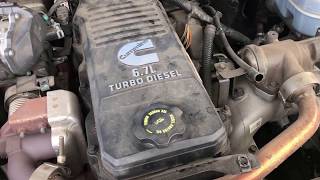
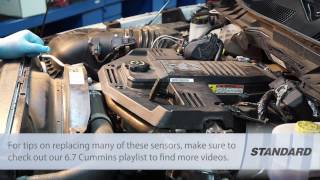
Used OEM Parts in Stock
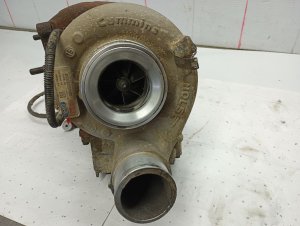
New Aftermarket Parts Available


The information in this article is provided for general reference and educational purposes only. Vehicle specifications, procedures, and part compatibility can vary by production date, trim level, and region. Always consult your vehicle's factory service manual and verify part numbers before purchasing or performing repairs. Safety-critical components such as airbags, seat belts, and braking systems should be installed by a qualified professional.
- Ram 5500:
- 🧭 Diagnostic Flowchart
- 🎬 Helpful Videos
- 🛍️ Shop This Part
- What's Unique About the 2013-2018 Ram 5500
- Symptoms You May Notice
- Most Likely Causes
- Rare But Worth Checking
- Diagnosis Steps
- Parts You'll Likely Need
- Related Codes That Often Appear With This One
- Technical Service Bulletins (TSBs) & Recalls
- Platform-Specific Known Issues
- Mechanic-Grade Diagnostic Values
- Scan Tool Commands That Help
- Wiring & Ground Locations
- Real Owner Repair Stories
- OEM Part Supersession History
- Model Year Variations Within This Range
- Real Owner Stories
- 2013 Ram 5500 6.7L Cummins
- 4th Gen Ram 6.7L Cummins
- 2015 Ram 6.7L Cummins
- Related OBD-II Codes
- Frequently Asked Questions
- 🎟️ Get 5% Off