

P0107 on 2011-2019 Dodge Durango 3.6L V6: MAP Sensor Circuit Low Causes and Fixes
On a 2011-2019 Durango with the 3.6L V6, code P0107 almost always means the Manifold Absolute Pressure (MAP) sensor has failed. It's a very easy, 15-minute DIY fix. Expect to pay around $25-$75 for an aftermarket sensor and $70-$120 for an OEM Mopar part. The failure is often accelerated by oil contamination from the PCV system, a known trait of this engine.
- P0107 on a Durango 3.6L almost always points to a bad MAP sensor.
- This is a beginner-friendly DIY repair that takes less than 15 minutes and requires no special tools.
- Before replacing the sensor, it's wise to quickly check its electrical connector for 5V power and ground to rule out a simple wiring issue.
- The sensor is located on the rear of the intake manifold, under the plastic engine cover.
- When you remove the old sensor, don't be surprised to find oil on it; this is a known issue with the Pentastar engine and a strong confirmation of sensor failure.
What's Unique About the 2011-2019 Dodge Durango
For the 3.6L Pentastar V6 in the Durango, the P0107 code is a very common and straightforward issue. A known design characteristic of the PCV (Positive Crankcase Ventilation) system can allow oil vapor to be drawn into the intake manifold, which can contaminate and foul the MAP sensor over time, leading to its failure. Unlike in some other vehicles where the sensor is buried, the MAP sensor on the Pentastar is conveniently located on the rear of the intake manifold and uses a simple twist-lock fitting, making it exceptionally easy for a DIY replacement.
Symptoms You May Notice
- Check Engine Light is on
- Rough or unstable idle
- Engine hesitation or sluggish acceleration
- Reduced engine power
- Poor fuel economy
- Stalling, especially at idle
- Black smoke from the exhaust in some cases
- Hard starting or long crank times
- Replacing the Throttle Position Sensor (TPS), as its symptoms can sometimes mimic a bad MAP sensor.
- Replacing oxygen sensors due to a rich or lean running condition caused by the incorrect MAP sensor data.
- Mistaking the symptoms for a faulty fuel pump, especially on 2011-2013 models which were subject to a TIPM/fuel pump relay recall that causes similar stalling and no-start issues.
Most Likely Causes
- Faulty Manifold Absolute Pressure (MAP) Sensor 🔴 High Probability → Shop Manifold Absolute Pressure Sensor The sensor is known to become contaminated by oil vapors from the engine's PCV system, leading to premature failure. This is the most common cause for P0107 on the Pentastar 3.6L engine.
How to confirm: After removing the engine cover, the sensor is visible at the rear of the intake manifold. Visually inspect the old sensor for oil fouling upon removal. A scan tool showing a fixed low voltage (e.g., under 0.5V) that doesn't change with engine RPM also points to a failed sensor.
Typical fix: Replace the MAP sensor. It is held in by a twist-lock mechanism and a single connector, requiring no special tools. Clear the code after replacement.
Est. part cost: $25-$120 - Wiring Harness or Connector Issue 🟡 Medium Probability The wiring harness for the MAP sensor can sometimes chafe against other engine components, like A/C lines, causing a short to ground.
How to confirm: Inspect the MAP sensor connector and wiring for any signs of damage, corrosion, or loose pins. Use a multimeter to verify a 5-volt reference signal and a good ground at the connector with the key on, engine off.
Typical fix: Repair the damaged section of the wiring harness or clean/replace the connector pigtail.
Est. part cost: $10-$40 - Major Vacuum Leak ⚪ Low Probability
How to confirm: A significant vacuum leak from a cracked hose or disconnected line could theoretically affect the MAP reading, but would typically also present with other codes (like P0171 or P0174) and more severe drivability issues. Listen for hissing sounds around the intake manifold. A common source for vacuum leaks on this platform is a cracked EVAP purge hose.
Typical fix: Locate and repair the source of the vacuum leak, such as a cracked hose or bad gasket.
Est. part cost: $5-$50
Rare But Worth Checking
- Faulty Powertrain Control Module (PCM): → Shop Engine Control Module (ECM) This is extremely rare. The PCM should only be considered after the MAP sensor and its entire circuit (power, ground, signal wire) have been thoroughly tested and proven to be good.
Diagnosis Steps
- Scan for Codes: Confirm P0107 is the primary code. Note any other codes present, such as P0106 or P0108.
- Visual Inspection: Remove the plastic engine cover. Inspect the MAP sensor, its electrical connector, and the surrounding wiring for any obvious damage, corrosion, or loose connections. Specifically check for chafing against nearby A/C lines.
- Check the Connector: Disconnect the MAP sensor. With the ignition ON and engine OFF, use a multimeter to test the connector terminals. You should find approximately 5 volts (reference), a good ground (near 0 ohms to chassis ground), and a signal wire.
- Test the Sensor (Optional): If power and ground are good, you can test the old sensor. Reconnect it and back-probe the signal wire. The voltage should change as you apply vacuum with a hand pump. However, given the low cost and high failure rate, most technicians and DIYers proceed with replacement if power and ground are confirmed good.
- Inspect for Oil: Remove the MAP sensor by twisting it counter-clockwise and pulling it out. Check the sensor tip and the port in the intake manifold for excessive oil residue, which confirms the common PCV-related failure mode.
- Install New Sensor: If the sensor is suspect, replace it with a new part. Mopar part number 68371847AB is the current revision. Clear the codes with a scanner and perform a test drive to ensure the code does not return.
Parts You'll Likely Need
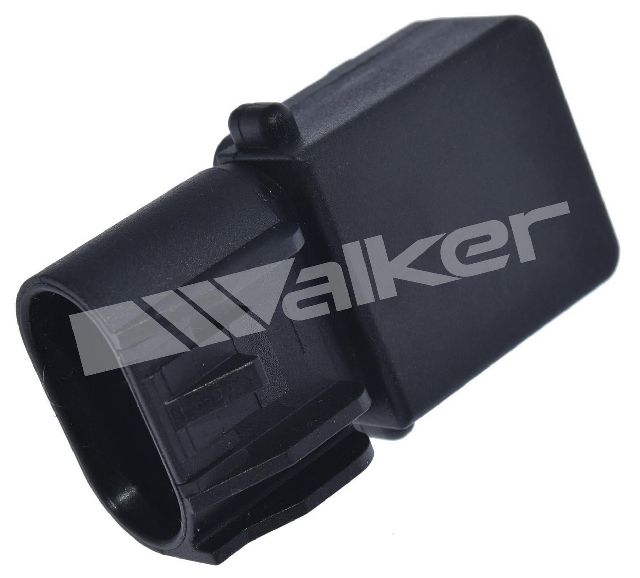
- Manifold Absolute Pressure (MAP) Sensor
(OEM #68371847AB)— This is the component that fails in the vast majority of P0107 cases on this engine due to internal electronics failure, often accelerated by oil contamination.
Trusted brands: Mopar, NGK/NTK, Delphi, Standard Motor Products (SMP)
OEM price range: $70-$120
Aftermarket price range: $25-$75
Related Codes That Often Appear With This One
- P0106 — This code indicates a 'MAP Sensor Range/Performance' issue. It often appears alongside P0107 or as a precursor, indicating the sensor's readings are erratic before they fail completely low.
- P0108 — This code for 'MAP Sensor Circuit High Input' can also be triggered by a faulty sensor or wiring issue, representing the opposite failure mode.
Platform-Specific Known Issues
- The 3.6L Pentastar engine's PCV system design can allow oil vapor to coat the MAP sensor, which is a widely acknowledged contributor to this code appearing. Some owners install an aftermarket oil catch can to reduce this issue.
- A user on a Ram 1500 forum (with the same engine) reported a P0107 code and stalling. After replacing the MAP sensor, the issue was resolved. This confirms the cross-platform nature of the problem.
- Forum discussions on DodgeForum.com for other models confirm the MAP sensor as the primary culprit for P0107, with users discussing testing procedures before replacement.
Mechanic-Grade Diagnostic Values
- MAP Sensor 5-Volt Reference — expected: 4.5V - 5.0V with Key On, Engine Off (KOEO). Failure: Voltage significantly below 4.5V indicates a wiring issue or a short on the 5V reference circuit, possibly from another sensor.
- MAP Sensor Signal Voltage (KOEO) — expected: ~4.5V - 4.8V at sea level (should correlate with Barometric Pressure). Failure: A reading below ~0.5V indicates a faulty sensor or a short to ground on the signal wire.
- MAP Sensor Signal Voltage (Engine Idling) — expected: 1.0V - 2.0V. Failure: Voltage remains high (near KOEO reading) or stays fixed at a very low value (under 0.5V).
- MAP Sensor Ground Circuit Resistance — expected: < 5.0 Ohms to chassis ground. Failure: High resistance indicates a poor ground connection, which can cause incorrect sensor readings.
Scan Tool Commands That Help
- Standard OBD-II Scanner: Live Data Monitoring — This is the primary diagnostic method. Monitor MAP sensor voltage/pressure at KOEO, idle, and while snapping the throttle. For P0107, you are looking for a signal that is stuck low (e.g., <0.5V) and does not respond to changes in engine vacuum.
Wiring & Ground Locations
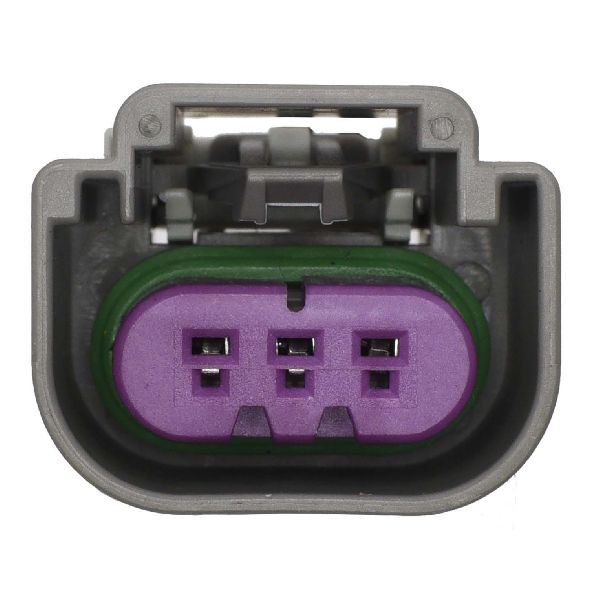
- MAP Sensor Connector — On the MAP sensor itself, located at the rear of the upper intake manifold.. This 3-pin connector provides power, ground, and signal return for the sensor. Corrosion or damage here is a common point of failure. The pins are for 5V Reference, Signal, and Ground.
- G906a / G909b — Right front of the engine compartment.. These are primary ground points for the Powertrain Control Module (PCM). A faulty ground here could cause a variety of engine control issues, including erroneous sensor readings, though it would likely trigger multiple codes, not just P0107.
- Harness Chafe Point — The section of the MAP sensor wiring harness that runs near the metal A/C lines.. This is a known chafe point on the 3.6L Pentastar platform where the signal or reference wire can short to ground, directly causing a P0107 code.
OEM Part Supersession History
5149174AA→5149174AB, then 68371847AA, then 68371847AB— Standard part revisions for improved reliability or manufacturing changes.
Heads up: All part numbers are considered fully interchangeable and backward-compatible for this application.
Model Year Variations Within This Range
- 2016-2019: For the 2016 model year, the 3.6L Pentastar engine received a major update (sometimes called PUG for Pentastar Upgrade). This included a new intake manifold design, two-stage variable valve lift (VVL), and an increased compression ratio from 10.2:1 to 11.3:1. However, the MAP sensor's function, general location, failure mode (oil contamination), and the P0107 diagnostic procedure remain the same as the 2011-2015 models.
Diagnostic Flowchart
Other Known Issues on This Vehicle
Issues unrelated to this code that are worth knowing about as an owner of this generation:
- Cracked Oil Filter/Cooler Housing 🔴 High — Very common, typically occurs between 80,000-120,000 miles. The plastic housing cracks from heat cycles, causing a major oil leak into the engine valley, often mistaken for a rear main seal leak.
- Rocker Arm / Lifter Failure ('Pentastar Tick') 🔴 High — Common, can occur as early as 20,000 miles but more frequently around 80,000-100,000+ miles. Presents as an audible ticking sound from the top of the engine. (Ref: TSB 09-011-25 (for other models, but relevant))
- Faulty Totally Integrated Power Module (TIPM) 🔴 High — Common on 2011-2013 models. Can cause a wide range of electrical issues at any mileage. (Ref: NHTSA Recall 14V-530, 15V-115, V62 (19V-813))
- Cylinder Head Failure (Left Bank) 🟠 Medium — More common on earlier Pentastar engines (2011-2013). Often results in a P0302, P0304, or P0306 misfire code. (Ref: Chrysler extended the warranty on the left cylinder head for some models.)
Used vs. New Parts: Buying Guide for This Vehicle
When a used part is the smart pick: Buying a used MAP sensor is not recommended. The part is a common failure item due to electronic failure and oil contamination. The cost of a new, quality aftermarket sensor is low enough that the risk of installing a used part with limited remaining life is not worth the small savings.
OEM-only on this vehicle (don't cheap out):
- No parts for this specific P0107 repair are considered 'OEM-only'. Reputable aftermarket sensors perform well.
Aftermarket brands forum-validated for this vehicle:
- NGK/NTK
- Delphi
- Standard Motor Products (SMP)
- Walker Products
Brands owners have reported issues with on this vehicle:
- Unbranded, 'white-box' sensors from online marketplaces should be avoided due to a higher likelihood of poor calibration and premature failure.
Real Owner Stories
Aggregated from forums and TSBs cited above. Mileages and costs reflect what owners reported in those sources.
2012 Ram 1500 3.6L V6
Symptoms: The vehicle was experiencing a P0107 code and stalling issues.
What fixed it: Replacing the MAP sensor resolved the stalling and cleared the code.
Source hint: vehicle_specific_issues - Ram 1500 forum report
2012 Dodge Durango 3.6L V6
Symptoms: Owner was looking for methods to test the MAP sensor before purchasing a replacement part.
What fixed it: Testing procedures for the MAP sensor were discussed to confirm failure before replacement.
Source hint: DodgeForum.com - "p0107 code"
Related OBD-II Codes
Frequently Asked Questions
Is there a specific Mopar part number I should use for the MAP sensor on my 3.6L Durango?
Why does the MAP sensor fail so frequently on the 3.6L Pentastar engine?
I see a recall for the TIPM on 2011-2013 Durangos; could this cause my P0107 code?
Where is the MAP sensor located on my Durango's engine?
Can a wiring issue cause P0107 on this vehicle?
Should I be worried about a 'ticking' sound along with my check engine light?
Helpful Videos
We Have This Part in Stock


The information in this article is provided for general reference and educational purposes only. Vehicle specifications, procedures, and part compatibility can vary by production date, trim level, and region. Always consult your vehicle's factory service manual and verify part numbers before purchasing or performing repairs. Safety-critical components such as airbags, seat belts, and braking systems should be installed by a qualified professional.
- Dodge Durango:
- 🧭 Diagnostic Flowchart
- 🎬 Helpful Videos
- 🛍️ Shop This Part
- What's Unique About the 2011-2019 Dodge Durango
- Symptoms You May Notice
- Most Likely Causes
- Rare But Worth Checking
- Diagnosis Steps
- Parts You'll Likely Need
- Related Codes That Often Appear With This One
- Platform-Specific Known Issues
- Mechanic-Grade Diagnostic Values
- Scan Tool Commands That Help
- Wiring & Ground Locations
- OEM Part Supersession History
- Model Year Variations Within This Range
- Other Known Issues on This Vehicle
- Used vs. New Parts: Buying Guide for This Vehicle
- Real Owner Stories
- 2012 Ram 1500 3.6L V6
- 2012 Dodge Durango 3.6L V6
- Related OBD-II Codes
- Frequently Asked Questions
- 🎟️ Get 5% Off