

P0107 on 2011-2015 Kia Sorento 3.3L V6: MAP Sensor Circuit Low Causes and Fixes
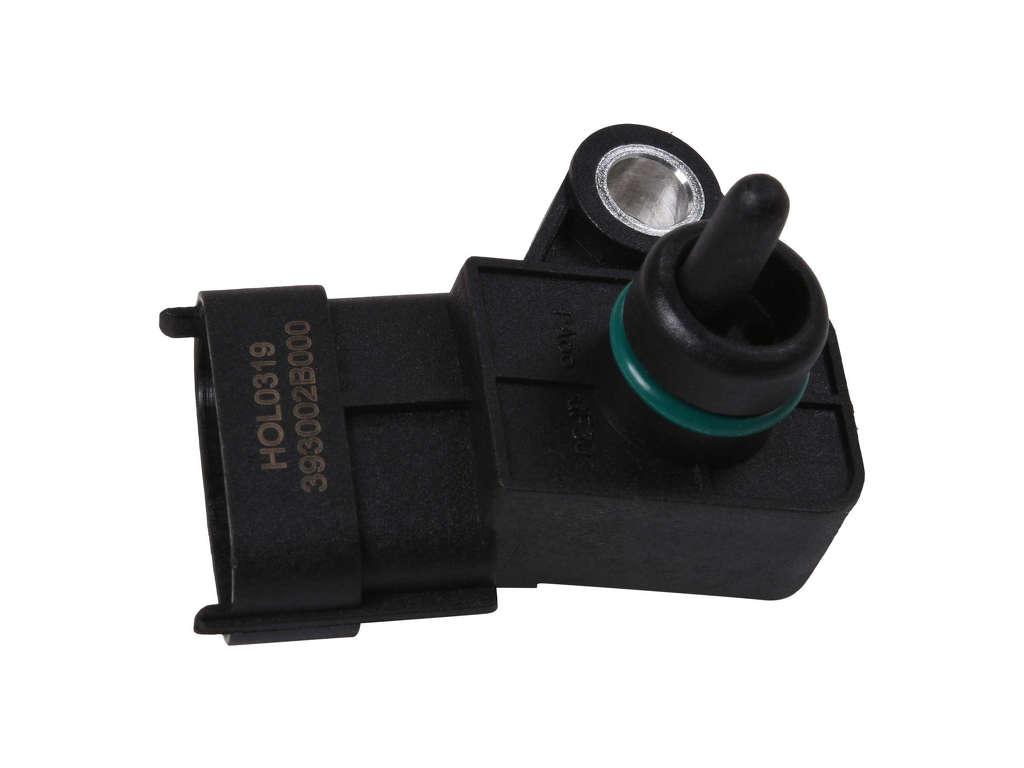
On a 2014-2015 Kia Sorento with the 3.3L V6, code P0107 almost always indicates a faulty Manifold Absolute Pressure (MAP) sensor. This is a common failure point, but it is a simple, 15-minute DIY fix with the part costing between $30 for an aftermarket sensor and $120 for an OEM part. The sensor is located on top of the intake manifold and held by a single 10mm bolt.
- P0107 on a 2014-2015 Sorento 3.3L is overwhelmingly likely to be a bad MAP sensor.
- This is a very DIY-friendly repair that requires a 10mm socket and can be completed in under 30 minutes.
- Before replacing the sensor, perform a quick visual check of the wiring and connector for any obvious damage.
- The correct OEM part number is 39300-3C300.
- Driving with this code can lead to poor performance, bad fuel economy, and potential catalytic converter damage.
What's Unique About the 2011-2015 Kia Sorento
The 2011-2015 Sorento (XM generation) saw a major powertrain update in 2014, introducing the 3.3L Lambda GDi V6 to replace the older 3.5L V6. This guide specifically covers the 3.3L engine found in 2014-2015 models. For this engine, the P0107 code is a very common and straightforward issue. The MAP sensor is conveniently located on top of the intake manifold, making it exceptionally easy to access and replace for a DIYer with a single 10mm bolt.
Generation note: The 2011-2015 Kia Sorento is part of the second generation (XM). However, a significant facelift occurred for the 2014 model year, which included replacing the 3.5L V6 with the 3.3L Lambda V6. This guide is specific to the 2014-2015 models equipped with the 3.3L V6 engine. The MAP sensor failure is also common on the platform-mate Hyundai Santa Fe with the same engine.
Symptoms You May Notice
- Check Engine Light is on
- Rough or unstable idle
- Engine hesitation or stumbling during acceleration
- Reduced engine power and sluggish performance
- Decreased fuel economy
- Black smoke from the exhaust (due to a rich fuel mixture)
- Difficulty starting the engine, may require long cranking times
- Engine stalling, especially at idle or red lights
- Replacing the throttle body when the issue is the MAP sensor mounted on the intake manifold.
- Replacing oxygen sensors, as a rich running condition can be mistaken for a faulty O2 sensor.
- Replacing the Mass Air Flow (MAF) sensor, if equipped. P0107 is specific to the MAP sensor circuit.
Most Likely Causes
- Faulty Manifold Absolute Pressure (MAP) Sensor 🔴 High Probability → Shop Manifold Absolute Pressure Sensor This is a very common failure point on many Kia/Hyundai platforms using the 3.3L V6 engine, including the Sorento, Santa Fe, and Cadenza. The sensor's internal electronics can fail from constant heat cycles and engine vibration, causing the signal to drop out.
How to confirm: With the key on and engine off, use a scan tool to check the MAP sensor reading. It should be close to barometric pressure (around 4.5-5.0V at sea level). At idle, the voltage should drop to 1.0-1.8V. A reading that is stuck low (under 0.5V) points to a bad sensor or circuit. Given the low cost and ease of replacement (a single 10mm bolt on top of the intake manifold), swapping the sensor is a common and effective diagnostic step.
Typical fix: Replace the MAP sensor. It is held to the intake manifold by a single 10mm bolt. Ensure the old O-ring is removed with the sensor. Lightly lubricate the new O-ring with clean engine oil before installation.
Est. part cost: $30-$120 - Wiring or Connector Issue 🟡 Medium Probability The MAP sensor wiring harness is located in the engine bay, where it is exposed to heat and vibration that can make wires brittle or cause connections to become loose or corroded over time. Sometimes the locking tab on the connector can break, leading to a poor connection.
How to confirm: Visually inspect the MAP sensor connector and its wiring for any signs of damage, corrosion, or loose pins. With the connector unplugged and key on, use a multimeter to verify you have a 5-volt reference and a good ground at the connector terminals. Perform a 'wiggle test' by shaking the harness with the engine running to see if it causes a change in idle, which would indicate a bad connection.
Typical fix: Repair the damaged section of the wiring harness or clean/replace the connector pigtail.
Est. part cost: $5-$50 - Large Vacuum Leak ⚪ Low Probability While a vacuum leak typically causes a P0171/P0174 (lean) code, a very large and sudden leak could theoretically cause an unusual MAP sensor reading. Hoses, like the PCV hose, can become brittle and crack over time.
How to confirm: With the engine running, listen for hissing sounds around the intake manifold, vacuum lines, and PCV valve. You can also spray brake cleaner or a propane torch (unlit) around suspected areas; a change in engine idle indicates a leak. A professional smoke test is the most definitive way to find a leak.
Typical fix: Replace the cracked or broken vacuum hose.
Est. part cost: $10-$40
Rare But Worth Checking
- Faulty Powertrain Control Module (PCM): → Shop Engine Control Module (ECM) This is extremely rare. The PCM should only be considered after the sensor and its entire circuit have been tested and proven to be in good working order. A failure here is more likely if other sensor circuits are also malfunctioning.
- Clogged Catalytic Converter: A severely blocked catalytic converter can create excessive backpressure, which can affect intake manifold pressure. This would typically be accompanied by other codes (like P0420) and a severe loss of power, especially at high RPM.
Diagnosis Steps
- Read the code with an OBD-II scanner and check for any other stored codes. Note codes like P0106 or P0108 which strongly point to the MAP circuit.
- With the Key On, Engine Off (KOEO), use the scanner's live data function to view the MAP sensor voltage. It should read approximately 4.5-5.0 volts (this varies slightly with altitude).
- Start the engine. At idle, the MAP sensor voltage should drop to between 1.0 and 1.8 volts.
- If the voltage is stuck below 0.5V in either KOEO or with the engine running, the sensor or its circuit is faulty.
- Visually inspect the MAP sensor (on top of the intake manifold), its electrical connector, and the surrounding wiring for any obvious damage, corrosion, or loose connections.
- Disconnect the MAP sensor. With the key on, check the connector terminals for the 5V reference signal and ground using a multimeter. One pin should have ~5V, another should have continuity to ground.
- If the 5V reference and ground are present, the MAP sensor is almost certainly the problem.
- If the 5V reference or ground is missing, trace the wiring back to the PCM to find and repair the open or short circuit.
- After replacing the part, clear the code with the scan tool and perform a test drive to ensure the fix was successful.
Parts You'll Likely Need
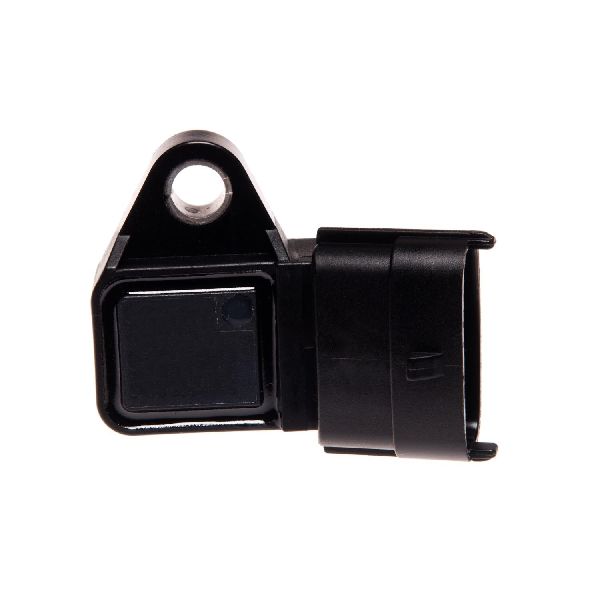
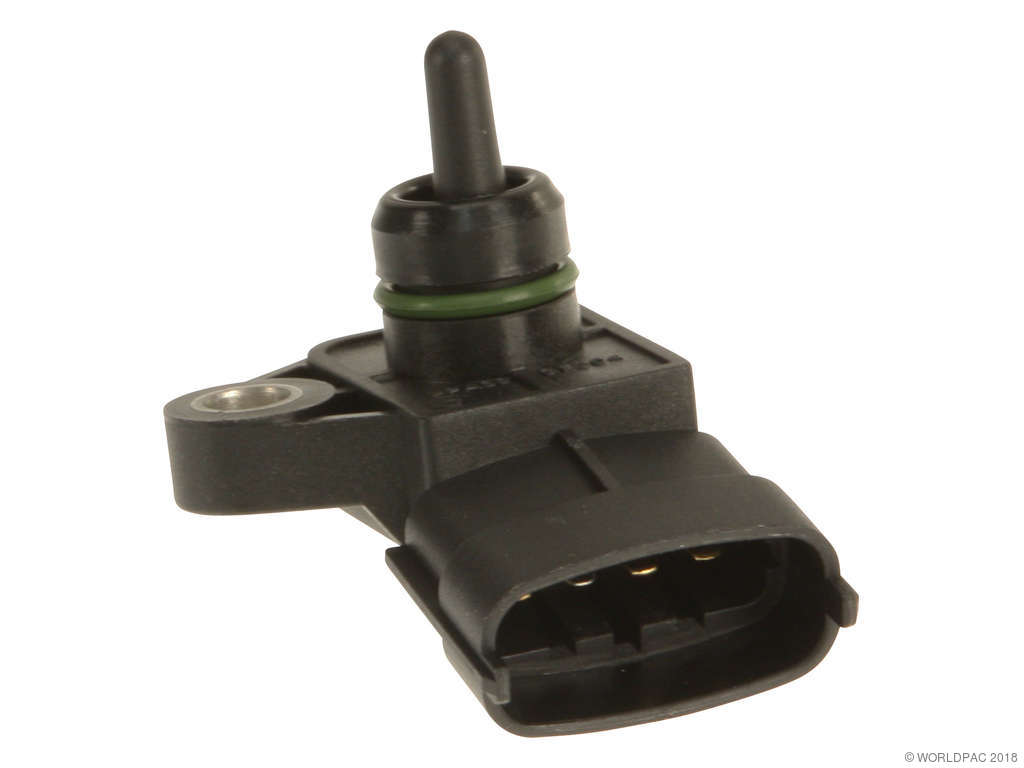
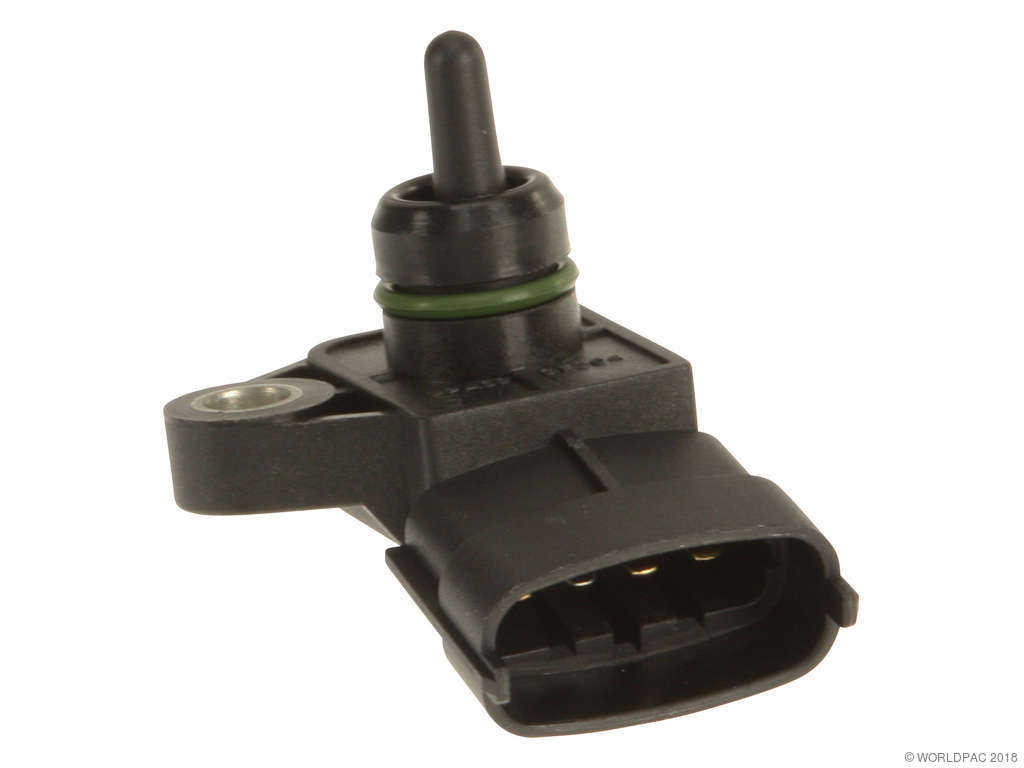
- Manifold Absolute Pressure (MAP) Sensor
(OEM #39300-3C300)— This is the most common cause for code P0107 on this vehicle. The sensor's internal electronics fail over time, causing the signal voltage to drop below the specified range. This part number is confirmed to fit the 3.3L V6 in the Sorento, Cadenza, and Santa Fe.
Trusted brands: Kia (Genuine OEM), Hyundai (Genuine OEM), Bosch, Delphi, Standard Motor Products (SMP), NTK
OEM price range: $90-$120
Aftermarket price range: $30-$75
Related Codes That Often Appear With This One
- P0108 — Manifold Absolute Pressure/Barometric Pressure Circuit High Input. If the sensor is failing intermittently or there's a wiring short, both high and low input codes can be stored.
- P0106 — MAP/Barometric Pressure Sensor Circuit Range/Performance. This indicates the sensor's output is erratic or not plausible for the given engine conditions, which can happen as a sensor begins to fail. This is a very common companion code.
- P0068 — MAP/MAF - Throttle Position Correlation. This means the MAP sensor reading doesn't make sense to the ECU for the given throttle position, often caused by a faulty MAP sensor.
Platform-Specific Known Issues
- A user on a Kia forum with a 2012 Sorento (though with a 2.4L engine) noted finding oil inside the MAP sensor connector from the PCV system, which caused P0107 and P0108 codes. Cleaning was temporary, but replacement was the final fix.
- Multiple owners on forums like kia-forums.com and sorentoforums.com confirm that replacing the MAP sensor is the go-to fix for P0107, often resolving the issue immediately with no further diagnosis needed.
Mechanic-Grade Diagnostic Values
- MAP Sensor 5V Reference Wire Voltage — expected: ~5.0 Volts (with key on, at sensor connector). Failure: Voltage is significantly lower than 5.0V or is absent, indicating a wiring or PCM issue.
- MAP Sensor Ground Wire Voltage — expected: Less than 100mV (0.1V) (with key on, at sensor connector). Failure: Voltage higher than 0.1V indicates a poor ground connection, which can cause incorrect sensor readings.
- MAP Sensor Signal Voltage (Key On, Engine Off) — expected: ~4.5V to 5.0V (should correlate with Barometric pressure). Failure: Voltage is stuck low (below 0.5V), indicating a faulty sensor or circuit.
- MAP Sensor Signal Voltage (Engine at Idle) — expected: 1.0V to 1.8V. Failure: Voltage remains high (near KOEO reading) or is stuck low (below 0.5V).
Scan Tool Commands That Help
- Kia GDS (Global Diagnostic System): Resetting Adaptive Values — After replacing a component like the MAP sensor or cleaning the throttle body, this function in the 'Vehicle Software Management' or 'Special Function' menu clears the PCM's learned fuel and idle trims, forcing it to relearn based on the new part's readings.
- Professional Scan Tool: Live Data Graphing: MAP vs. BARO — With Key On, Engine Off, the Manifold Absolute Pressure (MAP) and Barometric Pressure (BARO) PIDs should read nearly identically. A significant difference points to a faulty MAP sensor.
Wiring & Ground Locations
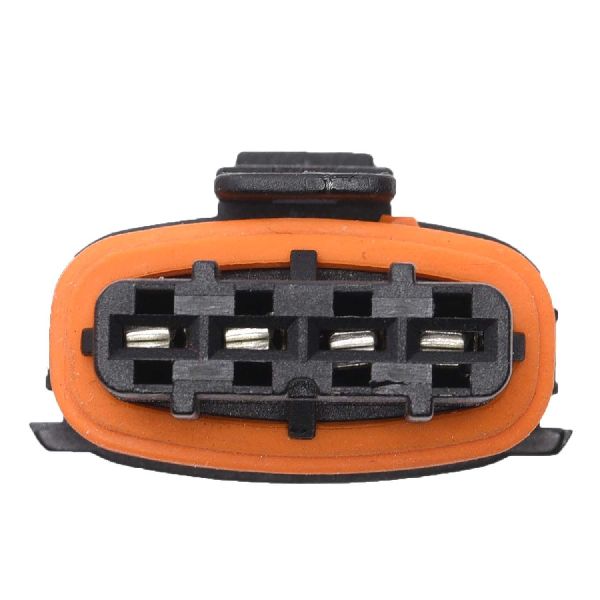
- MAP Sensor Connector — On the MAP sensor itself, located on the top, center of the intake manifold.. This 3-pin connector provides the sensor with power, ground, and a path for the signal to return to the PCM. The pins are: Pin 1 (varies) - 5V Reference, Pin 2 (varies) - Ground, Pin 3 (varies) - Signal. Verifying power and ground here is the fastest way to isolate a bad sensor from a wiring problem.
Real Owner Repair Stories
- DodgeForum.com user Cougar41 (2003 Dodge Caravan 3.3L (Illustrates a common wiring failure pattern)) — Stumbled, hesitated, rough idle, died, CEL on, ran rich. Codes P0107, P0108, P0205, P1496.
❌ Tried (didn't work) Replacing the MAP sensor did not fix the issue.
✅ What actually fixed it The actual cause was a melted wiring harness. A wire bundle containing fuel injector and sensor wires was routed too close to the exhaust manifold, causing multiple wires to melt and short together. Repairing the damaged wires resolved all codes. This highlights the importance of inspecting the harness for heat damage before replacing sensors.
Model Year Variations Within This Range
- 2014-2015: The 3.3L Lambda II GDI engine uses a Manifold Absolute Pressure (MAP) sensor on the intake manifold and a separate, combined Barometric Pressure Sensor/Intake Air Temperature (BPS/IAT) sensor elsewhere in the intake tract. This is different from systems that derive the BARO reading from the MAP sensor at startup.
- 2011-2015: The retaining bolt for the MAP sensor may have either a 10mm or an 8mm head, varying between engines and model years. It is wise to have both sockets ready for the job.
Diagnostic Flowchart
Other Known Issues on This Vehicle
Issues unrelated to this code that are worth knowing about as an owner of this generation:
- Catastrophic Engine Failure (Lambda II V6) 🔴 High — Less common than the 4-cylinder Theta II issues, but a significant number of owners report failures, often related to bearing wear or oil consumption, typically over 80,000 miles. A class action lawsuit has been filed regarding these engines. (Ref: A recall was issued for some 2017 Hyundai Santa Fe models with this engine for crankshaft issues, but not for the Sorento.)
- Carbon Buildup on Intake Valves 🟠 Medium — A common issue for all Gasoline Direct Injection (GDI) engines, including this one. Can cause rough idle and performance loss over time, typically noticeable after 60,000 miles.
- Transmission Fluid Temperature Sensor Failure 🟠 Medium — A very common failure on the 6-speed automatic transmission used in this generation, often triggering a P0700 and P0711/P0712/P0713. The sensor is integrated into the internal wiring harness.
- Faulty Canister Purge Valve (P0441) 🟡 Low — A very common issue causing a check engine light and difficulty starting after refueling. It's an easy and inexpensive fix. The V6 uses part number 28910-3C200.
- AWD Hydraulic Actuator Failure (P1820) 🟠 Medium — On AWD models, the actuator motor for the rear differential coupling is a known failure point, disabling the AWD system. Kia issued TSB CHA047 for this problem. (Ref: TSBCHA047)
- Timing Chain Tensioner/CVVT Rattle on Cold Start 🟠 Medium — A brief rattle for 1-3 seconds on a cold start can indicate a failing timing chain tensioner or CVVT unit, which can lead to timing codes like P0022. TSB ENG 148 was issued for 2014-2015 models. (Ref: TSB ENG 148)
Used vs. New Parts: Buying Guide for This Vehicle
When a used part is the smart pick: For this specific repair, buying a used MAP sensor is not recommended. The part is a known common failure item, and the cost of a new, warrantied aftermarket sensor is low. The risk of a used part failing shortly after installation is high.
What to inspect on the donor part:
- If a used part must be considered, verify the OEM part number (39300-3C300) is stamped on the housing.
- Inspect the black plastic body for any cracks, melting, or signs of extreme heat.
- Check that the electrical connector port is clean and the plastic locking tab is not broken.
- Ensure the rubber O-ring is present, pliable, and not brittle or cracked.
OEM-only on this vehicle (don't cheap out):
- For a P0107 code, a quality aftermarket MAP sensor is acceptable. However, for more complex issues on this vehicle, such as EGR valve faults or internal engine problems (e.g., head gasket coolant leaks under warranty extension WTY039), using genuine OEM parts is strongly advised to ensure compatibility and longevity.
Aftermarket brands forum-validated for this vehicle:
- Bosch
- Delphi
- Standard Motor Products (SMP)
- NTK
Brands owners have reported issues with on this vehicle:
- Unnamed or 'white-box' sensors from online marketplaces with no brand reputation or warranty should be avoided due to inconsistent quality and calibration.
Real Owner Stories
Aggregated from forums and TSBs cited above. Mileages and costs reflect what owners reported in those sources.
2012 Kia Sorento 2.4L
Symptoms: Found oil inside the MAP sensor connector from the PCV system, causing P0107 and P0108 codes.
What fixed it: Cleaning the connector was temporary; replacement of the sensor was the final fix.
Source hint: vehicle_specific_issues
2012 Kia Sorento 2.4L
Symptoms: Check engine light with code P0107.
What fixed it: Replacing the MAP sensor (part #39300-2B000).
Source hint: Kia-Forums.com - '2012 sorento map sensor replacement p0107'
2013 Kia Sorento 2.4L
Symptoms: P0107 code present.
What fixed it: Simple DIY replacement of the MAP sensor using a 10mm socket in less than 15 minutes.
Source hint: Reddit r/MechanicAdvice
Related OBD-II Codes
Frequently Asked Questions
Where is the MAP sensor located on my 2011-2015 Sorento 3.3L V6?
What is the correct MAP sensor part number for the 3.3L Lambda II engine?
Is there a TSB for the P1820 code that sometimes appears on AWD Sorento models?
My Sorento is hard to start after I get gas; is this related to the P0107 code?
What voltage should I see from the MAP sensor on my 3.3L Sorento at idle?
Are there any recalls for engine failure on the 2011-2015 Sorento 3.3L V6?
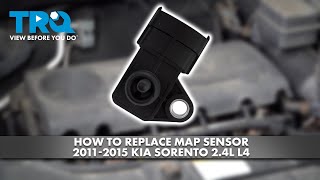
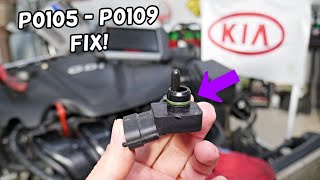
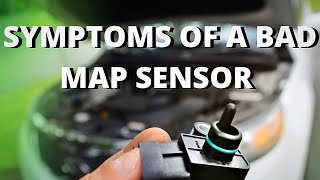
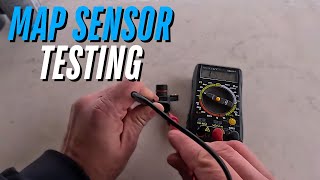
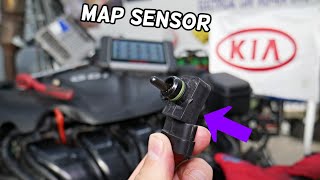
Helpful Videos
We Have This Part in Stock


The information in this article is provided for general reference and educational purposes only. Vehicle specifications, procedures, and part compatibility can vary by production date, trim level, and region. Always consult your vehicle's factory service manual and verify part numbers before purchasing or performing repairs. Safety-critical components such as airbags, seat belts, and braking systems should be installed by a qualified professional.
- Kia Sorento:
- 🧭 Diagnostic Flowchart
- 🎬 Helpful Videos
- 🛍️ Shop This Part
- What's Unique About the 2011-2015 Kia Sorento
- Symptoms You May Notice
- Most Likely Causes
- Rare But Worth Checking
- Diagnosis Steps
- Parts You'll Likely Need
- Related Codes That Often Appear With This One
- Platform-Specific Known Issues
- Mechanic-Grade Diagnostic Values
- Scan Tool Commands That Help
- Wiring & Ground Locations
- Real Owner Repair Stories
- Model Year Variations Within This Range
- Other Known Issues on This Vehicle
- Used vs. New Parts: Buying Guide for This Vehicle
- Real Owner Stories
- 2012 Kia Sorento 2.4L
- 2012 Kia Sorento 2.4L
- 2013 Kia Sorento 2.4L
- Related OBD-II Codes
- Frequently Asked Questions
- 🎟️ Get 5% Off