

P0107 on 2005-2009 Subaru Legacy 2.5L: MAP Sensor Circuit Low Causes and Fixes
On a 2005-2009 Subaru Legacy, P0107 is almost always caused by a failed Manifold Absolute Pressure (MAP) sensor. It's a simple DIY replacement located on top of the intake manifold. Expect to pay ~$40-$120 for an aftermarket sensor or ~$150-$280 for an OEM part. Before replacing, always check the connector for a secure fit and obvious wire damage.
- P0107 on your Legacy almost certainly means the MAP sensor has failed.
- The sensor is located right on top of the intake manifold, making it one of the easiest sensors to replace yourself.
- Before buying a new sensor, check that its electrical connector is secure and the wiring isn't obviously damaged.
- A flashing cruise control light accompanying the check engine light is normal for this fault on a Subaru and is not a separate issue.
- The correct OEM part number is 22012AA220, which replaces the older 22012AA210. The original manufacturer is typically Denso.
What's Unique About the 2005-2009 Subaru Legacy
For the EJ253 engine in this generation of Legacy, the MAP sensor is a primary input for fuel calculations. A failure directly and immediately impacts drivability. Unlike some older Subarus where the MAP sensor was mounted on the strut tower with a long vacuum hose, the sensor on this vehicle is mounted directly to the intake manifold, making vacuum hose leaks a less common cause of failure for this specific code. The most common symptom that alerts Subaru owners is the combination of a solid Check Engine Light and a flashing cruise control light, which is the standard way the vehicle indicates an engine-related fault and disables cruise control for safety. This behavior often causes unnecessary concern for owners unfamiliar with Subaru's system.
Symptoms You May Notice
- Check Engine Light is on
- Flashing cruise control light
- Rough or unstable idle
- Engine stalling, especially when coming to a stop or at idle
- Poor acceleration and engine hesitation
- Reduced fuel economy
- Black smoke from the exhaust due to a rich fuel condition
- Hard starting
- Replacing the Mass Airflow (MAF) sensor. The EJ253 engine has both a MAF and a MAP sensor. P0107 is specific to the MAP sensor circuit, which is located on the intake manifold, not the MAF sensor in the air intake tube.
Most Likely Causes
- Faulty Manifold Absolute Pressure (MAP) Sensor 🔴 High Probability → Shop Manifold Absolute Pressure Sensor The sensor is a common failure point on many vehicles after years of heat cycles and exposure to oil vapors from the PCV system. On the EJ253, its failure is one of the most frequent causes for a CEL.
How to confirm: Using a scan tool, check the MAP sensor's live data. With the Key On, Engine Off (KOEO), the voltage should be near 5V, corresponding to atmospheric pressure. At idle, it should be 1.0-1.5V. If the voltage is stuck below 0.5V, the sensor has failed. This is the definitive test.
Typical fix: Replace the MAP sensor. It is located on top of the intake manifold near the throttle body and secured with two screws.
Est. part cost: $40-$280 - Wiring Harness or Connector Damage 🟡 Medium Probability The engine bay environment can cause wires to become brittle, and the connector can be damaged or contaminated during other maintenance, like power steering pump repairs which are nearby.
How to confirm: Visually inspect the wiring harness leading to the MAP sensor for any signs of chafing, melting, or breaks. Check the electrical connector for a secure fit, corrosion, or damaged pins. Use a multimeter to confirm a 5V reference signal and a good ground at the connector with the key on. Wiggling the harness while watching live data can also reveal an intermittent connection.
Typical fix: Repair the damaged section of wire or clean/replace the connector pigtail.
Est. part cost: $10-$50
Rare But Worth Checking
- Clogged MAP Sensor Port: → Shop Manifold Absolute Pressure Sensor While more common on diesel engines, a high-mileage gasoline engine can develop carbon or oil sludge that blocks the small port for the sensor in the intake manifold. It's worth checking and cleaning the port when replacing the sensor.
- Vacuum Leak at Sensor Base or Intake Manifold: Although a vacuum hose leak is not a factor due to the direct-mount design, the O-ring or gasket sealing the sensor to the manifold can fail. A crack in the plastic intake manifold itself near the sensor port could also theoretically cause this code, though it is very rare.
- Failed Engine Control Module (ECM): → Shop Engine Control Module (ECM) This is extremely rare. The ECM should only be considered the cause after the sensor, wiring, and connections have been definitively ruled out. An ECM failure would likely present with multiple other sensor codes as well.
Diagnosis Steps
- Connect an OBD-II scanner to confirm the P0107 code and check for any other codes.
- View the MAP sensor live data on the scanner. With the Key On, Engine Off (KOEO), check the voltage. A reading below 0.5 volts strongly suggests a circuit fault or failed sensor.
- Start the engine and observe the reading at idle. It should be stable around 1.0-1.5V. If it remains stuck low, the fault is present.
- Visually inspect the MAP sensor on top of the intake manifold near the throttle body. Check its electrical connector for a secure fit, corrosion, or damaged pins.
- Trace the wiring harness from the sensor, looking for any signs of chafing, melting, or physical damage, especially around areas where other work may have been performed.
- If the visual inspection is clear, disconnect the sensor and test the connector with a multimeter. With the key on, you should find one pin with a 5-volt reference, a ground pin, and the signal pin.
- If power and ground are good, the MAP sensor itself is the most likely culprit and should be replaced.
- When replacing the sensor, inspect the port in the intake manifold for any carbon or oil sludge and clean if necessary.
Parts You'll Likely Need
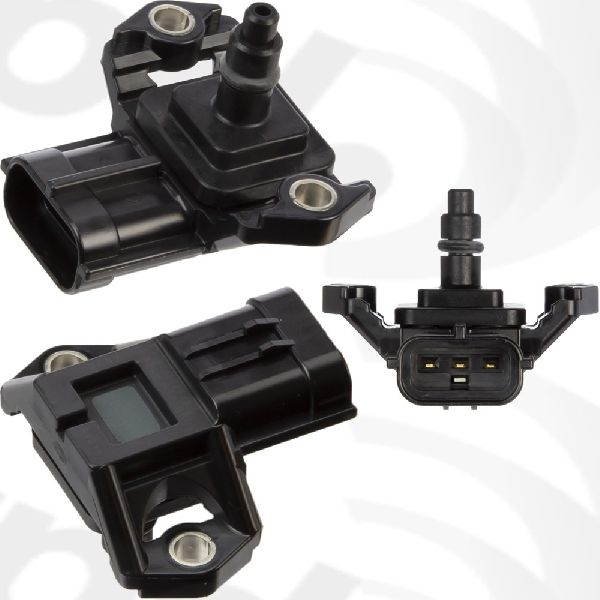
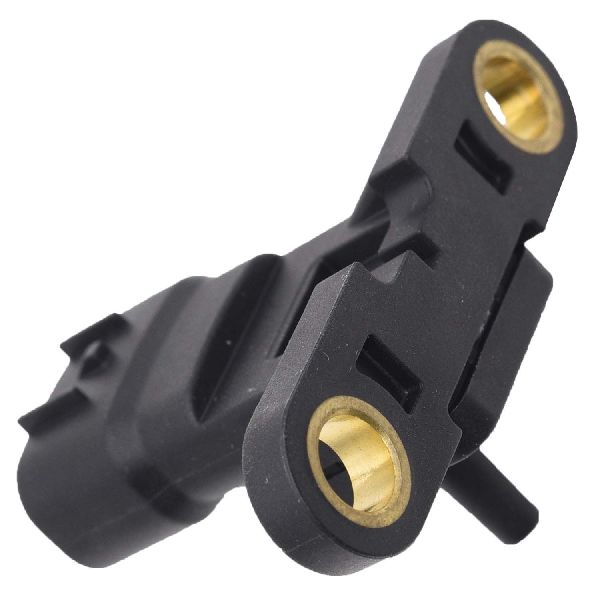
- Manifold Absolute Pressure (MAP) Sensor
(OEM #22012AA220)— This is the most common failure point for a P0107 code on this vehicle. The original part number may have been 22012AA210, which was superseded by 22012AA220.
Trusted brands: Subaru (Genuine), Denso (OEM Supplier), Hitachi, Bosch, Standard Motor Products
OEM price range: $150-$280
Aftermarket price range: $40-$120
Related Codes That Often Appear With This One
- P0108 — Manifold Absolute Pressure/Barometric Pressure Circuit High Input. Seeing both P0107 and P0108 can indicate an intermittent wiring problem or a completely failed sensor that is sending erratic signals.
Platform-Specific Known Issues
- Owner Story: A user on LegacyGT.com reported getting a P0107 immediately after servicing a leaky power steering pump. After checking all connections, they suspected the sensor had failed. This highlights the possibility of collateral damage to the sensor or its wiring during adjacent repairs.
Technical Service Bulletins (TSBs) & Recalls
- TSB Bulletin #07-96-15: While originally issued for the Forester, this manufacturer bulletin notes that a harness change was implemented to address issues where sensor and actuator wiring ground junction points were affected by engine movement. This condition is known to set codes including P0107 and P0108 in error, and involves repositioning the ground junction to a more stable location.
Mechanic-Grade Diagnostic Values
- MAP Sensor Signal Voltage (Scan Tool or Multimeter) — expected: KOEO: ~4.5-5.0V. Warm Idle: ~1.0-1.8V.. Failure: Voltage is stuck below 0.5V for 2 seconds or more.
- MAP Sensor Live Data (Scan Tool) — expected: Warm Idle: ~30-32 kPa.. Failure: Reading is stuck at or below 13.3 kPa.
- MAP Sensor Connector - 5V Reference — expected: ~5.0V DC with Key On, Engine Off.. Failure: No voltage or significantly lower voltage indicates a wiring or ECM issue.
- MAP Sensor Connector - Ground Wire Resistance — expected: Near 0 Ω to chassis ground (less than 100 millivolts or 0.1V).. Failure: Resistance above 1.0 Ω suggests a poor ground connection, which can cause incorrect sensor readings.
- Long Term Fuel Trim (LTFT) — expected: Within +/- 10%.. Failure: Significantly negative values (e.g., -15% or more) as the ECU tries to compensate for the false high-vacuum (rich) signal.
Scan Tool Commands That Help
- Subaru Select Monitor (SSM) or equivalent: Current Data Display & Save — This function allows for real-time monitoring of the 'Intake Manifold Absolute Pressure' to confirm if the sensor is providing a static low reading or is completely unresponsive, which is key to diagnosing P0107.
Wiring & Ground Locations
- Engine Harness Grounds — The primary ECU and sensor grounds are located on top of the intake manifold.. A loose or corroded ground on the intake manifold is a known Subaru issue that can cause floating or incorrect readings for multiple sensors, including the MAP sensor, leading to codes like P0107. The ECU itself relies on this ground point.
- Chassis Grounds (GB-1, GB-2) — Main chassis grounds are located on the frame rails in the engine bay, near the battery and on the strut towers.. While the sensor grounds to the engine harness, that harness must have a solid connection to the chassis and battery. A corroded main ground can create system-wide electrical noise and voltage drops that manifest as sensor circuit codes.
- MAP Sensor Connector — A 3-pin connector directly on the MAP sensor, which is on the intake manifold near the throttle body.. This is the most direct point of failure. The pins are typically: 5V Reference, Signal, and Ground. Verifying voltage and ground at this connector is the first electrical test to perform.
Real Owner Repair Stories
- Forum user on LegacyGT.com (2005 Subaru Legacy GT (EJ255 Turbo, but MAP sensor principle is identical to EJ253)) — Check engine light with P0107, rough idle, and hesitation after performing other engine work.
❌ Tried (didn't work) Replacing the MAP sensor with a new one did not fix the problem.
✅ What actually fixed it The user discovered a ground wire on the engine harness that was not properly secured to the intake manifold after the previous repair. Re-attaching and tightening the ground bolt immediately cleared all symptoms and the code did not return. This highlights the critical importance of the intake manifold grounds for sensor function.
OEM Part Supersession History
22012AA210→22012AA220— Standard part revision, likely for improved reliability or manufacturing process changes. No functional difference or incompatibility noted.
Model Year Variations Within This Range
- 2005-2009: The chassis code for the sedan is 'BL', while the wagon is 'BP'. This is important when searching for specific parts or forum discussions, but does not affect the diagnosis or repair of P0107 for the EJ253 engine.
Diagnostic Flowchart
Other Known Issues on This Vehicle
Issues unrelated to this code that are worth knowing about as an owner of this generation:
- Head Gasket External Oil/Coolant Leaks 🔴 High — Very common, typically begins between 80,000 and 150,000 miles. The EJ253 is known for external leaks, not the internal combustion-to-coolant failure of older EJ25s.
- Catalytic Converter Failure (P0420) 🟠 Medium — Common on higher mileage vehicles (100,000+ miles). Often caused by aging sensors or rich running conditions from other faults.
- Wheel Bearing Failure 🟠 Medium — A known weak point on this generation, often requiring replacement before 100,000 miles. Symptoms include a loud humming or grinding noise that changes with speed.
- AVCS Solenoid Failure or Clogged Filters 🟡 Low — The Active Valve Control System (AVCS) solenoids can fail or their banjo bolt filters can clog, causing rough idle, poor performance, and timing-related codes (e.g., P0011).
- Failing ABS Control Module 🟡 Low — The electronic part of the ABS module can fail, causing an ABS light and disabling the system. Subaru later made the module a separate part from the hydraulic pump for easier replacement.
Used vs. New Parts: Buying Guide for This Vehicle
When a used part is the smart pick: A used OEM Denso MAP sensor from a reputable salvage yard is a reasonable choice if on a tight budget, as they are generally reliable. Given the low cost of new aftermarket parts, the savings may be minimal.
Donor-vehicle mileage cap: roughly under 80000 miles for the part to have meaningful remaining life.
What to inspect on the donor part:
- Ensure the donor vehicle is from the same generation (2005-2009) with the same EJ253 engine.
- Inspect the connector pins for any signs of corrosion or damage.
- Check the plastic housing for cracks or heat damage.
- If possible, get the mileage from the donor vehicle.
Aftermarket brands forum-validated for this vehicle:
- Denso (OEM supplier)
- Standard Motor Products (SMP)
- Hitachi
Brands owners have reported issues with on this vehicle:
- No-name, unbranded sensors from online marketplaces should be avoided, as their calibration and reliability are often questionable and can cause persistent performance issues.
Real Owner Stories
Aggregated from forums and TSBs cited above. Mileages and costs reflect what owners reported in those sources.
2005-2009 Subaru Legacy EJ253 2.5L H4
Symptoms: The user reported getting a P0107 immediately after servicing a leaky power steering pump.
What fixed it: Checking all connections and inspecting the sensor for failure/collateral damage caused during the adjacent repair.
Source hint: LegacyGT.com - 'P0107 CEL after servicing leaky power steering pump' - https://legacygt.com/forums/showthread.php/p0107-cel-after-servicing-leaky-power-steering-pump-235804.html
Related OBD-II Codes
Frequently Asked Questions
Where is the MAP sensor located on my EJ253 engine?
Why did my cruise control light start flashing along with the Check Engine Light?
Can I use a MAP sensor from a same-generation Subaru Outback or Forester?
Could my recent power steering pump repair have caused the P0107 code?
What voltage should I see from the MAP sensor on my Legacy with the engine off?
Are there specific aftermarket brands recommended for replacing the MAP sensor on this vehicle?
Helpful Videos
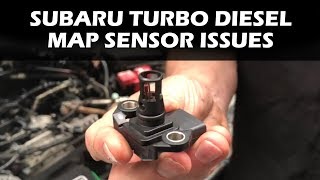


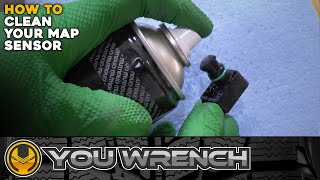
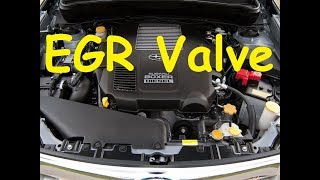
We Have This Part in Stock

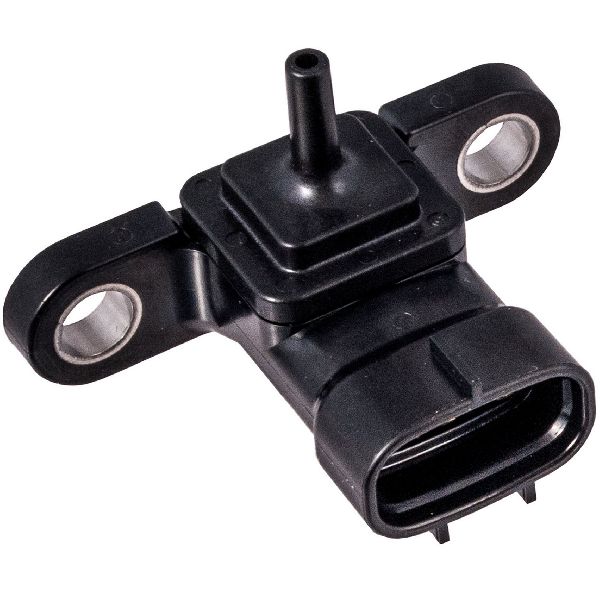

The information in this article is provided for general reference and educational purposes only. Vehicle specifications, procedures, and part compatibility can vary by production date, trim level, and region. Always consult your vehicle's factory service manual and verify part numbers before purchasing or performing repairs. Safety-critical components such as airbags, seat belts, and braking systems should be installed by a qualified professional.
- Subaru Legacy:
- 🧭 Diagnostic Flowchart
- 🎬 Helpful Videos
- 🛍️ Shop This Part
- What's Unique About the 2005-2009 Subaru Legacy
- Symptoms You May Notice
- Most Likely Causes
- Rare But Worth Checking
- Diagnosis Steps
- Parts You'll Likely Need
- Related Codes That Often Appear With This One
- Platform-Specific Known Issues
- Technical Service Bulletins (TSBs) & Recalls
- Mechanic-Grade Diagnostic Values
- Scan Tool Commands That Help
- Wiring & Ground Locations
- Real Owner Repair Stories
- OEM Part Supersession History
- Model Year Variations Within This Range
- Other Known Issues on This Vehicle
- Used vs. New Parts: Buying Guide for This Vehicle
- Real Owner Stories
- 2005-2009 Subaru Legacy EJ253 2.5L H4
- Related OBD-II Codes
- Frequently Asked Questions
- 🎟️ Get 5% Off