

P0108 on 2004-2012 Chevrolet Aveo: MAP Sensor Circuit High Causes and Fixes
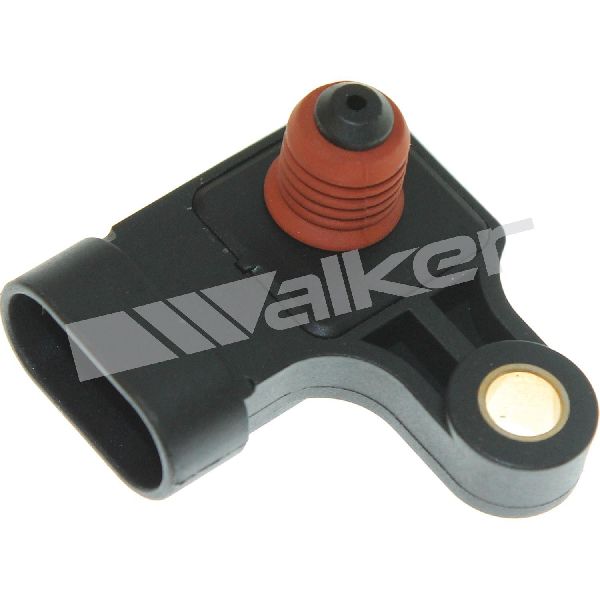
For a 2004-2012 Chevy Aveo, code P0108 almost always points to a failed Manifold Absolute Pressure (MAP) sensor. It's an easy, 15-minute DIY replacement with the part costing between $25 and $75. Before replacing, check the wiring connector for damage, as that is another common weak point.
- P0108 on a Chevy Aveo is most often caused by a bad MAP sensor.
- Symptoms include a rough idle, poor acceleration, black exhaust smoke, and bad gas mileage.
- Diagnosis is straightforward: check the MAP sensor's voltage at idle with a scan tool. If it's stuck high (above 2V), the sensor is likely bad.
- Before replacing the sensor, always inspect the sensor's connector and nearby wiring for corrosion or damage, as this is another common failure point.
- Replacing the MAP sensor is a beginner-friendly DIY task that takes less than 30 minutes.
What's Unique About the 2004-2012 Chevrolet Aveo
The Chevrolet Aveo's 1.6L E-TEC II engine relies solely on a MAP sensor for calculating engine load, as it does not have a Mass Airflow (MAF) sensor. This speed-density design makes the engine's performance highly dependent on the accuracy of the MAP sensor's signal. A failure directly and immediately impacts the air-fuel ratio, leading to noticeable drivability problems. The issue is common enough that the MAP sensor is one of the most frequently replaced sensors on this platform. The wiring harness connector to the sensor is also a known weak point, prone to damage from engine vibration and heat.
Generation note: The 2004-2012 range covers the entire first generation Aveo (T200/T250, 2004-2011) and the first model year of the second generation (T300, 2012), which was renamed the Chevrolet Sonic in North America. The underlying 1.6L E-TEC II engine and its MAP sensor-based fuel system are fundamentally the same across this entire year range, making the causes and fixes applicable.
Symptoms You May Notice
- Check Engine Light is on
- Rough or erratic idle
- Hesitation or lack of power during acceleration
- Poor fuel economy
- Black smoke coming from the exhaust (indicating a rich fuel mixture)
- Engine may stall, especially when coming to a stop or at idle
- Engine may be hard to start
- Replacing spark plugs and ignition coils. While these can cause a rough idle, they typically set misfire codes (P0300-P0304) and won't cause a P0108.
- Cleaning the throttle body. While a dirty throttle body can cause idle issues and is a common fix for code P0106 (MAP Range/Performance), it is less likely to cause a P0108 'Circuit High' code, which points more directly to an electrical or complete sensor failure.
Most Likely Causes
- Faulty MAP Sensor 🔴 High Probability → Shop Manifold Absolute Pressure Sensor The MAP sensor is a common failure point on this platform due to age and heat cycles. Internal electronics fail, causing the sensor to send a constant high voltage signal regardless of actual manifold pressure.
How to confirm: With the key on and engine off, use a scan tool to check the MAP sensor voltage. It should be high, around 4.5V. When the engine is started and idling, the voltage should drop to 1.0-1.8V. If the voltage stays high (e.g., above 2.0V at idle), the sensor is bad. Do not attempt to clean the sensor, as it is a sealed electronic unit and can be damaged by cleaners.
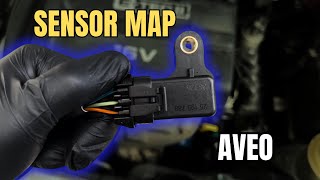
Typical fix: Replace the MAP sensor. It is located on the intake manifold, held in by a single bolt, making for a quick replacement. 🎬 Watch: A step-by-step guide to replacing the Aveo MAP sensor.
Est. part cost: $25-$75 - Wiring or Connector Issue 🟡 Medium Probability Engine vibration and heat can cause wires in the harness to fray or break, often inside the insulation near the connector. The connector pins can also become corroded or loose, causing a poor connection.
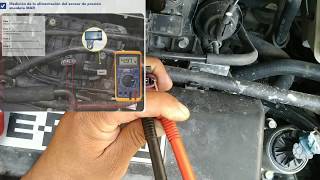
How to confirm: Visually inspect the wiring harness and connector for obvious damage. Wiggle the harness near the connector with the engine running to see if it affects the idle. With the key on, unplug the sensor and use a multimeter to check the connector for a 5-volt reference on one wire and a good ground on another. If either is missing, the problem is in the wiring or ECM, not the sensor.
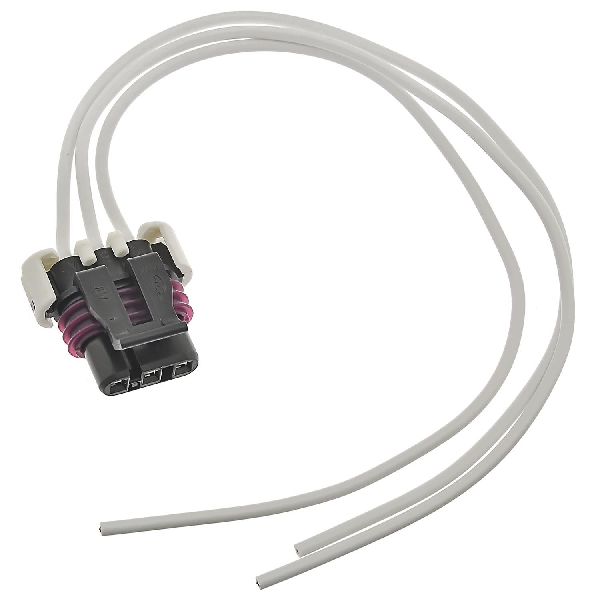
Typical fix: Repair the damaged section of the wiring harness or replace the connector pigtail. Apply dielectric grease to the new connector to prevent future corrosion.
Est. part cost: $5-$30 - Clogged or Disconnected Vacuum Passage ⚪ Low Probability While less common, the port on the intake manifold that the MAP sensor reads from can become clogged with carbon buildup, especially on higher mileage engines. This prevents the sensor from reading engine vacuum.
How to confirm: After removing the MAP sensor, inspect its port and the corresponding hole on the intake manifold. If it is blocked with carbon or debris, the sensor cannot get an accurate reading. The sensor will read atmospheric pressure (high voltage) instead of engine vacuum (low voltage).
Typical fix: Carefully clean the carbon buildup from the intake manifold port. A small pick and throttle body cleaner can be used. Ensure no debris falls into the intake manifold.
Est. part cost: $0-$10 - Clogged Catalytic Converter ⚪ Low Probability Can occur on higher-mileage vehicles. A clogged converter creates high backpressure in the exhaust, which can affect the intake manifold pressure at idle, preventing it from reaching normal vacuum levels. This can cause the MAP reading to be higher than expected.
How to confirm: Check for a lack of exhaust flow from the tailpipe. The engine will feel extremely sluggish and may not rev past a certain RPM. A professional can perform an exhaust backpressure test to confirm.
Typical fix: Replace the catalytic converter. This is a more expensive and involved repair.
Est. part cost: $300-$800
Rare But Worth Checking
- Faulty Engine Control Module (ECM): → Shop Engine Control Module (ECM) This is very rare. An internal failure in the ECM's voltage regulation or input reading circuit can mimic a sensor failure. Before condemning the ECM, all other possibilities, including the sensor, wiring, and vacuum system, must be exhaustively checked.
Diagnosis Steps
- Connect an OBD-II scanner and confirm P0108 is the primary code. Note any other codes, especially P0107 or P0172.
- View live data on the scanner. With the Key On, Engine Off (KOEO), observe the MAP sensor voltage. It should be high, around 4.5-4.8 volts, corresponding to atmospheric pressure.
- Start the engine. At a stable idle, the MAP sensor voltage should drop significantly to around 1.0-1.8 volts. If the voltage remains high (above 2.0V), the sensor is likely faulty or is not sensing engine vacuum.
- If the voltage is stuck high, turn the engine off. Visually inspect the MAP sensor's connector and wiring harness for any visible damage, corrosion, or loose pins. Wiggle the wires near the connector to check for hidden breaks.
- If wiring looks good, remove the MAP sensor (typically one bolt). Inspect the sensor's port and the hole in the intake manifold for any carbon blockage. Clean if necessary.
- If the visual inspection is clear, test the circuit. Disconnect the sensor. With the key on, use a multimeter to test the connector terminals. You should find: ~5 volts (reference), a good ground (near 0 ohms to chassis ground), and a signal wire.
- If the 5-volt reference or ground is missing, the problem is in the wiring harness or the ECM. If both are present, the MAP sensor is the most likely culprit.
- As a final confirmation, if you have a vacuum pump, you can apply vacuum directly to the old sensor while monitoring its voltage output on a scan tool or with a multimeter. If the voltage doesn't drop as vacuum is applied, the sensor is bad.
- Replace the MAP sensor, clear the codes, and perform a test drive to ensure the problem is resolved.
Parts You'll Likely Need
- Manifold Absolute Pressure (MAP) Sensor
(OEM #96330547 (Superseded by 25184081, 25195788))— This is the most common failure point for code P0108 on the Aveo. The internal electronics fail, sending an incorrect high-voltage signal.
Trusted brands: ACDelco, Delphi, Bosch, Standard Motor Products (SMP)
OEM price range: $80-$125
Aftermarket price range: $25-$75
Related Codes That Often Appear With This One
- P0107 — If there is an intermittent short or open in the wiring, the voltage can fluctuate between being too high (P0108) and too low (P0107). Seeing both codes often points to a wiring issue rather than a failed sensor. 🎬 Watch: Troubleshooting solutions for P0108 and related MAP circuit codes.
- P0172 — Code P0172 means 'System Too Rich.' The P0108 fault causes the ECM to think the engine is under load, so it injects excess fuel, creating a rich condition that the oxygen sensors detect.
Technical Service Bulletins (TSBs) & Recalls
- While no TSB is specific to P0108 on the Aveo, GM TSB #PIP4409F for other models describes a similar failure mode of wires breaking inside the insulation near sensor connectors due to vibration, which is relevant context for this issue.
- Manufacturer service bulletin #N212330660 for other Chevrolet models notes that customers may notice the service engine soon lamp illuminate with P0108 present as active or stored in history, requiring a MAP sensor replacement.
- Similarly, TSB Bulletin #PIP5787A describes instances where P0108 (Manifold Absolute Pressure Sensor Circuit High) may be accompanied by P0106 or P00C7, indicating a need for inspection of the intake air pressure measurement system.
Platform-Specific Known Issues
- The wiring harness leading to the MAP sensor is susceptible to breaking from engine vibration. The break can occur inside the wire's insulation, making it difficult to spot visually. A 'wiggle test' on the harness while the engine is running can often reveal this issue.
Mechanic-Grade Diagnostic Values
- MAP Sensor 5V Reference — expected: 4.8V - 5.2V DC (with key on, engine off). Failure: Voltage is below 4.8V, is missing, or is intermittent, indicating a problem with the ECM or wiring.
- MAP Sensor Signal Voltage (Key On, Engine Off) — expected: ~4.5V DC. Failure: Voltage is significantly lower than atmospheric pressure reading should allow.
- MAP Sensor Signal Voltage (at idle) — expected: 1.0V - 1.8V DC. Failure: Voltage remains high (above 2.0V) or is stuck at the KOEO reading. A reading at or above 4.4V will trigger P0108.
- MAP Sensor Ground Circuit Resistance — expected: < 5.0 Ohms to chassis ground. Failure: Resistance is higher than 5.0 Ohms, indicating a poor ground connection which can corrupt the signal.
Wiring & Ground Locations
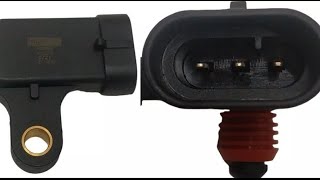
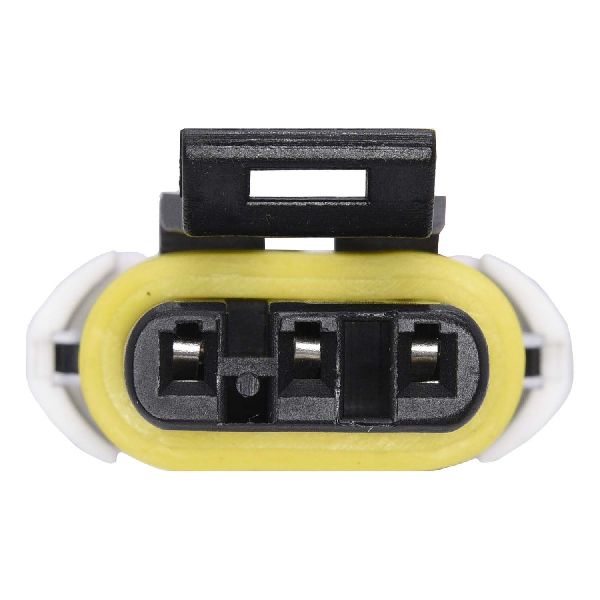
- MAP Sensor Connector Pinout — On the MAP sensor, located on the intake manifold.. Knowing the pin functions is required for testing the 5V reference, ground, and signal wires with a multimeter. Pin 1: +5V Reference, Pin 2: MAP Signal, Pin 3: Ground. Wire colors can vary, but common patterns include Gray (5V), Light Green (Signal), and Orange/Black (Ground).
- G102 — Left side of the engine compartment, near the battery.. This is a primary engine bay ground point. A loose or corroded connection here can cause erratic voltage and ground issues for multiple sensors, including the MAP sensor, leading to incorrect readings.
- G103 — Located on the engine block, below the Engine Control Module (ECM).. This is another critical engine ground. Since the MAP sensor is grounded through the ECM harness, a poor connection at G103 can directly impact the sensor's ground circuit integrity.
OEM Part Supersession History
96330547→25184081, 25195788— Standard part design updates and manufacturer changes over time.
Heads up: Some aftermarket replacement sensors are sold with an extra wiring harness pigtail that is intended for other GM vehicles like the Chevrolet Optra. For the Aveo, this extra harness is not used and should be discarded; only the sensor itself is replaced.
Diagnostic Flowchart
Other Known Issues on This Vehicle
Issues unrelated to this code that are worth knowing about as an owner of this generation:
- Premature Timing Belt and/or Idler Pulley Failure 🔴 High — The service interval is short at 60,000 miles, and failures have been reported even before this mileage. The plastic idler pulley is a known weak point that can grenade. Failure is catastrophic, causing piston-to-valve contact and severe engine damage. (Ref: GM Service Bulletins #3936 and #060601021 were issued regarding the importance of the 60,000-mile replacement interval.)
- Cracked Plastic Thermostat Housing 🟠 Medium — The original factory thermostat housing is made of plastic and is prone to cracking with age and heat cycles, causing a sudden and major coolant leak. This is a very common failure. (Ref: No TSB, but a widely known issue. Aftermarket metal replacement housings are readily available and highly recommended as a preventative upgrade.)
- Leaking Valve Cover Gasket 🟡 Low — Extremely common. The gasket hardens over time, causing oil to leak onto the engine block. A more serious symptom is when the spark plug tube seals (part of the same gasket) fail, allowing oil to fill the spark plug wells, which can cause misfires.
Used vs. New Parts: Buying Guide for This Vehicle
When a used part is the smart pick: A used MAP sensor is generally not recommended. While it might work, electronic sensors from junkyards are a 'hit or miss' gamble with an unknown lifespan. Given the low cost of a new aftermarket part and the critical role the sensor plays in engine performance, buying new is the smarter choice.
Donor-vehicle mileage cap: roughly under 80000 miles for the part to have meaningful remaining life.
What to inspect on the donor part:
- Check for physical damage like cracks in the plastic housing or broken connector tabs.
- Avoid sensors from engines that show signs of extreme overheating or oil leaks.
- If possible, ask the junkyard if they offer a short warranty or exchange policy on electronic parts.
Aftermarket brands forum-validated for this vehicle:
- ACDelco (OEM supplier)
- Delphi (Often the original manufacturer for GM)
- Bosch
- Standard Motor Products (SMP)
Brands owners have reported issues with on this vehicle:
- Unnamed, no-brand sensors from online marketplaces should be avoided, as their quality control and accuracy can be poor, potentially causing performance issues without setting a code.
Real Owner Stories
Aggregated from forums and TSBs cited above. Mileages and costs reflect what owners reported in those sources.
2005 Chevrolet Aveo 1.6L
Symptoms: The vehicle was experiencing violent shaking.
What fixed it: The issue was confirmed to be related to the MAP-based system and the MAP sensor.
Source hint: AveoForum.com: A thread titled 'MAP sensor' includes a user with a 2005 Aveo experiencing violent shaking
Related OBD-II Codes
Frequently Asked Questions
Can I clean the MAP sensor on my Chevrolet Aveo to fix the P0108 code?
Is there a TSB for wiring issues causing P0108 on the Aveo?
My 2005 Aveo is shaking violently; could this be related to the MAP sensor?
What are the specific voltage specs I should see when testing the MAP sensor on a 1.6L Aveo?
Does the Pontiac G3 share this same MAP sensor problem?
Could a clogged catalytic converter cause a P0108 code on my high-mileage Aveo?
Helpful Videos

We Have This Part in Stock


The information in this article is provided for general reference and educational purposes only. Vehicle specifications, procedures, and part compatibility can vary by production date, trim level, and region. Always consult your vehicle's factory service manual and verify part numbers before purchasing or performing repairs. Safety-critical components such as airbags, seat belts, and braking systems should be installed by a qualified professional.
- Chevrolet Aveo:
- 🧭 Diagnostic Flowchart
- 🎬 Helpful Videos
- 🛍️ Shop This Part
- What's Unique About the 2004-2012 Chevrolet Aveo
- Symptoms You May Notice
- Most Likely Causes
- Rare But Worth Checking
- Diagnosis Steps
- Parts You'll Likely Need
- Related Codes That Often Appear With This One
- Technical Service Bulletins (TSBs) & Recalls
- Platform-Specific Known Issues
- Mechanic-Grade Diagnostic Values
- Wiring & Ground Locations
- OEM Part Supersession History
- Other Known Issues on This Vehicle
- Used vs. New Parts: Buying Guide for This Vehicle
- Real Owner Stories
- 2005 Chevrolet Aveo 1.6L
- Related OBD-II Codes
- Frequently Asked Questions
- 🎟️ Get 5% Off