

P0108 on 1999-2003 Mazda Protege: MAP Sensor Circuit High Causes and Fixes
On a 1999-2003 Mazda Protege, the P0108 code almost always points to a failed Manifold Absolute Pressure (MAP) sensor. It's a relatively easy and affordable DIY replacement, with the part costing between $30 and $80. Before replacing, always check the small vacuum hose to the sensor for cracks, as it's a common and even cheaper fix.
- P0108 on a 1999-2003 Protege most often means you need a new MAP sensor.
- Before buying parts, check the MAP sensor's vacuum hose for cracks or leaks, as this is a simple and cheap fix.
- Use a scan tool
What's Unique About the 1999-2003 Mazda Protege
For the 1999-2003 (BJ) generation Protege, the P0108 code is a straightforward issue, typically pointing directly to the MAP sensor itself or a vacuum leak. Unlike some later turbocharged Mazda models where the sensor is prone to oil contamination, the issue on the naturally aspirated Protege is usually simple component failure. Many owners in forums note that Mazda sometimes refers to this part as an 'EGR Boost Sensor', though its function is to measure manifold pressure. The sensor is typically located on the passenger side of the firewall, near the strut tower.
Symptoms You May Notice
- Check Engine Light is on
- Rough or unstable idle
- Hesitation or loss of power during acceleration
- Increased fuel consumption
- Black smoke from the exhaust
- Engine may be hard to start or fails to start
- Occasional stalling, especially when coming to a stop
- Replacing the Mass Airflow (MAF) sensor when the issue is with the MAP sensor circuit.
- Replacing the throttle position sensor (TPS) due to similar symptoms like hesitation.
- Replacing the MAP sensor when the actual fault is a simple cracked vacuum hose connected to it.
Most Likely Causes
- Defective Manifold Absolute Pressure (MAP) Sensor 🔴 High Probability → Shop Manifold Absolute Pressure Sensor General component failure over time is the most common reason. The internal electronics of the sensor fail, causing it to send a constant high voltage signal.
How to confirm: With the key on and engine off, use a scan tool to check the MAP sensor voltage; it should be around 4.0-4.5V, matching the barometric pressure. At idle, the voltage should drop significantly to 1.2-1.8V. If the voltage is stuck high (near 5V) at idle, the sensor is faulty. A user on Mazdas247 confirmed this exact scenario: 'I threw the same code last year. ended up being map sensor...throw a meter on the map sensor and throttle the car see if you see a change in voltage. if it the voltage doesn't change or only slightly changes its the sensor.'
Typical fix: Replace the MAP sensor.
Est. part cost: $30-$80 - Vacuum Leak 🟡 Medium Probability Aging rubber vacuum hoses, especially the short one running directly to the MAP sensor, can crack and split, creating leaks.
How to confirm: Visually inspect all vacuum hoses connected to the intake manifold for cracks, splits, or disconnections. Pay close attention to the hose that attaches directly to the MAP sensor nipple. You can also spray carburetor cleaner or smoke around the vacuum lines with the engine running; a change in engine idle or visible smoke being drawn in will indicate a leak.
Typical fix: Replace the damaged vacuum hose(s).
Est. part cost: $5-$20 - Damaged or Corroded Wiring/Connector ⚪ Low Probability Vibration and heat in the engine bay can cause wiring to become brittle or connectors to loosen over time, leading to a short or poor connection.
How to confirm: Visually inspect the MAP sensor's electrical connector and wiring for any signs of damage, corrosion, or loose connections. Use a multimeter to check for a stable 5-volt reference and good ground at the connector. Wiggle the harness while checking voltage to see if the reading fluctuates.
Typical fix: Repair the damaged wiring or replace the connector pigtail.
Est. part cost: $10-$30
Rare But Worth Checking
- Clogged Catalytic Converter: A severely restricted exhaust can cause an increase in manifold pressure, potentially triggering a P0108 code. This would typically be accompanied by a significant loss of engine power, especially at higher RPMs.
- Faulty Powertrain Control Module (PCM): → Shop Engine Control Module (ECM) This is extremely rare, but the PCM's internal circuit for the MAP sensor can fail. All other possibilities, including wiring shorts and sensor failure, should be exhausted before considering PCM replacement.
Diagnosis Steps
- Scan for Codes: Use an OBD-II scanner to confirm P0108 is present. Note any other codes, as they can provide clues.
- Check Live Data: With the scanner, observe the MAP sensor voltage with the Key On, Engine Off (KOEO). It should read approximately 4.0-4.5 volts (reflecting atmospheric pressure). Start the engine; at idle, the voltage should drop to between 1.2 and 1.8 volts. If the voltage remains high (stuck near 4.5-5V), the sensor or its circuit is the primary suspect.
- Inspect Vacuum Hose: This is a critical and simple check. Carefully remove and inspect the short rubber vacuum hose that connects the intake manifold to the MAP sensor. Check for cracks, brittleness, or splits. Bend it to reveal hidden cracks.
- Inspect Electrical Connector: Check the MAP sensor's electrical connector for a secure fit, corrosion, or any damaged wires. Ensure the pins are clean and making good contact.
- Test the Circuit: If the visual inspection checks out, use a multimeter to verify the sensor is receiving a 5-volt reference signal and has a good ground connection from the PCM at the connector.
- Test the Sensor Manually: If the wiring is good, you can use a hand-held vacuum pump on the sensor's nipple while monitoring its output voltage with a multimeter. The voltage should decrease smoothly as vacuum is applied. If it doesn't change, the sensor is bad.
- Check for Blockages: Ensure the port on the intake manifold where the MAP sensor's vacuum line connects is not clogged with carbon buildup. Use a small pick or wire to gently clean it if necessary.
Parts You'll Likely Need
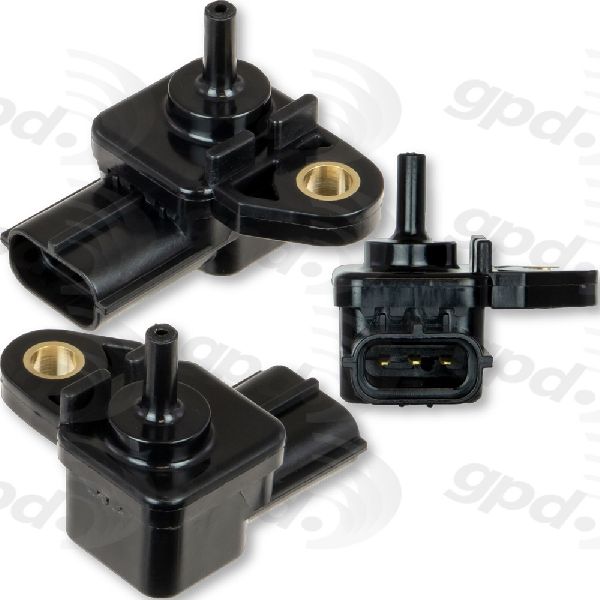
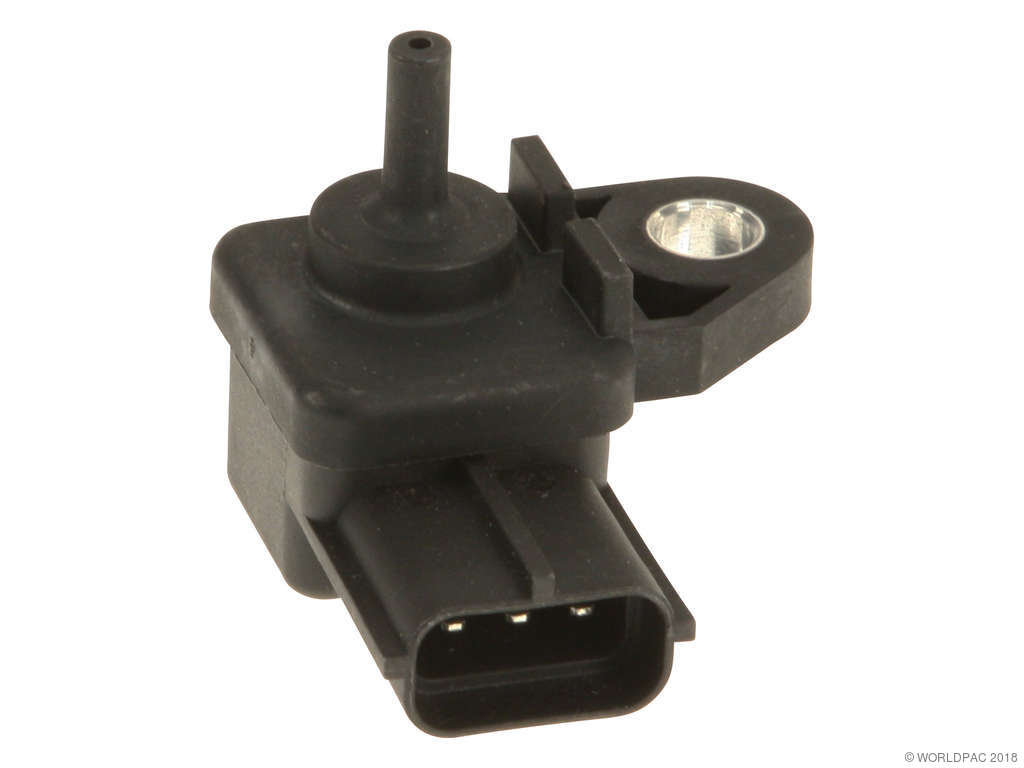
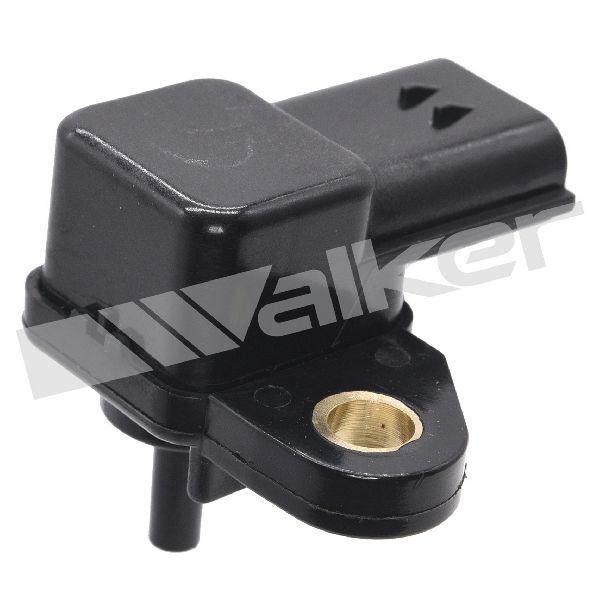
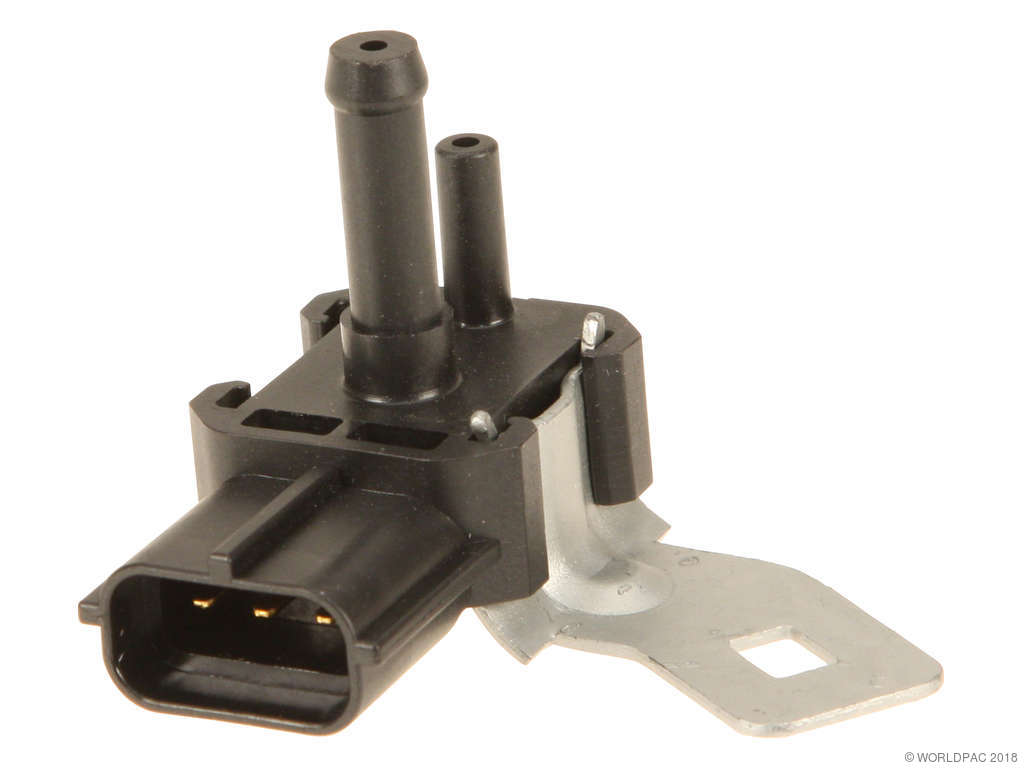
- Manifold Absolute Pressure (MAP) Sensor
(OEM #ZL01-18-211A)— This sensor is the most common failure point for a P0108 code on the Protege.
Trusted brands: Denso, Bosch, Standard Motor Products, NTK
OEM price range: $80-$150
Aftermarket price range: $30-$80
Related Codes That Often Appear With This One
- P0106 — This code for 'MAP/BARO Circuit Range/Performance' often appears alongside P0108, indicating the sensor's signal is erratic or irrational, not just stuck high.
- P0107 — This code for 'MAP/BARO Circuit Low Input' can sometimes appear if the sensor is failing intermittently or if there are wiring issues causing the signal to fluctuate wildly.
- P0300 — A 'Random Misfire' code can be triggered because the incorrect MAP sensor reading leads to an improper air/fuel mixture, causing misfires across multiple cylinders.
Platform-Specific Known Issues
- For 2003 Protege models (excluding Mazdaspeed), an emissions recall (3005C) was issued for loose screws on the intake manifold shutter valve. If these screws fall out, they can cause a massive vacuum leak or even engine damage. While this doesn't directly cause a P0108, the resulting symptoms like rough idle and MIL illumination could overlap, and a significant vacuum leak from a loose manifold component could potentially contribute to the code.
Mechanic-Grade Diagnostic Values
- MAP Sensor Signal Voltage (Key On, Engine Off) — expected: ~3.9V to 4.5V. Failure: A reading significantly outside this range, especially near 0V or a constant 5V, indicates a sensor or circuit fault.
- MAP Sensor Signal Voltage (Engine at Idle) — expected: ~1.1V to 1.8V. Failure: Voltage remaining high (near 4.5V) indicates the sensor is not reading engine vacuum, pointing to a bad sensor, a major vacuum leak, or a clogged sensor port.
- MAP Sensor 5V Reference Wire (at connector, KOEO) — expected: 4.9V to 5.1V. Failure: No voltage or low voltage points to a problem with the PCM or the wiring between the PCM and the sensor.
- MAP Sensor Ground Wire (at connector, KOEO) — expected: < 0.1V (100 millivolts). Failure: Higher voltage indicates a poor ground connection, which can cause inaccurate sensor readings.
Wiring & Ground Locations
- Main Engine Ground — The main ground cable from the negative battery terminal typically bolts to a bracket on top of the transmission housing.. A poor main engine ground can cause floating voltages and erratic behavior in multiple sensors, including the MAP sensor. Ensuring this connection is clean and tight is a crucial first step in diagnosing any electrical issue.
- Passenger Side Ground — There is a ground point on the passenger side motor mount.. This ground is in the general vicinity of the MAP sensor and its harness. Corrosion or a loose connection here could potentially affect the sensor's ground reference.
- MAP Sensor Connector Pins — On the 3-pin connector for the MAP sensor.. A technician must correctly identify the 5V reference, ground, and signal wires to perform accurate voltage tests with a multimeter. A wiring diagram is essential to avoid shorting the wrong pins.
Real Owner Repair Stories
- Mazdas247 Forum (2002 Mazda Protege5 (2.0L)) — Check Engine Light with code P0108, rough idle, poor acceleration.
❌ Tried (didn't work) Checked for vacuum leaks with a smoke machine (none found)., Tested wiring for 5V reference and ground at the sensor connector (both were good)., Replaced the MAP sensor with a cheap aftermarket part, which worked for two months before failing again with the same code.
✅ What actually fixed it The owner replaced the faulty aftermarket MAP sensor with a genuine OEM Mazda sensor (part number ZL01-18-211A). The code did not return, and driveability was restored. The conclusion was that the low-quality aftermarket sensor could not withstand the engine bay conditions and failed prematurely.
OEM Part Supersession History
ZL01-18-211A→KL47-18-211A— Part number consolidation and minor internal updates by Mazda over the years.
Heads up: Both ZL01-18-211A and KL47-18-211A are generally interchangeable for the 1999-2003 Protege. However, it is always best to verify fitment with the vehicle's VIN.
Model Year Variations Within This Range
- 1999-2003: The same MAP sensor (ZL01-18-211A) is listed for all non-turbo engines in this range, including the 1.6L ZM-DE, 1.8L FP-DE, and 2.0L FS-DE, indicating no significant variations in the MAP sensor system across these model years.
Diagnostic Flowchart
Other Known Issues on This Vehicle
Issues unrelated to this code that are worth knowing about as an owner of this generation:
- Premature and Severe Rust 🔴 High — Extremely common, especially in rust-belt regions. Often starts appearing within 5-7 years. Key areas are rear wheel wells, rocker panels, and door bottoms.
- Automatic Transmission Failure (FN4A-EL) 🔴 High — Commonly reported between 60,000 and 120,000 miles. Symptoms include harsh shifting, slipping, failure to engage gears, and high-pitched whining.
- Intake Manifold Shutter/VICS Valve Screws Loosening 🔴 High — Affects 2.0L engines. Screws for the VICS (Variable Inertia Charging System) butterfly valves can loosen and fall into the engine, causing catastrophic damage. An emissions recall (3005C) was issued for 2003 models, but the problem can affect other years. (Ref: Emissions Recall 3005C)
- Ignition Coil Failure 🟠 Medium — Fairly common, leading to misfires (P030x codes), rough idle, and poor performance.
- Restricted EGR System 🟡 Low — The EGR valve and passages can become clogged with carbon, leading to a Check Engine Light (often code P0401) and failed emissions tests.
Used vs. New Parts: Buying Guide for This Vehicle
When a used part is the smart pick: A used OEM MAP sensor from a low-mileage donor vehicle can be a cost-effective alternative to a new OEM part, and is often more reliable than a new, non-reputable aftermarket sensor. Used wiring pigtails are also a good option if only the connector is damaged.
Donor-vehicle mileage cap: roughly under 80000 miles for the part to have meaningful remaining life.
What to inspect on the donor part:
- Check for any physical cracks or damage to the sensor housing or nipple.
- Ensure the electrical pins inside the connector are clean, straight, and free of corrosion.
- Ask for the donor vehicle's mileage and avoid parts from cars with extremely high mileage.
- If possible, test the sensor's resistance with a multimeter before purchase.
Aftermarket brands forum-validated for this vehicle:
- Denso
- NGK/NTK
- Standard Motor Products (SMP)
- Bosch
Brands owners have reported issues with on this vehicle:
- Unbranded, 'white-box' sensors from online marketplaces are frequently reported by forum users to have high premature failure rates.
Real Owner Stories
Aggregated from forums and TSBs cited above. Mileages and costs reflect what owners reported in those sources.
2003.5 Mazdaspeed Protege
Symptoms: Threw code P0108.
What fixed it: It ended up being the map sensor.
Source hint: Mazdas247 thread titled 'Code: P0108'
2002-2003 Mazda Protege5 2.0L
Symptoms: High idle and vacuum leak issue, suspected MAP sensor circuit.
What fixed it: Repairing vacuum leaks or the MAP sensor circuit.
Source hint: Club Protege thread titled 'MAP Sensor'
Related OBD-II Codes
Frequently Asked Questions
I'm looking for the MAP sensor on my Protege but can't find it. Where is it located?
Does the 2003 Protege emissions recall 3005C cause the P0108 code?
Why is my mechanic calling the part an 'EGR Boost Sensor' when my code is for a MAP sensor?
Can a simple vacuum hose cause a P0108 on this car?
What should the voltage readings be for a healthy MAP sensor on a Protege?
We Have This Part in Stock


The information in this article is provided for general reference and educational purposes only. Vehicle specifications, procedures, and part compatibility can vary by production date, trim level, and region. Always consult your vehicle's factory service manual and verify part numbers before purchasing or performing repairs. Safety-critical components such as airbags, seat belts, and braking systems should be installed by a qualified professional.
- Mazda Protege:
- 🧭 Diagnostic Flowchart
- 🛍️ Shop This Part
- What's Unique About the 1999-2003 Mazda Protege
- Symptoms You May Notice
- Most Likely Causes
- Rare But Worth Checking
- Diagnosis Steps
- Parts You'll Likely Need
- Related Codes That Often Appear With This One
- Platform-Specific Known Issues
- Mechanic-Grade Diagnostic Values
- Wiring & Ground Locations
- Real Owner Repair Stories
- OEM Part Supersession History
- Model Year Variations Within This Range
- Other Known Issues on This Vehicle
- Used vs. New Parts: Buying Guide for This Vehicle
- Real Owner Stories
- 2003.5 Mazdaspeed Protege
- 2002-2003 Mazda Protege5 2.0L
- Related OBD-II Codes
- Frequently Asked Questions
- 🎟️ Get 5% Off