

P0108 on 2004-2007 Saturn Vue 3.5L V6: MAP Sensor Circuit High Causes and Fixes
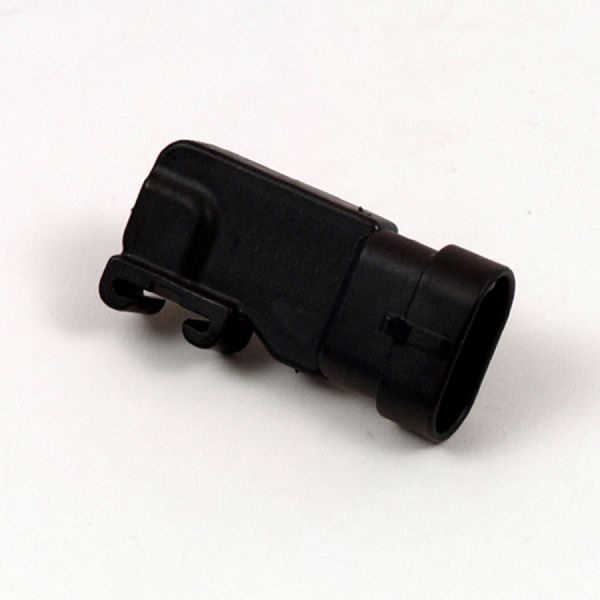
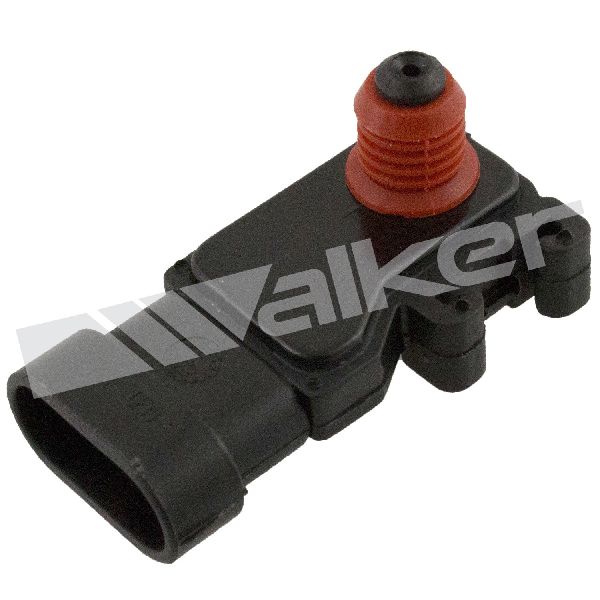
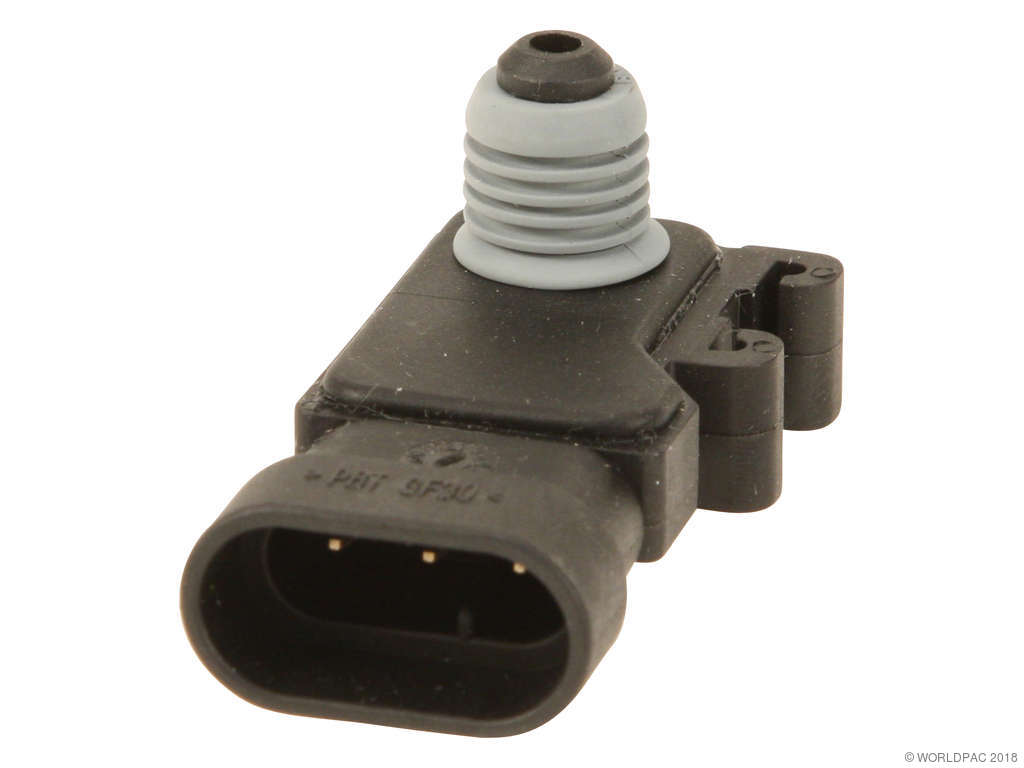
On a 2004-2007 Saturn Vue with the Honda 3.5L V6 engine (GM RPO code L66), code P0108 is almost always caused by a failed Manifold Absolute Pressure (MAP) sensor. It's an easy, 15-minute DIY fix, with a replacement sensor costing between $25 and $90. The sensor is a Honda part, easily found under OEM number 37830-PGK-A01.
- P0108 on the 2004-2007 Vue 3.5L points directly to a problem with the Manifold Absolute Pressure (MAP) sensor circuit, usually the sensor itself.
- This is a very simple and inexpensive DIY repair that requires only a Phillips screwdriver and about 15 minutes. The sensor is easily accessible on top of the throttle body.
- Because this Saturn uses a Honda engine (RPO L66), the correct replacement part is a Honda MAP sensor, OEM part number 37830-PGK-A01.
- Do not ignore this code, as the resulting rich fuel condition can damage your catalytic converter over time, leading to a much more expensive repair.
What's Unique About the 2002-2007 Saturn Vue
The 2004-2007 Saturn Vue is a unique vehicle, as it uses a Honda J35A3 3.5L V6 engine and transmission in a General Motors chassis. This GM-Honda collaboration means the engine's electronics, including the MAP sensor, follow Honda's design. The MAP sensor is a Honda part, not a typical GM component. This means when searching for a replacement, using the Honda part number is often more effective. The issue itself, a failed MAP sensor causing P0108, is a very common and straightforward problem on Honda J-series engines found in the Pilot, Odyssey, and MDX of the same era.
Symptoms You May Notice
- Check Engine Light is on
- Poor fuel economy
- Rough or unstable idle, sometimes surging
- Hesitation or stumbling during acceleration
- Noticeable loss of engine power
- Black smoke from the exhaust, especially under load
- Engine may stall when coming to a stop or at idle
- Replacing spark plugs or ignition coils to fix a rough idle without first checking the trouble codes.
- Assuming a vacuum leak is the cause. While vacuum leaks are common on older vehicles, they typically cause a P0106 (Range/Performance) or P0107 (Circuit Low) code, not a P0108 (Circuit High).
Most Likely Causes
- Failed Manifold Absolute Pressure (MAP) Sensor 🔴 High Probability → Shop Manifold Absolute Pressure Sensor The MAP sensor is a very common failure point on Honda's J-series engines due to age, heat cycles, and engine vibration. Given the engine's history, this is the most probable cause by a wide margin.
How to confirm: With the Key On, Engine Off (KOEO), use a scan tool to view live data. The MAP sensor voltage should be stuck high, at or near 5.0 volts. Alternatively, use a multimeter to backprobe the connector. With the key on, you should find one wire with 5V (reference), one with 0V (ground), and the signal wire should also read near 5V. When the engine is started, a healthy sensor's signal wire voltage should drop to 1.0-1.5V. If it stays high, the sensor is bad. 🎬 Watch: How to test and replace a MAP sensor
Typical fix: Replace the MAP sensor. It is located on top of the throttle body and held in by a single Phillips head screw. 🎬 See this walkthrough for fixing Honda P0108 circuit high codes The screw can sometimes be rusted; use penetrating oil and, if necessary, locking pliers to remove it.
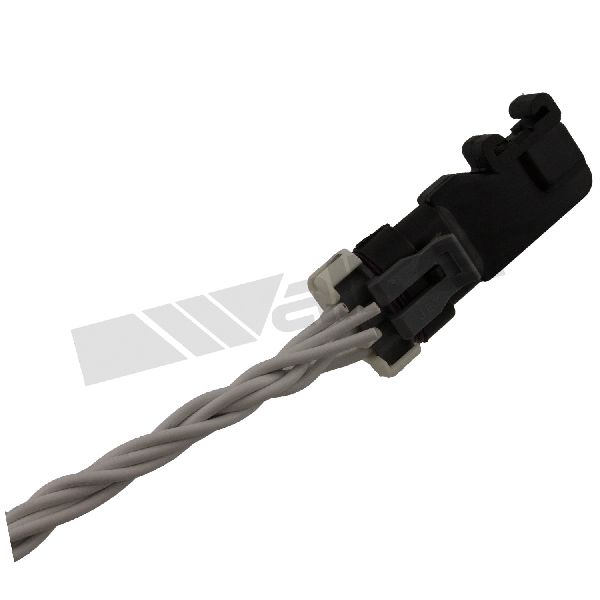
Est. part cost: $25-$90 - Damaged Wiring or Connector ⚪ Low Probability Wiring can become brittle with age and heat. The location on top of the engine exposes it to constant temperature swings.
How to confirm: Visually inspect the MAP sensor's 3-wire connector and harness for any signs of corrosion, damage, or loose pins. Check for chafing against other components. A short to power on the signal wire would cause a constant high voltage reading.
Typical fix: Repair the damaged section of the wiring harness or replace the connector pigtail.
Est. part cost: $10-$30
Rare But Worth Checking
- Clogged Catalytic Converter: A severely restricted exhaust can cause pressure to build in the intake manifold, leading to an abnormally high MAP sensor reading that is actually accurate. This would typically be accompanied by a severe loss of power, a glowing red converter, and possibly other exhaust-related codes.
- Faulty Powertrain Control Module (PCM): → Shop Engine Control Module (ECM) This is extremely rare. The PCM's internal circuit for reading the MAP sensor could fail. All other possibilities, especially the sensor and wiring, should be exhaustively ruled out before considering a PCM failure.
Diagnosis Steps
- Read the trouble codes with an OBD-II scanner to confirm P0108 is present and note any other codes.
- With the Key On, Engine Off (KOEO), view live data on the scanner. The MAP sensor voltage should be high (around 4.5-5.0V) and the pressure reading should roughly match the local barometric pressure (BARO).
- Start the engine. The MAP sensor voltage should drop significantly (typically to 1.0-1.5V at idle) and the pressure reading should be low, indicating engine vacuum. If the voltage stays high, the sensor has almost certainly failed.
- Visually inspect the MAP sensor, which is located on top of the throttle body. Check its electrical connector for corrosion, damage, or loose wires.
- If the sensor appears okay, disconnect it and test the connector with a multimeter. With the key on, you should find a 5-volt reference wire, a ground wire (check for continuity to chassis ground), and a signal wire.
- A common issue during replacement is a rusted retaining screw. If the Phillips head strips, use a small pair of locking pliers to grip the head of the screw and turn it out.
- If the sensor, wiring, and power/ground are all good, consider checking for a major exhaust restriction, such as a clogged catalytic converter, which could artificially raise manifold pressure.
- If all other tests pass, the final and least likely possibility is a fault within the PCM.
Parts You'll Likely Need
- Manifold Absolute Pressure (MAP) Sensor
(OEM #37830-PGK-A01)— This is the most common cause for P0108. The sensor's internal electronics fail, causing it to send a constant high voltage signal to the computer. Note: Part number 37830-PNC-003 may look similar but is for different Honda applications and may not have the correct voltage curve. Stick with the PGK-A01 part number. 🎬 Watch: A quick 2-minute DIY fix for the P0108 code
Trusted brands: Honda (Genuine), Denso, Standard Motor Products, NTK/NGK
OEM price range: $70-$120
Aftermarket price range: $25-$90
Mechanic-Grade Diagnostic Values
- MAP Sensor Signal Voltage at Idle — expected: 0.9V to 1.5V. Failure: A reading stuck at or near 4.5V indicates a failed sensor or a short-to-power on the signal wire.
- MAP Sensor Connector - Reference Voltage — expected: 5V ± 0.5V. Failure: No voltage or significantly lower voltage indicates a wiring problem or a fault in the PCM's 5V reference circuit.
- MAP Sensor Connector - Ground Circuit — expected: < 5 ohms resistance to chassis ground. Failure: High resistance or an open circuit (OL) indicates a broken ground wire or a bad connection at the main engine ground point.
- MAP Sensor Signal Voltage at KOEO (Key On, Engine Off) — expected: ~2.8V to 4.5V (depending on altitude). Failure: A reading near 0V or one that doesn't correspond to barometric pressure can indicate a faulty sensor. For a P0108, the reading will be stuck high.
Scan Tool Commands That Help
- Generic OBD-II Scanner / Tech2: Idle/Throttle Relearn Procedure — After replacing the MAP sensor or disconnecting the vehicle's battery, the PCM's learned idle values may be lost. If the vehicle idles poorly after the repair, performing an idle relearn procedure is recommended. This typically involves letting the engine idle for about 10 minutes to allow the ECU to readjust.
Wiring & Ground Locations
- G107 — Located at the rear of the 3.5L V6 engine.. This is a primary engine ground point. A corroded or loose connection at G107 can cause erratic behavior in various engine sensors, including the MAP sensor, by creating a poor ground reference for the PCM.
- MAP Sensor Connector — On top of the throttle body, connecting to the MAP sensor.. The three pins are typically: 5V Reference, Signal, and Ground. For a P0108, a technician must verify the 5V reference and ground are good before condemning the sensor. A short between the 5V reference and signal wire within the harness or connector would also cause this code.
Real Owner Repair Stories
- Reddit user in r/Honda (1994 Honda Accord (similar MAP sensor logic)) — Initially, a hunting idle (revving up and down). After replacing the MAP sensor with an aftermarket part, the idle issue was fixed but a new 'running rich' problem appeared, which was also traced back to the MAP sensor.
❌ Tried (didn't work) Replacing the IAC (Idle Air Control) valve., Using an aftermarket MAP sensor from a major auto parts store, which caused a different running issue (rich condition).
✅ What actually fixed it The consensus from other users was that the problem stemmed from the aftermarket sensor not having the correct calibration. The final fix recommended was to use a genuine OEM Honda MAP sensor to resolve both the idle and rich-running conditions. - Saturn Forum user (2006 Saturn Vue 3.5L V6) — Misfire counts on all cylinders, flashing check engine light at highway speeds (around 75mph).
❌ Tried (didn't work) Replacing fuel pump., Testing MAP sensor function (it appeared okay)., Replacing Crankshaft Position (CRK) sensor and performing relearn., Cleaning a clogged K&N air filter.
✅ What actually fixed it In a highly unusual edge case, the user discovered the misfire counts were being falsely triggered by a severe wheel/tire vibration at a specific speed. After rotating the tires, the vibration moved to the rear and the misfire codes disappeared. This suggests the crankshaft position sensor was picking up harmonic vibrations from the unbalanced tire and interpreting it as engine misfires. While not a direct P0108 cause, it's a valuable lesson in how seemingly unrelated mechanical issues can trigger engine codes.
OEM Part Supersession History
37830-PGK-A01→N/A— This remains the correct part number for the J35A3 engine in the Vue.
Heads up: Part number 37830-PNC-003 is for different Honda engines (primarily K-series) and has a different physical connector shape (square vs. round on some J-series) and/or voltage calibration curve. While it may be listed as compatible by some vendors, using it can lead to persistent running issues, as the PCM expects the voltage curve from the PGK-A01 sensor.
Diagnostic Flowchart
Other Known Issues on This Vehicle
Issues unrelated to this code that are worth knowing about as an owner of this generation:
- Timing Belt and Tensioner Failure 🔴 High — The belt has a service interval of 7 years or ~100,000 miles. However, the hydraulic tensioner is a common failure point that can fail earlier, causing the belt to skip time or break, resulting in catastrophic engine damage.
- Automatic Transmission Failure (Honda Unit) 🔴 High — The Honda-sourced 5-speed automatic transmission is a known weak point, with issues like torque converter shudder and outright failure becoming common above 80,000 miles, especially if fluid is not changed regularly with genuine Honda fluid.
- Leaking Valve Cover Gaskets 🟠 Medium — Oil leaks from the valve cover gaskets are very common. The rear (bank 1) cover is particularly prone to leaking oil into the spark plug tubes, which can cause ignition coil failure and misfires.
- Stuck or Clogged EGR Valve 🟡 Low — Carbon buildup can cause the EGR valve to stick open, leading to a rough idle, stalling, and code P0402. This is a very common issue on the J35 engine family.
- Ignition Switch Recall 🔴 High — Affects 2002-2004 models. The ignition key can be removed when not in the 'off' position, allowing the vehicle to roll away. This was part of a major GM recall. (Ref: NHTSA Campaign ID: 14V266000)
Used vs. New Parts: Buying Guide for This Vehicle
When a used part is the smart pick: For this specific repair, a used part from a junkyard is NOT recommended. The MAP sensor is an electronic component with a known failure rate due to heat and age. The low cost of a new, high-quality aftermarket part makes a used sensor a poor value proposition.
What to inspect on the donor part:
- Not applicable as used parts are not advised for this component.
OEM-only on this vehicle (don't cheap out):
- While not strictly 'OEM-only', forum and mechanic experience strongly suggests that a genuine Honda (OEM) or Denso (often the original equipment manufacturer) sensor is the most reliable choice to avoid calibration issues that can occur with some budget aftermarket brands.
Aftermarket brands forum-validated for this vehicle:
- Denso
- NTK/NGK
- Standard Motor Products (SMP)
Brands owners have reported issues with on this vehicle:
- Unnamed, 'white-box' or ultra-low-cost brands found on online marketplaces should be avoided, as they are frequently cited as having incorrect voltage outputs, leading to persistent running problems even after the P0108 code is resolved.
Real Owner Stories
Aggregated from forums and TSBs cited above. Mileages and costs reflect what owners reported in those sources.
2007 Saturn Vue 3.5L V6
Symptoms: Check Engine Light with code P0108, which indicates a fault with the MAP sensor.
What fixed it: Replaced the MAP (Mass Air Flow Pressure) sensor located on top of the throttle body.
Source hint: YouTube: 'Saturn Vue map sensor replace' - Tony
2004 Saturn Vue
Symptoms: Check engine light came on with code P0108; light remained on even after initial sensor replacement.
What fixed it: The context notes that if a new sensor doesn't fix it, owners should check for damaged wiring, a short to power on the signal wire, or a clogged catalytic converter.
Source hint: CarGurus forum
2002-2007 Saturn Vue 3.5L V6
Symptoms: Multiple owners reported P0108 codes on their V6 Vues.
What fixed it: Replacing the MAP sensor on top of the throttle body; owners noted it is a quick, easy, and common fix.
Source hint: SaturnFans.com Forums - Thread: 'P0108 Code'
Related OBD-II Codes
Frequently Asked Questions
Where is the MAP sensor located on my 3.5L V6 Saturn Vue?
Is there a recall for the ignition system on my 2002-2004 Saturn Vue?
What should I do if the MAP sensor screw is rusted or stripped during replacement?
Could my P0108 code be related to the Honda-sourced transmission issues?
Are there other common engine issues on the J35A3 engine I should look out for while fixing the MAP sensor?
What are the specific voltage readings I should see on a healthy Saturn Vue V6 MAP sensor?
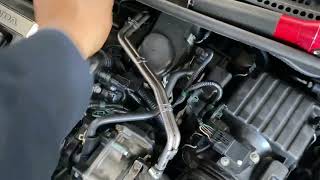
Helpful Videos


![How to Fix P0108 Engine Code in 2 Minutes [1 DIY Method / Only $11.6]](https://img.youtube.com/vi/1vsWxWRzbQk/mqdefault.jpg)
We Have This Part in Stock


The information in this article is provided for general reference and educational purposes only. Vehicle specifications, procedures, and part compatibility can vary by production date, trim level, and region. Always consult your vehicle's factory service manual and verify part numbers before purchasing or performing repairs. Safety-critical components such as airbags, seat belts, and braking systems should be installed by a qualified professional.
- Saturn Vue:
- 🧭 Diagnostic Flowchart
- 🎬 Helpful Videos
- 🛍️ Shop This Part
- What's Unique About the 2002-2007 Saturn Vue
- Symptoms You May Notice
- Most Likely Causes
- Rare But Worth Checking
- Diagnosis Steps
- Parts You'll Likely Need
- Mechanic-Grade Diagnostic Values
- Scan Tool Commands That Help
- Wiring & Ground Locations
- Real Owner Repair Stories
- OEM Part Supersession History
- Other Known Issues on This Vehicle
- Used vs. New Parts: Buying Guide for This Vehicle
- Real Owner Stories
- 2007 Saturn Vue 3.5L V6
- 2004 Saturn Vue
- 2002-2007 Saturn Vue 3.5L V6
- Related OBD-II Codes
- Frequently Asked Questions
- 🎟️ Get 5% Off