

P0108 on 2005-2009 Subaru Outback 2.5L: MAP Sensor Circuit High Causes and Fixes
On a 2005-2009 Subaru Outback with the 2.5L engine, the P0108 code is most often caused by a failed Manifold Absolute Pressure (MAP) sensor. This is a simple DIY repair with the part costing between $40 for an aftermarket sensor and around $150 for an OEM Denso sensor. Before replacing, check for a loose main engine harness connector near the battery, as this is a known and simple fix.
- P0108 on your 2005-2009 Outback almost always points to a problem with the Manifold Absolute Pressure (MAP) sensor or its circuit.
- The most likely fix is replacing the MAP sensor itself, which is an easy and inexpensive DIY job.
- Before buying parts, always perform a quick visual inspection of the vacuum hoses connected to the intake manifold for obvious cracks or leaks.
- When this code appears, Subaru vehicles typically disable the cruise control system, causing the light to flash.
- Do not confuse the MAP sensor with the Mass Air Flow (MAF) sensor, which is located on the air intake tube after the air filter.
What's Unique About the 2005-2009 Subaru Outback
For the third-generation Subaru Outback with the 2.5L EJ253 engine, the P0108 code is a straightforward diagnostic issue. Unlike some vehicles where this code can be triggered by complex software or PCV system faults, on this platform, the cause is almost always mechanical. The problem typically points directly to a failed MAP sensor itself, a simple vacuum leak from an aged hose, or a loose main harness connector. The MAP sensor is conveniently located on top of the intake manifold, making it exceptionally easy to access for testing and replacement.
Symptoms You May Notice
- Check Engine Light is on
- Cruise control light flashing (common on Subarus when a CEL is present)
- Rough or unstable idle
- Engine stalling, especially when coming to a stop
- Hesitation or loss of power during acceleration
- Reduced fuel economy
- Black smoke from the exhaust
- Engine may fail to start or have long crank times
- Engine surging
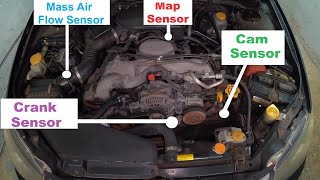
- Replacing the Mass Air Flow (MAF) sensor. While both sensors measure air, P0108 specifically points to the MAP sensor circuit. The MAF sensor is located on the airbox, while the MAP is on the intake manifold. 🎬 Watch: This guide shows you exactly where every sensor is located.
- Replacing oxygen sensors. A bad MAP sensor can cause a rich or lean condition that might trigger O2 sensor codes, but the root cause is the faulty MAP reading, not the O2 sensor itself.
Most Likely Causes
- Faulty Manifold Absolute Pressure (MAP) Sensor 🔴 High Probability → Shop Manifold Absolute Pressure Sensor The MAP sensor is a common failure item on many vehicles as they age. Internal electronic failure can cause the sensor to send a constant high voltage signal regardless of actual manifold pressure. The OEM sensor can be costly, so proper diagnosis is key.
How to confirm: With a scan tool, check the MAP sensor reading with the Key On, Engine Off (KOEO). It should match the barometric pressure (approx. 101 kPa at sea level). At idle, it should read 30-32 kPa. If the reading is stuck high (e.g., over 119 kPa), the sensor is likely bad. You can also test the sensor's signal wire with a multimeter; if it's stuck above 4.5V with the engine running, it has failed. Unplugging the sensor should trigger a P0107 (low circuit) code; if P0108 remains, the issue is in the wiring.
Typical fix: Replace the MAP sensor. It is located on the intake manifold and held by one or two small bolts.
Est. part cost: $40-$150 - Wiring or Connector Issue 🟡 Medium Probability Engine vibration and heat can cause wires to fray or pins in the connector to become loose or corroded. A known issue on Subarus of this era is a loose F61 main harness connector near the battery, which can cause intermittent high voltage signals to the MAP sensor.
How to confirm: Visually inspect the MAP sensor's electrical harness and connector for damage, corrosion, or loose pins. Specifically locate and check the F61 main harness connector by the battery to ensure it is fully seated and secure. Use a multimeter to verify the connector has a 5-volt reference and a good ground. Wiggle the connector while monitoring live data to see if the reading fluctuates.
Typical fix: Secure the F61 connector. Repair any damaged section of wiring or clean/replace the MAP sensor pigtail connector.
Est. part cost: $10-$50 - Vacuum Leak ⚪ Low Probability Rubber vacuum hoses become brittle and crack with age and exposure to engine heat, which is common on vehicles over 10 years old. Hoses for the PCV system and brake booster are common culprits.
How to confirm: Visually inspect all vacuum hoses connected to the intake manifold for obvious cracks, breaks, or loose connections. You can also spray brake cleaner or starter fluid around suspected leak areas while the engine is idling; a change in engine RPM indicates a leak. A smoke test is the most definitive way to find small leaks.
Typical fix: Replace the cracked or broken vacuum hose(s).
Est. part cost: $5-$30
Rare But Worth Checking
- Clogged Catalytic Converter: A severely clogged catalytic converter can increase pressure in the intake manifold, leading to a P0108 code. This is usually accompanied by other symptoms like a severe loss of power, especially at high RPMs, and potentially a sulfur or 'rotten egg' smell from the exhaust. A vacuum gauge test can help confirm excessive backpressure.
- Faulty Engine Control Module (ECM): → Shop Engine Control Module (ECM) In very rare cases, the ECM itself can fail, causing it to misinterpret the MAP sensor signal. This should only be considered after all other possibilities, especially wiring harness faults, have been exhaustively ruled out. One owner documented a long saga that ended with a faulty wiring harness after an ECM replacement failed to fix the issue. 🎬 See this deep-dive diagnostic video on tracing complex wiring faults.
Technical Service Bulletins (TSBs) & Recalls
Manufacturer records for related Subaru models highlight how harness design can impact sensor readings. According to TSB Bulletin #07-96-15, certain harness configurations could set DTC P0108 in error. The bulletin notes that a change was implemented involving the repositioning of the sensor and actuator wiring ground junction point to a location unaffected by engine movement.
Diagnosis Steps
- Connect an OBD-II scanner to verify the P0108 code is present and check for any other codes.
- View live data on the scanner. With the Key On, Engine Off (KOEO), compare the MAP sensor reading to the Barometric Pressure (BARO) reading. They should be nearly identical (around 100 kPa at sea level).
- Start the engine and observe the MAP reading at idle. It should drop to around 30-32 kPa. If it remains high, near the BARO reading, the sensor has likely failed or there is a major circuit issue.
- Perform a thorough visual inspection of all vacuum hoses connected to the intake manifold. Look for cracks, splits, or loose connections. Pay close attention to the PCV and brake booster hoses.
- Inspect the MAP sensor's electrical connector for corrosion, damage, or loose pins. Ensure it is seated securely.
- CRITICAL STEP FOR THIS PLATFORM: Locate the main engine harness connector (often a large grey connector labeled F61) near the battery. Firmly press it together to ensure it is fully seated. A loose connection here is a known cause of P0108.
- If you have a multimeter, disconnect the sensor and test the connector for a 5V reference wire and a good ground wire. If the 5V reference is missing or the ground is bad, trace the wiring back to the ECM.
- If the wiring and connectors check out and no vacuum leaks are found, the MAP sensor is the most likely culprit and should be replaced.
Parts You'll Likely Need
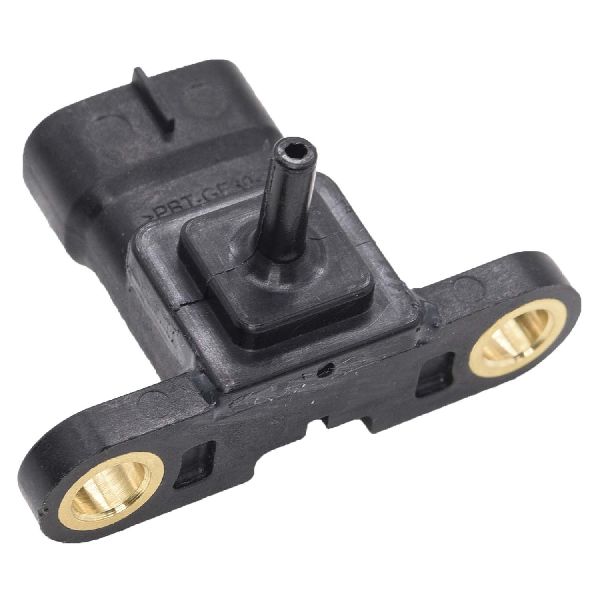
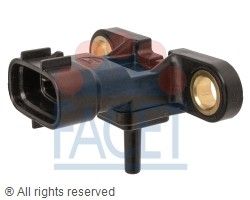
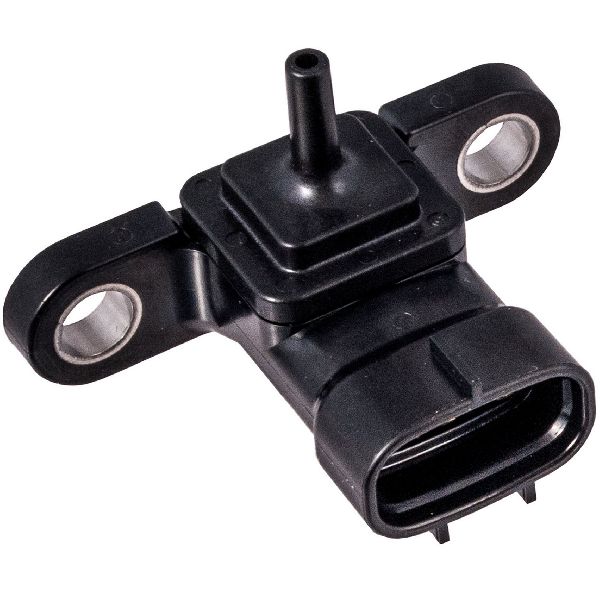
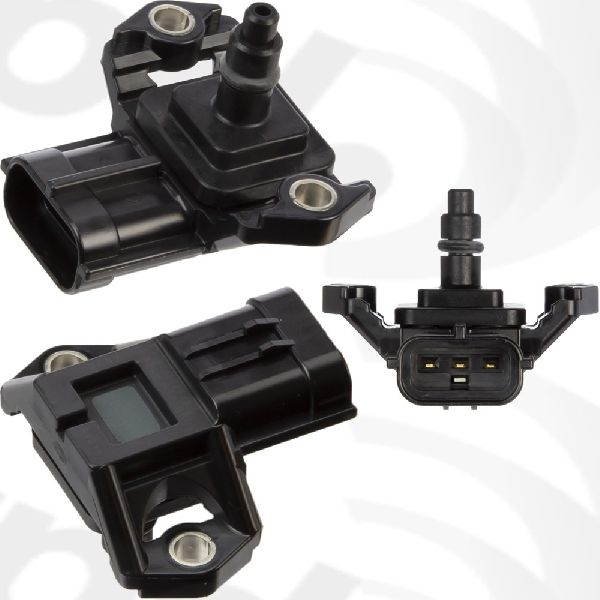
- Manifold Absolute Pressure (MAP) Sensor
(OEM #22627AA470)— This is the most common cause for a P0108 code on this vehicle due to internal electronic failure. The OEM part number 22627AA470 supersedes the older part number 22627AA350.
Trusted brands: Denso (OEM Supplier), Standard Motor Products, Hitachi, Subaru (Genuine)
OEM price range: $120-$180
Aftermarket price range: $40-$80
Related Codes That Often Appear With This One
- P0107 — P0107 is 'MAP Sensor Circuit Low Input'. Seeing it with P0108 can indicate an intermittent sensor or wiring problem where the signal is fluctuating between being too high and too low.
- P030x (e.g., P0301, P0302) — Misfire codes can occur because the incorrect MAP sensor reading leads to a poor air/fuel mixture, causing incomplete combustion in one or more cylinders.
- P0420 — Catalyst System Efficiency Below Threshold. This can be a consequence of the P0108 issue. A prolonged rich fuel mixture caused by the bad MAP reading can overheat and damage the catalytic converter, leading to this code.
Platform-Specific Known Issues
- Loose Main Harness Connector (F61): A user on MNSubaru.com chased a P0108 code for a significant time, replacing parts before discovering the root cause was a loose main engine harness connector (F61) located near the battery. After securing the connector, the problem was resolved. This should be one of the first things to check.
- Intermittent Signal Spikes: Owners have reported using a scan tool to watch live data and seeing the MAP sensor reading appear normal most of the time, but then suddenly spike to a very high value for a fraction of a second, which is enough to trigger the CEL. This points to an intermittent electrical fault in either the sensor itself or the wiring.
Mechanic-Grade Diagnostic Values
- Ground Circuit Continuity at MAP Connector — expected: Less than 0.5 Ohms. Failure: A reading greater than 0.5 Ohms indicates high resistance in the ground circuit, which can cause an incorrect sensor reading.
- MAP Sensor Voltage vs. BARO Voltage (KOEO) — expected: Difference of less than 0.5 Volts. Failure: A difference greater than 0.5 Volts between the MAP sensor reading and the BARO sensor reading with the Key On, Engine Off suggests a faulty MAP sensor.
- MAP Sensor Signal Wire Voltage (KOEO) — expected: ~4.5 Volts. Failure: Voltage significantly lower than 4.5V (with connector unplugged) can indicate a wiring issue from the ECM.
- MAP Sensor Signal Wire Voltage (Idle) — expected: ~1.0 Volts at 21 inHg vacuum. Failure: Voltage remains high (near 4.5V) and does not drop when the engine starts, indicating the sensor is not reading engine vacuum.
Wiring & Ground Locations
- Engine Ground Connections — Two 12mm bolts on top of the intake manifold, grounding the main engine wire loom.. A poor ground connection at these points can affect all sensor signals that pass through the harness, including the MAP sensor, leading to erratic or incorrect readings.
- F61 Connector — Large, grey main engine harness connector located in the engine bay, next to the battery.. This is a known weak point. A loose connection here can directly cause an intermittent P0108 code by disrupting the MAP sensor's power, ground, or signal path.
- MAP Sensor Signal Wire — The white wire in the 3-pin connector at the MAP sensor.. This is the specific wire that carries the voltage signal back to the ECM. When performing multimeter tests, this is the wire to back-probe to read the sensor's output voltage.
- Engine Control Module (ECM) — Located on the floor under the front passenger seat.. Knowing the ECM's location is critical for the final diagnostic step of checking for continuity or shorts between the MAP sensor connector and the ECM itself.
When the Usual Fixes Don't Work
- While replacing the MAP sensor is the most common fix, it is critical to not overlook wiring issues. The well-documented case of a loose F61 main harness connector causing a persistent P0108 highlights a scenario where multiple part replacements would fail to solve the problem. Before spending money on an OEM sensor, the 5-minute check of securing the F61 connector near the battery is a high-value diagnostic step that can save significant time and money.
OEM Part Supersession History
22627AA350→22627AA470— Standard part revision and update by the manufacturer.
Heads up: None. The newer part number 22627AA470 is a direct, backward-compatible replacement for 22627AA350.
Model Year Variations Within This Range
- 2006-2009: The 2.5L SOHC engine received the i-Active Valve Lift System starting in the 2006 model year, which changed engine horsepower. This does not materially affect the diagnosis of a P0108 code but is a known change within the generation.
- 2005-2009: Some vehicles were manufactured to PZEV (Partial Zero Emissions Vehicle) standards, primarily for sale in states with stricter emissions laws like California. While this involves changes to the catalytic converter and potentially other emissions components, it does not appear to alter the MAP sensor or the diagnostic procedure for P0108.
Diagnostic Flowchart
Other Known Issues on This Vehicle
Issues unrelated to this code that are worth knowing about as an owner of this generation:
- Head Gasket Failure 🔴 High — Very common, typically between 100k-150k miles (160k-240k km). The SOHC EJ253 engine is known for external oil leaks from the head gaskets.
- Timing Belt and Component Replacement 🔴 High — A critical maintenance item. The belt, tensioner, and idler pulleys must be replaced at 105,000 miles or every 105 months. Failure is catastrophic as it is an interference engine.
- Oil Pressure Switch Leak 🟡 Low — Common failure item where oil leaks through the body of the switch itself, not just the threads. It's an inexpensive part but can be misdiagnosed as a more serious leak.
- Cracked Radiator Top Tank 🟠 Medium — The plastic upper tank of the radiator can become brittle with age and crack, causing coolant leaks and potential overheating. Often occurs after 100k miles.
- Rear Suspension 'Ghostwalking' 🟠 Medium — Worn rear trailing arm bushings can cause the rear of the car to feel unstable or 'walk' sideways during certain maneuvers. Often addressed with aftermarket polyurethane bushings.
Used vs. New Parts: Buying Guide for This Vehicle
When a used part is the smart pick: For this repair, a used MAP sensor is not recommended due to its nature as a sensitive electronic component with a known failure rate. However, sourcing a used harness connector pigtail from a junkyard to repair a damaged connector is a very cost-effective and reliable solution.
Donor-vehicle mileage cap: roughly under 150000 miles for the part to have meaningful remaining life.
What to inspect on the donor part:
- For a harness connector: Check for non-brittle plastic.
- Inspect for clean, corrosion-free metal pins.
- Ensure the locking tab is intact and functional.
- Look for flexible, uncracked wiring insulation leading into the connector.
OEM-only on this vehicle (don't cheap out):
- Manifold Absolute Pressure (MAP) Sensor
Aftermarket brands forum-validated for this vehicle:
- Denso (OEM supplier)
- Standard Motor Products (SMP)
- Hitachi
Brands owners have reported issues with on this vehicle:
- Unbranded, low-cost sensors from online marketplaces are frequently reported to have high failure rates or provide inaccurate readings, leading to persistent issues.
Real Owner Stories
Aggregated from forums and TSBs cited above. Mileages and costs reflect what owners reported in those sources.
2005-2009 Subaru Outback 2.5L
Symptoms: The owner chased the P0108 code for a significant time and replaced several parts before finding the actual cause.
What fixed it: Firmly pressing and securing the F61 main engine harness connector located near the battery.
Source hint: MNSubaru.com (https://www.mnsubaru.com/threads/map-manifold-absolute-pressure-sensor-issues-p0108.52735/)
2010 Subaru Forester 2.5L (EJ253) — 136700 miles
Symptoms: Excessive cranking and a P0108 code.
What fixed it: Diagnosis of the MAP sensor circuit (related to the EJ253 engine platform).
Source hint: Reddit r/AskMechanics (https://www.reddit.com/r/AskMechanics/comments/107f79c/2010_subaru_forester_220000kms_excessive_cranking/)
2005-2009 Subaru Outback 2.5L
Symptoms: The MAP sensor reading appeared normal most of the time but would suddenly spike to a very high value for a fraction of a second, triggering the CEL.
What fixed it: Identified as an intermittent electrical fault in either the sensor or the wiring harness.
Source hint: vehicle_specific_issues: Intermittent Signal Spikes
Related OBD-II Codes
Frequently Asked Questions
Why is my cruise control light flashing along with the Check Engine Light on my 2005-2009 Outback?
I've replaced my MAP sensor but the P0108 code persists. Is there a specific Subaru wiring issue I should check?
What should the MAP sensor reading be on my 2.5L Outback when the engine is idling?
Can a vacuum leak on my high-mileage EJ253 engine cause a P0108?
Is the P0108 code related to the common head gasket leaks on the 2005-2009 Outback?
How can I tell if the MAP sensor itself is bad versus a wiring problem?
Helpful Videos

We Have This Part in Stock


The information in this article is provided for general reference and educational purposes only. Vehicle specifications, procedures, and part compatibility can vary by production date, trim level, and region. Always consult your vehicle's factory service manual and verify part numbers before purchasing or performing repairs. Safety-critical components such as airbags, seat belts, and braking systems should be installed by a qualified professional.
- Subaru Outback:
- 🧭 Diagnostic Flowchart
- 🎬 Helpful Videos
- 🛍️ Shop This Part
- What's Unique About the 2005-2009 Subaru Outback
- Symptoms You May Notice
- Most Likely Causes
- Rare But Worth Checking
- Technical Service Bulletins (TSBs) & Recalls
- Diagnosis Steps
- Parts You'll Likely Need
- Related Codes That Often Appear With This One
- Platform-Specific Known Issues
- Mechanic-Grade Diagnostic Values
- Wiring & Ground Locations
- When the Usual Fixes Don't Work
- OEM Part Supersession History
- Model Year Variations Within This Range
- Other Known Issues on This Vehicle
- Used vs. New Parts: Buying Guide for This Vehicle
- Real Owner Stories
- 2005-2009 Subaru Outback 2.5L
- 2010 Subaru Forester 2.5L (EJ253) — 136700 miles
- 2005-2009 Subaru Outback 2.5L
- Related OBD-II Codes
- Frequently Asked Questions
- 🎟️ Get 5% Off