

P0113 on 2012-2018 Audi A6: Intake Air Temp Sensor Causes and Fixes
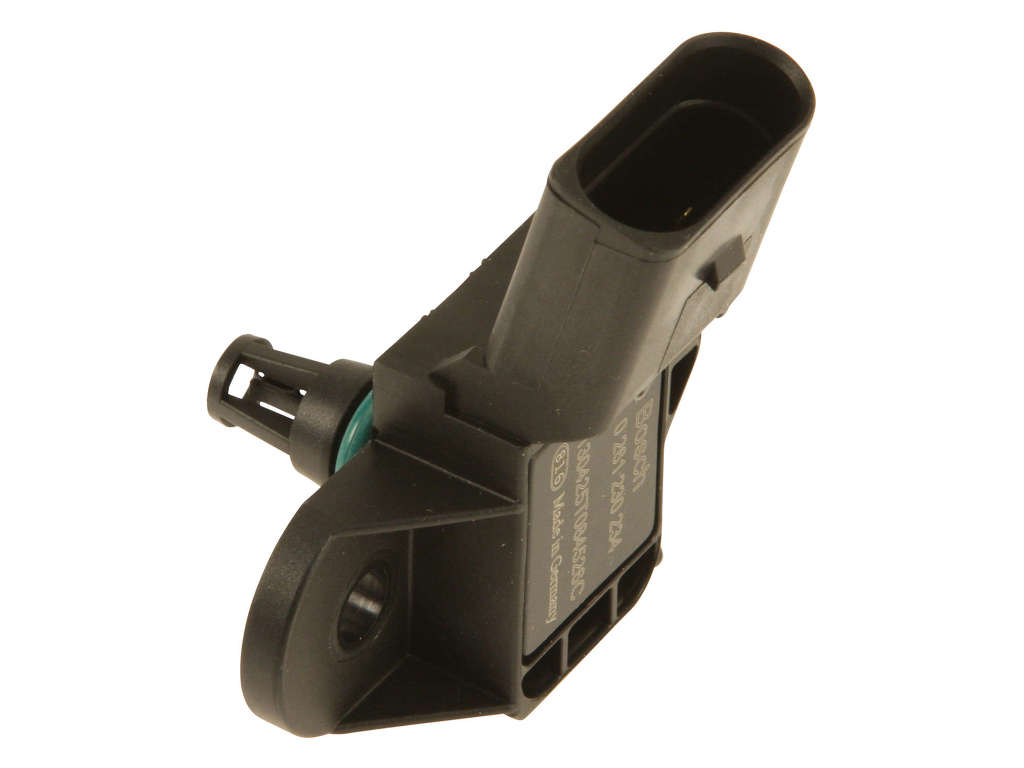
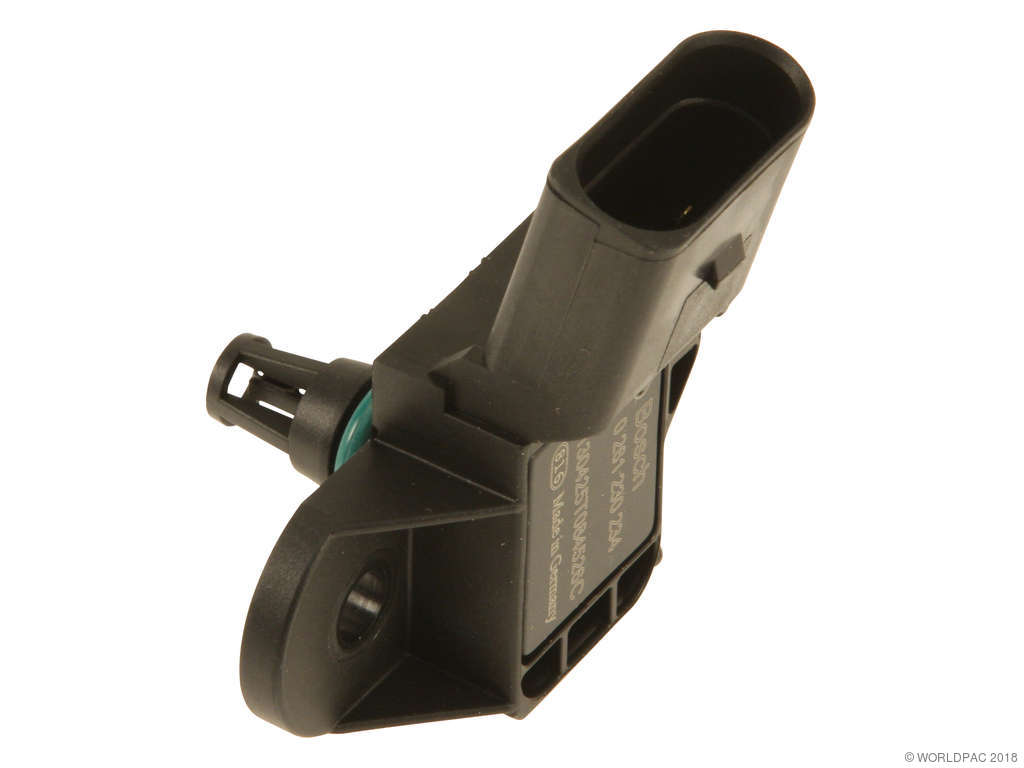
On the 2012-2018 Audi A6, code P0113 is almost always caused by a failed integrated IAT sensor, which is part of the MAP/Boost Pressure sensor. The fix is to replace the entire sensor assembly, which is a simple DIY task. Expect to pay $30-$80 for a quality Bosch replacement part. Verify the correct part number for your 2.0T or 3.0T engine.
- P0113 on a 2012-2018 Audi A6 points to an electrical fault in the Intake Air Temperature sensor circuit, almost always due to sensor failure.
- The IAT sensor is built into the MAP/Boost Pressure sensor; you must replace the entire unit. Its location differs between the 2.0T and 3.0T engines.
- The most likely fix is replacing this integrated sensor. Before buying, check the sensor's wiring and connector for damage.
- Use a quality OEM-brand replacement like Bosch. Verify the correct part number for your specific engine (e.g., 06E906051K for 3.0T) using your VIN.
- This is a simple and inexpensive DIY repair for most owners, typically requiring only basic tools and taking less than an hour.
What's Unique About the 2012-2018 Audi A6
On the Audi A6 C7 platform (2012-2018), the Intake Air Temperature (IAT) sensor is not a standalone part. It is integrated into the Manifold Absolute Pressure (MAP) sensor, also known as the boost pressure sensor. For the 3.0T supercharged engine, this sensor is located on the rear of the supercharger assembly. For the 2.0T turbocharged engine, it is typically found on the intake piping just before the throttle body. This integrated design means you cannot replace just the IAT sensor; the entire combination sensor assembly must be replaced to fix the issue. Misdiagnosing this and searching for a separate IAT sensor is a common pitfall for this specific vehicle.
Symptoms You May Notice
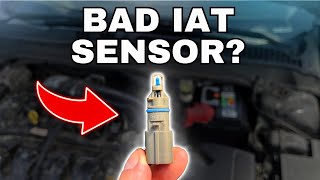
🎬 Watch: Common symptoms of a bad IAT sensor- Check Engine Light is on
- Reduced fuel economy
- Rough or unstable idle
- Hesitation or poor acceleration
- Difficulty starting the engine, especially in cold weather
- Black, fuel-like coating on spark plugs from running rich.
- Replacing the Mass Airflow (MAF) sensor, believing the IAT is integrated there. On some older Audis this was the case, but not on the C7 platform.
- Searching for and attempting to replace a standalone IAT sensor, which does not exist on this vehicle for this function.
Most Likely Causes
- Failed Integrated MAP/IAT Sensor 🔴 High Probability The IAT sensor is integrated into the MAP/boost pressure sensor. The internal thermistor for the IAT can fail due to thermal stress from engine heat, requiring the replacement of the whole unit.
How to confirm: Using a scan tool (like VCDS or OBDeleven), check the live data for the IAT sensor. If it shows a fixed, extremely low temperature (like -40°F/-40°C) that doesn't change with engine temperature, the sensor has failed.
Typical fix: Replace the MAP/Boost Pressure sensor assembly. Ensure you purchase the correct part for your specific engine (2.0T vs. 3.0T).
Est. part cost: $30-$150 - Damaged Wiring or Connector 🟡 Medium Probability The wiring harness to the sensor can become brittle from engine heat, or pins in the connector can corrode, leading to an open or shorted circuit which causes the high voltage reading.
How to confirm: Visually inspect the wiring and connector going to the MAP/IAT sensor for any signs of breaks, corrosion, or loose pins. Use a multimeter to check for a 5V reference signal and a good ground at the connector with the key on, engine off.
Typical fix: Repair the damaged section of wiring or replace the connector pigtail.
Est. part cost: $10-$30
Rare But Worth Checking
- Faulty Powertrain Control Module (PCM): → Shop Engine Control Module (ECM) This is extremely rare. The PCM should only be considered as the cause if all other possibilities, including wiring and the sensor itself, have been thoroughly tested and ruled out. A faulty PCM will typically cause multiple other, often unrelated, error codes.
Diagnosis Steps
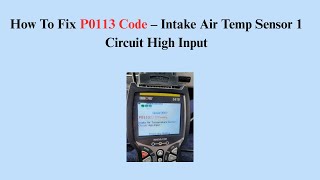
- Connect an OBD-II scanner and confirm the P0113 code is present. 🎬 Watch: How to diagnose and fix a P0113 code Note any other codes.
- View the live data stream for the Intake Air Temperature (IAT). A reading of -40°F or -40°C strongly indicates a circuit fault.
- Turn the engine off. Locate the MAP/Boost Pressure sensor. On the 3.0T, it's on the rear of the supercharger. On the 2.0T, it's on the plastic intake pipe leading to the throttle body.
- Disconnect the electrical connector. Inspect the connector and the sensor's pins for corrosion, moisture, or damage.
- Inspect the wiring harness leading to the sensor for any obvious damage, such as cracks, fraying, or melting from contact with hot components.
- (Advanced) With the key on and engine off, use a multimeter to test the connector terminals. You should find a 5-volt reference wire and a good ground wire. Lack of either points to a wiring or PCM issue.
- If the wiring and connector are intact, the integrated sensor is the confirmed failure point.
- Replace the MAP/Boost Pressure sensor assembly with a quality part.
- Clear the trouble code with the scan tool and perform a test drive to ensure the code does not return.
Parts You'll Likely Need
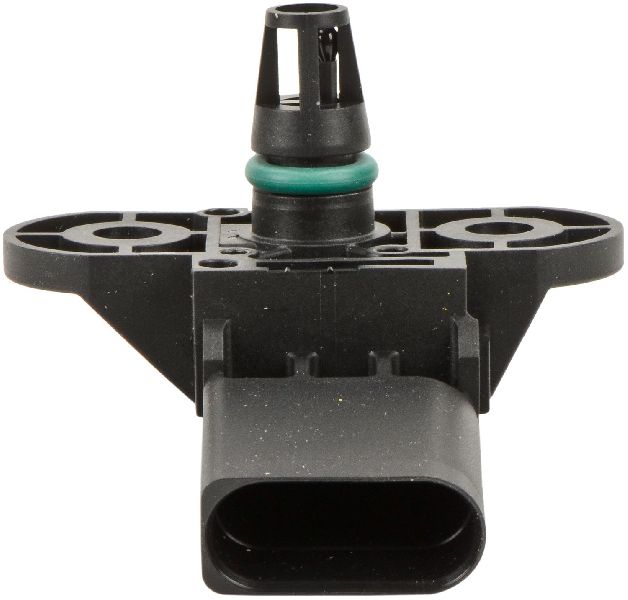
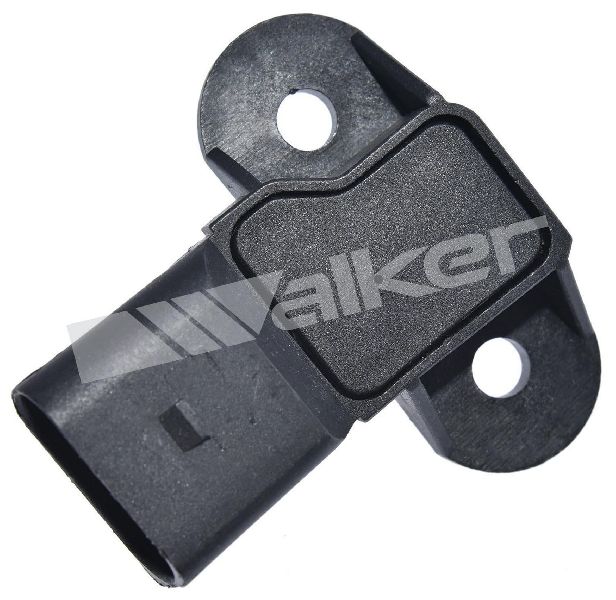
- Boost/MAP Sensor (for 3.0T Supercharged Engine)
(OEM #06E906051K (supersedes 06E906051E, 06E906051J))— This is the integrated sensor unit for the 3.0T engine. The internal IAT thermistor fails, requiring replacement of the entire part.
Trusted brands: Bosch, Genuine Audi
OEM price range: $120-$150
Aftermarket price range: $40-$90 - Boost/MAP Sensor (for 2.0T Turbocharged Engine)
(OEM #04E906051A or 03C906051F)— This is the integrated sensor unit for the 2.0T engine. The internal IAT thermistor fails, requiring replacement of the entire part.
Trusted brands: Bosch (p/n 0261230235), Genuine Audi
OEM price range: $70-$110
Aftermarket price range: $30-$60
Related Codes That Often Appear With This One
- P0101 — A P0101 (Mass Air Flow Sensor Circuit Range/Performance) can sometimes be triggered alongside a P0113 if the ECU is receiving conflicting information about the air entering the engine.
- P0172 — This code indicates a rich (P0172) fuel mixture. A faulty IAT sensor reading an impossibly cold temperature will cause the ECU to inject too much fuel, leading to a rich condition.
- P012C — A P012C (Turbo/Supercharger Inlet Pressure Sensor Circuit Low) can appear with IAT codes on the 3.0T engine, as seen in forum discussions. This points directly to a fault within the combined sensor unit or its wiring.
Technical Service Bulletins (TSBs) & Recalls
- TSB 2039995/1: While not for P0113, this is a critical TSB for 3.0T owners. It addresses a common engine rattle on cold starts by replacing the upper timing chain tensioners with improved parts.
Platform-Specific Known Issues
- Owner Experience: Repeated Failures and Diagnosis: An owner on an enthusiast forum reported personally diagnosing P0113 on three separate C7 A6 models. In each case, the scan tool showed the IAT reading a static high temperature, sometimes accompanied by a P0299 (turbo underboost) code. After confirming wiring integrity, replacing the entire integrated boost pressure sensor assembly resolved the fault on all three vehicles. The owner noted the failure is due to the IAT thermistor failing internally from thermal stress.
Mechanic-Grade Diagnostic Values
- IAT Sensor Resistance (Thermistor) — expected: Resistance changes with temperature. At 20°C (68°F), expect ~2,500 Ohms (2.5 kΩ). At 0°C (32°F), expect ~5,900 Ohms (5.9 kΩ).. Failure: An open circuit (infinite resistance) or a value that doesn't change as the sensor warms up indicates a failed thermistor.
- 3.0T MAP/IAT Connector Voltage (Key On, Engine Off, Connector Unplugged) — expected: Pin 1: ~5V (Reference Voltage from ECU), Pin 3: ~0V (Ground). The IAT signal wire is Pin 2.. Failure: No voltage at Pin 1 indicates a wiring or ECU issue. Voltage at Pin 3 indicates a bad ground connection.
- 2.0T MAP/IAT Connector Voltage (Key On, Engine Off, Connector Unplugged) — expected: Pin 4: ~5V (Reference Voltage), Pin 1: ~0V (Ground). The IAT signal wire is Pin 3.. Failure: With the connector unplugged, the signal wire (Pin 3) should also read ~5V. If reference voltage is present but the scan tool doesn't show -40°C, it points to a wiring issue on the signal wire.
- Scan Tool Live Data (IAT) — expected: Should read a plausible temperature close to ambient when the engine is cold.. Failure: A static reading of -40°C or -40°F is the definitive sign of a 'Circuit High' fault, caused by an open in the sensor or its wiring.
Wiring & Ground Locations
- MAP/IAT Sensor Connector (3.0T) — At the rear of the supercharger, near the firewall. It is a 4-pin connector.. This is the primary connection point for testing. Pin 2 is the IAT signal, Pin 1 is 5V reference, and Pin 3 is ground (Note: Pinout varies from 2.0T).
- MAP/IAT Sensor Connector (2.0T) — On the intake piping just before the throttle body. It is a 4-pin connector.. This is the primary connection point for testing. Pin 3 is the IAT signal, Pin 4 is 5V reference, and Pin 1 is ground.
- Engine Ground Point (General) — A primary ground strap is located on the right (passenger side for LHD) of the engine compartment, connecting the engine block to the chassis near the alternator.. A corroded or loose main engine ground can cause erratic voltage readings and floating grounds for all engine sensors, including the IAT circuit.
- Ground Point 85 / 640 — Described in wiring diagrams as a key earth connection in the engine compartment wiring harness.. This is a specific grounding point for the engine sensor harness. High resistance here can directly cause a P0113 by creating a poor ground reference for the sensor.
Real Owner Repair Stories
- Forum Consensus (AudiWorld, Audizine, Ross-Tech) (2012-2018 Audi A6 (both 2.0T and 3.0T)) — Check Engine Light on, scan tool shows P0113, and live data for Intake Air Temperature is stuck at -40°C/-40°F.
❌ Tried (didn't work) Clearing the code without replacing the part (code returns immediately), Searching for a separate, standalone IAT sensor (it does not exist on this platform), Replacing the Mass Airflow (MAF) sensor
✅ What actually fixed it After confirming 5V reference and good ground at the sensor connector, replacing the entire integrated MAP/Boost Pressure sensor assembly (Bosch or Genuine Audi part) and clearing the fault code resolved the issue in nearly all documented cases.
OEM Part Supersession History
06E906051E, 06E906051J→06E906051K— Part revision and improvement by the manufacturer.
Heads up: The different revisions are generally cross-compatible for the C7 3.0T, but always verify the part number with your VIN. Some catalogs incorrectly list this part as a low-pressure fuel sensor, causing confusion.
Model Year Variations Within This Range
- 2012-2018 (All C7/C7.5): While the P0113 fault is consistent, some related diagnostic codes on the 3.0T (like P0106) have TSBs related to overly sensitive ECU software. It is possible, though not explicitly documented for P0113, that an ECU software update could alter monitoring parameters.
Diagnostic Flowchart
Other Known Issues on This Vehicle
Issues unrelated to this code that are worth knowing about as an owner of this generation:
- 3.0T Water Pump & Thermostat Failure 🔴 High — Very common, can occur as early as 40k-60k miles. Often leaks coolant, leading to overheating. The plastic housings are prone to cracking. (Ref: Subject of multiple class-action lawsuits for various model years.)
- 3.0T Timing Chain Tensioner Rattle 🟠 Medium — Common on pre-facelift (2012-2015) models, presenting as a 1-3 second metallic rattle from the rear of the engine on cold starts. (Ref: TSB 2039995/1 (also cited as 15 15 26) recommends replacing upper tensioners with updated parts.)
- 2.0T (EA888 Gen 2) Oil Consumption & Timing Chain Tensioner Failure 🔴 High — Early C7 models (approx. 2012-2015) with the Gen 2 EA888 engine are known for high oil consumption due to piston ring design and potential for catastrophic timing chain tensioner failure.
- Carbon Buildup on Intake Valves 🟠 Medium — Common to all direct-injection engines (both 2.0T and 3.0T) on this platform. Typically requires cleaning every 60k-80k miles to prevent misfires, rough idle, and reduced performance.
- PCV Valve Failure 🟠 Medium — The PCV (crankcase ventilation) valve can fail, causing excessive oil consumption, rough idle, and vacuum leaks. On the 3.0T, it is located under the supercharger.
Used vs. New Parts: Buying Guide for This Vehicle
When a used part is the smart pick: A used part is a reasonable option for this repair if sourced from a reputable salvage yard with a warranty and return policy. Since it's an electronic sensor, failure is often immediate rather than a slow degradation, so a working used part is likely to have significant life left.
Donor-vehicle mileage cap: roughly under 80000 miles for the part to have meaningful remaining life.
What to inspect on the donor part:
- Inspect the connector pins for any signs of corrosion, moisture, or physical damage.
- Ensure the plastic housing is free of cracks.
- Ask for the VIN of the donor car to verify it's from a compatible engine (2.0T vs 3.0T).
- Avoid parts from vehicles with signs of flood or fire damage.
Aftermarket brands forum-validated for this vehicle:
- Bosch (OEM manufacturer)
- Hella
- Standard Motor Products (SMP)
Brands owners have reported issues with on this vehicle:
- Unnamed, no-brand sensors from online marketplaces. Forum users have reported issues with cheap, low-quality sensors causing incorrect readings or failing prematurely.
Real Owner Stories
Aggregated from forums and TSBs cited above. Mileages and costs reflect what owners reported in those sources.
2012-2018 Audi A6 (C7)
Symptoms: The owner diagnosed three separate vehicles where the scan tool showed the IAT reading a static high temperature, sometimes accompanied by a P0299 turbo underboost code.
What fixed it: Replacing the entire integrated boost pressure sensor assembly after confirming wiring integrity.
Source hint: Vehicle-specific issues section: 'Owner Experience: Repeated Failures and Diagnosis'
2012 Audi A6 C7 3.0T
Symptoms: Check Engine Light with multiple codes (P0158, P1110, P0112, P012C). The P0113 code appeared temporarily when the MAP sensor was unplugged.
What fixed it: The user suspected a new MAP sensor was needed after potentially being damaged by 12V backfeeding from an O2 sensor circuit, though the root cause involved complex wiring or ECU issues.
Source hint: Ross-Tech Forums - 'Persistent Fault Codes After Sensor & Harness Replacement – Possible ECU Issue? (2012 Audi A6 C7 3.0T)'
Related OBD-II Codes
Frequently Asked Questions
Where is the IAT sensor located on my 2012-2018 Audi A6 3.0T?
I have a 2.0T Audi A6; is the sensor in the same place as the 3.0T?
Does TSB 2039995/1 address the P0113 code on my A6?
Why does my scan tool show -40°F for the intake temperature?
Can I just replace the IAT sensor alone on my C7 A6?
Are there specific engine versions of the A6 I should be aware of when buying a replacement sensor?
Helpful Videos
We Have This Part in Stock

The information in this article is provided for general reference and educational purposes only. Vehicle specifications, procedures, and part compatibility can vary by production date, trim level, and region. Always consult your vehicle's factory service manual and verify part numbers before purchasing or performing repairs. Safety-critical components such as airbags, seat belts, and braking systems should be installed by a qualified professional.
- Audi A6:
- 🧭 Diagnostic Flowchart
- 🎬 Helpful Videos
- 🛍️ Shop This Part
- What's Unique About the 2012-2018 Audi A6
- Symptoms You May Notice
- Most Likely Causes
- Rare But Worth Checking
- Diagnosis Steps
- Parts You'll Likely Need
- Related Codes That Often Appear With This One
- Technical Service Bulletins (TSBs) & Recalls
- Platform-Specific Known Issues
- Mechanic-Grade Diagnostic Values
- Wiring & Ground Locations
- Real Owner Repair Stories
- OEM Part Supersession History
- Model Year Variations Within This Range
- Other Known Issues on This Vehicle
- Used vs. New Parts: Buying Guide for This Vehicle
- Real Owner Stories
- 2012-2018 Audi A6 (C7)
- 2012 Audi A6 C7 3.0T
- Related OBD-II Codes
- Frequently Asked Questions
- 🎟️ Get 5% Off