

P0113 on 2007-2012 Lexus ES 350: Intake Air Temp Circuit High Causes and Fixes
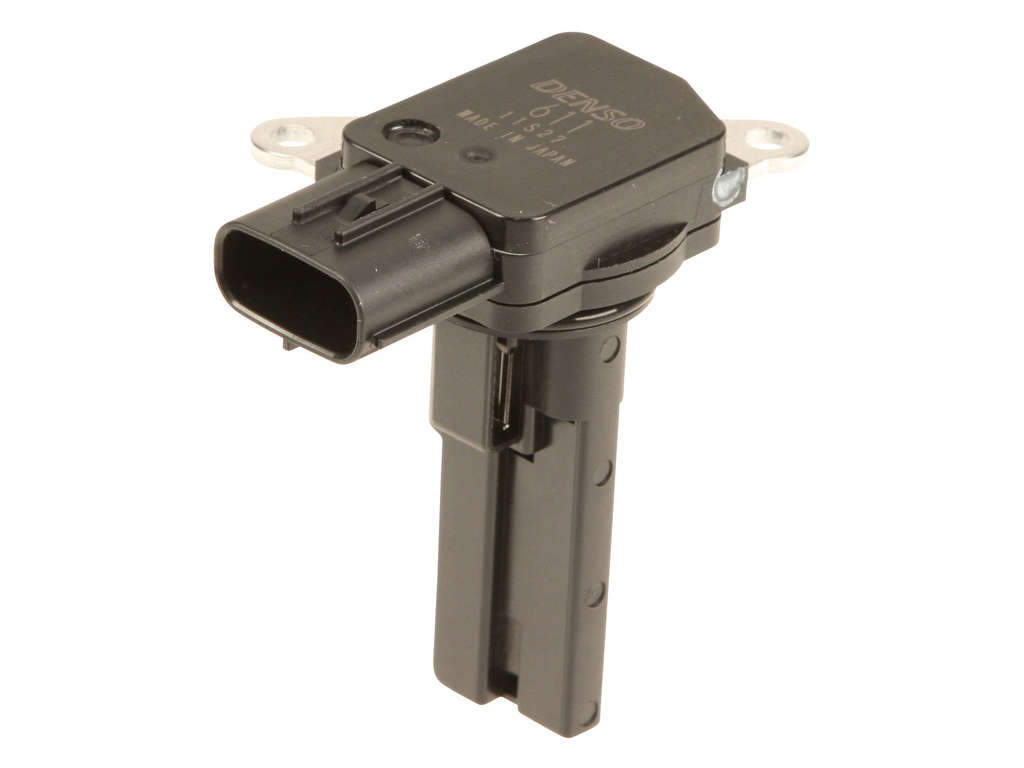
This code almost always points to a problem with the Mass Air Flow (MAF) sensor, which contains the Intake Air Temperature (IAT) sensor. The most common fix is to replace the entire MAF sensor assembly. Expect to pay around $150-$200 for an OEM Denso part. Cleaning the sensor is sometimes effective and worth trying first. A reading of -40° on a scan tool is the definitive symptom of this fault.
- P0113 on this Lexus means the Intake Air Temperature sensor circuit has an open, which is almost always a failed sensor.
- The IAT sensor is part of the MAF sensor assembly on the 2GR-FE engine; you must replace the whole unit.
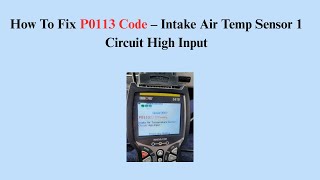
- A scan tool reading of -40°F/-40°C is the definitive sign of this specific fault.
- Before replacing, try cleaning the MAF sensor with a dedicated cleaner as a cheap and easy first step.
- The most likely part needed is a new MAF sensor, OEM part number 22204-31020. Denso is the original manufacturer (part 197-6160).
- This is a very simple DIY repair, requiring only a screwdriver and about 15 minutes.
What's Unique About the 2007-2012 Lexus ES
For the 2GR-FE V6 engine in this Lexus ES 350, the Intake Air Temperature (IAT) sensor is not a separate, standalone part. It is integrated directly into the Mass Air Flow (MAF) sensor housing located on the engine's air intake tube. This means that if the IAT sensor component fails and triggers a P0113, you must replace the entire MAF sensor assembly. When this fault occurs, the ECM activates a fail-safe mode, assuming a default intake air temperature of 68°F (20°C) to keep the engine running. This can lead to noticeable performance issues, especially during cold starts or extreme weather conditions.
🎬 Watch: A quick breakdown of what the P0113 code means.Symptoms You May Notice
- Check Engine Light is on
- Check VSC light may also illuminate
- Difficulty starting the engine, especially when cold
- Engine cranks but fails to start
- Reduced fuel economy
- Rough or unstable idle
- Engine hesitation or bucking during acceleration
- Black, fuel-fouled spark plugs
- Replacing oxygen (O2) sensors. While fuel trim issues can be a symptom, the P0113 code specifically points to the IAT circuit, not the exhaust sensors.
- Replacing the Engine Coolant Temperature (ECT) sensor. While both are temperature sensors, they are in different locations and monitor different things. P0113 is exclusive to the air intake.
Most Likely Causes
- Failed Mass Air Flow (MAF) / IAT Sensor Assembly 🔴 High Probability The IAT sensor is an integrated thermistor within the MAF assembly; internal failure of this component is common over time and mileage, creating an open circuit.
How to confirm: Use a scan tool to view live data for the IAT sensor. A reading of -40°F or -40°C strongly indicates an open circuit, which is characteristic of a failed sensor. You can also test the sensor's resistance with a multimeter between the THA and E2G pins to see if it's within the specifications found in the factory service manual.
Typical fix: Replace the entire Mass Air Flow sensor assembly. It is held in by two screws and is easily accessible on the air intake tube. 🎬 Watch this step-by-step walkthrough for replacing the Lexus ES350 sensor.
Est. part cost: $150-$220 - Damaged Wiring or Loose/Corroded Connector 🟡 Medium Probability This era of Toyota/Lexus vehicles used soy-based wiring insulation, which has been known to attract rodents that chew through wires, causing an open circuit.
How to confirm: Visually inspect the wiring harness leading to the MAF sensor for any signs of fraying, melting, or rodent damage. Unplug the 5-pin connector and check for corrosion, moisture, or pushed-out pins. A multimeter can be used to check for continuity on the THA (IAT signal) and E2G (ground) wires between the sensor connector and the ECM.
Typical fix: Repair the damaged section of wire or clean/replace the connector pigtail.
Est. part cost: $10-$50 - Dirty MAF/IAT Sensor Element ⚪ Low Probability Oil vapors from the PCV system or fine dust that gets past an aging or poorly-fitted air filter can coat the sensor elements over time.
How to confirm: Remove the sensor and visually inspect the small wires and thermistor bulb inside the housing. If they appear coated in dirt or oil, cleaning is a worthwhile first step.
Typical fix: Carefully spray the sensor elements with a dedicated Mass Air Flow sensor cleaner. Do not touch the elements with a brush, your fingers, or use aggressive cleaners like brake cleaner. 🎬 See how to safely clean your sensor without damaging it. Allow it to dry completely before reinstalling.
Est. part cost: $10-$15
Rare But Worth Checking
- Faulty Engine Control Module (ECM): → Shop Engine Control Module (ECM) This is very uncommon. The ECM should only be considered after all other possibilities, including the sensor and wiring, have been thoroughly tested and ruled out.
Diagnosis Steps
- Connect an OBD-II scanner and confirm P0113 is the active code. Check for any other codes, like P0102.
- View the live data stream for 'Intake Air Temperature'. If it reads a static -40°F or -40°C, this confirms the ECM is seeing an open circuit.
- Turn the ignition off and locate the MAF sensor on the air filter housing.
- Inspect the electrical connector for a secure fit, corrosion, or damaged pins.
- Inspect the wiring harness leading to the sensor for any visible damage, such as cracks, fraying, or signs of rodent activity.
- If wiring looks good, remove the two screws holding the MAF sensor and carefully take it out.
- Visually inspect the sensor elements. If they appear dirty, clean them with dedicated MAF sensor cleaner and let it dry completely. Reinstall, clear the code, and test drive to see if the code returns.
- If cleaning does not work or the sensor was clean, replacement of the MAF assembly is the most likely fix.
- For advanced diagnosis, if a new sensor does not resolve the code: Disconnect the sensor and turn the ignition ON. Use a multimeter to probe the harness-side connector. Check for a 5V reference signal on the THA wire and check for good ground on the E2G wire. An absence of either points to a wiring issue or a problem with the ECM.
Parts You'll Likely Need
- Mass Air Flow (MAF) Sensor
(OEM #22204-31020)— This assembly contains the integrated IAT sensor that fails and causes the P0113 code. Replacing the entire unit is the standard repair. This part may be superseded by 22204-0P010.
Trusted brands: Denso (OEM) - Part No. 197-6160
OEM price range: $155-$215
Aftermarket price range: $70-$150 - Mass Air Flow Sensor Cleaner — A low-cost first step. If the sensor elements are simply dirty, a cleaning may resolve the issue without needing to replace the part.
Trusted brands: CRC, Liqui Moly
Aftermarket price range: $10-$15 - MAF Sensor Connector Pigtail
(OEM #90980-12292 (connector housing example))— If the connector itself or the wires immediately attached to it are corroded or damaged, a new pigtail will be needed to ensure a solid connection to the new sensor.
Trusted brands: Dorman, Standard Motor Products
Aftermarket price range: $15-$40
Related Codes That Often Appear With This One
- P0102 — Mass Air Flow (MAF) Circuit Low Input. Since the IAT and MAF sensors are in the same housing, a bad connection, wiring damage, or a failing unit can cause both codes to appear together.
- P0335 — Crankshaft Position Sensor 'A' Circuit. In some no-start scenarios, a P0113 can appear alongside other circuit faults. It's important to diagnose the primary cause; in this case, a crank sensor fault would also prevent starting.
Technical Service Bulletins (TSBs) & Recalls
- No specific Technical Service Bulletins (TSBs) were found to directly address the P0113 code on this vehicle, as it is typically considered a standard component failure. However, class-action lawsuits have been filed against Toyota regarding rodent damage to soy-based wiring, which is a potential cause.
Platform-Specific Known Issues
- The use of soy-based wiring insulation in this generation of Toyota and Lexus vehicles can make the engine harness a target for rodents, potentially causing the open circuit that triggers a P0113 code. Inspection for chewed wires is recommended if the vehicle is parked outdoors.
Mechanic-Grade Diagnostic Values
- IAT Sensor Resistance — expected: Approximately 13.5 kOhms at -4°F (-20°C), 2.45 kOhms at 68°F (20°C), 0.32 kOhms at 176°F (80°C).. Failure: Infinite resistance (open circuit) or a reading that does not change with temperature indicates a failed sensor.
- IAT Sensor Signal Voltage (THA Pin at ECM) — expected: Varies with temperature, typically 0.2V (hot) to 4.8V (cold) with key on, engine off.. Failure: A static voltage at or near 5.0V indicates an open in the signal or ground circuit.
- Sensor Ground Voltage (E2G Pin at MAF Connector to Chassis Ground) — expected: Less than 100mV with key on, engine running.. Failure: Higher voltage indicates a poor ground connection between the sensor and the ECM, or a poor ECM ground.
Scan Tool Commands That Help
- Toyota Techstream: Data List -> Primary -> Intake Air — This is the primary method to confirm the fault. A reading of -40°F or -40°C is a definitive sign the ECM is seeing an open circuit, which triggers P0113.
- Toyota Techstream: Utility -> Monitor Status — Used to check the status of all system monitors after a repair to ensure the IAT circuit test will run and confirm the fix.
Wiring & Ground Locations
- MAF Connector (A41) — On the Mass Air Flow sensor, attached to the engine air filter housing.. This is the 5-pin connector housing the IAT signal (THA) and ground (E2G) wires. Corrosion or damage here is a common cause.
- ECM Pins THA & E2G — On the Engine Control Module (ECM). A wiring diagram shows THA at pin 73 and E2G at pin 72 of connector A55.. These are the termination points for the IAT circuit. Testing for continuity and voltage here can isolate a wiring problem from a sensor or ECM problem.
- ECM Grounds (E01, E02, E03, E04) — These are the main ground pins for the ECM, which are then connected to chassis ground points in the engine bay.. The sensor ground (E2G) relies on the ECM's main ground connection. A corroded or loose main ground point can cause a floating ground and trigger a P0113, even if the sensor and its direct wiring are good.
OEM Part Supersession History
22204-31020→22204-0P010, 22204-0T020, 22204-0V010— Part revision and consolidation by the manufacturer.Denso (OEM Supplier) Aftermarket Part→197-6160— This is the direct aftermarket equivalent from the original manufacturer.
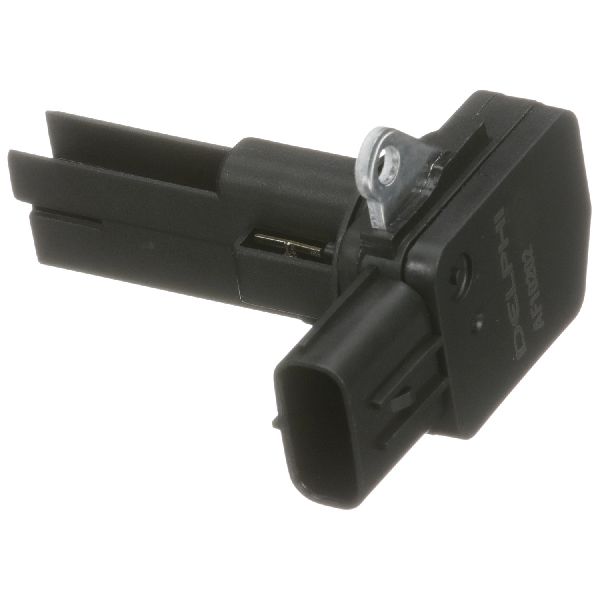
Heads up: This is the most recommended replacement. Cross references include Delphi MF50073, ACDelco 213-4544, and Standard Ignition MAS0314.
Diagnostic Flowchart
Used vs. New Parts: Buying Guide for This Vehicle
When a used part is the smart pick: A used OEM Denso MAF sensor from a reputable salvage yard can be a cost-effective option given the high price of a new OEM part. However, it is a gamble, as the part's remaining lifespan is unknown.
Donor-vehicle mileage cap: roughly under 80000 miles for the part to have meaningful remaining life.
What to inspect on the donor part:
- Inspect the sensor elements for physical damage or heavy contamination.
- Ensure the connector pins are straight and free of corrosion.
- If possible, get a part from a vehicle with a known history that was not involved in a flood or front-end collision.
OEM-only on this vehicle (don't cheap out):
- Mass Air Flow Sensor
Aftermarket brands forum-validated for this vehicle:
- Denso (This is the Original Equipment Manufacturer and is the most reliable choice).
- Hitachi (Also a known OEM supplier for many Japanese vehicles and generally considered reliable).
Brands owners have reported issues with on this vehicle:
- Unbranded, low-cost sensors from online marketplaces like eBay and Amazon are frequently counterfeit or of poor quality, often failing quickly or being dead-on-arrival.
- Store brands like Duralast have had reports of premature failure in this application.
Real Owner Stories
Aggregated from forums and TSBs cited above. Mileages and costs reflect what owners reported in those sources.
2007 Lexus ES350
Symptoms: Check engine light and a check VSC warning appeared immediately after installing an aftermarket air intake. Codes P0101, P0102, and P0113 were stored.
What fixed it: The implied fix, as suggested by forum members, was to remove the aftermarket intake and reinstall the original factory air intake system, as the new intake was likely causing incorrect airflow readings.
Source hint: ClubLexus forum thread hinted at as 'New to Forum - Check Engine/Check VSC After Weapon-R Intake Installation - HELP!'
Lexus ES 350
Symptoms: The engine would crank but would not start. P0113 was the only diagnostic trouble code present.
What fixed it: The forum thread did not state a final fix, but the discussion focused on diagnostic steps such as checking the sensor's resistance with a multimeter and inspecting the wiring harness for damage.
Source hint: ClubLexus - 'P0113 - Starts but won't Fire!'
2007 Lexus ES350
Symptoms: The vehicle would crank but would not start. Code P0113 was found along with a crankshaft sensor code.
What fixed it: The owner reported the code as part of a no-start condition, but a final resolution was not detailed in the provided context.
Source hint: ClubLexus - '2007 es350 crankshaft but won't start'
Related OBD-II Codes
Frequently Asked Questions
Where is the Intake Air Temperature (IAT) sensor located on my 2007-2012 Lexus ES 350?
My scanner shows the intake air temp is -40°F. Does this automatically mean the sensor is bad?
I park my Lexus ES outside and have had rodent problems before. Could this cause a P0113 code?
Why did my 'Check VSC' light come on at the same time as the Check Engine Light for P0113?
Can I just clean the MAF sensor to fix P0113, or do I have to replace it?
Are there any recalls or Technical Service Bulletins (TSBs) for this P0113 issue?
Do other Toyota or Lexus models with the 3.5L V6 have this same P0113 problem?
Helpful Videos
![How to Fix P0113 Engine Code in 3 Minutes [2 DIY Methods / Only $7.76]](https://img.youtube.com/vi/G2TGoI6ozA8/mqdefault.jpg)

Used OEM Parts in Stock
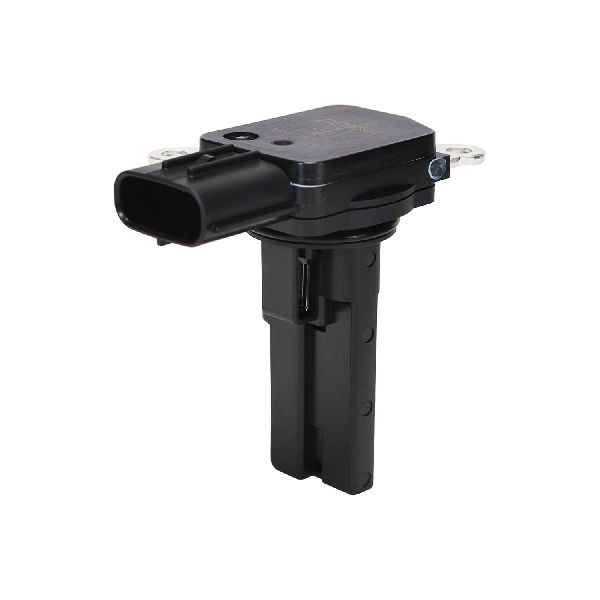
New Aftermarket Parts Available

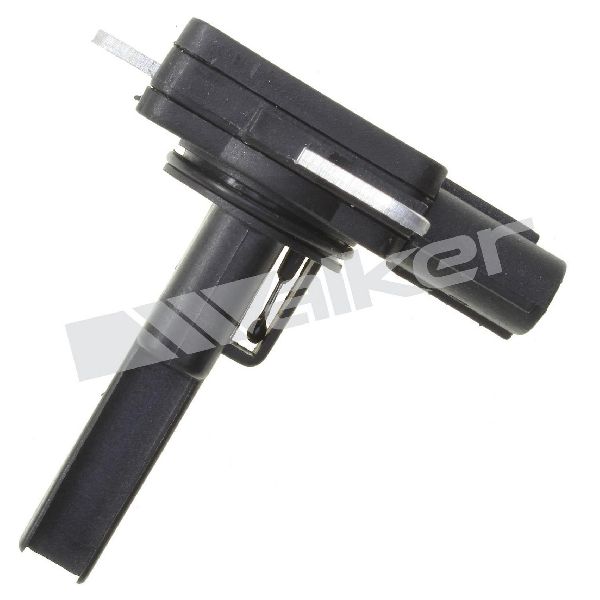

The information in this article is provided for general reference and educational purposes only. Vehicle specifications, procedures, and part compatibility can vary by production date, trim level, and region. Always consult your vehicle's factory service manual and verify part numbers before purchasing or performing repairs. Safety-critical components such as airbags, seat belts, and braking systems should be installed by a qualified professional.
- Lexus ES:
- 🧭 Diagnostic Flowchart
- 🎬 Helpful Videos
- 🛍️ Shop This Part
- What's Unique About the 2007-2012 Lexus ES
- Symptoms You May Notice
- Most Likely Causes
- Rare But Worth Checking
- Diagnosis Steps
- Parts You'll Likely Need
- Related Codes That Often Appear With This One
- Technical Service Bulletins (TSBs) & Recalls
- Platform-Specific Known Issues
- Mechanic-Grade Diagnostic Values
- Scan Tool Commands That Help
- Wiring & Ground Locations
- OEM Part Supersession History
- Used vs. New Parts: Buying Guide for This Vehicle
- Real Owner Stories
- 2007 Lexus ES350
- Lexus ES 350
- 2007 Lexus ES350
- Related OBD-II Codes
- Frequently Asked Questions
- 🎟️ Get 5% Off