

P0113 on 2010-2014 Subaru Outback 2.5L: IAT Sensor Causes and Fixes
On a 2010-2014 Outback, P0113 almost always points to the Mass Air Flow (MAF) sensor, which contains the Intake Air Temperature (IAT) sensor. The most common fix is cleaning the MAF sensor with a dedicated $10 cleaner or replacing the entire assembly if cleaning fails. Expect to pay $45-$150 for an aftermarket part or ~$215 for an OEM Denso unit. It is a very simple 5-minute DIY fix requiring only a Phillips head screwdriver.
- P0113 on this Outback means there's a problem with the Intake Air Temperature sensor circuit, which is part of the Mass Air Flow (MAF) sensor.
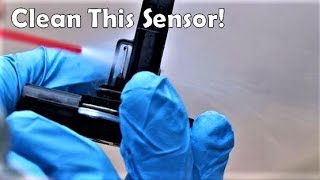
- The first and cheapest step is to try cleaning the MAF sensor with dedicated cleaner spray.
- If cleaning doesn't work, the entire MAF sensor assembly needs to be replaced.
- This is a very easy DIY repair that takes less than 10 minutes and only requires a Phillips head screwdriver.
- Always check that the sensor is plugged in securely before buying any parts, as it can be easily missed during other maintenance like changing an air filter.
What's Unique About the 2010-2014 Subaru Outback
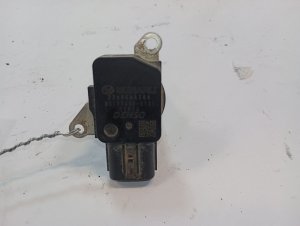
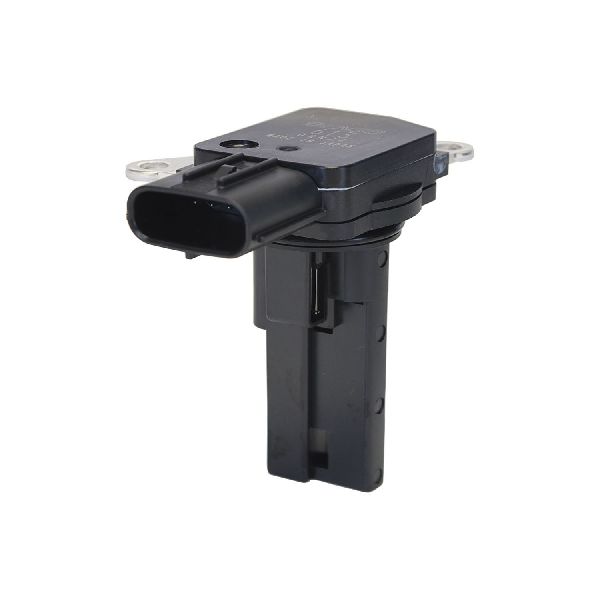
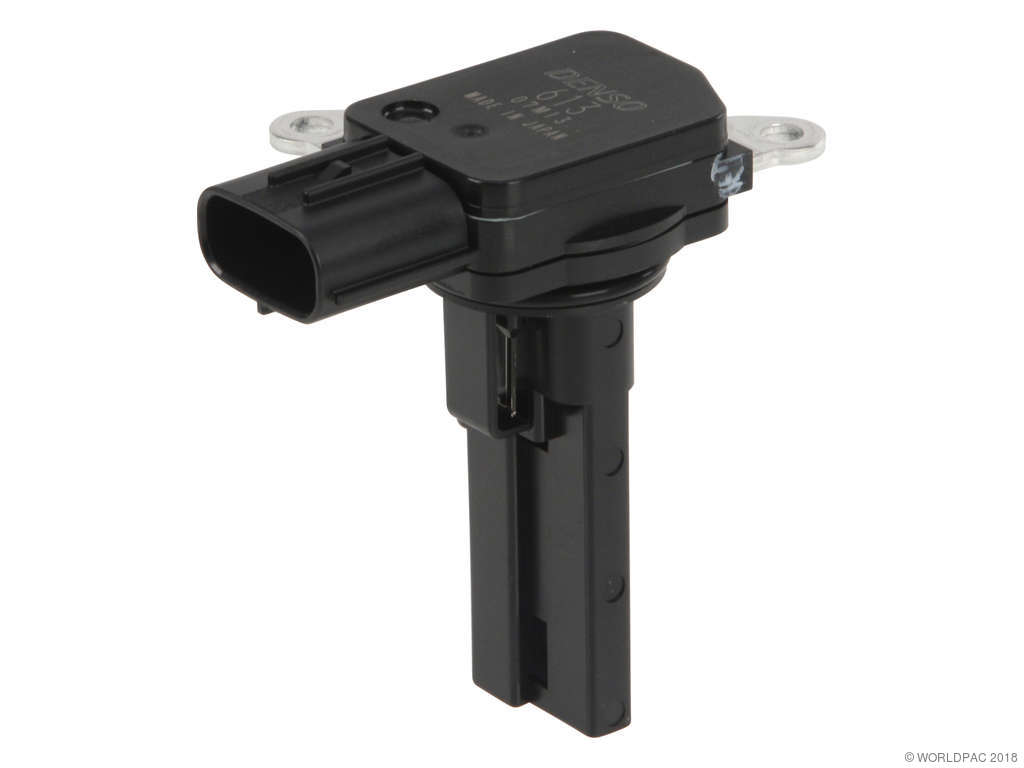
On the 2.5L EJ253 engine used in this generation of Subaru Outback, the Intake Air Temperature (IAT) sensor is not a standalone part. Instead, it is integrated into the Mass Air Flow (MAF) sensor assembly. This means that if the IAT sensor component fails, the entire MAF sensor unit must be replaced. This design is common, but it's important for owners to know they are looking for a MAF sensor (OEM Part #22680AA380), not a separate IAT sensor, when diagnosing this code.
Symptoms You May Notice
- Check Engine Light is on
- Reduced fuel economy
- Engine hesitation or stumbling on acceleration
- Rough idle
- Difficulty starting the engine, especially when cold
- Increased vehicle emissions
- Stalling at low RPMs, such as when stopping at a light.
- Replacing the front Oxygen (O2) sensor, as fuel trim issues can sometimes accompany this code.
- Replacing the *ambient* air temperature sensor, which is a different sensor located at the front of the vehicle for the external temperature display, not engine management.
Most Likely Causes
- Dirty Mass Air Flow (MAF) / IAT Sensor 🔴 High Probability The sensor is directly in the path of incoming air and can become contaminated with dirt, oil, or other debris over time, insulating the sensing element. Oiled air filters (like K&N) are a common source of contamination if over-oiled.
How to confirm: Visually inspect the small wires inside the MAF sensor housing. If they appear coated or dirty, cleaning is warranted. Many owners report significant performance improvements after cleaning, even without a code present.
Typical fix: Remove the sensor and clean it carefully with a dedicated Mass Air Flow sensor cleaner spray (e.g., CRC MAF Sensor Cleaner). Do not touch the delicate wires. Allow it to dry completely for at least 15-20 minutes before reinstalling.
Est. part cost: $10-$15 for cleaner - Failed MAF/IAT Sensor Assembly 🔴 High Probability Electronic components have a finite lifespan and can fail from heat cycles and vibration. It is one of the more common sensors to fail on a Subaru.
How to confirm: If cleaning the sensor does not resolve the code (after clearing it), and the wiring is intact, the sensor itself has likely failed. You can test the IAT portion of the sensor with a multimeter by checking for resistance changes while applying heat (like from a hairdryer), but most DIYers proceed to replacement at this stage.
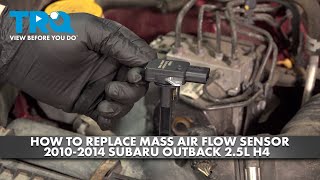
Typical fix: Replace the entire MAF sensor assembly. This is a simple procedure involving two screws and one electrical connector. Using an OEM or OEM-supplier (Denso) part is highly recommended as some aftermarket sensors are known to be unreliable.
Est. part cost: $45-$270 - Damaged Wiring or Loose Connector 🟡 Medium Probability The connector can be left unplugged or not fully seated after air filter service. Wires can become brittle and break from engine vibration and heat over time.
How to confirm: Inspect the MAF sensor connector to ensure it is plugged in securely. Check for pushed-out pins, corrosion, or any visible damage to the wires leading to the connector. A common cause for both P0113 and P0102 to appear together is a disconnected plug.
Typical fix: Reseat the connector. If pins are corroded, clean them with an electrical contact cleaner. If wires are broken, the connector pigtail may need to be repaired or replaced.
Est. part cost: $0-$30 - Extremely Dirty Engine Air Filter ⚪ Low Probability If the air filter is neglected, it can become so clogged that it disrupts airflow patterns across the sensor, potentially causing erroneous readings or allowing debris to contaminate the sensor.
How to confirm: Inspect the engine air filter. If it is black, wet, or full of debris, it needs to be replaced.
Typical fix: Replace the engine air filter.
Est. part cost: $15-$40
Rare But Worth Checking
- Faulty Powertrain Control Module (PCM): → Shop Engine Control Module (ECM) This is extremely rare. The PCM should only be considered after all other possibilities, including sensor and wiring replacement, have been exhausted. A faulty PCM will typically cause multiple other error codes as well.
Diagnosis Steps
- Read the code with an OBD-II scanner to confirm P0113 is present. Note any other codes, especially P0102.
- Check that the MAF sensor electrical connector is fully seated and the locking tab is engaged. An unplugged sensor is a very common cause.
- Inspect the wiring harness leading to the MAF sensor for any signs of damage, fraying, or melting.
- Open the air filter box and inspect the engine air filter. If it is excessively dirty, replace it.
- Using a Phillips head screwdriver, remove the two screws holding the MAF sensor in the intake tube.
- Carefully remove the sensor and visually inspect the sensing elements (two small wires inside the tunnel) for dirt, oil, or contamination.
- If dirty, spray the sensor's wires and elements thoroughly with MAF-specific sensor cleaner. Do not use brake cleaner or carburetor cleaner. Do not touch the wires.
- Allow the sensor to air dry completely for at least 20 minutes. Do not use compressed air or wipe it.
- Reinstall the sensor, ensure the connector is secure, clear the code with the OBD-II scanner, and perform a test drive to see if the code returns.
- If the code returns, the MAF sensor assembly is likely faulty and should be replaced. It is highly recommended to use an OEM Denso part (Part #22680AA380).
- If the code still returns with a new, quality sensor, you may have a wiring issue that requires more advanced diagnostics with a multimeter to check for 5V reference, ground, and signal continuity back to the ECU.
Parts You'll Likely Need
- Mass Air Flow (MAF) Sensor Assembly
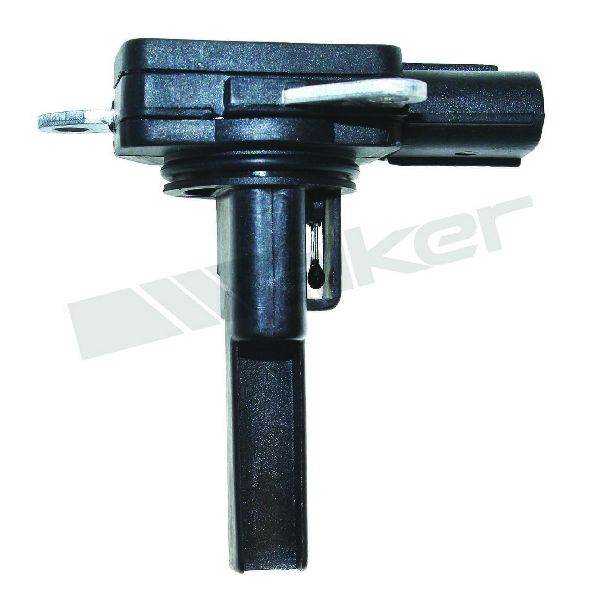
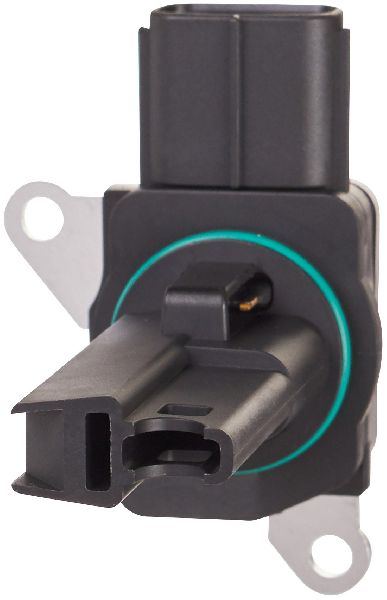
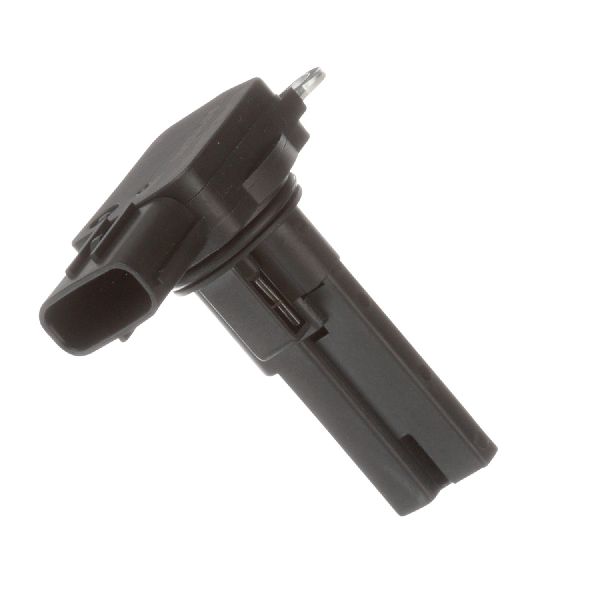
(OEM #22680AA380)— The IAT sensor is integrated into this assembly. If cleaning doesn't fix the issue, the entire unit must be replaced. This is the most common definitive fix for a persistent P0113 code. This part number is also used on many other Subaru models from the same era.
Trusted brands: Denso (OEM supplier), Hitachi, Walker Products
OEM price range: $210-$270
Aftermarket price range: $45-$150 - Mass Air Flow Sensor Cleaner — Often, the sensor is simply dirty. This is an inexpensive first step that frequently solves the problem. Many owners and mechanics recommend this as periodic preventative maintenance.
Trusted brands: CRC, WD-40 Specialist
Aftermarket price range: $10-$15
Related Codes That Often Appear With This One
- P0102 — P0102 is 'Mass Air Flow (MAF) Circuit Low Input'. Since the IAT sensor is part of the MAF assembly on this vehicle, a fault in the assembly or its connector (especially being unplugged) will often trigger both codes simultaneously.
- P0171 or P0172 — These are 'System Too Lean' or 'System Too Rich' codes. A bad IAT reading causes the ECU to calculate the wrong air-fuel mixture, which can lead to a lean or rich condition. A dirty MAF sensor is a classic cause of lean conditions.
Platform-Specific Known Issues
- Oiled Air Filter Contamination: Owners using aftermarket oiled air filters (like K&N) report a higher incidence of MAF sensor contamination and related codes. The oil can aerosolize and coat the delicate sensor wires, causing incorrect readings. Many forum users recommend sticking with high-quality paper filters to avoid this issue.
Mechanic-Grade Diagnostic Values
- IAT Sensor Resistance vs. Temperature — expected: Approx. 24 kΩ at 30°C (86°F), 37 kΩ at 20°C (68°F). Resistance decreases as temperature increases.. Failure: Infinite resistance (open circuit) or a reading that does not change with temperature when heat is applied (e.g., with a hairdryer).
- IAT Sensor Signal Voltage at Connector (Key On, Engine Off) — expected: Approx. 4.6 - 5.0 Volts on the signal wire with the sensor disconnected.. Failure: No voltage indicates a wiring problem from the ECU. A P0113 is set when the ECU sees voltage above ~4.7V, which is what it expects to see on an open circuit.
Scan Tool Commands That Help
- Subaru Select Monitor (SSM): Current Data Display & Save — Use this dealer-level tool to view the live IAT data stream ('Intake Air Temperature') as seen by the ECU. A reading of -40°F/-40°C or an unchanging, illogical value confirms the ECU is receiving a fault signal. This is the most direct way to see what the computer is seeing.
Wiring & Ground Locations
- ECM Connector B136, Pin 14 — The ECM is located on the right side of the dashboard, accessible by removing the glove box or right kick panel. B136 is one of the main connectors.. This is the specific pin where the IAT signal wire terminates at the ECU. If the sensor and connector wiring test good, a continuity check from the MAF connector to this pin can identify a break in the harness.
- MAF/IAT Sensor Connector (B20) — On the air intake tube, immediately after the air filter housing.. This is the primary point of failure for this code due to being unplugged, corroded, or having damaged pins. It is a 5-wire connector since it serves both the MAF and IAT sensors.
Real Owner Repair Stories
- r/WRX user Bigboyflexgucci (Subaru WRX (similar MAF/IAT setup)) — Persistent P0113 Check Engine Light.
❌ Tried (didn't work) Cleaning the MAF sensor multiple times.
✅ What actually fixed it The community consensus was that since cleaning only provided a temporary fix (lasting 1-5 weeks), the sensor itself had failed internally and required replacement. The temporary success of cleaning was likely due to temporarily shifting the failed internal component. - r/subaru user LucarioniteAU (2006 Forester XS (similar MAF/IAT setup)) — P0102 and P0113 codes appearing together, with severe stalling at low RPMs (<1000) when the engine is warm.
❌ Tried (didn't work) Cleaning the MAF sensor., Replacing spark plugs., Replacing valve cover gasket., Replacing air filter., Disconnecting the MAF sensor (made no difference).
✅ What actually fixed it The user did not post a final resolution, but the combination of both P0102 and P0113, along with the stalling symptoms, strongly points to a completely failed MAF sensor assembly or a significant wiring/connector issue, as these two codes are rarely set together unless there is a total failure of the unit or its connection. - NHTSA ODI #11523727 — An owner reported that their vehicle was diagnosed with P0113, P0102, P0174, and P0177. Upon inspection by a dealer, it was determined that both the mass airflow sensor and the fuel pump had failed.
OEM Part Supersession History
22680AA38A→22680AA380— Standard part number update/revision.
Heads up: The parts are interchangeable. 22680AA380 is the current part number to order.
Model Year Variations Within This Range
- 2013-2014: Starting in the 2013 model year, the Outback switched from the EJ253 SOHC engine to the FB25B DOHC engine. While the P0113 diagnosis is very similar, and the MAF sensor is also a combined unit, mechanics should always verify the correct part number for the specific engine, as internal calibrations can differ.
Diagnostic Flowchart
Other Known Issues on This Vehicle
Issues unrelated to this code that are worth knowing about as an owner of this generation:
- Excessive Oil Consumption 🔴 High — Common in 2011-2014 models, particularly those with the FB25 engine, but also reported in late EJ253s. Can start around 60k-80k miles. (Ref: TSB 02-157-14R addressed this for certain models, leading to a class-action lawsuit and extended warranties for piston ring/short block replacement.)
- CVT Transmission Issues & Warranty Extension 🔴 High — Failures (stalling, hesitation, shuddering) were common enough that Subaru extended the CVT warranty for many 2010-2018 models. (Ref: TSB 16-107-17R extended the CVT warranty to 10 years / 100,000 miles.)
- Head Gasket Failure 🟠 Medium — While the multi-layer steel (MLS) gaskets on the EJ253 are more robust than prior single-layer versions, they can still fail, typically from external oil or coolant leaks at higher mileage (100k+ miles).
- Frequently Burnt-Out Headlight Bulbs 🟡 Low — A very common complaint for this generation. Bulbs may burn out every 6-12 months. Access for replacement is inconvenient, requiring work through the wheel well. (Ref: Subaru offered an extended warranty for some lighting issues but not a full recall.)
- Steering Wheel Vibration / Steering Shaft Issues 🟠 Medium — Some 2010-2011 models experienced steering wheel vibration or looseness due to issues with the steering column shaft. (Ref: TSB 05-48-10 was issued to address this, involving modifications to steering and suspension components.)
Used vs. New Parts: Buying Guide for This Vehicle
When a used part is the smart pick: A used OEM Denso MAF sensor from a reputable auto recycler can be a cost-effective option, especially if it comes with a short warranty. Given the high cost of a new OEM part, a used one is a reasonable gamble if the donor vehicle mileage is low.
Donor-vehicle mileage cap: roughly under 80000 miles for the part to have meaningful remaining life.
What to inspect on the donor part:
- Check for the 'DENSO' and 'Made in Japan' markings on the sensor body.
- Inspect the connector pins for any signs of corrosion or damage.
- Look at the sensing wires inside the housing; they should be clean and unbroken.
- Ask for the VIN or mileage of the donor car if possible.
OEM-only on this vehicle (don't cheap out):
- Mass Air Flow Sensor — While not strictly 'OEM-only', forum and mechanic consensus strongly advises against cheap, unbranded aftermarket MAF sensors. They are notorious for being poorly calibrated, failing quickly, or being dead-on-arrival.
Aftermarket brands forum-validated for this vehicle:
- Denso (This is the Original Equipment Manufacturer, so it's the best choice).
- Hitachi (Also a reputable Japanese electronics manufacturer with OEM ties).
Brands owners have reported issues with on this vehicle:
- Generic, unbranded, or 'white-box' parts from online marketplaces. Users report significant issues with power loss, poor fuel economy, and incorrect fuel trims after installing cheap aftermarket sensors.
Real Owner Stories
Aggregated from forums and TSBs cited above. Mileages and costs reflect what owners reported in those sources.
2006 Subaru Forester 2.5L SOHC
Symptoms: Experiencing P0102 and P0113 with stalling at low RPMs.
What fixed it: The owner's report highlights a common symptom pattern related to the MAF/IAT assembly, though the specific fix in this instance points to the shared nature of these codes.
Source hint: r/subaru on Reddit - A user with a 2006 Forester experiencing P0102 and P0113 with stalling at low RPMs highlights a common symptom pattern.
2009 Subaru Outback 2.5L SOHC
Symptoms: P0102 and P0113 codes appeared after the vehicle had been serviced.
What fixed it: The sensor was found to be unplugged after other service was performed.
Source hint: Car Talk Community - A thread on a '09 Outback with P0102 and P0113 confirms that an unplugged sensor after other service is a primary cause
Subaru Impreza 2.5L SOHC
Symptoms: P0113 and P0102 appearing together after a spirited drive.
What fixed it: The codes indicated a fault in the MAF assembly or its connection, shared across models using the same sensor.
Source hint: Subaru Owners Club UK - A user with an Impreza reported P0113 and P0102 appearing together after a spirited drive
Subaru Outback (NHTSA ODI #11523727)
Symptoms: The owner retrieved codes P0102, P0113, P0174, and P0177 using an OBD reader.
What fixed it: After being towed to a dealer, the vehicle was diagnosed with a failed mass airflow sensor and fuel pump.
Source hint: NHTSA ODI #11523727
Related OBD-II Codes
Frequently Asked Questions
Which specific replacement part should I use for my 2010-2014 Outback to ensure the P0113 code doesn't return?
I have a P0113 and P0102 appearing together on my Outback; what is the most likely cause?
Can using a K&N air filter cause a P0113 code on my Subaru?
Is there a TSB for the oil consumption I'm noticing alongside my engine codes?
How long should I let the sensor dry after cleaning it with CRC MAF Sensor Cleaner?
My Outback is stalling at low RPMs with the Check Engine Light on; is this related to the IAT sensor?
Helpful Videos
Used OEM Parts in Stock
New Aftermarket Parts Available


The information in this article is provided for general reference and educational purposes only. Vehicle specifications, procedures, and part compatibility can vary by production date, trim level, and region. Always consult your vehicle's factory service manual and verify part numbers before purchasing or performing repairs. Safety-critical components such as airbags, seat belts, and braking systems should be installed by a qualified professional.
- Subaru Outback:
- 🧭 Diagnostic Flowchart
- 🎬 Helpful Videos
- 🛍️ Shop This Part
- What's Unique About the 2010-2014 Subaru Outback
- Symptoms You May Notice
- Most Likely Causes
- Rare But Worth Checking
- Diagnosis Steps
- Parts You'll Likely Need
- Related Codes That Often Appear With This One
- Platform-Specific Known Issues
- Mechanic-Grade Diagnostic Values
- Scan Tool Commands That Help
- Wiring & Ground Locations
- Real Owner Repair Stories
- OEM Part Supersession History
- Model Year Variations Within This Range
- Other Known Issues on This Vehicle
- Used vs. New Parts: Buying Guide for This Vehicle
- Real Owner Stories
- 2006 Subaru Forester 2.5L SOHC
- 2009 Subaru Outback 2.5L SOHC
- Subaru Impreza 2.5L SOHC
- Subaru Outback (NHTSA ODI #11523727)
- Related OBD-II Codes
- Frequently Asked Questions
- 🎟️ Get 5% Off