

P0113 on 2010-2015 Toyota Prius: IAT Sensor Circuit Causes and Fixes
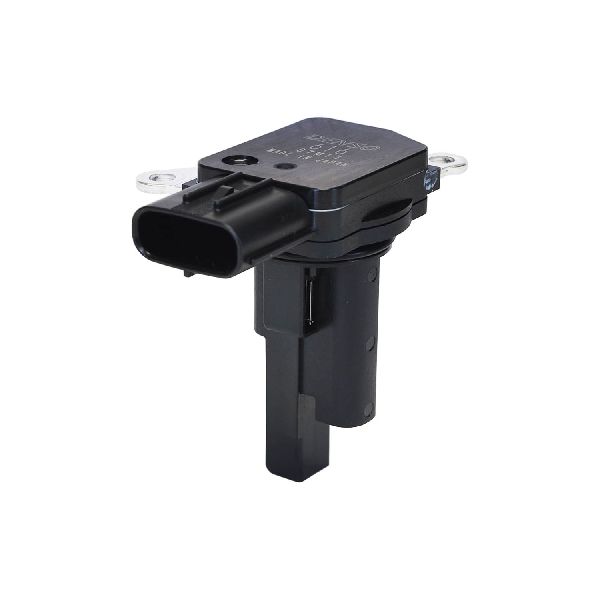
On a 2010-2015 Prius, code P0113 is most often caused by a failed Mass Airflow (MAF) sensor, which contains the Intake Air Temperature (IAT) sensor. Rodent damage to the soy-based wiring harness is also a very common cause. An OEM Denso sensor costs about $150 and can be replaced in 15 minutes. Always check for a loose connector first, especially after an air filter change.
- P0113 on a 2010-2015 Prius points to an open circuit in the Intake Air Temperature sensor system.
- The IAT sensor is built into the Mass Airflow (MAF) sensor on the air filter box; it is not a separate part.
- The three most common causes are a loose connector, a failed MAF sensor assembly, or rodent damage to the wiring harness.
- Always inspect the wiring harness for visible damage and ensure the connector is fully seated before buying parts.
- If replacing the sensor, use an OEM Denso part (22204-37010) for best results, as aftermarket sensors are often unreliable in this application.
What's Unique About the 2010-2015 Toyota Prius
On the 3rd generation Prius with the 2ZR-FXE engine, the IAT sensor is not a standalone part; it is integrated into the Mass Airflow (MAF) sensor assembly located on the air filter box. A frequent and well-documented issue for this platform is rodent damage to the engine wiring harness. Automakers, including Toyota, began using soy-based wire insulation which is believed to be attractive to rodents. This often leads to chewed wires for the MAF sensor, directly causing a P0113 code, often accompanied by P0102.
Symptoms You May Notice
- Check Engine Light is on
- Reduced fuel economy
- Slightly rough idle or hesitation, especially during cold starts
- Vehicle may fail an emissions test
- Engine may crank but not start in rare cases.
- Replacing a standalone IAT sensor (this vehicle does not have one).
- Replacing the Ambient Air Temperature sensor located near the front bumper; this sensor is for the climate control display and is not related to engine management.
- Assuming the sensor is bad when the connector was simply not plugged in securely after an air filter change.
Most Likely Causes
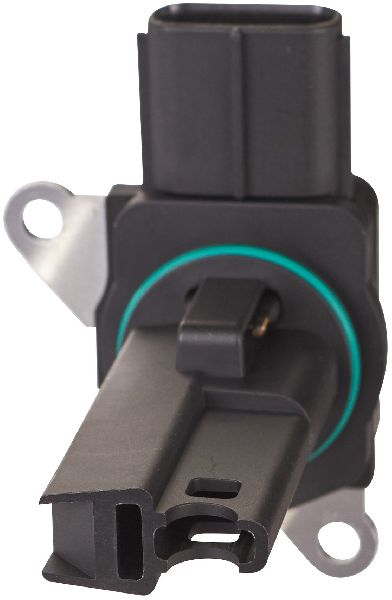
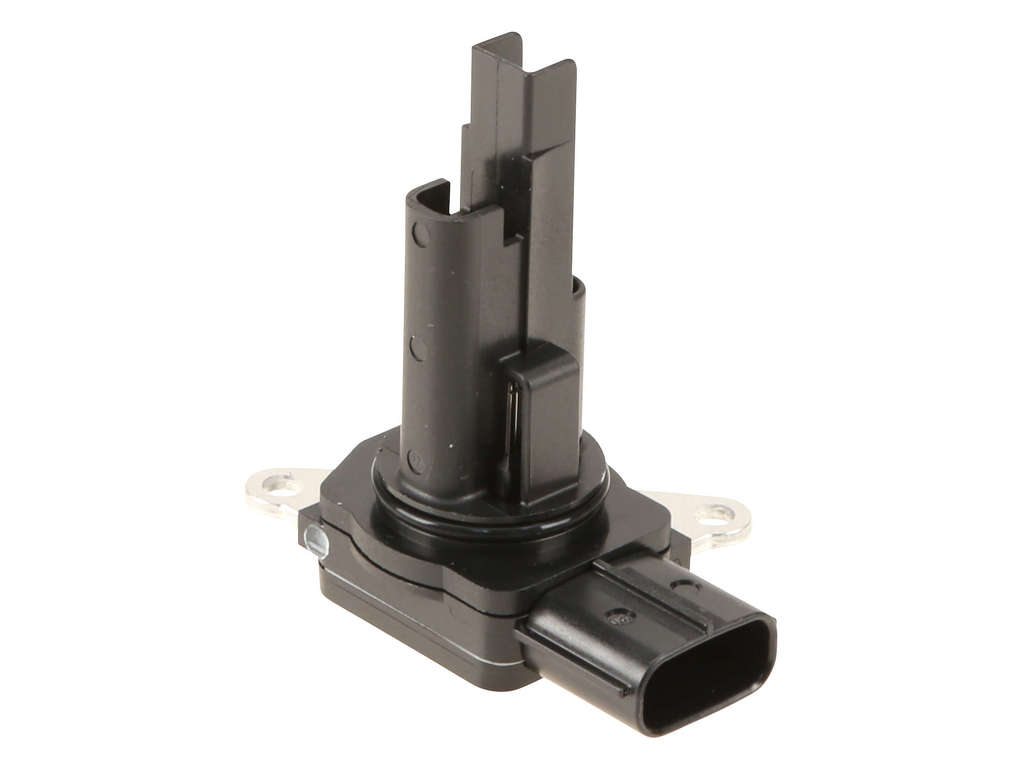
- Failed Mass Airflow (MAF) / IAT Sensor Assembly 🔴 High Probability → Shop Fuel Injection Air Flow Meter The IAT sensor is integrated into the MAF sensor, which is a common failure point for this code. Denso is the OEM supplier.
How to confirm: With a scan tool, observe the IAT live data. A reading of -40°F or -40°C strongly suggests an open circuit within the sensor itself. You can also test resistance between pins 4 and 5 of the disconnected sensor; it should be around 2-2.5 kΩ at 70°F (20°C). An open circuit (infinite resistance) or a reading far out of spec confirms failure.
Typical fix: Replace the entire MAF sensor assembly. It is held by two screws on the air filter housing.
Est. part cost: $140-$190 - Damaged Wiring Harness or Connector 🔴 High Probability Toyota, like many manufacturers, used soy-based wire insulation during this period, which is known to attract rodents that chew through the wires. The MAF sensor harness is easily accessible and a common target. Class-action lawsuits have been filed over this issue.
How to confirm: Visually inspect the wires leading to the MAF sensor connector for any signs of chewing, fraying, or breaks. Check for a loose or corroded connector, which is a very common cause, especially after air filter service. Use a multimeter to check for 5V reference voltage at the connector with the key on, engine off.
Typical fix: Repair the broken wire(s) using solder and heat-shrink tubing or by replacing the connector pigtail. Ensure the repair is sealed against moisture. Some owners wrap repaired harnesses in rodent-repellent tape.
Est. part cost: $5-$25
Rare But Worth Checking
- Faulty Engine Control Module (ECM): → Shop Engine Control Module (ECM) This is extremely rare. The ECM should only be considered after the sensor and wiring have been definitively proven to be good.
- Dirty MAF Sensor from Oiled Air Filter: → Shop Fuel Injection Air Flow Meter If you use a reusable, oiled air filter (like a K&N), excess oil can contaminate the MAF sensor elements, causing erratic readings and codes P0113 and P0102. Cleaning with dedicated MAF sensor cleaner may resolve the issue. 🎬 Watch: How to clean a dirty MAF sensor to clear codes.
Diagnosis Steps
- Connect an OBD-II scanner and confirm the P0113 code is present. Note any other codes, especially P0102, as they strongly point to the same component.
- View live data on the scanner. Look for the 'Intake Air Temperature' reading. A value of -40°F or -40°C indicates an open circuit and confirms the fault.
- Turn the vehicle off. Locate the MAF sensor on the engine's air filter housing.
- Check that the electrical connector is fully seated and 'clicked' into place. It's common for this to be left loose after an air filter change.
- Carefully inspect the wiring harness leading to the MAF sensor connector. Look for any signs of rodent damage, chafing, or broken wires. This is a very common issue.
- If no visible damage is found, disconnect the connector and inspect the terminals for corrosion. With the key on, engine off, use a multimeter to verify 5V reference at the connector.
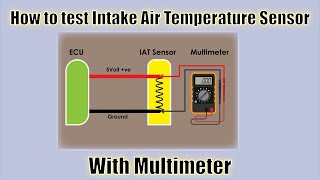
- If wiring and voltage are good, the MAF/IAT sensor assembly is the most likely culprit. Test the resistance between pins 4 and 5 of the sensor; it should be around 2-2.5 kΩ at room temperature. An open circuit confirms failure. 🎬 See how to test an IAT sensor using a multimeter.
- Replace the MAF sensor if it fails the test. It is held in with two Phillips head screws.
- After repair or replacement, clear the codes with the scanner. Note that the code may persist as a 'Permanent DTC' until the car completes a specific drive cycle.
Parts You'll Likely Need
- Mass Airflow (MAF) Sensor
(OEM #22204-37010 (may be superseded by 22204-28010))— This assembly contains the integrated IAT sensor. It is the most common part to fail internally, causing a P0113 code.
Trusted brands: Denso (OEM), Toyota (Genuine)
OEM price range: $140-$220
Aftermarket price range: $40-$80 - MAF Sensor Connector Pigtail — Needed if the original connector or its wires are damaged by rodents or become brittle.
Trusted brands: Dorman, Standard Motor Products
Aftermarket price range: $15-$30
Related Codes That Often Appear With This One
- P0102 — P0102 is 'Mass Air Flow Circuit Low Input'. Since the IAT and MAF sensors are in the same housing and share the same connector and wiring harness, a wiring fault (like rodent damage) or a disconnected plug will often trigger both codes simultaneously.
Technical Service Bulletins (TSBs) & Recalls
- T-SB-0116-15: While not for P0113 directly, this TSB addresses rough running and misfires (P030#) related to the EGR system. It's relevant as owners may encounter multiple engine issues, and it confirms EGR problems on the 2ZR-FXE engine.
Platform-Specific Known Issues
- The use of soy-based wiring insulation makes the MAF sensor harness a prime target for rodents, which is a frequent cause of P0113 on this vehicle.
- The MAF sensor connector is often left loose or unplugged after routine air filter replacement, immediately triggering codes P0113 and P0102.
Mechanic-Grade Diagnostic Values
- IAT Sensor Resistance vs. Temperature — expected: Approx. 3kΩ at 20°C (68°F), Approx. 0.3kΩ at 100°C (212°F), Approx. 30kΩ at -20°C (-4°F).. Failure: Infinite resistance (open circuit) or readings significantly outside the expected range for a given temperature.
- MAF/IAT Connector Pin Voltages (Key On, Engine Off) — expected: Pin 3 (Black wire): Battery Voltage (approx. 12V). Pin 4 (Black/White wire): Sensor ground, should read < 1Ω to chassis ground. Pin 5 (Purple wire): MAF signal, typically low voltage at KOEO. The IAT circuit uses pins 1 and 2.. Failure: No voltage at Pin 3 indicates a power supply issue (fuse/relay). High resistance on Pin 4 indicates a bad ground connection.
- ECM Voltage Threshold for P0113 — expected: Normal operating voltage is below 4.9V.. Failure: If the ECM detects a sensor output voltage of more than 4.91V for 0.5 seconds or more, it determines an open circuit and sets DTC P0113.
Scan Tool Commands That Help
- Toyota Techstream: Data List -> Powertrain / Engine / All Data -> Intake Air — This is the first step to confirm the fault. A reading of -40°C or -40°F immediately points to an open circuit in the IAT sensor system, validating the P0113 code's origin. 🎬 Watch: Step-by-step diagnosis for P0113 and P0102 on this Prius.
- Toyota Techstream: Utility -> All Readiness — After a repair, this function can be used to check if the monitor for the IAT circuit has run and passed, which is necessary to clear the 'Permanent DTC' that may remain even after clearing codes.
Wiring & Ground Locations
- Engine Ground Cluster — On the 2ZR-FXE engine, there are primary ground wire clusters that bolt directly to the engine block/head area, often near the main wiring harness breakout.. The MAF/IAT sensor's ground reference (E2G) must have a clean path back to the battery. A corroded or loose engine ground can cause floating voltage references for multiple sensors, potentially causing a P0113 even if the sensor and its direct wiring are good.
- MAF/IAT Connector (D5) — On the air filter box, connecting to the MAF sensor.. This 5-pin connector is the single point of failure for both MAF and IAT signals. Pin 4 (E2G) is the sensor ground. A bad connection here is a direct cause of P0113 and P0102.
Real Owner Repair Stories
- PriusChat Forum User 'Scott Conley' (2010 Prius IV, 184,000 miles) — Hesitation at low RPM, random misfire codes, then after cleaning intake manifold, got 'Check Hybrid System' with codes P0102, P0113, P0403, P3190.
❌ Tried (didn't work) Cleaning the intake manifold and EGR pipe., Cleaning the manifold pressure sensor., Double-checking electrical connections.
✅ What actually fixed it The user had forgotten to reconnect the PCV hose to the bottom of the intake manifold after reassembly. Reconnecting the hose fixed the issue and the Check Engine Light went away. - YouTube Channel 'Mr. B' (2012 Toyota Prius) — Check Engine Light with codes P0113 (IAT Circuit High) and P0102 (MAF Circuit Low). Scan tool showed IAT at -40°C.
❌ Tried (didn't work) N/A - Diagnosis went directly to the cause.
✅ What actually fixed it A visual inspection revealed that rodents had chewed through the wiring harness leading to the MAF sensor connector. The wires were repaired by splicing in new sections, which restored sensor function and cleared the codes.
Documented NHTSA Reports
- NHTSA ODI #11296751: An owner reported that error codes P0113 and P0102, along with warning messages for the Check Engine light and ICS malfunction, appeared immediately upon starting their garaged vehicle.
- NHTSA ODI #11139909: In a report involving a similar Toyota engine platform, a vehicle stalled while driving and recorded multiple diagnostic codes including P0113, P0013, P1603, and P1605.
OEM Part Supersession History
22204-37010→22204-28010— Standard part consolidation and revision by Toyota. The parts are interchangeable for this application.
Diagnostic Flowchart
Other Known Issues on This Vehicle
Issues unrelated to this code that are worth knowing about as an owner of this generation:
- Brake Actuator / Pump Assembly Failure 🔴 High — Very common on high-mileage vehicles (100k+ miles). Often triggers codes C1391 or C1256 and multiple warning lights (ABS, BRAKE, VSC). (Ref: Toyota issued warranty extensions for some models, but many vehicles are now outside the coverage window.)
- EGR System Clogging 🟠 Medium — Extremely common, typically starting around 100,000 miles. Causes a rough idle, engine knocking ('marbles in a can' sound) on cold starts, and code P0401. (Ref: T-SB-0027-16 and T-SB-0116-15 were issued for some models, addressing a sticking EGR valve and rough running due to carbon buildup.)
- Head Gasket Failure 🔴 High — A significant issue for this generation, often linked to a clogged EGR system. Failures are most frequently reported between 150,000 and 200,000 miles.
- Excessive Oil Consumption 🟡 Low — More common on earlier models (2010-2011) and at higher mileage. Often attributed to piston ring design.
- Inverter (IPM) Failure 🔴 High — Can cause the hybrid system to shut down while driving. Affects 2010-2014 models. (Ref: Subject to a safety recall where dealers would update the ECU software to prevent catastrophic failure.)
Used vs. New Parts: Buying Guide for This Vehicle
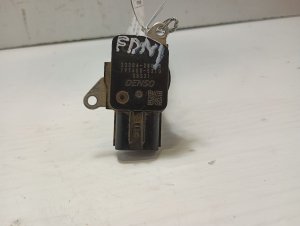
When a used part is the smart pick: A used OEM (Denso) MAF sensor from a low-mileage, reputable junkyard can be a cost-effective option, as this is not a high-wear part. Given the ease of replacement (10-15 minutes), the labor risk of a faulty used part is minimal.
Donor-vehicle mileage cap: roughly under 80000 miles for the part to have meaningful remaining life.
What to inspect on the donor part:
- Verify the part is a genuine Denso/Toyota part by looking for the markings.
- Inspect the connector pins for any corrosion or damage.
- Check the sensor element inside the housing for any physical damage or signs of oil contamination.
- Ask for the VIN of the donor vehicle to verify mileage and check for accident history (avoid parts from front-end collisions).
OEM-only on this vehicle (don't cheap out):
- Mass Airflow (MAF) Sensor
Aftermarket brands forum-validated for this vehicle:
- Denso (OEM)
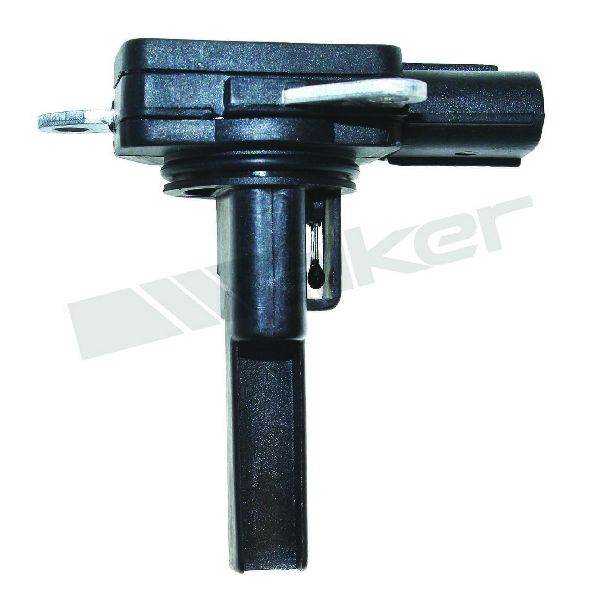
- Walker Products (often cited as a reliable alternative)
- Spectra Premium
- NGK/NTK
Brands owners have reported issues with on this vehicle:
- Unbranded 'economy' or 'no-name' sensors from online marketplaces like eBay or Amazon are strongly discouraged. Forum consensus indicates these often have incorrect calibrations, leading to persistent codes, poor performance, and a high failure rate.
Real Owner Stories
Aggregated from forums and TSBs cited above. Mileages and costs reflect what owners reported in those sources.
2010-2015 Toyota Prius 1.8L
Symptoms: P0113 and P0102 codes appeared immediately after performing maintenance.
What fixed it: Checking and properly seating the MAF connector which was left loose.
Source hint: PriusChat - Thread 'Help w/ Codes P0113 & P0102'
2010-2015 Toyota Prius 1.8L
Symptoms: P0113 and P0102 codes triggered after a 'big tune up' involving a reusable air filter.
What fixed it: Cleaning the contaminated sensor and switching back to an OEM paper air filter.
Source hint: PriusChat - Thread 'P0113 & P0102 codes after big tune up'
2011-2017 Lexus CT200h (2ZR-FXE)
Symptoms: Experienced P0113, P0102, and other codes after cleaning the EGR system.
What fixed it: Identified issues with the shared 2ZR-FXE sensor platform and wiring.
Source hint: ClubLexus - Thread 'CT Problems'
2010-2015 Toyota Prius 1.8L
Symptoms: Persistent P0102 and P0113 codes despite various troubleshooting attempts.
What fixed it: Replacing both the MAF sensor and the pigtail connector.
Source hint: Reddit r/prius - Thread 'P0102 P0113 have tried everything'
Related OBD-II Codes
Frequently Asked Questions
Why did my 2010-2015 Prius trigger P0113 immediately after I changed the air filter?
Is there a specific TSB for the rough idle I'm experiencing alongside P0113?
I see -40°F on my scan tool for the Intake Air Temperature. Does this mean the sensor is bad?
Can I just clean the sensor to fix P0113 on my Prius?
Why is my wiring harness damaged? Is this a known Toyota issue?
What are the resistance specs for testing the IAT sensor on the 1.8L 2ZR-FXE?
Helpful Videos
Used OEM Parts in Stock
New Aftermarket Parts Available


The information in this article is provided for general reference and educational purposes only. Vehicle specifications, procedures, and part compatibility can vary by production date, trim level, and region. Always consult your vehicle's factory service manual and verify part numbers before purchasing or performing repairs. Safety-critical components such as airbags, seat belts, and braking systems should be installed by a qualified professional.
- Toyota Prius:
- 🧭 Diagnostic Flowchart
- 🎬 Helpful Videos
- 🛍️ Shop This Part
- What's Unique About the 2010-2015 Toyota Prius
- Symptoms You May Notice
- Most Likely Causes
- Rare But Worth Checking
- Diagnosis Steps
- Parts You'll Likely Need
- Related Codes That Often Appear With This One
- Technical Service Bulletins (TSBs) & Recalls
- Platform-Specific Known Issues
- Mechanic-Grade Diagnostic Values
- Scan Tool Commands That Help
- Wiring & Ground Locations
- Real Owner Repair Stories
- Documented NHTSA Reports
- OEM Part Supersession History
- Other Known Issues on This Vehicle
- Used vs. New Parts: Buying Guide for This Vehicle
- Real Owner Stories
- 2010-2015 Toyota Prius 1.8L
- 2010-2015 Toyota Prius 1.8L
- 2011-2017 Lexus CT200h (2ZR-FXE)
- 2010-2015 Toyota Prius 1.8L
- Related OBD-II Codes
- Frequently Asked Questions
- 🎟️ Get 5% Off