

P0116 on 2007-2013 BMW X5: Engine Coolant Temperature (ECT) Performance and Fixes
On a 2007-2013 BMW X5, code P0116 is most often caused by a thermostat that has failed in the 'stuck open' position. This prevents the engine from reaching its proper operating temperature. Replacing the thermostat assembly is the most common fix, and it's highly recommended to replace the electric water pump at the same time, especially on inline-6 engines.
- P0116 on a 2007-2013 X5 almost always points to a failed thermostat that is stuck open.
- Diagnose the issue by monitoring the engine's coolant temperature with a scan tool; if it's slow to warm up or runs too cool, the thermostat is bad.
- It is standard practice and highly recommended to replace the electric water pump at the same time as the thermostat.
- Always use BMW-approved G48 (blue) coolant and follow the electronic bleeding procedure after the repair to avoid air pockets in the system.
What's Unique About the 2007-2013 BMW X5
The 2007-2013 BMW X5 (E70 generation) uses an electronically controlled thermostat that the DME actively monitors. Unlike simpler systems, this 'map-cooled' thermostat can be commanded to open by the engine computer to manage different temperature ranges for economy or performance. These electronic thermostats are a known failure point and often get stuck open, directly leading to the P0116 code because the engine cannot reach its target operating temperature (typically 95-112°C) within the expected time. The inline-6 engines (N52, N55) use an electric water pump that is also a common failure item and is critical to the cooling system's operation and diagnosis.
Symptoms You May Notice
- Check Engine Light is illuminated
- Reduced fuel economy
- Engine temperature gauge reading lower than normal or fluctuating erratically
- Engine may be slow to warm up
- Cooling fan runs at high speed continuously, even when the engine is not hot.
- Vehicle may have difficulty starting when the engine is cold.
- Heater may not blow hot air or provides inconsistent heat.
- Engine may run rough or hesitate until it warms up.
- Replacing only the ECT sensor when the thermostat is the actual cause. It's crucial to diagnose the thermostat's function by monitoring coolant temperature over a drive cycle before replacing parts.
- Replacing parts after a coolant service without first performing the electronic bleeding procedure. Trapped air is a very common cause of this code appearing after a repair.
Most Likely Causes
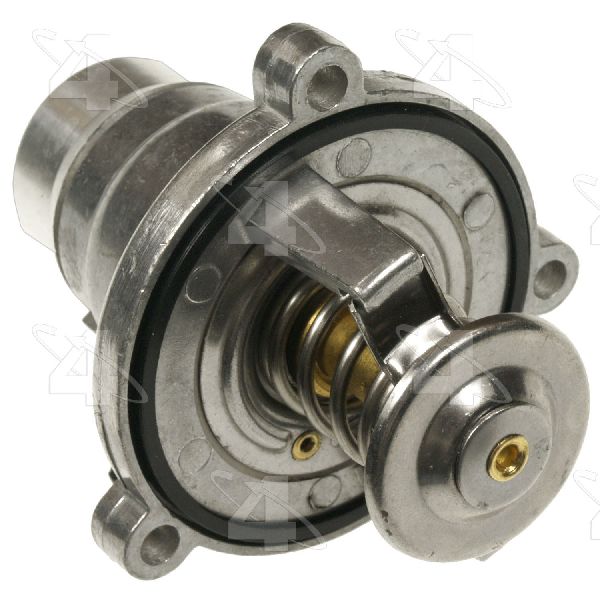
- Failed Thermostat (Stuck Open) 🔴 High Probability → Shop Integrated Thermostat Housing Assembly The E70 X5 uses an electronically controlled thermostat that is a common failure item across multiple BMW engine platforms. It frequently fails in the open position, causing the engine to be over-cooled and unable to reach its target operating temperature.
How to confirm: Use a scan tool to monitor the live engine coolant temperature data while driving. If the temperature is slow to rise and struggles to reach or maintain the normal operating temperature (typically 95-112°C for N52/N55 engines), especially dropping during highway cruising or downhill, the thermostat is almost certainly stuck open.
Typical fix: Replace the entire thermostat assembly. It is highly recommended to replace the electric water pump at the same time on inline-6 models, as they are located together and have a similar service life. Always use new aluminum bolts for the water pump if applicable. 🎬 Watch: N52 water pump and thermostat replacement walkthrough
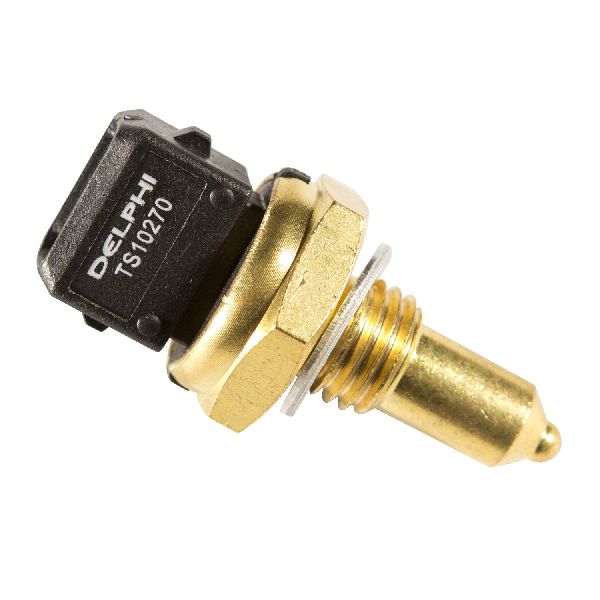
Est. part cost: $85-$170 - Faulty Engine Coolant Temperature (ECT) Sensor 🟡 Medium Probability → Shop Engine Coolant Temperature Sensor The ECT sensor can degrade over time due to constant exposure to heat and coolant, leading to inaccurate or erratic readings that the DME interprets as a performance fault.
How to confirm: With the engine cold (after sitting overnight), use a scan tool to compare the ECT reading with the Intake Air Temperature (IAT) and ambient air temperature sensor readings. They should all be within a few degrees of each other. If the ECT reading is significantly different, the sensor is likely faulty. You can also test the sensor's resistance with a multimeter at different temperatures to see if it matches specifications.
Typical fix: Replace the engine coolant temperature sensor. Depending on the engine, there may be one in the cylinder head and another in the lower radiator hose. It's an inexpensive part often replaced preventatively during a thermostat job.
Est. part cost: $25-$70 - Low Engine Coolant Level ⚪ Low Probability → Shop Engine Coolant / Antifreeze Coolant leaks can develop from various places in the cooling system. Common leak points on the E70 include the radiator, expansion tank, and various plastic hose fittings which become brittle with age.
How to confirm: Visually inspect the coolant level in the expansion tank when the engine is cold. If it is below the minimum mark, there is a leak. A low coolant warning may also appear on the iDrive screen. A pressure test of the cooling system is the most effective way to find the source of the leak.
Typical fix: Pressure test the cooling system to identify the source of the leak and replace the failed component. Refill and bleed the cooling system with BMW-approved G48 (blue) or HT-12 (green) coolant, depending on the production date and engine.
Est. part cost: $20-$500+ depending on the leaking part - Air in the Cooling System ⚪ Low Probability If the cooling system has been recently serviced (e.g., thermostat, water pump, or hose replacement) and not bled properly, air pockets can become trapped. These air pockets can cause erratic temperature readings as they pass by the ECT sensor.
How to confirm: This issue typically appears immediately after a coolant service. The heater may blow cold or inconsistently. The temperature gauge might fluctuate wildly. The most definitive confirmation is to perform the proper bleeding procedure and see if the code resolves.
Typical fix: Properly bleed the cooling system. BMWs with electric water pumps have a specific electronic bleeding procedure that must be followed. This involves turning the ignition on (engine off), setting the heater to max temperature and lowest fan speed, and holding the accelerator pedal down for 10-12 seconds to activate the water pump, 🎬 Watch: How to run the BMW electronic coolant bleeding procedure which then runs for about 12 minutes to circulate coolant and purge air.
Est. part cost: $0 (if performed DIY)
Rare But Worth Checking
- Wiring or Connector Issues: Check the wiring harness and connector for the ECT sensor for any signs of corrosion, damage, or loose connections before replacing the sensor itself. A damaged wire can cause the signal to be out of range.
- Failing Electric Water Pump (Inline-6 Engines): → Shop Engine Water Pump While a completely failed water pump usually causes overheating codes (like 2E81, 2E82), a pump that is beginning to fail can run at a lower-than-requested speed, causing inconsistent coolant flow and potentially contributing to a P0116 code before it fails completely.
- Faulty Digital Motor Electronics (DME): This is extremely rare, but the engine computer itself can fail. A faulty DME might misinterpret a perfectly good signal from the ECT sensor. All other possibilities should be exhausted before considering a DME replacement.
Diagnosis Steps
- Check the engine coolant level in the expansion tank (when the engine is cold). Top up if necessary.
- Use an OBD-II scanner to check for any other related fault codes, especially water pump codes (e.g., 2E81, 2E82).
- With a cold engine, use the scanner to compare the Engine Coolant Temperature (ECT) and Intake Air Temperature (IAT) readings. They should be very close (within 2-3°C).
- Monitor the live ECT data while driving the vehicle from a cold start. Observe if the temperature rises steadily to the normal operating range (approx. 95-112°C) and remains stable. If it warms up very slowly or the temperature drops significantly during light load driving (e.g., downhill), the thermostat is likely stuck open.
- Inspect the ECT sensor wiring and connector for any visible damage, corrosion, or loose pins.
- If the system was recently serviced, perform the correct electronic bleeding procedure. This takes about 12 minutes and can be initiated without special tools.
- If the thermostat and sensor appear to be functioning correctly, pressure test the cooling system to check for any hidden leaks.
- For inline-6 engines, if symptoms are intermittent, consider testing the electric water pump's function. Some advanced scan tools can activate the pump to verify its operation and check for speed deviations.
Parts You'll Likely Need
- Thermostat Assembly
(OEM #11537550172 (N52), 11537601158 (N55), 11537586885 (N62/N63) 🎬 See this N62 thermostat and lower hose replacement guide, 11537502779 (M57 Diesel))— This is the most frequent cause of P0116 on the E70 X5, as they commonly fail in the open position.
Trusted brands: Mahle, Wahler, Behr, Genuine BMW
OEM price range: $90-$165
Aftermarket price range: $75-$120 - Engine Coolant Temperature Sensor
(OEM #13621433077)— Can fail and provide incorrect readings to the DME. It's an inexpensive part and sometimes replaced preventatively during a thermostat job.
Trusted brands: Vemo, Delphi, Bosch, Genuine BMW
OEM price range: $45-$70
Aftermarket price range: $25-$50 - Electric Water Pump (Inline-6 engines)
(OEM #11517586925 (common for N52/N55))— While not always a direct cause of P0116, it has a similar service life to the thermostat (typically 60k-80k miles) and is replaced concurrently as a best practice to save on future labor costs.
Trusted brands: Pierburg (OEM), Continental (OEM), VDO
OEM price range: $400-$550
Aftermarket price range: $250-$450
Related Codes That Often Appear With This One
- 2E81 (Electrical cooling pump, speed deviation)
- 2E82 (Electrical cooling pump, cutoff)
- 377A (Coolant pump, shutdown: pump blockage)
Platform-Specific Known Issues
- N52/N55 (Inline-6 Gas): The combination of the electronic thermostat and electric water pump is the focal point. Both are common failure items and should ideally be replaced together. Accessing them requires removing the passenger side wheel and fender liner on the X5.
- N62/N63 (V8 Gas): These engines use a traditional belt-driven water pump, which is more reliable than the electric ones on the I6 models. For the V8s, the P0116 code points more directly to the thermostat itself. The thermostat on the 4.8L (N62) is located at the front of the engine and is relatively easy to access after removing the intake ducts.
- M57 (Inline-6 Diesel): The diesel models also have a specific thermostat that can fail. The replacement procedure involves removing the EGR cooler for access. Thermostat failure is a known issue on the M57 platform.
Mechanic-Grade Diagnostic Values
- Engine Coolant Temperature (ECT) Sensor Resistance — expected: Approximately 2,200 - 3,000 Ohms at 20°C (68°F), and 250 - 350 Ohms at 80°C (176°F).. Failure: A reading of infinite resistance (open circuit) or near-zero resistance (short circuit), or values that do not correspond to the current coolant temperature, indicates a faulty sensor.
- ECT Sensor Voltage (Signal Wire to Ground) — expected: The voltage should decrease as the engine warms up. A typical range is between 0.5V (hot) and 4.5V (cold).. Failure: A voltage that is stuck high (near 5V) or low (near 0V) regardless of engine temperature points to a wiring issue or a failed sensor.
Hidden / Shadow Codes Worth Checking
- 2F07: Map thermostat, mechanism / Coolant Temperature Below Thermostat Regulating Temperature. This is a highly specific BMW fault code that points directly to a thermostat that is stuck open or not responding to the DME's commands. (see via BMW-specific diagnostic software like ISTA, INPA, or high-end professional scan tools.)
- 2EF4: DME: Map thermostat, mechanism. Similar to 2F07, this code indicates a mechanical fault with the electronically controlled thermostat. It can be stored as a 'shadow code' before triggering a check engine light. (see via BMW-specific diagnostic software like ISTA or INPA.)
Scan Tool Commands That Help
- ISTA (Integrated Service Technical Application): Cooling System Bleed Procedure / Service Function — Use this function after any component in the cooling system has been replaced (e.g., thermostat, water pump, radiator, hoses) to ensure all air is purged from the system. ISTA provides a guided procedure that activates the electric water pump for the required duration.
- INPA (Interpreter for Test Procedures): Activate Electric Water Pump Bleeding — Similar to ISTA, INPA can be used to trigger the 12-minute bleed cycle for the electric water pump. This is a more direct, less guided way to perform the bleed procedure compared to ISTA and is often used by advanced DIYers.
Wiring & Ground Locations
- Engine-to-Chassis Ground Strap — On the driver's side (left side) of the engine bay, running from the engine block near the engine mount to the chassis. Access often requires removing the driver's side front wheel and plastic splash shields.. A corroded or broken ground strap can cause a host of electrical issues and erratic sensor readings. While not a primary cause for P0116, poor grounding can introduce voltage fluctuations that may cause the DME to misinterpret the ECT sensor's signal, leading to a range/performance fault.
Real Owner Repair Stories
- Go-Parts technical article, citing a forum repair (2009 BMW 328i (E90) with N52 engine (same cooling system design as E70 X5 with N52)) — P0116 code and cooling fan running at 100% speed.
❌ Tried (didn't work) Replacing the ECT sensor made no difference.
✅ What actually fixed it The issue appeared after a thermostat and coolant replacement. The owner performed the electronic bleed procedure multiple times, which resolved the code. This indicates the initial repair left trapped air in the system, which was the true cause of the fault code. - Bimmerpost Forum User (2011 BMW X5 35i (E70) with N55 engine) — High coolant temperatures (241°F), yellow coolant warning light, and radiator fan running at max speed.
❌ Tried (didn't work) The owner had already preventatively replaced the water pump and thermostat less than 20k miles prior, so those were not the initial suspects.
✅ What actually fixed it The root cause was a blocked radiator. The previous owner had used an incorrect type of coolant, which reacted with the correct BMW coolant and formed solid precipitates, clogging the radiator passages. Replacing the radiator and flushing the system solved the high-temperature issue.
OEM Part Supersession History
11537550172→This part number remains current for the N52 engine in the E70 X5.— N/A
Heads up: Ensure the correct part number is used for the specific engine (N52, N55, N62, N63, M57) as the thermostats are not interchangeable.
Model Year Variations Within This Range
- 2007-2010 (Pre-LCI): Primarily equipped with the naturally aspirated N52 inline-6 and N62 V8 engines. The cooling systems are robust but the electric water pump and thermostat are known failure points.
- 2011-2013 (LCI/Facelift): Switched to the turbocharged N55 inline-6 and N63 V8 engines. These engines generate more heat, placing greater demand on the cooling system. While the fundamental design (electric water pump, map thermostat) is similar, part numbers for the thermostat and other components are different from the earlier engines.
Diagnostic Flowchart
Other Known Issues on This Vehicle
Issues unrelated to this code that are worth knowing about as an owner of this generation:
- N63 V8 Engine Valve Stem Seal Failure 🔴 High — Very common on early N63 engines (2008-2013), typically after 60k miles. Leads to excessive oil consumption and blue smoke from the exhaust, especially on startup. (Ref: BMW issued a Customer Care Package (CCP) SIB 11 06 14, but it is long expired.)
- N55/N52 Oil Filter Housing Gasket (OFHG) Leak 🟠 Medium — Extremely common on all inline-6 models, usually between 60k-100k miles. The gasket hardens and leaks oil onto the serpentine belt, which can cause the belt to slip off and be ingested into the engine through the front main seal, leading to catastrophic engine failure.
- N55/N52 Valve Cover and Gasket Leak 🟠 Medium — Very common failure after 70k miles. The plastic valve cover can crack, and the gasket becomes brittle, leading to oil leaks onto the exhaust manifold (causing a burning smell) and into the spark plug wells (causing misfires).
- M57 Diesel Carbon Buildup (CBU) 🟠 Medium — Common on the xDrive35d model, especially with high mileage or lots of short-trip driving. The intake manifold and ports get clogged with carbon deposits from the EGR system, restricting airflow and causing significant performance loss.
- Front Thrust Arm Bushing Failure 🟠 Medium — Common wear item, often failing around 70k-100k miles. Worn bushings cause a distinct wheel wobble or shimmy felt through the steering wheel when braking from highway speeds.
- Panoramic Sunroof Drain Clogs 🔴 High — Common issue where the four sunroof drains become clogged with debris, causing water to back up and leak into the cabin. This can damage sensitive electronic modules located in the trunk floor, such as the diversity antenna and parking distance control modules, leading to expensive electrical issues.
- Transfer Case (ATC700) Actuator Motor Gear Failure 🟠 Medium — The plastic gear inside the transfer case actuator motor wears out over time, typically after 80k miles. This causes the 4x4, ABS, and DSC warning lights to illuminate on the dash. The fix is to replace the worn plastic gear with a more durable aftermarket one.
Used vs. New Parts: Buying Guide for This Vehicle
When a used part is the smart pick: For this specific repair, using used parts is strongly discouraged for the core electronic components. A used expansion tank, radiator, or coolant hoses could be considered if they are from a low-mileage, accident-free vehicle and show no signs of hairline cracks, brittleness, or swelling.
Donor-vehicle mileage cap: roughly under 50000 miles for the part to have meaningful remaining life.
What to inspect on the donor part:
- For plastic parts like the expansion tank, check for discoloration (yellowing) which indicates age and heat cycling.
- Inspect all hose connection points for micro-cracks.
- Squeeze hoses to check for excessive softness or crunchiness, which indicates internal degradation.
- Ensure a radiator's cooling fins are straight and free of widespread damage or corrosion.
OEM-only on this vehicle (don't cheap out):
- Electric Water Pump
- Thermostat Assembly
Aftermarket brands forum-validated for this vehicle:
- Pierburg (OEM for water pump)
- Continental/VDO (OEM for water pump)
- Mahle/Behr (OEM for thermostat)
- Wahler (OEM for thermostat)
Brands owners have reported issues with on this vehicle:
- Unbranded, low-cost electronic water pumps and thermostats from online marketplaces have a very high failure rate. The complexity of these parts requires OEM-level quality control to be reliable.
Real Owner Stories
Aggregated from forums and TSBs cited above. Mileages and costs reflect what owners reported in those sources.
2013 BMW X5 E70 35i (N55)
Symptoms: Owner needed to replace the water pump and thermostat; noted the importance of accessing components from the bottom and removing the fan shroud for better access.
What fixed it: Replacement of the water pump and thermostat assembly.
Source hint: XBimmers.com | 2013 E70 35i......Coolant / Water Pump and Thermostat replacement....
BMW X5 4.8L V8 (N62)
Symptoms: Thermostat failure requiring replacement on the V8 platform.
What fixed it: DIY replacement of the thermostat located at the front of the engine.
Source hint: Xoutpost.com | Thermostat DIY?? ADDED DIY 4.8L V8
BMW 3-Series (E90) N52
Symptoms: Received a P0116 code shortly after a thermostat replacement, suggesting potential trapped air in the circuit or a faulty new part.
What fixed it: Investigation into trapped air and proper bleeding procedures for the map-controlled thermostat system.
Source hint: Bimmerpost | E90 N52 P0116 Engine coolant circuit range/performance problem.
Related OBD-II Codes
Frequently Asked Questions
My 2013 X5 35i is throwing P0116; should I replace the water pump while I'm doing the thermostat?
How do I run the electronic bleeding procedure on my E70 X5 after a coolant repair?
Is the P0116 fix easier on the X5 4.8L V8 compared to the inline-6 models?
What type of coolant should I use for my 2007-2013 BMW X5 to avoid cooling system issues?
Why is my X5's cooling fan running at high speed continuously even when the engine isn't hot?
Can I just replace the sensor to fix P0116, or is it always the thermostat?
Helpful Videos

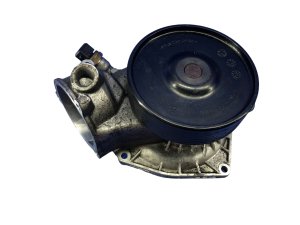
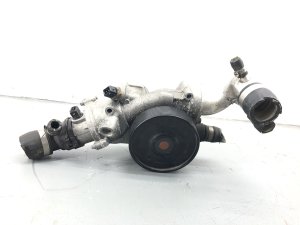
Used OEM Parts in Stock
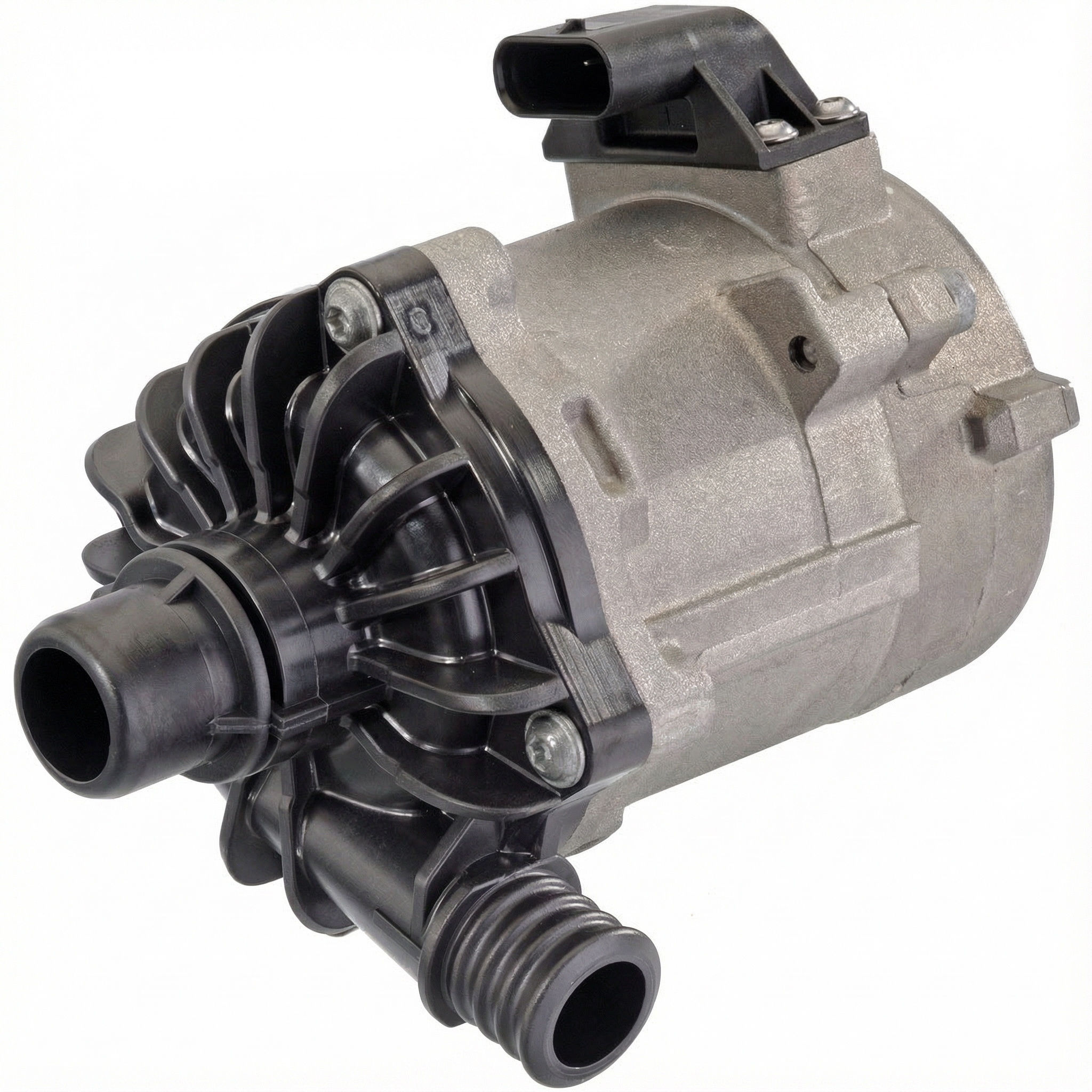
New Aftermarket Parts Available

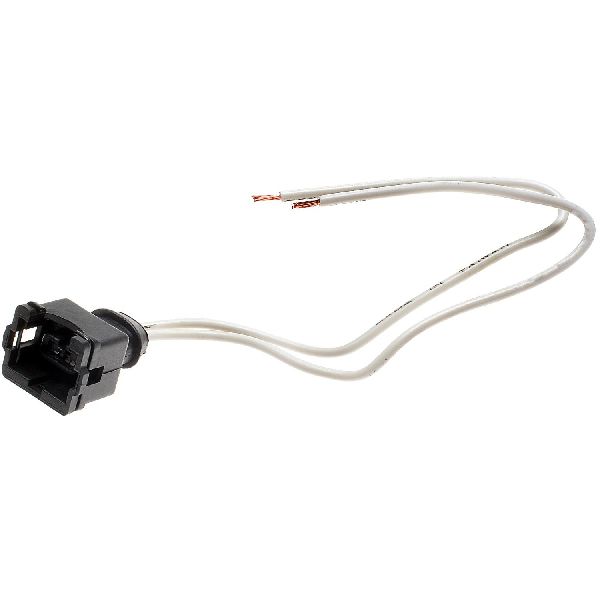

The information in this article is provided for general reference and educational purposes only. Vehicle specifications, procedures, and part compatibility can vary by production date, trim level, and region. Always consult your vehicle's factory service manual and verify part numbers before purchasing or performing repairs. Safety-critical components such as airbags, seat belts, and braking systems should be installed by a qualified professional.
- BMW X5:
- 🧭 Diagnostic Flowchart
- 🎬 Helpful Videos
- 🛍️ Shop This Part
- What's Unique About the 2007-2013 BMW X5
- Symptoms You May Notice
- Most Likely Causes
- Rare But Worth Checking
- Diagnosis Steps
- Parts You'll Likely Need
- Related Codes That Often Appear With This One
- Platform-Specific Known Issues
- Mechanic-Grade Diagnostic Values
- Hidden / Shadow Codes Worth Checking
- Scan Tool Commands That Help
- Wiring & Ground Locations
- Real Owner Repair Stories
- OEM Part Supersession History
- Model Year Variations Within This Range
- Other Known Issues on This Vehicle
- Used vs. New Parts: Buying Guide for This Vehicle
- Real Owner Stories
- 2013 BMW X5 E70 35i (N55)
- BMW X5 4.8L V8 (N62)
- BMW 3-Series (E90) N52
- Related OBD-II Codes
- Frequently Asked Questions
- 🎟️ Get 5% Off