

P0116 on 2006-2008 Chevrolet Cobalt 2.4L: Engine Coolant Temp Sensor Causes and Fixes
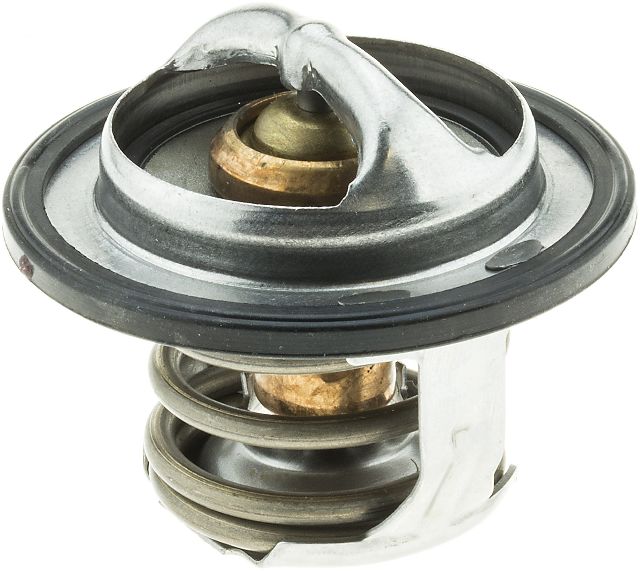
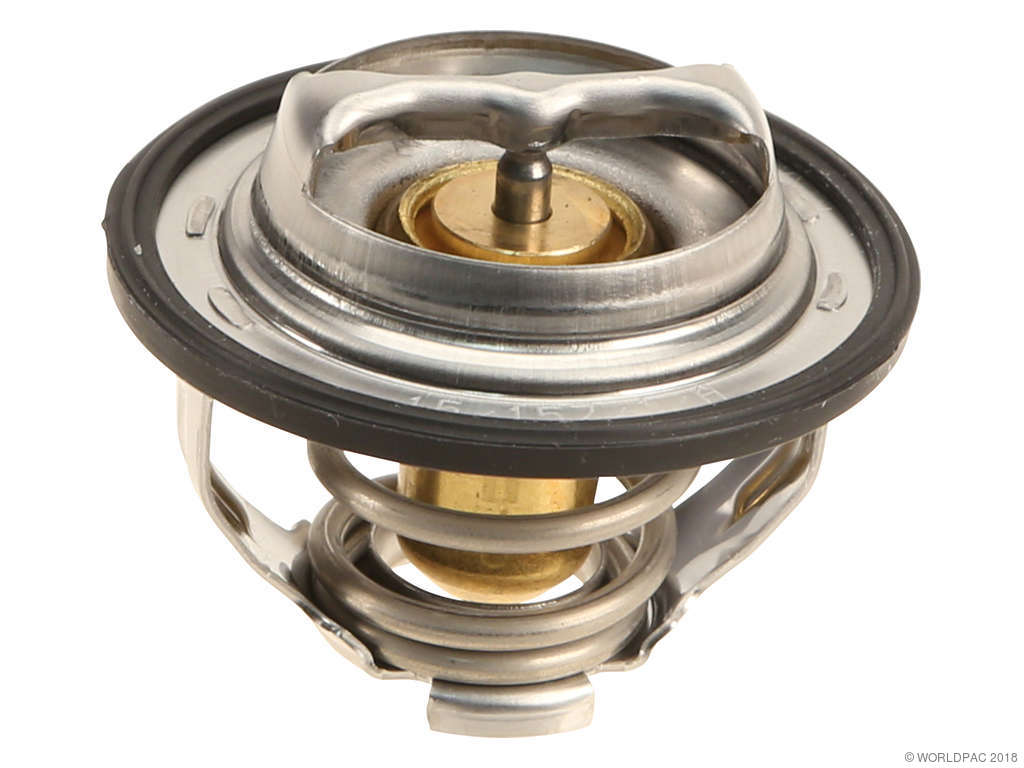
On a 2006-2008 Cobalt with the 2.4L Ecotec engine, code P0116 is most often caused by a thermostat that is stuck open. This prevents the engine from warming up properly. Replacing the thermostat and housing assembly is the most common fix, costing around $40-$90 for an OEM part. The issue is so common on this platform that the thermostat should be the primary suspect, not the sensor itself.
- For a P0116 on a 2.4L Cobalt, suspect the thermostat is stuck open before you replace the sensor.
- Use a scan tool to watch the coolant temperature as the engine warms up. A slow rise points to the thermostat; erratic jumps point to the sensor.
- The job is DIY-friendly and can be done with basic hand tools in 1-2 hours.
- Always use DEX-COOL approved coolant when refilling the system.
- Using an OEM ACDelco thermostat (part #12597172 or kit #131-158) is highly recommended for a lasting repair.
What's Unique About the 2006-2008 Chevrolet Cobalt
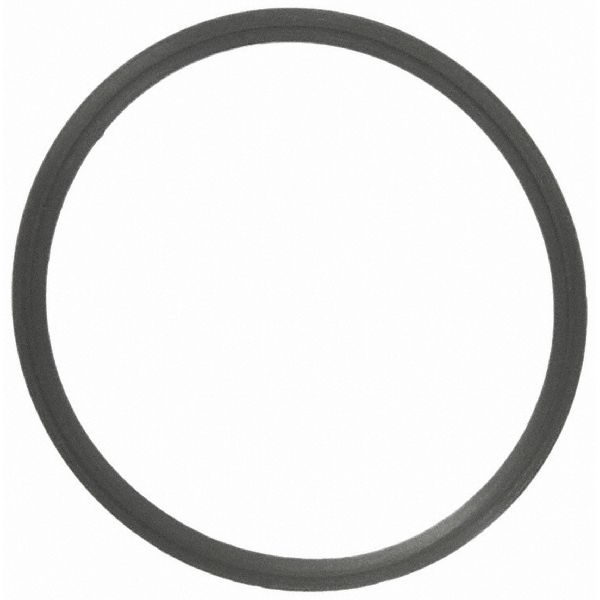
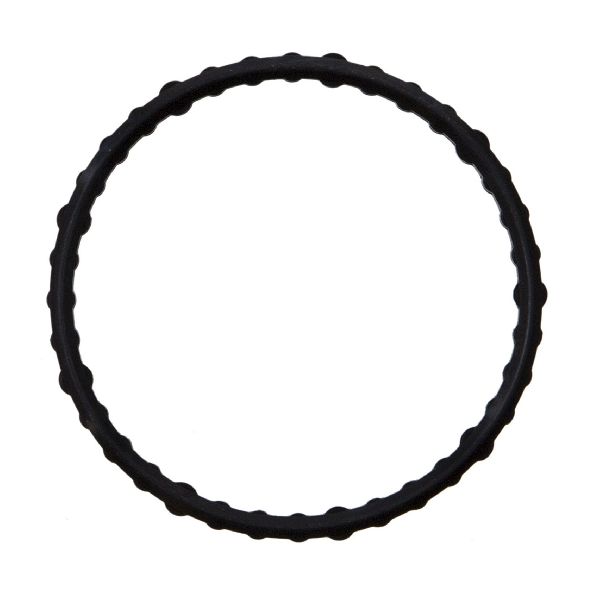
On the 2.4L LE5 Ecotec engine used in the Chevrolet Cobalt and its platform mates, the most frequent cause for a P0116 code is not the sensor itself, but a faulty thermostat that fails in the open position. The rubber seal on the original thermostat is a known failure point that can break down, jamming the valve open and preventing the engine from reaching its proper operating temperature of around 180°F. Because the engine warms up too slowly, the PCM flags the ECT sensor's reading as a performance issue, triggering the P0116 code. The ECT sensor is located in the thermostat housing on these 2.2L and 2.4L engines, making replacement of both components at the same time a practical measure.
🎬 See how to replace both the thermostat and sensor together.Symptoms You May Notice
- Check Engine Light is on
- Temperature gauge on the dashboard reads cold, is erratic, or shows '---'
- Cooling fans run continuously at high speed
- Reduced fuel economy
- Heater may not blow hot air
- Engine may be hard to start when cold
- Rough idle or hesitation that improves as the engine warms up
- A/C compressor may not engage, as the PCM cannot verify a safe operating temperature.
- Replacing the ECT sensor when the actual problem is a thermostat that is stuck open. Because the symptoms point to a temperature reading issue, the sensor is often replaced first, but the code returns because the engine is genuinely not warming up correctly. Many owners report fixing the code with a thermostat replacement after a sensor replacement failed to solve the issue.
Most Likely Causes
- Thermostat Stuck Open 🔴 High Probability → Shop Integrated Thermostat Housing Assembly The original thermostat design in Ecotec engines has a rubber seal that commonly deteriorates over time, causing the thermostat to jam in the open position. This is the most widely reported cause for P0116 and P0128 on this platform.
How to confirm: Use a scan tool to monitor the engine coolant temperature in live data. If the engine takes an excessively long time to reach operating temperature (e.g., above 180°F) or the temperature drops significantly while driving at highway speeds, the thermostat is likely stuck open. A visual inspection of the old thermostat upon removal will often show a degraded or broken rubber seal.
Typical fix: Replace the entire thermostat and housing assembly. 🎬 Watch: Step-by-step guide to replacing the thermostat and housing. It is recommended to use an OEM ACDelco part (12622410) for longevity.
Est. part cost: $40-$90 - Faulty Engine Coolant Temperature (ECT) Sensor 🟡 Medium Probability → Shop Engine Coolant Temperature Sensor
How to confirm: With a scan tool on a cold engine, compare the ECT reading to the Intake Air Temperature (IAT) reading. They should be within a few degrees of each other. If the ECT reading is illogical (e.g., -40°F or 250°F on a cold engine) or jumps erratically as the engine warms up, the sensor is bad. You can also test the sensor's resistance with a multimeter; it should be around 2000-3000 ohms at 68°F (20°C) and decrease as the sensor is warmed up.
Typical fix: Replace the ECT sensor. It is located in the thermostat housing. The ACDelco part number is 213-4573 or 19236568.
Est. part cost: $15-$40 - Low Engine Coolant Level ⚪ Low Probability → Shop Engine Coolant / Antifreeze
How to confirm: Visually inspect the coolant reservoir when the engine is cold. If the level is below the 'Full Cold' mark, air can enter the system and cause incorrect sensor readings. Air pockets can cause the sensor to report erratic temperatures.
Typical fix: Top off the cooling system with a 50/50 mix of DEX-COOL approved coolant and distilled water. Investigate and repair the source of the coolant loss. Bleed the cooling system properly to remove any air pockets.
Est. part cost: $15-$25 - Wiring or Connector Issue ⚪ Low Probability
How to confirm: Visually inspect the ECT sensor's electrical connector and harness for signs of damage, corrosion, or loose pins. Wiggle the connector while monitoring live data on a scan tool; if the temperature reading jumps, the connector or wiring is faulty. A multimeter can be used to check for proper voltage (typically a 5V reference) and ground at the connector.
Typical fix: Clean the connector with electrical contact cleaner and apply dielectric grease. Repair or replace any damaged wiring or the pigtail connector.
Est. part cost: $5-$50
Rare But Worth Checking
- Faulty Powertrain Control Module (PCM): This is very uncommon. All other possibilities, especially the thermostat, sensor, and wiring, should be thoroughly ruled out before considering a PCM replacement.
Diagnosis Steps
- Check the coolant level in the reservoir and ensure it is at the proper level when the engine is cold.
- Connect an OBD-II scanner and check for any other accompanying codes, paying close attention to P0128.
- On a completely cold engine, view live data on the scanner. Compare the Engine Coolant Temperature (ECT) and Intake Air Temperature (IAT) readings. They should be within 5°F (3°C) of each other.
- Start the engine and monitor the ECT reading as it warms up. The temperature should rise steadily and smoothly.
- If the temperature rises very slowly, fails to reach ~180-195°F after 10-15 minutes of driving, or drops significantly at highway speeds, the thermostat is almost certainly stuck open.
- If the temperature reading is erratic, jumps suddenly, or is stuck at an extreme value (e.g., -40°F), the ECT sensor or its wiring is likely the problem. 🎬 Watch: A deep dive into diagnosing and fixing P0116 codes.
- Inspect the ECT sensor's connector and wiring for any visible damage, corrosion, or loose connections.
- If the sensor is suspected, you can test its resistance with a multimeter while disconnected. The resistance should be around 2000-3000 ohms at 68°F (20°C) and decrease as the sensor is warmed up.
Parts You'll Likely Need
- Engine Coolant Thermostat and Housing Assembly
(OEM #ACDelco 12622410 (supersedes 12615097))— This is the most common failure item causing a P0116 code on this specific engine, as the original thermostat frequently gets stuck open due to a failed rubber seal.
Trusted brands: ACDelco, Dorman
OEM price range: $70-$95
Aftermarket price range: $40-$60 - Engine Coolant Temperature (ECT) Sensor
(OEM #ACDelco 213-4573 (also listed as 19236568))— If the thermostat is functioning correctly, a faulty sensor giving erratic readings is the next most likely cause. It is located in the thermostat housing and is often replaced at the same time.
Trusted brands: ACDelco, Delphi, Bosch
OEM price range: $25-$40
Aftermarket price range: $15-$30 - Engine Coolant / Antifreeze (DEX-COOL) — Coolant will be lost during the replacement of the thermostat or sensor and the system will need to be topped off or refilled. Use a 50/50 mix with distilled water.
Trusted brands: ACDelco, Prestone
OEM price range: $20-$30 per gallon
Aftermarket price range: $15-$25 per gallon
Related Codes That Often Appear With This One
- P0128 — P0128 (Coolant Thermostat (Coolant Temperature Below Thermostat Regulating Temperature)) is very closely related and is often caused by the exact same issue: a thermostat stuck open. P0116 may be set if the temperature reading is seen as irrational during warmup, while P0128 is set if the engine fails to reach operating temperature within a specified time. It is common to see both codes together.
Technical Service Bulletins (TSBs) & Recalls
- GM Special Coverage #12191B: Addresses cracked fuel pump modules and corroding fuel lines that can cause fuel leaks, a known issue on this platform.
- GM Special Coverage #14728B: Pertains to a cracked fuel tank inlet control valve, which can also cause fuel leaks and odors, particularly after fueling.
- TSB Bulletin #24-NA-064: While issued for a different model (Trailblazer), this bulletin notes that a manufacturer-recommended fix for a P0116 code may involve re-programming the ECM to correct the customer concern.
Mechanic-Grade Diagnostic Values
- ECT Sensor Resistance — expected: Approximately 3520 Ohms at 68°F (20°C), 1150 Ohms at 122°F (50°C), and 185 Ohms at 212°F (100°C).. Failure: Readings that are infinite (open circuit), near zero (short circuit), or do not change smoothly with temperature indicate a faulty sensor.
- ECT Sensor Connector Voltage (Key On, Engine Off) — expected: One wire should have a 5-volt reference from the PCM, and the other should be a low reference (ground) wire, showing close to 0 volts.. Failure: Absence of the 5V reference suggests a PCM or wiring issue. High voltage on the ground wire indicates a bad ground connection.
- ECM Connector Pin Voltage (for LE5 engine) — expected: At ECM connector C1, Pin 55 (Yellow wire) is the ECT sensor signal. Pin 15 (Tan wire) is the sensor ground/low reference. Voltage on Pin 55 should vary with temperature.. Failure: No voltage or a fixed high/low voltage on Pin 55 points to a wiring or sensor issue. Check for continuity between the sensor connector and these pins.
Scan Tool Commands That Help
- Tech2/GDS2: Cooling Fan Relay Command — To verify if the PCM can control the cooling fans. If the fans can be commanded on with the scan tool but are not operating correctly during normal driving, it confirms the PCM, wiring, and fan relays are functional, pointing back towards sensor input issues.
Wiring & Ground Locations
- G105 — Located at the left front of the engine compartment, on the frame rail near/behind the cooling fan relays.. This is a primary engine ground point that provides the ground path for the Engine Control Module (ECM) and several key sensors, including the MAF/IAT. A corroded or loose G105 can cause erratic sensor readings and is a known issue on the Cobalt platform, leading to various difficult-to-diagnose codes, including temperature-related ones.
- ECT Sensor Connector — Plugged into the ECT sensor, which is located in the thermostat housing on the driver's side of the 2.4L engine.. The two wires are the 5V reference and the low reference (ground) from the ECM. The pigtail is a common failure point due to engine heat and vibration, causing brittle wires or a poor connection, leading directly to P0116.
Real Owner Repair Stories
- Chevy HHR Network Forum (Chevrolet HHR with Ecotec engine (same platform)) — Multiple codes including for ECT, Cam Position Sensor, and Cam Solenoids.
❌ Tried (didn't work) Replacing the ECM (solved a separate communication loss issue but not all codes), Replacing the EBCM
✅ What actually fixed it The gasket on the X2 connector for the ECM was broken, which prevented the connector from seating properly. Fixing the connector and ensuring a solid connection resolved all the seemingly unrelated sensor codes, including the ECT-related ones.
OEM Part Supersession History
12615097, 21018811, 90537453→12622410— Likely an improved design of the rubber seal to prevent premature failure and sticking, which was the primary cause of P0116/P0128 codes on this platform.
Model Year Variations Within This Range
- 2008: For the 2008 model year only, the 2.4L non-supercharged SS model was renamed the 'Cobalt Sport'. The underlying LE5 engine and its cooling system remained the same as the 2006-2007 2.4L SS NA, so diagnosis for P0116 is identical.
Diagnostic Flowchart
Other Known Issues on This Vehicle
Issues unrelated to this code that are worth knowing about as an owner of this generation:
- Electric Power Steering (EPS) Motor Failure 🔴 High — Extremely common across the entire model run. Often results in a sudden loss of power steering assist at low speeds, accompanied by a 'Power Steering' message on the DIC. (Ref: NHTSA Recalls: 10V073000, 14V153000; GM Recall #14115)
- Ignition Switch Failure 🔴 High — Part of a massive and widely publicized GM recall. The ignition switch can move out of the 'Run' position if bumped, shutting off the engine and disabling airbags while driving. (Ref: NHTSA Recall #14V047000)
- Timing Chain Stretch and Guide Failure 🔴 High — Common on LE5 engines over 100,000 miles, especially with poor oil change history. Symptoms include a rattling noise on startup and codes like P0016/P0017. Can lead to catastrophic engine failure if ignored.
- Fuel Line and Fuel Pump Module Corrosion/Cracking 🟠 Medium — Fuel lines are prone to rusting through, especially in 'salt belt' regions. The plastic ports on the fuel pump module can also crack, leading to fuel leaks and strong fuel odors. (Ref: GM Special Coverage #12191B, NHTSA Investigation PE20-009)
- Ignition Control Module (ICM) Failure 🟠 Medium — A notorious failure point on 2.2L and 2.4L Ecotec engines. Heat soak causes the module to fail when hot, leading to intermittent random misfires (P0300) that can be difficult to diagnose.
- Front Lower Control Arm Bushing Failure 🟡 Low — A very common wear item. The rear bushings on the front lower control arms deteriorate, causing clunking noises from the front suspension over bumps and affecting alignment.
Used vs. New Parts: Buying Guide for This Vehicle
When a used part is the smart pick: A used part is generally not recommended for this repair. However, if the root cause is a confirmed PCM failure (which is extremely rare), a used, programmed PCM from a donor vehicle could be a cost-effective solution. A used wiring pigtail could also be sourced if a new one is unavailable.
Donor-vehicle mileage cap: roughly under 80000 miles for the part to have meaningful remaining life.
What to inspect on the donor part:
- For a PCM, ensure the donor vehicle did not have electrical or flood damage.
- For a wiring pigtail, inspect for any signs of brittleness, cracking, or corrosion on the pins before purchasing.
OEM-only on this vehicle (don't cheap out):
- Engine Coolant Thermostat: The primary cause of this code is a failed thermostat seal. Aftermarket thermostats are known to have lower quality seals and can fail quickly, causing the code to return. Using the OEM ACDelco part (12622410) is strongly recommended by forum veterans for longevity.
Aftermarket brands forum-validated for this vehicle:
- Delphi (for ECT Sensor)
- Bosch (for ECT Sensor)
Brands owners have reported issues with on this vehicle:
- Unnamed / generic 'white box' thermostats from online marketplaces. The savings are not worth the risk of a repeat failure.
Real Owner Stories
Aggregated from forums and TSBs cited above. Mileages and costs reflect what owners reported in those sources.
2006 Chevrolet Cobalt 2.4L LE5
Symptoms: Check engine light on, coolant temperature gauge not registering, and the A/C not working as a result.
What fixed it: Replacing the engine coolant temperature sensor and addressing the thermostat.
Source hint: yourcobalt.com thread titled 'Engine coolant temp sensor and air conditioning problems'
2006 GM Vehicle (Ecotec Platform)
Symptoms: Experienced a P0116 code along with an intermittently working temperature gauge.
What fixed it: Diagnosis and repair of the cooling system temperature circuit.
Source hint: GM-Trucks.com (https://www.gm-trucks.com/forums/topic/131069-p0116/)
2007 Chevrolet Cobalt 2.4L LE5 — ~115000 miles
Symptoms: Rattling noise on startup and engine codes; separate from the cooling issues, the owner noted the common LE5 timing chain guide failure.
What fixed it: Timing chain and guide replacement (noted as a common high-mileage LE5 failure).
Source hint: known_issues section regarding Timing Chain Stretch and Guide Failure
Related OBD-II Codes
Frequently Asked Questions
My 2006 Cobalt's temperature gauge is showing '---' and the A/C stopped working. Is this related to P0116?
Is there a specific thermostat part number recommended for the 2.4L Ecotec engine to prevent this code?
Does the fuel pump or fuel line recall (Special Coverage #12191B) cause the P0116 code?
Where is the Engine Coolant Temperature (ECT) sensor located on my 2.4L Cobalt?
Why are my cooling fans running at high speed constantly even when the engine is cold?
Can a timing chain issue cause P0116 on my 2008 Cobalt?
Helpful Videos
We Have This Part in Stock


The information in this article is provided for general reference and educational purposes only. Vehicle specifications, procedures, and part compatibility can vary by production date, trim level, and region. Always consult your vehicle's factory service manual and verify part numbers before purchasing or performing repairs. Safety-critical components such as airbags, seat belts, and braking systems should be installed by a qualified professional.
- Chevrolet Cobalt:
- 🧭 Diagnostic Flowchart
- 🎬 Helpful Videos
- 🛍️ Shop This Part
- What's Unique About the 2006-2008 Chevrolet Cobalt
- Symptoms You May Notice
- Most Likely Causes
- Rare But Worth Checking
- Diagnosis Steps
- Parts You'll Likely Need
- Related Codes That Often Appear With This One
- Technical Service Bulletins (TSBs) & Recalls
- Mechanic-Grade Diagnostic Values
- Scan Tool Commands That Help
- Wiring & Ground Locations
- Real Owner Repair Stories
- OEM Part Supersession History
- Model Year Variations Within This Range
- Other Known Issues on This Vehicle
- Used vs. New Parts: Buying Guide for This Vehicle
- Real Owner Stories
- 2006 Chevrolet Cobalt 2.4L LE5
- 2006 GM Vehicle (Ecotec Platform)
- 2007 Chevrolet Cobalt 2.4L LE5 — ~115000 miles
- Related OBD-II Codes
- Frequently Asked Questions
- 🎟️ Get 5% Off