

P0116 on 2019-2024 Genesis G70 3.3T: Engine Coolant Temp Sensor and Thermostat Guide
On a 2019-2024 Genesis G70 3.3T, code P0116 typically points to a faulty electronically controlled thermostat that is stuck open or a bad Engine Coolant Temperature (ECT) sensor. The most common fix is replacing the thermostat assembly. Expect a shop repair cost between $350 and $700.
- Code P0116 on your G70 3.3T most likely means the thermostat is stuck open, causing the engine to warm up too slowly.
- Use an OBD-II scanner's live data to diagnose the
What's Unique About the 2019-2024 Genesis G70
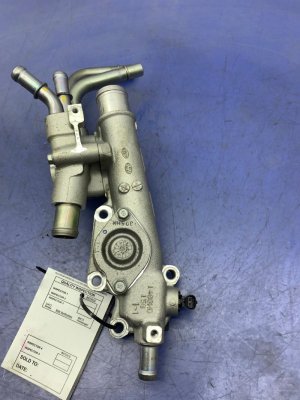
The Lambda II 3.3T V6 in the G70 uses an electronically controlled thermostat, which is integrated into a larger housing assembly (OEM Part #25500-3L200). Unlike a simple mechanical thermostat, this unit is actively managed by the ECM. A failure here is a common cause for P0116. Furthermore, the twin-turbo layout creates a very tight workspace, making the replacement of the thermostat more labor-intensive than on a naturally aspirated engine.
Symptoms You May Notice
- Check Engine Light is on
- Temperature gauge reads low or does not move from cold
- Temperature gauge behaves erratically
- Reduced fuel economy
- Engine may hesitate or run rough when cold
- Difficulty starting the engine when cold
- Failing an emissions test
- Cooling fans running constantly or at incorrect times
- Replacing the ECT sensor when the thermostat is actually the faulty component. It is crucial to diagnose whether the engine is genuinely warming up too slowly (thermostat issue) or if the sensor is just reporting an incorrect temperature (sensor issue).
- Replacing the Oil Temperature Sensor (Part #39220-3C100) instead of the Engine Coolant Temperature Sensor (Part #39220-38030). The two sensors are distinct parts and are a common point of confusion.
Most Likely Causes
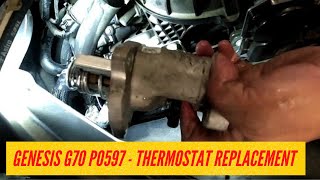
- Stuck-Open or Faulty Electronic Thermostat 🔴 High Probability → Shop Integrated Thermostat Housing Assembly The electronically controlled thermostat is a more complex part than a traditional mechanical one, introducing more potential failure points. If it sticks open, the engine warms up too slowly, triggering the 'performance' aspect of the P0116 code. This is a known issue on the 3.3T platform. 🎬 Watch a professional replace the thermostat on this 3.3L engine.
How to confirm: Use an OBD-II scan tool with live data. After a cold soak (engine off for several hours), start the engine and monitor the ECT reading. The temperature should rise steadily to an operating temperature of approximately 195-205°F and stabilize. If it rises very slowly, never reaches full temperature, or drops significantly at highway speeds, the thermostat is likely stuck open.
Typical fix: Replace the entire thermostat and housing assembly (Part #25500-3L200). Due to the tight workspace, this is a moderately difficult DIY job. 🎬 Watch this walkthrough of the G70 3.3T thermostat replacement.
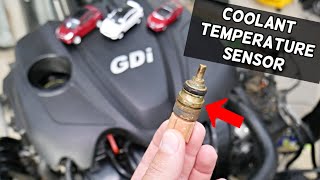
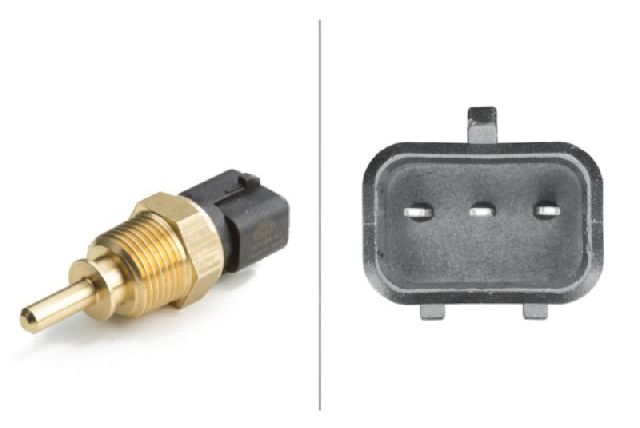
Est. part cost: $80-$150 - Faulty Engine Coolant Temperature (ECT) Sensor 🟡 Medium Probability → Shop Engine Coolant Temperature Sensor Sensors can degrade over time due to thermal stress, leading to inaccurate readings. This is a common failure part on many vehicles.
How to confirm: With a cold engine, use a scan tool to compare the ECT and Intake Air Temperature (IAT) readings. They should be within a few degrees of each other. If the ECT reading is illogical (e.g., reads 200°F on a cold morning), the sensor is bad. Also, watch for sudden, erratic jumps in the live data reading as the engine warms up.
Typical fix: Replace the ECT sensor. This is typically a less expensive and easier repair than the thermostat. The correct part is often confused with the oil temperature sensor.
Est. part cost: $25-$60 - Low Engine Coolant Level ⚪ Low Probability → Shop Engine Coolant / Antifreeze While not specific to this vehicle, any leak in the cooling system can cause this issue by introducing air pockets or preventing the sensor from being submerged.
How to confirm: Visually inspect the coolant reservoir and, when the engine is completely cool, the radiator cap. If the level is low, there is a leak that must be found and repaired.
Typical fix: Top off the coolant with the correct type (Hyundai/Kia Pink Long Life Antifreeze/Coolant), properly bleed the system, and identify and repair the source of the leak (e.g., hoses, radiator, water pump).
Est. part cost: $20-$40 for coolant - Wiring or Connector Issue ⚪ Low Probability
How to confirm: Visually inspect the ECT sensor's wiring harness and connector for any signs of damage, corrosion (green crust), or loose pins. Use a multimeter to check for a 5-volt reference and a good ground at the connector.
Typical fix: Repair the damaged wiring or clean/replace the connector pigtail.
Est. part cost: $15-$30 for a pigtail
Rare But Worth Checking
- Faulty Engine Control Module (ECM): This is extremely rare. The ECM should only be considered after all other possibilities, including sensors, the thermostat, and wiring, have been thoroughly ruled out.
Diagnosis Steps
- Check for any other stored Diagnostic Trouble Codes (DTCs).
- With the engine cold, check the engine coolant level in the reservoir. Top up if necessary.
- Connect an OBD-II scanner and view the freeze frame data to see the conditions under which the code was set.
- Using the scanner's live data function, compare the Engine Coolant Temperature (ECT) and Intake Air Temperature (IAT) readings on a cold engine. They should be within 5°F (3°C) of each other.
- Start the engine and monitor the ECT data. Watch for a smooth, steady increase in temperature as the engine warms up.
- If the temperature rises extremely slowly, fails to reach ~195°F, or drops at cruising speed, suspect a faulty thermostat.
- If the temperature reading is erratic, jumps around, or was illogical when cold, suspect a faulty ECT sensor or wiring issue. 🎬 See how to diagnose and fix the P0116 code.
- Inspect the ECT sensor connector and wiring for any visible damage, corrosion, or loose connections.
Parts You'll Likely Need
- Thermostat Assembly Kit
(OEM #25500-3L200)— This is the most common cause of a P0116 code on this platform, where the engine fails to warm up at the expected rate. The part is an electronically controlled unit sold as an assembly.
Trusted brands: Genuine Hyundai/Genesis
OEM price range: $80-$150
Aftermarket price range: $60-$120 - Engine Coolant Temperature Sensor
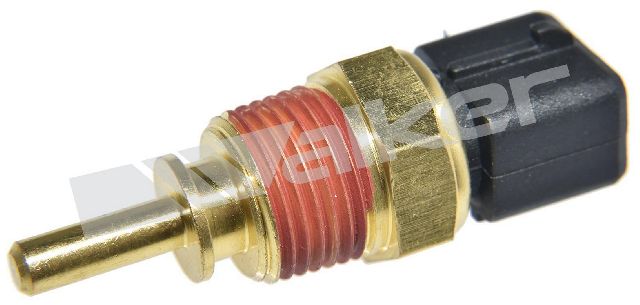
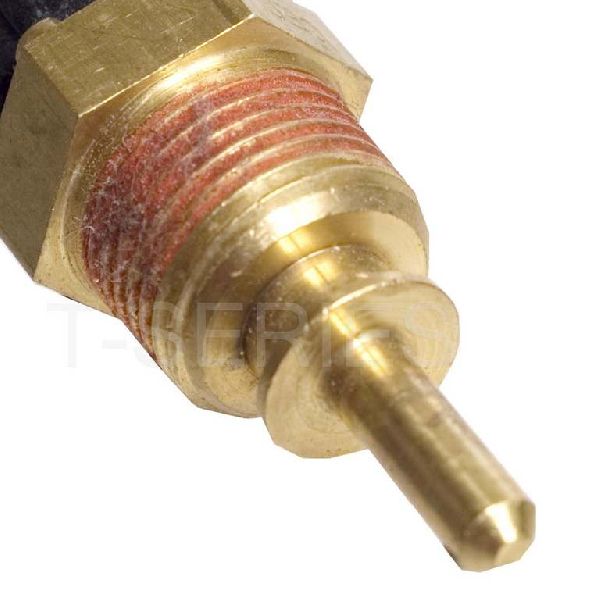
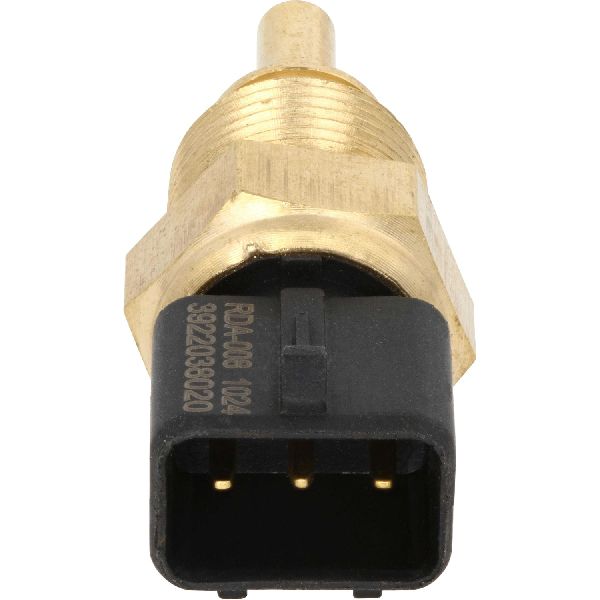
(OEM #39220-38030 (supersedes 39230-26700))— If the temperature readings are erratic or clearly incorrect from a cold start, the sensor itself has likely failed. This part number is for the water temperature sensor. Do not confuse it with the oil temperature sensor (39220-3C100). Always confirm with the dealer using your VIN.
Trusted brands: Genuine Hyundai/Genesis, KAVO PARTS, RIDEX
OEM price range: $40-$60
Aftermarket price range: $20-$40 - Engine Coolant / Antifreeze
(OEM #00232-19098)— The system will need to be drained and refilled when replacing the thermostat or sensor. Use only the specified coolant to prevent system damage. The G70 uses Hyundai's pink long-life coolant.
Trusted brands: Genuine Hyundai, Peak (Asian Vehicles Pink)
OEM price range: $25-$35 per gallon
Aftermarket price range: $20-$30 per gallon
Technical Service Bulletins (TSBs) & Recalls
- TSB 24-01-032G / NHTSA 24V-191 / Recall 019G: Addresses the replacement of the left-hand turbocharger oil feed pipe assembly due to risk of oil leakage and fire on 2019-2022 G70 3.3T models.
Platform-Specific Known Issues
- The replacement of the thermostat on the 3.3T engine is known to be difficult due to the tight space caused by the twin-turbochargers and associated plumbing.
- While not directly related to P0116, owners should be aware of recall 019G (TSB 24-01-032G) for a leaking left turbocharger oil feed pipe, which can cause an oil leak and increase fire risk.
Mechanic-Grade Diagnostic Values
- Engine Coolant Temperature (ECT) Sensor Resistance — expected: Approximately 2.31 ~ 2.59 kΩ at 20°C (68°F), and ~0.32 kΩ at 80°C (176°F).. Failure: A reading significantly outside the expected resistance for a known temperature indicates a faulty sensor.
- ECT Sensor Signal Voltage (at sensor connector) — expected: Should be around 2.0V on a cold engine (e.g., 20°C / 68°F) and drop to around 0.5V when the engine is at full operating temperature.. Failure: Voltage that is stuck high, stuck low, or jumps erratically indicates a sensor or wiring fault. A reading near 5.0V suggests an open circuit, while a reading near 0V suggests a short to ground.
- ECM 5V Reference (at sensor connector, KOEO) — expected: Approximately 5.0 volts on one of the two wires with the key on, engine off.. Failure: No voltage or low voltage points to a problem with the ECM or the wiring between the ECM and the sensor, not the sensor itself.
Scan Tool Commands That Help
- Genesis GDS (or equivalent high-level scanner): Engine Coolant Filling Mode — After replacing the thermostat or draining the coolant, this function activates the electronic thermostat to cycle and properly bleed any trapped air from the cooling system. This is crucial for preventing air pockets that can cause erratic temperature readings and a return of the P0116 code.
Wiring & Ground Locations
- Negative Jump-Start Post — Under the hood on the passenger side, there is a small metal post marked with a negative (-) symbol on the plastic trim, located on the shock tower.. This is a primary chassis ground point in the engine bay. A poor connection here can cause various electrical issues, including erratic sensor readings. While checking for P0116, ensure this ground connection is clean and tight.
- Electronic Thermostat Connector (C322) — On the electronic thermostat housing, located deep in the engine valley. It is a 2-pin connector.. This connector provides power and the control signal to the thermostat's internal heater. One pin should have power, and the other is a Pulse Width Modulated (PWM) ground controlled by the ECM. Probing here can diagnose a circuit fault versus a failed thermostat unit.
Real Owner Repair Stories
- Reddit user in r/GenesisG70 (Genesis G70 (engine not specified, but symptoms are relevant), 40,000 miles) — Engine overheating while stationary, loud fan operation after shutoff, A/C blowing hot when overheating starts.
❌ Tried (didn't work) Initial diagnosis was unclear.
✅ What actually fixed it A complete coolant flush resolved the overheating issue.
OEM Part Supersession History
39230-26700, 39220-38020→39220-38030— Standard part consolidation and potential minor improvements in manufacturing or materials over a long production life.
Heads up: No known incompatibility issues. The newer part is the correct replacement for the older numbers. The primary installation trap remains confusing this sensor with the oil temperature sensor.
Model Year Variations Within This Range
- 2019-2024: No significant variations related to the cooling system components or control logic for code P0116 are documented. The 2022 model year refresh was primarily focused on the interior and exterior aesthetics and did not alter the 3.3T engine's core cooling hardware.
Diagnostic Flowchart
Other Known Issues on This Vehicle
Issues unrelated to this code that are worth knowing about as an owner of this generation:
- Left Turbocharger Oil Feed Pipe Leak 🔴 High — Common enough to trigger a major safety recall. Affects 2019-2022 models. (Ref: NHTSA 24V-191 / Genesis Recall 019G / TSB 24-01-032G.)
- Interior Rattles (Sunroof/Headliner/Center Console) 🟡 Low — Very common owner complaint across all model years, often worse in hot weather.
- Fuel Pump Failure 🔴 High — Affects 2019-2023 models, leading to a recall. Can cause loss of drive power. (Ref: NHTSA 24V528 / Genesis Recall 023G.)
- Intake Valve Carbon Buildup 🟠 Medium — A common long-term issue for all Gasoline Direct Injection (GDI) engines, including the Lambda II. Typically becomes noticeable after 60,000-100,000 miles, causing reduced performance and misfires.
Used vs. New Parts: Buying Guide for This Vehicle
When a used part is the smart pick: Using a salvaged part is generally not recommended for the primary fixes of P0116. The only exception would be for a wiring harness pigtail if the original connector is physically damaged. For all other components, new parts are strongly advised.
Donor-vehicle mileage cap: roughly under 50000 miles for the part to have meaningful remaining life.
What to inspect on the donor part:
- For a wiring pigtail, ensure the connector body is not cracked or brittle.
- Check for any signs of corrosion (green crust) on the pins.
- Ensure there is at least 4-6 inches of wire attached to the pigtail for easier splicing.
OEM-only on this vehicle (don't cheap out):
- Electronic Thermostat Assembly (25500-3L200): This is a complex, electronically controlled part critical to engine management. Aftermarket versions may have higher failure rates or incorrect calibration, leading to a swift return of the P0116 code. Given the high labor cost for replacement, using a Genuine Hyundai/Genesis part is the most reliable choice.
- Engine Coolant Temperature Sensor (39220-38030): While less critical than the thermostat, OEM sensors are guaranteed to have the correct resistance curve for the ECM. Aftermarket sensors can sometimes have slight variations that cause subtle performance or fuel economy issues even if they don't trigger a code.
Brands owners have reported issues with on this vehicle:
- Unbranded or 'white-box' electronic thermostats from online marketplaces should be avoided due to the high risk of premature failure and the difficulty of the replacement job.
Real Owner Stories
Aggregated from forums and TSBs cited above. Mileages and costs reflect what owners reported in those sources.
2019-2023 Genesis G70 3.3T
Symptoms: Loss of drive power due to fuel pump failure.
What fixed it: Replacement of the fuel pump under Genesis Recall 023G (NHTSA 24V528).
Source hint: Genesis Recall 023G / NHTSA 24V528
2019-2022 Genesis G70 3.3T
Symptoms: Risk of oil leakage from the left-hand turbocharger oil feed pipe.
What fixed it: Replacement of the left-hand turbocharger oil feed pipe assembly.
Source hint: TSB 24-01-032G / NHTSA 24V-191 / Recall 019G
2018-2023 Kia Stinger GT (3.3T)
Symptoms: The vehicle registered a P0116 code, indicating a cooling system performance issue shared with its platform-mate, the G70.
What fixed it: Diagnosis and repair involving the electronically controlled thermostat (25500-3L200).
Source hint: stingerforum.org
2019-2024 Genesis G70
Symptoms: Annoying interior rattles coming from the sunroof and headliner areas, especially during hot weather.
What fixed it: Not a mechanical engine fix, but a frequent owner complaint discussed in community threads.
Source hint: r/GenesisG70 (Reddit) thread titled 'Interior Rattling'
Related OBD-II Codes
Frequently Asked Questions
Is there a recall for my 2019-2022 Genesis G70 3.3T that might be related to engine issues?
What is the specific part number for the thermostat on my G70 3.3T?
My temperature gauge is erratic and I have a P0116; could it just be the sensor?
Does the Kia Stinger share this P0116 issue with the G70?
Why is the thermostat replacement so expensive on the 3.3T Lambda II engine?
Could a low coolant level trigger the P0116 code on my Genesis?
Helpful Videos
Used OEM Parts in Stock
New Aftermarket Parts Available


The information in this article is provided for general reference and educational purposes only. Vehicle specifications, procedures, and part compatibility can vary by production date, trim level, and region. Always consult your vehicle's factory service manual and verify part numbers before purchasing or performing repairs. Safety-critical components such as airbags, seat belts, and braking systems should be installed by a qualified professional.
- Genesis G70:
- 🧭 Diagnostic Flowchart
- 🎬 Helpful Videos
- 🛍️ Shop This Part
- What's Unique About the 2019-2024 Genesis G70
- Symptoms You May Notice
- Most Likely Causes
- Rare But Worth Checking
- Diagnosis Steps
- Parts You'll Likely Need
- Technical Service Bulletins (TSBs) & Recalls
- Platform-Specific Known Issues
- Mechanic-Grade Diagnostic Values
- Scan Tool Commands That Help
- Wiring & Ground Locations
- Real Owner Repair Stories
- OEM Part Supersession History
- Model Year Variations Within This Range
- Other Known Issues on This Vehicle
- Used vs. New Parts: Buying Guide for This Vehicle
- Real Owner Stories
- 2019-2023 Genesis G70 3.3T
- 2019-2022 Genesis G70 3.3T
- 2018-2023 Kia Stinger GT (3.3T)
- 2019-2024 Genesis G70
- Related OBD-II Codes
- Frequently Asked Questions
- 🎟️ Get 5% Off