

P0116 on 2015-2022 GMC Canyon 3.6L: Engine Coolant Temp Causes and Fixes
On a 2015-2016 GMC Canyon with the 3.6L LFX V6, code P0116 is most often caused by a failed thermostat stuck open or a faulty Engine Coolant Temperature (ECT) sensor. Replacing the thermostat and sensor are the most common fixes. This is a very common issue on the identical Chevrolet Colorado as well.
- P0116 on a 2015-2016 Canyon 3.6L indicates an irrational signal from the Engine Coolant Temperature sensor.
- The most likely causes are a failed thermostat that is stuck open or a bad ECT sensor.
- Symptoms often include a low-reading temperature gauge and cooling fans that run constantly.
- The ECT sensor on this specific LFX engine is in a difficult location on the driver's side of the engine block.
- Due to the common failures, it is often recommended to replace both the thermostat and the ECT sensor at the same time.
What's Unique About the 2015-2022 GMC Canyon
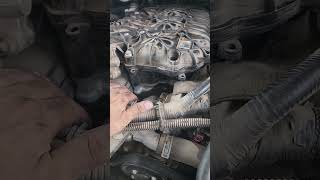
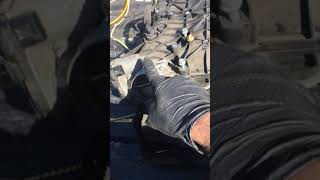
The user prompt specifies the 3.6L LFX engine, which was only used in the 2015-2016 models of this generation. On this specific engine, the ECT sensor is located on the driver's side of the engine block, behind the exhaust manifold, which is a 🎬 Watch: See the exact location of the LFX temperature sensor. notoriously difficult-to-access spot. This is different from the later 2017-2022 LGZ engine, where the sensor is in the engine valley between the cylinder heads. Thermostat and sensor failures are extremely common issues leading to this code on the GM 3.6L engine family, as widely discussed in owner forums.
Generation note: The 2015-2022 vehicle range covers the entire second generation of the GMC Canyon. However, it uses two different 3.6L V6 engines. This guide focuses on the 3.6L LFX V6 used in 2015-2016 models. The 2017-2022 models use the updated 3.6L LGZ V6, which has a different cooling system layout, including a different thermostat location and an ECT sensor located in the engine valley, which some owners have created custom tools to access.
Symptoms You May Notice
- Check Engine Light is on
- Temperature gauge reads low, is stuck on cold, or fluctuates erratically
- Engine cooling fans run constantly at high speed, even after the engine is turned off
- Heater may not blow warm air
- Reduced fuel economy
- Rough or unstable idle
- Air Conditioning (A/C) may not work
- In some cases, a 'Steering Assist Reduced' message may appear on the DIC
- Replacing only the ECT sensor when the thermostat is the actual cause of the engine not warming up properly.
- Replacing the water pump, which is a more common issue on the later LGZ engine for different codes, but not typically the primary cause of P0116 on the LFX.
- Assuming a bad radiator fan is the cause. While a fan stuck 'on' can contribute to over-cooling, it's usually a symptom commanded by the ECM *because* of the P0116 fault, not the cause of it.
Most Likely Causes
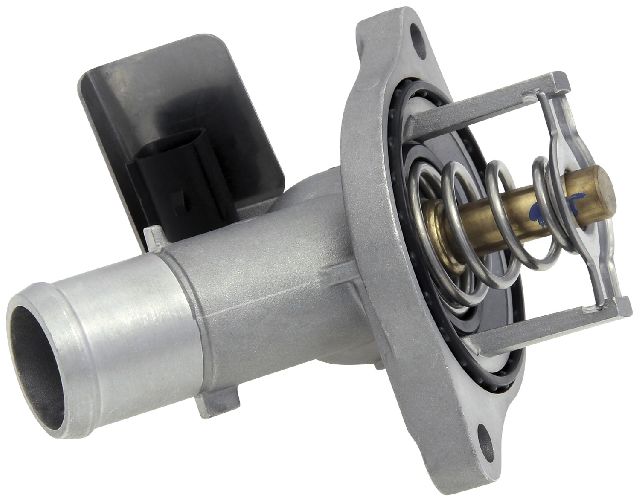
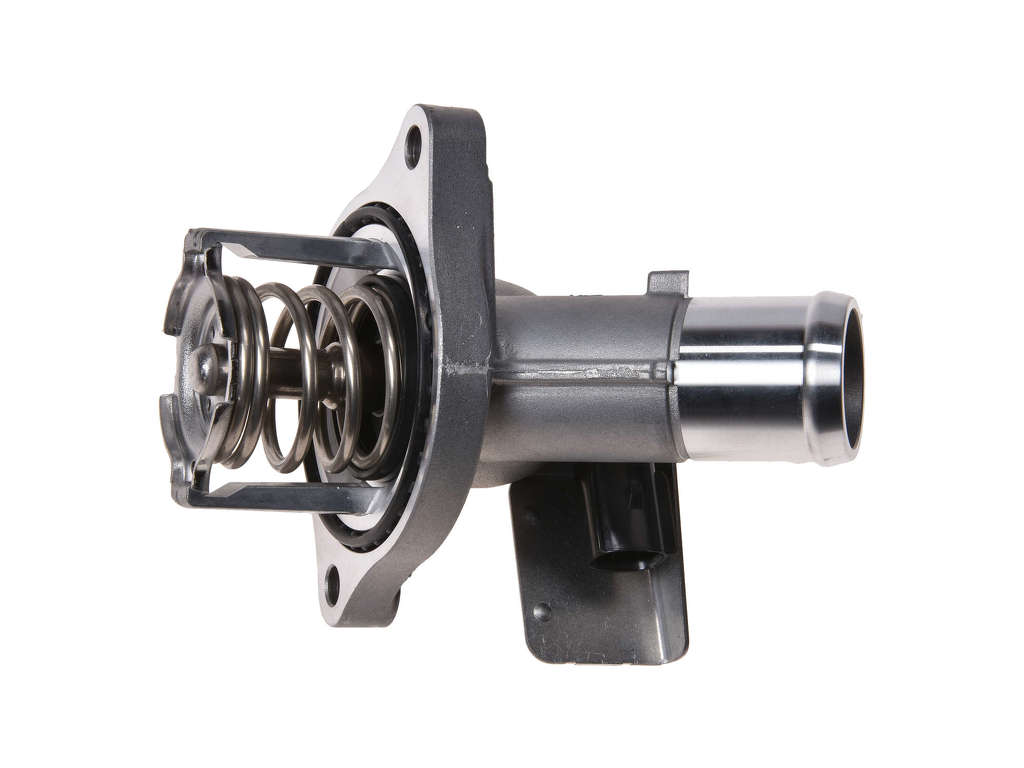
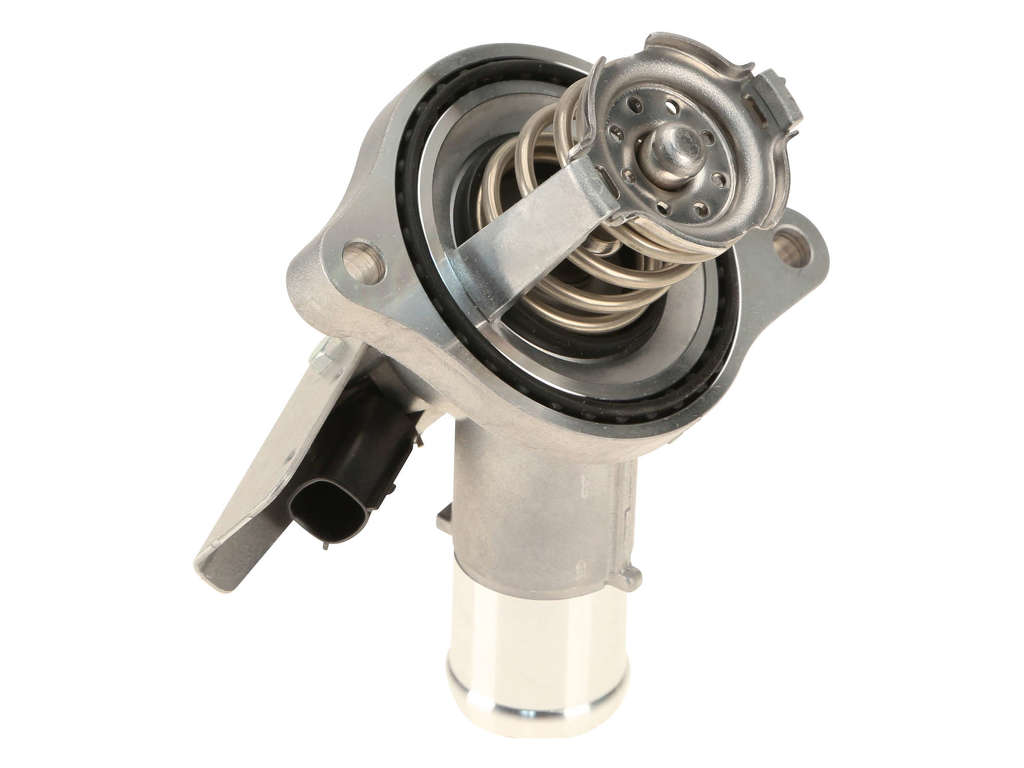
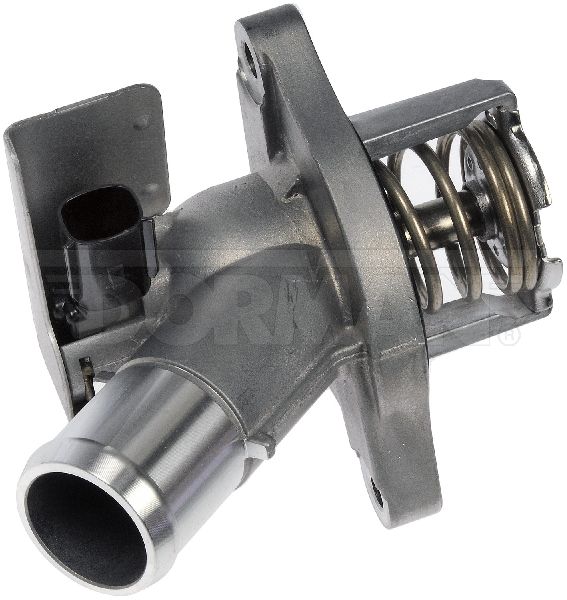
- Failed Thermostat (Stuck Open) 🔴 High Probability → Shop Integrated Thermostat Housing Assembly Thermostat failure is a very common issue across the GM 3.6L V6 engine family, and is the most frequent cause of P0116 and the related P0128 code.
How to confirm: Use a scan tool to monitor live coolant temperature data while driving. If the engine temperature fails to reach and maintain operating temperature (typically ~195-210°F) or drops significantly at highway speeds, the thermostat is almost certainly stuck open.
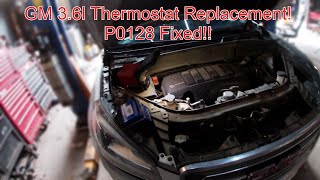
Typical fix: Replace the thermostat and housing assembly. 🎬 See this walkthrough for replacing the thermostat on a 3.6L. It is highly recommended to replace the ECT sensor at the same time, as it is inexpensive and the thermostat must be removed to access it anyway. Also replace the associated gaskets. The system must be drained, refilled with DEX-COOL coolant, and properly bled of air.
Est. part cost: $50-$120 - Faulty Engine Coolant Temperature (ECT) Sensor 🟡 Medium Probability → Shop Engine Coolant Temperature Sensor The sensor can fail over time due to extreme heat cycles, sending inaccurate, erratic, or no signal to the ECM.
How to confirm: With a scan tool, compare the ECT reading to the Intake Air Temperature (IAT) reading on a cold engine; they should be within a few degrees of each other. If the ECT reading is nonsensical (e.g., -40°F, which indicates an open circuit) or doesn't change as the engine warms up, the sensor is likely bad. You can also test the sensor's resistance with a multimeter; at 68°F (20°C), it should be between 2,000-3,000 Ohms.
Typical fix: Replace the ECT sensor. On the LFX engine, this is a difficult job as the sensor is located on the driver's side of the block, behind the exhaust manifold and below the intake. Access is typically achieved by removing the thermostat housing and using a wrench from the front.
Est. part cost: $20-$40 - Low Engine Coolant Level 🟡 Medium Probability → Shop Engine Coolant / Antifreeze Any leak in the cooling system can cause the coolant level to drop. If the level drops below the sensor, it will read air temperature instead of coolant temperature, leading to irrational readings and this code.
How to confirm: Visually inspect the coolant reservoir and radiator (when the engine is cool) to ensure the coolant is at the proper level. Check for visible signs of leaks from hoses, the radiator, or the water pump.
Typical fix: Top off the system with a 50/50 mix of DEX-COOL specification coolant and deionized water, then bleed any air. Find and repair the source of the leak.
Est. part cost: $20-$30 for coolant - Wiring or Connector Issue ⚪ Low Probability
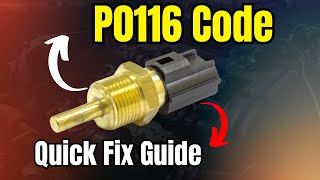
How to confirm: Visually inspect the ECT sensor connector and wiring harness for damage, corrosion, or loose connections. The pigtail connector can become brittle from heat and break. Check for continuity and proper voltage (typically a 5V reference) at the connector with a multimeter. 🎬 Watch: How to diagnose and fix the P0116 circuit code.
Typical fix: Repair the damaged wiring or replace the pigtail connector.
Est. part cost: $15-$30 for a new connector pigtail
Rare But Worth Checking
- Air Pocket in Cooling System: If the cooling system was recently serviced and not bled properly, an air pocket can get trapped near the sensor, causing inaccurate readings. The system needs to be properly bled using a vacuum-fill tool or by running the engine with the heater on and the reservoir cap loose until all bubbles are purged.
- Faulty Engine Control Module (ECM): This is extremely rare. All other possibilities, including wiring, should be exhaustively ruled out before considering ECM replacement. Sometimes an ECM software update from the dealer can fix logic errors related to setting this code.
Diagnosis Steps
- Check the engine coolant level in the reservoir and radiator (only when cool). Top off if low.
- Connect an OBD-II scanner to check for P0116 and any other related codes, especially P0128.
- With the engine cold, use the scanner's live data function to compare the Engine Coolant Temperature (ECT) reading and the Intake Air Temperature (IAT) reading. They should be within 5°F of each other. If the ECT is at an extreme like -40°F, the sensor or circuit is open.
- Start the engine and monitor the ECT data. It should rise steadily to ~195-210°F and stabilize. If it rises very slowly, never reaches temperature, or drops at highway speeds, the thermostat is stuck open.
- If the ECT reading is erratic, jumps to extreme values, or doesn't match the IAT reading on a cold start, suspect a faulty ECT sensor or wiring.
- Inspect the ECT sensor's wiring and connector for any signs of damage, corrosion, or a loose connection.
- If the sensor is suspect, test its resistance with a multimeter. It should read around 2,000-3,000 ohms at 68°F.
- If all other components check out, the final, though rare, possibility is a faulty ECM or the need for a software update from a GM dealer.
Parts You'll Likely Need
- Engine Coolant Thermostat Housing Assembly
(OEM #12698362 (supersedes 12660976, 12681135))— This is the most common cause of the engine not reaching operating temperature, triggering a P0116 or P0128 code. The assembly includes the thermostat, housing, and integrated gaskets.
Trusted brands: ACDelco (GM Genuine)
OEM price range: $70-$120
Aftermarket price range: $50-$90 - Engine Coolant Temperature (ECT) Sensor
(OEM #12608814 (supersedes 12191170, 15326388))— This sensor provides the temperature reading to the ECM. A faulty sensor will send an irrational signal, directly causing the P0116 code. It is often replaced preventatively with the thermostat due to its difficult access.
Trusted brands: ACDelco, Standard Motor Products, Delphi
OEM price range: $25-$40
Aftermarket price range: $15-$30
Related Codes That Often Appear With This One
- P0128 — Coolant Temperature Below Thermostat Regulating Temperature. This code is very similar to P0116 and is almost always caused by the same issue: a thermostat stuck open, preventing the engine from reaching operating temperature within the time expected by the ECM.
- U0401 — Invalid Data Received From ECM/PCM. TSB 17-NA-158 points out that a fault causing P0128 can lead the ECM to send an invalid coolant temp signal over the CAN bus, which can cause the Power Steering Control Module to set U0401 and reduce steering assist.
Technical Service Bulletins (TSBs) & Recalls
- TSB 17-NA-158: Steering Assist Reduced Displayed on DIC: This bulletin explains that DTC P0128 (a code often set alongside P0116) can cause an invalid coolant temperature signal on the vehicle's data bus. This can lead the power steering control module to get confused, disable its cold-weather compensation, and post a 'Steering Assist Reduced' message. The fix is to diagnose and repair the root cause of the P0128 code, not replace the steering gear.
- TSB 20-NA-167: Malfunction Indicator Lamp (MIL) Illuminated - DTC P0128 Set: For some other GM models, this TSB notes that a false P0128 code can be set due to the diagnostic running at the incorrect time. The fix is to reprogram the ECM with an updated calibration. While not specific to the Canyon, it indicates that ECM logic updates can be a potential fix for coolant rationality codes.
Platform-Specific Known Issues
- ECT Sensor Location and Replacement Difficulty: → Shop Engine Coolant Temperature Sensor On the 2015-2016 LFX engine, the ECT sensor is notoriously difficult to access. It is located on the driver's side of the engine block, tucked behind the exhaust manifold. Many DIYers and mechanics access it by first removing the thermostat housing and using a 15mm wrench through the opening to slowly loosen and tighten the sensor.
- Owner Experience: Thermostat Failure is the Usual Suspect: → Shop Integrated Thermostat Housing Assembly A thread on the ColoradoFans.com forum titled 'P0128 and P0116' shows a typical owner experience: symptoms of a low temperature gauge and fans running constantly led to a diagnosis of a failed thermostat. The owner replaced both the thermostat and ECT sensor, which resolved all symptoms and cleared the codes.
Mechanic-Grade Diagnostic Values
- Engine Coolant Temperature (ECT) Sensor Resistance — expected: Approx. 3520 Ω at 68°F (20°C); Approx. 1230 Ω at 122°F (50°C); Approx. 290 Ω at 176°F (80°C); Approx. 177 Ω at 212°F (100°C).. Failure: An infinite reading (open circuit), a near-zero reading (short circuit), or values that do not correspond smoothly with temperature changes indicate a failed sensor.
- ECT Sensor Circuit Voltage (Key On, Engine Off) — expected: The ECM provides a 5V reference. The signal wire voltage should be high when cold (e.g., ~3.0-3.5V at 68°F) and decrease as the engine warms up.. Failure: A reading near 5V on the signal wire suggests an open circuit or a bad ground connection. A reading near 0V suggests a short to ground.
Scan Tool Commands That Help
- GDS2 (Global Diagnostic System 2): Data Display > Engine Data > Graph Multiple PIDs — Use this to graph the Engine Coolant Temp, Intake Air Temp, and Ambient Air Temp sensors from a cold start. All three should read within a few degrees of each other before starting. This quickly validates if the ECT sensor is providing a rational reading compared to other temperature sensors.
- GDS2 (Global Diagnostic System 2): Output Controls > Cooling Fan Relays — After confirming the P0116 code, if the cooling fans are running constantly, this command allows the technician to manually turn the fans on and off. This verifies that the fan control module, relays, and fan motors are working correctly, confirming they are running due to the ECM's fail-safe command and are not the cause of the problem.
- GDS2 (Global Diagnostic System 2): Service Bleed Procedure — After replacing the thermostat or any cooling system component, air can become trapped. This automated procedure cycles the engine and commands certain actuators to help purge air from the system, which is critical for ensuring the new components function correctly and the ECT sensor gets an accurate reading.
Wiring & Ground Locations
- ECT Sensor Connector — On the 2015-2016 LFX V6, the connector plugs into the ECT sensor located on the driver's side of the engine block, behind the exhaust manifold.. This 2-wire connector and its pigtail are subjected to extreme heat, which can make the plastic brittle and cause wires to break internally, leading to an open or intermittent circuit for the ECT signal. The wires are typically Tan (Signal) and Tan/White (Low Reference/Ground).
- G107 — An primary engine-to-chassis ground point, typically located on the front or side of the engine block.. The ECM and its sensors rely on clean ground connections. A loose or corroded G107 ground can introduce electrical noise or voltage offsets, potentially causing the ECM to misinterpret the ECT sensor's signal and set a P0116 code, even if the sensor itself is good.
- X209 — The main engine wiring harness connector, typically located near the underhood fuse block on the driver's side.. The ECT sensor circuit passes through this large connector. While less common, corrosion or a backed-out pin at this location can cause the same symptoms as a failed sensor or a break in the pigtail.
Real Owner Repair Stories
- ColoradoFans.com forum member (2016 Chevrolet Colorado 3.6L LFX) — Check engine light with codes P0116 and P0128, temperature gauge reading cold, cooling fans running constantly.
❌ Tried (didn't work) Initially replaced only the thermostat assembly.
✅ What actually fixed it The code returned after replacing the thermostat. A closer inspection revealed a broken wire right at the ECT sensor connector pigtail, hidden by the insulation. Splicing in a new pigtail connector (Standard Motor Products S-1686) and clearing the codes permanently resolved the issue. - GM-Trucks.com forum member (2015 GMC Canyon 3.6L LFX) — P0128 code, heater not getting hot, temp gauge dropping at highway speeds.
❌ Tried (didn't work) Replaced the thermostat with an aftermarket store-brand part.
✅ What actually fixed it The P0128 code came back within a few months. The owner then replaced the aftermarket thermostat with a genuine ACDelco thermostat assembly (PN 12698362). The issue was resolved and did not return, suggesting the aftermarket part was either calibrated incorrectly or failed prematurely.
OEM Part Supersession History
12660976, 12681135→12698362— The original thermostat assemblies for the LFX engine were prone to premature failure of the seal, causing them to stick open. The updated part number 12698362 features a revised design for improved durability and longevity.12191170, 15326388→12608814— Part number consolidation and minor updates over many years of use across multiple GM platforms. No significant functional differences or known incompatibility issues are reported between these revisions.
Model Year Variations Within This Range
- 2015-2016: This guide specifically applies to the 3.6L LFX V6. The ECT sensor is on the driver's side of the block, and the thermostat is part number 12698362.
- 2017-2022: These models use the 3.6L LGZ V6. The cooling system is different; the ECT sensor and thermostat are both located in the engine valley between the cylinder heads, requiring removal of the intake manifold for access. The parts are different and not interchangeable with the LFX.
Diagnostic Flowchart
Other Known Issues on This Vehicle
Issues unrelated to this code that are worth knowing about as an owner of this generation:
- Torque Converter Shudder (6-Speed 6L50) 🟠 Medium — Common issue, particularly at low speeds (12-40 MPH) under light acceleration. Can feel like driving over rumble strips. (Ref: TSB 18-NA-355 (later models), PIP5342B (for 2015-16 LFX). GM has issued multiple bulletins recommending fluid flushes with updated Mobil 1 Synthetic LV ATF HP fluid.)
- Timing Chain Wear/Stretch 🔴 High — A known issue on the broader GM High Feature (HFV6) engine family, including early LFX versions. Less common on later LFX engines than its predecessors (LLT), but can still occur, typically after 100k miles. Often presents as rattle on startup or codes like P0016, P0017.
- Reduced Power Steering Assist 🟡 Low — An intermittent issue where a 'Steering Assist Reduced' message appears. TSB 17-NA-158 notes this can be a side effect of an invalid coolant temperature signal from the ECM (related to P0128), causing the power steering module to default. (Ref: TSB 17-NA-158)
- Rough Idle / Stalling 🟠 Medium — Some owners of 2015-2016 models reported issues with rough idling and occasional stalling, which could sometimes be addressed with ECM/TCM software updates. (Ref: PIP5303 (mentioned in other bulletins as a potential fix for various concerns))
Used vs. New Parts: Buying Guide for This Vehicle
When a used part is the smart pick: For this specific repair, buying used parts is not recommended for the primary failure items (thermostat and sensor). However, if the wiring connector pigtail is damaged, sourcing a used pigtail from a junkyard harness can be a viable and cost-effective option if a new one is not readily available.
Donor-vehicle mileage cap: roughly under 120000 miles for the part to have meaningful remaining life.
What to inspect on the donor part:
- For a used wiring pigtail, inspect it carefully before purchase.
- Check that the plastic is not cracked or excessively brittle.
- Ensure the locking tab is intact and functional.
- Look for any signs of corrosion (green or white powder) on the metal pins inside the connector.
- Make sure the wires have at least 6 inches of length for splicing and are not stretched or frayed.
OEM-only on this vehicle (don't cheap out):
- Engine Coolant Thermostat: Numerous owner reports on forums indicate that aftermarket thermostats, particularly from generic store brands, can be improperly calibrated or fail prematurely, causing the P0116/P0128 code to return. Using an OEM ACDelco part is strongly advised for reliability.
Aftermarket brands forum-validated for this vehicle:
- ECT Sensor: Standard Motor Products (SMP), Delphi, NTK
- Connector Pigtail: Standard Motor Products (SMP), Dorman
Brands owners have reported issues with on this vehicle:
- Generic or 'white-box' store-brand thermostat assemblies.
Real Owner Stories
Aggregated from forums and TSBs cited above. Mileages and costs reflect what owners reported in those sources.
2015 GMC Canyon 3.6L LFX V6
Symptoms: Low temperature gauge reading and cooling fans running constantly; the owner also noted the A/C stopped working and the P0116 and P0128 codes were present.
What fixed it: Replacement of both the thermostat and the Engine Coolant Temperature (ECT) sensor.
Source hint: ColoradoFans.com - 'P0128 and P0116'
2018 GMC Canyon 3.6L LGZ V6
Symptoms: The owner dealt with a difficult ECT sensor replacement due to the sensor being tucked behind the exhaust manifold and below the intake.
What fixed it: Removed the thermostat housing to access the sensor from the front of the engine using a 15mm wrench.
Source hint: YouTube - 'Secret to Replacing Your GMC Canyon and Chevy Colorado ECT Sensor!'
Related OBD-II Codes
Frequently Asked Questions
Why is my 2015 GMC Canyon displaying a 'Steering Assist Reduced' message along with the check engine light?
Is it true that I have to remove the thermostat to replace the ECT sensor on the 3.6L LFX engine?
Why do my cooling fans keep running at high speed even after I turn off my Canyon?
Can a software update fix the P0116/P0128 codes on my GMC Canyon?
What temperature should my 3.6L LFX engine reach to confirm the thermostat is working?
Should I replace the ECT sensor when I replace the thermostat?
Helpful Videos
We Have This Part in Stock


The information in this article is provided for general reference and educational purposes only. Vehicle specifications, procedures, and part compatibility can vary by production date, trim level, and region. Always consult your vehicle's factory service manual and verify part numbers before purchasing or performing repairs. Safety-critical components such as airbags, seat belts, and braking systems should be installed by a qualified professional.
- GMC Canyon:
- 🧭 Diagnostic Flowchart
- 🎬 Helpful Videos
- 🛍️ Shop This Part
- What's Unique About the 2015-2022 GMC Canyon
- Symptoms You May Notice
- Most Likely Causes
- Rare But Worth Checking
- Diagnosis Steps
- Parts You'll Likely Need
- Related Codes That Often Appear With This One
- Technical Service Bulletins (TSBs) & Recalls
- Platform-Specific Known Issues
- Mechanic-Grade Diagnostic Values
- Scan Tool Commands That Help
- Wiring & Ground Locations
- Real Owner Repair Stories
- OEM Part Supersession History
- Model Year Variations Within This Range
- Other Known Issues on This Vehicle
- Used vs. New Parts: Buying Guide for This Vehicle
- Real Owner Stories
- 2015 GMC Canyon 3.6L LFX V6
- 2018 GMC Canyon 3.6L LGZ V6
- Related OBD-II Codes
- Frequently Asked Questions
- 🎟️ Get 5% Off