

P0116 on 2006-2011 Honda Civic: Engine Coolant Temp Causes and Fixes
On a 2006-2011 Honda Civic, code P0116 is most often caused by a faulty thermostat that is stuck open or a bad engine coolant temperature (ECT) sensor. The PCM sets this code because the engine isn't warming up to the expected temperature in the calculated time. Start by checking your coolant level, then inspect the thermostat and ECT sensor.
- Code P0116 on a 2006-2011 Civic means the engine temperature isn't behaving as the computer expects.
- The most likely causes are a stuck-open thermostat, a bad Engine Coolant Temperature (ECT) sensor, or low coolant.
- Always check your coolant level first when the engine is cold.
- Diagnosing with a scan tool to watch live temperature data is the most effective way to determine if the thermostat or sensor is at fault.
- Always use Honda Type 2 (Blue) coolant and properly bleed the system after making repairs to avoid introducing new problems.
What's Unique About the 2006-2011 Honda Civic
The 2006-2011 Honda Civic (8th generation) with the R18A1 engine is well-known for this code, and owner experiences frequently point towards a thermostat that has failed in the open position. While the ECT sensor can also be the cause, the thermostat is a very common point of failure leading to P0116 on this specific vehicle. The cooling system must be bled properly after repairs to avoid air pockets, which can also cause this code to return. A special spill-free funnel is highly recommended for this procedure. Additionally, early production models of this generation (2006-2009) were known for porous engine block castings that could lead to slow coolant leaks under TSB 10-048, which if left unchecked, could also trigger this code.
Symptoms You May Notice
- Check Engine Light is on
- Temperature gauge behaving erratically or staying on cold
- Reduced fuel economy
- Heater may not blow hot air, or blows lukewarm air
- Engine may idle roughly or perform poorly
- Cooling fans may run constantly or not turn on when needed
- Failing a state emissions test
- Replacing the ECT sensor when the thermostat is actually the problem. Since a stuck-open thermostat is very common on this car, it should be one of the first items checked.
- Not bleeding the cooling system properly after a repair, leading to the code returning due to air pockets.
Most Likely Causes
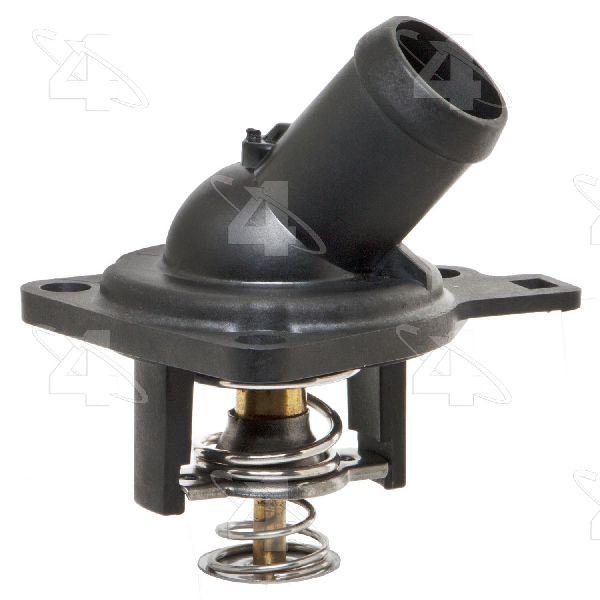
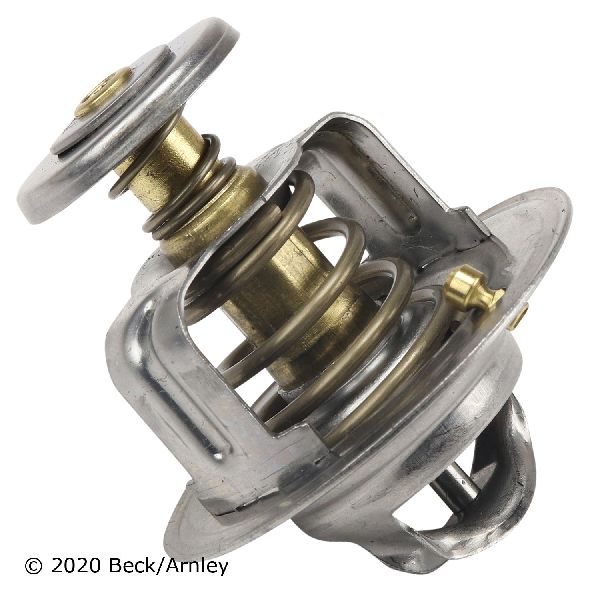
- Stuck-Open Thermostat 🔴 High Probability → Shop Integrated Thermostat Housing Assembly Thermostats are a common wear item, and on this Civic generation, they frequently fail in the open position, preventing the engine from reaching operating temperature quickly. The PCM monitors warm-up time and will set P0116 if it's too slow.
How to confirm: Monitor live data on a scan tool. If the coolant temperature rises very slowly and struggles to reach the normal operating range (approx. 180-195°F), the thermostat is likely stuck open. You can also feel the upper and lower radiator hoses after the car has run for 5-10 minutes; if both are warm, the thermostat is likely open and allowing coolant to circulate prematurely. The lower hose should remain cool until the thermostat opens.
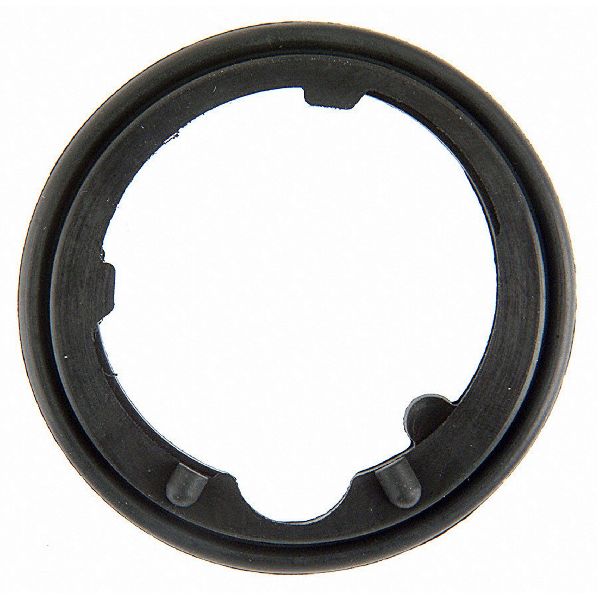
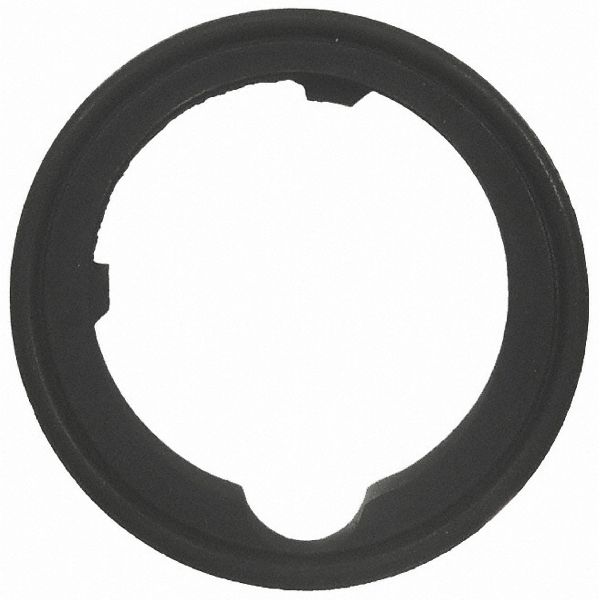
Typical fix: Replace the thermostat and gasket. 🎬 Watch: Step-by-step guide to replacing your Civic's thermostat. Refill and bleed the cooling system using a spill-free funnel. When installing the new thermostat, ensure the jiggle valve is positioned at the top (12 o'clock position) to help air escape.
Est. part cost: $20-$50 - Faulty Engine Coolant Temperature (ECT) Sensor 🟡 Medium Probability → Shop Engine Coolant Temperature Sensor The sensor is a small electronic component (a thermistor) that can degrade over time, causing it to send inaccurate or erratic signals to the PCM. On the R18 engine, this sensor (ECT 1) is located on the cylinder head, near the thermostat housing. 🎬 See this video to locate and test the ECT sensor.
How to confirm: With a cold engine, use a scan tool to compare the ECT reading to the Intake Air Temperature (IAT) reading. They should be within a few degrees of each other. If the ECT reading is illogical (e.g., -40°F or 250°F on a cold engine), the sensor is bad. You can also test the sensor's resistance with a multimeter; at 68°F (20°C), the resistance should be between 2,000 and 3,000 Ohms. At operating temperature (176-194°F), resistance should drop to 200-400 Ohms.
Typical fix: Replace the ECT sensor. Some coolant will be lost, so have coolant ready to top off the system. It's often recommended to replace this sensor when replacing the thermostat as a preventative measure.
Est. part cost: $15-$65 - Low Engine Coolant or Air in the System 🟡 Medium Probability → Shop Engine Coolant / Antifreeze Coolant leaks can develop over time from hoses, the radiator, or the water pump. Early 8th gen Civics were also known for porous block castings that could cause slow coolant loss. If the level drops to where the ECT sensor is exposed to an air pocket instead of coolant, it cannot read the temperature correctly.
How to confirm: Visually inspect the coolant level in the radiator (when the engine is cold) and the overflow reservoir. If it's low, there is a leak that must be found and repaired. After repairs, the system must be properly bled. A 'no-spill' funnel is highly recommended to properly remove all air. 🎬 Watch: How to use a spill-free funnel to bleed air.
Typical fix: Find and repair the source of the coolant leak. Refill with Honda Type 2 (Blue) coolant and properly bleed the air from the cooling system by running the engine with the heater on high and waiting for the cooling fans to cycle multiple times.
Est. part cost: $20-$40 for coolant, plus parts for any leak repair. - Wiring or Connector Issue ⚪ Low Probability
How to confirm: Visually inspect the ECT sensor's electrical connector and wiring for any signs of damage, corrosion, or loose pins. Wiggle the connector while monitoring live data on a scan tool to see if the temperature reading jumps erratically. Check for 5V reference voltage at the connector with the key on. The ground for the ECT sensor circuit is G101, located on the thermostat housing, and a poor connection here can cause this code.
Typical fix: Clean the connector terminals with electrical contact cleaner or repair the damaged section of the wiring harness. Ensure the G101 ground on the thermostat housing is clean and tight. Ensure the connector clicks securely into place.
Est. part cost: $5-$25 for cleaning supplies or wiring repair materials.
Rare But Worth Checking
- Faulty Powertrain Control Module (PCM): This is extremely rare. The PCM should only be considered after all other possibilities, including sensors, thermostat, and wiring, have been thoroughly tested and ruled out.
Diagnosis Steps
- Check the engine coolant level in the radiator and overflow tank (only when the engine is completely cool). Top off if necessary with Honda Type 2 coolant.
- Use an OBD-II scanner to view live data for the Engine Coolant Temperature (ECT).
- From a cold start, compare the ECT reading to the Intake Air Temperature (IAT) reading. They should be within 5 degrees of each other. If not, suspect a bad ECT sensor or wiring.
- Start the engine and monitor the ECT reading as it warms up. The temperature should rise steadily without any sudden jumps or drops.
- If the temperature rises very slowly or fails to reach ~180°F after 10-15 minutes of driving, the thermostat is likely stuck open and needs replacement.
- If the temperature is erratic or shows an illogical value from the start (e.g., -40°F), inspect the ECT sensor's wiring and connector for corrosion or damage. Check for 5V reference at the connector and check the G101 ground on the thermostat housing. If wiring is good, the sensor is faulty.
- If the thermostat and sensor test good, ensure the cooling system is free of air. Use a spill-free funnel and run the engine with the heat on high until the cooling fans cycle at least twice.
- If all else fails, check for a coolant leak using a pressure tester. Pay close attention to the rear of the engine block on 2006-2009 models for signs of a crack per TSB 10-048.
Parts You'll Likely Need
- Engine Coolant Temperature (ECT) Sensor
(OEM #37870-RTA-005 (supersedes 37870-PLC-004 for many applications))— This sensor provides the temperature reading to the PCM. It can fail electronically, sending incorrect data and triggering P0116. The R18A1 engine uses ECT1 in the cylinder head for PCM calculations.
Trusted brands: Denso (OEM), NTK, Delphi
OEM price range: $45-$70
Aftermarket price range: $15-$45 - Engine Coolant Thermostat
(OEM #19301-RAF-004)— A very common failure on this vehicle. If it sticks open, the engine warms up too slowly, which triggers a P0116 performance code.
Trusted brands: Honda (OEM), Aisin, Stant, Motorad
OEM price range: $30-$50
Aftermarket price range: $15-$30 - Honda Type 2 Antifreeze/Coolant
(OEM #OL999-9011)— Coolant will be lost when replacing the thermostat or ECT sensor. It is critical to use the correct OEM-specified fluid and bleed the system properly to avoid creating new problems.
Trusted brands: Honda OEM
OEM price range: $20-$30 per gallon - Spill-Free Coolant Funnel Kit — Highly recommended by mechanics and DIYers for Honda cooling systems. It makes bleeding air out of the system much easier and more effective, preventing the code from returning due to air pockets.
Trusted brands: Lisle, EPAuto
Aftermarket price range: $20-$35
Technical Service Bulletins (TSBs) & Recalls
- While no TSB is directly for P0116 on this model, Honda TSB 09-010 and others related to VTC actuators show the format and type of issues addressed by Honda service bulletins. No specific TSB for P0116 was found during the search.
Platform-Specific Known Issues
- The 8th generation Civic is known for having thermostats that fail in the open position, making it a high-probability cause for P0116.
- Early models (2006-2009) had a known issue with porous engine block castings that could lead to mysterious coolant loss, which can also trigger P0116 if the level becomes too low. This was covered under Honda TSB 10-048.
- The cooling system on this platform is sensitive to air pockets, making a thorough bleed procedure with a spill-free funnel critical after any repairs.
Mechanic-Grade Diagnostic Values
- ECT Sensor Resistance (Cold) — expected: 2,000 - 3,000 Ohms at 68°F (20°C). Failure: A reading significantly outside this range, or an open/infinite reading.
- ECT Sensor Resistance (Hot) — expected: 200 - 400 Ohms at normal operating temperature (approx. 176-194°F or 80-90°C). Failure: Resistance does not drop into this range as the engine warms up.
- ECT Sensor Connector Voltage (Reference) — expected: ~5.0 Volts (Key On, Engine Off). Failure: Voltage is significantly lower or absent, indicating a problem with the PCM or the wiring from the PCM.
- ECT Sensor 2 (Radiator) Fan Activation Voltage — expected: Approx. 0.45V. Failure: N/A - This is the target voltage that commands the cooling fans to turn on.
Scan Tool Commands That Help
- Honda HDS (or advanced scan tool): ECT Sensor 1 Live Data Monitoring — This is the primary method to diagnose P0116. A technician will watch the ECT1 value from a cold start. If it rises too slowly, it points to a stuck-open thermostat. If the value is erratic or illogical (e.g., -40°F), it points to a sensor or wiring fault.
Wiring & Ground Locations
- G101 — On the thermostat housing, on the cylinder head.. This is the primary ground for the engine control unit (ECU) and several critical sensors, including the ECT sensor. A corroded or loose connection at G101 can cause erratic sensor readings and trigger a P0116 code, even if the sensor itself is good.
- ECT Sensor 1 Connector — On the cylinder head, near the upper radiator hose and thermostat housing. It is a 2-pin connector.. This is the direct connection to the sensor. The pins can become corroded or loose, and the wiring harness can chafe. Wiggling this connector while watching live data can expose an intermittent connection. One pin should have a 5V reference from the PCM, and the other is the signal return.
- ECT Sensor 2 Connector — On the bottom of the radiator, typically on the driver's side.. While ECT Sensor 1 is the primary cause for P0116, it's important not to confuse it with ECT Sensor 2, which is primarily used to control the cooling fans. A fault in ECT2 would typically not set a P0116 but could cause cooling fan issues.
Real Owner Repair Stories
- 8thcivic.com forum user (2007 Honda Civic) — P0116 code appeared after the car sat for a week.
❌ Tried (didn't work) Replaced thermostat, Replaced ECT sensor
✅ What actually fixed it The code persisted after replacing both the thermostat and sensor. The final fix was properly bleeding the cooling system with a spill-free funnel. The owner ran the car for 30 minutes with the funnel attached until no more air bubbles came out, which resolved the code. - 8thcivic.com forum user (2008 Honda Civic LX) — P0116 code, temperature gauge not reaching the middle.
❌ Tried (didn't work) Initially suspected the ECT sensor.
✅ What actually fixed it The user confirmed via scan tool that the coolant temperature was only reaching 165°F. Replacing the thermostat, which was stuck partially open, resolved the issue and allowed the engine to reach the proper operating temperature.
OEM Part Supersession History
19301-RAF-003→19301-RAF-004— Standard part revision by the manufacturer. The parts are interchangeable.
Model Year Variations Within This Range
- 2006-2009: These model years (some early 2009s) were subject to Honda Technical Service Bulletin 10-048 for a porous engine block casting that could develop cracks and leak coolant. This can be a root cause of P0116 if the coolant level drops too low. Later models are not affected by this specific TSB.
Diagnostic Flowchart
Real Owner Stories
Aggregated from forums and TSBs cited above. Mileages and costs reflect what owners reported in those sources.
2006 Honda Civic
Symptoms: Vehicle threw a P0116 code.
What fixed it: Community consensus pointed to replacing a stuck-open thermostat and checking the ECT sensor connector for corrosion.
Source hint: Reddit r/hondacivic & r/Honda: '2006 Civic throwing a P0116 code'
2006-2011 Honda Civic
Symptoms: Check engine light on with P0116 code.
What fixed it: Replaced the thermostat (which had failed in the open position) and ensured a proper coolant bleed.
Source hint: 8thcivic.com - Multiple Threads
Honda Civic
Symptoms: Air trapped in the cooling system causing erratic temperature behavior.
What fixed it: Bled the air from the system by running the engine with a spill-free funnel attached until the cooling fan cycled.
Source hint: Honda-Tech: 'Proper Bleeding Of Coolant System!'
2006-2009 Honda Civic
Symptoms: Mysterious slow coolant loss leading to low coolant levels and triggering P0116.
What fixed it: Diagnosed and addressed a porous engine block casting per Honda service bulletin procedures.
Source hint: Honda TSB 10-048
Related OBD-II Codes
Frequently Asked Questions
Does the porous engine block issue on early 8th Gen Civics cause P0116?
What is the most common cause of P0116 on my 2006-2011 Civic?
What type of coolant should I use when replacing the thermostat or ECT sensor?
Where is the ECT sensor located on the R18 engine?
How do I properly bleed the cooling system on my 8th Gen Civic after a repair?
Could a bad ground wire cause the P0116 code on my Civic?
Helpful Videos

We Have This Part in Stock


The information in this article is provided for general reference and educational purposes only. Vehicle specifications, procedures, and part compatibility can vary by production date, trim level, and region. Always consult your vehicle's factory service manual and verify part numbers before purchasing or performing repairs. Safety-critical components such as airbags, seat belts, and braking systems should be installed by a qualified professional.
- Honda Civic:
- 🧭 Diagnostic Flowchart
- 🎬 Helpful Videos
- 🛍️ Shop This Part
- What's Unique About the 2006-2011 Honda Civic
- Symptoms You May Notice
- Most Likely Causes
- Rare But Worth Checking
- Diagnosis Steps
- Parts You'll Likely Need
- Technical Service Bulletins (TSBs) & Recalls
- Platform-Specific Known Issues
- Mechanic-Grade Diagnostic Values
- Scan Tool Commands That Help
- Wiring & Ground Locations
- Real Owner Repair Stories
- OEM Part Supersession History
- Model Year Variations Within This Range
- Real Owner Stories
- 2006 Honda Civic
- 2006-2011 Honda Civic
- Honda Civic
- 2006-2009 Honda Civic
- Related OBD-II Codes
- Frequently Asked Questions
- 🎟️ Get 5% Off