

P0116 on 2013-2016 Nissan Altima: ECT Sensor and ECM Fixes
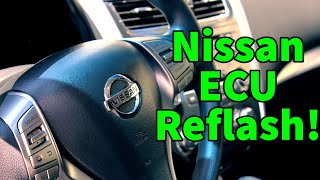
On 2013-2016 Altima 2.5L models, P0116 is often caused by overly sensitive ECM software, which Nissan addressed in TSB NTB16-031. The fix is an ECM reprogram, which should be the first step if no other drivability issues are present. If the software is up to date, the next most likely cause is a failing Engine Coolant Temperature (ECT) sensor or a stuck-open thermostat.
- For a 2013-2016 Nissan Altima with code P0116, first check if TSB NTB16-031 applies. A simple software update, costing around $100-$200, is the most common fix.
- The most common symptom is just the check engine light, with no other noticeable driving problems.
- If a software update isn't needed, the next most likely culprit is a faulty Engine Coolant Temperature (ECT) sensor, which is an affordable and relatively easy part to replace.
- Always check the simple things first, like the coolant level, before buying parts.
What's Unique About the 2013-2016 Nissan ALTIMA
For the 2013-2016 Altima with the QR25DE engine, this code is particularly noteworthy. Nissan issued a specific Technical Service Bulletin (TSB NTB16-031) because the original Engine Control Module (ECM) software was too sensitive. It could trigger the P0116 code and turn on the check engine light even when there were no actual part failures or drivability issues. This makes checking the software version via the ECM part number a critical first step before replacing any parts, as a simple reprogram is often the complete fix.
Diagnostic Flowchart
Tap your situation to follow the diagnostic path that matches what you're seeing on this vehicle.
Symptoms You May Notice
- Check Engine Light (MIL) is on
- Decreased fuel economy
- Inaccurate or erratic temperature gauge reading
- Engine running rough before it warms up
- Cooling fans running continuously or not at all
- Heater not blowing warm air
- Hard starting in cold temperatures
- Replacing the ECT sensor when the actual problem is the ECM software. The TSB for this vehicle makes it clear that a software update is a very common fix and should be investigated first.
- Replacing the thermostat when the ECT sensor is faulty or vice-versa. Watching live data on a scan tool can usually differentiate between a sensor that reads erratically (bad sensor) and one that reads a smooth but slow temperature rise (bad thermostat).
Most Likely Causes
- Outdated Engine Control Module (ECM) Software 🔴 High Probability Nissan TSB NTB16-031 specifically identifies overly sensitive software as a primary cause for this code on this vehicle, often with no other symptoms.
How to confirm: A Nissan dealer or a qualified shop with a CONSULT-III plus scan tool can check the current ECM software part number against the numbers listed in the TSB. The TSB applies if the MIL is on with P0116 and there are no drivability issues.
Typical fix: Reprogramming the ECM to the latest software version. This is often a 1-hour labor charge at a dealership.
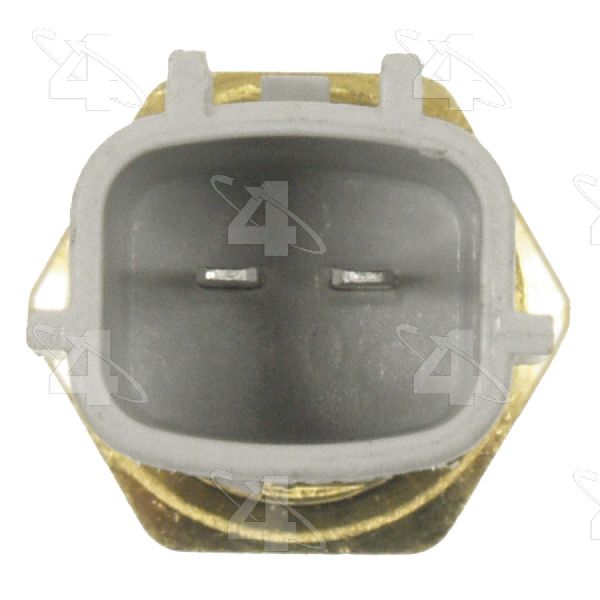
Est. part cost: $0 - Faulty Engine Coolant Temperature (ECT) Sensor 🟡 Medium Probability → Shop Engine Coolant Temperature Sensor Sensors can degrade over time, providing slow or inaccurate readings. It's a common failure point for this code across all vehicles after software issues are ruled out.
How to confirm: Use a scan tool to monitor the ECT reading from a cold start. The temperature should be close to the Intake Air Temperature (IAT) and ambient temperature. It should rise smoothly as the engine warms up. If it jumps, sticks, or doesn't change, the sensor is likely bad. Resistance can also be checked with a multimeter; at 68°F (20°C), it should be between 2,000-3,000 ohms.
Typical fix: Replace the ECT sensor. On the QR25DE, it is located on the driver's side of the engine.
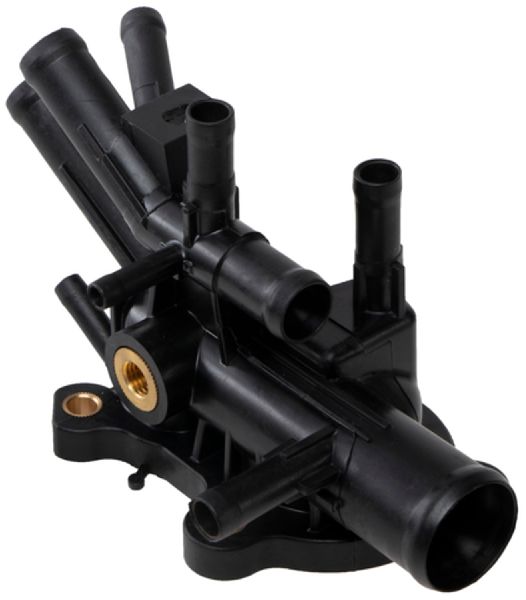
Est. part cost: $25-$75 - Thermostat Stuck Open ⚪ Low Probability → Shop Integrated Thermostat Housing Assembly If the thermostat is stuck open, the engine takes too long to reach operating temperature, which can trigger a P0116 rationality check. This is a common cause for this code in general.
How to confirm: Monitor the ECT data on a scan tool. If the temperature rises very slowly and struggles to reach the normal operating range (typically 180-210°F) during a drive, the thermostat is a likely culprit. You can also feel the upper radiator hose; it should remain cool until the engine warms up and then get hot suddenly.
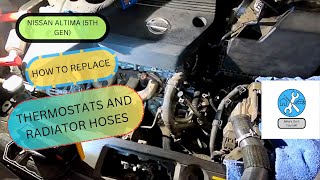
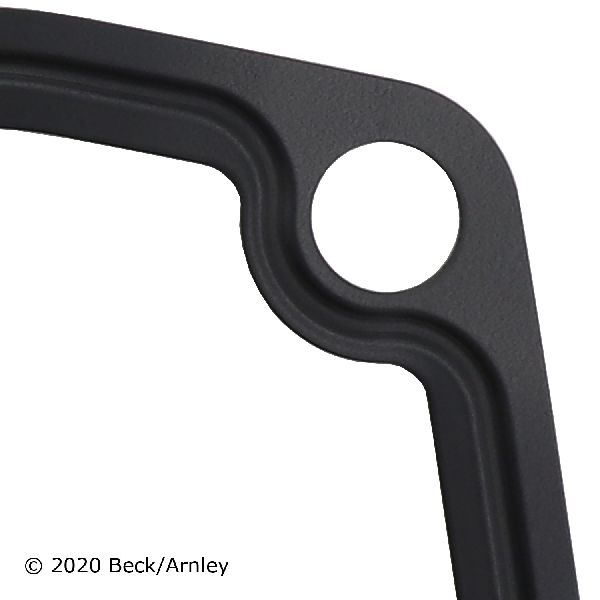
Typical fix: Replace the thermostat and gasket. When installing the new thermostat, ensure the jiggle valve is positioned at the top 🎬 Watch: Step-by-step guide to replacing the thermostat and hoses. (12 o'clock position) to help bleed air from the system.
Est. part cost: $20-$50 - Low Engine Coolant Level ⚪ Low Probability → Shop Engine Coolant / Antifreeze
How to confirm: Visually inspect the coolant reservoir and radiator (when the engine is cold) to ensure the coolant is at the proper level. Air pockets in the system from a low level can cause the sensor to give false readings.
Typical fix: Top off the coolant with the correct Nissan Blue Long Life Antifreeze/Coolant and inspect the system for leaks.
Est. part cost: $15-$30 for coolant
Rare But Worth Checking
- Wiring or Connector Issue: Corrosion or damage to the ECT sensor's wiring harness or connector can cause erratic signals. This should be checked, especially if a new sensor doesn't fix the problem. Inspect the gray connector for corrosion or pushed-out pins.
- Faulty Engine Control Module (ECM): This is very rare. The ECM hardware itself could be faulty, but all other possibilities, especially the software update, must be exhausted before considering ECM replacement.
Diagnosis Steps
- Check for Nissan Technical Service Bulletin NTB16-031. This is the most important first step for this specific vehicle and code. Confirm if it applies by checking the ECM part number with a scan tool against the TSB documentation.
- If the TSB applies and there are no drivability issues, have the ECM reprogrammed by a dealer or qualified shop. This typically costs between $100 and $200.
- If the TSB does not apply or the software is already updated, check the engine coolant level and condition. Ensure it is full and clean.
- Using a scan tool, monitor the live data from the ECT and IAT sensors. When the engine is cold (after an 8-hour soak), the readings should be very close to each other and the ambient air temperature.
- Start the engine and watch the ECT reading. It should climb steadily without any sudden jumps or drop-offs. A slow climb suggests a stuck thermostat; erratic readings suggest a bad sensor or wiring.
- If the sensor reading is erratic, inspect the sensor's connector (a gray plug on the driver's side of the engine) and wiring for any signs of damage, corrosion, or looseness.
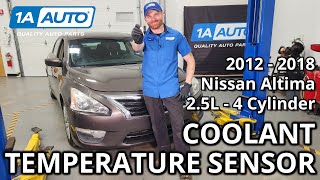
- If the wiring is good but the sensor data is still incorrect, replace the Engine Coolant Temperature sensor. The torque spec for the new sensor is 24.5 ft-lb. 🎬 See this walkthrough for replacing the coolant temperature sensor.
- If the sensor and wiring are good, but the engine warms up very slowly, suspect a thermostat that is stuck open. Replace the thermostat, ensuring the jiggle valve is at the 12 o'clock position.
- After any repair, clear the code and perform a drive cycle to ensure the problem is resolved.
Parts You'll Likely Need
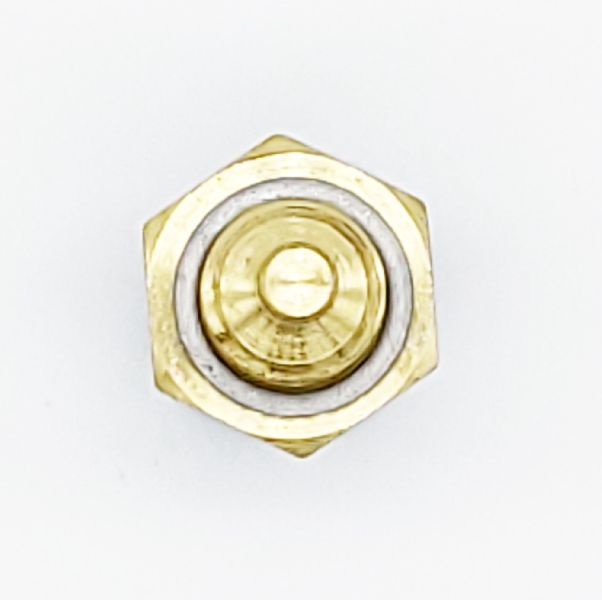
- Engine Coolant Temperature Sensor
(OEM #22630-7Y000)— This sensor is the most common hardware failure for this code after the software issue has been ruled out. It provides the temperature reading to the ECM. This part number may supersede 22630-0M200.
Trusted brands: Nissan (OEM), Hitachi, NTK, Denso
OEM price range: $50-$75
Aftermarket price range: $25-$50 - Engine Coolant Thermostat — If the engine is slow to warm up, the thermostat is likely stuck open. It's a common failure point in cooling systems.
Trusted brands: Nissan (OEM), Gates (e.g., 33941), Stant
OEM price range: $30-$50
Aftermarket price range: $15-$30
Technical Service Bulletins (TSBs) & Recalls
- NTB16-031: "2013-2016 Altima with QR25DE Engine; MIL on with DTC P0116". This TSB advises that if there are no drivability issues, the ECM likely needs to be reprogrammed. It provides a table of old ECM part numbers that are eligible for the update.
Platform-Specific Known Issues
- A primary issue for the 2013-2016 Altima with the QR25DE engine is the ECM's sensitivity. Nissan's TSB NTB16-031 directly addresses that the MIL can illuminate with DTC P0116 stored even when there are no drivability issues, pointing to a necessary software update as the primary fix.
- Owner experiences confirm that dealers often perform the ECM reprogram as the first and only step, which resolves the code. The cost is typically equivalent to one hour of labor.
Helpful Videos

We Have This Part in Stock


The information in this article is provided for general reference and educational purposes only. Vehicle specifications, procedures, and part compatibility can vary by production date, trim level, and region. Always consult your vehicle's factory service manual and verify part numbers before purchasing or performing repairs. Safety-critical components such as airbags, seat belts, and braking systems should be installed by a qualified professional.
- Nissan ALTIMA:
- 🧭 Diagnostic Flowchart
- 🎬 Helpful Videos
- 🛍️ Shop This Part
- What's Unique About the 2013-2016 Nissan ALTIMA
- Symptoms You May Notice
- Most Likely Causes
- Rare But Worth Checking
- Diagnosis Steps
- Parts You'll Likely Need
- Technical Service Bulletins (TSBs) & Recalls
- Platform-Specific Known Issues
- 🎟️ Get 5% Off