

P0116 on 2014-2018 Subaru Forester 2.5L: ECT Sensor, Thermostat, and Software Causes
On a 2014-2018 Forester, P0116 is most often caused by a faulty thermostat stuck open or a failing Engine Coolant Temperature (ECT) sensor. Before replacing parts, check if TSB #11-201-21 applies, as a software update may be the fix, especially if you use a block heater. A new sensor or thermostat costs around $25-$75. Air trapped in the cooling system after service is also a frequent culprit.
- Before buying parts for a P0116 code, first check the coolant level and bleed the system if service was done recently.
- If you use an engine block heater in the cold, the most likely fix is a dealer software update per TSB 11-201-21, not a new part.
- Use a scan tool to watch the live temperature data. A slow warm-up indicates a bad thermostat; an erratic or impossible reading points to a bad sensor.
- This is a DIY-friendly repair, but properly bleeding the air out of the cooling system after the job is critical to prevent the code from returning.
What's Unique About the 2014-2018 Subaru Forester
For this generation of Subaru Forester with the FB25 engine, P0116 has a few well-documented quirks. A primary issue is a software logic flaw, addressed by Technical Service Bulletin (TSB) 11-201-21, which can cause a false P0116 code in cold weather, particularly when an engine block heater is used. The ECM sees warm coolant from the heater but cold air and oil temperatures, flags the conflict, and sets the code. Additionally, the cooling system on the FB25 engine can be challenging to bleed completely; trapped air pockets are a known cause of erratic temperature readings that trigger this code.
Symptoms You May Notice
- Check Engine Light is on
- Temperature gauge behaving erratically (swinging from cold to hot) or reading incorrectly
- Temperature gauge staying on cold for an unusually long time
- Cooling fans running constantly, even when the engine is cold
- Cooling fans not turning on when the engine is hot
- Reduced fuel economy
- Difficulty starting the engine, especially when cold (often associated with the TSB issue)
- Engine may stall or idle roughly after warming up
- Replacing the ECT sensor when the thermostat is actually stuck open. The symptoms can be similar, but monitoring the warm-up time on a scan tool can help differentiate the two.
- Replacing hardware parts (sensor, thermostat) when the actual issue is the software glitch addressed by TSB 11-201-21, especially when a block heater is used in cold climates.
Most Likely Causes
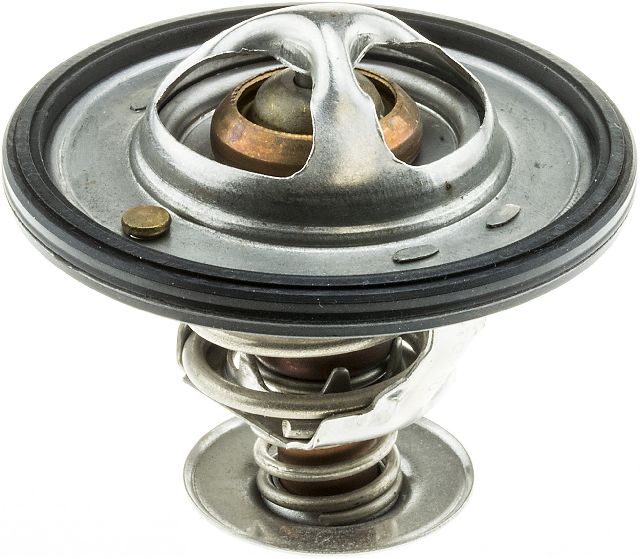
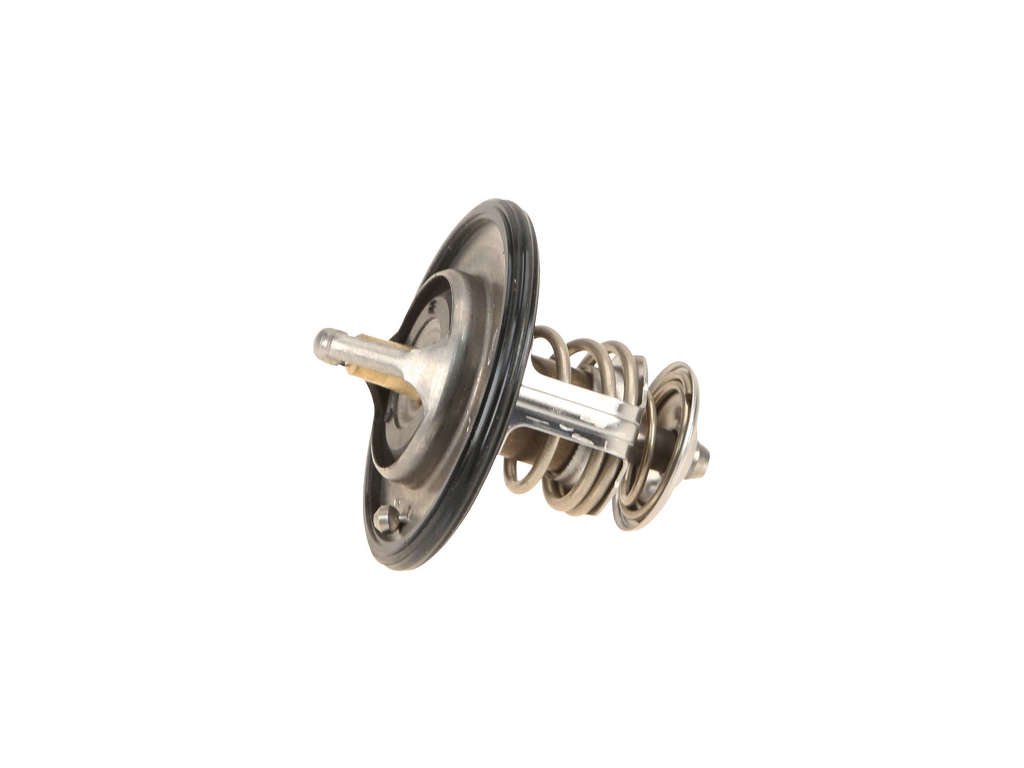
- Faulty Engine Thermostat 🔴 High Probability → Shop Integrated Thermostat Housing Assembly A thermostat stuck in the open position is a very frequent cause of P0116 on modern vehicles, including this Forester. The engine fails to warm up at the rate the ECM expects, causing the computer to flag the sensor's reading as a performance fault.
How to confirm: Use a scan tool to monitor the live engine coolant temperature data. If the engine takes an excessively long time to reach operating temperature (e.g., stays below 170-180°F after 15-20 minutes of highway driving), the thermostat is likely stuck open. You can also feel the upper radiator hose; it should stay cool until the thermostat opens, at which point it will become hot suddenly.
Typical fix: Replace the engine thermostat and gasket. It is critical to properly bleed the cooling system after replacement to prevent air pockets, using a spill-free funnel on an incline is highly recommended.
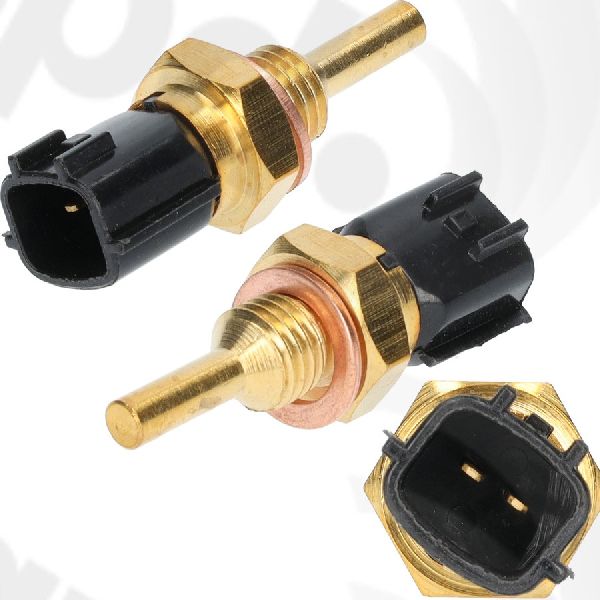
Est. part cost: $20-$50 - Faulty Engine Coolant Temperature (ECT) Sensor 🔴 High Probability → Shop Engine Coolant Temperature Sensor The ECT sensor is a thermistor that can degrade over time, leading to incorrect or erratic signals being sent to the ECM. It is located on the coolant crossover pipe at the front of the engine.
How to confirm: On a completely cold engine (after sitting overnight), use a scan tool to compare the ECT reading with the Intake Air Temperature (IAT) reading. They should be within 2-5°F of each other. If the ECT reading is nonsensical (e.g., -40°F or 250°F on a cold engine) or jumps around while watching live data, the sensor is bad. You can also test the sensor's resistance with a multimeter; at room temperature (68°F / 20°C), it should be between 2,000 and 3,000 ohms.
Typical fix: Replace the ECT sensor. This is often a simple repair requiring only basic tools. Applying dielectric grease to the new connector can help prevent future corrosion.
Est. part cost: $25-$75 - ECM Software Needs Update (TSB 11-201-21) 🟡 Medium Probability Subaru identified a logic flaw where using an accessory engine block heater in cold weather can confuse the ECM. The computer sees warm coolant but cold air and other sensor readings, triggering P0116 and sometimes causing hard starts.
How to confirm: This issue is most likely if the code appears during cold weather and an engine block heater is in use. A Subaru dealer can check if your vehicle's VIN is covered by TSB 11-201-21 and if the software update has been performed by checking the Calibration Identification number (CID).
Typical fix: A Subaru dealership must reprogram the Engine Control Module (ECM) with an updated software file (PAK file).
Est. part cost: $0-$200 (cost varies by dealer, may be free if under warranty) - Low Engine Coolant or Air in the Cooling System 🟡 Medium Probability → Shop Engine Coolant / Antifreeze If the coolant level is low, the sensor may be exposed to air pockets instead of coolant, leading to false readings. The FB25 engine is also known to be somewhat difficult to bleed, making air pockets a common issue after any cooling system service.
How to confirm: Visually inspect the coolant level in the overflow reservoir and the radiator (when the engine is cold). If service was recently performed, the system may need to be bled again using a spill-free funnel with the vehicle's front end elevated to help purge air.
Typical fix: Top off the coolant with the correct Subaru Super Coolant (blue) and properly bleed the system to remove all air.
Est. part cost: $20-$40 (for coolant)
Rare But Worth Checking
- Damaged Wiring or Connector for ECT Sensor: → Shop Engine Coolant Temperature Sensor Although less common than sensor or thermostat failure, it's worth checking. Look for corrosion on the connector pins or any visible damage to the wires leading to the sensor. Wiggling the connector while watching live data on a scan tool can sometimes reveal a poor connection.
- Faulty Engine Control Module (ECM): This is extremely rare. The ECM should only be considered as the cause after all other possibilities, including sensors, thermostat, wiring, and software, have been definitively ruled out.
Diagnosis Steps
- Check the engine coolant level in the reservoir and radiator (only when the engine is completely cool). Top off if low with Subaru Super Coolant.
- If you use an engine block heater in a cold climate, contact a Subaru dealer with your VIN to check for TSB 11-201-21. This software issue is a common cause and should be ruled out early.
- Connect an OBD-II scanner and view live data for the Engine Coolant Temperature (ECT).
- With a cold engine (e.g., sat overnight), compare the ECT reading to the Intake Air Temperature (IAT). They should be within a few degrees (2-5°F) of each other. If the ECT reading is illogical (e.g., -40°F), the sensor or its wiring is faulty.
- Start the engine and monitor the ECT reading as it warms up. If it rises very slowly or never reaches the normal operating range (approx. 180-210°F) after 15+ minutes of driving, the thermostat is likely stuck open.
- If the temperature reading is erratic or jumps around illogically while monitoring live data, the ECT sensor is the most likely culprit.
- Inspect the ECT sensor's electrical connector and nearby wiring for any signs of corrosion, damage, or loose connections. The sensor is on the front coolant crossover pipe.
- If the thermostat was the suspected cause, replace it. If the sensor was the suspected cause, replace it.
- After any repair involving draining coolant, clear the code and perform a drive cycle. It is crucial to properly bleed the cooling system using a spill-free funnel with the vehicle's front end elevated to remove any trapped air, which can cause the code to return.
Parts You'll Likely Need
- Engine Coolant Temperature Sensor
(OEM #22630AA230)— This sensor fails by sending erratic or incorrect temperature readings to the ECM. It's a common failure point and relatively easy to replace. It is located on the front coolant crossover pipe.
Trusted brands: Subaru (Genuine), Denso, NTK
OEM price range: $40-$75
Aftermarket price range: $15-$50 - Engine Coolant Thermostat
(OEM #21210AA181)— Often fails by sticking in the open position, which prevents the engine from warming up properly and triggers the P0116 performance code. Always verify part number with VIN. The OEM thermostat is rated to open at 82°C (180°F).
Trusted brands: Subaru (Genuine), Aisin, Gates, Tama
OEM price range: $30-$50
Aftermarket price range: $20-$40
Related Codes That Often Appear With This One
- P0128 — P0128 (Coolant Thermostat - Coolant Temperature Below Thermostat Regulating Temperature) often appears with P0116 because a thermostat stuck open is a common root cause for both codes, as the engine fails to reach operating temperature in the expected time.
Technical Service Bulletins (TSBs) & Recalls
- TSB #11-201-21: Addresses a logic flaw in the ECM that causes a false P0116 code, often with hard starting, when an engine block heater is used in cold weather. The fix is a dealer-installed software update. According to TSB Bulletin #11-201-21, these new reprogramming files optimize the ECM to address DTC P0116 and hard starting in cold temperature concerns when an accessory engine block heater is utilized.
Platform-Specific Known Issues
- A software update may be required per TSB 11-201-21 if the code appears in cold weather on a vehicle that uses an engine block heater.
- The cooling system can be difficult to bleed; trapped air is a known cause of this code. A spill-free funnel and elevating the front of the vehicle is the recommended procedure.
Mechanic-Grade Diagnostic Values
- ECT Sensor Resistance — expected: Approx. 2,200–3,000 Ω at 20°C (68°F); Approx. 250–350 Ω at 80°C (176°F).. Failure: Readings significantly outside these ranges, or an open/infinite resistance reading, indicate a faulty sensor.
- ECT Sensor Circuit Voltage (at sensor connector, Key On Engine Off) — expected: Reference voltage: ~5V. Signal voltage (cold engine, ~20°C): ~3.0-3.5V. Signal voltage (operating temp, ~80°C): ~1.0-1.3V.. Failure: No reference voltage points to a wiring or ECM issue. Signal voltage that is stuck high (near 5V) or low (near 0V) or does not change with temperature indicates a sensor or wiring fault.
- ECT Sensor Wiring Harness Resistance — expected: Less than 3 Ω on signal and ground circuits between the sensor connector and the ECM connector.. Failure: Resistance higher than 3 Ω indicates excessive resistance in the wire, which can alter the signal.
Scan Tool Commands That Help
- Subaru Select Monitor (SSM) or equivalent professional scan tool: View Live Data (ECT, IAT) — Essential for initial diagnosis. Compare ECT and IAT on a cold-soaked engine to check for sensor rationality. Monitor the ECT reading during warm-up to assess thermostat performance; it should rise steadily without erratic jumps or long plateaus at low temperatures.
- Subaru Select Monitor (SSM): Check Calibration Identification (CID) — Used to verify if the ECM software update from TSB 11-201-21 has been applied. Before performing any hardware replacements, especially if the P0116 code appears in cold weather with block heater use, a dealer can check the CID against the numbers listed in the TSB to confirm if the vehicle has the old or new software.
Wiring & Ground Locations
- GE1 / GE2 — Two ground terminals bolted side-by-side to the top center-rear of the engine block, under the intake manifold.. These are primary engine grounds for the main wiring harness, which includes circuits for the ignition coils, injectors, and various sensors. A poor connection here can introduce electrical noise and voltage drops, potentially causing erratic readings for sensors like the ECT, leading to a P0116 performance code.
- ECT Sensor Connector (E8) — A two-pin connector that plugs into the ECT sensor, which is located on the coolant crossover pipe at the front of the FB25 engine.. This is the direct connection point for the sensor. It is prone to brittleness and corrosion due to heat cycles and its location on top of the engine. A faulty connection here is a common cause of P0116, P0117, or P0118 codes. Checking for 5V reference and a good ground at this connector is a key diagnostic step.
Real Owner Repair Stories
- subaruforester.org forum member (2017 Subaru Forester 2.5i Premium) — Check engine light with P0116, temperature gauge reading normal, fans not running constantly.
❌ Tried (didn't work) Initially suspected thermostat or sensor but wanted to try the easiest fix first.
✅ What actually fixed it The code appeared after a recent coolant drain and fill. The owner re-bled the cooling system using a spill-free funnel with the front of the car on ramps. After a thorough bleeding procedure to remove trapped air, the code was cleared and did not return. This confirmed the root cause was an air pocket in the system, not a faulty part.
OEM Part Supersession History
22630AA161, 22630AA210→22630AA230— Standard part evolution and consolidation across multiple platforms.
Heads up: While older sensors may physically fit, using the specified OEM part number (22630AA230) is critical to ensure the resistance curve matches the ECM's calibration for the FB25 engine. Using an incorrect sensor can cause the P0116 code to persist.
Diagnostic Flowchart
Other Known Issues on This Vehicle
Issues unrelated to this code that are worth knowing about as an owner of this generation:
- Excessive Oil Consumption 🔴 High — Common in early FB25 engines (2011-2014), leading to a class-action lawsuit. Owners report adding a quart of oil every 1,000-2,000 miles. The issue is often caused by faulty piston rings. (Ref: Subaru extended the powertrain warranty to 8 years/100,000 miles for affected vehicles and would perform an oil consumption test. A failed test could result in a new short block replacement.)
- Lineartronic CVT Transmission Problems 🟠 Medium — Issues like shuddering, hesitation, and whining noises can occur, often related to the torque converter or valve body. Problems may appear anywhere from 60,000 to 150,000 miles. (Ref: Subaru extended the CVT warranty to 10 years/100,000 miles for many models, including the 2014-2018 Forester, due to widespread issues.)
- A/C Condenser Failure 🟠 Medium — The A/C condenser is prone to failure from impacts by small road debris, leading to a loss of refrigerant and cooling. This is particularly noted on 2017-2018 models. (Ref: Subaru issued TSB #15-269-20R, extending the warranty on the A/C condenser for all 2017 and some 2018 Foresters to 5 years with unlimited mileage.)
- Catalytic Converter Failure (P0420) 🟡 Low — Premature failure of the catalytic converter can occur, often as a secondary result of the excessive oil consumption issue, which contaminates the catalyst.
Used vs. New Parts: Buying Guide for This Vehicle
When a used part is the smart pick: For this repair, using used parts is generally not recommended. The key components (ECT sensor, thermostat) are inexpensive, wear items. The cost savings of a used part are minimal and not worth the risk of premature failure or inheriting the same problem.
Donor-vehicle mileage cap: roughly under 80000 miles for the part to have meaningful remaining life.
What to inspect on the donor part:
- If considering a used sensor, inspect the connector pins for any signs of green or white corrosion.
- For a used thermostat, there is no reliable visual inspection; it should be avoided.
OEM-only on this vehicle (don't cheap out):
- Engine Coolant Thermostat
Aftermarket brands forum-validated for this vehicle:
- Denso (for ECT Sensor)
- NTK (for ECT Sensor)
- Aisin (for Thermostat)
- Gates (for Thermostat)
Brands owners have reported issues with on this vehicle:
- Ultra-cheap, no-name sensors from online marketplaces often have incorrect resistance curves that will not work with the Subaru ECM and may cause the P0116 code to return immediately.
Real Owner Stories
Aggregated from forums and TSBs cited above. Mileages and costs reflect what owners reported in those sources.
2014-2018 Subaru Forester FB25 2.5L
Symptoms: The ECM detects a conflict between warmed coolant and other sensors when using an accessory engine block heater, causing a fail-safe mode with an improper fuel mixture and hard starting.
What fixed it: A Subaru dealership reprogrammed the Engine Control Module (ECM) with an updated software file (PAK file) per TSB 11-201-21.
Cost: $0-$200
Source hint: TSB #11-201-21
2014-2018 Subaru Forester FB25 2.5L
Symptoms: P0116 and P0128 appeared immediately after a dealer coolant flush.
What fixed it: Properly bleeding the cooling system to remove trapped air pockets.
Source hint: subaruforester.org thread titled 'P0116 and P0128 after dealer coolant flush'
New Subaru Forester FB25
Symptoms: The car would not get to operating temperature while driving in 15-below-zero weather.
What fixed it: Replacement of the engine thermostat which was stuck in the open position.
Source hint: thesubaruforums.com user report
Related OBD-II Codes
Frequently Asked Questions
Does TSB 11-201-21 apply to my 2014-2018 Subaru Forester?
Why did my P0116 code appear immediately after a coolant flush at the dealer?
What type of coolant should I use to top off my Forester to prevent sensor issues?
Can a software update really fix a temperature sensor code?
Where is the ECT sensor located on my 2.5L FB25 engine?
How can I tell if my thermostat is stuck open causing the P0116?
Helpful Videos

We Have This Part in Stock


The information in this article is provided for general reference and educational purposes only. Vehicle specifications, procedures, and part compatibility can vary by production date, trim level, and region. Always consult your vehicle's factory service manual and verify part numbers before purchasing or performing repairs. Safety-critical components such as airbags, seat belts, and braking systems should be installed by a qualified professional.
- Subaru Forester:
- 🧭 Diagnostic Flowchart
- 🎬 Helpful Videos
- 🛍️ Shop This Part
- What's Unique About the 2014-2018 Subaru Forester
- Symptoms You May Notice
- Most Likely Causes
- Rare But Worth Checking
- Diagnosis Steps
- Parts You'll Likely Need
- Related Codes That Often Appear With This One
- Technical Service Bulletins (TSBs) & Recalls
- Platform-Specific Known Issues
- Mechanic-Grade Diagnostic Values
- Scan Tool Commands That Help
- Wiring & Ground Locations
- Real Owner Repair Stories
- OEM Part Supersession History
- Other Known Issues on This Vehicle
- Used vs. New Parts: Buying Guide for This Vehicle
- Real Owner Stories
- 2014-2018 Subaru Forester FB25 2.5L
- 2014-2018 Subaru Forester FB25 2.5L
- New Subaru Forester FB25
- Related OBD-II Codes
- Frequently Asked Questions
- 🎟️ Get 5% Off