

P0116 on 2015-2019 Subaru Legacy: Engine Coolant Temperature Sensor Causes and Fixes
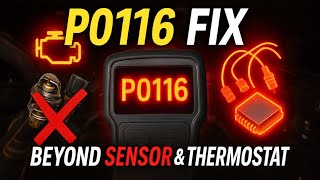
On a 2015-2019 Subaru Legacy with the 2.5L engine, code P0116 is most often caused by a faulty thermostat stuck open or a failing engine coolant temperature (ECT) sensor. A crucial Technical Service Bulletin (TSB 11-201-21) also points to an ECM software update as a primary fix, especially if you use a block heater in cold climates. Before replacing parts, check for this TSB. Expect to pay $25-$75 for a new sensor or thermostat.
- P0116 means the coolant temperature sensor's reading is not changing as the computer expects.
- The most likely hardware culprits are a stuck-open thermostat or a bad coolant temperature sensor.
- Before replacing parts, check your coolant level. Low coolant can cause false readings.
- A crucial vehicle-specific issue is a software bug. If you use a block heater in the cold, you may need an ECM update from a Subaru dealer per TSB #11-201-21.
- A good first diagnostic step is to use a scan tool on a cold engine to see if the coolant temp and air temp readings are nearly identical.
What's Unique About the 2015-2019 Subaru LEGACY
For the 2015-2019 Legacy (and its platform-mate, the Outback), a key issue is a software problem identified by Subaru. Technical Service Bulletin (TSB) #11-201-21 notes that code P0116 and hard starting in the cold can be caused by an ECM software glitch. This is particularly prevalent when an accessory engine block heater is used, as the ECM sees a conflict between the warmed coolant and other cold sensor readings.
Diagnostic Flowchart
Tap your situation to follow the diagnostic path that matches what you're seeing on this vehicle.
Symptoms You May Notice
- Check Engine Light is on
- Temperature gauge behaving erratically, reading low, or in some cases, maxing out in the red.
- Engine is hard to start, especially when cold
- Reduced fuel economy
- Rough or unstable idle
- Heater may not blow hot air
- Cooling fans running constantly or at inappropriate times
- Replacing the ECT sensor when the actual problem is a stuck-open thermostat.
- Replacing hardware parts (sensor, thermostat) when the vehicle requires the ECM software update mentioned in TSB #11-201-21, especially in cold climates.
- Assuming a major engine issue like a head gasket without first checking for low coolant, air in the system, or a faulty thermostat.
Most Likely Causes
- Faulty Engine Thermostat 🔴 High Probability → Shop Integrated Thermostat Housing Assembly A thermostat stuck in the open position is a frequent cause of P0116 on many vehicles, including Subarus. The engine fails to warm up at the rate the ECM expects, causing the computer to blame the sensor's reading. This is a common misdiagnosis for a bad sensor.
How to confirm: Monitor the ECT data on a scan tool. If the engine takes an excessively long time to reach operating temperature (e.g., stays below 170-180°F after 15-20 minutes of highway driving), the thermostat is likely stuck open. The temperature gauge may also drop towards cold when driving at speed and then rise back up when idling.
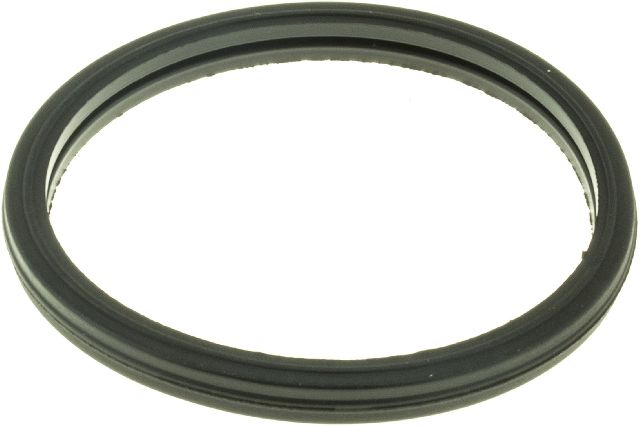
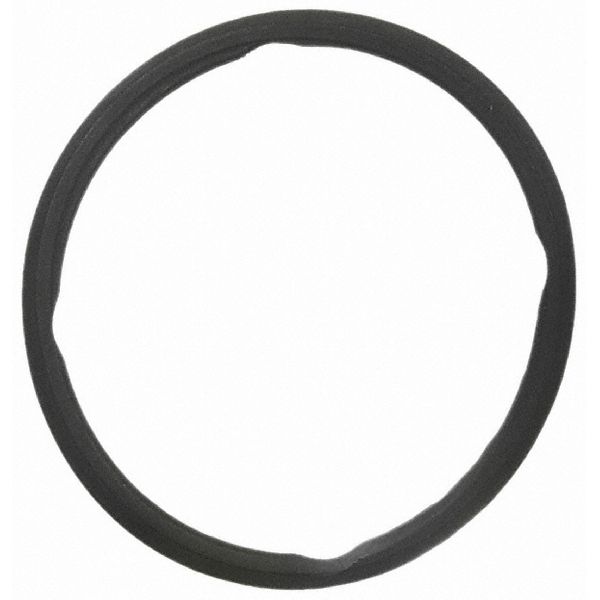
Typical fix: Replace the engine thermostat and gasket. 🎬 See this walkthrough for replacing the thermostat and fixing leaks. It's also a good time to inspect and top off the coolant with Subaru Super Coolant.
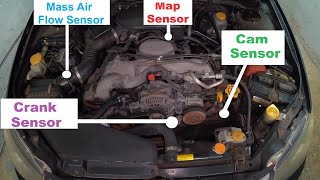
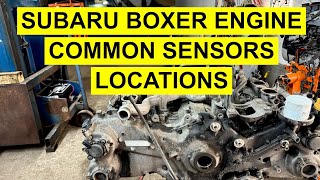
Est. part cost: $25-$75 - Faulty Engine Coolant Temperature (ECT) Sensor 🔴 High Probability → Shop Engine Coolant Temperature Sensor The ECT sensor is a thermistor that can degrade over time, sending erratic or biased signals. On the 2.5L FB25 engine, it is typically located on the coolant crossover pipe near the top front of the engine, making it 🎬 Watch: Locate the ECT and other sensors on your Boxer engine. relatively easy to access.
How to confirm: With the engine cold-soaked (off for several hours), use a scan tool to compare the ECT reading to the Intake Air Temperature (IAT) reading. They should be within 2-5 degrees of each other. If they differ significantly, or if the ECT reading on live data jumps erratically as the engine warms up, the sensor is likely bad.
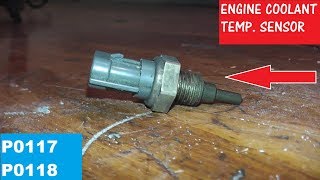
Typical fix: Replace the ECT sensor. Be prepared to 🎬 Watch: How to test and replace a faulty coolant temperature sensor. lose a small amount of coolant. Applying teflon tape to the new sensor's threads is recommended.
Est. part cost: $20-$60 - Outdated Engine Control Module (ECM) Software 🟡 Medium Probability Subaru issued TSB #11-201-21 specifically for this issue, indicating a known software bug. It's especially common for owners using an engine block heater in cold climates, where the ECM gets confused by the pre-warmed coolant.
How to confirm: This must be confirmed by a Subaru dealership or a qualified shop with access to Subaru's service information (Subaru Select Monitor). They can check your vehicle's current software calibration ID against the updated versions listed in the TSB.
Typical fix: The ECM must be reprogrammed (reflashed) with the updated software file. This is often the only fix if the code appears in extreme cold with a block heater.
Est. part cost: $0 (if under warranty) - $200. A dealership diagnostic fee of $100-$150 is common. - Low Engine Coolant Level 🟡 Medium Probability → Shop Engine Coolant / Antifreeze
How to confirm: Visually inspect the coolant level in the overflow reservoir and the radiator (only when the engine is completely cool). If the level is low, the sensor may be exposed to an air pocket, causing inaccurate readings and temperature spikes.
Typical fix: Top off the coolant with the correct Subaru Super Coolant and properly bleed any air from the system. Investigate and repair the source of the coolant leak, as Subarus of this era can be prone to slow leaks.
Est. part cost: $20-$40 for coolant - Damaged Wiring or Connector ⚪ Low Probability
How to confirm: Visually inspect the wiring harness and connector for the ECT sensor. Look for any signs of corrosion, frayed wires, or loose pins. Wiggle the connector with the engine running while watching live data on a scan tool to see if the reading fluctuates, indicating a poor connection.
Typical fix: Repair the damaged section of wiring or replace the connector pigtail. Clean any corrosion from the connector pins and apply dielectric grease.
Est. part cost: $15-$50
Rare But Worth Checking
- Failing Water Pump: → Shop Engine Water Pump A water pump with eroded fins may not circulate coolant effectively at idle, but may work better at higher RPM. This can cause strange temperature fluctuations that could trigger a P0116. While less common, it's a known issue on higher mileage Subarus.
- Internal ECM Fault: In very rare cases, the fault can be with the Engine Control Module itself. This should only be considered after all other possibilities, including the TSB, have been exhaustively ruled out by a professional.
Diagnosis Steps
- Check for other Diagnostic Trouble Codes (DTCs) and check freeze frame data to see the conditions under which the code was set.
- With the engine completely cold, visually inspect the coolant level in the overflow reservoir and the radiator. Ensure it is full.
- Connect a scan tool and view live data. Compare the Engine Coolant Temperature (ECT) and Intake Air Temperature (IAT) readings. On a cold-soaked engine, they should be within 2-5 degrees Fahrenheit of each other.
- Start the engine and monitor the ECT reading as it warms up. The temperature should rise steadily without any sudden jumps or drops. Erratic behavior points to a faulty sensor or wiring.
- If the temperature rises very slowly and struggles to reach the normal operating range (approx. 180-210°F), or drops significantly on the highway, the thermostat is likely stuck open.
- If the sensor readings seem illogical, inspect the ECT sensor's electrical connector and wiring for any signs of damage, corrosion, or looseness. Wiggle the harness to check for intermittent faults.
- If you use an engine block heater and experience this code in cold weather, consult a dealer about TSB #11-201-21 for a potential ECM software update. This is a critical step for this specific platform.
- If the thermostat is confirmed good and the software is up-to-date, test or replace the ECT sensor.
- After any repair involving draining coolant, ensure the system is properly bled to remove air pockets, which can cause this code to return.
Parts You'll Likely Need
- Engine Coolant Temperature Sensor
(OEM #22630AA230)— This sensor is a primary cause of failure, sending irrational signals to the ECM. It's a common wear item and relatively inexpensive to replace.
Trusted brands: Subaru (Genuine), Denso, NGK, Standard Motor Products (SMP)
OEM price range: $40-$60
Aftermarket price range: $20-$40 - Engine Thermostat
(OEM #21210AA260)— A thermostat stuck in the open position is a very common cause, as it prevents the engine from warming up correctly, which the ECM interprets as a sensor performance issue. OEM is often recommended for thermostats.
Trusted brands: Subaru (Genuine OEM), Aisin, Gates, Motorad
OEM price range: $30-$50
Aftermarket price range: $25-$40
Related Codes That Often Appear With This One
- P0128 — P0128 (Coolant Temperature Below Thermostat Regulating Temperature) is often seen with P0116 because a stuck-open thermostat is a common cause for both codes, as the engine fails to reach its expected operating temperature in the time allotted by the ECM.
Technical Service Bulletins (TSBs) & Recalls
- 11-201-21: Announces availability of ECM reprogramming files to address DTC P0116 and cold-start issues when a block heater is used.
Platform-Specific Known Issues
- Subaru Technical Service Bulletin #11-201-21 addresses DTC P0116 specifically. It states that reprogramming files for the ECM are available to fix this code, especially if an accessory engine block heater is used in cold temperatures.
Mechanic-Grade Diagnostic Values
- ECT Sensor Resistance (Cold Engine) — expected: 2,000 - 3,000 Ω (Ohms) at 20°C / 68°F.. Failure: Resistance is significantly outside this range, or shows an open/short circuit.
- ECT Sensor Resistance (Warm Engine) — expected: 200 - 300 Ω (Ohms) at 90°C / 194°F.. Failure: Resistance does not drop into this range as the engine warms up, indicating a faulty thermistor.
- ECT Sensor Signal Voltage (Cold Engine) — expected: 2.0V - 3.0V at Key-On, Engine-Off after a cold soak.. Failure: Voltage is close to 5V (open circuit) or 0V (short circuit).
- ECT Sensor Signal Voltage (Warm Engine) — expected: Approximately 0.5V at normal operating temperature.. Failure: Voltage does not decrease smoothly as the engine warms or stays high, pointing to a sensor or thermostat issue.
- ECT Sensor Wiring Harness Resistance — expected: Less than 3 Ω on both the signal and ground circuits between the sensor connector and the ECM connector.. Failure: Resistance higher than 3 Ω indicates corrosion or a damaged wire, which can alter the sensor reading.
Wiring & Ground Locations
- E8 — The electrical connector for the Engine Coolant Temperature sensor on the 2.5L non-turbo engine.. This is the direct connection point for the sensor. A poor connection, corrosion, or damaged pins at connector E8 will directly cause faulty readings and trigger P0116. The wiring diagram shows a Brown/White (BrW) wire and a Yellow/Green (YG) wire for the 2.5L model.
- Engine Block Grounds — Multiple ground points exist on the engine block and intake manifold. Key locations include a ground cable from the battery negative terminal to the engine block near the starter, and smaller ground wires bolted to the top of the intake manifold.. The ECT sensor circuit relies on a clean ground path back to the battery. A corroded or loose engine ground can create a voltage offset, causing the ECM to misinterpret the sensor's resistance and trigger a P0116 code.
- Chassis Grounds — Ground straps connect the engine to the chassis, typically on the strut towers or firewall. For example, on the Legacy platform, ground wires are often found on the bracket in front of the master brake cylinder.. A poor engine-to-chassis ground can force sensor return paths through other, less reliable routes, introducing noise and incorrect readings for the ECT sensor and others.
Real Owner Repair Stories
- subaruoutback.org forum user (2016 Subaru Outback 2.5i (platform-mate to Legacy with same engine/issue)) — P0116 code appeared in very cold weather (-25°F) after using a block heater.
❌ Tried (didn't work) Dealer performed the ECM reflash as per TSB 11-201-21. The code returned the next day under similar cold conditions.
✅ What actually fixed it Replacing the engine thermostat. The user theorized the original thermostat was opening slightly too soon or was slow to react in the extreme cold, causing the coolant temperature to fall out of the newly-reprogrammed ECM's expected range. After replacing the thermostat, the code did not return.
When the Usual Fixes Don't Work
- While the TSB for an ECM reflash is a critical step, especially when a block heater is used, it is not a guaranteed fix. As seen in a real-world repair story, a user had the TSB performed by a dealer, but the P0116 code returned. The ultimate fix in that case was a new thermostat, suggesting that a marginal hardware component can still be the root cause even when symptoms perfectly match the TSB description.
OEM Part Supersession History
22630AA230→No supersession found. This part number remains current for the specified vehicle range.— N/A21210AA260→No supersession found. This part number remains current for the specified vehicle range.— N/A
Helpful Videos
We Have This Part in Stock


The information in this article is provided for general reference and educational purposes only. Vehicle specifications, procedures, and part compatibility can vary by production date, trim level, and region. Always consult your vehicle's factory service manual and verify part numbers before purchasing or performing repairs. Safety-critical components such as airbags, seat belts, and braking systems should be installed by a qualified professional.
- Subaru LEGACY:
- 🧭 Diagnostic Flowchart
- 🎬 Helpful Videos
- 🛍️ Shop This Part
- What's Unique About the 2015-2019 Subaru LEGACY
- Symptoms You May Notice
- Most Likely Causes
- Rare But Worth Checking
- Diagnosis Steps
- Parts You'll Likely Need
- Related Codes That Often Appear With This One
- Technical Service Bulletins (TSBs) & Recalls
- Platform-Specific Known Issues
- Mechanic-Grade Diagnostic Values
- Wiring & Ground Locations
- Real Owner Repair Stories
- When the Usual Fixes Don't Work
- OEM Part Supersession History
- 🎟️ Get 5% Off