

P0116 on 2015-2019 Subaru Legacy 2.5L: Coolant Temp Sensor Causes and Fixes
On a 2015-2019 Subaru Legacy, P0116 is most often caused by a faulty thermostat stuck open or a failing engine coolant temperature (ECT) sensor. However, a crucial first check is for Subaru TSB #11-201-21, which indicates an ECM software update may be the real fix, especially if you use a block heater in the cold. A new thermostat or sensor costs around $25-$75.
- Before buying any parts, investigate Subaru TSB #11-201-21. If you get this code in very cold weather, the fix may be a simple software update from the dealer.
- The two most common hardware failures are a stuck-open thermostat or a bad ECT sensor.
- A simple diagnostic test with a scan tool can usually pinpoint the problem: slow warm-up time points to the thermostat, while erratic readings point to the sensor.
- Always check your coolant level first, as low coolant can cause false readings and trigger this code.
- This is a DIY-friendly repair with a difficulty of 2 out of 5. The parts are accessible and relatively inexpensive.
What's Unique About the 2015-2019 Subaru Legacy
For the sixth-generation Subaru Legacy and its platform mates (Outback, Forester), a key issue is a software glitch identified by Subaru. Technical Service Bulletin (TSB) #11-201-21 notes that code P0116, sometimes paired with hard starting in cold weather, can be caused by an ECM logic error. This is especially common if an engine block heater is used, as the ECM sees a conflict between the pre-warmed coolant and other cold sensor readings (like IAT), misinterpreting it as a sensor performance fault and triggering the code. Therefore, checking for this TSB before replacing hardware is critical for this platform. For the 2019 model year specifically, a faulty Thermo Control Valve (TCV) can also cause this code and has an extended warranty from Subaru.
Symptoms You May Notice
- Check Engine Light is on
- Temperature gauge fluctuating, reading incorrectly, or pegged in the red or cold
- Cooling fans running constantly, even when the engine is cold
- Reduced fuel economy
- Engine hesitation or running rough
- Hard starting, especially in cold weather
- Heater not blowing warm air
- Replacing the ECT sensor when the actual problem is a thermostat that is stuck open. Monitoring the engine warm-up time is key to differentiating these two causes.
- Replacing hardware (sensor or thermostat) when the root cause is the ECM software glitch described in TSB 11-201-21, especially in cold climates with block heater use.
- Repeatedly replacing parts when the true cause is trapped air in the cooling system from an improper bleeding procedure.
Most Likely Causes
- Faulty Engine Thermostat 🔴 High Probability → Shop Integrated Thermostat Housing Assembly A thermostat stuck in the open position is a frequent cause of P0116 on many modern vehicles, including Subarus. The engine fails to warm up at the rate the ECM expects, causing the computer to flag the sensor's reading as a performance fault. The OEM thermostat is rated to open at 82°C (180°F).
How to confirm: Use a scan tool to monitor live ECT data. If the engine takes an excessively long time to reach operating temperature (e.g., stays below 170-180°F after 15-20 minutes of driving), the thermostat is likely stuck open. This is the most common way to differentiate a bad thermostat from a bad sensor.
Typical fix: Replace the engine thermostat and gasket. It's recommended to use an OEM part (21210AA260) to ensure the correct opening temperature. When installing, ensure the thermostat's 'jiggle pin' is oriented at the 12 o'clock position to allow air to bleed out of the system properly. Drain and refill the coolant at the same time and properly bleed the system.
Est. part cost: $25-$50 - Failing Engine Coolant Temperature (ECT) Sensor 🟡 Medium Probability → Shop Engine Coolant Temperature Sensor
How to confirm: On a cold engine, use a scan tool to compare the ECT and Intake Air Temperature (IAT) readings. They should be within a few degrees of each other. If the ECT reading is illogical (e.g., -40°F or 250°F on a cold start) or jumps erratically as the engine warms up, the sensor is likely bad. The sensor is located on the coolant crossover pipe at the front of the engine.
Typical fix: Replace the engine coolant temperature sensor. Ensure the new sensor has a good seal.
Est. part cost: $20-$60 - ECM Software Logic Error 🟡 Medium Probability As per Subaru TSB #11-201-21, the ECM software can misinterpret sensor data, especially when an engine block heater is used in cold climates, leading to a false P0116 code. This has been confirmed by many owners in northern climates.
How to confirm: If the code appears primarily in very cold weather, especially after using a block heater, this is the likely cause. A Subaru dealership can check if your vehicle's ECM has the latest software version by referencing its Calibration Identification number (CID).
Typical fix: The ECM needs to be reprogrammed (reflashed) with updated software by a Subaru dealer or a qualified shop with Subaru-specific tools (SSM4).
Est. part cost: $0 (if under warranty), $100-$250 for labor - Low Engine Coolant Level / Air in System ⚪ Low Probability → Shop Engine Coolant / Antifreeze The FB25 engine is known to be difficult to bleed completely after a coolant service. Air pockets trapped in the system can cause the ECT sensor to read air instead of coolant, leading to erratic signals and a P0116 code.
How to confirm: Visually inspect the coolant level in the overflow reservoir and the radiator (when the engine is cold). If the level is low, the sensor may be exposed to air pockets, causing erratic readings. This can also happen after incomplete bleeding of the cooling system following service. A key symptom of air in the system is a heater that does not blow warm air.
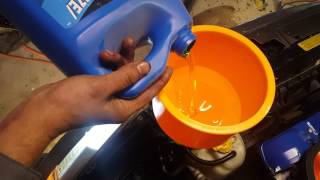
Typical fix: Top off the coolant with the correct Subaru Super Coolant and properly bleed the system. The recommended procedure involves using a spill-free funnel on the radiator, jacking up the front of the vehicle to make the radiator the highest point, and running the engine until the cooling fans cycle multiple times to purge all air. 🎬 Watch: How to properly bleed air from your Subaru cooling system
Est. part cost: $20-$30 for coolant
Rare But Worth Checking
- Damaged Wiring or Connector: Although less common than part failure, the wiring harness or connector for the ECT sensor can become corroded or damaged, causing an intermittent or lost signal. Check for green corrosion on the pins or any visible wire damage before replacing the sensor. Wiggling the connector while watching live data can sometimes reveal a bad connection.
- Poor Engine Ground: On Subarus, the ECU grounds are critically tied to the intake manifold. If the manifold-to-chassis or manifold-to-block ground connection is poor or corroded, it can introduce electrical noise and cause intermittent sensor faults, including P0116. This is more common on modified vehicles (e.g., with TGV deletes) but can occur from corrosion over time.
Diagnosis Steps
- Check for TSBs: First, determine if TSB #11-201-21 applies to your vehicle, especially if you live in a cold climate and use a block heater. An ECM reflash may be the only fix needed. For 2019 models, also be aware of the extended warranty for the Thermo Control Valve (TCV).
- Check Coolant Level: Ensure the engine coolant is at the proper level in both the radiator (when cold) and the overflow tank. Low coolant or air pockets can cause this code.
- Scan Tool Live Data Check (Cold Engine): Connect an OBD-II scanner. With the engine cold, compare the Engine Coolant Temperature (ECT) and Intake Air Temperature (IAT) readings. They should be within 5°F (3°C) of each other and ambient temperature.
- Scan Tool Live Data Check (Warm-Up): Start the engine and monitor the ECT reading. It should climb steadily and smoothly. If it jumps around erratically, the sensor or its wiring is likely faulty. If it climbs very slowly and struggles to reach normal operating temperature (approx. 180-210°F), the thermostat is likely stuck open.
- Inspect Wiring: Visually inspect the ECT sensor's wiring and connector for any signs of corrosion, damage, or loose connections. The sensor is on the front coolant crossover pipe. Pay special attention to the main engine ground straps, particularly the one on the intake manifold.
- Test the Sensor (Optional): If you have a multimeter, unplug the sensor and measure its resistance. At around 68°F (20°C), it should be between 2,000-3,000 ohms. The resistance should decrease as the sensor is heated. You can also test the connector for a 5V reference signal with the key on, engine off.
- Replace the Likely Component: Based on the diagnostic steps, replace the most likely failed part—typically the thermostat for slow warm-up issues or the ECT sensor for erratic/illogical readings. If the TSB conditions match, prioritize the ECM reflash.
Parts You'll Likely Need
- Engine Coolant Thermostat
(OEM #21210AA260)— A stuck-open thermostat is a very common cause for P0116, as it prevents the engine from warming up at the rate the ECM expects. OEM is recommended to ensure the correct 82°C / 180°F opening temperature.
Trusted brands: Subaru (OEM), Aisin, Gates
OEM price range: $30-$45
Aftermarket price range: $20-$35 - Engine Coolant Temperature Sensor
(OEM #22630AA230)— The sensor itself can fail, sending erratic or incorrect temperature data to the ECM. It is located on the front coolant crossover pipe.
Trusted brands: Subaru (OEM), Denso, NTK
OEM price range: $40-$60
Aftermarket price range: $20-$40
Technical Service Bulletins (TSBs) & Recalls
- TSB Bulletin #11-201-21: This bulletin announces availability of reprogramming files to optimize the Engine Control Module (ECM) to address DTC P0116 and hard starting in cold temperature concerns when an accessory engine block heater is utilized. Source: NHTSA ID #10188163.
Platform-Specific Known Issues
- Subaru TSB #11-201-21 identifies an ECM logic flaw that can trigger P0116 in cold weather, particularly when an engine block heater is used. The fix requires a software update from a dealer.
- The FB25 engine cooling system can be difficult to bleed, often trapping air and causing false P0116 codes if not serviced with a specific procedure (using a spill-free funnel and elevating the front of the car).
Mechanic-Grade Diagnostic Values
- ECT Sensor Resistance — expected: 2,000 - 3,000 Ohms (Ω) at 68°F (20°C). Failure: A reading far outside this range, or an open/infinite reading, indicates a failed sensor.
- ECT Sensor Connector Voltage (KOEO) — expected: Approximately 5.0 Volts on the reference wire.. Failure: No voltage suggests a wiring problem or an issue with the ECM's 5V reference circuit.
Wiring & Ground Locations
- ECT Sensor Connector — On the coolant crossover pipe at the front of the engine.. This is a 2-pin connector. One pin is the 5V reference from the ECM, and the other is the signal ground. Corrosion or damage here will directly cause a fault.
- Primary ECU Ground — On the top of the intake manifold.. The ECU for the entire engine management system relies on this ground point. A poor connection here can cause erratic behavior in multiple sensors, including the ECT, leading to false codes. This is a known issue, especially if TGV spacers/deletes have been installed.
Real Owner Repair Stories
- Reddit user MiddleThinker on r/subaru (2015 Subaru Outback 3.6L (platform-mate with same TSB)) — Recurrent P0116 code and temperature gauge pegged in the red only during extreme cold (~40 below zero). The code would disappear when the vehicle warmed up.
❌ Tried (didn't work) Replacing the engine coolant temperature sensor
✅ What actually fixed it The confirmed fix was having the dealer perform the ECM software update specified in Subaru TSB #11-201-21, which addresses a logic error when an engine block heater is used in extreme cold.
"I Checked Everything" — The Actual Cause
- A common scenario for P0116 is when both the thermostat and sensor test as functional, but the code persists. The cause is often trapped air in the cooling system due to an improper bleeding procedure. Subaru FB-series engines are notoriously difficult to bleed and require a spill-free funnel and elevating the front of the vehicle to fully purge air pockets that can cause the ECT sensor to give false readings.
Model Year Variations Within This Range
- 2019: For the 2019 model year, Subaru introduced a more complex Thermo Control Valve (TCV). This component can fail and produce symptoms identical to a bad ECT sensor or thermostat, including a P0116 code. Subaru has issued an extended warranty (15 years / 150,000 miles) for this specific part due to high failure rates.
Diagnostic Flowchart
Used vs. New Parts: Buying Guide for This Vehicle
When a used part is the smart pick: For this repair, using used parts is generally not recommended. The cost of new, quality aftermarket or OEM parts is low, and the labor involved makes it unwise to risk using a part with an unknown history.
Donor-vehicle mileage cap: roughly under 50000 miles for the part to have meaningful remaining life.
What to inspect on the donor part:
- For an ECT sensor, there are no reliable visual cues. It's an electronic component whose failure mode is internal.
- For a thermostat, avoid any parts with visible corrosion or signs of overheating. However, its internal function cannot be verified visually.
- If considering a used part, source it from a vehicle with the lowest possible mileage and no signs of a front-end collision or overheating.
OEM-only on this vehicle (don't cheap out):
- Engine Coolant Thermostat: Strongly recommended to use OEM (Part #21210AA260). The precise opening temperature (82°C/180°F) is critical for the ECM's rationality checks. Aftermarket thermostats may have slightly different temperature ratings that can still trigger a P0116 code.
Aftermarket brands forum-validated for this vehicle:
- Denso (for ECT Sensor)
- NTK (for ECT Sensor)
- Aisin (for Thermostat)
Brands owners have reported issues with on this vehicle:
- Unnamed, 'white-box' or ultra-low-cost sensors and thermostats from online marketplaces have a high rate of being out-of-spec from the factory, leading to immediate or premature failure.
Real Owner Stories
Aggregated from forums and TSBs cited above. Mileages and costs reflect what owners reported in those sources.
2015 Subaru Outback 2.5L
Symptoms: Recurrent P0116 code appears in -40°F weather and disappears once the car warms up, even after the ECT sensor was replaced.
What fixed it: The symptoms are a classic example of the issue described in TSB #11-201-21, which requires an ECM reflash to correct the software logic.
Source hint: Reddit r/subaru - 'Looking for help' (Feb 2023)
Subaru with FB25 engine
Symptoms: P0116 and P0128 codes appeared immediately after a thermostat replacement.
What fixed it: The likely cause was identified as either incorrect installation (improper jiggle pin orientation) or using a non-OEM thermostat with the wrong temperature rating.
Source hint: Reddit r/AskMechanics - 'P0128 and P0116 after new thermostat' (Nov 2023)
Related OBD-II Codes
Frequently Asked Questions
I live in a cold climate and use a block heater on my 2015 Legacy. Does TSB #11-201-21 apply to my P0116 code?
How can I tell if my P0116 is caused by a bad thermostat or a bad ECT sensor on my Legacy?
I'm replacing the thermostat on my FB25 engine to fix P0116. Is there a specific part or installation tip I should know?
I just replaced my coolant and now have a P0116 code. What went wrong?
My check engine light is on with P0116 and my heater isn't blowing warm air. Are these related?
Where is the Engine Coolant Temperature (ECT) sensor located on the 2.5L FB25 engine?
Helpful Videos
We Have This Part in Stock


The information in this article is provided for general reference and educational purposes only. Vehicle specifications, procedures, and part compatibility can vary by production date, trim level, and region. Always consult your vehicle's factory service manual and verify part numbers before purchasing or performing repairs. Safety-critical components such as airbags, seat belts, and braking systems should be installed by a qualified professional.
- Subaru Legacy:
- 🧭 Diagnostic Flowchart
- 🎬 Helpful Videos
- 🛍️ Shop This Part
- What's Unique About the 2015-2019 Subaru Legacy
- Symptoms You May Notice
- Most Likely Causes
- Rare But Worth Checking
- Diagnosis Steps
- Parts You'll Likely Need
- Technical Service Bulletins (TSBs) & Recalls
- Platform-Specific Known Issues
- Mechanic-Grade Diagnostic Values
- Wiring & Ground Locations
- Real Owner Repair Stories
- "I Checked Everything" — The Actual Cause
- Model Year Variations Within This Range
- Used vs. New Parts: Buying Guide for This Vehicle
- Real Owner Stories
- 2015 Subaru Outback 2.5L
- Subaru with FB25 engine
- Related OBD-II Codes
- Frequently Asked Questions
- 🎟️ Get 5% Off