

P0116 on 2015-2019 Subaru Outback: ECT Sensor, Thermostat, and Software Fixes
On a 2015-2019 Subaru Outback, code P0116 is often caused by a faulty thermostat, a bad engine coolant temperature (ECT) sensor, or a software glitch, especially if a block heater is used. A software update from a dealer may be required, but often the fix is a new thermostat or sensor for under $100 in parts.
- For the 2015-2019 Subaru Outback, P0116 is most often caused by a stuck-open thermostat, a bad ECT sensor, or a specific software glitch.
- If you use an engine block heater in a cold climate, the first step should be to check with a Subaru dealer about TSB 11-201-21 for a potential software update.
- A simple way to start diagnosis is to use a scan tool to watch the coolant temperature rise. If it's very slow to warm up, the thermostat is the primary suspect.
- Always check the coolant level first; a low level or air in the system can cause this code and is a simple fix.
- This is a DIY-friendly repair for those comfortable with basic tools, with the exception of the ECM reprogram, which requires a dealer.
What's Unique About the 2015-2019 Subaru OUTBACK
A unique issue for this generation of Subaru Outback (and other models with the 3.6L engine) is a known software problem that can trigger a P0116 code, particularly in very cold weather when an accessory engine block heater is used. The pre-warmed coolant conflicts with what the ECM expects to see based on other cold sensor readings, causing it to enter a fail-safe mode. This specific issue is addressed by Technical Service Bulletin (TSB) 11-201-21, which calls for an ECM software update.
Diagnostic Flowchart
Tap your situation to follow the diagnostic path that matches what you're seeing on this vehicle.
Symptoms You May Notice
- Check Engine Light is on
- Hard starting, especially in cold weather.
- Temperature gauge behaves erratically or reads incorrectly (e.g., maxed out hot when the engine is cold). This is often a fail-safe reaction by the ECM to an implausible sensor reading, not a sign of actual overheating.
- Reduced fuel economy.
- Engine may run rough or hesitate.
- Heater may not blow warm air, especially if the thermostat is stuck open.
- Replacing the ECT sensor when the actual problem is a stuck-open thermostat. It's crucial to diagnose whether the engine is warming up too slowly (thermostat) versus the sensor giving an irrational reading from the start (sensor).
- Repeatedly replacing the ECT sensor on a 3.6L model used in a cold climate without addressing the underlying software issue related to block heater use, as described in TSB 11-201-21.
Most Likely Causes
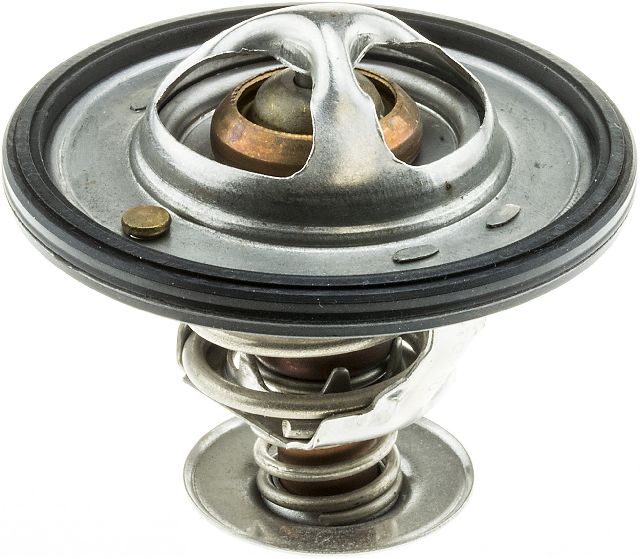
- Faulty Thermostat 🔴 High Probability → Shop Integrated Thermostat Housing Assembly A thermostat stuck in the open position is a frequent cause for this code on many vehicles. It prevents the engine from warming up at the rate the ECM expects, triggering the 'performance' aspect of the P0116 code because the engine stays too cool for too long.
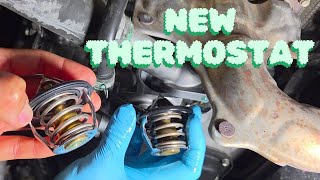
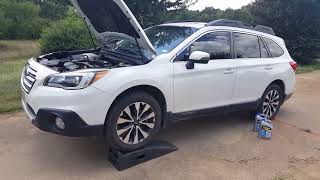
How to confirm: Use a scan tool to monitor the ECT sensor data. If the engine takes an excessively long time to reach operating temperature (approx. 180-210°F) or the temperature drops significantly at highway speeds, the thermostat is likely stuck open. The thermostat on the 2.5L engine is located where the lower radiator hose connects to the engine block. 🎬 See this walkthrough for replacing the 2.5L thermostat.
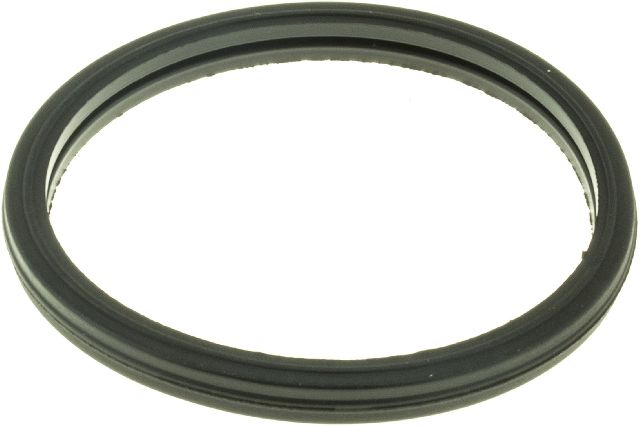
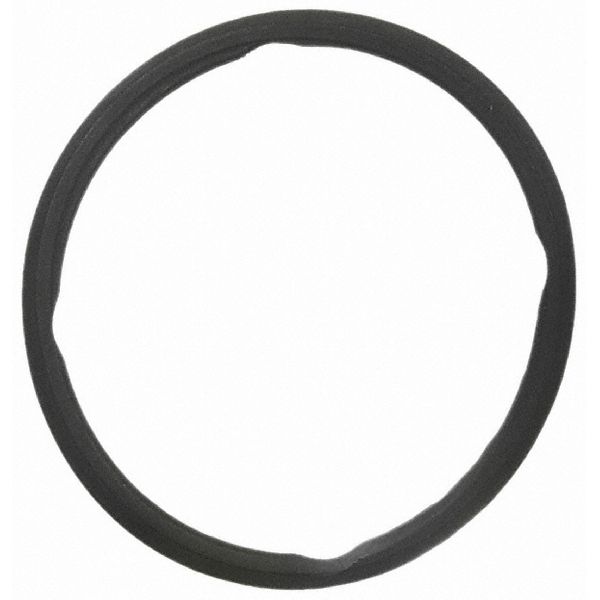
Typical fix: Replace the thermostat and gasket. It's also a good time to inspect the coolant and top it off or replace it if necessary. Always use a new gasket and properly bleed the system of air after the repair.
Est. part cost: $25-$75 - Faulty Engine Coolant Temperature (ECT) Sensor 🟡 Medium Probability → Shop Engine Coolant Temperature Sensor Sensors can fail over time, providing incorrect or erratic readings to the ECM. This can cause the computer to think the engine is hot when it's cold, or vice-versa.
How to confirm: With a cold engine, use a scan tool to compare the ECT reading with the Intake Air Temperature (IAT) reading. They should be within a few degrees of each other. If the ECT reading is illogical (e.g., 250°F on a cold engine), the sensor is bad. You can also test the sensor's resistance with a multimeter.
Typical fix: Replace the ECT sensor. Be prepared to lose a small amount of coolant during the swap. The sensor is typically located near the thermostat housing.
Est. part cost: $20-$60 - ECM Software Requires Update (Block Heater Issue) 🟡 Medium Probability As documented in TSB 11-201-21, using an engine block heater on 3.6L models can cause the ECM to see a conflict between the warm coolant and other cold sensors, triggering P0116 and hard starting. This is a known software logic issue confirmed by owner experiences.
How to confirm: This is the likely cause if the code appears primarily in very cold weather on a 3.6L Outback and an engine block heater is being used. A Subaru dealer can confirm if TSB 11-201-21 applies to your vehicle's VIN and if the update has been performed.
Typical fix: A Subaru dealership or a qualified shop with Subaru-specific tools needs to reprogram the Engine Control Module (ECM) with the updated software file mentioned in the TSB.
Est. part cost: $0-$200 (Labor for reprogramming) - Low Engine Coolant or Air in the System ⚪ Low Probability → Shop Engine Coolant / Antifreeze If the coolant level is low, the ECT sensor may be exposed to an air pocket instead of coolant, causing erratic readings. This can happen after a cooling system repair if it wasn't properly bled, a common issue on boxer engines.
How to confirm: Visually inspect the coolant level in the reservoir and radiator (when the engine is cold). If the level is low, there is a leak that needs to be found and repaired.
Typical fix: Top off the coolant and properly bleed the system to remove any air pockets. A spill-free funnel is highly recommended for this process on Subarus. Find and repair the source of any leaks.
Est. part cost: $15-$30 (for coolant) - Wiring or Connector Issue ⚪ Low Probability Wires leading to the ECT sensor can become damaged, or the connector pins can corrode, leading to a poor or out-of-range signal.
How to confirm: Visually inspect the wiring harness and connector for the ECT sensor. Check for breaks, corrosion, or loose pins. Use a multimeter to check for the correct reference voltage (usually 5V) and ground at the connector.
Typical fix: Repair the damaged section of wiring or clean/replace the connector pigtail.
Diagnosis Steps
- Check for any other stored trouble codes.
- With the engine cold, visually inspect the coolant level in the overflow reservoir and radiator. Ensure it is full.
- Inspect the ECT sensor's electrical connector and wiring for any signs of damage, corrosion, or looseness.
- Connect a scan tool and view live data. Compare the Engine Coolant Temperature (ECT) and Intake Air Temperature (IAT) readings on a cold engine. They should be within 5 degrees Fahrenheit of each other.
- Start the engine and monitor the ECT reading as it warms up. It should climb steadily and smoothly to around 180-210°F. If it warms up extremely slowly or the temperature drops at highway speeds, suspect a faulty thermostat stuck open.
- If the reading is erratic, jumps around, or is stuck at an extreme value (e.g., -40°F or 280°F), the sensor or its wiring is the likely culprit. 🎬 Watch: Troubleshooting P0116 when sensors and thermostats aren't the fix. Note if the dashboard temperature gauge maxes out, as this is a programmed fail-safe response to this code.
- If you have a 3.6L model in a cold climate and use a block heater, contact a Subaru dealer with your VIN to check for TSB 11-201-21, which addresses a required ECM update.
- If the sensor is suspected, you can test its internal resistance with a multimeter and compare it to the specifications in a service manual.
Parts You'll Likely Need
- Engine Coolant Thermostat
(OEM #21210AA030 (for 3.6L engine))— A thermostat stuck in the open position is a very common cause for this code, as it prevents the engine from reaching its proper operating temperature in the expected time frame.
Trusted brands: Subaru OE, Aisin, Gates
OEM price range: $40-$75
Aftermarket price range: $25-$50 - Engine Coolant Temperature (ECT) Sensor
(OEM #Not verifiable. Part number 22630AA240 is often misidentified. Other possible numbers include 22630AA27A or 22630AA230. Verify with dealer via VIN.)— This sensor provides the direct reading to the ECM. If it fails, it can send erratic or incorrect data, directly causing the P0116 code.
Trusted brands: Subaru OE, Denso, NTK
OEM price range: $40-$60
Aftermarket price range: $20-$40 - Subaru Super Coolant
(OEM #SOA868V9270)— Required to top off the system after replacing the thermostat or ECT sensor. Using the correct OEM blue coolant is highly recommended to prevent cooling system issues.
Trusted brands: Subaru OE
OEM price range: $25-$35 per gallon
Technical Service Bulletins (TSBs) & Recalls
- TSB 11-201-21: Addresses DTC P0116 and hard starting in cold weather when an accessory engine block heater is used on 2015-19 Legacy/Outback 3.6L and 2015-20 WRX STI models. The fix is an ECM reprogram.
Platform-Specific Known Issues
- A Technical Service Bulletin (TSB #11-201-21) was issued for 2015-2019 Outback models with the 3.6L engine that can set a P0116 code and cause hard starting in cold weather when an accessory block heater is used. The ECM software misinterprets the warm coolant on a cold start and enters a fail-safe mode. The fix is a dealer-installed software update.
Mechanic-Grade Diagnostic Values
- ECT Sensor Resistance (disconnected) — expected: Approx. 2000-3000 Ω at 20°C (68°F), decreasing to approx. 200-300 Ω at 90°C (194°F).. Failure: Resistance is infinite (open circuit), near zero (short circuit), or does not change smoothly as temperature changes.
- ECT Sensor Signal Voltage (backprobed at sensor, key-on-engine-off) — expected: Approx. 2.0V - 3.0V on a cold engine.. Failure: Voltage is stuck at 5V (open circuit) or near 0V (short circuit).
- ECT Sensor Signal Voltage (backprobed at sensor, engine at operating temp) — expected: Approx. 0.5V.. Failure: Voltage does not drop as the engine warms up, indicating a faulty sensor or a thermostat that is stuck open.
Scan Tool Commands That Help
- Subaru Select Monitor (SSM) or equivalent professional scan tool: Current Data Display / Live Data — This is the primary diagnostic function. It should be used to monitor the 'Engine Coolant Temperature' value from a cold start through warm-up. A slow, lagging rise in temperature points to a thermostat issue, while erratic or illogical initial readings point to a sensor or wiring fault.
Wiring & Ground Locations
- Engine Coolant Temperature (ECT) Sensor — Typically screwed into the engine block or a coolant passage near the thermostat housing, often close to where the upper radiator hose connects to the engine. On some Subaru boxer engines, it may be located in the coolant crossover pipe, visible behind the alternator.. This is the primary sensor for this code. Its physical location is needed for inspection, testing, and replacement. Damage to its connector or nearby wiring from heat or vibration is a possible cause.
OEM Part Supersession History
Varies/Uncertain→Varies/Uncertain— Part number for the ECT sensor on this specific model range is difficult to verify in public sources. The number 22630AA240 mentioned in Pass 2 is often misidentified. Part number 22630AA161 appears to fit older models. Part numbers 22630AA27A or 22630AA230 are suggested for 2016-2022 models.
Heads up: Due to multiple potential part numbers, it is critical to verify the correct ECT sensor part number with a Subaru dealer using the vehicle's VIN before purchasing.21210AA030→21210AA030— This part number for the thermostat assembly for the 3.6L engine appears to be stable throughout the generation with no major supersessions noted.
Model Year Variations Within This Range
- 2019: For the 2019 model year, be aware of the Thermo Control Valve (TCV). Symptoms of a failing TCV can overlap with a failing ECT sensor, but it is a more complex and failure-prone component. Subaru has extended the warranty on the TCV for some vehicles to 15 years/150,000 miles. It is crucial to get a correct diagnosis before replacing the ECT sensor on these later models.
Helpful Videos
We Have This Part in Stock


The information in this article is provided for general reference and educational purposes only. Vehicle specifications, procedures, and part compatibility can vary by production date, trim level, and region. Always consult your vehicle's factory service manual and verify part numbers before purchasing or performing repairs. Safety-critical components such as airbags, seat belts, and braking systems should be installed by a qualified professional.
- Subaru OUTBACK:
- 🧭 Diagnostic Flowchart
- 🎬 Helpful Videos
- 🛍️ Shop This Part
- What's Unique About the 2015-2019 Subaru OUTBACK
- Symptoms You May Notice
- Most Likely Causes
- Diagnosis Steps
- Parts You'll Likely Need
- Technical Service Bulletins (TSBs) & Recalls
- Platform-Specific Known Issues
- Mechanic-Grade Diagnostic Values
- Scan Tool Commands That Help
- Wiring & Ground Locations
- OEM Part Supersession History
- Model Year Variations Within This Range
- 🎟️ Get 5% Off