

P0116 on 2013-2018 Toyota RAV4: Engine Coolant Temperature Sensor Causes and Fixes
For a 2013-2018 Toyota RAV4, code P0116 usually points to a faulty engine coolant temperature (ECT) sensor or a stuck-open thermostat. Replacing the ECT sensor or thermostat are the most common fixes and are considered budget-friendly DIY jobs. Always check the coolant level first.
- P0116 indicates the engine isn't warming up as expected, not necessarily that it's overheating.
- The most likely fix is replacing the Engine Coolant Temperature (ECT) sensor.
- The second most likely fix is replacing a stuck-open thermostat.
- Always check the coolant level first—it's simple and sometimes the cause.
- This is a DIY-friendly repair, but always let the engine cool completely before opening the cooling system to avoid burns.
What's Unique About the 2013-2018 Toyota RAV4
The 2013-2018 RAV4 (XA40 generation) with the 2.5L 2AR-FE engine uses a robust and conventional cooling system. The P0116 code on this platform is almost always a straightforward component failure. Unlike some newer engines with electronically controlled thermostats, the 2AR-FE uses a simple wax-pellet thermostat, making diagnosis less complex. The most common culprits are the ECT sensor itself—a common wear item—or a thermostat that has failed in the open position. The issue is rarely a complex wiring or computer problem on this well-understood platform.
Symptoms You May Notice
- Check Engine Light is on
- Temperature gauge reading is erratic, stays on cold, or reads lower than normal
- Cooling fans run continuously at high speed, even when the engine is cold
- Reduced fuel economy
- Heater may not blow warm air
- Difficulty starting the engine when cold
- Engine may run rough or hesitate until it warms up
- Dark or black smoke from the exhaust, especially on a cold start
- Replacing the radiator fan motors when they are running constantly. The fans are often commanded to run by the ECM as a fail-safe response to the unreliable ECT signal.
- Replacing the ECT sensor when the thermostat is actually stuck open. This is a common mistake if diagnosis is not performed by monitoring the warm-up cycle with a scan tool.
Most Likely Causes
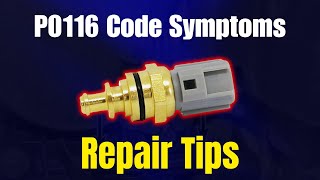
- Faulty Engine Coolant Temperature (ECT) Sensor 🔴 High Probability → Shop Engine Coolant Temperature Sensor The ECT sensor is a thermistor that degrades over time from constant heat cycles, leading to inaccurate or failed readings. It's a very common point of failure in many vehicles, including this RAV4.
How to confirm: Use an OBD-II scanner to monitor live data. On a cold engine (after sitting overnight), the ECT reading should be within 5°F of the Intake Air Temperature (IAT) reading. If the ECT reading is stuck at an extreme value (e.g., -40°F or 250°F) or doesn't change smoothly as the engine warms up, the sensor is likely bad. You can also test the sensor's resistance with a multimeter; at 68°F (20°C), it should be between 2,000 and 3,000 ohms.
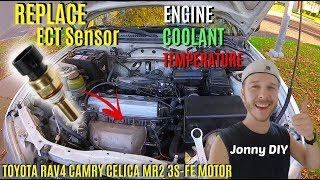
Typical fix: Replace the engine coolant temperature sensor. On the 2AR-FE, the sensor is located on the cylinder head near the thermostat housing. The job requires partially draining the coolant, unplugging the connector, unscrewing the old sensor (typically with a 19mm deep socket 🎬 See this walkthrough for replacing the coolant temperature sensor.), and installing the new one. Apply sealant to the threads if the new sensor doesn't have a pre-applied coating and torque to spec. Refill and bleed the cooling system afterward.
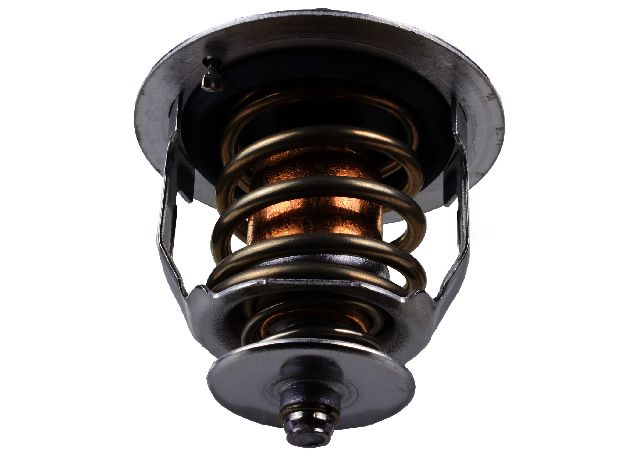
Est. part cost: $20-$70 - Stuck-Open Thermostat 🟡 Medium Probability → Shop Integrated Thermostat Housing Assembly Thermostats are mechanical parts that can fail and stick in the open position after many years and heat cycles. This allows coolant to circulate constantly, preventing the engine from reaching its specified operating temperature within the time frame the ECM expects.
How to confirm: Monitor the ECT live data on a scan tool while driving. If the engine warms up very slowly or the temperature drops significantly at highway speeds, the thermostat is likely stuck open. An old-school physical check is to feel the upper radiator hose after a cold start; it should remain cool for several minutes and then get hot suddenly when the thermostat opens. If it warms up gradually from the start, the thermostat is stuck open.
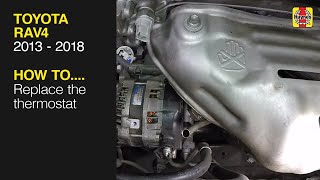
Typical fix: Replace the thermostat and its gasket. This involves draining the coolant, removing the thermostat housing (three nuts), and replacing the part. Ensure the new thermostat's jiggle valve is positioned correctly (usually at the 12 o'clock position) to allow air to bleed from the system. Refill with Toyota Super Long Life Coolant and properly bleed the system of air.
Est. part cost: $25-$65 - Low Engine Coolant Level ⚪ Low Probability → Shop Engine Coolant / Antifreeze Coolant can be lost over time due to small, undetected leaks from the water pump, radiator, or hoses. If the level drops below the sensor, it will read air temperature instead of coolant temperature, causing erratic signals that trigger P0116.
How to confirm: Visually inspect the coolant level in the overflow reservoir and the radiator (only when the engine is completely cool). The level should be between the 'LOW' and 'FULL' marks on the reservoir. A low reservoir is a sign to check the radiator itself, which should be full to the neck.
Typical fix: Top off the cooling system with the correct Toyota Super Long Life Pink Coolant. If the level drops again, perform a cooling system pressure test to find the source of the leak.
Est. part cost: $20-$30 for a gallon of coolant - Wiring or Connector Issue ⚪ Low Probability
How to confirm: Visually inspect the ECT sensor's electrical connector and wiring for any signs of corrosion, damage, or loose connections. The connector is a two-wire plug. Wiggle the connector while monitoring live data on a scan tool to see if the reading jumps, which would indicate an intermittent connection. Check for a stable 5-volt reference at the connector with the key on.
Typical fix: Clean any corrosion from the connector pins using a contact cleaner and apply dielectric grease. Repair or replace any damaged sections of the wiring harness. Ensure the connector clicks securely into place.
Est. part cost: $5-$25 for cleaning supplies or wiring repair materials
Rare But Worth Checking
- Air Pockets in the Cooling System: If the cooling system was recently serviced (e.g., coolant flush, radiator or hose replacement) and not bled properly, air can become trapped near the ECT sensor. This causes the sensor to read a mix of air and coolant, leading to erratic temperature readings. Bleeding the system correctly, often using a spill-free funnel and squeezing the radiator hoses, can resolve this.
- Faulty Engine Control Module (ECM): This is extremely rare. Before condemning the ECM, all other possibilities, including the sensor, thermostat, wiring, and coolant level/condition, must be thoroughly ruled out through systematic testing.
Diagnosis Steps
- Check the engine coolant level in the reservoir and radiator (when the engine is cold). Top off if low with Toyota-specified coolant.
- Connect an OBD-II scanner and check for any other codes. If P0117, P0118, or P0125/P0128 are present, their specific diagnostic criteria can help pinpoint the fault.
- Using the scanner's live data function, compare the Engine Coolant Temperature (ECT) and Intake Air Temperature (IAT) readings on a cold engine (left overnight). They should be within a few degrees of each other.
- Start the engine and monitor the ECT reading. It should rise steadily and smoothly to around 185-195°F.
- If the ECT reading rises very slowly, never reaches full temperature, or drops significantly at highway speeds, suspect a stuck-open thermostat.
- If the ECT reading is erratic, stuck at an extreme value (like -40°F), or doesn't match the ambient temperature when cold, the ECT sensor is the most likely cause.
- Visually inspect the ECT sensor's connector and wiring for damage, corrosion, or looseness. Check for a 5V reference signal.
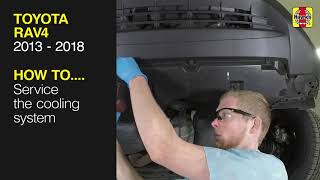
- If the cooling system has been recently serviced, perform a proper bleeding procedure using a spill-free funnel to eliminate any trapped air pockets. 🎬 Watch: How to properly service and bleed the cooling system.
Parts You'll Likely Need
- Engine Coolant Temperature Sensor
(OEM #89422-33030)— This sensor is the most frequent cause of P0116, as its internal thermistor can fail over time, leading to incorrect performance readings by the ECM.
Trusted brands: Denso (OEM supplier), Aisin, NTK
OEM price range: $40-$70
Aftermarket price range: $20-$45 - Engine Coolant Thermostat
(OEM #90916-03136)— A thermostat stuck in the open position is the second most common cause, preventing the engine from warming up at the rate the ECM expects.
Trusted brands: Aisin (OEM supplier), Mahle, Stant
OEM price range: $30-$50
Aftermarket price range: $25-$40
Related Codes That Often Appear With This One
- P0128 — This code means 'Coolant Temperature Below Thermostat Regulating Temperature.' It is often triggered alongside P0116 when a stuck-open thermostat is the root cause, as the engine fails to reach its target operating temperature.
- P0117 / P0118 — These codes indicate a specific electrical fault with the ECT sensor circuit (Low Input / High Input). If seen with P0116, it strongly points to a bad sensor or a direct wiring problem rather than a thermostat issue. If these codes are present, they should be diagnosed first.
- P0125 — This code for 'Insufficient Coolant Temperature For Closed Loop Fuel Control' is an older code that serves a similar purpose to P0128 and can also appear with P0116 if the engine isn't warming up correctly.
Platform-Specific Known Issues
- ECT Sensor Location: → Shop Engine Coolant Temperature Sensor On the 2AR-FE engine in the RAV4, the ECT sensor is a green, two-pin sensor located on the driver's side of the cylinder head, near the thermostat housing and upper radiator hose. Access is straightforward from the top of the engine bay.
Mechanic-Grade Diagnostic Values
- ECT Sensor Resistance vs. Temperature — expected: At 20°C (68°F): ~2,200-3,000 Ω. At 80°C (176°F): ~250-350 Ω. At 100°C (212°F): ~180-250 Ω.. Failure: Readings significantly outside these ranges or an open/infinite resistance reading indicates a faulty sensor.
- ECT Sensor Signal Voltage (at sensor connector, signal wire to ground) — expected: Cold Start (~20°C/68°F): ~3.0-3.5V. Normal Operating Temp (~80°C/176°F): ~1.0-1.3V. Overheating: ~0.5V.. Failure: Voltage stuck near 5V (open circuit/bad ground) or 0V (short circuit), or voltage that does not decrease smoothly as the engine warms up.
- Thermostat Opening Temperature — expected: Begins to open between 80°C to 84°C (176°F to 183°F).. Failure: Valve does not open within this range when tested in hot water, or is visibly stuck open when cool.
- ECM P0116 Trigger Logic (Example) — expected: After a cold start (engine off for 5+ hours), the ECM expects the ECT to rise steadily.. Failure: If the ECT does not increase by more than a few degrees (e.g., 5°C / 9°F) after a set time or amount of engine operation, the code is flagged (this is a 2-trip fault).
Hidden / Shadow Codes Worth Checking
- Mode $06 Data: While not a hidden code, Toyota's Techstream or an advanced scanner can access Mode $06, which shows results for non-continuous monitors. A technician can view the raw data for the ECT sensor rationality check, comparing the test value against the minimum and maximum thresholds to see how close it was to failing, even before the MIL is triggered. (see via Advanced OBD-II scanner or Toyota Techstream software.)
Scan Tool Commands That Help
- Toyota Techstream: Active Test: 'Control the Electric Cooling Fan' — This allows a technician to manually command the cooling fans on and off. It helps verify if the fan control circuit is working correctly, ruling out fan issues that could indirectly contribute to incorrect temperature readings or confirming the fans are running constantly due to the P0116 fail-safe mode.
- Toyota Techstream: Freeze Frame Data — Crucial for P0116. It captures a snapshot of all sensor values at the exact moment the fault was recorded. This can show if the code was set during a cold start, at highway speed, or while idling, providing vital clues to whether the thermostat (slow warm-up) or sensor (erratic reading) is the cause.
Wiring & Ground Locations
- E03 (Engine Ground) — The primary ground point for the engine harness, which includes the sensor ground circuits, is typically located on the left side of the cylinder head or on the engine block near the transmission housing on the 2AR-FE.. The ECT sensor relies on a clean ground path back to the ECM. While a loose or corroded main engine ground (E03) would likely cause multiple sensor issues and codes, it's a rare but possible root cause for an erratic signal that could trigger P0116. Verifying this ground is tight and clean is a good practice if direct sensor and wiring checks are inconclusive.
- ECT Sensor Connector Pins — At the ECT sensor, located on the thermostat housing.. The two pins are for the 5V reference from the ECM and the signal return. Pin 1 (varies by diagram) is typically the signal wire (THW) and Pin 2 is the ground reference (E2). All voltage and resistance tests are performed at these pins.
Real Owner Repair Stories
- Toyota 4Runner Forum user 'Saker' (5th Gen Toyota 4Runner (similar logic to RAV4)) — P0116 code, weak heat initially, code often sets after highway driving.
❌ Tried (didn't work) Many users in the thread reported replacing the ECT sensor first, only to have the code return.
✅ What actually fixed it Replacing the thermostat with an OEM Toyota part. The user noted that a stuck-open thermostat is the cause for P0116 'about 80-90% of the time' on these engines.
OEM Part Supersession History
90916-C3001→90916-03136— Standard part number consolidation and minor design updates by the manufacturer.
Diagnostic Flowchart
Other Known Issues on This Vehicle
Issues unrelated to this code that are worth knowing about as an owner of this generation:
- Torque Converter Shudder 🟠 Medium — Common on 2013-2015 models, typically felt as a brief vibration under light throttle between 25-50 mph. (Ref: T-SB-0023-15 (later revised) and Warranty Enhancement Program ZH1.)
- VVT-i Gear Rattle on Cold Start 🟡 Low — A brief (1-2 second) rattle immediately after a cold start. More of an annoyance than a critical failure, but can worsen. (Ref: T-SB-0041-13 addresses this for early 2AR-FE engines.)
- Unresponsive or Glare-Prone Infotainment Screen 🟡 Low — Widespread complaints on 2013-2016 models about the screen being unreadable in daylight due to glare. Some units also suffer from freezing or unresponsive touch functions.
- Transmission Hesitation or Lurching 🟠 Medium — Separate from the torque converter shudder, some owners of 2013-2018 models report hesitation or lurching at low speeds. (Ref: Some issues were addressed with ECU software updates per dealer TSBs.)
Used vs. New Parts: Buying Guide for This Vehicle
When a used part is the smart pick: For this specific repair (P0116), using used parts is generally not recommended. The primary culprits, the ECT sensor and thermostat, are inexpensive wear items. The cost savings of a used part are minimal and not worth the risk of premature failure.
Donor-vehicle mileage cap: roughly under 60000 miles for the part to have meaningful remaining life.
What to inspect on the donor part:
- For a thermostat: Not applicable, buy new.
- For an ECT sensor: Not applicable, buy new.
- If sourcing a larger component like a wiring harness: Look for a low-mileage, accident-free donor vehicle from a dry climate to minimize the risk of corrosion or heat-cycled brittle plastic.
OEM-only on this vehicle (don't cheap out):
- Thermostat: Forum users and mechanics strongly recommend using an OEM (Aisin or genuine Toyota) thermostat. Aftermarket thermostats are a known cause of repeat P0116 codes on Toyota vehicles because their opening temperature or flow rate may not precisely match the ECM's expectations.
Aftermarket brands forum-validated for this vehicle:
- ECT Sensor: Denso (the OEM supplier), NTK, Aisin.
Brands owners have reported issues with on this vehicle:
- Ultra-cheap, unbranded ECT sensors and thermostats from online marketplaces. These often have poor quality control and can be out of spec from the factory, leading to an immediate return of the P0116 code.
Real Owner Stories
Aggregated from forums and TSBs cited above. Mileages and costs reflect what owners reported in those sources.
2011 Toyota RAV4 2AR-FE 2.5L
Symptoms: The owner was investigating engine components and noted the shared nature of the 2AR-FE engine teardown and component locations during a VVT rattle repair.
What fixed it: The source provides context on component locations (like the ECT sensor) shared across the 2AR-FE platform to assist in diagnostic access.
Source hint: Reddit r/AskMechanics - Toyota 2AR-FE Death Rattle - A Strange Case
Toyota Sienna (Cross-Platform Reference)
Symptoms: An owner reported that their airbag light came on in the dashboard, and a dealership diagnosed the vehicle with code P0116.
What fixed it: According to NHTSA ODI #10485990, the repair involved a two-part process including the replacement of the left front side airbag assembly and the wiring harness.
Source hint: NHTSA ODI #10485990
Related OBD-II Codes
Frequently Asked Questions
Where is the ECT sensor located on my 2013-2018 RAV4 with the 2.5L 2AR-FE engine?
What size tool do I need to replace the coolant temperature sensor on this vehicle?
My RAV4's cooling fans are running at high speed even when I first start the car; could this be P0116?
What type of coolant should I use when refilling my RAV4 after a thermostat or sensor replacement?
How can I tell if my P0116 code is caused by a stuck-open thermostat versus a bad sensor?
Is there a specific way to install the thermostat on the 2AR-FE engine?
Helpful Videos


We Have This Part in Stock


The information in this article is provided for general reference and educational purposes only. Vehicle specifications, procedures, and part compatibility can vary by production date, trim level, and region. Always consult your vehicle's factory service manual and verify part numbers before purchasing or performing repairs. Safety-critical components such as airbags, seat belts, and braking systems should be installed by a qualified professional.
- Toyota RAV4:
- 🧭 Diagnostic Flowchart
- 🎬 Helpful Videos
- 🛍️ Shop This Part
- What's Unique About the 2013-2018 Toyota RAV4
- Symptoms You May Notice
- Most Likely Causes
- Rare But Worth Checking
- Diagnosis Steps
- Parts You'll Likely Need
- Related Codes That Often Appear With This One
- Platform-Specific Known Issues
- Mechanic-Grade Diagnostic Values
- Hidden / Shadow Codes Worth Checking
- Scan Tool Commands That Help
- Wiring & Ground Locations
- Real Owner Repair Stories
- OEM Part Supersession History
- Other Known Issues on This Vehicle
- Used vs. New Parts: Buying Guide for This Vehicle
- Real Owner Stories
- 2011 Toyota RAV4 2AR-FE 2.5L
- Toyota Sienna (Cross-Platform Reference)
- Related OBD-II Codes
- Frequently Asked Questions
- 🎟️ Get 5% Off