

P0117 on 2002-2008 Audi A4 1.8T: Engine Coolant Temp Circuit Low Causes and Fixes
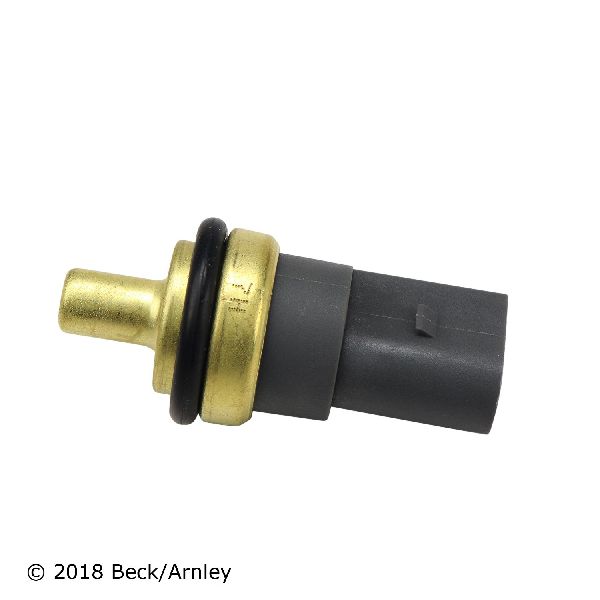
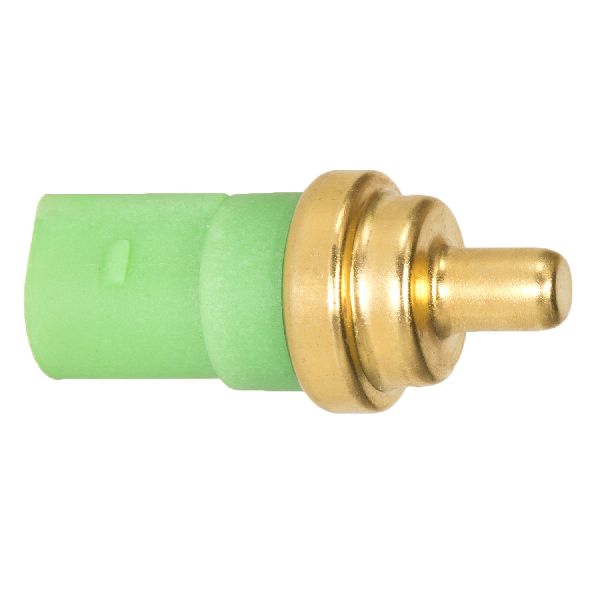
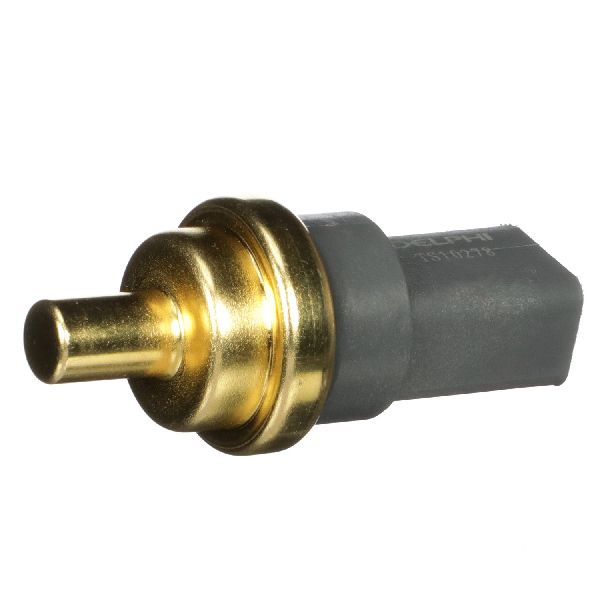
On a 2002-2008 Audi A4 1.8T, code P0117 is almost always caused by a failed Engine Coolant Temperature (ECT) sensor, also known as the G62 sensor. Replacing this sensor (updated green version, P/N 059919501A), along with its o-ring and clip, is the most common fix. Expect to pay $15-$40 for an OEM-quality part.
- P0117 on a 1.8T A4 almost certainly means you need a new Engine Coolant Temperature (G62) sensor.
- Always buy the updated GREEN 4-pin sensor, not the older black or blue versions, to ensure reliability.
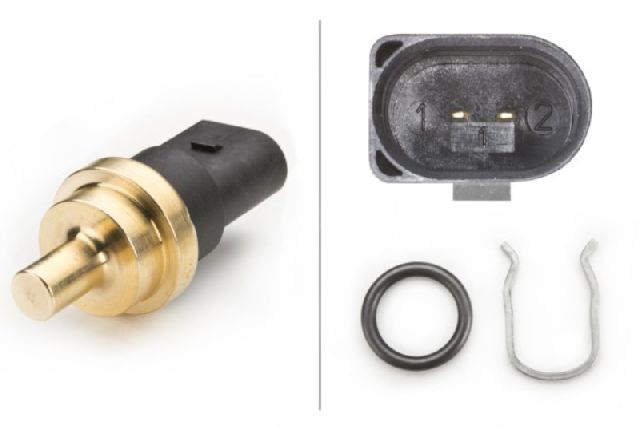
- Always replace the sensor's O-ring and retaining clip at the same time to prevent coolant leaks.
- The repair is made difficult by the sensor's location at the back of the engine; be prepared for a tight workspace.
- Symptoms like fans running constantly and the temp gauge maxing out are classic signs of this specific sensor failure on this car.
What's Unique About the 2002-2008 Audi A4
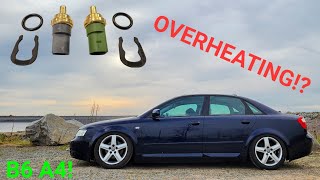
The 1.8T engine used in the B6 and B7 generation A4 is known for having a failure-prone ECT sensor. The Ross-Tech Wiki specifically notes that early G2/G62 sensors used in VW/Audi vehicles had a bad reputation for failing. Early models were fitted with a black or blue sensor that frequently failed; the official replacement part was updated to a more durable green-colored sensor (P/N 059919501A). The sensor's location at the rear of the cylinder head against the firewall makes it notoriously difficult to access, turning a simple part swap into a more labor-intensive job.
Generation note: This guide covers the B6 (2002-2005.5) and B7 (2005.5-2008) generations of the Audi A4. The cause, symptoms, and repair procedure for code P0117 on the 1.8T engine are consistent across both generations, including the use of the same updated green ECT sensor.
Symptoms You May Notice
- Cooling fans running constantly at high speed, even when the engine is cold.
- Temperature gauge on the dashboard immediately jumps to maximum or doesn't move at all.
- Hard starting, particularly when the engine is already warm.
- Noticeably poor fuel economy.
- Black smoke from the exhaust due to a rich fuel mixture.
- Irregular or high engine idle speed, sometimes jumping to 1200-3000 RPM on a warm start.
- Check Engine Light is illuminated.
- Replacing the thermostat. A thermostat issue typically causes performance codes like P0128 or P2181, not a circuit-low fault like P0117.
- Replacing the cooling fan control module. While a faulty module can cause fans to run constantly, it will not set an ECT sensor circuit code.
Most Likely Causes
- Failed Engine Coolant Temperature (ECT) Sensor (G62) 🔴 High Probability → Shop Engine Coolant Temperature Sensor The original-spec black and blue sensors used on these models are known to have a high failure rate. The part was later updated by the manufacturer to a more reliable green sensor. In some cases, the sensor housing cracks, allowing coolant to leak inside and short the electronics.
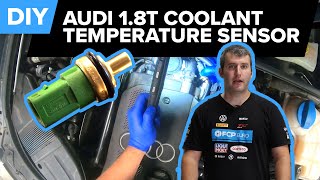
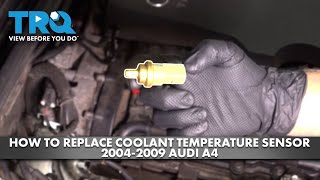
How to confirm: Using a scan tool, check the live data for the ECT sensor. If it reads a fixed, extremely high temperature (e.g., 140°C) even when the engine is cold, the sensor has failed. Alternatively, disconnect the sensor; if the scan tool reading changes from P0117 (Low Input) to P0118 (High Input) and the temperature drops to an extremely low value (e.g., -40°C), the sensor is bad and the wiring is likely good. 🎬 Watch how to test and replace the sensor A good sensor should have a resistance of 2000-3000 Ω at 20°C (68°F) and 275-375 Ω at 80°C (176°F).
Typical fix: Replace the ECT sensor (P/N 059919501A), its rubber O-ring (P/N N90316802), and the plastic retaining clip (P/N 032121142). It is critical to replace all three components to prevent coolant leaks.
Est. part cost: $15-$40 - Wiring Harness or Connector Damage ⚪ Low Probability The wiring is located in a hot, tight area at the back of the engine, making it susceptible to heat degradation and brittleness over time. The connector pins can also corrode. Coolant can also leak from the sensor and wick into the connector, causing a short.
How to confirm: Visually inspect the wiring and connector for signs of corrosion, breaks, or melted insulation. If disconnecting the sensor does not change the scan tool's high-temperature reading and the P0117 code remains, it indicates a short-to-ground in the signal wire between the sensor and the ECM.
Typical fix: Repair the damaged section of the wiring harness or replace the sensor pigtail connector.
Est. part cost: $10-$30
Rare But Worth Checking
- Faulty Engine Control Module (ECM): → Shop Engine Control Module (ECM) This is extremely rare. Before condemning the ECM, you must exhaustively prove that the sensor and all related wiring are in perfect condition.
Diagnosis Steps
- Connect an OBD-II scanner and confirm P0117 is the active code.
- View live data from the Engine Coolant Temperature sensor (G62). A reading stuck at a very high value (e.g., 140°C or 284°F) strongly suggests a P0117 fault.
- Turn the engine off. Let it cool completely if it was running.
- Locate the ECT sensor on the back of the cylinder head, near the firewall.
- Visually inspect the sensor's connector and nearby wiring for any obvious damage, corrosion, or signs of a short circuit.
- Disconnect the sensor's electrical connector. Turn the ignition to the 'On' position (engine off) and check the live data on the scan tool again. The temperature reading should now show an extremely low value (e.g., -40°C) and the code may change to P0118.
- If the temperature reading drops to -40°C and the code changes to P0118, the wiring is good and the ECT sensor itself is faulty and must be replaced.
- If the temperature reading remains stuck high and the P0117 code persists after disconnecting the sensor, there is a short to ground in the wiring harness between the sensor and the ECM. You will need to trace and repair the wiring.
- Before replacing the sensor, ensure the coolant level is correct and have new G12/G13 coolant ready to top off any losses.
Parts You'll Likely Need
- Engine Coolant Temperature Sensor (G62)
(OEM #059919501A)— This sensor is the primary cause of code P0117 on this platform due to a common design flaw in the original part. Always buy the updated green sensor. 🎬 See this video walkthrough for the replacement
Trusted brands: Genuine VW/Audi, Bosch, Hella, Meyle, Febi Bilstein
OEM price range: $30-$50
Aftermarket price range: $15-$35 - ECT Sensor O-Ring and Retaining Clip
(OEM #O-Ring: N90316802, Clip: 032121142)— These should always be replaced with the sensor to prevent coolant leaks, which are common after this repair if the old, hardened parts are reused. Many quality sensor kits include them.
Trusted brands: Included with most quality sensor kits, Genuine VW/Audi
OEM price range: $5-$10
Aftermarket price range: $2-$5
Related Codes That Often Appear With This One
- P0118 — This code for 'ECT Circuit High Input' can appear during diagnosis if you disconnect the sensor to test the circuit, which is a normal and expected diagnostic step.
Platform-Specific Known Issues
- The original black or blue ECT sensors are known to be defective from the factory; always replace with the updated green sensor (P/N 059919501A).
- The location of the sensor is very tight against the firewall, requiring patience and sometimes the removal of nearby hoses for access. A popular DIY video on FCP Euro for the B6 A4 demonstrates the difficult access. 🎬 Watch this step-by-step B6 A4 sensor replacement guide
- A real-world failure example on a similar VW engine showed the sensor housing had developed a crack, allowing coolant to seep into the electrical connector and cause the short circuit that triggers P0117.
Mechanic-Grade Diagnostic Values
- G62 ECT Sensor Resistance — expected: 2000-3000 Ω at 20°C (68°F). Failure: Near-zero resistance (short) or infinite resistance (open).
- G62 ECT Sensor Resistance — expected: 275-375 Ω at 80°C (176°F). Failure: Resistance does not decrease significantly as the sensor is heated.
- G62 ECT Sensor Signal Voltage (KOEO, plugged in, cold engine) — expected: ~2.0V to 3.0V. Failure: A voltage near 0V indicates a short circuit to ground, which triggers P0117.
- G62 ECT Sensor Signal Voltage (KOEO, plugged in, hot engine) — expected: ~0.5V. Failure: Voltage does not drop as the engine warms up.
- G62 ECT Sensor Reference Voltage (KOEO, sensor unplugged) — expected: ~5.0V on the reference/signal wire from the ECM.. Failure: 0V on the signal wire suggests a short to ground in the harness or a faulty ECM driver.
- G62 ECT Sensor Wiring Continuity — expected: Less than 1.5 - 3.0 Ω between the sensor connector and the ECM connector pins.. Failure: High resistance or an 'Over Limit' (OL) reading indicates a broken wire or corrosion.
Hidden / Shadow Codes Worth Checking
- 16501: Engine Coolant Temperature Sensor (G62): Signal too Low. This is the VAG-specific equivalent of the generic P0117 code. (see via Audi/VW-specific diagnostic tools like VCDS (VAG-COM) or ODIS.)
- 00522: Engine Coolant Temp. Sensor (G62): Break in wiring / short circuit to positive. While P0117 is a short to ground (low signal), this related code for an open circuit or short to positive (high signal) may appear during testing, especially if the connector is disconnected. (see via Audi/VW-specific diagnostic tools like VCDS (VAG-COM) or ODIS.)
Scan Tool Commands That Help
- VCDS (VAG-COM): 01-Engine, Measuring Value Block (MVB) Group 004, Field 3 — To view the live engine coolant temperature reading as seen by the ECM from the G62 sensor. This is the primary way to confirm if the sensor is reporting an impossibly high temperature (e.g., 140°C) when the engine is cold, which is the classic P0117 failure mode.
Wiring & Ground Locations
- G62 Sensor Connector — On the rear coolant flange on the back of the cylinder head, against the firewall. It is a 4-pin D-shaped connector.. This is the primary point of failure. The connector itself can corrode from leaking coolant, and the wiring in this tight, hot area can become brittle and short out.
- Engine to Chassis Ground Strap — On the B6 A4, this strap connects from the passenger side front frame rail (near the secondary air pump) to the engine mount bracket.. A corroded or loose main engine ground can create voltage offsets and electrical noise in sensor circuits. While less common than a sensor or direct wiring failure, a bad ground can cause implausible readings and trigger sensor circuit codes like P0117.
- G12 - ECM Ground — Located at the center of the firewall/plenum chamber.. This is a critical ground point for the Engine Control Module (ECM). A poor connection here can cause a wide range of engine management faults, including incorrect sensor readings.
- G62 Sensor Pinout (for AAN engine, similar principle) — On the sensor connector. A Grey/Brown wire is typically the signal to the ECU, and a Green/Black wire is the sensor ground which grounds internally within the engine harness.. Knowing the pinout allows for targeted testing of the signal wire for a short to ground without having to probe the entire harness.
Real Owner Repair Stories
- AudiWorld Forums (2014 Audi A4 1.8 TFSI (CJE Motor)) — Cooling fans running constantly, heat gauge not moving, P0117 code present.
❌ Tried (didn't work) Replaced the coolant temperature sensor (at the radiator outlet), Replaced the coolant reservoir bottle, Replaced the complete thermostat housing
✅ What actually fixed it The user was advised that the code persisting after replacing parts strongly points to a wiring issue (short to ground) or a faulty fan control module. The final fix was not posted, but the diagnostic path clearly shifted from parts replacement to electrical diagnosis after common parts failed to resolve the issue.
OEM Part Supersession History
Unknown (Black or Blue plastic sensor)→059919501A (Green plastic sensor)— The original black and blue sensors had a very high failure rate. The green sensor is an updated, more durable design from the manufacturer.
Heads up: The older black/blue sensors should never be used as replacements. If a vehicle still has one, it should be proactively replaced with the green 059919501A part to prevent inevitable failure.078919501C→059919501A— Part number consolidation and update to the revised green sensor design.
Model Year Variations Within This Range
- 2002-2008: While the P0117 fault, cause, and G62 sensor part number are consistent across the B6 and B7 generations for the 1.8T engine, there can be minor differences in harness routing and access depending on other vehicle options. However, the core diagnostic and repair procedure remains the same.
Diagnostic Flowchart
Other Known Issues on This Vehicle
Issues unrelated to this code that are worth knowing about as an owner of this generation:
- Engine Oil Sludge Buildup 🔴 High — Very common, especially on vehicles with extended or poorly documented oil change histories. Can occur from 60,000 miles onward. (Ref: While Audi settled a class-action lawsuit, specific TSBs directed dealers on how to handle sludge-related repairs. The core issue is the small oil capacity and heat from the turbo breaking down oil.)
- Ignition Coil Failure 🟠 Medium — Extremely common. Can occur at any mileage, often between 40,000-100,000 miles. Many owners keep a spare coil in the car. (Ref: Audi issued recalls for certain production runs of ignition coils. Failures cause engine misfires, rough idle, and a flashing Check Engine Light.)
- PCV System and Vacuum Hose Failure 🟠 Medium — Widespread after 80,000 miles. The plastic and rubber components become brittle from heat and age, leading to cracks and vacuum leaks.
- Timing Belt and Water Pump Failure 🔴 High → Shop Engine Water Pump — This is a maintenance item, but failure is catastrophic. The belt must be replaced every 60,000-90,000 miles or 5-7 years. Failure to do so often leads to a snapped belt and severe engine damage.
- Turbocharger Failure 🔴 High — Often a direct result of the oil sludge issue, which starves the turbo's bearings of lubrication. Can also fail from normal wear at higher mileage (>120,000 miles).
Used vs. New Parts: Buying Guide for This Vehicle
When a used part is the smart pick: For this repair, a used ECT sensor is NEVER recommended due to the low cost of a new, reliable OEM-quality part and the high failure rate of the original design. However, sourcing a used wiring connector pigtail from a junkyard vehicle is a viable and cost-effective option if the original connector is corroded or damaged.
Donor-vehicle mileage cap: roughly under 100000 miles for the part to have meaningful remaining life.
What to inspect on the donor part:
- For a connector pigtail, ensure the plastic is not brittle or cracked.
- Check that the locking tab on the connector is intact and functional.
- Inspect the metal pins inside the connector for any signs of green or white corrosion.
- Verify the wires have at least 6-8 inches of flexible, undamaged insulation attached.
OEM-only on this vehicle (don't cheap out):
- Engine Coolant Temperature Sensor (G62)
Aftermarket brands forum-validated for this vehicle:
- Bosch
- Hella
- Meyle
- Febi Bilstein
- Delphi
Brands owners have reported issues with on this vehicle:
- Unnamed 'white-box' or no-brand sensors from online marketplaces should be avoided. Using unverified brands for critical sensors on this platform can lead to incorrect readings and persistent ECU faults.
Real Owner Stories
Aggregated from forums and TSBs cited above. Mileages and costs reflect what owners reported in those sources.
2002 Audi A4 B6 1.8T
Symptoms: The engine is overheating, and the cooling fan does not come on when the temperature rises. The scan tool pulled code 16501/P0117.
What fixed it: Replacement of the G62 Engine Coolant Temperature sensor.
Source hint: AudiWorld Forums - '16501 P0117 Engine Coolant Temp. Circ Low Input'
2002-2008 Audi A4 1.8T
Symptoms: The sensor housing developed a crack, allowing coolant to seep into the electrical connector and cause a short circuit.
What fixed it: Replacement of the ECT sensor and its pigtail connector due to coolant wicking into the wiring.
Source hint: vehicle_specific_issues - real-world failure example on a similar VW engine
Related OBD-II Codes
Frequently Asked Questions
My 2002 Audi A4 1.8T has a black coolant sensor; should I replace it even if it hasn't failed yet?
What specific parts do I need to fix the P0117 code on my B6 A4?
Why are my cooling fans running at high speed on my 2004 Audi A4 when the engine is cold?
Is the ECT sensor easy to reach on the 1.8T engine?
Can a bad coolant sensor cause my Audi to idle at 3000 RPM?
How can I tell if the P0117 code is a bad sensor or a wiring problem?
Helpful Videos
We Have This Part in Stock


The information in this article is provided for general reference and educational purposes only. Vehicle specifications, procedures, and part compatibility can vary by production date, trim level, and region. Always consult your vehicle's factory service manual and verify part numbers before purchasing or performing repairs. Safety-critical components such as airbags, seat belts, and braking systems should be installed by a qualified professional.
- Audi A4:
- 🧭 Diagnostic Flowchart
- 🎬 Helpful Videos
- 🛍️ Shop This Part
- What's Unique About the 2002-2008 Audi A4
- Symptoms You May Notice
- Most Likely Causes
- Rare But Worth Checking
- Diagnosis Steps
- Parts You'll Likely Need
- Related Codes That Often Appear With This One
- Platform-Specific Known Issues
- Mechanic-Grade Diagnostic Values
- Hidden / Shadow Codes Worth Checking
- Scan Tool Commands That Help
- Wiring & Ground Locations
- Real Owner Repair Stories
- OEM Part Supersession History
- Model Year Variations Within This Range
- Other Known Issues on This Vehicle
- Used vs. New Parts: Buying Guide for This Vehicle
- Real Owner Stories
- 2002 Audi A4 B6 1.8T
- 2002-2008 Audi A4 1.8T
- Related OBD-II Codes
- Frequently Asked Questions
- 🎟️ Get 5% Off