

P0117 on 2002-2006 Nissan Altima: Engine Coolant Temp Sensor Causes and Fixes
On a 2002-2006 Altima, code P0117 almost always points to a failed Engine Coolant Temperature (ECT) sensor. This is a simple and affordable DIY fix, with a new sensor costing between $25 and $80. The ECM misinterprets the failed sensor's signal as extreme engine heat, causing the temp gauge to max out and the cooling fans to run constantly.
- P0117 means your car's computer thinks the engine is overheating due to a faulty electrical signal, even when it's not.
- The most likely cause by far is a bad Engine Coolant Temperature (ECT) sensor, which is an inexpensive part.
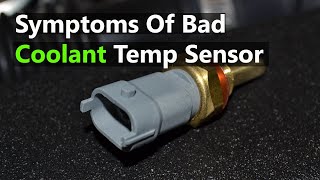
- Symptoms are easy to spot: Check Engine Light, temperature gauge maxed out, and cooling fans that won't turn off.
- This is a common, well-documented DIY repair that usually takes less than an hour.
- Ensure you are replacing the correct sensor; the V6 model may have a separate sender just for the gauge that will not fix this code.
What's Unique About the 2002-2006 Nissan Altima
For the third-generation (L31) Nissan Altima, the P0117 code is a very common and well-documented issue. The root cause is almost always the ECT sensor itself. On the 2.5L (QR25DE) engine, the sensor is accessibly located on the driver's side of the cylinder head near the thermostat housing. On the 3.5L (VQ35DE) engine, it is located in a coolant pipe near the upper radiator hose, also on the driver's side, though it may be slightly more difficult to reach. This makes it one of the more straightforward sensor replacements for a DIY mechanic.
Symptoms You May Notice
- Check Engine Light is on
- Temperature gauge reads maximum hot, even on a cold engine
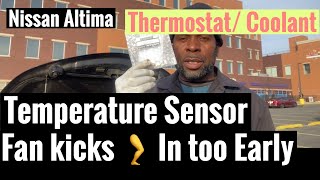
- Engine cooling fans run constantly as soon as the key is turned 🎬 See how a faulty sensor causes early radiator fan activation.
- Difficulty starting the engine, especially when cold
- Reduced fuel economy
- Engine runs rough or hesitates while warming up
- Black smoke from the exhaust during a cold start
- Heater may not blow warm air correctly
- Replacing the thermostat. While a faulty thermostat can cause overheating issues, it will not cause a P0117 'Circuit Low' code. The code points specifically to an electrical fault, not a mechanical one.
- Replacing the wrong temperature sensor. On some 3.5L V6 models, there are two temperature sensors. One sends data to the ECM (causing P0117), and a separate, single-wire sensor sends data to the dashboard gauge. Replacing the gauge sender will not fix this code.
Most Likely Causes
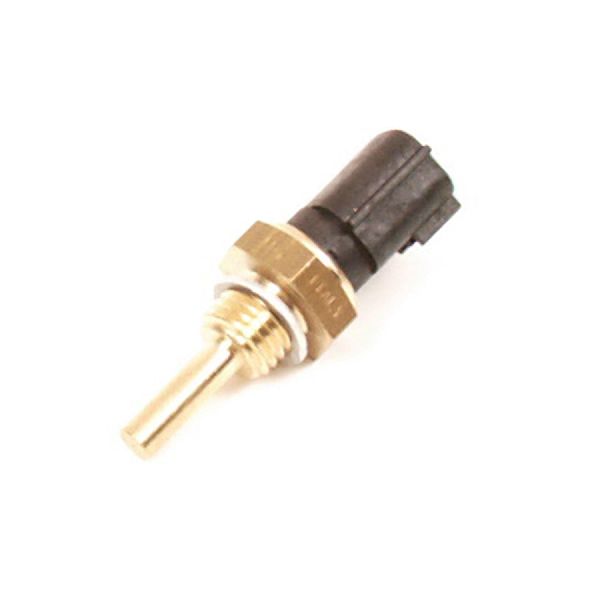
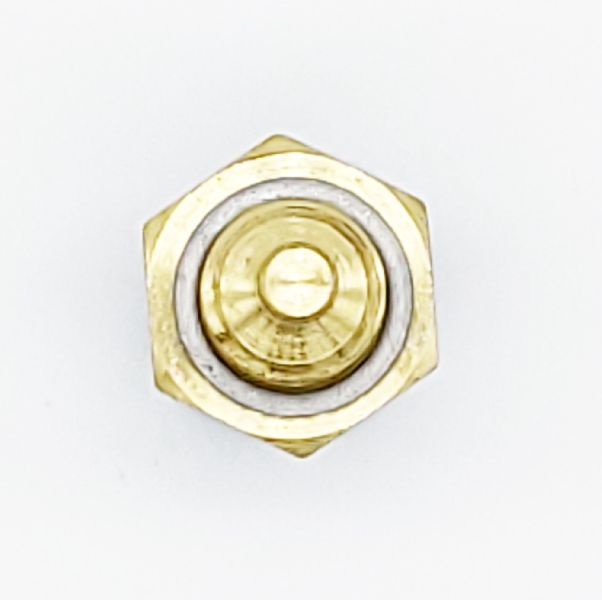
- Failed Engine Coolant Temperature (ECT) Sensor 🔴 High Probability → Shop Engine Coolant Temperature Sensor The ECT sensor is a thermistor that can degrade over time from constant heat cycles, eventually failing and sending an incorrect voltage signal. Forum users strongly recommend using genuine Nissan or OEM-supplier (NTK, Hitachi) parts, as cheaper aftermarket sensors are known for premature failure.
How to confirm: With the engine cold, use a scan tool to view live data. If the ECT sensor reads an impossibly high temperature (e.g., 250°F+), the sensor is bad. Another test is to disconnect the sensor; the code should change to P0118 (Circuit High), confirming the wiring is intact and the sensor is the fault.
Typical fix: Replace the Engine Coolant Temperature sensor. This involves draining a small amount of coolant, unscrewing the old sensor with a deep 19mm socket, and installing the new one.
Est. part cost: $25-$80 - Damaged ECT Sensor Wiring or Connector 🟡 Medium Probability → Shop Engine Coolant Temperature Sensor Engine bay heat and vibrations can make wiring brittle over time. The connector's plastic locking tab frequently breaks, leading to a loose connection. Pins can also corrode from moisture, causing a short circuit.
How to confirm: Visually inspect the wiring harness leading to the ECT sensor for any signs of cracking, melting, or chafing. Check the connector for corrosion, bent pins, or a broken lock tab. If disconnecting the sensor does NOT change the code from P0117, it points to a short-to-ground in the signal wire.
Typical fix: Repair the damaged section of wire or replace the connector pigtail.
Est. part cost: $15-$30
Rare But Worth Checking
- Air Pocket in the Cooling System: If the sensor is surrounded by an air bubble instead of coolant, it cannot get an accurate reading. This usually happens after a coolant service and can be fixed by properly bleeding the cooling system.
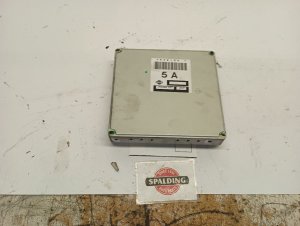
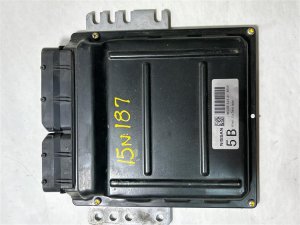
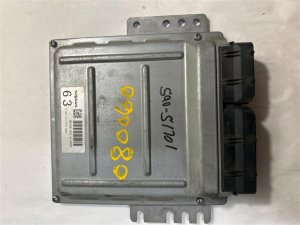
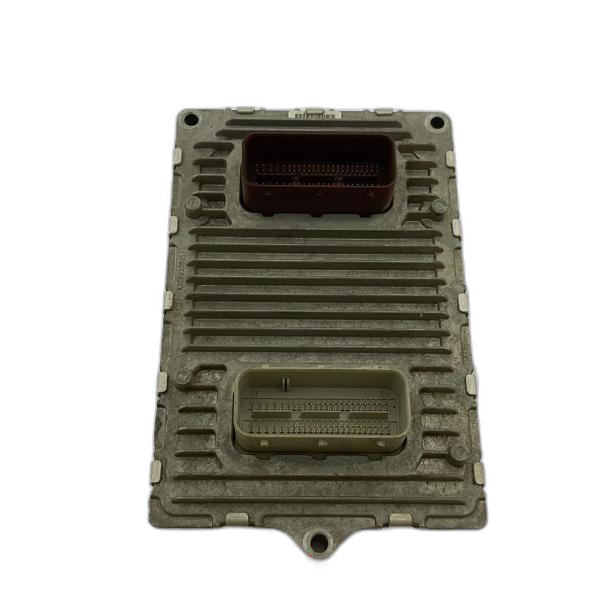
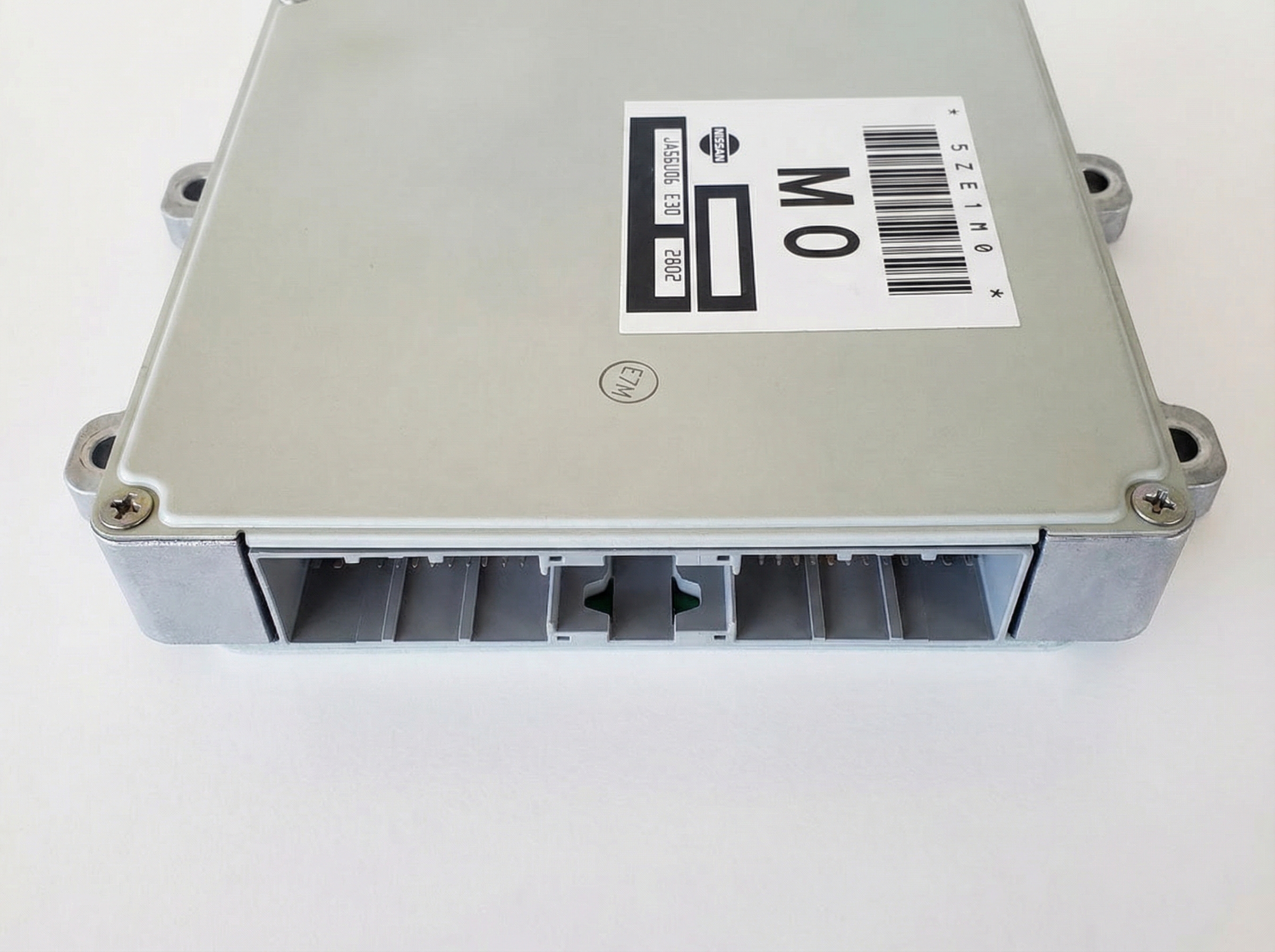
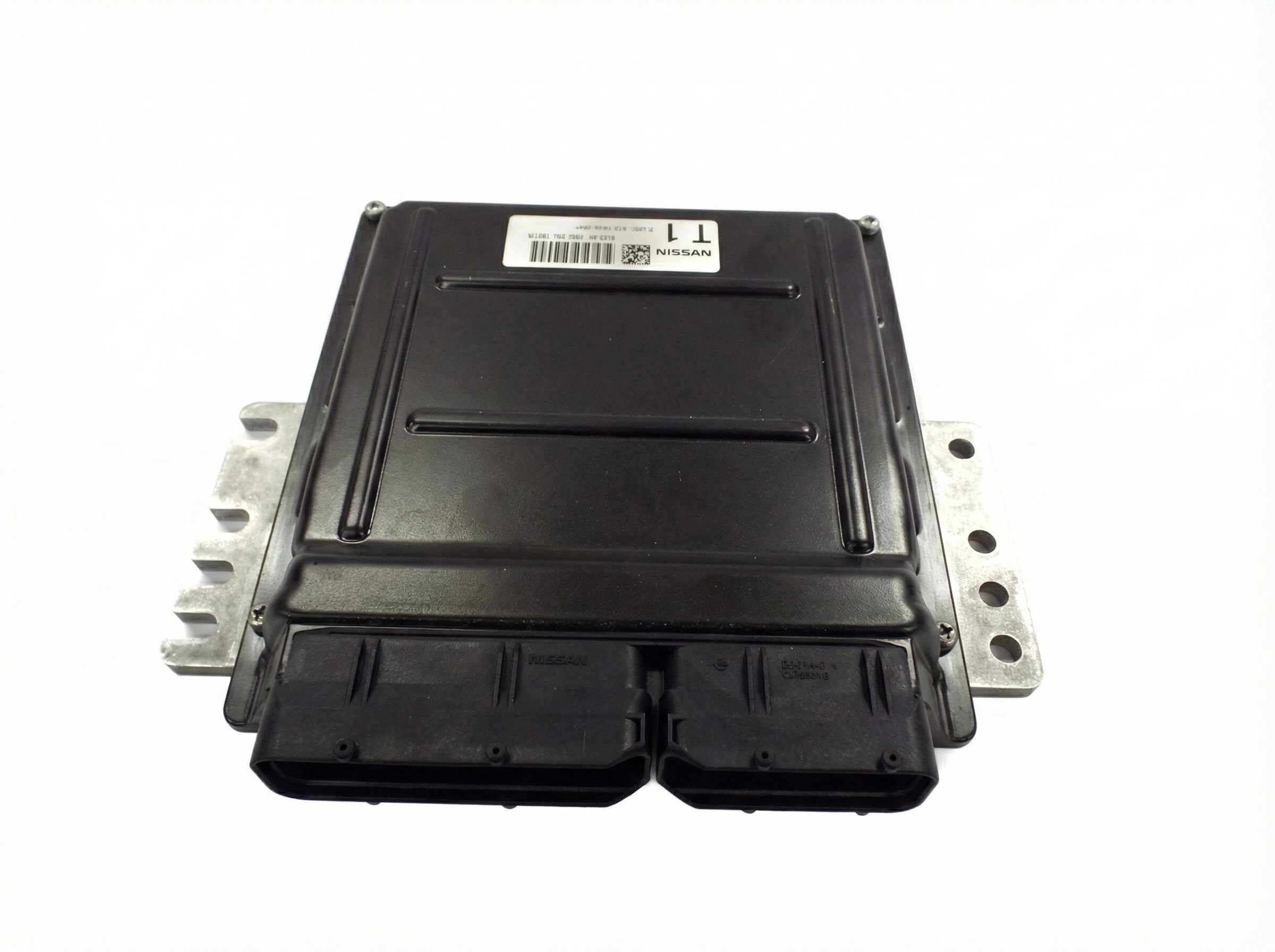
- Faulty Engine Control Module (ECM): → Shop Engine Control Module (ECM) This is extremely rare. The ECM's internal circuit for interpreting the sensor's signal could fail. All other possibilities, especially the sensor and wiring, must be exhaustively ruled out before considering the ECM as the cause.
- ECM Needs Reprogramming: Nissan TSB NTB03-068 addresses a situation on some 2003 models where, even after replacing the sensor, P0117/P0118 codes may persist. The fix in this rare case is to have a dealer reprogram the ECM with updated software.
Diagnosis Steps
- Connect an OBD-II scanner and confirm P0117 is the active code.
- View live data on the scanner. Check the Engine Coolant Temperature reading. If the engine is cold but the reading is maxed out (e.g., 250°F or higher), the sensor or its circuit is faulty.
- Turn the vehicle off. Locate the ECT sensor. On the 2.5L engine, it's on the driver's side of the cylinder head. On the 3.5L engine, it's in a coolant pipe near the upper radiator hose on the driver's side.
- Inspect the sensor's electrical connector and nearby wiring for obvious damage, corrosion, or a broken locking tab.
- Disconnect the ECT sensor. Turn the ignition back to the 'ON' position (engine off). Re-check the live data. The temperature reading should now show a minimum value (e.g., -40°F) and a P0118 (Circuit High) code may appear. If this happens, the wiring is good and the original ECT sensor is confirmed to be faulty.
- If the temperature reading remains high after disconnecting the sensor, you have a short-to-ground in the signal wire of the harness. You will need to trace the wire back to the ECM to find and repair the short.
- Before replacing the sensor, check that the coolant level is correct. Low coolant can cause erratic readings, though it's less likely to cause a specific circuit-low code.
Parts You'll Likely Need
- Engine Coolant Temperature Sensor (for ECM)
(OEM #22630-7Y000)— This is the primary sensor that communicates with the ECM and is the most common failure point for code P0117. It fits both 2.5L and 3.5L models. This part number may be superseded by 22630-JA10A.
Trusted brands: Nissan (OEM), NTK, Hitachi, Delphi
OEM price range: $40-$60
Aftermarket price range: $25-$45 - Temperature Sender (for Gauge - V6 Only)
(OEM #22630-44B20)— This is a single-wire sender used on some 3.5L V6 engines specifically for the dashboard temperature gauge. It is a common point of misdiagnosis. Replacing this part will NOT fix a P0117 code.
Trusted brands: Nissan (OEM), Bosch
OEM price range: $35-$50
Aftermarket price range: $20-$40
Related Codes That Often Appear With This One
- P0118 — If you disconnect the P0117-causing sensor to test it, the ECM will immediately log a P0118 (Circuit High) code. Seeing both can be part of the diagnostic process.
Technical Service Bulletins (TSBs) & Recalls
- NTB03-068: Addresses a rare issue on some 2003 models where an ECM reprogram is needed to resolve persistent P0117/P0118 codes after sensor replacement.
Platform-Specific Known Issues
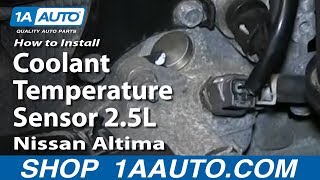
- Classic DIY Fix on NissanClub Forums: A user on NissanClub.com with a 2005 Altima 2.5S experienced the textbook P0117 symptoms (maxed gauge, fans on). The repair involved replacing the ECT sensor near the thermostat housing using a deep 19mm socket, which resolved the issue in under 20 minutes. 🎬 Watch this step-by-step sensor replacement for the 2.5L engine. They recommended having the new sensor ready to swap in quickly to minimize coolant loss.
- V6 Sensor Location Confusion: Multiple forum threads for the 3.5L V6 model highlight confusion over two separate temperature sensors. Owners confirm that the two-wire sensor (Part No. 22630-7Y000) is the correct one to replace for a P0117 code, while the single-wire sender only affects the gauge.
Mechanic-Grade Diagnostic Values
- ECT Sensor Resistance (Cold Engine) — expected: 2,000 - 3,000 Ohms at 68°F (20°C). Failure: A reading of 0 Ohms indicates a shorted sensor. An infinite reading (OL) indicates an open sensor. A reading far outside the expected range indicates a faulty sensor.
- ECT Sensor Resistance (Operating Temp) — expected: 200 - 350 Ohms at ~194°F (90°C). Failure: Resistance that does not drop significantly as the engine warms up, or a value outside this range when hot, points to a failed sensor.
- ECT Sensor Connector Voltage (KOEO) — expected: Approximately 5.0V reference on one pin and a signal voltage of ~3.0-3.5V on the other (cold engine).. Failure: A P0117 (Circuit Low) is triggered when the signal voltage drops below a threshold, often around 0.14V. No voltage on the reference pin indicates a wiring or ECM issue.
Scan Tool Commands That Help
- Nissan CONSULT-II / CONSULT-III: Data Monitor -> ENGINE -> COOLAN TEMP/S — This is the dealer-level tool function to view the live data stream from the ECT sensor as seen by the ECM. It is used to confirm the symptom of an impossibly high temperature reading (e.g., 284°F / 140°C) when the engine is cold, which is the primary confirmation of a P0117 fault condition.
Wiring & Ground Locations
- E15 — Lower left side of the engine compartment.. This is a primary engine ground point. A corroded or loose connection at E15 can affect multiple sensors, including the ECT sensor circuit, potentially causing erratic readings or fault codes. It is a common ground for various engine management components.
- E204 — Left side of the engine compartment.. This ground point serves the ECM and various sensors. The ECM relies on a stable ground reference to accurately interpret the low-voltage signal from the ECT sensor. A fault at this ground could cause a voltage drop, mimicking a P0117 fault.
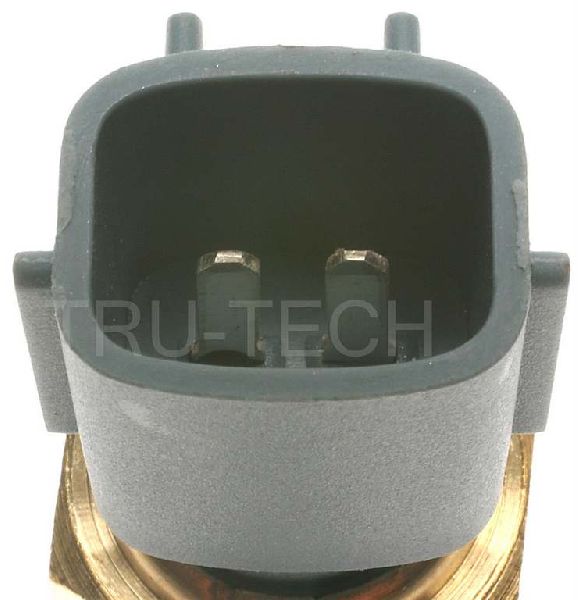
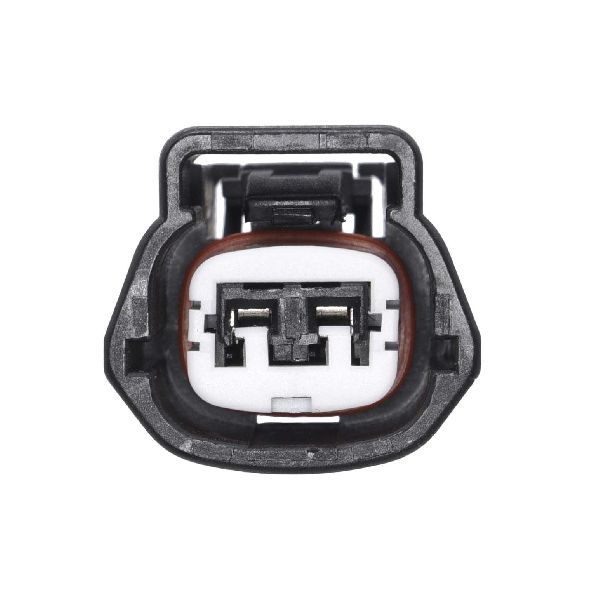
- ECT Sensor Connector — On the ECT sensor itself, which is a 2-pin connector.. For a P0117, the critical check is for a short between the two pins or a short from the signal wire to ground. Pin 1 is typically the sensor signal wire going to the ECM, and Pin 2 is the sensor ground wire, also from the ECM. A short between them will pull the signal voltage to near zero, causing the P0117 code.
Real Owner Repair Stories
- 2CarPros Forum User (Nissan Altima (year not specified, but relevant symptoms)) — Radiator fan would not turn on, even with A/C activated. Temperature gauge read normally. No overheating was observed.
❌ Tried (didn't work) Directly powering the fan (fan motor worked), Checking continuity between the ECT sensor connector and the ECM (wiring was intact)
✅ What actually fixed it The user's friend had accidentally injected 12V into the ECT sensor circuit, which internally shorted the Engine Control Module (ECM). The ECM was no longer sending the 5V reference signal to the sensor. The final fix was to replace the ECM with a cloned unit.
OEM Part Supersession History
22630-0M200→22630-7Y000— Part consolidation and potential design update for improved reliability across multiple Nissan platforms.22630-7Y000→22630-JA10A— Further part consolidation for newer models. This is the most current part number available from Nissan for this application.
Heads up: 22630-JA10A is backward compatible and is the correct service part to use.
Model Year Variations Within This Range
- 2002-2003: Early models in this generation were subject to several recalls, including one for the crank position sensor (NHTSA 03V-455) which could cause similar no-start or stalling symptoms, though it would typically set a different code. Another recall (NHTSA 03V-251) for fuel pump issues in cold weather could also cause stalling. While not directly related to P0117, it's a known issue for these specific years that can present overlapping symptoms like stalling.
Diagnostic Flowchart
Other Known Issues on This Vehicle
Issues unrelated to this code that are worth knowing about as an owner of this generation:
- QR25DE Pre-Catalyst Failure 🔴 High — Very common on 2002-2006 2.5L models. The ceramic catalyst material in the exhaust manifold disintegrates and can be ingested by the engine, causing catastrophic failure. (Ref: Multiple recalls and TSBs were issued, including NTB12-120a.)
- QR25DE Excessive Oil Consumption 🔴 High — Widespread on 2002-2006 2.5L models, often related to the pre-cat failure scoring cylinder walls or worn piston rings.
- Crankshaft and Camshaft Position Sensor Failure 🟠 Medium — Extremely common across all engines. Causes intermittent stalling, no-start conditions, and rough running. (Ref: Subject of several recalls and service campaigns.)
- Rusted Front Floor Pans 🔴 High — A design flaw traps moisture, causing the front floorboards to rust through from the inside out. Often hidden by carpet until severe. (Ref: Subject of class-action lawsuits and service campaign PC926 / TSB NTB15-059.)
- QR25DE Intake Manifold Power Valve Screws 🔴 High → Shop Engine Intake Manifold — Screws holding the power valve flaps inside the intake manifold can loosen and fall into the engine, causing immediate and severe damage. (Ref: A known issue with a common DIY fix involving Loctite.)
Used vs. New Parts: Buying Guide for This Vehicle
When a used part is the smart pick: For this repair, buying a used ECT sensor is not recommended. The part is inexpensive new, is a known failure item due to age and heat cycles, and the labor to replace it makes using a new part with a warranty the most logical choice.
Donor-vehicle mileage cap: roughly under 150000 miles for the part to have meaningful remaining life.
What to inspect on the donor part:
- If sourcing a used connector pigtail, ensure the wiring is flexible and not brittle.
- Check that the plastic locking tab on the connector is intact and functional.
- Inspect the connector pins for any signs of green or white corrosion.
OEM-only on this vehicle (don't cheap out):
- Engine Coolant Temperature Sensor (ECT)
Aftermarket brands forum-validated for this vehicle:
- NTK
- Hitachi
- Delphi
Brands owners have reported issues with on this vehicle:
- No-name or unbranded sensors from online marketplaces are frequently cited on forums as having high premature failure rates.
Real Owner Stories
Aggregated from forums and TSBs cited above. Mileages and costs reflect what owners reported in those sources.
2005 Nissan Altima 2.5S
Symptoms: Owner experienced the textbook P0117 symptoms: the temperature gauge was maxed out and the cooling fans were running constantly.
What fixed it: The issue was resolved by replacing the Engine Coolant Temperature (ECT) sensor located near the thermostat housing using a deep 19mm socket. The repair took less than 20 minutes.
Source hint: vehicle_specific_issues: Classic DIY Fix on NissanClub Forums
2002-2006 Nissan Altima 3.5L
Symptoms: An owner with a P0117 code was confused because there are two separate temperature sensors on the V6 engine.
What fixed it: The problem was fixed by replacing the correct two-wire sensor (Part No. 22630-7Y000), confirming that the single-wire sender is only for the gauge and does not affect the ECU.
Source hint: vehicle_specific_issues: V6 Sensor Location Confusion
Related OBD-II Codes
Frequently Asked Questions
Where is the Engine Coolant Temperature (ECT) sensor located on my 2002-2006 Altima?
My 3.5L V6 Altima has two temperature sensors. Which one do I replace for a P0117 code?
Are cheap aftermarket ECT sensors okay to use for this repair?
How can I test if the sensor is bad or if I have a wiring problem?
I replaced the sensor on my 2003 Altima, but the P0117 code came back. What's next?
What are the most obvious symptoms of a P0117 fault on this Altima?
Does this P0117 issue affect other Nissan or Infiniti vehicles?
Helpful Videos
Used OEM Parts in Stock
New Aftermarket Parts Available


The information in this article is provided for general reference and educational purposes only. Vehicle specifications, procedures, and part compatibility can vary by production date, trim level, and region. Always consult your vehicle's factory service manual and verify part numbers before purchasing or performing repairs. Safety-critical components such as airbags, seat belts, and braking systems should be installed by a qualified professional.
- Nissan Altima:
- 🧭 Diagnostic Flowchart
- 🎬 Helpful Videos
- 🛍️ Shop This Part
- What's Unique About the 2002-2006 Nissan Altima
- Symptoms You May Notice
- Most Likely Causes
- Rare But Worth Checking
- Diagnosis Steps
- Parts You'll Likely Need
- Related Codes That Often Appear With This One
- Technical Service Bulletins (TSBs) & Recalls
- Platform-Specific Known Issues
- Mechanic-Grade Diagnostic Values
- Scan Tool Commands That Help
- Wiring & Ground Locations
- Real Owner Repair Stories
- OEM Part Supersession History
- Model Year Variations Within This Range
- Other Known Issues on This Vehicle
- Used vs. New Parts: Buying Guide for This Vehicle
- Real Owner Stories
- 2005 Nissan Altima 2.5S
- 2002-2006 Nissan Altima 3.5L
- Related OBD-II Codes
- Frequently Asked Questions
- 🎟️ Get 5% Off