

P0118 on 2012-2017 Hyundai Veloster: Engine Coolant Temp Circuit High Causes and Fixes
For a 2012-2017 Hyundai Veloster, code P0118 almost always points to a failed Engine Coolant Temperature (ECT) sensor or a wiring issue at its connector. This is a relatively inexpensive and accessible DIY fix, with the part (OEM #39220-38030 or 39220-2B000) costing around $20-$60. A key symptom is the cooling fans running constantly even when the engine is cold.
- P0118 on a 2012-2017 Veloster means the engine computer is seeing a signal for an extremely cold engine, usually due to a fault.
- The most likely cause is a failed Engine Coolant Temperature (ECT) sensor (OEM #39220-38030 or similar).
- The second most likely cause is damaged wiring or a bad connector at the sensor, sometimes due to melting from contact with hot pipes.
- Symptoms include constant fan operation, poor fuel economy, and rough running.
- This is a DIY-friendly repair for most home mechanics, requiring basic tools and costing under $60 for the part.
What's Unique About the 2012-2017 Hyundai Veloster
On the first-generation Veloster (2012-2017), the 1.6L engine (both naturally aspirated and turbo) has the ECT sensor in a relatively accessible location on the side of the cylinder head, near the thermostat housing. While the sensor itself is a common failure point, owner experiences and mechanic videos suggest that the wiring and connector right at the sensor are also prone to damage or corrosion. A specific issue noted is the wiring loom melting from contact with a hot coolant pipe, causing a short or open circuit.
Symptoms You May Notice
- Check Engine Light is on
- Cooling fans running constantly, even when the engine is cold
- Engine running rough, especially when cold
- Hard starting
- Poor fuel economy
- High initial idle speed
- Black smoke from the exhaust in some cases
- Inaccurate or non-functional temperature gauge on the dashboard
- Replacing the thermostat when the code is P0118. A bad thermostat usually causes a P0128 code (Coolant Temperature Below Thermostat Regulating Temperature).
- Replacing the PCM without exhaustive testing of the sensor and wiring first.
Most Likely Causes
- Failed Engine Coolant Temperature (ECT) Sensor 🔴 High Probability → Shop Engine Coolant Temperature Sensor The sensor is a thermistor that can fail internally, creating an open circuit which the PCM reads as maximum high voltage (and therefore minimum temperature).
How to confirm: With a scan tool, check the live data for the ECT reading. If it shows an extremely low, illogical temperature (like -40°F) even after the engine has run, the sensor is likely bad. You can also test the sensor's resistance with a multimeter; it should change with temperature. An open circuit (infinite resistance) confirms failure. Compare readings to the spec chart (e.g., ~2.31-2.59 kΩ at 68°F/20°C).
Typical fix: Replace the ECT sensor. The sensor is located on the side of the cylinder head and can be unscrewed with a 19mm deep socket or wrench after disconnecting the electrical connector. Be prepared for some coolant to spill.
Est. part cost: $20-$60 - Damaged Wiring or Connector 🟡 Medium Probability The wiring harness and connector for the ECT sensor can become brittle from heat cycles or damaged by rubbing against hot components like coolant pipes, causing a poor connection or an open circuit.
How to confirm: Visually inspect the wiring and connector for any signs of corrosion, damage, melted insulation, or loose pins. While monitoring live data on a scan tool, wiggle the connector and wiring to see if the temperature reading fluctuates wildly, which indicates a bad connection.
Typical fix: Repair the damaged section of wire or replace the connector pigtail. If wires are broken close to the connector, a new pigtail is often the easiest repair.
Est. part cost: $10-$30
Rare But Worth Checking
- Low Engine Coolant: If the coolant level is so low that the sensor is exposed to air instead of coolant, it can send an incorrect reading. This usually triggers other codes or overheating symptoms first.
- Faulty Thermostat: → Shop Integrated Thermostat Housing Assembly A thermostat stuck open can cause the engine to warm up very slowly, which might be misinterpreted by the system, though it typically sets other codes like P0128.
- Faulty Powertrain Control Module (PCM): This is extremely rare. The PCM should only be considered after all other possibilities, including the sensor and wiring, have been thoroughly ruled out with voltage and ground tests at the connector.
Diagnosis Steps
- Connect an OBD-II scanner to verify the P0118 code is present.
- View the live data stream on the scanner. With the engine cold and off, compare the Engine Coolant Temperature (ECT) reading to the Ambient Air Temperature (AAT) or Intake Air Temperature (IAT) reading. They should be within a few degrees of each other.
- If the ECT reading is an illogical, very low number (e.g., -40°F), the issue is likely the sensor or its circuit.
- Start the engine and monitor the temperature reading. It should climb steadily. If it remains stuck at the low value, proceed with testing.
- Turn off the engine and let it cool. Locate the ECT sensor on the side of the cylinder head.
- Inspect the sensor's electrical connector and wiring for any visible damage, corrosion, or melting.
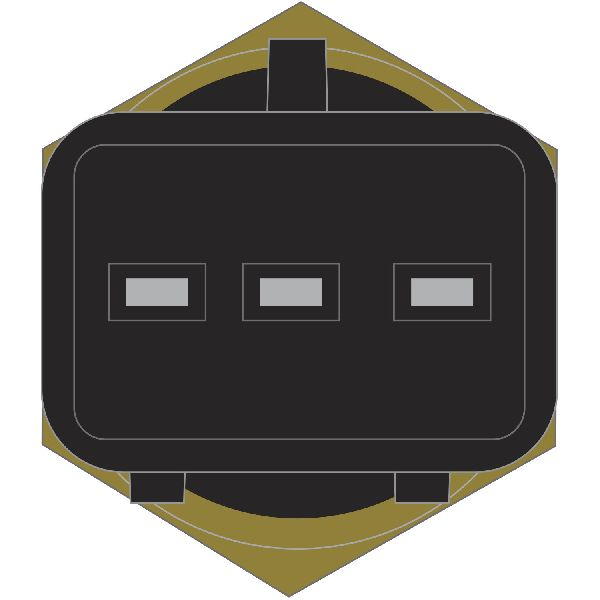
- If the wiring looks good, disconnect the connector. Use a multimeter set to Ohms (Ω) to test the resistance across the two pins on the sensor itself. Compare this reading to the specifications chart. For example, at 68°F (20°C), resistance should be around 2.31-2.59 kΩ.
- If the sensor tests bad (e.g., shows an open circuit/infinite resistance), it needs to be replaced.
- If the sensor tests good, the problem is in the wiring or PCM. Check for a 5V reference on one pin and a good ground on the other at the connector with the key on. If voltage or ground is missing, trace the wiring back towards the PCM to find the break.
Parts You'll Likely Need
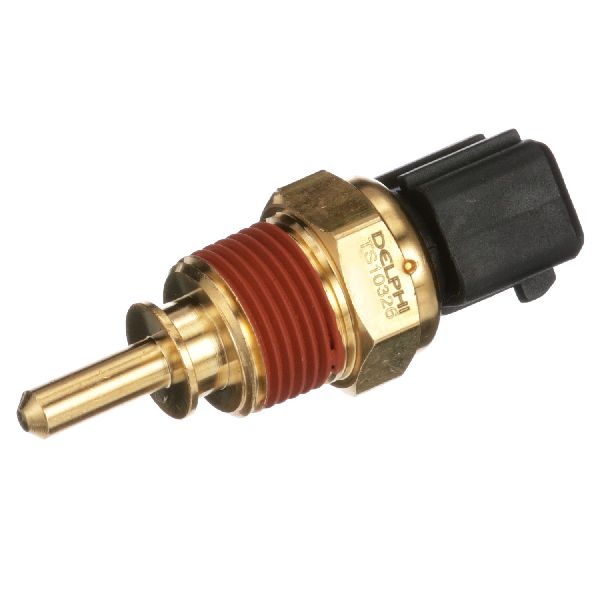
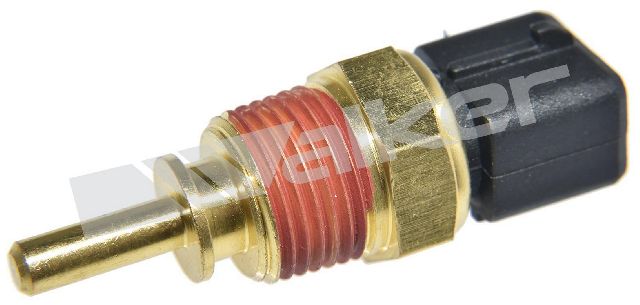
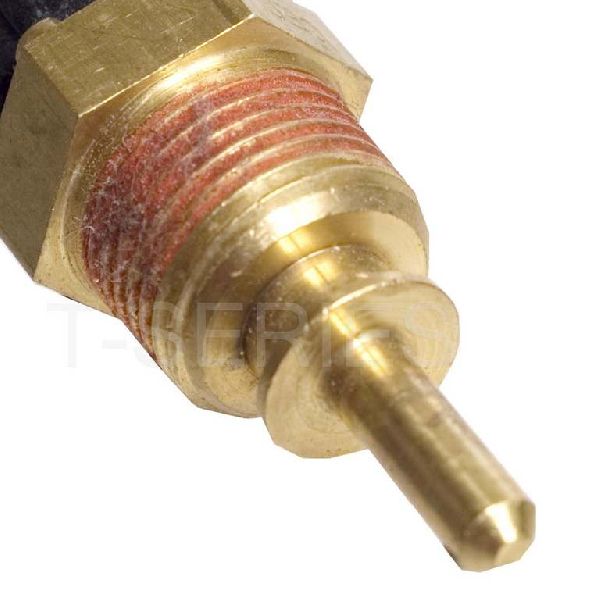
- Engine Coolant Temperature Sensor
(OEM #39220-38030 (may supersede 39220-2B000 or 39220-38020 for some applications))— This sensor is the most common failure point for a P0118 code, as an internal open circuit directly causes the 'high input' signal.
Trusted brands: Hyundai Genuine, Bosch, Denso, Standard Motor Products
OEM price range: $40-$70
Aftermarket price range: $20-$50
Platform-Specific Known Issues
- Melted Wiring Harness: A specific failure pattern seen in online repair videos involves the ECT sensor's wiring loom making contact with a hot coolant pipe. Over time, the heat melts the wire insulation, causing the wires to short together or create an open, triggering the P0118 code. The repair involves physically separating the wires, repairing the damaged sections, and re-routing the harness away from the heat source.
Mechanic-Grade Diagnostic Values
- ECT Sensor Resistance — expected: -40°F (-40°C): 48.14 kΩ 32°F (0°C): 5.79 kΩ 68°F (20°C): 2.31-2.59 kΩ 104°F (40°C): 1.15 kΩ 176°F (80°C): 0.32 kΩ. Failure: Infinite resistance (Open Line) at any temperature, or readings that are significantly outside the expected range for a measured temperature.
- ECT Sensor Connector - Reference Voltage — expected: Approximately 5.0V with key on, engine off (KOEO), measured between one pin and a known good ground.. Failure: Voltage near 0V indicates an open in the reference circuit from the PCM or a faulty PCM. Voltage significantly higher than 5V indicates a short to power.
- ECT Sensor Connector - Ground Circuit — expected: Near 0V potential and good continuity to ground. This is a sensor ground provided by the PCM.. Failure: Voltage present on the ground pin or high resistance to ground indicates an open or resistance in the ground circuit back to the PCM.
- ECT Signal Wire Voltage (Backprobed at sensor) — expected: Approximately 2.0V - 3.0V on a cold engine, decreasing steadily to around 0.5V at full operating temperature (approx. 176°F / 80°C).. Failure: Voltage stuck near 5.0V indicates an open circuit (sensor unplugged, bad sensor, or broken wire), which is the direct cause of a P0118 code.
Scan Tool Commands That Help
- Hyundai GDS (Global Diagnostic System): Live Data Graphing (ECT Sensor) — To visually monitor the ECT sensor voltage or temperature reading while performing a 'wiggle test' on the harness. This is highly effective for identifying intermittent open circuits or poor connections that cause the P0118 code, as the GDS provides dealership-level data refresh rates.
- OBD-II Scanner with Live Data: Jumpering the connector pins — If the sensor is unplugged and a jumper wire is used to connect the two terminals in the harness-side connector, the scan tool's live data for ECT should immediately jump to a very high temperature (e.g., >250°F). If it does, this confirms the wiring and PCM are likely okay, and the original sensor is bad. If it does not, the open circuit is in the wiring or PCM.
Wiring & Ground Locations
- ECTS Sig (Signal) — This is the signal wire from the ECT sensor to the ECM. On a 2013 Veloster Turbo, this corresponds to pin 44 (White wire) on the ECM connector.. An open circuit or break in this wire will prevent the sensor's resistance reading from reaching the ECM, causing the voltage to remain high and triggering P0118.
- ECTS Gnd (Ground) — This is the dedicated sensor ground provided by the ECM. On a 2013 Veloster Turbo, this corresponds to pin 67 (Green wire) on the ECM connector.. An open in the ground circuit will also cause a P0118 code, as it prevents the circuit from being completed, leading to a high voltage reading at the ECM.
- GGGT09 / GGGG09 — Main engine ground point located on the left side of the engine.. While the ECT sensor has a dedicated ground back to the ECM, a poor main engine ground can cause a variety of electrical issues and erratic sensor behavior. It should be checked for corrosion and tightness if other electrical faults are present.
Real Owner Repair Stories
- Veloster.org forum user (2013 Hyundai Veloster Turbo) — Check engine light with code P0118, cooling fans running constantly.
❌ Tried (didn't work) Initially replaced the ECT sensor, but the code returned.
✅ What actually fixed it The user found that the wiring harness for the ECT sensor had been rubbing against a metal coolant pipe. The insulation on one of the wires was worn through, causing an intermittent open circuit. Repairing the damaged wire and securing the harness away from the pipe with a zip tie permanently resolved the issue. - Hyundai Owner Report — In a cross-manufacturer reference, NHTSA ODI #10095960 describes a situation where a technician noted that a P0118 code appeared alongside mechanical timing issues, though the specific meaning of the code was not immediately clear to the service provider at the time.
OEM Part Supersession History
39220-38020→39220-38030— Part revision or manufacturer change.39230-26700→39220-38030— Part consolidation/revision.39220-2B000→39220-38030— This is a commonly cited supersession in parts catalogs for the 1.6L Gamma engine, though 39220-38030 is the most current replacement.
Diagnostic Flowchart
Other Known Issues on This Vehicle
Issues unrelated to this code that are worth knowing about as an owner of this generation:
- Catastrophic Engine Failure (Connecting Rod) 🔴 High — Occurs most frequently between 30,000 and 80,000 miles. Preceded by knocking or pinging noises. A recall was issued for this issue. (Ref: NHTSA Recall, check VIN for applicability)
- Dual-Clutch Transmission (DCT) Hesitation and Failure 🟠 Medium — Commonly reported issues include hesitation, lurching on cold starts, and slipping between 1st and 2nd gears. In some cases, it can lead to a no-forward-gear condition. (Ref: Various TCM software updates may be available.)
- Intake Valve Carbon Buildup (GDI Engine) 🟠 Medium — A common issue for all Gasoline Direct Injection (GDI) engines, typically becoming noticeable after 60,000 miles. Symptoms include rough idle, misfires, and reduced performance. (Ref: TSB 23-EM-008H provides guidelines for inspection and cleaning due to related oil consumption issues.)
- Low-Speed Pre-Ignition (LSPI) - Turbo Models 🔴 High — Primarily affects turbocharged models. LSPI is an uncontrolled combustion event at low RPM that can cause catastrophic engine damage, such as broken connecting rods, with little warning. (Ref: Using API SN PLUS or SP-rated oils designed to prevent LSPI is the primary mitigation.)
Used vs. New Parts: Buying Guide for This Vehicle
When a used part is the smart pick: For this repair, a used part only makes sense for the **connector pigtail**. If the plastic connector housing is broken or the wires are damaged right at the connector, sourcing a pigtail from a junkyard harness is a viable and cost-effective repair. The ECT sensor itself is inexpensive and a wear item, so a new one is always recommended.
Donor-vehicle mileage cap: roughly under 120000 miles for the part to have meaningful remaining life.
What to inspect on the donor part:
- For a connector pigtail, ensure the locking tab is intact and clicks securely.
- Check for at least 4-6 inches of clean, flexible wire attached to the pigtail.
- Inspect the metal terminals inside the connector; they should be clean and free of green or white corrosion.
- Avoid any pigtails with brittle, cracked, or melted wire insulation.
Aftermarket brands forum-validated for this vehicle:
- Denso
- NTK
- Standard Motor Products (SMP)
Brands owners have reported issues with on this vehicle:
- Ultra-cheap, no-name brands from online marketplaces, as they may have poor accuracy or short lifespans.
Real Owner Stories
Aggregated from forums and TSBs cited above. Mileages and costs reflect what owners reported in those sources.
2012 Hyundai Veloster — 89000 miles
Symptoms: Check engine light on, digital heat gauge vanished, overheating, car entered safe mode, and grey sludge found under the radiator cap.
What fixed it: The owner's report ends with the problem unresolved after replacing the sensor and thermostat; the symptoms suggested a head gasket failure.
Source hint: Reddit r/MechanicAdvice thread 'Coolant temperature sensor : r/MechanicAdvice'
2017 Hyundai Veloster Turbo
Symptoms: Dashboard lights popped up, gear shifter locked, tachometer stuck at 0 even when revving, and multiple codes including P0118, P1509, and P0113.
What fixed it: The source describes these as 'weird electrical problems out of the blue' appearing simultaneously.
Source hint: Reddit r/veloster
2012-2017 Hyundai Veloster
Symptoms: Check engine light (P0118 and P0119) and cooling fans running constantly.
What fixed it: Replaced the Engine Coolant Temperature (ECT) sensor.
Source hint: veloster.org thread 'p0118-and-p0119-engine-coolant-temperature-sensor.66565/'
Related OBD-II Codes
Frequently Asked Questions
My 2012 Veloster's temperature gauge vanished and I see grey sludge in the radiator; will a new ECT sensor fix this?
Why are my cooling fans running constantly even when I first start my Veloster in the morning?
Is there a specific wiring issue I should check for on my 1.6L Gamma GDI engine?
Can I use the same diagnostic specs for my Kia Rio or Soul with the 1.6L engine?
What should I check if my Veloster has P0118 along with a locked gear shifter and a tachometer stuck at zero?
Is there a TSB for the carbon buildup I'm noticing while fixing my coolant sensor?
Helpful Videos

We Have This Part in Stock


The information in this article is provided for general reference and educational purposes only. Vehicle specifications, procedures, and part compatibility can vary by production date, trim level, and region. Always consult your vehicle's factory service manual and verify part numbers before purchasing or performing repairs. Safety-critical components such as airbags, seat belts, and braking systems should be installed by a qualified professional.
- Hyundai Veloster:
- 🧭 Diagnostic Flowchart
- 🎬 Helpful Videos
- 🛍️ Shop This Part
- What's Unique About the 2012-2017 Hyundai Veloster
- Symptoms You May Notice
- Most Likely Causes
- Rare But Worth Checking
- Diagnosis Steps
- Parts You'll Likely Need
- Platform-Specific Known Issues
- Mechanic-Grade Diagnostic Values
- Scan Tool Commands That Help
- Wiring & Ground Locations
- Real Owner Repair Stories
- OEM Part Supersession History
- Other Known Issues on This Vehicle
- Used vs. New Parts: Buying Guide for This Vehicle
- Real Owner Stories
- 2012 Hyundai Veloster — 89000 miles
- 2017 Hyundai Veloster Turbo
- 2012-2017 Hyundai Veloster
- Related OBD-II Codes
- Frequently Asked Questions
- 🎟️ Get 5% Off