

P0121 on 2006-2009 GMC Envoy V8: Causes, Symptoms, and Fixes for Throttle Position Sensor Faults
On a 2006-2009 GMC Envoy, P0121 is almost always caused by a dirty throttle body. A thorough cleaning often fixes it for under $20. If not, the entire throttle body assembly needs replacement, as the sensor is integrated. An idle relearn procedure is often required after cleaning or replacement.
- P0121 on a 2006-2009 Envoy will very likely trigger the 'Reduced Engine Power' warning, making the vehicle unsafe to drive in traffic.
- Before buying any parts, your first step should always be to remove and thoroughly clean the throttle body.
- The throttle position sensor (TPS) is not sold separately; if it has failed, you must replace the entire throttle body assembly.
- An idle relearn procedure is almost always necessary after cleaning or replacing the throttle body to prevent a high or unstable idle.
What's Unique About the 2006-2009 GMC Envoy
On this generation of GM trucks and SUVs (GMT360 platform), including the Envoy, the P0121 code is an extremely common and well-documented issue. The root cause is frequently not a failed sensor, but rather carbon buildup inside the throttle body that physically restricts the throttle plate's movement, causing the actual position to deviate from the commanded position. Unlike many other vehicles, the throttle position sensor is integrated into the throttle body assembly and is not available as a separate part, meaning a failed sensor requires replacing the entire unit.
Symptoms You May Notice
- Vehicle enters 'Reduced Engine Power' or 'Limp Mode'
- Check Engine Light is on
- Poor or hesitant acceleration
- Rough or unstable idle, sometimes surging
- Engine may stall at low speeds or when stopping
- Sudden surges in speed or unpredictable throttle response
- High idle RPM after cleaning the throttle body if a relearn is not performed.
- Replacing the Accelerator Pedal Position (APP) sensor. The APP sensor is located at the gas pedal, not the engine, and has its own distinct set of trouble codes (like P2138). Forum users frequently have to correct others on this point.
Most Likely Causes
- Dirty Throttle Body 🔴 High Probability → Shop Fuel Injection Throttle Body Carbon and oil vapor from the PCV system accumulate in the throttle body over time, restricting the movement of the throttle plate, especially near the closed position. A TSB for similar GM platforms specifically links P0121 to this carbon buildup on high-mileage vehicles. As the gunk builds, the PCM learns to open the throttle plate more at idle to compensate. When cleaned, this learned value is now too high, causing issues until a relearn is performed.
How to confirm: Visually inspect the throttle body bore and the edges of the throttle plate for a thick black coating of carbon. A scan tool may show a high throttle position percentage at idle (e.g., over 20%) before cleaning. The plate may feel sticky or sluggish when moved by hand (with the engine off).
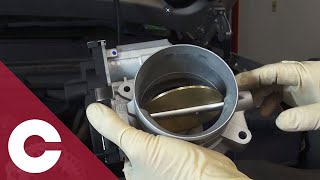
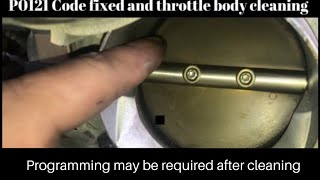
Typical fix: Remove the throttle body and clean it thoroughly with throttle body cleaner and a soft brush. Pay special attention 🎬 Watch: A step-by-step guide to cleaning your Envoy's throttle body. to the edges of the plate and the bore where it seats. A throttle relearn procedure is highly recommended afterward.
Est. part cost: $10-$20 for cleaner and gaskets. - Failing Throttle Body Assembly 🟡 Medium Probability → Shop Fuel Injection Throttle Body The internal electronics of the integrated throttle position sensor or the motor that controls the throttle plate can fail over time, causing erratic signals. This is a notorious problem on these GM electronic throttle bodies.
How to confirm: If a thorough cleaning of the throttle body does not resolve the code, the assembly itself is the next logical point of failure. A scan tool can monitor TPS voltage to look for erratic readings or dropouts. Testing the internal circuits with a multimeter can also confirm failure.
Typical fix: Replace the entire throttle body assembly. The sensor is not sold separately for this vehicle. An idle relearn procedure is required after replacement.
Est. part cost: $150-$300 - Wiring or Connector Issue ⚪ Low Probability The engine harness connector at the throttle body is exposed to heat and vibration, which can lead to corrosion, loose pins, or broken wires over time. The plastic locking tab on the connector is also known to become brittle and break.
How to confirm: With the engine off, disconnect the throttle body connector and inspect for green/white corrosion, bent pins, or damaged wires. Gently tug on each wire at the back of the connector to ensure it's secure. Wiggle the harness while monitoring TPS data on a scan tool to see if the readings jump.
Typical fix: Clean the connector pins or repair the damaged section of the wiring harness. If the connector housing is broken, a new pigtail connector (like ACDelco PT2628) can be spliced in.
Est. part cost: $5-$50 for connector pigtail or repair supplies.
Rare But Worth Checking
- Failing Powertrain Control Module (PCM): This is very unlikely and should only be considered after all other possibilities, including wiring, have been exhaustively ruled out by a professional.
Diagnosis Steps
- Confirm the presence of code P0121 🎬 Watch this professional walkthrough for diagnosing and repairing the P0121 code. with an OBD-II scanner. Check for other related codes like P1516 or P2135.
- Check for any Technical Service Bulletins (TSBs) related to this code for your specific VIN. TSB #PIP4578B is known for related platforms and directly links P0121 to carbon buildup.
- Turn the ignition off. Remove the air intake duct from the throttle body.
- Visually inspect the throttle body bore and plate for heavy carbon buildup.
- If dirty, disconnect the battery negative terminal to reset the PCM's learned values. Remove the throttle body (typically four 10mm bolts).
- Clean it thoroughly using specialized throttle body cleaner and a soft brush. Do not use harsh solvents or scrape the surfaces. Ensure the area where the plate seats is perfectly clean.
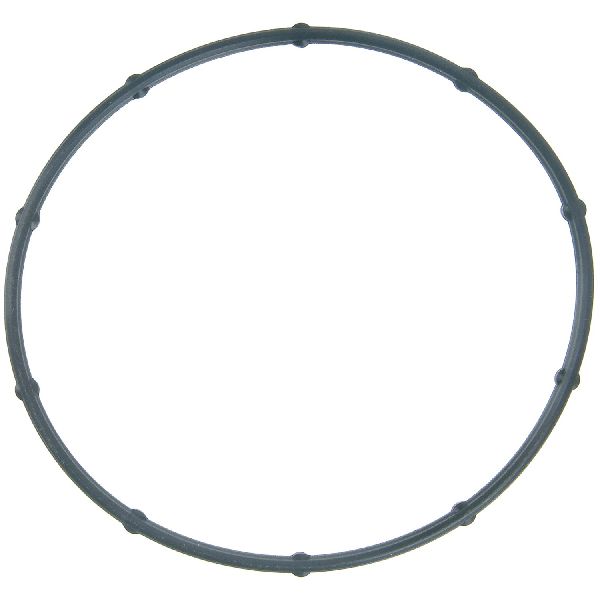
- Reinstall the throttle body with a new gasket.
- Inspect the wiring harness and connector at the throttle body. Check for corrosion, backed-out pins, or chafed wires (the dark green wire is a key one to check). Ensure the connector clicks securely into place.
- Reconnect the battery.
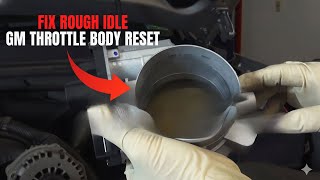
- Perform a throttle relearn procedure. This can be done with a scan tool (the most reliable method) or manually. A common manual method is to start the engine and let it idle in Park for 3 minutes, turn it off for 60 seconds, 🎬 See how to manually reset and relearn your throttle body. and repeat the 3-minute idle. Driving the vehicle with several accelerations and decelerations may also be required.
- Test drive the vehicle. If the code returns and the wiring is confirmed good, the throttle body assembly itself is likely faulty and requires replacement.
Parts You'll Likely Need
- Throttle Body Assembly
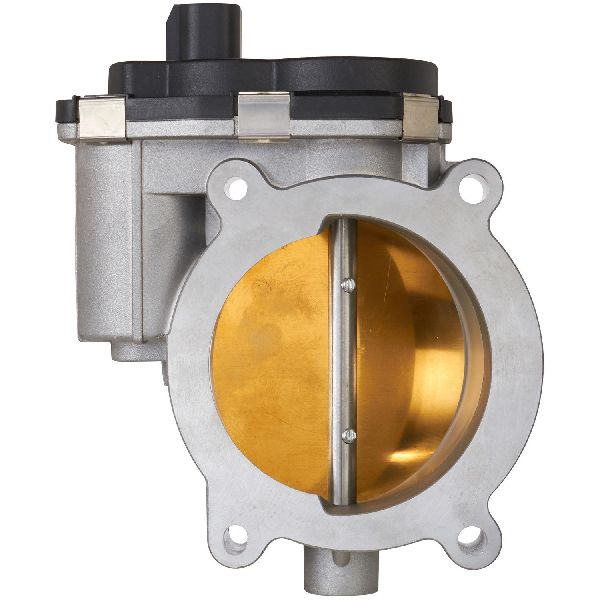
(OEM #12616437 (superseded by 12694872))— This is the required fix if cleaning the original unit does not resolve the P0121 code, or if the internal sensor has failed. The throttle position sensor is integrated into this assembly.
Trusted brands: ACDelco, Hitachi, Bosch, Dorman
OEM price range: $200-$300
Aftermarket price range: $150-$250 - Throttle Body Cleaner — This is required for the most probable and least expensive fix: cleaning the carbon buildup from the throttle plate and bore.
Trusted brands: CRC, Berryman, Gumout
OEM price range: N/A
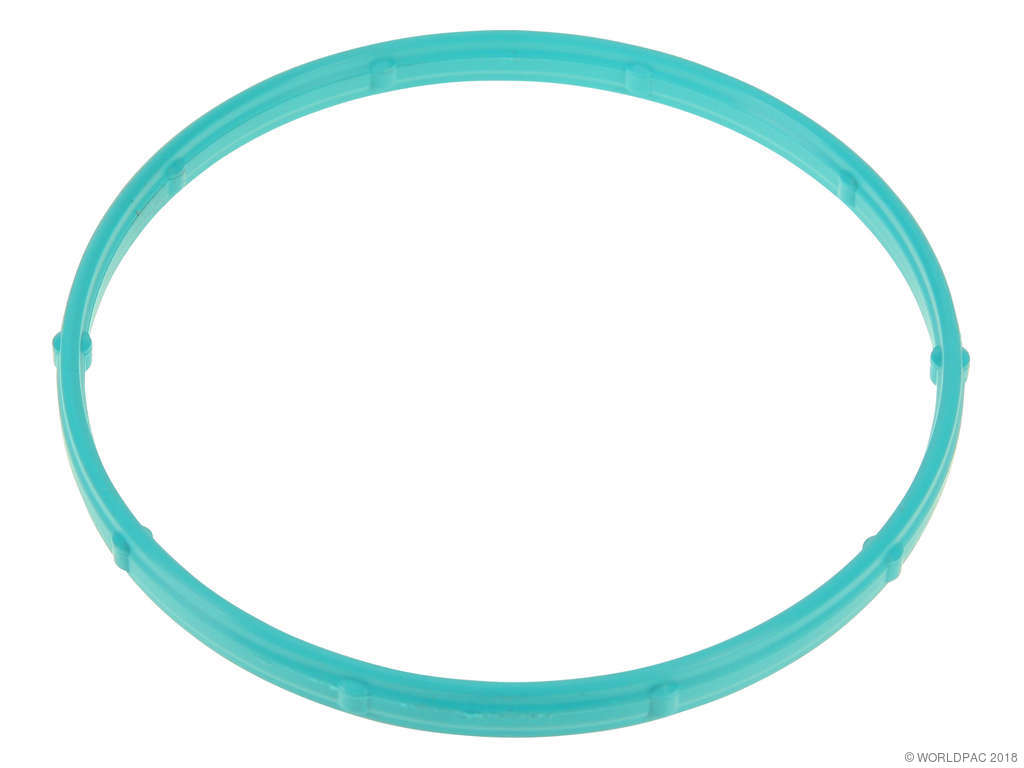
Aftermarket price range: $10-$15 - Throttle Body Gasket — It is best practice to replace the gasket anytime the throttle body is removed to prevent vacuum leaks.
Trusted brands: ACDelco, Fel-Pro
OEM price range: $5-$15
Aftermarket price range: $3-$10
Related Codes That Often Appear With This One
- P1516, P2101, P2119: These codes are often seen with P0121 and relate to the Throttle Actuator Control (TAC) module performance, reinforcing that the issue is at the throttle body itself.
- P0506, P0507: These codes for 'Idle Air Control System RPM Lower/Higher Than Expected' can appear after cleaning the throttle body if an idle relearn is not performed.
Technical Service Bulletins (TSBs) & Recalls
- TSB #PIP4578B: Addresses idle surge and reduced power mode linked to carbon accumulation forcing the throttle plate open beyond its learned position. This bulletin notes that high mileage vehicles may experience DTCs P0121, P1516, P2101, and P2119.
Platform-Specific Known Issues
- A Technical Service Bulletin (TSB #PIP4578B) was issued for GM V8 trucks and SUVs, including the Envoy, addressing idle surge and reduced power mode with P0121 on high-mileage vehicles. It directly links the cause to carbon buildup preventing the throttle plate from closing properly and specifies that an 'idle learn reset' is necessary after cleaning.
Mechanic-Grade Diagnostic Values
- Throttle Position Sensor (TPS) Voltage — expected: Should sweep smoothly from approximately 0.5V at idle (closed throttle) to 4.5V at wide-open throttle (WOT).. Failure: Voltage readings that are jumpy, have dead spots, or do not change smoothly when the throttle is opened and closed indicate a failing sensor.
- Scan Tool - Throttle Position Percentage at Idle — expected: After cleaning, a healthy throttle body should show a low percentage, often under 10%.. Failure: Before cleaning, a reading above 20% at idle often indicates significant carbon buildup is holding the plate open. If the reading remains high or erratic after cleaning, the sensor is likely faulty.
- Scan Tool - Desired vs. Actual Idle RPM — expected: After a successful idle relearn, the 'Desired Idle RPM' and 'Actual Engine RPM' should be nearly identical.. Failure: A large discrepancy between desired and actual idle RPM after cleaning the throttle body points to the need for an idle relearn procedure.
Scan Tool Commands That Help
- GDS2 / Tech 2: Idle Learn Reset / Throttle Learn Reset — This function must be used after cleaning or replacing the throttle body to clear the old learned airflow compensation values from the ECM. Failing to do this is a primary cause of high/unstable idle and can cause the P0121 code to return even with a clean or new part.
Wiring & Ground Locations
- Throttle Body Connector (X1 for V8) — The main electrical connector on the electronic throttle body assembly itself.. This is the primary point for all voltage and signal testing. The pins for the dual TPS sensors, 5V reference, ground, and the throttle actuator motor are located here. Corrosion or loose pins are a common, though less frequent, cause of P0121 and related codes like P2135.
- G103 — On the front of the passenger side (right) cylinder head.. This is a primary engine ground. A poor connection here can cause unstable reference voltages for multiple sensors, including the TPS. This can lead to erratic readings and false P0121 codes.
- G104 — On the left front corner of the engine/cylinder head.. This is another critical engine-to-chassis ground. Like G103, a loose or corroded connection here can disrupt the stable 5V reference signal the TPS relies on, causing performance issues.
Real Owner Repair Stories
- CorvetteForum user (2005 Chevrolet Corvette LS2 (similar electronic throttle body design)) — Intermittent P2135 (TPS Correlation) code at cruising speeds, which would become constant (triggered by >25% throttle) with aftermarket parts.
❌ Tried (didn't work) Two different Dorman replacement throttle bodies
✅ What actually fixed it Replacing the throttle body with a new, genuine GM part resolved all issues permanently.
OEM Part Supersession History
12616437→12694872— Standard part revision and update by the manufacturer.
Heads up: The new part number is the correct service replacement for the original.
Diagnostic Flowchart
Other Known Issues on This Vehicle
Issues unrelated to this code that are worth knowing about as an owner of this generation:
- Cooling Fan Clutch Failure 🟠 Medium — Common failure item, often noticeable by a loud roaring sound from the engine bay that doesn't change with engine RPM, or an overheating condition at idle.
- Instrument Cluster Gauge Failure 🟠 Medium — Widespread issue across many GM vehicles of this era. Speedometer, tachometer, or other gauges may become stuck, read incorrectly, or stop working altogether due to faulty stepper motors. (Ref: While no specific recall for the Envoy, this was a major issue for GM and subject to class-action lawsuits for other models.)
- Cracked Exhaust Manifold 🟠 Medium — Owners report a loud ticking or exhaust leak sound, especially on cold starts, due to a cracked manifold. This is a known issue on the V8 models. (Ref: TSB #000601026I was released to provide more information on servicing the intake manifold.)
- Displacement on Demand (DOD) / Active Fuel Management (AFM) Lifter Failure 🔴 High — On the 5.3L V8 engines, the DOD/AFM system that deactivates cylinders can have issues with lifters failing, often after 100,000 miles. This can lead to misfires, noise, and potentially catastrophic engine damage.
- Rear Air Suspension Failure 🟡 Low — The air springs in the rear suspension can dry rot and leak, causing the rear of the vehicle to sag. The air compressor may also fail from running too often to compensate for leaks.
Used vs. New Parts: Buying Guide for This Vehicle
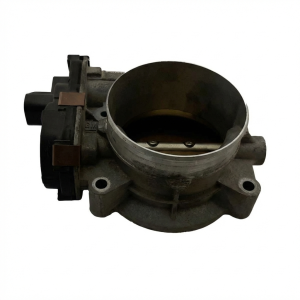
When a used part is the smart pick: A used OEM throttle body from a reputable salvage yard can be a cost-effective alternative to a new aftermarket part, especially if the donor vehicle has low mileage. Given that some aftermarket units have reported issues, a used original GM part is often a more reliable choice than a new, non-OEM part.
Donor-vehicle mileage cap: roughly under 80000 miles for the part to have meaningful remaining life.
What to inspect on the donor part:
- Check for a clean throttle plate and bore; excessive carbon may suggest high mileage or other engine issues.
- Ensure the electrical connector pins are straight, clean, and free of any corrosion.
- Verify the part number on the unit matches the required OEM number or its supersession.
- Ask for the donor vehicle's mileage if possible.
OEM-only on this vehicle (don't cheap out):
- Throttle Body Assembly
Aftermarket brands forum-validated for this vehicle:
- ACDelco (Original Equipment)
- Hitachi (Often an OEM supplier)
Brands owners have reported issues with on this vehicle:
- Dorman: While widely available, some forum users have reported immediate or premature failure with Dorman throttle bodies on GM vehicles, leading them to purchase a genuine GM part to finally resolve the issue.
Real Owner Stories
Aggregated from forums and TSBs cited above. Mileages and costs reflect what owners reported in those sources.
2006-2009 GMC Envoy V8 — ~120000 miles
Symptoms: Idle surge and reduced power mode on a high-mileage vehicle. Manufacturer Bulletin #PIP4578B notes that these symptoms, along with DTC P0121, are common on high mileage engines.
What fixed it: Cleaning carbon accumulation from the throttle body and performing an idle learn reset.
Source hint: TSB #PIP4578B
2006-2009 GMC Envoy V8
Symptoms: P0121 code triggered; owner initially considered replacing the Accelerator Pedal Position (APP) sensor.
What fixed it: Inspecting the wiring harness at the throttle body connector for damage before replacing the unit.
Source hint: GMTNation forum thread 'Reduced Engine Power P0121 help me'
2006-2009 GMC Envoy V8
Symptoms: P0121 TPS code; cleaning the throttle body only provided a temporary fix for a few weeks before the code returned.
What fixed it: Replacing the entire throttle body assembly for a permanent fix.
Source hint: Tahoe Yukon Forum thread 'Remove and clean TB/MAF to help P0121 TPS code'
Related OBD-II Codes
Frequently Asked Questions
Is there a Technical Service Bulletin for the P0121 code on my GMC Envoy V8?
Can I just replace the Throttle Position Sensor (TPS) on my 2006-2009 Envoy V8?
Why did my Envoy's idle become high and 'unnerving' after I cleaned the throttle body?
Is the P0121 code caused by the Accelerator Pedal Position (APP) sensor?
What specific wiring should I check on my Envoy if I suspect a connector issue?
Are there any other common issues I should look out for while fixing the P0121 code?
Helpful Videos

Used OEM Parts in Stock
New Aftermarket Parts Available


The information in this article is provided for general reference and educational purposes only. Vehicle specifications, procedures, and part compatibility can vary by production date, trim level, and region. Always consult your vehicle's factory service manual and verify part numbers before purchasing or performing repairs. Safety-critical components such as airbags, seat belts, and braking systems should be installed by a qualified professional.
- GMC Envoy:
- 🧭 Diagnostic Flowchart
- 🎬 Helpful Videos
- 🛍️ Shop This Part
- What's Unique About the 2006-2009 GMC Envoy
- Symptoms You May Notice
- Most Likely Causes
- Rare But Worth Checking
- Diagnosis Steps
- Parts You'll Likely Need
- Related Codes That Often Appear With This One
- Technical Service Bulletins (TSBs) & Recalls
- Platform-Specific Known Issues
- Mechanic-Grade Diagnostic Values
- Scan Tool Commands That Help
- Wiring & Ground Locations
- Real Owner Repair Stories
- OEM Part Supersession History
- Other Known Issues on This Vehicle
- Used vs. New Parts: Buying Guide for This Vehicle
- Real Owner Stories
- 2006-2009 GMC Envoy V8 — ~120000 miles
- 2006-2009 GMC Envoy V8
- 2006-2009 GMC Envoy V8
- Related OBD-II Codes
- Frequently Asked Questions
- 🎟️ Get 5% Off