

P0121 on 2000-2006 Hyundai Accent: Throttle Position Sensor Causes and Fixes
This code almost always points to a faulty Throttle Position Sensor (TPS) on the 2000-2006 Accent. A new sensor is inexpensive and easy to replace, often fixing hesitation and stalling issues. Expect to pay $20-$60 for an aftermarket part or around $130 for an OEM sensor. Before replacing, it's wise to first clean the throttle body and check the wiring connector.
- P0121 on a 2000-2006 Accent points to a problem with the Throttle Position Sensor's signal.
- The most likely fix is replacing the TPS, which is an inexpensive part and a very simple DIY job (1 out of 5 difficulty).
- Before replacing the sensor, it's worth cleaning the throttle body and checking the sensor's wiring connector for damage or corrosion, as this can also solve the issue.
- Symptoms like hesitation, stalling, and rough idle are common with this code and will likely be resolved by fixing the root cause.
- Erratic shifting or feeling like the transmission is stuck in gear can be a misleading symptom caused by the faulty TPS, not a bad transmission.
What's Unique About the 2000-2006 Hyundai Accent
For the second-generation (LC) Hyundai Accent, the engine management system is relatively straightforward. The P0121 code is triggered by a 'rationality check' where the computer cross-references the TPS voltage against a calculated engine load based on MAF/MAP and engine speed. Unlike some newer cars with complex electronic throttle bodies, the Accent of this era uses a simple, cable-actuated throttle with a bolt-on sensor. This makes diagnosis and repair significantly easier and cheaper for a DIY mechanic, as the issue is almost always the sensor itself, its wiring, or a dirty throttle body, not an expensive, integrated throttle assembly.
Symptoms You May Notice
- Check Engine Light is on
- Hesitation or stumbling when accelerating
- Engine stalls, especially when coming to a stop or at idle
- Rough or unstable idle
- Noticeable lack of engine power
- Difficulty starting the engine
- Poor fuel economy
- Transmission may not shift correctly or may feel jerky
- Replacing the Mass Airflow (MAF) sensor when the problem is actually the TPS.
- Replacing the Idle Air Control (IAC) valve, which may cause similar idle issues but won't typically set a P0121 code.
- Assuming the transmission is failing due to erratic shifting when the root cause is an incorrect throttle position signal to the ECM.
Most Likely Causes
- Faulty Throttle Position Sensor (TPS) 🔴 High Probability → Shop Fuel Injection Throttle Body The TPS is a mechanical sensor with a moving wiper that wears out over time, leading to dead spots or erratic voltage signals. It is the most common point of failure for this code on the Accent and many other vehicles of this era.
How to confirm: With a scan tool, observe the TPS reading as you slowly press the accelerator pedal with the engine off, key on. The reading should increase smoothly from around 0% to 100%. Any jumps, dead spots, or erratic values indicate a bad sensor. You can also test the voltage output with a multimeter; it should sweep smoothly from ~0.5V to ~4.5V. Wiggling the connector while observing the data can also reveal an internal sensor fault.
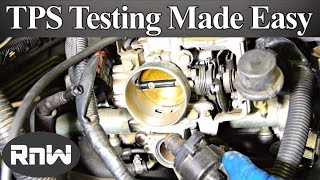
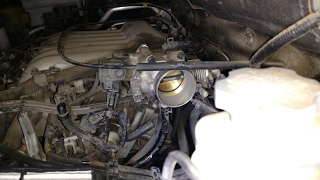
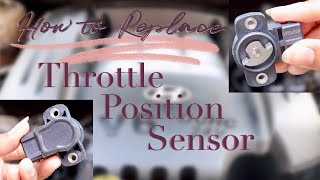
Typical fix: Replace the Throttle Position Sensor. This is a simple bolt-on part. 🎬 Watch: Step-by-step guide to replacing a faulty throttle position sensor
Est. part cost: $20-$60 - Dirty or Sticking Throttle Body 🟡 Medium Probability → Shop Fuel Injection Throttle Body Carbon and oil vapor from the crankcase ventilation system can build up in the throttle body over time, restricting the movement of the throttle plate. This can cause the plate to stick or not close properly, creating a mismatch between the actual airflow and what the TPS is reporting.
How to confirm: Remove the air intake hose from the throttle body and visually inspect for black carbon buildup, especially around the throttle plate and bore. Check if the plate moves smoothly by hand; it should snap back to closed position without any binding.
Typical fix: Clean the throttle body thoroughly with a dedicated throttle body cleaner and a soft brush or rag. Manually open the throttle plate to clean the edges and bore completely.
Est. part cost: $5-$15 - Wiring or Connector Issue ⚪ Low Probability Engine vibration and heat can cause wires to fray or the connector pins to lose tension or corrode over many years. The plastic connector itself can become brittle and crack.
How to confirm: Visually inspect the wiring harness leading to the TPS for any signs of damage, melting, or chafing. Wiggle the connector while the engine is running or while monitoring TPS data to see if it causes a change in idle or data readings. Check for water intrusion in the connector.
Typical fix: Repair the damaged section of wire or clean/replace the connector pigtail.
Est. part cost: $10-$30
Rare But Worth Checking
- Vacuum Leak: A significant vacuum leak in the intake system can cause the engine to receive more air than the ECM expects for a given throttle position, potentially triggering a P0121 code as a secondary fault.
- Faulty Engine Control Module (ECM): This is very rare. The ECM should only be considered after all other possibilities, including the sensor, wiring, and throttle body, have been thoroughly ruled out.
Diagnosis Steps
- Connect an OBD-II scanner to verify P0121 is present. Note any other codes, like misfire codes, which could be symptoms of the P0121 fault.
- Using the scanner's live data function, monitor the 'Throttle Position' percentage (TP%). With the key on and engine off, it should read a low percentage (0-10%).
- Slowly press the accelerator pedal to the floor. The TP% reading should increase smoothly and steadily to ~100% without any dropouts, spikes, or glitches.
- If the reading is erratic, the TPS is almost certainly bad and should be replaced.
- If the data looks good, perform a visual inspection. Remove the air intake duct from the throttle body.
- Inspect the throttle body bore and plate for heavy carbon buildup. A sticking throttle plate can cause this code. Clean it thoroughly if dirty.
- Inspect the TPS wiring connector for corrosion, damage, or loose pins. Wiggle the harness while monitoring live data to see if it affects the reading.
- If the TPS, wiring, and throttle body are all good, consider less common causes. Check for vacuum leaks using a smoke machine or by listening for hissing sounds.
- In very rare cases, if all else fails, the ECM could be the culprit, but this should be the last resort.
Parts You'll Likely Need
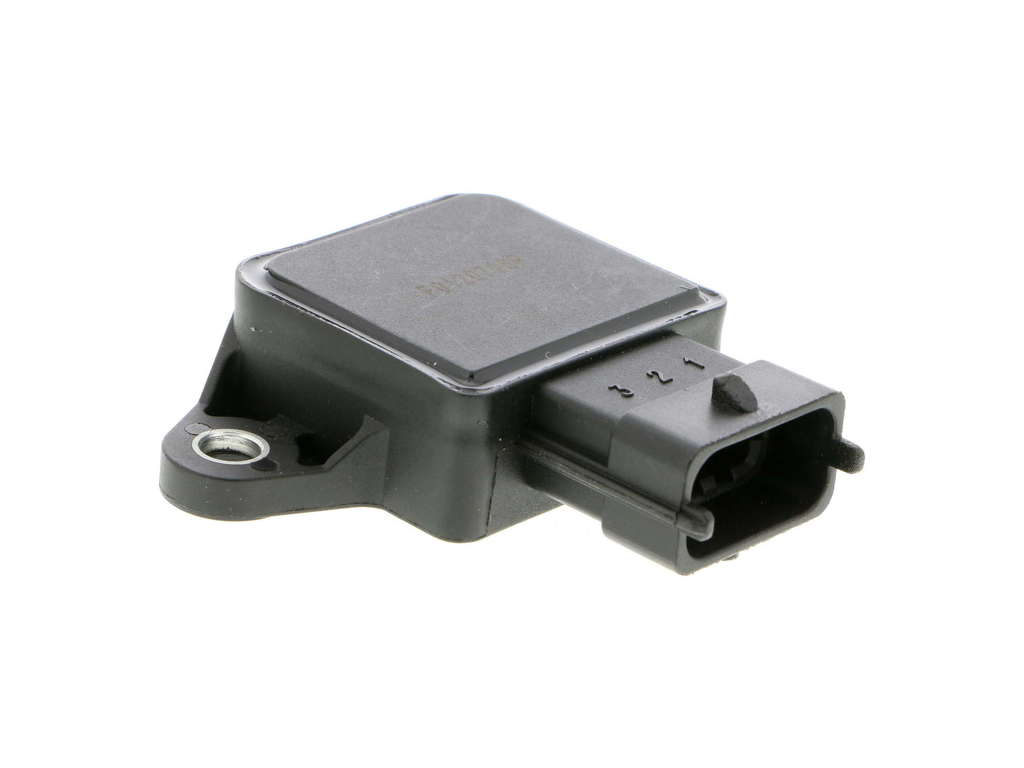
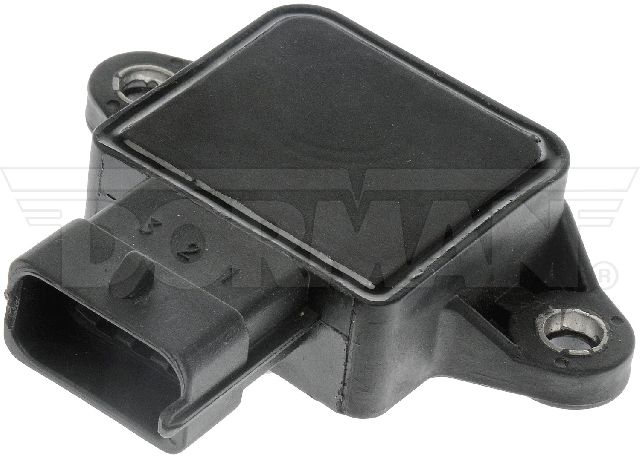
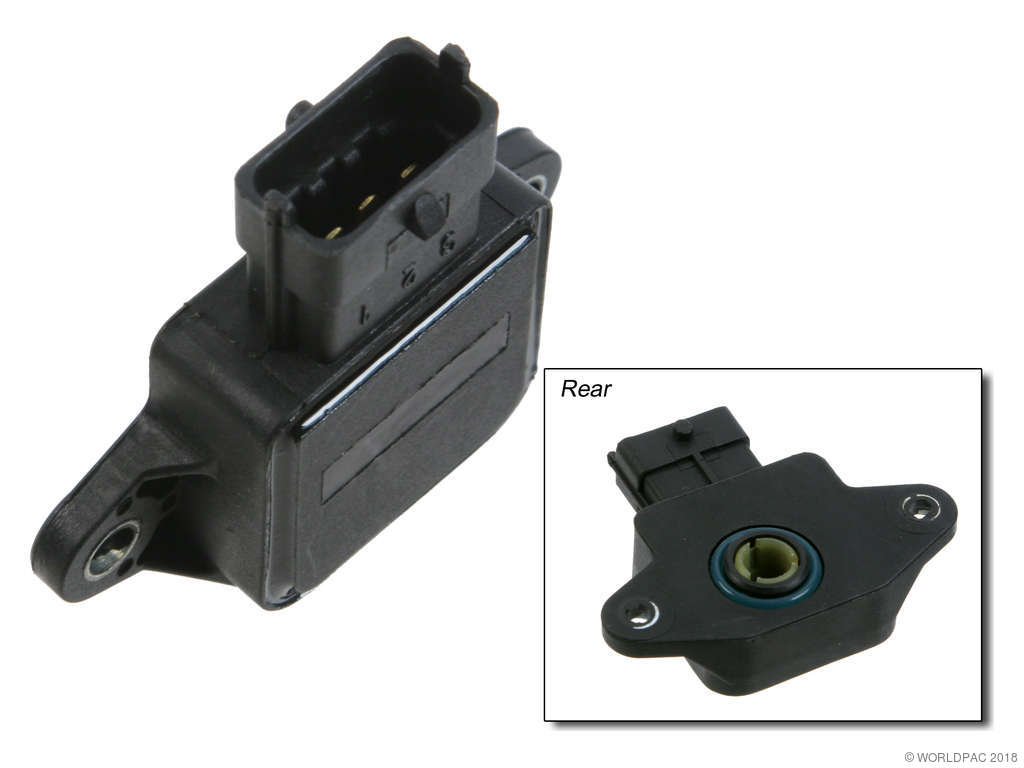
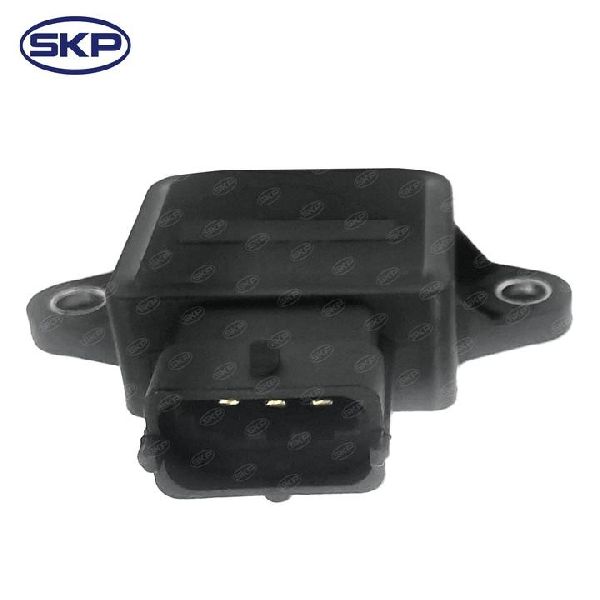
- Throttle Position Sensor (TPS)
(OEM #35170-22600)— This is the primary component that fails and directly causes the P0121 code. It is a wear item that sends the throttle angle data to the computer.
Trusted brands: Hyundai (OEM), NGK, Walker, SKP, Beck/Arnley
OEM price range: $129-$180
Aftermarket price range: $20-$60
Related Codes That Often Appear With This One
- P0300-P0304 (Cylinder Misfire Codes): An incorrect TPS reading can lead to improper fuel mixture and cause misfires.
Platform-Specific Known Issues
- Owner Experience: Intermittent Fault: Some owners on forums report that the P0121 code and its symptoms can be intermittent. A user on Reddit noted the code disappeared after they simply unplugged, inspected, and re-plugged the sensor, suggesting a poor connection was the culprit.
- Owner Experience: Transmission Symptoms: A common owner complaint linked to P0121 on this Accent is what feels like a transmission problem. A forum user described the car refusing to shift out of 3rd gear when cold, which would resolve after restarting the car. This is often caused by the Transmission Control Module receiving bad data from the faulty TPS, not an actual transmission failure.
Mechanic-Grade Diagnostic Values
- TPS Output Voltage at Closed Throttle — expected: 0.2V - 0.8V. Failure: Voltage is outside this range with the throttle plate fully closed.
- TPS Output Voltage at Wide-Open Throttle (WOT) — expected: 4.3V - 4.8V. Failure: Voltage does not reach this range when the throttle is fully opened.
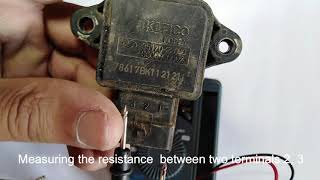
- TPS Sensor Resistance — expected: 0.7 kΩ - 3.0 kΩ. Failure: Resistance is outside this range when measured between specified terminals (component side).
- TPS Connector Voltage (Key On, Engine Off) — expected: Terminal 1: ~5V (Reference), Terminal 2: ~5V (Reference), Terminal 3: ~0V (Ground). Failure: Any of the terminals showing incorrect voltage, indicating an open or short in the harness.
Wiring & Ground Locations
- G04 — Under the left front kick panel.. This is a primary ground point for the dash area, where the ECM and related control modules are located. A poor ground here can cause a variety of erratic sensor readings, including from the TPS.
- G10 — Under the left front kick panel, forward of G04.. Another critical ground point near the main cabin electronics. Multiple sensors share these ground points, and corrosion or looseness can introduce voltage offsets that confuse the ECM.
- G11 — Under the left front kick panel, forward of G04.. Shares a location with G10 and serves as a ground for various engine control functions. Verifying these grounds are clean and tight is a crucial step if direct sensor and wiring checks do not reveal a fault.
- TPS Connector Pinout (at ECM) — At the Engine Control Module (ECM) connector.. For advanced diagnostics, you can test the TPS circuit directly at the ECM. Pin 12 is the TPS 1 signal input, Pin 32 is the sensor ground, and Pin 18 provides the 5V sensor power. This allows you to rule out the entire wiring harness in one test.
Real Owner Repair Stories
- Hyundai Forums user 'socalneub' (2002 Hyundai Accent, 1.6L DOHC, Automatic, 51k miles) — Hard shifting, sometimes requiring lifting off the gas to force an upshift. Check Engine Light with code P0121.
❌ Tried (didn't work) Changed transmission fluid and filter., Replaced the Throttle Position Sensor (TPS) with a new part., Cleaned the Idle Air Control Valve (IACV).
✅ What actually fixed it The user was still diagnosing at the end of the thread, but had cleaned the IACV and was planning to clean the MAP sensor next. The key takeaway is that replacing the TPS did not immediately solve the P0121 and associated shifting problems, pointing to a more complex issue or a secondary fault like a dirty MAP sensor or wiring problem. - NHTSA Report Analysis — While not specific to the Accent, other Hyundai owners have reported similar P0121 behavior. For instance, NHTSA ODI #10576819 describes a vehicle that would run only in third gear, which the owner linked to P0121 and a third gear ratio mismatch. Additionally, NHTSA ODI #10846204 notes an instance where P0121 appeared alongside other throttle-related codes, causing the acceleration pedal to fail until the engine was restarted.
OEM Part Supersession History
35170-23500→35170-22600— Part consolidation and revision by the manufacturer.
Heads up: The part 35170-22600 is the correct replacement for 35170-23500 on this vehicle. However, be cautious not to confuse it with 35170-22001, which fits older models and has a different internal resistance curve and is not compatible.
Model Year Variations Within This Range
- 2000-2002: Initially offered with a 1.5L SOHC engine (G4EB) and an optional 1.6L DOHC (G4ED). The P0121 diagnosis is similar, but ensure the correct part is ordered for the specific engine.
- 2003-2006: Received a facelift for the 2003 model year (coded LC2). All Accent models from 2003 onward were standardized with the 1.6L DOHC engine in North America, simplifying part selection.
Diagnostic Flowchart
Other Known Issues on This Vehicle
Issues unrelated to this code that are worth knowing about as an owner of this generation:
- Automatic Transmission Failure 🔴 High — Common in early 2000-2004 models, with complaints of overdrive failure, rough shifting, and complete failure.
- Body Rust 🟠 Medium — Corrosion is frequently found on the rocker panels (running boards), trunk lid around the lock, and wheel arches, especially in salt-belt regions.
- Crankshaft Position Sensor (CKPS) Failure 🔴 High — A very common failure point causing a 'crank no-start' condition or intermittent stalling. Often sets a specific code for the CKPS.
- Faulty Stop Lamp Switch 🟡 Low — Subject to a recall (NHTSA Campaign 09V280000). A faulty switch can cause brake lights to fail or stay on, and may prevent the shifter from moving out of Park. (Ref: NHTSA Campaign: 09V280000)
- Excessive Oil Consumption 🟠 Medium — Some higher-mileage gasoline engines are prone to consuming excessive oil, which can lead to engine damage if not monitored.
Used vs. New Parts: Buying Guide for This Vehicle
When a used part is the smart pick: A used OEM throttle position sensor from a junkyard is generally NOT recommended. The part is a high-wear electronic component with a limited lifespan due to its internal moving wiper. The cost of a new, reliable aftermarket sensor is low enough that the risk and labor of installing a used part with an unknown history is not worth the small savings.
Donor-vehicle mileage cap: roughly under 40000 miles for the part to have meaningful remaining life.
What to inspect on the donor part:
- If you must use a used part, choose one from the lowest-mileage vehicle possible.
- Inspect the connector for any signs of corrosion, cracks, or broken locking tabs.
- Avoid sensors from vehicles that show signs of sitting for a long time with the hood open (e.g., heavy dust, water marks).
Aftermarket brands forum-validated for this vehicle:
- NGK (NTK)
- Walker
- SKP
Brands owners have reported issues with on this vehicle:
- Unbranded, no-name sensors from online marketplaces should be avoided, as they are frequently cited in forums for having incorrect voltage ranges, causing persistent codes or poor performance.
Real Owner Stories
Aggregated from forums and TSBs cited above. Mileages and costs reflect what owners reported in those sources.
2003 Hyundai Accent
Symptoms: The car was driving the owner mad and threw a P0121 code alongside a misfire code (P0304).
What fixed it: The issue was identified as a TPS fault leading to engine performance issues and secondary misfire codes.
Source hint: Reddit r/Cartalk - ''03 Hyundai Accent has been driving me mad...'
2000-2006 Hyundai Accent
Symptoms: The car would not shift out of 3rd gear when cold, but the problem would temporarily resolve after restarting the engine.
What fixed it: The issue was traced to the Transmission Control Module receiving bad data from a faulty TPS.
Source hint: Hyundai Forum - 'Accent transmission problem or sensor problem?' (2011)
2000-2006 Hyundai Accent
Symptoms: The P0121 error code was present, but the owner suspected a connection issue.
What fixed it: The owner simply unplugged, inspected, and re-plugged the sensor connector, which cleared the code.
Source hint: Reddit r/MechanicAdvice - 'Was getting a P0121 error...' (2023)
Related OBD-II Codes
Frequently Asked Questions
My 2000-2006 Hyundai Accent is stuck in 3rd gear; is my transmission failing?
Is there a recall for the brake lights or shifting issues on my Accent?
What is the specific part number for the TPS if I need to replace it?
Can I just clean the throttle body to fix a P0121 code on my Accent?
Why does my Accent stall when I come to a stop sign?
Could a wiring issue be causing my intermittent P0121 code?
Helpful Videos
Used OEM Parts in Stock
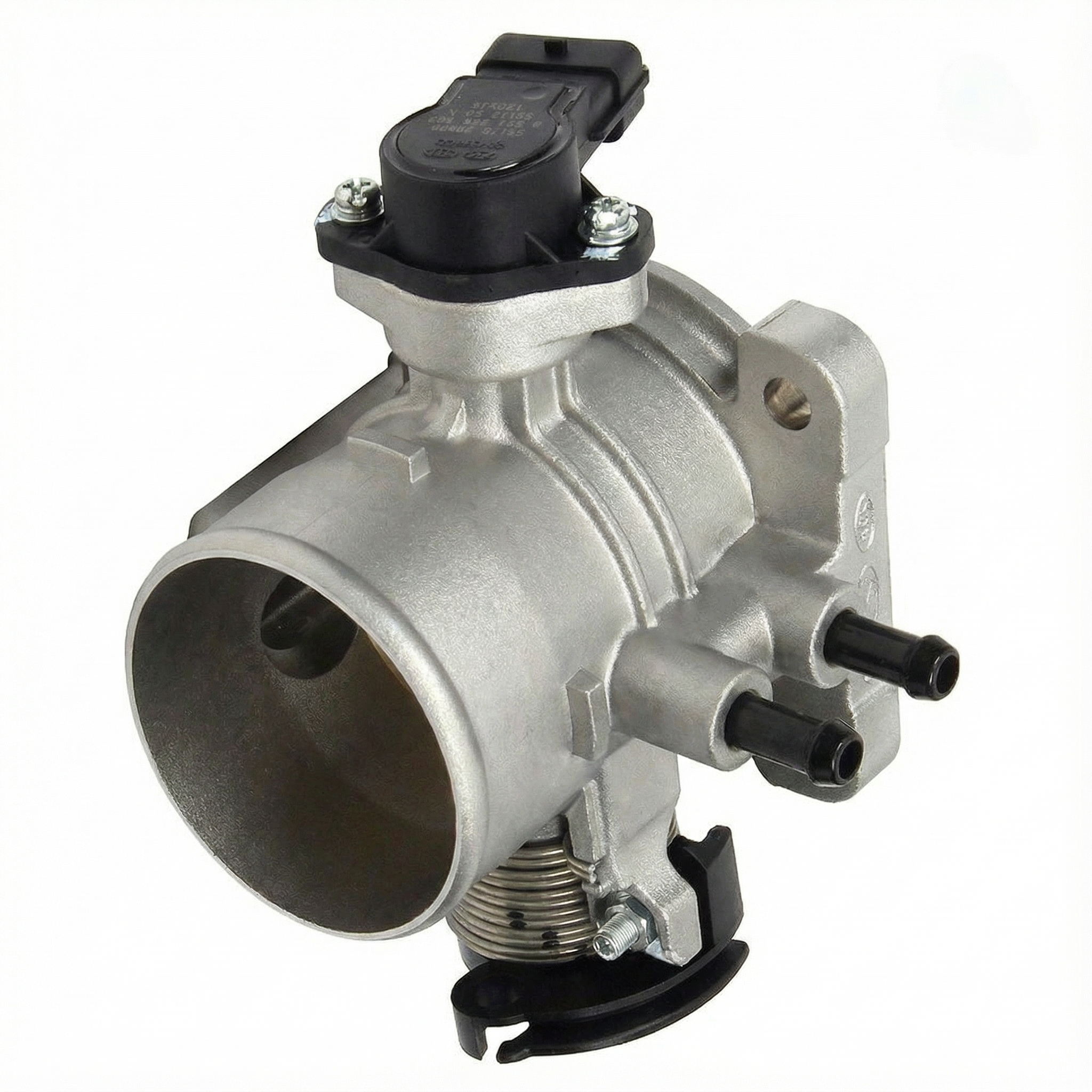
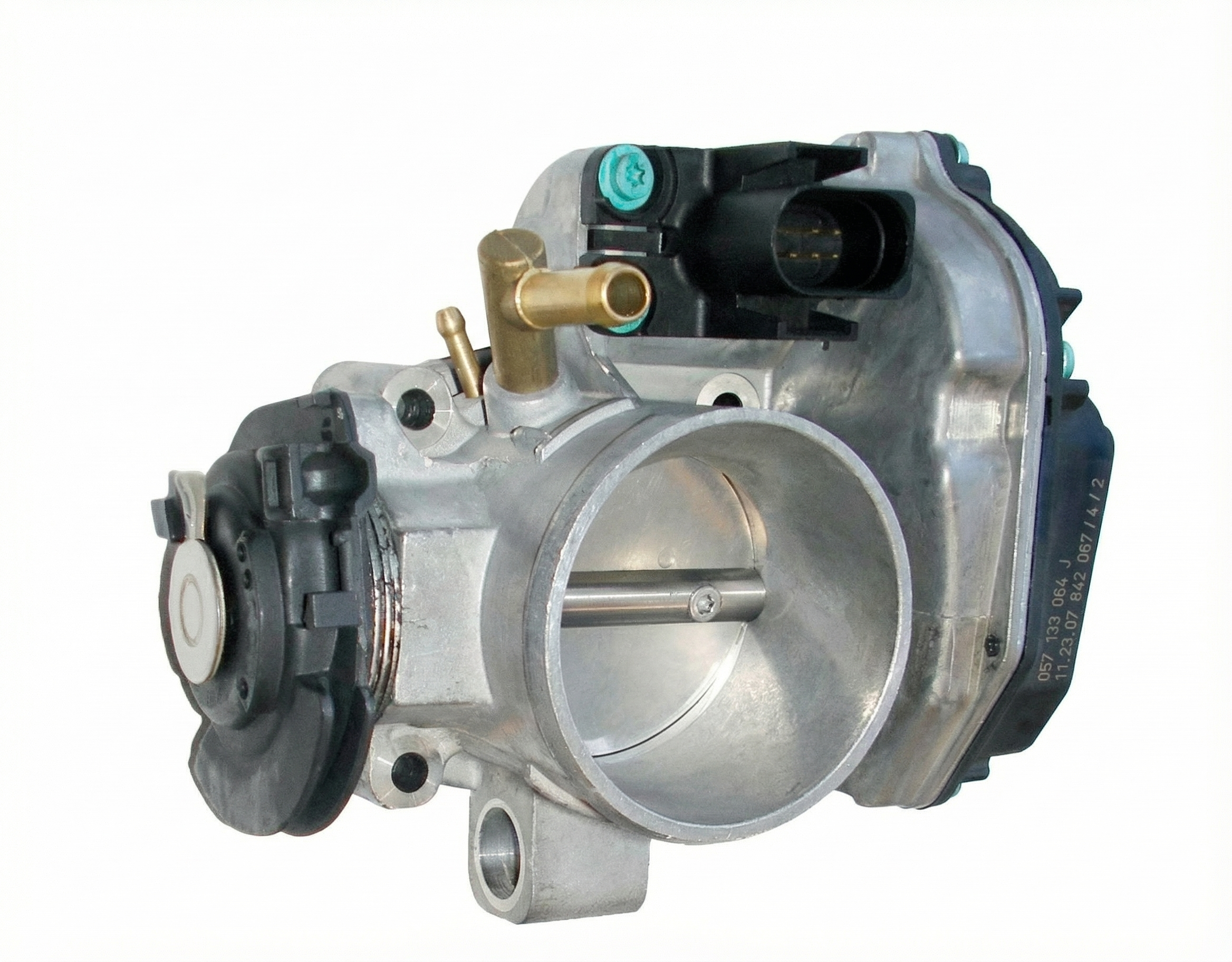
New Aftermarket Parts Available
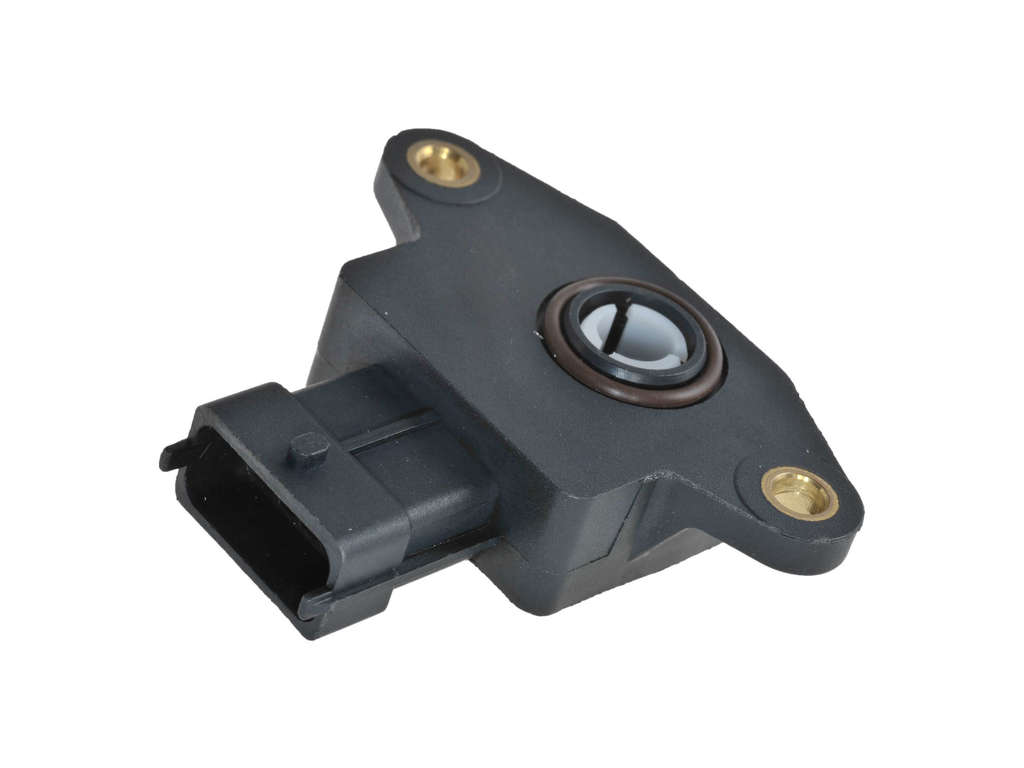
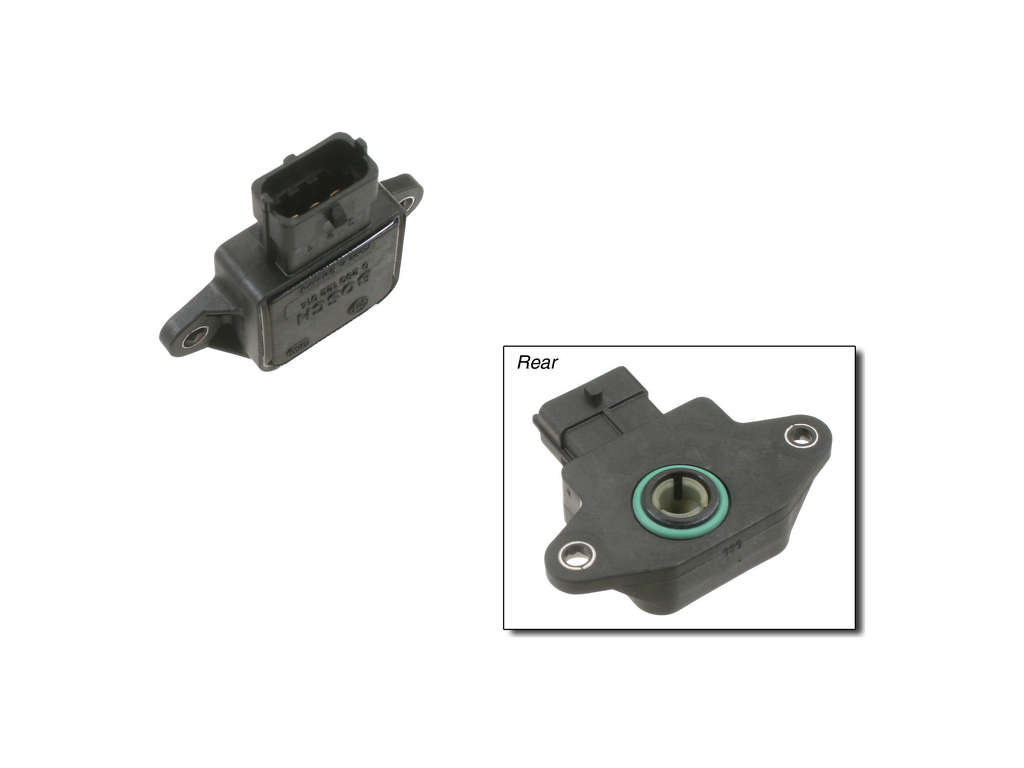

The information in this article is provided for general reference and educational purposes only. Vehicle specifications, procedures, and part compatibility can vary by production date, trim level, and region. Always consult your vehicle's factory service manual and verify part numbers before purchasing or performing repairs. Safety-critical components such as airbags, seat belts, and braking systems should be installed by a qualified professional.
- Hyundai Accent:
- 🧭 Diagnostic Flowchart
- 🎬 Helpful Videos
- 🛍️ Shop This Part
- What's Unique About the 2000-2006 Hyundai Accent
- Symptoms You May Notice
- Most Likely Causes
- Rare But Worth Checking
- Diagnosis Steps
- Parts You'll Likely Need
- Related Codes That Often Appear With This One
- Platform-Specific Known Issues
- Mechanic-Grade Diagnostic Values
- Wiring & Ground Locations
- Real Owner Repair Stories
- OEM Part Supersession History
- Model Year Variations Within This Range
- Other Known Issues on This Vehicle
- Used vs. New Parts: Buying Guide for This Vehicle
- Real Owner Stories
- 2003 Hyundai Accent
- 2000-2006 Hyundai Accent
- 2000-2006 Hyundai Accent
- Related OBD-II Codes
- Frequently Asked Questions
- 🎟️ Get 5% Off