

P0122 on 2011-2014 Chrysler 200 2.4L: Throttle Position Sensor Circuit Low Causes and Fixes
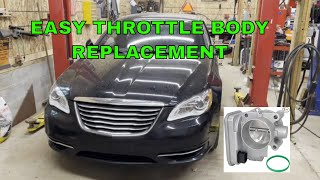
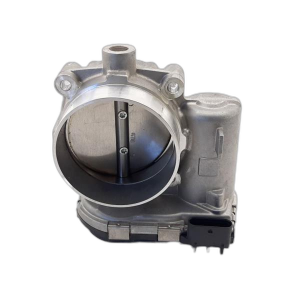
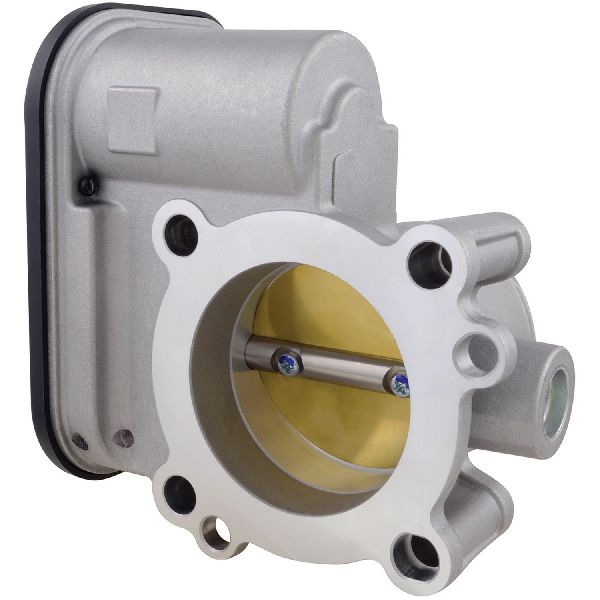
This code almost always indicates a failed electronic throttle body assembly. The throttle position sensor (TPS) is integrated and cannot be replaced separately. Expect to pay $70-$150 for an aftermarket throttle body or $150-$220 for an OEM part, with a DIY difficulty of 2/5. This is a very common failure on the 2.4L World Gas Engine platform.
- P0122 on a 2011-2014 Chrysler 200 2.4L almost certainly means you need a new throttle body.
- The Throttle Position Sensor (TPS) cannot be bought separately; it is built into the throttle body assembly.
- Symptoms are serious and include stalling and limp mode, so address this issue promptly.
- The replacement is a DIY-friendly job for those with basic tools and can be completed in 1-2 hours.
- Always check the wiring connector for damage before ordering a new part, just in case it's a simple connection issue.
- The OEM part number is 04891735AC, which has been updated to 04891735AD.
- A throttle relearn procedure is necessary after replacement.
What's Unique About the 2011-2014 Chrysler 200
On the 2.4L World Gas Engine used in the 2011-2014 Chrysler 200, the throttle position sensors (TPS) are an integral part of the electronic throttle body assembly and are not sold or serviced separately. This design choice means that when a P0122 code appears due to an internal sensor fault, the entire throttle body must be replaced as a single unit. This is a very common and well-documented failure point on this and related Chrysler, Dodge, and Jeep vehicles sharing this powertrain, such as the Dodge Avenger, Jeep Compass, and Jeep Patriot.
Symptoms You May Notice
- Check Engine Light is on
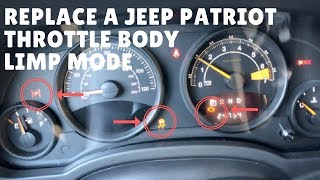
- Flashing Electronic Throttle Control (ETC) 'lightning bolt' warning light on the dashboard
- Engine stalling, especially at idle or when coming to a stop
- Hesitation or stumbling during acceleration
- Vehicle enters 'limp mode' with drastically reduced engine power
- Rough or unstable idle
- Little to no throttle response
- Hard starting engine
- Engine surging
- Replacing the accelerator pedal position sensor. The pedal sensor has its own set of codes (e.g., P2122, P2127, P0223). P0122 points specifically to the sensor on the throttle body.
- Cleaning a dirty throttle body. While cleaning a throttle body can resolve mechanical sticking issues, P0122 is an electrical fault code. Cleaning is very unlikely to fix a low voltage circuit error.
Most Likely Causes
- Faulty Electronic Throttle Body Assembly 🔴 High Probability → Shop Fuel Injection Throttle Body The throttle position sensor is integrated into the throttle body and is a known common failure point on this platform. The internal electronics of the sensor wear out over time, leading to signal voltage dropping below the specified threshold. This is the most frequent cause for P0122 on the 2.4L World Gas Engine.
How to confirm: Use an OBD-II scanner with live data to monitor the 'TPS A' voltage (sometimes labeled TP1). With the key on and engine off, the voltage should be around 0.5V-1.0V at closed throttle and sweep smoothly to ~4.5V at wide-open throttle. If the voltage is stuck below 0.2V, is erratic, or does not respond correctly to pedal input, the throttle body has failed internally.
Typical fix: Replace the entire electronic throttle body assembly. Aftermarket and OEM options are widely available.
Est. part cost: $70-$220 - Wiring Harness or Connector Issue ⚪ Low Probability While less common than throttle body failure, the engine bay environment can lead to wiring issues. Wires can chafe, melt from heat, or the connector pins can corrode, causing a loss of signal. A GM service bulletin for similar codes notes harness chafing as a potential cause.
How to confirm: Visually inspect the wiring harness and the 6-pin connector going to the throttle body. Look for any signs of chafed or broken wires, corrosion, or bent pins. With a multimeter, check for a stable 5-volt reference and a good ground at the connector with the key on. If reference voltage is low or missing, the problem may be further upstream.
Typical fix: Repair the damaged section of the wiring harness or replace the connector pigtail. Mopar sells a replacement 6-way wiring pigtail (Part No. 68225128AB).
Est. part cost: $15-$50
Rare But Worth Checking
- Faulty Powertrain Control Module (PCM): This is very rare and should only be considered after the throttle body and wiring have been definitively ruled out. A faulty PCM might fail to provide the correct 5V reference voltage to the sensor.
Diagnosis Steps
- Read all diagnostic trouble codes with an OBD-II scanner. Note any other codes that are present, especially P0222 or P2135.
- Using the scanner's live data function, monitor the voltage for TPS 'A' (sometimes labeled TP1 or Absolute Throttle Position).
- With the key on and engine off (KOEO), observe the voltage at closed throttle. It should be approximately 0.5-1.0 volts.
- Slowly press the accelerator pedal to the floor. The voltage should increase smoothly and linearly to about 4.0-4.5 volts at wide-open throttle (WOT).
- If the voltage is stuck low (e.g., under 0.2V), jumps erratically, or has dead spots, the throttle body is almost certainly faulty.
- If the voltage reading seems incorrect, turn the vehicle off and disconnect the throttle body connector.
- Inspect the 6-pin connector and the throttle body pins for corrosion, moisture, or damage. Clean with electrical contact cleaner and apply dielectric grease if necessary.
- Inspect the wiring harness leading to the connector for any visible signs of damage, chafing against other components, or breaks.
- If wiring and live data point to a bad sensor, the entire throttle body assembly must be replaced.
- After replacement, clear the codes. A throttle relearn procedure is required. This can sometimes be done manually, but a bidirectional scan tool may be needed for a formal 'ETC Relearn' function.
- Manual Relearn Procedure: Turn the key to the 'ON' position (do not start). Wait for about 10 seconds. Slowly press the accelerator pedal all the way to the floor and slowly release it. Turn the key 'OFF' and wait 10 seconds. Start the engine and let it idle for a few minutes to confirm the fix. If this fails, a scan tool is necessary. 🎬 See: How to calibrate and relearn the throttle body
Parts You'll Likely Need
- Electronic Throttle Body Assembly
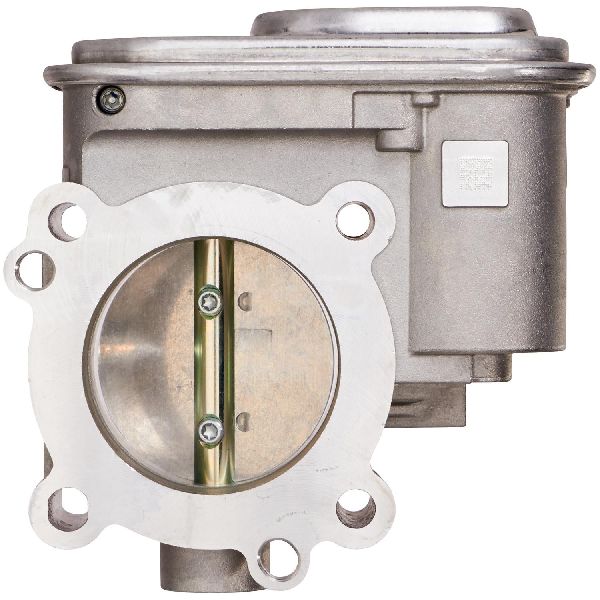
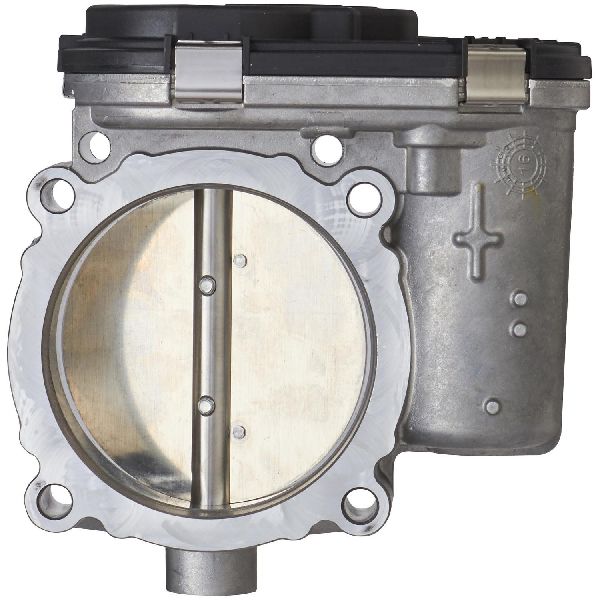
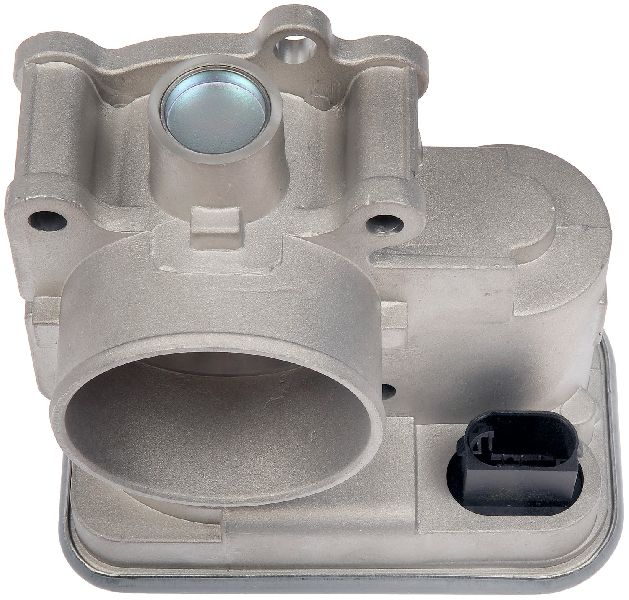
(OEM #04891735AC (superseded by 04891735AD))— This is the primary cause of code P0122 on this vehicle because the non-serviceable Throttle Position Sensor (TPS) is integrated into the assembly. The original part number 04891735AC has been superseded by 04891735AD.
Trusted brands: Mopar, Bosch, SKP, TRQ, DIY Solutions, Crown Automotive
OEM price range: $150-$220
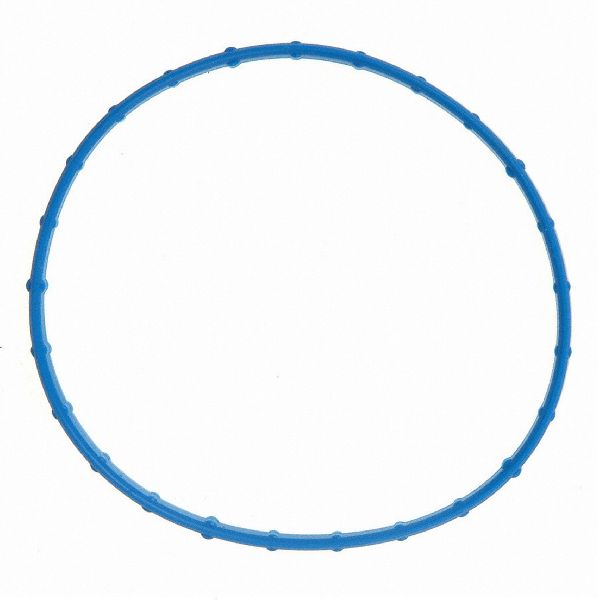
Aftermarket price range: $70-$150 - Throttle Body Gasket
(OEM #04884551AA)— It is best practice to replace the gasket when replacing the throttle body to prevent vacuum leaks. Some new throttle bodies may include one.
Trusted brands: Mopar, Fel-Pro, Mahle
OEM price range: $5-$15
Aftermarket price range: $3-$10
Related Codes That Often Appear With This One
- P0222 — P0222 is 'Throttle Position Sensor 'B' Circuit Low'. Since the throttle body has two redundant sensors (TPS 'A' and 'B') for safety, it is common for them to fail around the same time, triggering codes for both circuits.
- P2135 — P2135 is 'Throttle/Pedal Position Sensor/Switch 'A'/'B' Voltage Correlation'. This code sets when the PCM sees a disagreement between the two throttle position sensor signals, which is a direct result of one or both sensors failing within the throttle body assembly.
Technical Service Bulletins (TSBs) & Recalls
- source — While not a Chrysler TSB, this General Motors bulletin addresses a wide range of DTCs, including P0122 and P0222, caused by engine wire harness chafing. It serves as a good general indicator that wiring should always be inspected carefully when diagnosing these types of codes.
Platform-Specific Known Issues
- source — A user on Chrysler Forums with a different model but similar engine described a persistent P0122 code even after replacing the TPS five times and the PCM. They eventually ran new wires directly from the PCM to the TPS to rule out a harness issue, highlighting the frustration a difficult-to-diagnose wiring fault can cause.
- source — An owner of a 2017 Dodge Journey with the 2.4L engine experienced rough idling and stalling, which eventually threw code P0122. They confirmed the butterfly valve was sticking due to carbon buildup and successfully fixed the issue by replacing the entire throttle body assembly themselves.
Mechanic-Grade Diagnostic Values
- Throttle Body Connector Pinout (2.4L Engine) — expected: Pin 1: TP1 Signal (TPS 'A'); Pin 2: TP2 Signal (TPS 'B'); Pin 3: Sensor Ground; Pin 4: 5V Reference; Pin 5: Motor Control (-); Pin 6: Motor Control (+). Failure: P0122 relates to the signal on Pin 1. A short to ground or an open circuit on the wire to Pin 1 will cause this code. A fault on Pin 3 (Ground) or Pin 4 (5V Ref) would likely cause codes for both TP1 and TP2 (P0222).
- TPS Signal Circuit Resistance to PCM — expected: Below 5.0 ohms. Failure: Resistance above 5.0 ohms indicates excessive resistance in the signal wire (harness side, on the wire for Pin 1) between the throttle body connector and the PCM connector.
- TPS 5-Volt Reference Circuit Resistance to PCM — expected: Below 5.0 ohms. Failure: Resistance above 5.0 ohms indicates excessive resistance in the 5V supply wire (harness side, on the wire for Pin 4) between the PCM and the throttle body connector.
Scan Tool Commands That Help
- Chrysler WiTECH / High-End Bidirectional Scanners: ETC (Electronic Throttle Control) Relearn / Throttle Body Calibration — This function must be performed after replacing the throttle body. It allows the PCM to learn the new sensor's closed, open, and relative position values. Failure to perform this can result in continued limp mode, erratic idle, or incorrect throttle response even with a new part.
Wiring & Ground Locations
- G102 — Left rear of the engine compartment, typically on the strut tower or inner fender.. This is a primary engine compartment ground point. While the TPS has a dedicated sensor return to the PCM, a corroded or loose G102 can cause electrical noise and unstable voltage for the entire PCM, leading to erratic sensor readings and codes like P0122.
- Throttle Body Connector — Plugged directly into the electronic throttle body, which is mounted between the air intake hose and the intake manifold.. This 6-pin connector is the single point of failure for all signals and power to the integrated TPS and throttle motor. Corrosion, spread pins, or wire chafing right at the connector are common secondary causes after outright throttle body failure.
Real Owner Repair Stories
- YouTube User Comment (2013 Chrysler 200 2.4L) — No start, no crank condition after replacing the alternator.
❌ Tried (didn't work) Checking fuses, Checking battery, Checking relays, Checking main ground connections
✅ What actually fixed it The small yellow ignition wire to the starter was corroded and not making a good connection. Cleaning and fixing the wire resolved the no-start issue. While not a P0122 case, it highlights how seemingly unrelated wire corrosion can cause major electrical issues on this platform. - YouTube Video by Omar's Garage (2014 Jeep Patriot (same 2.4L engine and throttle body)) — Car went into limp mode with ETC 'lightning bolt', Traction Control, and Check Engine lights on. Severe loss of power.
❌ Tried (didn't work) Initial diagnosis pointed to a sensor issue.
✅ What actually fixed it Replacing the entire electronic throttle body assembly fixed the problem. The video confirms this is the standard, expected fix for these symptoms on this powertrain.
OEM Part Supersession History
04891735AC→04891735AD— The 'AD' revision is the current replacement for the original 'AC' part. While not officially stated, it is common for such supersessions on high-failure electronic parts to incorporate internal design or component improvements to increase longevity and address the root cause of the common failure.
Model Year Variations Within This Range
- 2011-2014: Some aftermarket parts listings mention a 'dual row connector' vs a single row. While the specified OEM part (04891735AD) should be correct for all years, it is wise for a DIYer to visually inspect their existing throttle body connector to ensure it matches the replacement part before purchase.
Diagnostic Flowchart
Other Known Issues on This Vehicle
Issues unrelated to this code that are worth knowing about as an owner of this generation:
- Engine Stalling / Oil Pressure Loss 🔴 High — Affects 2013 models with the 2.4L engine specifically. Can occur at various mileages. (Ref: NHTSA Recall 13V43000: Abrasive debris in balance shaft bearings can cause loss of oil pressure, leading to engine stall or failure.)
- Clogged Heater Core / No Heat 🟠 Medium — Common across the 2011-2014 generation. Owners report a lack of heat from the vents, especially on the driver's side. (Ref: No recall, but it is a widely reported problem. The fix involves flushing or replacing the heater core.)
- Master Window Switch Failure 🟡 Low — Common issue where the driver's side master window control switch fails, preventing operation of one or more windows. (Ref: No recall. The fix is to replace the master switch assembly.)
- General Engine Reliability Complaints 🟠 Medium — The 2.4L engine in this generation has a high number of complaints per year according to NHTSA data, related to stalling and other electrical/engine problems.
Used vs. New Parts: Buying Guide for This Vehicle
When a used part is the smart pick: For this specific repair, a used part from a junkyard is NOT recommended. The electronic throttle body is a well-known, high-failure-rate component on this platform. The risk of purchasing a used part that is already failing or will fail shortly is very high.
What to inspect on the donor part:
- Not applicable, as used parts are not advised.
OEM-only on this vehicle (don't cheap out):
- While not strictly 'OEM-only', using a Mopar-branded part is the safest option. If choosing aftermarket, it is critical to select a brand with a strong reputation and a good warranty.
Aftermarket brands forum-validated for this vehicle:
- Bosch (often an OEM supplier)
- Cardone (Remanufactured)
- SKP
- TRQ
Brands owners have reported issues with on this vehicle:
- Ultra-low-cost, unbranded parts from online marketplaces should be avoided. They often have higher failure rates, may not be calibrated correctly, and can cause more diagnostic headaches than they solve.
Real Owner Stories
Aggregated from forums and TSBs cited above. Mileages and costs reflect what owners reported in those sources.
2017 Dodge Journey 2.4L
Symptoms: Rough idling and stalling, which eventually triggered the P0122 code; the owner found the butterfly valve was sticking due to carbon buildup.
What fixed it: Replacement of the entire throttle body assembly.
Source hint: Real-World Repair on Dodge Journey (Platform Mate)
Chrysler (Model Unspecified) 2.4L
Symptoms: Persistent P0122 code that remained even after replacing the TPS five times and the PCM.
What fixed it: Running new wires directly from the PCM to the TPS to bypass a difficult-to-diagnose wiring harness fault.
Source hint: Chrysler Forums: "P0122 with all sensor and wire changed"
2000 Jeep Cherokee (XJ) 4.0L
Symptoms: P0122 error code appearing due to a fault in a seemingly unrelated component sharing a circuit.
What fixed it: Identifying a failing clockspring that shared a ground with the TPS circuit.
Source hint: NAXJA Forums: "P0122 error 2000 4.0 Sport"
Related OBD-II Codes
Frequently Asked Questions
My 2013 Chrysler 200 2.4L is stalling; is there a recall that might be related to this?
What is the specific Mopar part number for the wiring repair if my throttle body connector is damaged?
Can I perform the throttle relearn myself after replacing the throttle body on my Chrysler 200?
Is the P0122 code common on other vehicles similar to the Chrysler 200?
What should the TPS voltage readings look like on a healthy 2.4L World Gas Engine?
Helpful Videos
Used OEM Parts in Stock
New Aftermarket Parts Available


The information in this article is provided for general reference and educational purposes only. Vehicle specifications, procedures, and part compatibility can vary by production date, trim level, and region. Always consult your vehicle's factory service manual and verify part numbers before purchasing or performing repairs. Safety-critical components such as airbags, seat belts, and braking systems should be installed by a qualified professional.
- Chrysler 200:
- 🧭 Diagnostic Flowchart
- 🎬 Helpful Videos
- 🛍️ Shop This Part
- What's Unique About the 2011-2014 Chrysler 200
- Symptoms You May Notice
- Most Likely Causes
- Rare But Worth Checking
- Diagnosis Steps
- Parts You'll Likely Need
- Related Codes That Often Appear With This One
- Technical Service Bulletins (TSBs) & Recalls
- Platform-Specific Known Issues
- Mechanic-Grade Diagnostic Values
- Scan Tool Commands That Help
- Wiring & Ground Locations
- Real Owner Repair Stories
- OEM Part Supersession History
- Model Year Variations Within This Range
- Other Known Issues on This Vehicle
- Used vs. New Parts: Buying Guide for This Vehicle
- Real Owner Stories
- 2017 Dodge Journey 2.4L
- Chrysler (Model Unspecified) 2.4L
- 2000 Jeep Cherokee (XJ) 4.0L
- Related OBD-II Codes
- Frequently Asked Questions
- 🎟️ Get 5% Off