

P0123 on 2009-2020 Dodge Journey: Throttle Position Sensor Circuit High Causes and Fixes
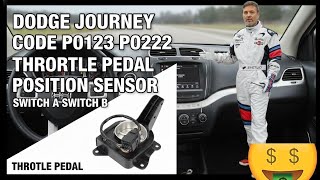
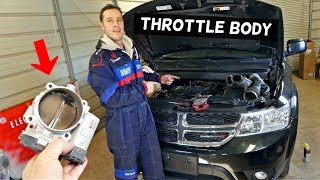
On a 2009-2020 Dodge Journey, code P0123 is almost always caused by a failed electronic throttle body. This will put the vehicle into a power-limited 'limp mode'. The fix is to replace the entire throttle body assembly, which costs around $450-$560 at a shop. The sensor is not sold separately.
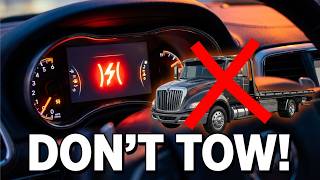
- P0123 on a Dodge Journey will cause the vehicle to enter a dangerous, power-limited 'limp mode' and illuminate the 'lightning bolt' ETC light.
- The most common cause by far is a failed electronic throttle body assembly.
- Before replacing the throttle body, inspect the electrical connector for a secure fit and check that the red locking tab is not broken or missing, as this is a known issue.
- The throttle position sensor (TPS) is not sold separately; you must replace the entire throttle body assembly.
- After replacing the throttle body, a relearn procedure may be necessary to ensure proper idle and performance.
What's Unique About the 2009-2020 Dodge Journey
The Dodge Journey, across its entire 2009-2020 production run and all its engine options (2.4L, 3.5L, 3.6L), is notorious for electronic throttle body failures that trigger the P0123 code. Unlike some vehicles where you can replace just the sensor, the TPS on all Journey engines is integrated into the throttle body assembly and cannot be purchased or serviced separately. This makes the most common and definitive repair a full component replacement. Owner experiences frequently report the sudden onset of limp mode with the ETC light, often accompanied by code P0222, pointing directly to this common failure point. Forum veterans also note the undersized factory grounding system can contribute to various electrical issues, potentially affecting sensor readings.
Generation note: The 2009-2020 Dodge Journey is considered a single generation. This issue is common across all model years and available engines: the 2.4L 'World Engine', the 3.5L V6 (2009-2010), and the 3.6L 'Pentastar' V6 (2011-2019).
Symptoms You May Notice
- Vehicle enters 'limp mode' with severely reduced engine power.
- Check Engine Light is on.
- Electronic Throttle Control (ETC) 'lightning bolt' warning light is on or flashing.
- Electronic Stability Control (ESC) light may also turn on.
- Poor or no acceleration; vehicle won't rev up.
- Hesitation or jerking when pressing the gas pedal.
- Rough or unstable idle.
- Engine may stall, especially when coming to a stop.
- Replacing only the throttle position sensor (the sensor is not sold separately from the throttle body on this vehicle).
- Replacing the accelerator pedal assembly before thoroughly diagnosing the throttle body and its wiring.
- Condemning the PCM before checking for available software updates or ruling out all other causes.
Most Likely Causes
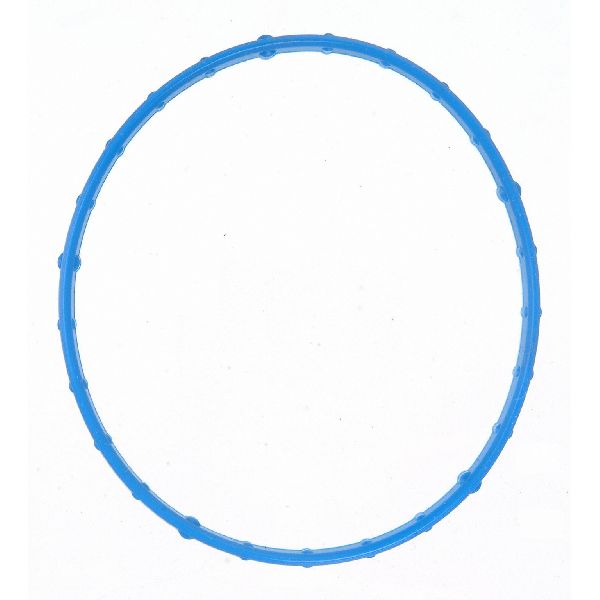
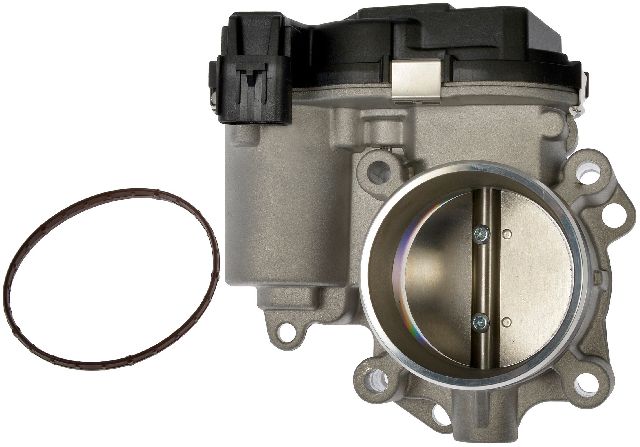
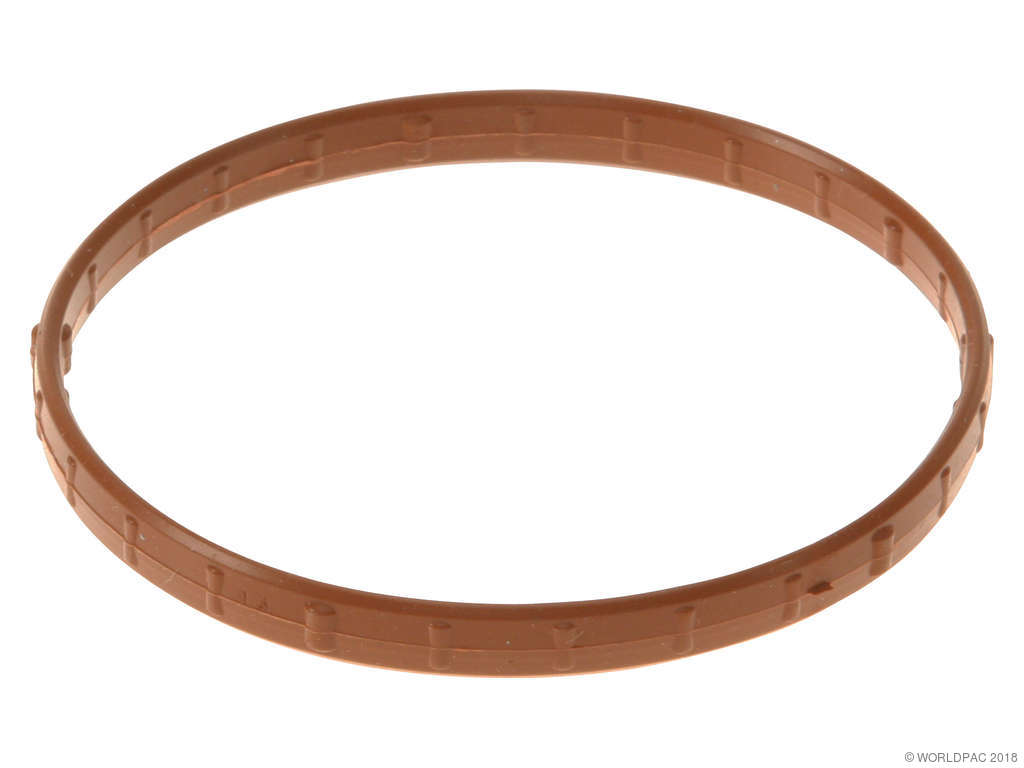
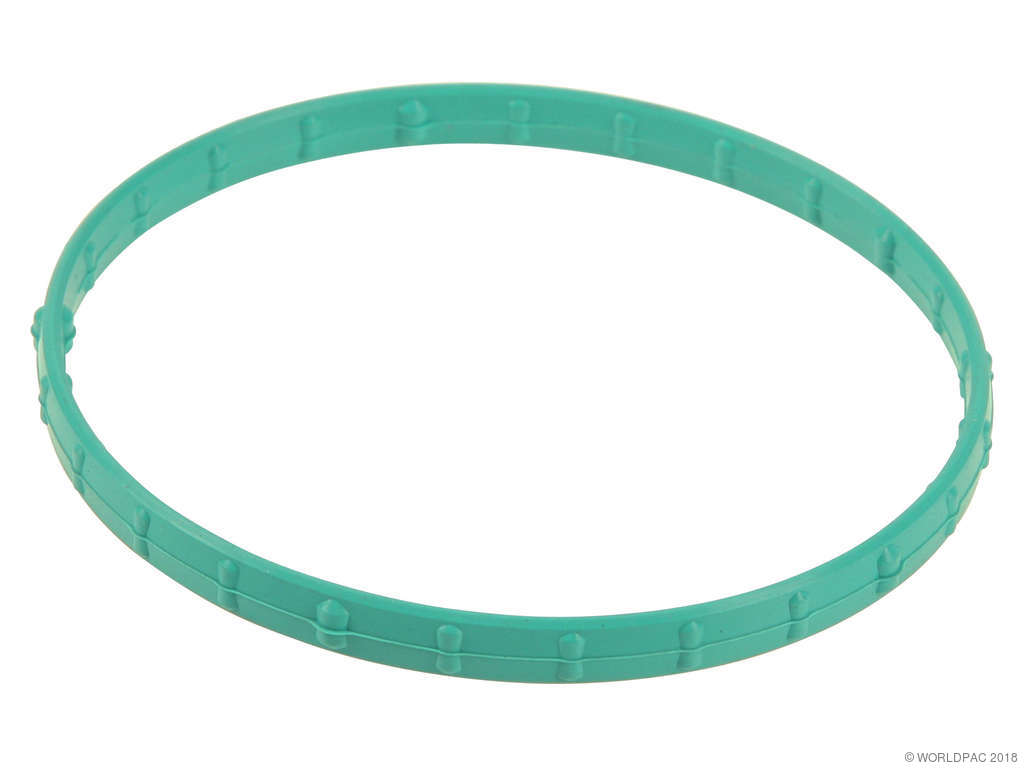
- Failed Electronic Throttle Body Assembly 🔴 High Probability → Shop Fuel Injection Throttle Body The throttle position sensor (TPS) is integrated into the throttle body and is a well-documented, high-failure item on this platform due to internal electronic or gear wear. It cannot be replaced separately.
How to confirm: After ruling out wiring issues, replacement of the throttle body is the standard diagnostic step. If codes P0123 and P0222 ('B' Circuit Low) appear together, it is a very strong indication of a complete internal failure of the dual-sensor unit.
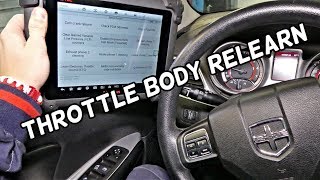
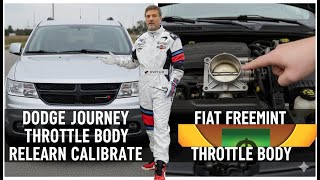
Typical fix: Replace the entire electronic throttle body assembly. A throttle relearn procedure is required after installation. 🎬 Watch: How to perform the throttle body relearn procedure
Est. part cost: $150-$450 - Wiring or Connector Issue 🟡 Medium Probability The electrical connector at the throttle body can become loose, corroded, or damaged, especially if the red locking tab is broken or missing, causing an intermittent high-voltage signal from a poor connection. The factory ground system is also noted by owners as being undersized, which can lead to various electrical faults.
How to confirm: Visually inspect the throttle body connector for damage, corrosion, backed-out pins, or a loose fit. Ensure the red locking tab is present and fully engaged. Wiggle the connector with the engine running to see if it induces the symptoms. Check the wiring harness for any signs of chafing or damage where it might short to a power source. Inspect main engine and chassis ground points for corrosion or looseness.
Typical fix: Repair the damaged wiring or replace the connector pigtail. Secure the connection. A common pigtail part number is Mopar 68018958AA. Clean and tighten all relevant ground connections.
Est. part cost: $15-$50 - Dirty Throttle Body ⚪ Low Probability → Shop Fuel Injection Throttle Body
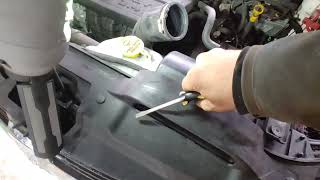
How to confirm: Remove the air intake snorkel and visually inspect the throttle plate and bore for significant carbon buildup that could restrict movement and cause the sensor to report an incorrect position.
Typical fix: Clean the throttle body using a dedicated throttle body cleaner and a soft cloth or brush. A throttle relearn procedure may be needed after cleaning.
Est. part cost: $5-$15
Rare But Worth Checking
- Faulty Accelerator Pedal Position (APP) Sensor: While less common for P0123 alone, a faulty gas pedal assembly can sometimes cause erratic throttle codes. However, it is more likely to set its own specific codes.
- Powertrain Control Module (PCM) Software Glitch or Failure: → Shop Engine Control Module (ECM) In rare cases, the PCM itself can be the source of the fault. Before replacing the PCM, it's crucial to check with a dealer for any available software updates (reflashes) that might address false codes.
Diagnosis Steps
- Scan for diagnostic trouble codes. Note if any other codes, especially P0222, are present, as this strongly points to the throttle body.
- Turn the vehicle off. Inspect the electrical connector on the throttle body. Check for a secure fit, corrosion, and ensure the red locking tab is engaged.
- Inspect the wiring harness leading to the throttle body for any signs of damage, fraying, or melting.
- If wiring appears okay, remove the intake air tube from the throttle body and inspect for heavy carbon buildup that could impede throttle plate movement. Clean if necessary.
- If the connector is secure, wiring is intact, and the throttle body is clean, the most likely cause is a failed throttle body assembly.
- Optional advanced step: Use a multimeter to check for a steady 5V reference and a good ground at the connector. Check the signal wire voltage with the key on, engine off. It should be around 0.5V at closed throttle and sweep smoothly up to ~4.5V at wide-open throttle, with no dropouts or spikes. A reading stuck above 4.75V indicates the fault. 🎬 Watch: Step-by-step P0123 and P0222 diagnostic and replacement guide
Parts You'll Likely Need
- Electronic Throttle Body Assembly
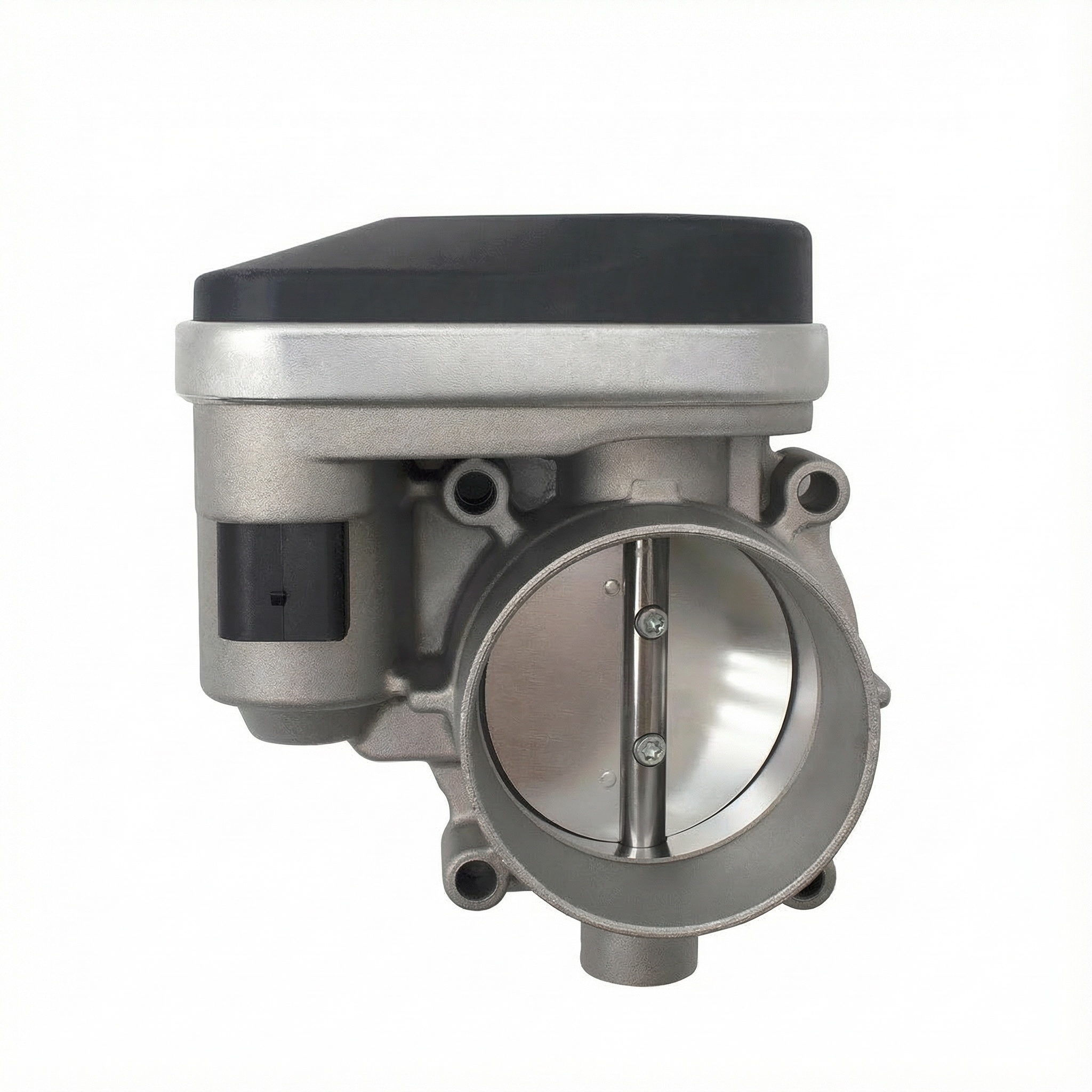
(OEM #2.4L Engine: 4891735AC (or superseding revisions like 68366012AB for 2018-2020 models). 3.6L Engine: 05184349AF (or superseding revisions).)— This is the most common failure point for code P0123 on the Dodge Journey. The position sensor is integrated into this assembly and cannot be replaced individually.
Trusted brands: Mopar, Hitachi, Bosch, Duralast
OEM price range: $240-$450
Aftermarket price range: $150-$250
Related Codes That Often Appear With This One
- P0222 — This code is for 'Throttle/Pedal Position Sensor/Switch 'B' Circuit Low'. The throttle body uses two sensors for redundancy. When P0123 (Circuit A High) and P0222 (Circuit B Low) appear together, it indicates opposing faults within the dual sensors, which is a definitive sign of a complete internal failure of the throttle body unit.
- P2172 — This code for 'Throttle Actuator Control System - Sudden High Airflow Detected' can appear alongside P0123, especially on the 2.4L engine, indicating a conflict between what the sensors report and what the airflow is.
Platform-Specific Known Issues
- Owners frequently report sudden and repeated failures of the electronic throttle body, sometimes requiring multiple replacements over the life of the vehicle.
- A real-world owner story on a Dodge Journey forum detailed a 2014 model going into limp mode with the ETC light. The user replaced the throttle body, which resolved the P0123 and P0222 codes.
Mechanic-Grade Diagnostic Values
- TPS 'A' (TP1) Signal Voltage — expected: Approx. 0.5V at closed throttle, sweeping smoothly to ~4.5V at wide-open throttle (Key On, Engine Off).. Failure: Voltage is stuck high, above the normal operating range (e.g., > 4.75V).
- 5-Volt Reference at Throttle Body Connector — expected: 4.5V to 5.2V with Key On, Engine Off.. Failure: Voltage is significantly below 4.5V or is absent, indicating a wiring or PCM issue.
- Sensor Ground Circuit Resistance — expected: Less than 5.0 ohms between the ground pin at the connector and a known good chassis ground.. Failure: High resistance or an open circuit (OL) indicates a bad ground connection, which can cause erratic sensor readings.
Scan Tool Commands That Help
- Professional Scan Tool (e.g., Autel MaxiSys): Navigate to: Powertrain -> Special function -> ETC Learn (or 'warn electronic throttle control'). — This function is required after replacing the throttle body or sometimes after a thorough cleaning to make the PCM relearn the new closed and wide-open throttle positions.
- No Tool Procedure: Manual Throttle Relearn/Calibration: 1. Turn ignition to ON (do not start). 2. Wait for dash lights to settle. 3. Slowly press the accelerator pedal fully to the floor. 4. Slowly release the pedal fully. 5. Turn ignition OFF. 6. Start the engine. — Use after cleaning or replacing the throttle body if a scan tool is not available. This forces the PCM to re-register the pedal and throttle plate's range of motion. May not work on all vehicles, in which case a scan tool is necessary.
Wiring & Ground Locations
- Throttle Body Connector (3.6L V6) — 6-pin connector directly on the electronic throttle body assembly.. This is where all voltage and signal tests are performed. For P0123, you are testing the 'A' circuit (TP1). Pin 4 is the TP1 Signal, Pin 3 is the 5V Reference, and Pin 6 is the Sensor Return (Ground). A short to voltage on the wire to Pin 4 will cause P0123.
- Main Engine/Chassis Grounds — A primary ground stud is on the driver's side strut tower, with a cable running to the engine block. Other grounds are located at G100/G101/G102 (left rear of engine compartment) and G300 (right kick panel).. The Dodge Journey is known among owners for having an undersized grounding system from the factory. A poor ground connection can cause fluctuating or incorrect voltage readings from sensors, potentially triggering a P0123 code even if the sensor itself is good.
Real Owner Repair Stories
- YouTube channel 'Electrical Car Repair LIVE' (Dodge Journey (year not specified, but within 2009-2019 range)) — Check Engine Light, flashing Electronic Throttle Control (ETC) light, and traction control light were all on. The vehicle was in limp mode and would not accelerate/rev up.
❌ Tried (didn't work) The video focuses on direct diagnosis, confirming the codes P0123 and P0222 were present together, strongly indicating throttle body failure.
✅ What actually fixed it The entire electronic throttle body assembly was replaced. After replacement and clearing the codes, all warning lights went out and normal engine operation was restored.
OEM Part Supersession History
5184349AB, 5184349AC, 5184349AD, 5184349AE→05184349AF— Standard part revisions by the manufacturer to improve reliability or address known issues.
Heads up: These part numbers are specific to the 3.6L Pentastar engine and are not compatible with the 2.4L or 3.5L engines.4891735AC→4891735AD— Manufacturer revision.
Heads up: This part is for the 2.4L 'World Engine' and is not interchangeable with the V6 throttle bodies.
Model Year Variations Within This Range
- 2009-2010: Models with the 3.5L V6 engine use a different throttle body assembly than the later 3.6L V6.
- 2011-2019: Models with the 3.6L Pentastar V6 use throttle body part number 05184349AF or its predecessors.
- 2009-2020: Models with the 2.4L 4-cylinder engine use a specific throttle body (e.g., 4891735AC/AD) that is not shared with the V6 models.
Diagnostic Flowchart
Other Known Issues on This Vehicle
Issues unrelated to this code that are worth knowing about as an owner of this generation:
- Premature Brake and Rotor Wear 🔴 High — Extremely common on 2009-2012 models, with owners reporting replacement needed as early as 12,000-30,000 miles. Less frequent on later models but still a concern. (Ref: Dodge issued TSBs extending the brake warranty to 3 years/36,000 miles for early model years, but no full recall was issued.)
- 62TE Automatic Transmission Problems 🔴 High — Common across all model years. Issues include harsh shifting, stalling when put into gear, slipping, or entering limp mode (stuck in 3rd gear). (Ref: Multiple TSBs exist for various transmission symptoms, but no single recall covers the range of issues. TSB 9004206 relates to remanufactured transmission assemblies.)
- Uconnect Infotainment System Glitches 🟠 Medium — Widespread reports of the screen freezing, Bluetooth connectivity failing, or the system getting stuck on a loading screen, sometimes after a battery change.
- 3.6L Pentastar Engine Oil Cooler/Filter Housing Leaks 🟠 Medium — A common issue on the V6 engine where the plastic oil filter housing assembly can crack, leading to significant oil leaks onto the top of the engine. (Ref: TSB 9003357 addresses replacement of the Oil Filter Adapter for certain model years.)
- Water Leaks into the Interior 🟠 Medium — Owners report water leaking into the cabin, often from a clogged sunroof drain, poorly sealed firewall, or bad door seals, potentially damaging electronics.
Used vs. New Parts: Buying Guide for This Vehicle
When a used part is the smart pick: Given that the electronic throttle body is a very high-failure item on the Dodge Journey, purchasing a used part is a significant gamble. It should only be considered as a last resort for budget reasons. The internal electronics, not just mechanical wear, are the primary failure point, and this is not visible.
Donor-vehicle mileage cap: roughly under 60000 miles for the part to have meaningful remaining life.
What to inspect on the donor part:
- Verify the part number from the donor vehicle matches your required part number exactly.
- Ask for the mileage of the donor vehicle; lower is significantly better.
- Manually move the throttle plate (with the vehicle off); it should move smoothly with spring tension and without any gritty or binding feeling.
- Inspect the electrical connector pins for any signs of corrosion, bending, or damage.
OEM-only on this vehicle (don't cheap out):
- Electronic Throttle Body Assembly
Aftermarket brands forum-validated for this vehicle:
- While many brands like Dorman, Bosch, and Hitachi are available, OEM Mopar parts are most consistently recommended by mechanics for fit and longevity on this specific high-failure component.
Brands owners have reported issues with on this vehicle:
- Be cautious of unbranded, generic 'eBay special' throttle bodies. Forum discussions for similar vehicles note that these often use lower-quality components, may not be calibrated correctly, and can even have issues like throttle plate screws that are not secured with Loctite, posing a risk of them being ingested by the engine.
Real Owner Stories
Aggregated from forums and TSBs cited above. Mileages and costs reflect what owners reported in those sources.
2014 Dodge Journey
Symptoms: Vehicle went into limp mode with the Electronic Throttle Control (ETC) 'lightning bolt' light illuminated.
What fixed it: Replacement of the electronic throttle body assembly, which resolved the P0123 and P0222 codes.
Source hint: vehicle_specific_issues
2016 Jeep Cherokee 2.4L
Symptoms: Experienced codes P0123, P0222, and P2172. Attempted cleaning the throttle body, but it only provided a temporary fix.
What fixed it: Replacement of the throttle body assembly.
Source hint: Reddit r/MechanicAdvice
Chrysler 200 2.4L
Symptoms: Vehicle suffered from a no-start condition accompanied by codes P0123 and P0222.
What fixed it: Replacing the entire throttle body assembly.
Source hint: YouTube - Your Fix It Auto
Dodge Journey (General)
Symptoms: ETC light on, lack of acceleration, and vehicle entering limp mode.
What fixed it: Installation of a new throttle body.
Source hint: YouTube - Electrical Car Repair LIVE
Related OBD-II Codes
Frequently Asked Questions
My 2014 Dodge Journey is in limp mode with P0123 and P0222. Is there a specific part I should look for to fix the wiring?
Can I just replace the sensor on my Dodge Journey's throttle body to clear the P0123 code?
Is there a TSB for the oil leaks I'm seeing alongside my engine codes on my 3.6L Journey?
Why did my Electronic Stability Control (ESC) light come on at the same time as the P0123 throttle code?
Do I need to do anything special after installing a new throttle body on my Dodge Journey?
Are there known issues with the transmission on the Dodge Journey that I should watch for?
Helpful Videos
Used OEM Parts in Stock
New Aftermarket Parts Available



The information in this article is provided for general reference and educational purposes only. Vehicle specifications, procedures, and part compatibility can vary by production date, trim level, and region. Always consult your vehicle's factory service manual and verify part numbers before purchasing or performing repairs. Safety-critical components such as airbags, seat belts, and braking systems should be installed by a qualified professional.
- Dodge Journey:
- 🧭 Diagnostic Flowchart
- 🎬 Helpful Videos
- 🛍️ Shop This Part
- What's Unique About the 2009-2020 Dodge Journey
- Symptoms You May Notice
- Most Likely Causes
- Rare But Worth Checking
- Diagnosis Steps
- Parts You'll Likely Need
- Related Codes That Often Appear With This One
- Platform-Specific Known Issues
- Mechanic-Grade Diagnostic Values
- Scan Tool Commands That Help
- Wiring & Ground Locations
- Real Owner Repair Stories
- OEM Part Supersession History
- Model Year Variations Within This Range
- Other Known Issues on This Vehicle
- Used vs. New Parts: Buying Guide for This Vehicle
- Real Owner Stories
- 2014 Dodge Journey
- 2016 Jeep Cherokee 2.4L
- Chrysler 200 2.4L
- Dodge Journey (General)
- Related OBD-II Codes
- Frequently Asked Questions
- 🎟️ Get 5% Off