

P0126 on 2013-2014 Ford Fusion 1.6L EcoBoost: Insufficient Coolant Temperature Causes and Fixes
On a 2013-2014 Ford Fusion with the 1.6L EcoBoost engine, code P0126 is almost always caused by a stuck-open thermostat. However, always check your coolant level first, as this engine is known for coolant leaks which can lead to catastrophic engine failure. Replacing the thermostat is a labor-intensive job, often costing between $500 and $750 at a shop, due to its difficult-to-access location.
- P0126 on your 1.6L Fusion almost always points to a failed thermostat that is stuck open.
- CRITICAL: Before replacing any parts, check your engine coolant level. This specific engine is known for coolant leaks that can also trigger this code.
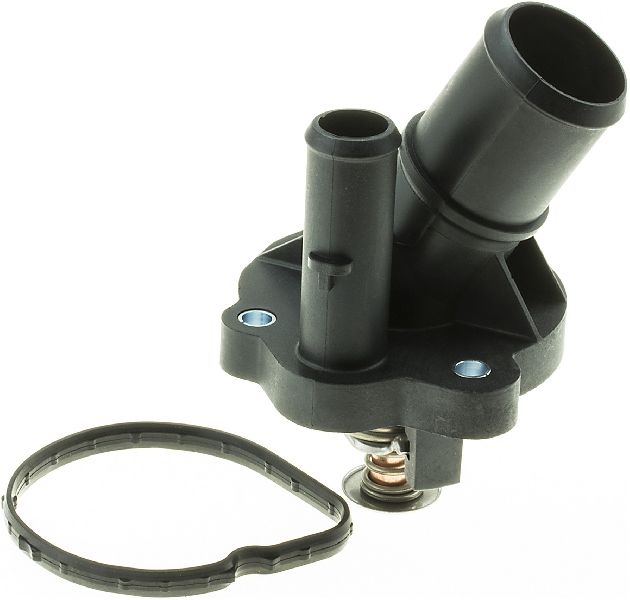
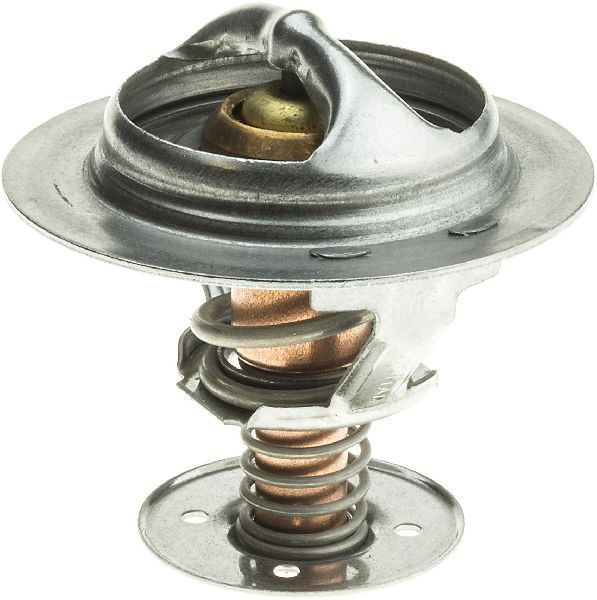
- The fix is to replace the entire thermostat housing assembly, not just the thermostat itself.
- This is a difficult DIY repair due to the part's location. Expect 3-4 hours of labor at a professional shop.
- Always refill and bleed the cooling system with the correct Ford-specific coolant after the repair to prevent air pockets and overheating.
What's Unique About the 2013-2020 Ford Fusion
This guide covers the 2013-2014 Ford Fusion, the only two years the 1.6L EcoBoost engine was offered in this model in North America. This engine platform is notorious for severe cooling system issues, including recalls (17S09) and lawsuits related to coolant intrusion and overheating that can cause cylinder head cracks and engine fires. While P0126 indicates an engine running too cold, it can be an early symptom of low coolant from a leak. Additionally, unlike many vehicles that use an Engine Coolant Temperature (ECT) sensor submerged in coolant, this engine uses a Cylinder Head Temperature (CHT) sensor threaded into the engine block to infer the coolant temperature, which is a crucial distinction for diagnosis.
Symptoms You May Notice
- Check Engine Light is illuminated
- Cabin heater blows lukewarm or cold air
- Temperature gauge on the dashboard reads lower than normal or takes a very long time to warm up
- Noticeable decrease in fuel economy
- Engine may run rough or stall on cold starts.
- Replacing the Cylinder Head Temperature (CHT) sensor without first confirming the thermostat is functioning correctly. The thermostat is a mechanical part that is far more likely to fail in a way that causes this specific code. 🎬 Watch: How to diagnose and fix Ford codes P0126 and P0128
- Confusing the CHT sensor with a traditional ECT sensor. On the 1.6L EcoBoost, the CHT sensor is the primary input for this code's logic.
Most Likely Causes
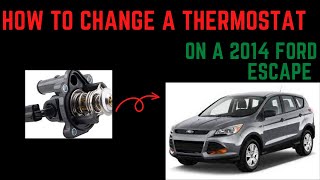
- Engine Thermostat Stuck Open 🔴 High Probability → Shop Integrated Thermostat Housing Assembly This is the most common failure mode for thermostats and the primary cause for P0126 across most Ford vehicles, including the Fusion and its platform-mate, the Escape. 🎬 Watch: An easier way to replace the thermostat on this platform The thermostat is a mechanical part that wears out over time.
How to confirm: Use an OBD-II scan tool to monitor the live engine coolant temperature data. Start the car cold and watch the temperature. If it rises very slowly, fails to reach or maintain the normal operating temperature (approx. 195-210°F), or drops significantly at highway speeds, the thermostat is almost certainly stuck open. You can also feel the upper radiator hose; if it gets warm within the first couple of minutes of starting the engine, the thermostat is open and allowing coolant to circulate prematurely.
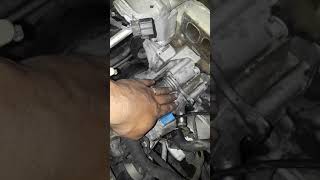
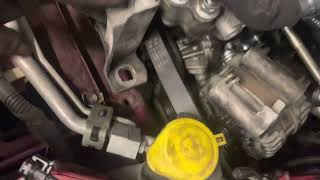
Typical fix: Replace the entire thermostat housing assembly. On the 1.6L EcoBoost, the thermostat is integrated into a plastic or aluminum housing that is replaced as a single unit. The job is labor-intensive due to the housing's location between the alternator and A/C compressor. 🎬 Watch: Step-by-step 1.6L EcoBoost thermostat housing replacement
Est. part cost: $60-$150 - Low Engine Coolant Level 🟡 Medium Probability The 1.6L EcoBoost engine has a well-documented history of coolant leaks from various sources, leading to multiple recalls (e.g., 17S09) and customer satisfaction programs on the Fusion and Escape. A low coolant level can create an air pocket at the temperature sensor, causing an incorrect low reading and triggering P0126.
How to confirm: Visually inspect the coolant reservoir to ensure the level is between the MIN and MAX lines when the engine is cold. Carefully inspect the engine bay for signs of coolant leaks (sweet smell, orange/pink residue), especially around the reservoir tank, hoses, water pump, and thermostat housing.
Typical fix: Identify the source of the leak, repair it, and then refill and bleed the cooling system with Ford-specified Motorcraft Orange Coolant (VC-3-D). A pressure test is often required to find small leaks.
Est. part cost: $10-$300+ depending on the source of the leak - Faulty Cylinder Head Temperature (CHT) Sensor ⚪ Low Probability While less common than a thermostat failure, sensors can fail over time by sending inaccurate readings to the PCM. The CHT sensor is used in place of a traditional ECT sensor on this engine.
How to confirm: If the thermostat is confirmed to be working and the coolant is full, the CHT sensor is the next suspect. A technician can test the sensor's resistance values against the manufacturer's specifications at various temperatures. Erratic readings on a scan tool can also indicate a failing sensor.
Typical fix: Replace the Cylinder Head Temperature (CHT) sensor and its connector if corroded. The sensor is located on the cylinder head. The OEM part number is typically 9L8Z-6G004-E.
Est. part cost: $25-$75
Rare But Worth Checking
- Wiring to CHT Sensor Damaged: A frayed or corroded wire can cause an incorrect signal to be sent to the PCM, mimicking a sensor failure. Always inspect the wiring harness leading to the CHT sensor before replacing the sensor itself.
- Cooling Fan Stuck On: → Shop Engine Cooling Fan Blade In rare cases, a failed fan control module or relay can cause the electric cooling fan to run at full speed continuously, even when the engine is cold. This will significantly increase warm-up time and can trigger P0126.
Diagnosis Steps
- Check Coolant Level: Before starting, ensure the engine is cold. Check the coolant level in the expansion tank. If it is low, top it off with Ford-spec coolant and immediately begin searching for the source of the leak. This is a critical first step for the 1.6L EcoBoost due to its history of catastrophic coolant-related failures.
- Scan Tool Warm-Up Test: Connect an OBD-II scanner and monitor the Cylinder Head Temperature (CHT) PID. Start the engine from cold.
- Observe Temperature Rise: Watch the temperature reading as the engine idles and during a short drive. The temperature should rise steadily to around 195-210°F and stabilize. If it rises very slowly, gets stuck at a lower temperature (e.g., 150-170°F), or drops significantly at highway speeds, the thermostat is almost certainly stuck open.
- Inspect Temperature Sensor and Wiring: If the thermostat appears to be working correctly but the code persists, inspect the CHT sensor and its wiring for any signs of damage or corrosion.
- Test the Sensor: For advanced DIYers, the CHT sensor can be removed and tested with a multimeter to see if its resistance changes correctly with temperature, per the factory service manual.
- Check Cooling Fan Operation: Ensure the cooling fan is not running at full speed when the engine is cold. It should only activate once the engine reaches operating temperature or when the A/C is on.
Parts You'll Likely Need
- Thermostat Housing Assembly
(OEM #Motorcraft RH-213 (replaces BM5Z-8592-B) or Motorcraft RH-223)— This is the most common cause of code P0126. The thermostat is integrated into the housing and is replaced as a complete unit to ensure a proper seal and function. There are multiple revisions; check with a dealer using your VIN.
Trusted brands: Motorcraft, Gates, Stant, Mahle
OEM price range: $100-$150
Aftermarket price range: $60-$120 - Cylinder Head Temperature (CHT) Sensor
(OEM #Motorcraft 9L8Z-6G004-E)— A less common but potential cause. If the thermostat is confirmed working, this sensor may be providing faulty data to the PCM.
Trusted brands: Motorcraft, Standard Motor Products
OEM price range: $30-$50
Aftermarket price range: $20-$40
Related Codes That Often Appear With This One
- P0128 — P0128 ('Coolant Temperature Below Thermostat Regulating Temperature') is a very similar code that is often triggered alongside P0126, as both point to an engine that is running too cool, most often due to a stuck-open thermostat.
Technical Service Bulletins (TSBs) & Recalls
- Ford Safety Recall 17S09: Issued for 2013-2014 Fusions with the 1.6L engine. Addresses the risk of engine fire due to cylinder head cracks from overheating, often initiated by a low coolant condition. The remedy involved installing a coolant level sensor system. This highlights the severity of coolant loss on this platform.
Platform-Specific Known Issues
- The 1.6L EcoBoost engine has a documented history of coolant loss issues that can lead to severe engine damage. While P0126 indicates an engine running too cold, it can be an early symptom of a coolant leak. Customer satisfaction programs and recalls (like 17S09) were issued for problems like cylinder head cracks and coolant intrusion. Ford's fix for recall 17S09 involved installing a coolant level sensor to warn the driver, but did not address the root cause of the leaks. Therefore, any instance of low coolant on this engine should be investigated with high priority as it could be a precursor to engine failure.
Mechanic-Grade Diagnostic Values
- Cylinder Head Temperature (CHT) Sensor Resistance — expected: 30-50k Ohms at 70°F (21°C); 2-3k Ohms at 200°F (93°C). Some sources state 2,500-3,500 ohms at 70°F.. Failure: An open circuit (infinite resistance) or a reading significantly outside the expected range for a given temperature indicates a faulty sensor.
Scan Tool Commands That Help
- Ford IDS (Integrated Diagnostic System): Cooling Fan Control Bidirectional Test — To rule out a cooling fan that is stuck on. A technician can use this command to turn the fan on and off with the engine cold to verify the control module and fan motor are responding correctly and not running by default.
Wiring & Ground Locations
- G104 / G105 — Located on the right side of the engine compartment.. These are primary engine ground points. A corroded or loose connection at G104 or G105 can create a floating ground reference for the PCM and its sensors, including the CHT sensor, leading to incorrect temperature readings that could trigger P0126.
- CHT Sensor Connector — On the cylinder head, connected to the CHT sensor.. The two pins in this connector provide the signal and ground reference for the temperature reading. Corrosion or damage to the pins or wires at this connector can cause a high-resistance fault, leading to an inaccurate low-temperature signal to the PCM.
Real Owner Repair Stories
- Ford Truck Enthusiasts Forums user (Ford truck with similar symptoms (P0126, lukewarm heat)) — Engine not coming up to temperature, lukewarm cabin heat.
❌ Tried (didn't work) The previous owner had replaced the radiator and heater core without success.
✅ What actually fixed it The user suspected a failed aftermarket 'Failsafe' thermostat installed by the previous owner and planned to replace it with a Stant SuperStat, which is a common and successful fix for these symptoms. - NHTSA ODI #10899284 (Ford Escape Hybrid) — An owner reported receiving P0126 for "Coolant Thermostat Temperature Below Thermostat Regulating" twice, occurring alongside other powertrain control module codes.
OEM Part Supersession History
BM5Z-8592-B→Motorcraft RH-213— Standard part number update and supersession.
Heads up: RH-213 is for vehicles built up to 04/20/2013.Motorcraft RH-213→Motorcraft RH-223— Part revision for vehicles built after mid-April 2013.
Heads up: RH-223 is specified for 1.6L EcoBoost engines in the Fusion, Escape, and Transit Connect built from April 2013 onwards. Using the wrong part may result in fitment issues or improper function.
Model Year Variations Within This Range
- 2013: There was a mid-year change in the thermostat housing part number around April 2013. Vehicles built before this date use Motorcraft RH-213, while vehicles built after use RH-223. It is critical to verify the vehicle's build date or use the VIN to select the correct part.
Diagnostic Flowchart
Other Known Issues on This Vehicle
Issues unrelated to this code that are worth knowing about as an owner of this generation:
- Engine Coolant Intrusion 🔴 High — A well-documented issue for 1.5L, 1.6L, and 2.0L EcoBoost engines, leading to a class-action lawsuit. Coolant leaks into the cylinders, causing misfires, white smoke, and eventual engine failure. (Ref: Related to recalls like 17S09 which addressed overheating risks.)
- Shifter Cable Bushing Failure 🔴 High — Common across many Ford models of this era. The bushing degrades, causing the shifter cable to detach from the transmission. This can lead to the vehicle not being in the gear selected by the driver (e.g., appearing to be in Park but able to roll away). (Ref: Ford Recall 22S43)
- Door Latch Failure 🟠 Medium — A widespread problem where a component within the door latch pawl can break, preventing the door from latching securely or causing it to open while driving. (Ref: Ford Recall 20S30 (expanding on earlier recalls like 15S16))
- Engine Overheating & Fire Risk 🔴 High — Specifically noted for the 2013-2014 1.6L models. Insufficient coolant circulation could lead to the cylinder head overheating and cracking, potentially leaking oil onto hot exhaust components and causing a fire. (Ref: Ford Recall 17V209 / 17S09)
- Cracked Front Brake Hoses 🔴 High — Affects 2013-2018 models. The front brake hoses can rupture and leak brake fluid, leading to a sudden loss of braking ability. (Ref: Ford Recall 23S12)
Used vs. New Parts: Buying Guide for This Vehicle
When a used part is the smart pick: For this specific repair, using used parts is generally not recommended. The primary cause is a failed thermostat, which is a wear-and-tear item. The labor cost to replace it is high, so installing a used part with unknown remaining life is a significant risk. A used CHT sensor could be considered if tested and verified to be within spec, but the low cost of a new aftermarket sensor makes it a questionable saving.
Donor-vehicle mileage cap: roughly under 80000 miles for the part to have meaningful remaining life.
What to inspect on the donor part:
- For a CHT sensor: ensure the connector pins are clean, straight, and free of corrosion.
- For a thermostat housing: inspect carefully for any hairline cracks, especially around hose connections and mounting points. Avoid any parts with heavy corrosion or chalky residue from old coolant.
OEM-only on this vehicle (don't cheap out):
- Thermostat Housing Assembly: Given the high labor cost for replacement and the critical function of the part, using an OEM Motorcraft assembly is strongly recommended to avoid premature failure and a repeat repair. Aftermarket quality can be inconsistent.
Aftermarket brands forum-validated for this vehicle:
- Stant (specifically the 'Superstat' line)
- Gates
- Mahle
Brands owners have reported issues with on this vehicle:
- Motorad has mixed reviews, with some users reporting premature failure.
- "Failsafe" branded thermostats are often reported to fail in the open position, which would cause a repeat of the P0126 code.
Real Owner Stories
Aggregated from forums and TSBs cited above. Mileages and costs reflect what owners reported in those sources.
2013-2020 Ford Fusion 1.6L EcoBoost
Symptoms: The overwhelming consensus among owners is that the thermostat fails, leading to the P0126 code. DIYers noted the repair is difficult due to the housing's location between the alternator and A/C compressor.
What fixed it: Replacement of the thermostat housing assembly.
Source hint: fordfusionforum.com
2013-2020 Ford Fusion 1.6L EcoBoost
Symptoms: Users consistently point to the thermostat as the primary culprit for P0126.
What fixed it: Thermostat replacement.
Source hint: Reddit - r/MechanicAdvice
Related OBD-II Codes
Frequently Asked Questions
Is there a recall for the cooling system on my 2013-2014 Ford Fusion 1.6L EcoBoost?
My 1.6L Fusion is throwing P0126; is it likely the thermostat or a sensor?
Can I just replace the thermostat itself, or do I need the whole housing?
Why does my Fusion's heater blow cold air when the P0126 code is active?
What type of coolant should I use to top off my 1.6L EcoBoost after a P0126 diagnosis?
Is the P0126 code related to the shifter cable recall on my Fusion?
Helpful Videos
We Have This Part in Stock


The information in this article is provided for general reference and educational purposes only. Vehicle specifications, procedures, and part compatibility can vary by production date, trim level, and region. Always consult your vehicle's factory service manual and verify part numbers before purchasing or performing repairs. Safety-critical components such as airbags, seat belts, and braking systems should be installed by a qualified professional.
- Ford Fusion:
- 🧭 Diagnostic Flowchart
- 🎬 Helpful Videos
- 🛍️ Shop This Part
- What's Unique About the 2013-2020 Ford Fusion
- Symptoms You May Notice
- Most Likely Causes
- Rare But Worth Checking
- Diagnosis Steps
- Parts You'll Likely Need
- Related Codes That Often Appear With This One
- Technical Service Bulletins (TSBs) & Recalls
- Platform-Specific Known Issues
- Mechanic-Grade Diagnostic Values
- Scan Tool Commands That Help
- Wiring & Ground Locations
- Real Owner Repair Stories
- OEM Part Supersession History
- Model Year Variations Within This Range
- Other Known Issues on This Vehicle
- Used vs. New Parts: Buying Guide for This Vehicle
- Real Owner Stories
- 2013-2020 Ford Fusion 1.6L EcoBoost
- 2013-2020 Ford Fusion 1.6L EcoBoost
- Related OBD-II Codes
- Frequently Asked Questions
- 🎟️ Get 5% Off