

P0126 on 1996-2002 Toyota 4Runner 3.4L V6: Insufficient Coolant Temperature Causes and Fixes
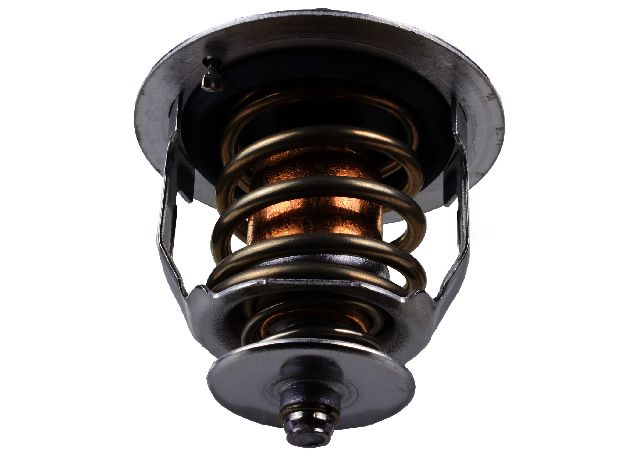
On a 3rd Gen Toyota 4Runner with the 3.4L V6, code P0126 is almost always caused by a stuck-open engine thermostat. Replacing the OEM thermostat (Part #90916-03075) and gasket is the most common fix, costing around $25-$50 for parts and is a 2/5 difficulty DIY job. Ensure the new thermostat's jiggle valve is installed at the 6 o'clock position.
- P0126 on a 3rd Gen 4Runner almost always means you need a new thermostat.
- Use an OEM Toyota thermostat (part #90916-03075) for best results. It's not expensive.
- When installing the new thermostat, make sure the small jiggle valve is pointing down (6 o'clock position).
- While you're at it, it's a good time to drain and fill your coolant with Toyota Red or a compatible coolant.
- If a new thermostat doesn't fix it, the next most likely culprit is the two-wire Engine Coolant Temperature (ECT) sensor.
What's Unique About the 1996-2002 Toyota 4Runner
The 5VZ-FE engine in the 3rd Generation 4Runner is known for its reliability, but like any engine, its thermostat is a wearable maintenance item. The P0126 code on this platform is very frequently a straightforward issue of a failed thermostat stuck in the open position. Unlike some modern vehicles with complex electronically controlled thermostats, the 5VZ-FE uses a simple, mechanical wax-pellet thermostat that is inexpensive and relatively easy to replace. The key is using a quality OEM (Toyota/Aisin) part and ensuring the jiggle valve is oriented correctly (downward at 6 o'clock) during installation, as specified by the factory service manual.
Symptoms You May Notice
- Check Engine Light is on
- Engine temperature gauge on the dashboard takes a very long time to reach the middle, or never gets there
- Heater blows lukewarm or cool air, especially at idle or low speeds
- Noticeable decrease in fuel economy (MPG)
- Engine may idle slightly higher than normal for an extended period after starting
- Replacing the temperature sender for the dashboard gauge instead of the two-wire ECT sensor for the engine computer. The ECT sensor is for the ECU, located at the rear of the engine block; the gauge sender is near the front.
- Replacing the water pump, which typically causes overheating (from failure to circulate coolant) or leaks, not an engine-too-cool condition.
Most Likely Causes
- Stuck-Open Engine Thermostat 🔴 High Probability → Shop Integrated Thermostat Housing Assembly The thermostat is a mechanical wear-and-tear item. After many years and thermal cycles, the spring or wax pellet can fail, causing it to stick open. This is the most common failure mode for this part and the overwhelming cause of P0126 on the 5VZ-FE.
How to confirm: Start the engine from cold and feel the upper radiator hose. If the hose starts to get warm within the first 1-2 minutes, coolant is flowing to the radiator immediately, indicating the thermostat is stuck open. The hose should remain cold for several minutes (5-10 min depending on ambient temp) until the engine reaches operating temperature.
Typical fix: Replace the engine thermostat and its gasket. It is highly recommended to use an OEM Toyota thermostat (90916-03075) or one from Aisin, the original equipment manufacturer.
Est. part cost: $25-$50 - Faulty Engine Coolant Temperature (ECT) Sensor 🟡 Medium Probability → Shop Engine Coolant Temperature Sensor This sensor provides the temperature data to the ECU. Over time, its internal resistance can drift out of specification, causing it to send inaccurate (typically colder) readings to the computer. It is located on the back of the engine, under the intake manifold.
How to confirm: Use an OBD-II scanner with live data to monitor the coolant temperature reading. If the reading is illogical (e.g., reads -40°F or stays at a low temperature even when the engine is physically warm), the sensor is likely bad. You can also test the sensor's resistance with a multimeter and compare it to the factory service manual specifications at different temperatures (e.g., approx. 2-3 kOhms at 68°F).
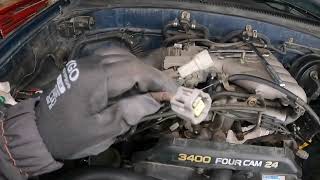
Typical fix: Replace the Engine Coolant Temperature sensor. Ensure you are replacing the two-wire sensor for the ECU (Part #89422-35010), not the single-wire sender for the gauge. 🎬 See how to inspect and replace the ECT sensor
Est. part cost: $30-$60 - Low Engine Coolant or Air in the System ⚪ Low Probability Not specific to this vehicle, but a universal cause. Leaks can develop over time, and improper coolant filling (especially after a thermostat change) can introduce air pockets that prevent proper sensor readings.
How to confirm: Visually check the coolant level in the radiator (when cool) and the overflow reservoir. If low, top it off and inspect for leaks. If the system was recently drained and refilled, an air pocket may be trapped near the sensor or thermostat.
Typical fix: Top off the coolant with Toyota Red/Pink coolant and properly bleed the cooling system to remove any air pockets. Find and repair any leaks.
Est. part cost: $15-$25 for a gallon of coolant
Rare But Worth Checking
- ECT Sensor Wiring or Connector Issue: → Shop Engine Coolant Temperature Sensor The wiring harness leading to the ECT sensor can become brittle or corroded, causing an open or high-resistance connection that mimics a sensor failure. Check the connector and wiring for integrity before replacing the sensor itself.
- Faulty Cooling Fan Clutch: → Shop Engine Cooling Fan Blade A fan clutch that is seized in the 'engaged' position will cause the fan to spin at full speed constantly. This can over-cool the engine, especially in cold weather or during highway driving, potentially contributing to a P0126 code. This is a rare cause.
Diagnosis Steps
- Check for Low Coolant: Before starting, check the coolant level in the overflow tank and radiator (only open the radiator cap when the engine is completely cold). Top off if necessary.
- Visually Inspect for Leaks: Look for any obvious coolant leaks around hoses, the radiator, and the water pump.
- Scan for Codes: Confirm P0126 is the primary code. Note any other codes present, like P0125 or P0128.
- Monitor Live Data: Use an OBD-II scanner to view live data for the Engine Coolant Temperature. On a cold start, it should match the ambient air temperature.
- Test Thermostat Function: Start the engine from cold. Feel the upper radiator hose. It should stay cool for at least 5-10 minutes. If it warms up almost immediately, the thermostat is stuck open and must be replaced.
- Verify ECT Sensor Reading: As the engine warms up, the temperature on the scan tool should rise steadily to ~180-195°F and stabilize. If it stays very low or behaves erratically while the engine feels warm, the ECT sensor or its wiring is suspect.
- Locate and Inspect ECT Sensor: The ECT sensor for the ECU is a two-wire sensor located on the rear coolant manifold on the back of the engine, underneath the intake plenum. Inspect its connector for corrosion and ensure the wires are not damaged or frayed.
- Test ECT Sensor (If Needed): If the sensor is suspected, unplug it and measure the resistance between the two pins. Compare this reading to the temperature/resistance chart in the factory service manual. Resistance should decrease as temperature increases (e.g., ~2.5kΩ @ 68°F, ~0.3kΩ @ 176°F).
Parts You'll Likely Need
- Engine Coolant Thermostat
(OEM #90916-03075)— This is the most common cause of P0126, failing in the 'stuck-open' position. Owner consensus strongly favors using OEM parts to avoid premature failure or incorrect temperature regulation.
Trusted brands: Toyota (OEM), Aisin (OEM supplier)
OEM price range: $25-$35
Aftermarket price range: $10-$25 - Thermostat Gasket / Water Inlet Gasket
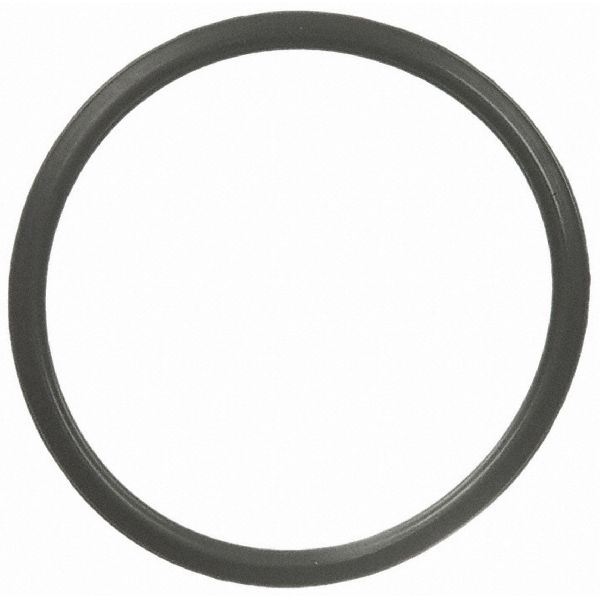
(OEM #16325-62010)— This rubber O-ring style gasket must be replaced anytime the thermostat is replaced to prevent leaks.
Trusted brands: Toyota (OEM), Aisin
OEM price range: $5-$10
Aftermarket price range: $2-$5 - Engine Coolant Temperature (ECT) Sensor
(OEM #89422-35010)— The second most likely cause. This sensor provides the temperature reading to the ECU. It is also referred to as a 'Water Temperature Sensor (For E.F.I.)'.
Trusted brands: Toyota (OEM), Denso (OEM supplier)
OEM price range: $40-$70
Aftermarket price range: $15-$40
Related Codes That Often Appear With This One
- P0125 — P0125 is 'Insufficient Coolant Temperature for Closed Loop Fuel Control', which is a very similar and often co-occurring condition. Both codes point to the engine not warming up properly, and the root causes are identical. 🎬 Watch: Causes and fixes for the P0125 code
- P0128 — P0128 is 'Coolant Thermostat (Coolant Temperature Below Thermostat Regulating Temperature)'. It's another code that points directly to a faulty thermostat and is functionally very similar to P0126.
Platform-Specific Known Issues
- Jiggle Valve Orientation: When replacing the thermostat, the small 'jiggle valve' on the thermostat's flange must be installed in the downward (6 o'clock) position per the Toyota Factory Service Manual for the 5VZ-FE. Installing it in the 12 o'clock position is a common mistake and can lead to difficulty bleeding the system and slightly elevated operating temperatures (by ~10-15°F).
Mechanic-Grade Diagnostic Values
- Engine Coolant Temperature (ECT) Sensor Resistance — expected: Approximately 2.5 kΩ at 20°C (68°F), and approximately 0.3 kΩ (300 Ω) at 80°C (176°F).. Failure: Readings that are significantly higher (open circuit) or lower (short circuit) than the expected value for a given temperature indicate a faulty sensor.
- Engine Coolant Temperature (ECT) Sensor Signal Voltage (at ECU) — expected: Approximately 2.0V - 3.0V with a cold engine (e.g., 20°C / 68°F), dropping to approximately 0.5V when the engine is at full operating temperature (e.g., 90°C / 194°F).. Failure: Voltage that is stuck high (e.g., near 5V) or low (near 0V) regardless of engine temperature, or does not change smoothly as the engine warms up.
Wiring & Ground Locations
- EC — On the left side of the intake manifold.. The ECT sensor relies on a solid ground connection to provide an accurate signal to the ECU. Corrosion or a loose connection at this primary engine ground point can cause erratic or incorrect temperature readings, potentially mimicking a sensor failure.
Real Owner Repair Stories
- YotaTech Forums user 'aowRS' (Toyota 4Runner with 5VZ-FE, 246,000+ miles) — Scan Gauge II consistently showed high operating temperatures of 202-204°F, sometimes climbing to 207°F.
❌ Tried (didn't work) Initially, the owner was just monitoring the temperature and had not attempted a fix.
✅ What actually fixed it The owner suspected the jiggle valve orientation after a dealer had performed a timing belt service. Upon inspection, the thermostat's jiggle valve was found at the 12 o'clock position. The owner replaced the thermostat (90916-03075) and gasket, installing the new one with the jiggle valve correctly at the 6 o'clock position. This resulted in the operating temperature dropping to a rock-steady 186°F, occasionally rising to 190°F at long stops.
OEM Part Supersession History
Potentially 89422-20010 or 89422-30030→89422-35010— Part consolidation and updates over a long production run across many models.
Model Year Variations Within This Range
- 1996-2002: While there were minor changes to the 5VZ-FE engine over its life (e.g., different fuel injectors, MAF sensors), the components relevant to code P0126—the mechanical thermostat (90916-03075) and the ECT sensor (89422-35010)—remained consistent for the 1996-2002 4Runner.
Diagnostic Flowchart
Other Known Issues on This Vehicle
Issues unrelated to this code that are worth knowing about as an owner of this generation:
- "Pink Milkshake" (Internal Radiator Failure) 🔴 High — Common on automatic transmission models with over 150,000 miles. The internal transmission cooler inside the radiator fails, mixing coolant and ATF, which destroys the transmission.
- Lower Ball Joint (LBJ) Failure 🔴 High — A well-known failure point, especially on vehicles over 100k-150k miles. Failure can be catastrophic, causing the wheel to separate from the vehicle. Preventative replacement with OEM parts is highly recommended. (Ref: A recall/service campaign (50J) was issued for some 2001-2002 models, but has long since expired.)
- Leaking Valve Cover Gaskets 🟠 Medium — Very common after 100,000+ miles. Oil drips onto the hot exhaust manifold, causing a burning smell. The passenger side is often more noticeable.
- Frame Rust/Rot 🔴 High — Especially prevalent in regions that use road salt. The frame can rust severely, particularly near the rear lower control arm mounts and where the A/C drain drips on the passenger side. (Ref: Toyota had a frame replacement program, but it has expired for this vehicle generation.)
- Cracked/Warped Exhaust Manifolds 🟡 Low — Less common than other issues, but can occur over time, causing an exhaust leak tick, especially when cold.
- Rear Axle Seal Leak 🟠 Medium — The rear axle seals can fail, allowing differential fluid to leak out and saturate the rear brake shoes, compromising braking performance.
Used vs. New Parts: Buying Guide for This Vehicle
When a used part is the smart pick: For this specific repair, sourcing used parts is generally not recommended due to the low cost and high failure rate of aged components. The only exception would be sourcing a used wiring harness pigtail for the ECT sensor if the original connector is broken or corroded.
Donor-vehicle mileage cap: roughly under 150000 miles for the part to have meaningful remaining life.
What to inspect on the donor part:
- For a wiring pigtail, inspect for brittle plastic, corrosion on the pins, and any signs of cracking or fraying on the wires.
- Ensure the locking tab on the connector is intact and functional.
OEM-only on this vehicle (don't cheap out):
- Engine Coolant Thermostat
- Engine Coolant Temperature (ECT) Sensor
Aftermarket brands forum-validated for this vehicle:
- Aisin (for thermostat - OEM supplier)
- Denso (for ECT sensor - OEM supplier)
Brands owners have reported issues with on this vehicle:
- Unbranded or 'white-box' parts store thermostats and sensors are frequently cited in forums as being defective out of the box or failing prematurely.
Real Owner Stories
Aggregated from forums and TSBs cited above. Mileages and costs reflect what owners reported in those sources.
Toyota Tacoma 3.4L V6 (Platform Mate)
Symptoms: Operating temperature was higher than expected; user found a 10-15°F difference in data after checking thermostat orientation.
What fixed it: Corrected the thermostat jiggle valve position from the 11 o'clock position to the proper 6 o'clock position.
Source hint: Tacoma World - The position of the V6 thermostat / jiggle valve DOES make a temperature difference
1996-2002 Toyota 4Runner 5VZ-FE
Symptoms: Difficulty bleeding the cooling system and slightly elevated operating temperatures.
What fixed it: Ensured the jiggle valve was in the downward (6:00) position as per the Factory Service Manual.
Source hint: YotaTech Forums - Quick question: jiggler orientation on thermostat install?
Related OBD-II Codes
Frequently Asked Questions
Which specific Engine Coolant Temperature (ECT) sensor should I replace for the P0126 code on my 3.4L V6?
Is there a specific way to install the thermostat on the 5VZ-FE engine to avoid temperature issues?
What brand of thermostat is recommended for the 1996-2002 4Runner to fix P0126?
Was there a recall for the lower ball joints on my 2001-2002 4Runner?
Can air in the cooling system cause a P0126 code on my 3.4L V6?
What type of coolant should I use when refilling my 4Runner after a thermostat change?
Helpful Videos

We Have This Part in Stock


The information in this article is provided for general reference and educational purposes only. Vehicle specifications, procedures, and part compatibility can vary by production date, trim level, and region. Always consult your vehicle's factory service manual and verify part numbers before purchasing or performing repairs. Safety-critical components such as airbags, seat belts, and braking systems should be installed by a qualified professional.
- Toyota 4Runner:
- 🧭 Diagnostic Flowchart
- 🎬 Helpful Videos
- 🛍️ Shop This Part
- What's Unique About the 1996-2002 Toyota 4Runner
- Symptoms You May Notice
- Most Likely Causes
- Rare But Worth Checking
- Diagnosis Steps
- Parts You'll Likely Need
- Related Codes That Often Appear With This One
- Platform-Specific Known Issues
- Mechanic-Grade Diagnostic Values
- Wiring & Ground Locations
- Real Owner Repair Stories
- OEM Part Supersession History
- Model Year Variations Within This Range
- Other Known Issues on This Vehicle
- Used vs. New Parts: Buying Guide for This Vehicle
- Real Owner Stories
- Toyota Tacoma 3.4L V6 (Platform Mate)
- 1996-2002 Toyota 4Runner 5VZ-FE
- Related OBD-II Codes
- Frequently Asked Questions
- 🎟️ Get 5% Off