

P0126 on 2004-2009 Toyota Prius: Insufficient Coolant Temperature Causes and Fixes
On a 2004-2009 Prius, code P0126 almost always means the engine thermostat is stuck open. This prevents the engine from warming up properly, hurting fuel economy and heater performance. Replacing the thermostat and gasket is the typical fix, costing around $20-$40 for the parts. The repair is DIY-friendly for those with basic tools.
- P0126 on a 2004-2009 Prius is almost always caused by a thermostat that is stuck open.
- Symptoms are very noticeable on a Prius: poor fuel economy, lack of cabin heat, and the gas engine running constantly.
- Before buying parts, check the engine's coolant level (when cold) in the correct reservoir (engine, not inverter).
- The repair involves replacing the thermostat (OEM# 90916-03093) and gasket (OEM# 16325-62010), and is a manageable DIY job.
What's Unique About the 2004-2009 Toyota Prius
On a hybrid like the second-generation Prius, this code has a unique impact. The car relies on reaching operating temperature to allow the gasoline engine to shut off for electric-only (EV) driving. With a P0126 fault, the gas engine may run continuously to try and build heat, which defeats the purpose of the hybrid system and significantly reduces fuel economy. Owners will often notice the car is reluctant to enter EV mode and the cabin heater performs poorly, especially in cold weather, because the engine isn't generating enough waste heat.
Symptoms You May Notice
- Check Engine Light is on
- Significantly reduced fuel economy (MPG)
- Engine running more often than usual / vehicle hesitant to switch to EV mode
- Heater blows lukewarm or cold air, or takes a very long time to warm up
- Temperature gauge on the dashboard (or reading from a scan tool) takes a very long time to rise or stays low, often below 170°F (77°C) during normal driving.
- Replacing the Engine Coolant Temperature (ECT) sensor when the thermostat is the actual cause. Always diagnose the thermostat's function before replacing sensors, as it is the cause in over 90% of P0126 cases on this vehicle.
- Confusing the engine cooling system with the hybrid inverter cooling system. They are separate and use different reservoirs. A failure in the inverter pump (a common Gen 2 issue) will set a different code, typically P0A93.
Most Likely Causes
- Engine Thermostat Stuck Open 🔴 High Probability → Shop Integrated Thermostat Housing Assembly Thermostats are mechanical wear items that fail over time. The internal spring weakens or the wax pellet degrades, causing them to fail in the open position. This is the most common failure mode leading to this specific code.
How to confirm: Start the engine from cold and feel the upper radiator hose. If it starts to get warm within the first 1-2 minutes, coolant is circulating immediately, indicating the thermostat is stuck open. A scan tool will also show the coolant temperature rising very slowly and failing to reach the target of ~176-180°F, often plateauing at a lower temperature.
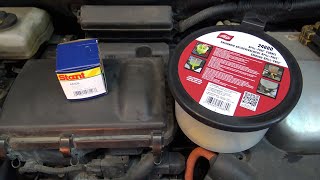
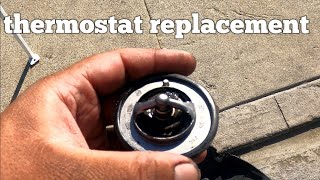
Typical fix: Replace the engine thermostat and the corresponding gasket. This requires draining some engine coolant, replacing the parts, and then refilling and bleeding the system. 🎬 Watch this step-by-step thermostat replacement guide. It is critical to orient the new thermostat's 'jiggle valve' to the 12 o'clock position to allow trapped air to escape.
Est. part cost: $20-$40 - Low Engine Coolant Level 🟡 Medium Probability Coolant can be lost over time due to small, undetected leaks from the radiator, hoses, or the engine water pump. The Prius has two separate cooling systems (one for the engine, one for the inverter), so it's crucial to check the correct one—the engine coolant reservoir near the firewall.
How to confirm: With the engine cold, check the coolant level in the engine's coolant reservoir. If it is below the 'LOW' mark, it needs to be filled. Also, remove the radiator cap (for the engine system) and ensure coolant is visible right to the top.
Typical fix: Top off the coolant with Toyota Super Long Life Coolant or a compatible pink P-HOAT equivalent and bleed any air from the system. If the level drops again, a leak must be found and repaired. A pressure test of the cooling system can help locate leaks.
Est. part cost: $25-$35 for a gallon of coolant - Faulty Engine Coolant Temperature (ECT) Sensor ⚪ Low Probability → Shop Engine Coolant Temperature Sensor
How to confirm: Use a scan tool to monitor the live data from the ECT sensor. If the reading is erratic, nonsensical (e.g., shows -40°F on a warm day), or doesn't match the actual temperature (verified with an infrared thermometer aimed at the sensor housing), the sensor is likely bad.
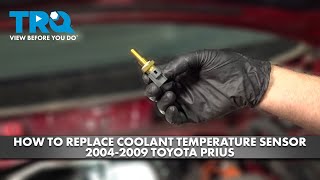
Typical fix: Replace the Engine Coolant Temperature sensor. It is a relatively inexpensive part and easy to access. 🎬 Watch how to replace the coolant temperature sensor.
Est. part cost: $15-$50
Rare But Worth Checking
- Cooling Fan Stuck On: → Shop Engine Cooling Fan Blade If the electric cooling fan runs continuously from the moment the car is started, it will over-cool the engine and prevent it from warming up. This is usually caused by a faulty fan relay or a short in the control circuit.
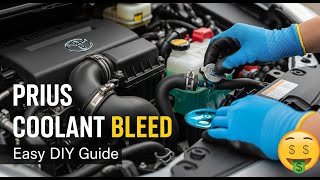
- Air Trapped in Cooling System: If the cooling system was recently serviced (e.g., water pump or hose replacement) and not properly bled, an air pocket can prevent proper coolant circulation and cause inaccurate temperature readings at the sensor. Bleeding a Prius can require putting the car in 'Maintenance Mode' to run the engine continuously. 🎬 See how to bleed the coolant system.
Diagnosis Steps
- Check for other stored trouble codes with an OBD-II scanner.
- With the engine cold, visually inspect the engine coolant level in the reservoir near the firewall. It should be between the 'LOW' and 'FULL' marks. Also remove the engine radiator cap to ensure it's full to the top.
- If the coolant is low, top it off and inspect the radiator, hoses, and water pump for any visible leaks.
- Connect an OBD-II scan tool and monitor the Engine Coolant Temperature (ECT) live data PID.
- Start the engine from cold. The coolant temperature should be close to the ambient air temperature.
- Feel the upper radiator hose. It should remain cold for several minutes. If it gets warm almost immediately, the thermostat is stuck open and must be replaced.
- Watch the temperature on the scan tool. It should climb steadily to the operating range of 176-183°F (80-84°C) and stabilize. If it rises very slowly, plateaus around 150-160°F, or drops significantly at highway speeds, the thermostat is the primary suspect.
- If the thermostat appears to be working correctly but the sensor readings are illogical, test the ECT sensor's resistance with a multimeter and compare it to the service manual specifications.
Parts You'll Likely Need
- Engine Coolant Thermostat
(OEM #90916-03093)— This is the most common cause of P0126, as they fail by getting stuck in the open position, preventing the engine from reaching operating temperature.
Trusted brands: Toyota (OEM), Aisin
OEM price range: $25-$40
Aftermarket price range: $15-$30 - Thermostat Gasket / Water Inlet Housing Gasket
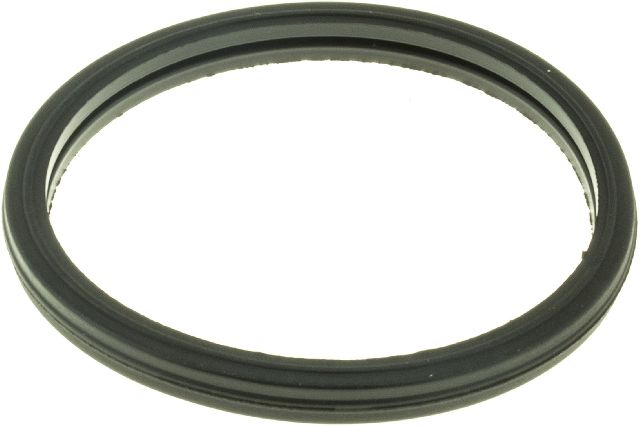
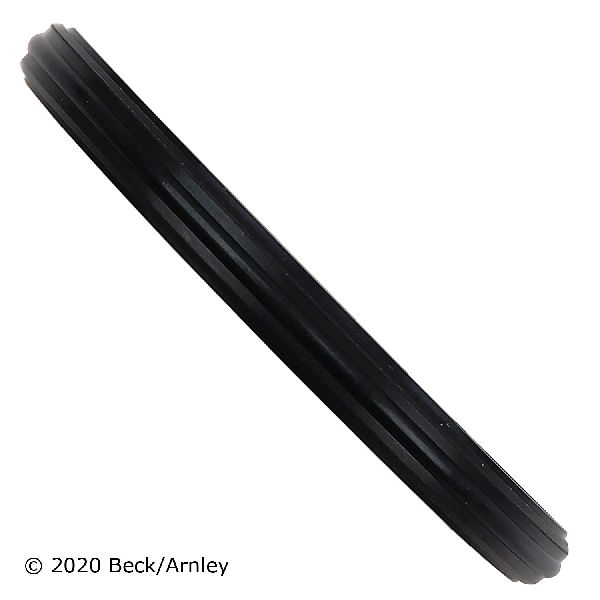
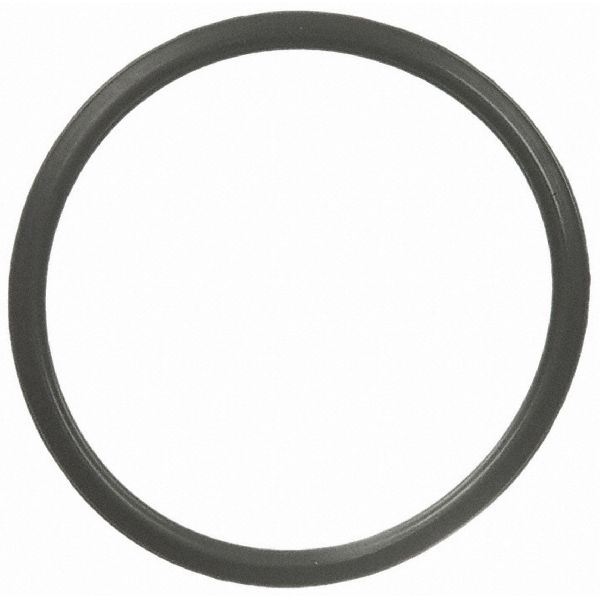
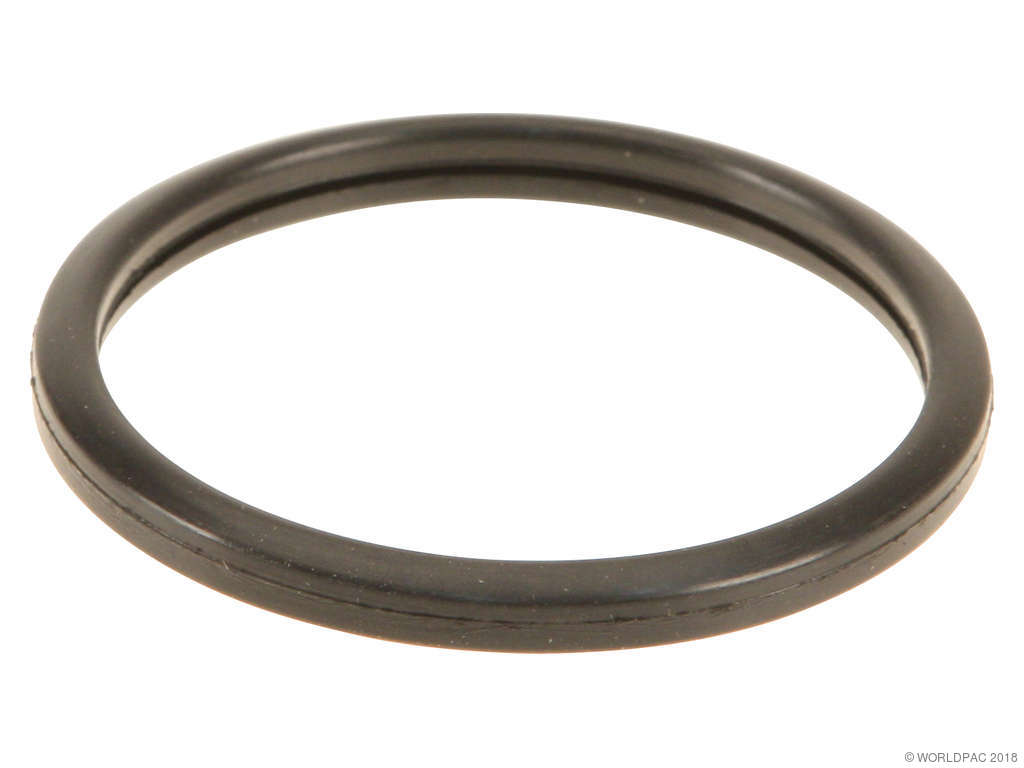
(OEM #16325-62010)— The gasket should always be replaced when replacing the thermostat to ensure a proper seal and prevent leaks.
Trusted brands: Toyota (OEM), Fel-Pro, Victor Reinz
OEM price range: $5-$10
Aftermarket price range: $3-$8 - Toyota Super Long Life Coolant
(OEM #00272-SLLC2)— The cooling system must be partially drained to replace the thermostat, so you will need to refill it with the correct type of coolant. Using the specified pink Toyota coolant is highly recommended.
Trusted brands: Toyota (OEM), Zerex Asian Vehicle Formula
OEM price range: $25-$35 per gallon
Aftermarket price range: $20-$30 per gallon
Platform-Specific Known Issues
- DIY Repair Walkthrough on YouTube: Multiple owners have documented the thermostat replacement process. A video by user 'Fixing My Broke Life' on YouTube titled 'Prius Thermostat Replacement' shows the step-by-step process, including draining the coolant, accessing the thermostat housing below the airbox, and the importance of orienting the jiggle valve upwards.
- Forum Discussion on PriusChat: A thread titled 'How to tell if Thermostat is bad (stuck)' on PriusChat.com has extensive discussion from owners monitoring their coolant temperatures with a ScanGauge. Users confirm that normal operating temperature is around 180-190°F and that a bad thermostat often results in temperatures struggling to exceed 160°F, especially in winter.
- Another Forum Repair Story: In a PriusChat thread titled 'A quick check before replacing the thermostat again', an owner with a 2005 Prius describes classic P0126 symptoms (weak cabin heat, low MPG) and coolant temperatures that would not exceed 60-70°C (140-158°F), confirming a failed thermostat even though one had been replaced a year prior, highlighting that even OEM parts can sometimes fail prematurely.
Mechanic-Grade Diagnostic Values
- Engine Coolant Temperature (ECT) Sensor Resistance — expected: Approximately 2.32 to 2.59 kΩ at 20°C (68°F), and 200Ω to 300Ω at 90°C (194°F).. Failure: Resistance that is significantly outside the expected range for a given temperature, is open (infinite resistance), or shorted (near zero resistance) indicates a failed sensor.
- Engine Coolant Temperature (ECT) Sensor Voltage (at sensor connector, backprobed) — expected: Approximately 2.0V to 3.0V on a cold engine, dropping smoothly to around 0.5V as the engine warms to operating temperature.. Failure: Voltage that is stuck high or low, or does not change smoothly as the engine warms up, points to a sensor or wiring issue.
Scan Tool Commands That Help
- Toyota Techstream: Inspection Mode (Maintenance Mode) — To force the gasoline engine to run continuously, overriding the hybrid start/stop system. This is essential for warming the engine during diagnostics and for properly bleeding air from the cooling system after a repair. The path is typically Powertrain -> Hybrid Control -> Active Test -> Inspection Mode.
- Toyota Techstream: Active Test: Control the Cooling Fan — To verify if the cooling fan and its control circuit are operating correctly. This can rule out a fan that is stuck on, which could cause over-cooling. The path is typically Body Electrical -> Air Conditioner -> Active Test -> Electrical Fan.
Wiring & Ground Locations
- EC, ED, EE, EF — These are the primary ground points in the engine compartment. EC is located directly on the engine block, while others are on the suspension tower and frame rails.. The ECT sensor relies on a clean ground to provide an accurate signal to the ECM. A corroded or loose engine ground at point EC could cause an incorrect temperature reading, although this is a rare cause for P0126 compared to the thermostat.
- ECT Sensor Connector — On the 1NZ-FXE, the sensor is located on the coolant crossover tube/water outlet housing, near the driver's side of the engine head.. This is the 2-wire connector for the ECT sensor itself. Checking for corrosion, damage, or a secure connection here is a critical step if the sensor's readings are erratic.
OEM Part Supersession History
90916-03093→N/A— This part number has remained consistent for the 2004-2009 Prius and other Toyota models for many years, indicating a stable and reliable design without major revisions or supersessions.
Model Year Variations Within This Range
- 2004-2009: There are no significant variations in the engine cooling system components related to code P0126 across the second-generation Prius. The thermostat, ECT sensor, and diagnostic logic are consistent for all model years in this range.
Diagnostic Flowchart
Other Known Issues on This Vehicle
Issues unrelated to this code that are worth knowing about as an owner of this generation:
- Inverter Coolant Pump Failure 🔴 High — Very common on Gen 2 models, often occurring after 100,000 miles. It was subject to a recall/service campaign. (Ref: TSB EG001-07; A Limited Service Campaign was also issued.)
- Combination Meter (Dashboard Display) Failure 🟠 Medium — Common failure where the display for the speedometer, fuel gauge, etc., goes blank, especially in cold weather. A capacitor on the circuit board is the typical culprit. (Ref: TSB T-SB-0172-09 Rev2; A Warranty Enhancement Program (ZEP) was also offered.)
- Brake Actuator Assembly Failure 🔴 High — A frequent and expensive failure where the ABS/brake actuator fails internally, causing warning lights and a loud, frequent pumping noise. (Ref: Warranty Enhancement Program ZG1 extended coverage to 10 years / 150,000 miles.)
- Excessive Oil Consumption 🟠 Medium — Becomes noticeable at higher mileage (100k+ miles), often attributed to piston rings getting clogged.
- Main Hybrid Battery (HV) Degradation 🔴 High — Inevitable with age and mileage, typically after 10-15 years or 150,000-200,000+ miles. Symptoms include poor MPG and the P0A80 code.
- HID Headlight Ballast/Bulb Failure 🟡 Low — On models equipped with HID headlights, the ballasts or bulbs can fail, causing flickering or inoperative headlights.
Used vs. New Parts: Buying Guide for This Vehicle
When a used part is the smart pick: For this specific repair, using used parts is generally not recommended for the key components. The thermostat is a wear item and a used one has an unknown lifespan. A used ECT sensor is also a risk for a low-cost part. Used parts are only viable for surrounding hardware like brackets or possibly a coolant hose if it is in excellent, pliable condition with no cracking.
Donor-vehicle mileage cap: roughly under 50000 miles for the part to have meaningful remaining life.
What to inspect on the donor part:
- For a radiator hose, inspect for any dry rot, cracking, swelling, or mushy spots, especially near the ends.
- Ensure any used hardware (bolts, nuts) is free from significant rust or thread damage.
OEM-only on this vehicle (don't cheap out):
- Engine Coolant Thermostat
- Engine Coolant Temperature (ECT) Sensor
Aftermarket brands forum-validated for this vehicle:
- Aisin (often the OEM supplier for Toyota)
- Denso (for sensors)
Brands owners have reported issues with on this vehicle:
- Unnamed, 'white-box' thermostats and sensors from online marketplaces. Forum consensus strongly favors OEM or OEM-supplier parts for this system to avoid repeat failures or incorrect temperature regulation. One user reported a non-OEM sensor did not fit the electrical connector correctly.
Real Owner Stories
Aggregated from forums and TSBs cited above. Mileages and costs reflect what owners reported in those sources.
2005 Toyota Prius 1NZ-FXE
Symptoms: Weak cabin heat, low MPG, and coolant temperatures that would not exceed 60-70°C (140-158°F).
What fixed it: Replacement of the thermostat, even though the previous one had only been in the car for a year.
Source hint: PriusChat thread titled 'A quick check before replacing the thermostat again'
2004-2009 Toyota Prius 1NZ-FXE
Symptoms: Coolant temperatures struggling to exceed 160°F, especially in winter, as monitored by a ScanGauge.
What fixed it: Thermostat replacement; normal operating temperature should be around 180-190°F.
Source hint: PriusChat.com thread titled 'How to tell if Thermostat is bad (stuck)'
2004-2009 Toyota Prius 1NZ-FXE — ~115000 miles
Symptoms: Inverter coolant pump failure, a common issue on Gen 2 models often occurring after 100,000 miles.
What fixed it: Replacement of the inverter coolant pump under TSB EG001-07 or the associated Limited Service Campaign.
Source hint: Article context section on 'Known Issues' and TSB EG001-07
Related OBD-II Codes
Frequently Asked Questions
How can I tell if my 2004-2009 Prius thermostat is stuck open without taking it apart?
Which cooling system should I check for the P0126 code, the engine or the inverter?
Is there a specific way to install the new thermostat on a 1NZ-FXE engine?
What type of coolant should I use for my 2005 Prius to resolve low level issues?
Does the P0126 code affect my Prius's hybrid battery or EV mode?
Are there any known issues with the dashboard display on this model year?
Helpful Videos
We Have This Part in Stock


The information in this article is provided for general reference and educational purposes only. Vehicle specifications, procedures, and part compatibility can vary by production date, trim level, and region. Always consult your vehicle's factory service manual and verify part numbers before purchasing or performing repairs. Safety-critical components such as airbags, seat belts, and braking systems should be installed by a qualified professional.
- Toyota Prius:
- 🧭 Diagnostic Flowchart
- 🎬 Helpful Videos
- 🛍️ Shop This Part
- What's Unique About the 2004-2009 Toyota Prius
- Symptoms You May Notice
- Most Likely Causes
- Rare But Worth Checking
- Diagnosis Steps
- Parts You'll Likely Need
- Platform-Specific Known Issues
- Mechanic-Grade Diagnostic Values
- Scan Tool Commands That Help
- Wiring & Ground Locations
- OEM Part Supersession History
- Model Year Variations Within This Range
- Other Known Issues on This Vehicle
- Used vs. New Parts: Buying Guide for This Vehicle
- Real Owner Stories
- 2005 Toyota Prius 1NZ-FXE
- 2004-2009 Toyota Prius 1NZ-FXE
- 2004-2009 Toyota Prius 1NZ-FXE — ~115000 miles
- Related OBD-II Codes
- Frequently Asked Questions
- 🎟️ Get 5% Off