

P0128 on 2011-2016 Audi A6 3.0L: Causes and Fixes for Coolant Temperature Issues
For the 2011-2016 Audi A6 3.0T, code P0128 almost always means the thermostat has failed in the open position. This is a complex, labor-intensive repair requiring removal of the supercharger. Expect a shop bill of $1100-$2000, with a DIY difficulty of 5/5. It is highly recommended to replace the water pump and PCV valve at the same time.
- P0128 on a 2011-2016 Audi A6 3.0T almost certainly means you need a new thermostat.
- This is not a simple or cheap repair; the supercharger must be removed to access the part.
- Due to the high labor cost, it is critical to replace other 'while you're in there' parts like the water pump and PCV valve at the same time.
- Always use the correct Audi-specific G12/G13 coolant when refilling the system.
- Because of the complexity, this job is best left to a professional mechanic or a very experienced DIYer.
What's Unique About the 2011-2016 Audi A6
On the Audi 3.0L TFSI V6 engine (engine code CGWB), the P0128 code is exceptionally common and almost always points to a failed thermostat. Unlike simpler engines, the thermostat is a complex assembly located deep in the engine valley, underneath the supercharger. The original factory part is housed in plastic which is known to become brittle and fail, leading not only to the P0128 code but also potential coolant leaks. Due to the high labor involved (6-9 hours), this is a significantly more involved and expensive repair than on many other vehicles.
Symptoms You May Notice
- Check Engine Light is on with code P0128 stored.
- Engine temperature gauge takes a very long time to reach the normal operating position (the middle of the gauge, ~90°C), or never reaches it at all, especially during highway driving.
- Poor heater performance; the cabin air does not get very hot.
- Noticeable decrease in fuel economy.
- In some cases, the temperature gauge may fluctuate erratically, but this is less common for a stuck-open failure.
- Cooling fans running at high speed when they shouldn't be, as the ECU may default to this state for safety.
- Replacing only the coolant temperature sensor when the thermostat is the actual problem. The sensor is much cheaper and easier to access, making it a tempting first step, but it rarely fixes a P0128 code on this engine.
- Assuming the issue is a simple coolant top-off without investigating the underlying cause of the coolant loss, which is often a leak from the thermostat housing or water pump.
Most Likely Causes
- Failed Engine Coolant Thermostat 🔴 High Probability → Shop Integrated Thermostat Housing Assembly The original thermostat is integrated into a plastic housing that is known to become brittle and fail, often sticking in the open position. This is a well-documented, widespread issue across all Audi models using the 3.0T supercharged engine.
How to confirm: Use an OBD-II scanner with live data to monitor the coolant temperature. Start the car from cold. The temperature should rise steadily to ~90-105°C (195-221°F) and stabilize. If it warms up very slowly, or the temperature drops significantly when driving at highway speeds (e.g., from 90°C down to 70°C), the thermostat is stuck open.
Typical fix: Replace the entire thermostat and housing assembly. Due to the extreme labor involved, it is highly recommended to also replace the water pump, PCV valve, supercharger gaskets, coolant crossover pipe, and any accessible coolant pipes and seals at the same time to avoid paying for the same labor twice.
Est. part cost: $150-$400 for the thermostat assembly - Low Engine Coolant Level ⚪ Low Probability While not a direct cause of P0128, leaks from the failing plastic thermostat housing, water pump, or the PCV valve (which has integrated coolant passages) are common on this platform and can lead to low coolant levels. A low level can cause air pockets and erratic temperature readings.
How to confirm: Visually inspect the coolant reservoir to ensure the level is between the MIN and MAX marks when the engine is cold. Check for pink/purple crusty residue around the engine bay, especially in the engine valley under the supercharger, which indicates a coolant leak.
Typical fix: Find and repair the source of the leak, then top off and properly bleed the cooling system with the correct G12/G13/G12evo coolant.
Est. part cost: $30-$50 for coolant - Faulty Coolant Temperature Sensor (G62) ⚪ Low Probability → Shop Engine Coolant Temperature Sensor
How to confirm: A faulty sensor is an unlikely cause for P0128 on this engine, but possible. If the temperature gauge on the dash behaves erratically (e.g., jumps from cold to hot instantly) or provides no reading at all, the sensor may be at fault. Compare the live data from the sensor with an infrared thermometer reading of the coolant hoses to check for major discrepancies. A faulty sensor might also throw its own codes, like P0117 or P0118.
Typical fix: Replace the coolant temperature sensor and its retaining clip and o-ring. The primary sensor (G62) is located on the side of the engine block and is difficult to access.
Est. part cost: $20-$50
Rare But Worth Checking
- Cooling Fan Stuck On: → Shop Engine Cooling Fan Blade If the electric cooling fans run at high speed continuously, even when the engine is cold, it can prevent the engine from warming up properly. This is usually caused by a failed fan control module or relay, or the ECU defaulting to a fail-safe mode due to other sensor issues.
- Faulty Coolant Control Valve (for supercharger intercooler): Some forum users have noted that a secondary coolant control valve (Part No. 059121737AJ) related to the supercharger's intercooler circuit can fail and, in some rare instances, contribute to or be misdiagnosed as a main thermostat problem, sometimes throwing a P0128 code.
Diagnosis Steps
- Check for any other stored Diagnostic Trouble Codes (DTCs) with a VCDS or high-quality OBD-II scanner.
- Visually inspect the engine coolant level in the reservoir. Ensure it is at the proper level when the engine is cold.
- Check for any visible signs of coolant leaks (pink/purple G12/G13 residue), particularly in the engine valley beneath the supercharger and around the water pump.
- Use an OBD-II scanner to monitor live coolant temperature data (ECT). Start the engine from cold.
- Observe the temperature rise. It should climb steadily and stabilize around 90-105°C. If it rises very slowly, fails to reach this range, or drops significantly at highway speeds, the thermostat is almost certainly stuck open.
- If the temperature reading is erratic, jumps instantly, or is clearly incorrect from the start (e.g., reads -40°C), suspect the coolant temperature sensor (G62).
- Listen for the engine cooling fans. If they are running at high speed immediately after a cold start, investigate the fan control circuit.
Parts You'll Likely Need
- Engine Coolant Thermostat Assembly
(OEM #06E121111AL (supercedes 06E121111AD, 06E121111P, etc.))— This is the most common failure item for code P0128 on the 3.0T engine. The original plastic housing fails, causing the thermostat to stick open. The 'AL' revision is the latest and most robust version.
Trusted brands: Audi (OEM), Mahle (often the OE manufacturer), Rein
OEM price range: $250-$400
Aftermarket price range: $130-$250 - Water Pump
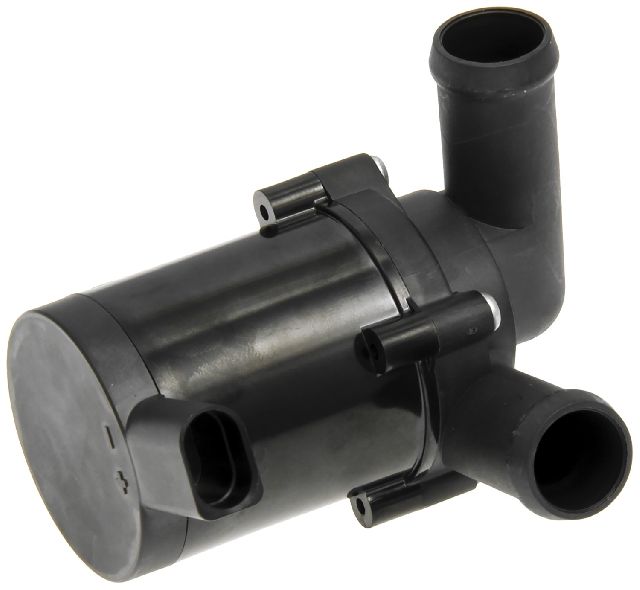
(OEM #06E121018K (or 06E121018A))— The water pump is located in the same area as the thermostat and requires the same labor to access on pre-2016 models. It is a known failure point and is highly recommended to replace it preventatively during the thermostat job to avoid a repeat of the labor costs in the near future.
Trusted brands: Audi (OEM), Graf, Gebia, Saleri
OEM price range: $200-$300
Aftermarket price range: $100-$180 - PCV / Oil Separator
(OEM #06E103547AH (or latest revision))— Also located under the supercharger. The diaphragm can tear causing vacuum leaks, or the plastic body can crack causing coolant-to-oil mixture, a catastrophic failure. Given the labor overlap, it is considered essential preventative maintenance during a thermostat job.
Trusted brands: Audi (OEM)
OEM price range: $250-$350
Aftermarket price range: $100-$200 - Supercharger Gaskets
(OEM #079129717D (x2), 079129717B (x2))— These are one-time-use gaskets that must be replaced when the supercharger is removed to access the thermostat.
Trusted brands: Audi (OEM), Victor Reinz
OEM price range: $50-$80
Aftermarket price range: $30-$50 - G13/G12evo Coolant
(OEM #G013A8J1G)— The cooling system must be drained for the repair and refilled with Audi-specific G12, G13, or the newer G12evo coolant to prevent corrosion and damage. Do not mix with other coolant types.
Trusted brands: Audi (OEM), Pentosin
OEM price range: $30-$40 per gallon
Aftermarket price range: $25-$35 per gallon
Technical Service Bulletins (TSBs) & Recalls
- TSB 2025591/4: While not directly for P0128, this TSB addresses coolant leaks from the thermostat housing area, acknowledging issues with the component. Specific details are limited in public view.
- TSB 2039995/2: This TSB addresses a rattling noise from the upper timing chain tensioners on cold starts but is relevant as owners often consider addressing this during a major 'supercharger off' service like a thermostat replacement.
Platform-Specific Known Issues
- The plastic thermostat housing is a known weak point and is the primary reason for P0128 on this engine. Upgraded aluminum housings are available in the aftermarket, but quality can vary.
- The repair is extremely labor-intensive due to the location of the thermostat under the supercharger, significantly increasing the cost of the fix.
Mechanic-Grade Diagnostic Values
- Engine Coolant Temperature Sensor (G62) Resistance — expected: Approximately 5,000-6,000 Ohms in ice-cold water (~0°C) and 150-250 Ohms in boiling water (~100°C).. Failure: Readings that are significantly outside of this range, or an open/short circuit, indicate a faulty sensor.
- VCDS/VAG-COM Live Data - Engine Coolant Temperature — expected: Monitor Measuring Block Group 001, Field 2. Temperature should rise steadily from ambient to ~90-105°C at idle and stabilize.. Failure: Temperature rises extremely slowly, never reaches the target range, or drops significantly at highway speeds.
- VCDS/VAG-COM Live Data - General Cooling System — expected: Measuring Block Groups 130-137 contain various data points related to the engine cooling system, including fan duty cycle and temperatures from various sensors.. Failure: Inconsistencies between different temperature sensors or fan activation at incorrect temperatures can help diagnose complex issues.
Hidden / Shadow Codes Worth Checking
- N/A - Absence of other codes is key: On this platform, a lone P0128 code is a strong indicator of a mechanical failure (stuck thermostat). If the coolant temperature sensor (G62) were electrically faulty, it would typically trigger additional, more specific codes such as P0116 (Range/Performance), P0117 (Low Input), or P0118 (High Input). (see via A VCDS/VAG-COM or professional-grade OBD-II scanner would show these companion codes if they were present.)
Scan Tool Commands That Help
- VCDS (VAG-COM) or equivalent: Live Data Graphing - Measuring Blocks — This is the primary diagnostic method. Graphing the Engine Coolant Temperature (ECT) sensor reading against time from a cold start is the most effective way to visualize if the thermostat is stuck open. A slow, linear rise that flattens out prematurely or drops at speed confirms the diagnosis.
- VCDS (VAG-COM) or equivalent: Output Tests (DTM) — Within the Engine (01) control module, output tests can be used to command the radiator cooling fans to run. This helps verify if the fan control module and the fans themselves are functioning correctly, ruling out a 'fan stuck on' scenario as the cause of overcooling.
Wiring & Ground Locations
- 306 — In the engine pre-wiring harness, related to the ignition coils.. A poor engine ground can cause erratic sensor readings. While not a direct cause, checking major engine grounds is a valid step if sensor readings are illogical (e.g., jumping from -40°C to 120°C).
- Main Engine Ground Strap — Typically located on the passenger side of the engine compartment, connecting the engine block to the chassis frame rail, often near the alternator.. This is the primary ground for the engine block. Corrosion or a loose connection here can cause a wide range of electrical gremlins, including incorrect readings from engine-mounted sensors like the ECT.
- 655 — Earth point located on the left (driver's side) headlight area.. While less likely to be involved, knowing the location of various ground points in the engine bay is useful for comprehensive electrical diagnosis.
"I Checked Everything" — The Actual Cause
- A smoke test is not a relevant diagnostic procedure for code P0128. The equivalent scenario is 'live data looks normal in the workshop but the code returns.' This typically happens when the thermostat is only partially stuck open. It may allow the engine to reach operating temperature while idling in a warm shop, but fails to maintain temperature under real-world driving conditions with higher airflow through the radiator (e.g., highway driving). The definitive test is monitoring live coolant temperature data while driving at a steady highway speed; a significant drop in temperature confirms the thermostat is stuck open.
OEM Part Supersession History
06E103547C, 06E103547F, 06E103547Q, 06E103547S, 06E103547H, 06E103547AC→06E103547AH— The PCV (Oil Separator) assembly has undergone numerous revisions to improve durability and prevent failures like torn diaphragms (causing vacuum leaks) and cracked plastic housings (causing coolant leaks).
Heads up: Always use the latest available revision (currently 'AH' or newer) when replacing. Earlier versions are known to be failure-prone.06E121111P, 06E121111AD, etc.→06E121111AL— Revisions to the thermostat assembly aimed to improve the durability of the plastic housing and reduce the likelihood of it sticking open or closed.
Model Year Variations Within This Range
- 2016 (C7.5 Facelift with CREC engine): On the updated CREC 3.0T engine used from the 2016 model year onwards, the water pump is externally driven and can be replaced without removing the supercharger. This is a significant labor difference from the 2011-2015 CGXB engine, where the water pump is under the supercharger. For 2016+ models, if only the water pump is leaking, it is a much simpler repair. However, the thermostat and PCV valve are still located under the supercharger on all versions.
Diagnostic Flowchart
Other Known Issues on This Vehicle
Issues unrelated to this code that are worth knowing about as an owner of this generation:
- PCV Valve Failure 🔴 High — Common after 60,000-100,000 miles. Failure can lead to high oil consumption, rough idle, vacuum leaks (whistling noise), or catastrophic coolant/oil mixture.
- Intake Valve Carbon Buildup 🟠 Medium — A known issue with all direct-injection (FSI/TFSI) engines. Significant buildup can occur every 60,000-80,000 miles, causing misfires, hesitation, and reduced power. Requires manual cleaning (walnut blasting).
- Timing Chain Tensioner Rattle 🟡 Low — A brief (~1-2 second) chain rattle on cold starts is common and generally considered benign by Audi, though unsettling. It's caused by oil pressure needing to build in the tensioners. An official TSB (2039995/2) exists for updated tensioners if the noise is excessive. (Ref: TSB 2039995/2)
- Water Pump Failure 🔴 High — The water pump is a common failure item, often leaking coolant. Due to its location under the supercharger, it is almost always replaced with the thermostat.
- Supercharger Intercooler Core Leak 🟠 Medium — The intercooler cores (radiators) located within the supercharger housing can develop leaks, leading to coolant consumption and high intake air temperatures. This is less common than thermostat failure but is a known possibility.
Used vs. New Parts: Buying Guide for This Vehicle
When a used part is the smart pick: For this specific repair (P0128), using used parts from a junkyard is strongly discouraged. The primary failure parts—thermostat, water pump, PCV valve—are made of plastic that becomes brittle from heat cycles. The high labor cost (6-9 hours) to access these parts means a premature failure of a used part would be financially catastrophic.
What to inspect on the donor part:
- Not applicable. Do not use salvaged cooling system components for this repair.
OEM-only on this vehicle (don't cheap out):
- PCV / Oil Separator: Due to the complexity and high failure rate of aftermarket versions, it is highly recommended to use a genuine Audi OEM part with the latest part number revision (06E103547AH or newer).
Aftermarket brands forum-validated for this vehicle:
- Thermostat Assembly: Mahle is a trusted OE manufacturer. Aftermarket billet aluminum housings from brands like German Performance Solutions (GPS) are a popular upgrade to prevent future housing cracks.
- Water Pump: Graf (metal impeller version) and Saleri are well-regarded OE-quality aftermarket brands.
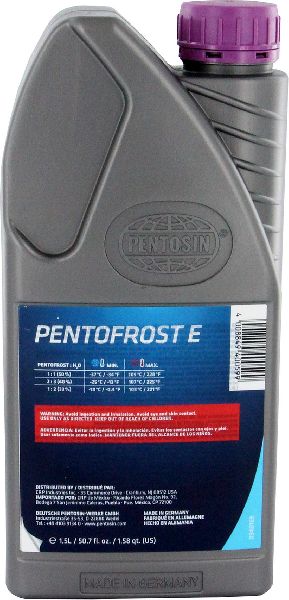
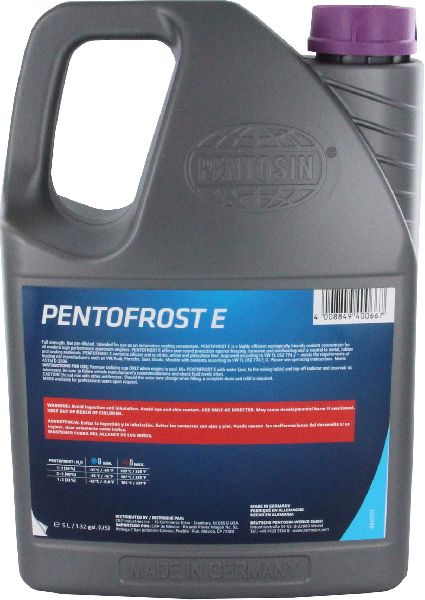
- Coolant: Pentosin (Pentofrost E) is the OE supplier for Audi G13/G12evo coolant and is a reliable alternative to dealer-branded fluid.
Brands owners have reported issues with on this vehicle:
- Avoid unbranded, 'white-box' thermostat assemblies and PCV valves from online marketplaces. The quality of the plastic and rubber diaphragms is often poor, leading to rapid failure and requiring a full repeat of the labor-intensive repair.
Real Owner Stories
Aggregated from forums and TSBs cited above. Mileages and costs reflect what owners reported in those sources.
2013 Audi A8L 3.0T
Symptoms: A detailed DIY thread confirming the job's complexity and the specific parts involved in the thermostat replacement.
What fixed it: Replacement of the thermostat assembly located under the supercharger.
Source hint: AudiWorld Forums: '2013 A8L/3.0T Thermostat Replacement - LONG Post With Pictures'
2011-2016 Audi A6 3.0T
Symptoms: Owner felt they were being overcharged for a combined thermostat and water pump service.
What fixed it: Comprehensive thermostat, water pump, and PCV valve replacement.
Cost: $1500-$2500
Source hint: Reddit r/Audi: 'I feel like I'm getting ripped off for thermostat + water pump change'
Related OBD-II Codes
Frequently Asked Questions
Why is the repair for P0128 so expensive on my 2011-2016 Audi A6 3.0T?
Should I replace other parts while fixing the thermostat code?
Does TSB 2025591/4 apply to my P0128 issue?
Can I just replace the thermostat sensor to fix P0128?
Is there an upgraded part to prevent this from happening again?
Why are my cooling fans running at high speed when the engine is cold?
Helpful Videos
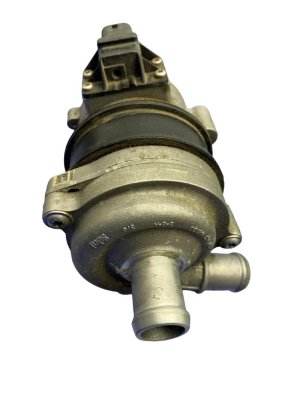
Used OEM Parts in Stock
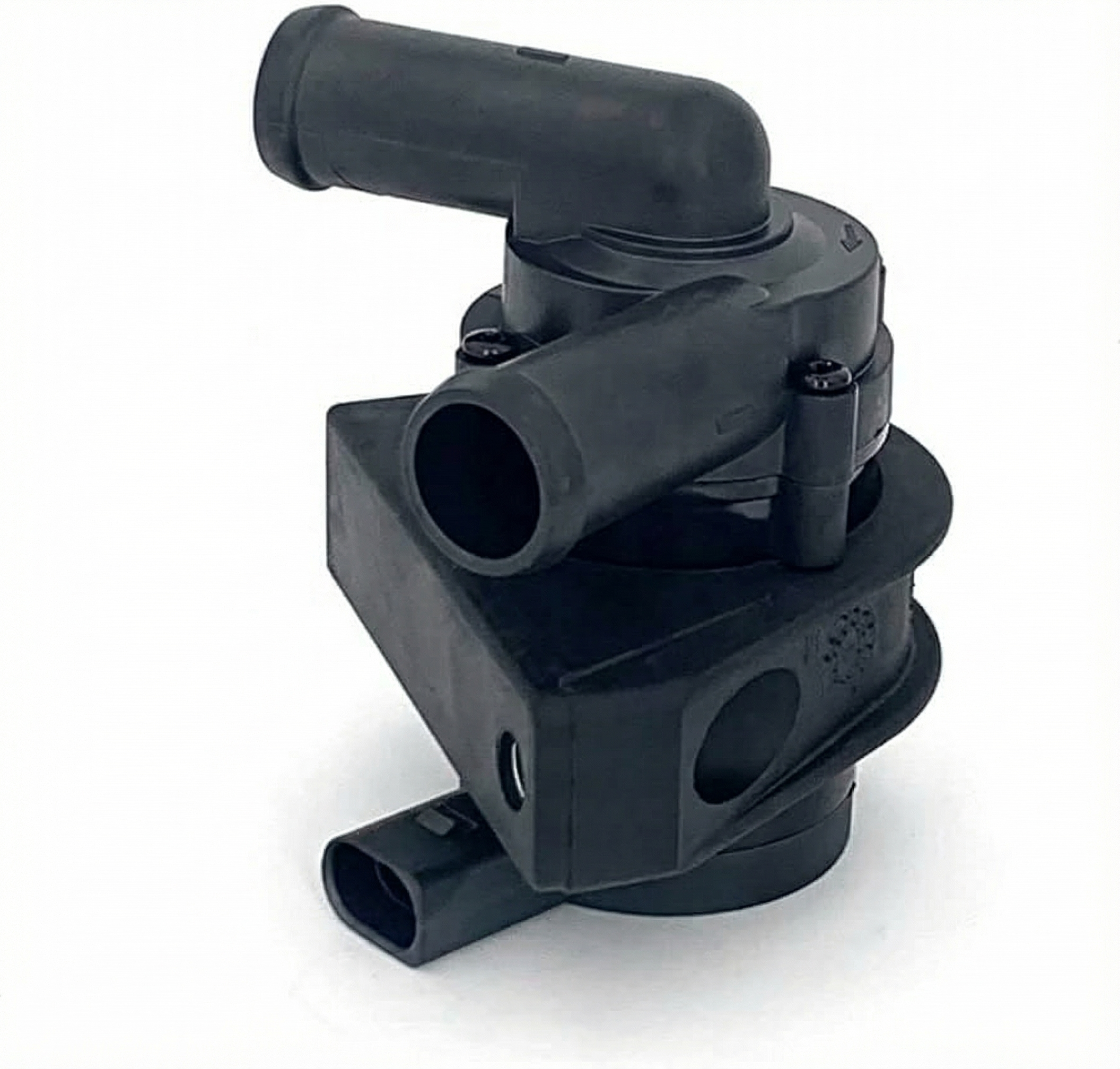
New Aftermarket Parts Available


The information in this article is provided for general reference and educational purposes only. Vehicle specifications, procedures, and part compatibility can vary by production date, trim level, and region. Always consult your vehicle's factory service manual and verify part numbers before purchasing or performing repairs. Safety-critical components such as airbags, seat belts, and braking systems should be installed by a qualified professional.
- Audi A6:
- 🧭 Diagnostic Flowchart
- 🎬 Helpful Videos
- 🛍️ Shop This Part
- What's Unique About the 2011-2016 Audi A6
- Symptoms You May Notice
- Most Likely Causes
- Rare But Worth Checking
- Diagnosis Steps
- Parts You'll Likely Need
- Technical Service Bulletins (TSBs) & Recalls
- Platform-Specific Known Issues
- Mechanic-Grade Diagnostic Values
- Hidden / Shadow Codes Worth Checking
- Scan Tool Commands That Help
- Wiring & Ground Locations
- "I Checked Everything" — The Actual Cause
- OEM Part Supersession History
- Model Year Variations Within This Range
- Other Known Issues on This Vehicle
- Used vs. New Parts: Buying Guide for This Vehicle
- Real Owner Stories
- 2013 Audi A8L 3.0T
- 2011-2016 Audi A6 3.0T
- Related OBD-II Codes
- Frequently Asked Questions
- 🎟️ Get 5% Off