

P0128 on 2012-2018 Audi A6 3.0L TFSI: Coolant Temperature Below Thermostat Regulating Temperature Causes and Fixes
For the 2012-2018 Audi A6 3.0T, code P0128 almost always means the engine thermostat has failed and is stuck open. This is a complex, labor-intensive repair requiring supercharger removal, with shop costs often exceeding $1200-$2500. It is highly recommended to replace the water pump, PCV valve, and the plastic coolant pipe under the supercharger at the same time to prevent future failures and redundant labor costs.
- P0128 on your Audi A6 3.0T means the engine isn't getting hot enough, fast enough.
- The cause is almost certainly a thermostat that is stuck open.
- This is not a simple DIY fix. The thermostat is buried under the supercharger.
- Expect a significant labor charge; get quotes for replacing the thermostat, water pump, and PCV valve at the same time to save money in the long run.
- Do not ignore the code, as it leads to poor fuel economy and accelerated engine wear.
What's Unique About the 2012-2018 Audi A6
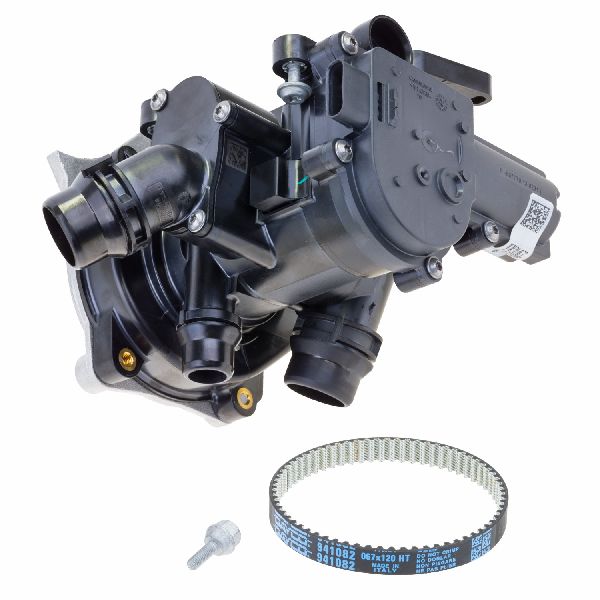
On the Audi A6 3.0L TFSI engine (engine code CGXB), the thermostat is notoriously difficult to access, as it is located underneath the supercharger. The job is labor-intensive, making the repair expensive. Furthermore, the original thermostat is housed in a plastic assembly (OEM P/N: 06E121111AL) that is known to become brittle and crack over time, leading to leaks or failure. Because of the high labor cost, it is a very common and highly recommended practice to also replace the water pump and PCV valve during the same service. Audi has released multiple revisions of these cooling parts, indicating known issues with the original designs.
Symptoms You May Notice
- Check Engine Light is on with code P0128 stored.
- Engine temperature gauge takes a very long time to reach the normal center position, or never reaches it.
- Temperature gauge drops towards cold when cruising at highway speeds, then may rise again in stop-and-go traffic.
- Heater blows lukewarm air instead of hot, especially in colder weather.
- Noticeably decreased fuel economy as the engine runs in a richer 'warm-up' mode.
- Coolant fan may run at high speed unnecessarily, as the ECU receives conflicting temperature data.
- Replacing only the coolant temperature sensor when the thermostat is the actual problem.
- Assuming a major engine issue like a head gasket, which is extremely unlikely to cause an under-heating condition.
- Replacing the thermostat but not the leaking water pump or brittle PCV valve, leading to a repeat of the expensive supercharger removal labor in the near future.
Most Likely Causes
- Failed Engine Thermostat (Stuck Open) 🔴 High Probability → Shop Integrated Thermostat Housing Assembly The OEM thermostat is part of a plastic housing that is a known failure point, becoming brittle with age and heat cycles. The thermostat itself is designed to fail in the open position as a safety measure against overheating. There have been several part number revisions over the years.
How to confirm: Use an OBD-II scanner with live data to monitor coolant temperature. If the engine struggles to reach and maintain operating temperature (approx. 90-104°C / 195-220°F) after a 15-minute drive, the thermostat is almost certainly stuck open. Another test is to feel the upper radiator hose shortly after a cold start; if it gets warm quickly, coolant is flowing to the radiator, confirming the thermostat is open when it should be closed.
Typical fix: Replace the entire thermostat and housing assembly. Due to the high labor involved, it is strongly recommended to also replace the water pump, PCV valve, coolant crossover pipe, and associated gaskets at the same time. Aftermarket aluminum thermostat housings are available for improved durability.
Est. part cost: $150-$350 for the thermostat assembly - Low Engine Coolant 🟡 Medium Probability The 3.0T engine has several plastic cooling components, including the thermostat housing, water pump, and crossover pipes, that can develop leaks over time. A leak will cause a low coolant level, which can lead to erratic temperature readings and potentially trigger a P0128.
How to confirm: Visually inspect the coolant reservoir to ensure the level is between the MIN and MAX marks when the engine is cold. Check for pink/purple (G12/G13 coolant) residue or puddles under the vehicle, particularly around the front of the engine (water pump weep hole) and under the supercharger.
Typical fix: Find and repair the source of the leak, then top off and properly bleed the cooling system with the correct G12++, G13, or G12evo coolant. Do not mix coolant types.
Est. part cost: $30-$60 for coolant - Faulty Coolant Temperature Sensor ⚪ Low Probability → Shop Engine Coolant Temperature Sensor While not exceptionally prone, sensors can fail on any vehicle. This is a much less common cause for P0128 than the thermostat itself. The ECU may cross-reference with other sensors and determine the reading is implausible, but not definitively wrong.
How to confirm: With a cold engine, use a scan tool to compare the Intake Air Temperature (IAT) and Engine Coolant Temperature (ECT) readings. They should be within a few degrees of each other. If the ECT reading is illogical (e.g., -40°F or significantly different from ambient), the sensor or its wiring is likely faulty.
Typical fix: Replace the coolant temperature sensor and top off any lost coolant.
Est. part cost: $20-$60
Rare But Worth Checking
- Failed Coolant Control Valve (N214): The 3.0T engine uses a complex thermal management system with multiple valves. A failure in the coolant control valve (Part No. 059121737AJ or similar) can sometimes mimic a thermostat failure and may even trigger a P0128 code, although it more commonly throws other specific codes like P0597 or P0598.
Diagnosis Steps
- Check for a Check Engine Light and scan for codes. Confirm P0128 is present.
- With the engine cold, check the coolant level in the expansion tank. If low, inspect for leaks from hoses, the water pump, and thermostat housing area before proceeding. A pressure test may be necessary.
- Use an OBD-II scanner to monitor live data for Engine Coolant Temperature (ECT).
- Start the engine from cold and watch the ECT reading. It should rise steadily.
- Drive the vehicle for 10-15 minutes. The temperature should reach and hold steady around 90-104°C (195-220°F).
- If the temperature fails to reach this range, or if it drops significantly while cruising at a steady speed, the thermostat is stuck open and must be replaced.
- If the temperature reading is erratic or clearly incorrect from the start (e.g., reads 120°C on a cold engine), suspect a faulty coolant temperature sensor or wiring.
- Before ordering parts, check for any applicable Technical Service Bulletins (TSBs) related to cooling system issues for your specific VIN.
Parts You'll Likely Need
- Engine Coolant Thermostat Assembly
(OEM #06E121111AL)— This is the primary cause of code P0128. The original plastic unit fails, sticking open. It is replaced as a complete assembly.
Trusted brands: Audi (Genuine OEM), Mahle, Motorad
OEM price range: $250-$350
Aftermarket price range: $80-$250 - Water Pump
(OEM #06E121018K (or 06E121018H))— It is located behind the supercharger next to the thermostat. The original plastic pumps are a known failure point. Given the high labor cost to access this area, it is considered preventative best practice to replace it at the same time.
Trusted brands: Audi (Genuine OEM), Graf, Hepu, INA
OEM price range: $300-$450
Aftermarket price range: $150-$250 - PCV Valve / Oil Separator
(OEM #06E103547AC (supercedes 06E103547P, Q, H, etc.))— Also located under the supercharger. These are known to fail, causing high oil consumption and vacuum leaks. It is highly recommended to replace it during a thermostat/water pump job to save on future labor costs.
Trusted brands: Audi (Genuine OEM), Hengst
OEM price range: $140-$200
Aftermarket price range: $80-$140 - Coolant Pipe (Crossover Pipe)
(OEM #06E121045BB)— This plastic pipe runs under the supercharger and connects the two cylinder heads. It becomes extremely brittle with heat cycles and is very likely to break during disassembly. It should always be replaced.
Trusted brands: Audi (Genuine OEM)
OEM price range: $120-$160
Aftermarket price range: $50-$90 - Supercharger Gaskets and Seals
(OEM #N/A (Kit))— Multiple gaskets, including the two large intake manifold gaskets (079129717D), are required for re-installing the supercharger. These are one-time use and must be replaced.
Trusted brands: Audi (Genuine OEM), Elring
OEM price range: $80-$150
Aftermarket price range: $40-$80
Technical Service Bulletins (TSBs) & Recalls
- While no specific TSB is solely for P0128, several relate to the components. TSB 2039995/2 addresses rattling from upper timing chain tensioners. TSB 2030197/15 addresses oil consumption related to the PCV valve. These indicate known issues with parts that are often replaced during the P0128 repair.
Platform-Specific Known Issues
- The 3.0L TFSI engine requires removal of the supercharger to access the thermostat and water pump, making the repair very labor-intensive.
- The original plastic thermostat housing is a common point of failure, often cracking and leaking. Upgraded metal housings are available in the aftermarket for improved longevity.
- Many plastic components in the cooling system (water pump, crossover pipe) become brittle and are prone to failure,
Mechanic-Grade Diagnostic Values
- Engine Coolant Temperature Sensor (G62) Resistance — expected: 2,250 Ω (± 750 Ω) at approximately 20°C (68°F). Failure: A reading significantly outside this range, or an open/short circuit, indicates a faulty sensor. The resistance should decrease smoothly as temperature increases.
- Engine Coolant Temperature Sensor (G62) circuit test at ECM — expected: Resistance measured at the ECM connector pins should match the resistance measured directly at the sensor.. Failure: A significant difference in resistance indicates a wiring issue (corrosion, break, short) between the sensor and the ECM.
Scan Tool Commands That Help
- VCDS (VAG-COM): Measuring Value Blocks in [08-Auto HVAC] — To check the status of why the A/C compressor is enabled or disabled. While not directly for P0128, it can provide context on how the climate control system is interpreting engine temperature data.
- VCDS (VAG-COM): Basic Settings - "Adapt door end stops" in [08-Auto HVAC] — This is used to recalibrate the HVAC flap motors. While not a direct cause of P0128, running this basic setting can resolve other confounding HVAC faults that may appear during diagnosis.
- VCDS (VAG-COM) or similar: Live Data Monitoring of Coolant Temperature — This is the primary diagnostic step. Monitor the coolant temperature from a cold start through a 15-minute drive. For P0128, you are specifically looking for the temperature to fail to reach ~90°C or to drop significantly at highway speeds, which confirms a stuck-open thermostat.
Wiring & Ground Locations
- Engine Block Ground Point — On the right side of the engine compartment, near the alternator.. The main engine ground provides the return path for many sensors, including the coolant temperature sensor. A corroded or loose ground can cause erratic sensor readings, potentially leading to incorrect temperature data being sent to the ECM, although this is a rare cause for P0128 compared to a mechanical thermostat failure.
- G62 Sensor Wiring Path — The G62 sensor wires run directly from the sensor (under the supercharger) to the main ECM. Pin 2 (signal, typically violet) goes to pin 39 of the T105 ECM connector, and Pin 1 (ground, typically brown/green) goes to pin 47 of the T105 ECM connector.. If a new sensor does not resolve an incorrect temperature reading, testing for continuity and resistance along this specific path is the next step to rule out a wiring harness failure, which can happen due to heat and vibration in the engine valley.
Real Owner Repair Stories
- MBWorld.org Forums (user story, applicable across brands with similar symptoms) (Vehicle experiencing P0128) — P0128 code returned, engine took a long time to warm up, and coolant temperature dropped rapidly on the freeway.
❌ Tried (didn't work) Replacing the thermostat once., Replacing the thermostat a second time with a high-quality part (FCP Euro).
✅ What actually fixed it The user was advised that if two new thermostats exhibit the exact same failure mode, the issue is almost certainly not the part itself but potentially an installation error (e.g., incorrect seal placement) or, more likely, another system issue causing the symptoms. The discussion highlighted that the CEL for P0128 is a timed response; if the ECU doesn't see the temperature rise within a set time, it assumes the thermostat is stuck open. The final resolution was not posted, but the key takeaway for a mechanic is that repeat failures point away from the part and towards installation or a different, overlooked system fault.
OEM Part Supersession History
06E121111S, 06E121111T, 06E121111AD→06E121111AL— Revisions to address failures of the original plastic housing and thermostat mechanism. The 'AL' revision is the most current and widely used replacement part.
Heads up: While older revisions may physically fit, using the latest 'AL' part number or a quality aftermarket equivalent is highly recommended for durability.
Model Year Variations Within This Range
- 2016-2018: Later models in the C7.5 facelift (2016+) could be equipped with the 'CREC' version of the 3.0T engine, which is an evolution of the earlier 'CGXB' engine. While the fundamental architecture and P0128 failure mode (thermostat under supercharger) are the same, there are differences in the thermal management system and associated sensors. For example, the CREC engine features a more complex system with an 'Engine Temperature Control Sensor G694' in addition to the main 'G62' sensor. Always verify parts by VIN, as some part numbers may differ between CGXB and CREC engines.
- 2012-2013: Early C7 models were more prone to the original water pump and thermostat designs failing. Audi issued updates to these parts, so a 2012 model that has not had its cooling system serviced is at a higher risk of failure than a later model or one that has had the updated parts installed.
Diagnostic Flowchart
Other Known Issues on This Vehicle
Issues unrelated to this code that are worth knowing about as an owner of this generation:
- Upper Timing Chain Tensioner Rattle 🔴 High — Common after 60k-100k miles. Presents as a 1-3 second rattle on cold starts. (Ref: Audi TSB 2039995/2 describes the issue and recommends replacing the tensioners with updated parts.)
- PCV / Oil Separator Failure 🟠 Medium — Very common, often between 50k-90k miles. Leads to high oil consumption, rough idle, and a whistling noise. (Ref: Audi TSB 2030197/15 addresses excessive oil consumption related to the PCV system.)
- Intake Valve Carbon Buildup 🟠 Medium — Inevitable on all direct-injection engines. Performance degradation is noticeable after 50k-80k miles. Requires manual cleaning (walnut blasting).
- Leaking Engine Mounts 🟠 Medium — Common after 70k miles. The factory fluid-filled mounts leak purple hydraulic fluid, causing vibrations at idle and during acceleration.
- Water Pump Failure 🔴 High — Common failure point between 60k-100k miles. The original plastic pumps can leak coolant or fail internally. Directly related to the P0128 repair.
Used vs. New Parts: Buying Guide for This Vehicle
When a used part is the smart pick: For this specific repair, using used parts is strongly discouraged. The primary failure components (thermostat, water pump, PCV valve, plastic pipes) are wear-and-tear items. The labor cost to access them by removing the supercharger is extremely high, making the risk of a used part failing prematurely an unacceptable financial gamble.
What to inspect on the donor part:
- Not applicable due to the high-risk nature of using used wear components for this job.
OEM-only on this vehicle (don't cheap out):
- PCV Valve / Oil Separator: While aftermarket options exist, many professional technicians and forum users strongly recommend using the Genuine Audi part for the PCV valve. Aftermarket units have a higher reported failure rate, and since it is buried under the supercharger, a premature failure would be catastrophic from a labor cost perspective.
- Coolant Pipe (Crossover Pipe): The Genuine Audi part is recommended as it is a critical component that is difficult to access. The cost savings of an aftermarket part are minimal compared to the labor involved if it were to fail.
Aftermarket brands forum-validated for this vehicle:
- Thermostat: Mahle (often the OEM supplier), Rein. Some owners opt for billet aluminum aftermarket housings from brands like ECS Tuning for increased durability.
- Water Pump: Graf, Hepu, INA (often OEM suppliers).
Brands owners have reported issues with on this vehicle:
- Unnamed/white-box brands from online marketplaces for any of the critical components (thermostat, water pump, PCV). The quality is highly variable, and the risk of premature failure is not worth the initial cost savings given the labor-intensive nature of the repair.
Real Owner Stories
Aggregated from forums and TSBs cited above. Mileages and costs reflect what owners reported in those sources.
2012-2018 Audi A6 3.0T
Symptoms: The engine temperature gauge takes a very long time to reach center or never reaches it; the heater only blows lukewarm air in cold weather.
What fixed it: Replacement of the thermostat, water pump, and PCV valve while the supercharger was removed.
Source hint: Audizine C7 A6/A7 Forum - P0128 Thermostat DIY and Discussion
2012-2018 Audi A6 3.0T
Symptoms: Owners discussed high labor costs and the necessity of 'while you're in there' preventative maintenance for the water pump and PCV when addressing cooling issues.
What fixed it: Thermostat replacement along with the water pump and PCV to avoid repeated labor costs.
Source hint: AudiWorld C7 Platform Discussion - Thermostat Replacement Cost
2012-2018 Audi A6 3.0T
Symptoms: General consensus on common failure points including the water pump and thermostat causing reliability concerns.
What fixed it: Preventative maintenance and replacement of the plastic cooling components.
Source hint: Reddit r/Audi - C7 A6 3.0T Reliability Questions
Related OBD-II Codes
Frequently Asked Questions
Why does my 2012-2018 Audi A6 3.0T temperature gauge drop when I'm driving on the highway?
Is there a TSB for the P0128 code on my Audi A6?
Can I just replace the thermostat, or do I need the whole housing?
Why is the labor cost so high for a P0128 fix on the 3.0L TFSI V6?
What other parts should I replace while fixing the P0128 thermostat issue?
What type of coolant should I use to top off my Audi A6 after a repair?
Helpful Videos
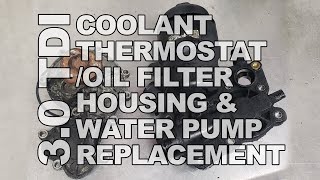

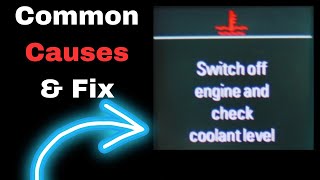
Used OEM Parts in Stock
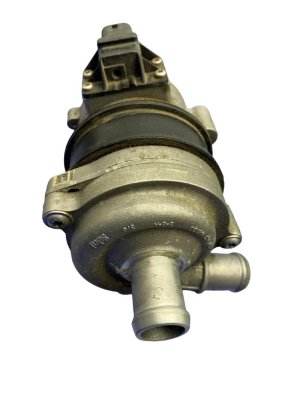
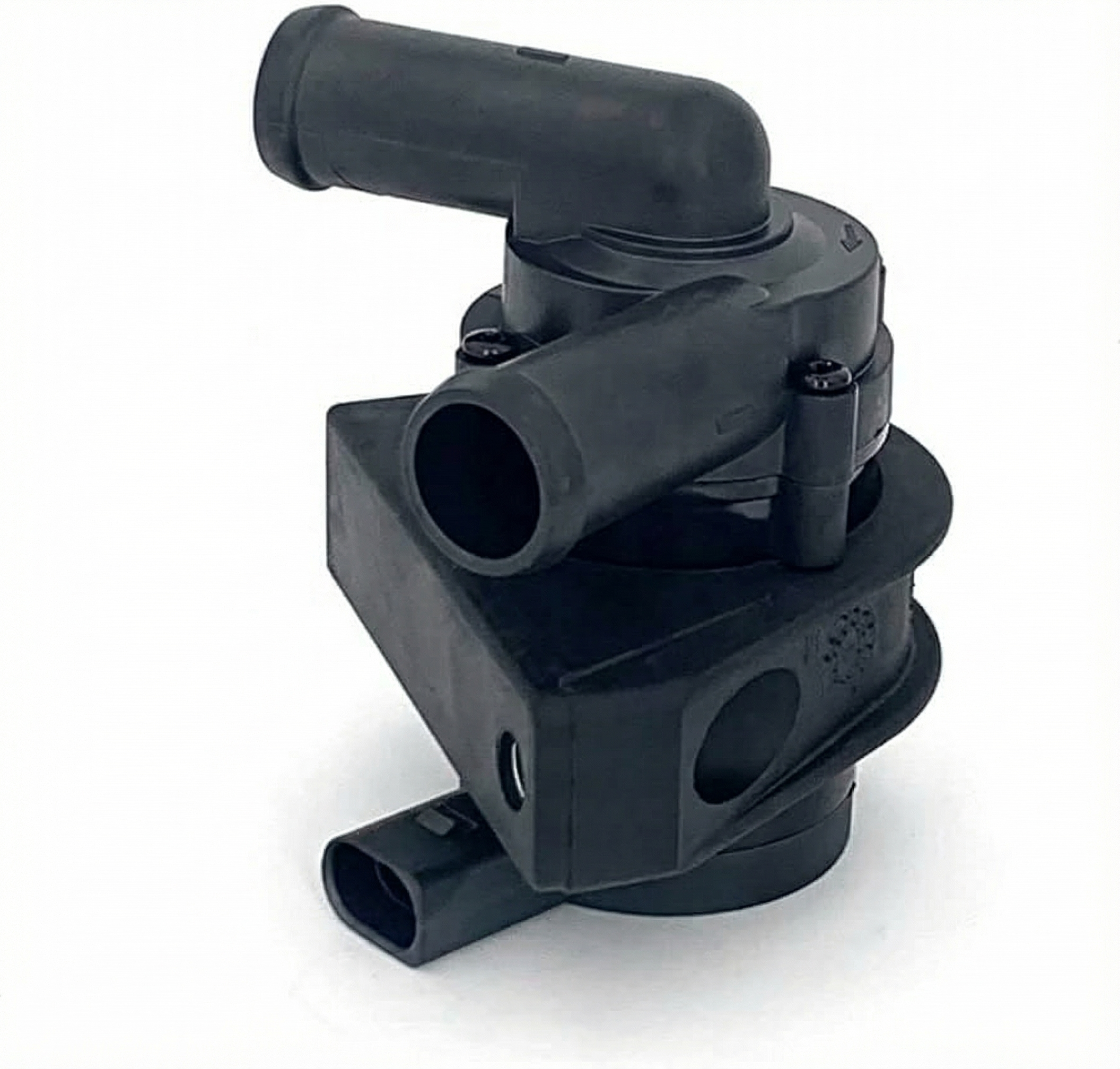
New Aftermarket Parts Available




The information in this article is provided for general reference and educational purposes only. Vehicle specifications, procedures, and part compatibility can vary by production date, trim level, and region. Always consult your vehicle's factory service manual and verify part numbers before purchasing or performing repairs. Safety-critical components such as airbags, seat belts, and braking systems should be installed by a qualified professional.
- Audi A6:
- 🧭 Diagnostic Flowchart
- 🎬 Helpful Videos
- 🛍️ Shop This Part
- What's Unique About the 2012-2018 Audi A6
- Symptoms You May Notice
- Most Likely Causes
- Rare But Worth Checking
- Diagnosis Steps
- Parts You'll Likely Need
- Technical Service Bulletins (TSBs) & Recalls
- Platform-Specific Known Issues
- Mechanic-Grade Diagnostic Values
- Scan Tool Commands That Help
- Wiring & Ground Locations
- Real Owner Repair Stories
- OEM Part Supersession History
- Model Year Variations Within This Range
- Other Known Issues on This Vehicle
- Used vs. New Parts: Buying Guide for This Vehicle
- Real Owner Stories
- 2012-2018 Audi A6 3.0T
- 2012-2018 Audi A6 3.0T
- 2012-2018 Audi A6 3.0T
- Related OBD-II Codes
- Frequently Asked Questions
- 🎟️ Get 5% Off