

P0128 on 2013-2015 Dodge Dart: Thermostat Rationality Causes and Fixes
On a 2013-2015 Dodge Dart, code P0128 almost always means the thermostat is stuck open and needs to be replaced. The thermostat is sold as a complete housing assembly with the sensor, and replacement is the most common fix. Upgrading from the OEM plastic housing to an aftermarket aluminum one is a popular and recommended durability improvement.
- P0128 on a Dodge Dart almost always points to a failed thermostat that is stuck open.
- The fix involves replacing the entire thermostat housing assembly, which includes the thermostat, housing, and integrated temperature sensor.
- Using the correct OAT coolant (MS-12106 spec) is critical when refilling the system.
- Upgrading to an aftermarket aluminum thermostat housing is a popular modification for long-term durability.
What's Unique About the 2013-2015 Dodge DART
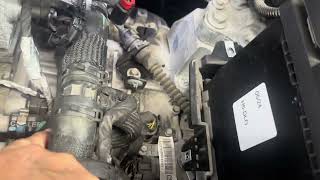
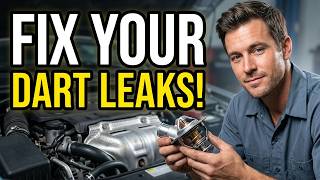
The Dodge Dart, regardless of the 1.4L, 2.0L, or 2.4L engine, is known for 🎬 Watch: Overview of common Dodge Dart reliability issues having issues with its cooling system components. The thermostat is not just a simple valve but an integrated plastic housing that also contains the engine coolant temperature (ECT) sensor. This entire assembly is a very common failure point, often leading directly to the P0128 code. The original plastic housings are prone to cracking or failing, leading many owners to opt for aftermarket replacements with more durable aluminum housings.
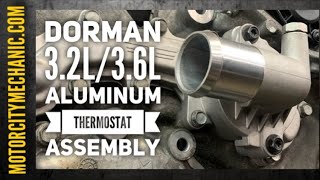
🎬 See why mechanics recommend this aluminum thermostat housing upgradeDiagnostic Flowchart
Tap your situation to follow the diagnostic path that matches what you're seeing on this vehicle.
Symptoms You May Notice
- Check Engine Light is on
- Engine temperature gauge reads lower than normal, especially at highway speeds
- Heater does not blow hot air or takes a very long time to warm up
- Reduced fuel economy
- In some cases, the temperature gauge may give an erratic reading (e.g., -40°F or -41°F) and the radiator fans may run constantly as a fail-safe.
- Car may fail an emissions test.
- Replacing only the coolant temperature sensor when the thermostat valve itself is the problem. On the Dart, these are typically replaced as one assembly.
- Assuming the code is intermittent and clearing it without repair. While it can be triggered by extreme cold, it usually indicates a failing part.
Most Likely Causes
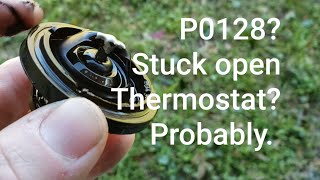
- Thermostat Stuck Open 🔴 High Probability → Shop Integrated Thermostat Housing Assembly The integrated plastic thermostat housing assembly is a known common failure point on all Dart engines. The internal valve mechanism fails, causing it to remain partially or fully open. The plastic itself can also become brittle and leak.
How to confirm: Monitor the engine temperature gauge. If it drops at highway speeds or never reaches the normal operating range (typically the halfway mark, around 195-205°F), the thermostat is likely stuck open. The P0128 code itself is the primary indicator, as the PCM determines the engine isn't warming up as expected.
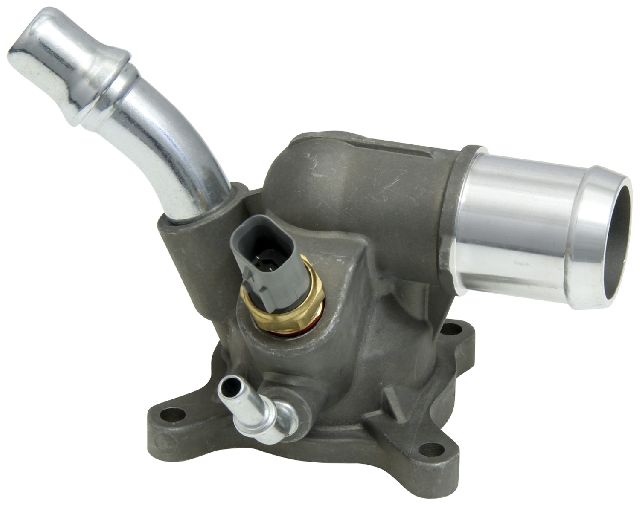
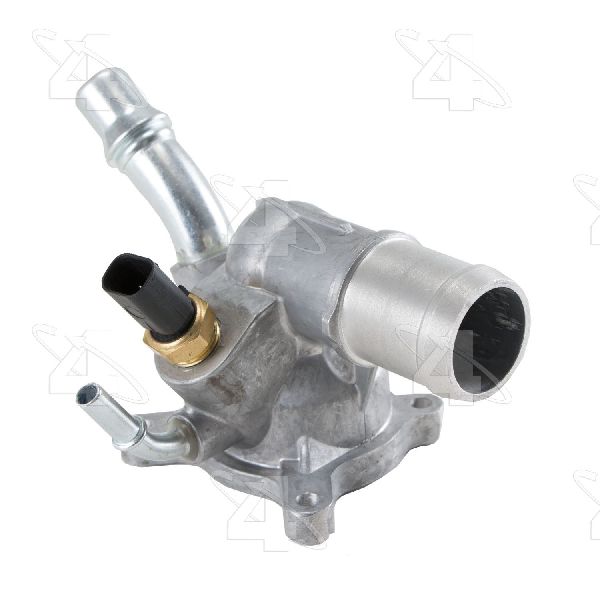
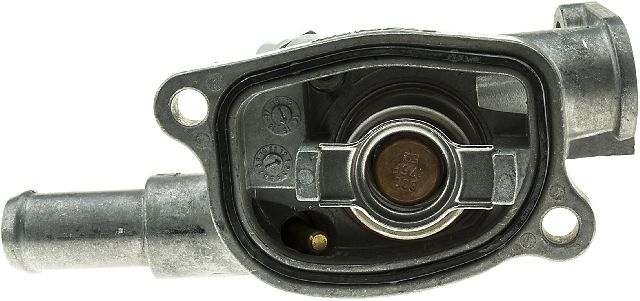
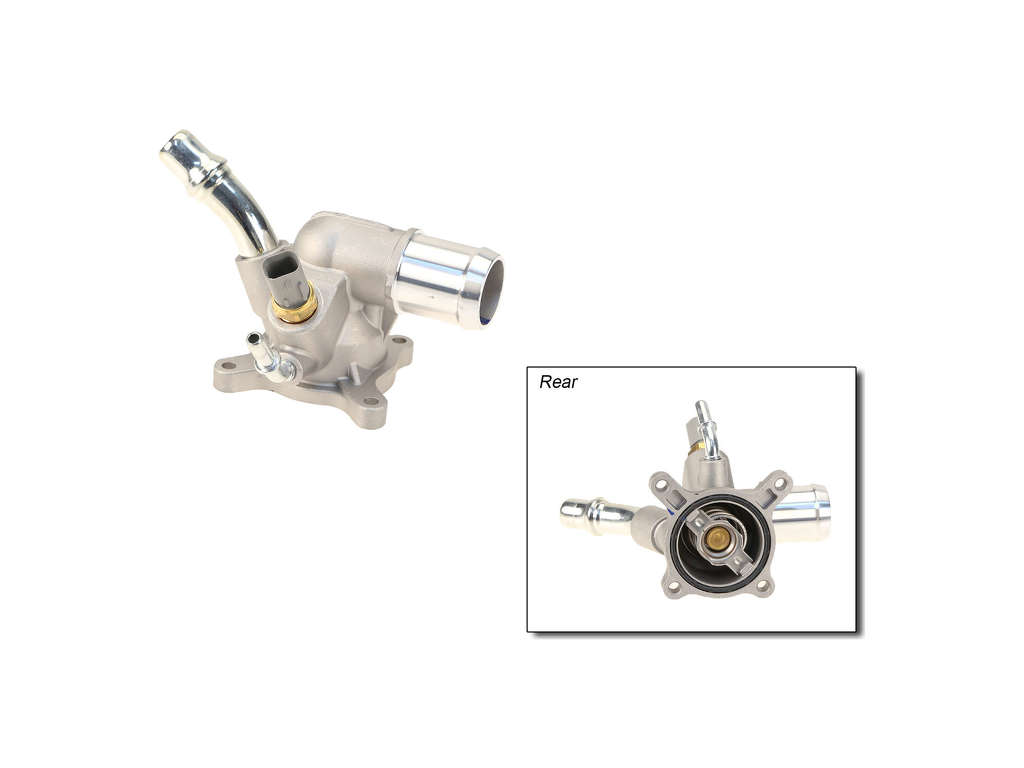
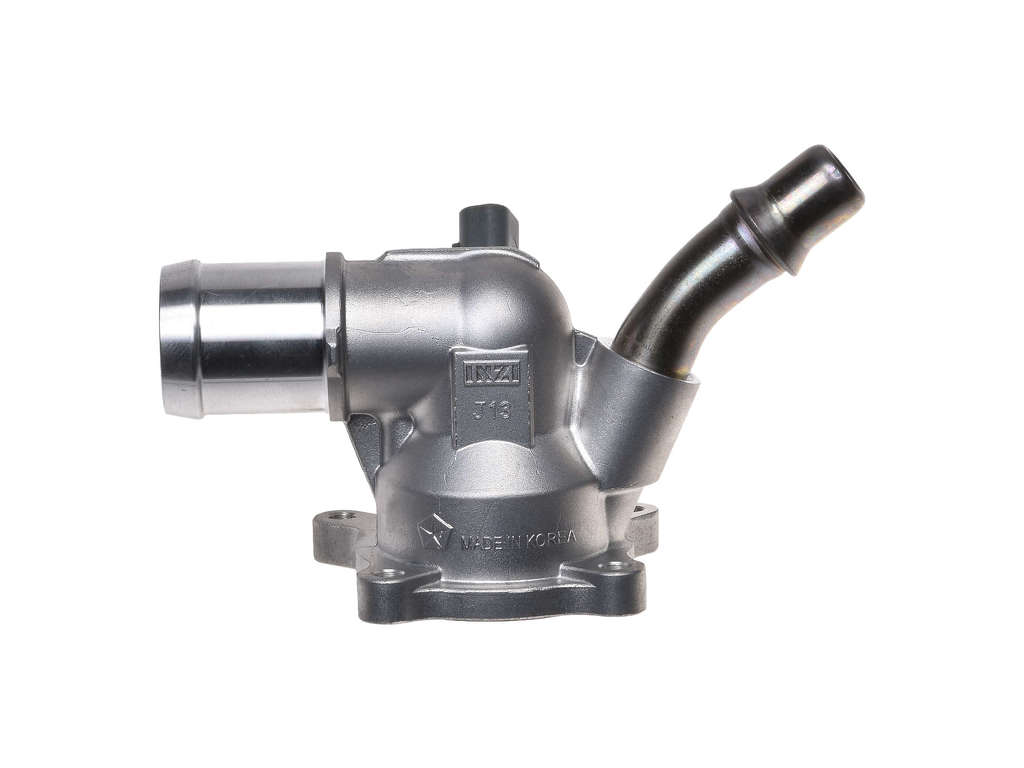
Typical fix: Replace the entire thermostat and housing assembly. It is sold as a single unit that includes a new thermostat, housing, seal, and coolant temperature sensor. Many owners choose to upgrade to a more durable aftermarket aluminum housing during this repair.
Est. part cost: $50-$300 - Low Engine Coolant Level 🟡 Medium Probability The plastic thermostat housing can develop cracks and leak coolant over time, leading to a low coolant level. A low coolant level can introduce air into the system, causing incorrect temperature readings and triggering the P0128 code.
How to confirm: Visually inspect the coolant reservoir and check the level when the engine is cold. Look for signs of coolant leaks (puddles under the car, white or pink crusty residue) around the thermostat housing, radiator, and hoses.
Typical fix: Find and repair the source of the leak (often the thermostat housing itself), then top off and bleed the cooling system with the correct type of coolant (OAT coolant conforming to Chrysler MS-12106 specification).
Est. part cost: $20-$40 for coolant - Faulty Engine Coolant Temperature (ECT) Sensor ⚪ Low Probability → Shop Engine Coolant Temperature Sensor The ECT sensor is integrated into the thermostat housing. While the sensor itself can fail, it's more common for the entire assembly to be faulty. An erratic sensor can send incorrect data to the PCM, such as an impossibly cold reading.
How to confirm: An erratic temperature gauge (like dropping to -40°F or -41°F) is a strong indicator of a sensor or wiring issue. A scan tool can be used to monitor the live data from the ECT sensor to see if it is providing a smooth and logical reading as the engine warms up.
Typical fix: Since the sensor is part of the thermostat housing, the entire assembly is typically replaced. It is also wise to inspect the electrical connector for corrosion or damage before replacing the part.
Est. part cost: $50-$300
Rare But Worth Checking
- PCM Software Issue: The provided TSB #18-022-17 REV. A lists P0128 along with several other unrelated DTCs. This suggests that in some specific cases, a PCM software update may be required to correct false triggers. This should only be considered a last resort after verifying the primary cooling system components (thermostat, sensor, coolant level) are working correctly.
Diagnosis Steps
- Verify the P0128 code is present using an OBD-II scanner.
- With the engine cold, check the coolant level in the reservoir. Ensure it is at the 'FULL' line.
- Inspect the thermostat housing, radiator, and all coolant hoses for any signs of leaks (pink/white crust, drips).
- Start the engine and monitor the temperature gauge. Observe if it takes an unusually long time to warm up.
- Drive the vehicle at highway speeds. If the temperature gauge drops significantly from its normal position, this strongly indicates a thermostat that is stuck open.
- If the gauge behaves erratically or gives impossible readings (like -40°F), suspect a faulty sensor or electrical connection at the thermostat housing.
- If the coolant level is correct and all symptoms point to a stuck-open thermostat, the most likely solution is to replace the thermostat housing assembly.
Parts You'll Likely Need
- Thermostat Housing Assembly
(OEM #5047861AC (or superseding numbers like 5047861AA, 5047861AB))— This is the most common cause of P0128. The original thermostat fails by sticking open, and on the Dart, it is sold as a complete unit with the housing and integrated temperature sensor.
Trusted brands: Mopar (OEM), Dorman (often available with an aluminum housing, e.g., 902-3031), Gates
OEM price range: $150-$300
Aftermarket price range: $50-$150 - Engine Coolant / Antifreeze
(OEM #Mopar 68163848AB (MS-12106 Spec))— The cooling system must be drained to replace the thermostat. It should be refilled with fresh OAT coolant that meets the manufacturer's specification (Chrysler MS-12106). Using the wrong coolant can cause system damage.
Trusted brands: Mopar, Peak OET for North American Vehicles (Purple), Valvoline Zerex Asian Vehicle (Red/Pink)
OEM price range: $30-$50 per gallon
Aftermarket price range: $20-$40 per gallon
Related Codes That Often Appear With This One
- P0126 — This code, 'Insufficient Coolant Temperature for Stable Operation,' is very similar to P0128 and often points to the same root cause: a thermostat that is stuck open.
Technical Service Bulletins (TSBs) & Recalls
- 18-022-17 REV. A - This bulletin applies to 2.4L engines and involves a PCM software flash for various codes, including P0128. It is intended to address potential false triggers and drivability improvements but is not a fix for a mechanically failed thermostat. This TSB also applies to the 2015 Chrysler 200 with the same engine.
Platform-Specific Known Issues
- The original equipment thermostat housing is made of plastic and can become brittle and crack over time, causing coolant leaks.
- A failure of the integrated temperature sensor can cause the temperature gauge to read an impossibly cold temperature (like -41°F) and force the radiator fans to run at maximum speed as a fail-safe measure. This is a well-documented owner experience.
- Replacement can be difficult due to tight access, particularly a bracket held by 10mm nuts and bolts near the firewall that must be removed.
Mechanic-Grade Diagnostic Values
- ECT Sensor Resistance (Cold Engine) — expected: 2,000 - 3,000 Ω at 20°C (68°F). Failure: A reading significantly outside this range, or an open/infinite resistance.
- ECT Sensor Resistance (Hot Engine) — expected: 200 - 300 Ω at 90°C (194°F). Failure: Resistance fails to drop into this range as the engine warms.
- ECT Sensor Signal Voltage (Key On, Engine Off, Cold) — expected: 2.0V to 3.0V. Failure: Voltage is near 5V (open circuit) or 0V (short circuit).
- ECT Sensor Reference Voltage (at connector, unplugged) — expected: 5V DC from the PCM on one of the two pins.. Failure: No voltage or low voltage points to a wiring or PCM problem.
- Live Data ECT at Operating Temperature — expected: ~195-205°F (90-96°C). Failure: Temperature is slow to rise, hangs around 160-170°F, or drops at highway speeds.
Scan Tool Commands That Help
- wiTECH: Reprogram the PCM with the latest software. — This function is used to perform the fix detailed in TSB #18-022-17 REV. A. It should be considered when P0128 appears with other unrelated electrical DTCs, suggesting a software logic issue, not a mechanical failure. A battery charger must be connected during the flash process.
Wiring & Ground Locations
- ECT Sensor Connector — A 2-pin connector plugging directly into the ECT sensor on the thermostat housing.. This is the direct interface for the sensor. One pin is a 5V reference from the PCM, and the other is the signal return (ground). A damaged connector or corroded pins can cause an erratic or incorrect temperature reading, triggering P0128.
- Engine Wiring Harness Chafe Point — The engine wiring harness may chafe on the ECM/TCM bracket.. Chafing of the harness can cause a short in various circuits, including the ECT sensor circuit. While not specific to P0128, intermittent electrical issues on the Dart are sometimes traced back to harness damage. Inspecting this area is wise if sensor readings are erratic and the sensor itself tests good.
- Main Engine Ground — A primary ground strap connects the engine block to the chassis, often near the driver's side motor mount.. A poor engine ground can cause a host of electrical issues and incorrect sensor readings. In a video for a 2014 Dart, a supplemental ground wire was added to resolve various electrical gremlins, demonstrating the importance of a solid ground path.
Real Owner Repair Stories
- Reddit r/dodgedart (Dodge Dart, year not specified) — Persistent P0128 code.
❌ Tried (didn't work) Coolant flush, Temperature sensor change, Coolant reservoir cap replacement
✅ What actually fixed it The user noted that charging the battery seemed to clear the code, suggesting a potential link between a weak battery and intermittent, false P0128 codes. The final resolution was not posted, but it points to checking battery health as a preliminary step. - BobIsTheOilGuy.com Forums (2013 Dodge Dart 2.0L) — P0128 code appeared during very cold weather (14°F). Live data showed engine temperature running at 176-182°F while driving.
❌ Tried (didn't work) Initially, the user cleared the code to see if it was an intermittent fluke due to the extreme cold.
✅ What actually fixed it The user eventually replaced the thermostat. After replacement, they confirmed the running temperature stabilized at the correct 194-196°F, which resolved the code.
OEM Part Supersession History
5047861AA, 5047861AB→5047861AC— Standard part revision and improvement by the manufacturer to address potential failure points in the earlier designs.
Model Year Variations Within This Range
- 2013-2016: The Dart was offered with three different engines: a 2.0L Tigershark, a 1.4L MultiAir Turbo, and a 2.4L Tigershark MultiAir II. While all use an integrated thermostat housing assembly that is a common failure point for P0128, the exact part and replacement procedure can vary slightly between engines. The 2.4L engine is specifically mentioned in TSB #18-022-17 REV. A regarding a potential PCM software update.
Helpful Videos


We Have This Part in Stock


The information in this article is provided for general reference and educational purposes only. Vehicle specifications, procedures, and part compatibility can vary by production date, trim level, and region. Always consult your vehicle's factory service manual and verify part numbers before purchasing or performing repairs. Safety-critical components such as airbags, seat belts, and braking systems should be installed by a qualified professional.
- Dodge DART:
- 🧭 Diagnostic Flowchart
- 🎬 Helpful Videos
- 🛍️ Shop This Part
- What's Unique About the 2013-2015 Dodge DART
- Symptoms You May Notice
- Most Likely Causes
- Rare But Worth Checking
- Diagnosis Steps
- Parts You'll Likely Need
- Related Codes That Often Appear With This One
- Technical Service Bulletins (TSBs) & Recalls
- Platform-Specific Known Issues
- Mechanic-Grade Diagnostic Values
- Scan Tool Commands That Help
- Wiring & Ground Locations
- Real Owner Repair Stories
- OEM Part Supersession History
- Model Year Variations Within This Range
- 🎟️ Get 5% Off