

P0131 on 2012-2018 Audi A6 3.0T: O2 Sensor Low Voltage Causes and Fixes
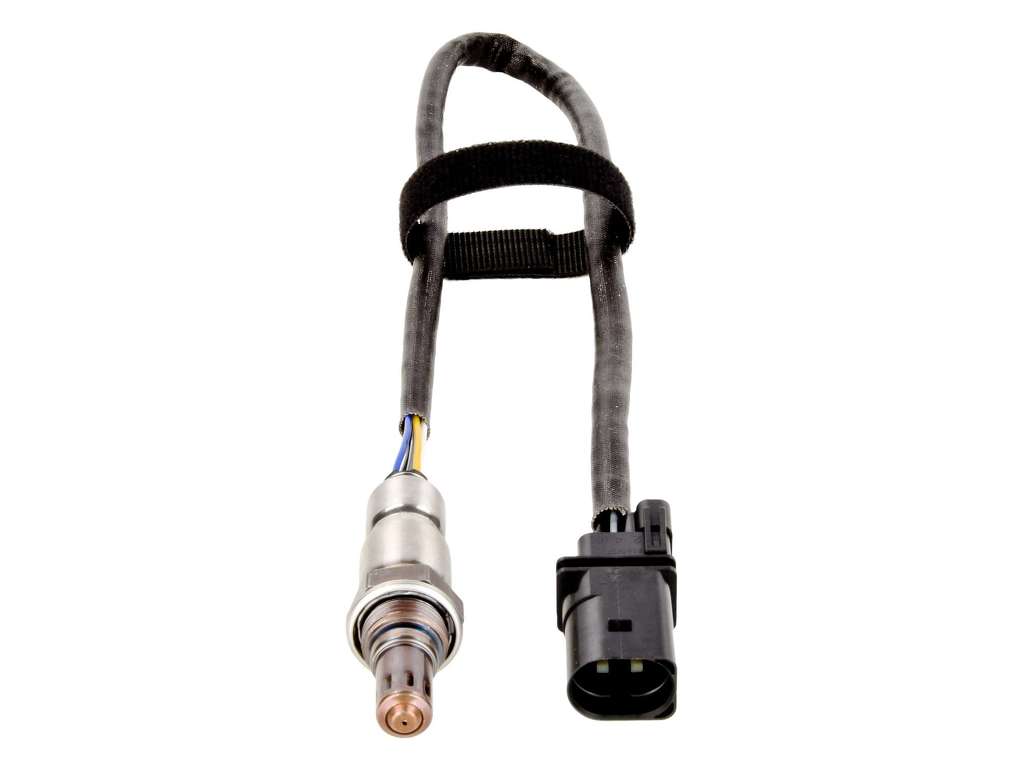
On a 2012-2018 Audi A6 3.0T, code P0131 is most often caused by a failed Bank 1 Sensor 1 (passenger side, upstream) oxygen sensor. Replacing this sensor is the most common fix. Expect to pay between $70-$150 for an OEM-quality aftermarket sensor (like Bosch) and $180-$250 for an OEM part.
- P0131 on your A6 3.0T almost always points to the passenger-side upstream O2 sensor.
- Before replacing the sensor, listen for a high-pitched whistle (PCV failure) or exhaust leak sounds near the engine, as these are also common causes on this platform.
- Use a quality OEM-brand sensor like Bosch for the replacement; the direct-fit Bosch 17321 is often the correct part. Universal or budget sensors can cause compatibility issues.
- This is a manageable DIY job for those with the right tools, specifically a 22mm (7/8") oxygen sensor socket and extensions.
What's Unique About the 2012-2018 Audi A6
The Audi 3.0T supercharged engine bay is a high-heat environment. This heat shortens the life of oxygen sensors, making sensor failure the most common cause of P0131. Additionally, this platform can be prone to exhaust leaks from components like the flex pipes, which can also trigger this code by allowing unmetered air into the exhaust stream before the sensor. It's crucial to differentiate between a failed sensor and an exhaust leak, as both are plausible causes on this specific vehicle. Finally, PCV valve failure is a known issue on this engine and can cause vacuum leaks that lead to lean conditions and trigger a P0131 code.
Symptoms You May Notice
- Check Engine Light illuminated
- Reduced fuel economy
- Rough or unstable idle
- Hesitation on acceleration
- A strong exhaust smell
- High-pitched whistling noise from the engine bay at idle (if caused by a failed PCV valve)
- Replacing the catalytic converter. This code points to a problem before the converter, not the converter itself.
- Replacing other unrelated sensors without performing a proper diagnosis with live data.
- Replacing the O2 sensor when the true cause is an upstream exhaust leak or a failed PCV valve.
Most Likely Causes
- Failed Bank 1, Sensor 1 Oxygen Sensor 🔴 High Probability → Shop Oxygen Sensor Oxygen sensors are wear-and-tear items. The high exhaust temperatures in the 3.0T engine bay can accelerate their degradation. They are considered a common failure point.
How to confirm: Using an OBD-II scanner with live data, observe the voltage for Bank 1 Sensor 1. If it is stuck below 0.2V and does not fluctuate at operating temperature, the sensor has likely failed. A healthy sensor should fluctuate rapidly between ~0.1V and ~0.9V.
Typical fix: Replace the Bank 1, Sensor 1 oxygen sensor. This is the upstream sensor on the passenger side. A 22mm (or 7/8") offset oxygen sensor s 🎬 Watch: How to locate and replace the Bank 1 sensor.ocket is highly recommended for removal and installation.
Est. part cost: $70-$250 - Exhaust Leak (Upstream of Sensor) 🟡 Medium Probability Exhaust components like flex pipes and manifold gaskets can fail over time due to heat cycles and vibration, which is a noted issue on the C7 platform and its relatives.
How to confirm: Perform a visual inspection of the exhaust manifold and downpipe on the passenger side for soot trails or cracks. A professional smoke test is the most reliable way to confirm a leak. An audible ticking or hissing that gets louder with RPM is also a strong indicator.
Typical fix: Repair or replace the leaking exhaust component, such as the flex pipe or gasket.
Est. part cost: $50-$500 - Damaged Wiring or Connector ⚪ Low Probability The engine bay's high heat can make wiring insulation brittle and connectors fragile over time. Wires can chafe against heat shields or the engine block, leading to breaks or shorts.
How to confirm: Visually inspect the oxygen sensor's wiring harness from the sensor to the main loom. Look for any signs of melting, chafing, corrosion, or loose pins in the connector.
Typical fix: Repair the damaged section of the wiring harness or replace the connector pigtail.
Est. part cost: $20-$100
Rare But Worth Checking
- Low Fuel Pressure: A failing fuel pump or clogged filter can create a genuine lean condition. The O2 sensor correctly reports low voltage, but the root cause is fuel delivery, not the sensor itself. This would likely be accompanied by other codes or more severe drivability issues.
- Faulty Mass Airflow (MAF) Sensor: → Shop Fuel Injection Air Flow Meter If the MAF sensor under-reports airflow, the ECM will inject too little fuel, creating a lean condition. The O2 sensor is correctly reporting the resulting low oxygen content.
- Failed PCV Valve: → Shop PCV Valve A failed PCV (crankcase ventilation) valve is a very common issue on the 3.0T engine. It creates a large unmetered vacuum leak, which causes a lean condition that the O2 sensor will correctly report as low voltage (P0131) and will almost always be accompanied by a P0171 (System Too Lean) code.
Diagnosis Steps
- Connect an OBD-II scanner and confirm P0131 is the primary code. Note any other codes present, especially P0171 or P0151.
- View the live data stream for the Bank 1 Sensor 1 (B1S1) oxygen sensor. With the engine fully warmed up, the voltage should fluctuate rapidly between approximately 0.1V and 0.9V. If the voltage is stuck low (e.g., below 0.2V), the fault is confirmed.
- Listen for a high-pitched whistle at idle, which is a tell-tale sign of a failed PCV valve. If heard, investigate the PCV system before proceeding.
- Perform a thorough visual inspection of the B1S1 oxygen sensor's wiring harness and connector. Look for any signs of melting, chafing against the engine, or corrosion.
- Inspect the exhaust system for leaks between the cylinder head and the B1S1 sensor. Look for black soot marks around the manifold gasket or flex pipe. A smoke test is the most definitive way to find small leaks.
- If no leaks are found and the wiring is intact, the oxygen sensor itself is the most likely culprit.
- If the issue persists after replacing the sensor, investigate less common causes like fuel pressure or a faulty MAF sensor.
Parts You'll Likely Need
- Oxygen Sensor (Bank 1, Sensor 1)
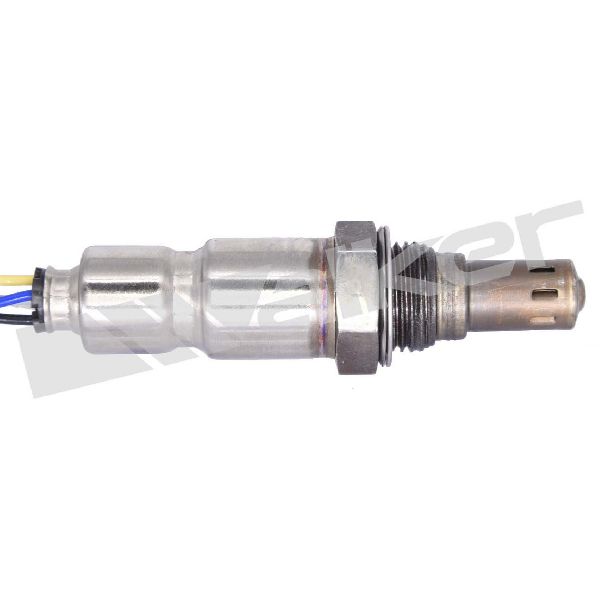
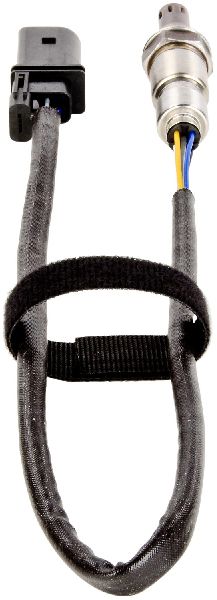
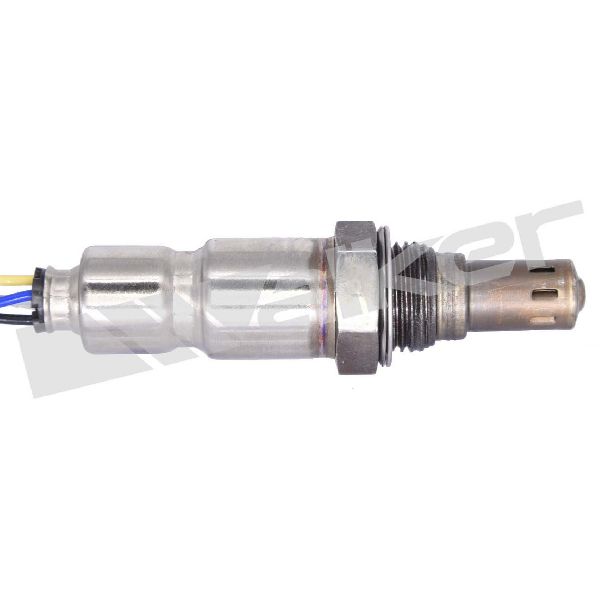
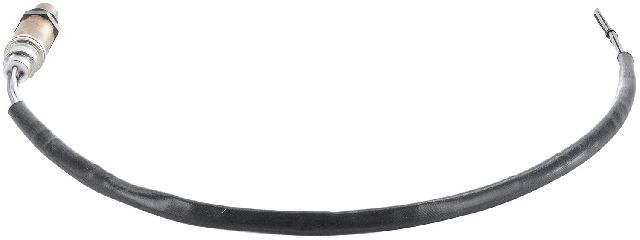
(OEM #06E906265S)— This is the upstream sensor on the passenger side. Its internal components wear out from heat and age, making it the most common failure point for a P0131 code.
Trusted brands: Bosch (OEM supplier, part number 17321 is often the direct equivalent to 06E906265S), Denso, NGK
OEM price range: $180-$250
Aftermarket price range: $70-$150
Related Codes That Often Appear With This One
- P0171 — System Too Lean (Bank 1). This code often appears with P0131 because the low voltage from the O2 sensor is interpreted by the ECM as a lean air/fuel mixture, or a vacuum/exhaust leak is causing both codes.
- P0030 — HO2S Heater Control Circuit (Bank 1, Sensor 1). A failure in the sensor's internal heating element can cause both a heater circuit code and the low voltage reading of P0131.
- P0151 — O2 Sensor Circuit Low Voltage (Bank 2, Sensor 1). This is the identical code for the driver's side. If both appear together, it strongly suggests a systemic issue like a major vacuum leak (PCV), low fuel pressure, or MAF sensor problem rather than two simultaneously failed O2 sensors.
Technical Service Bulletins (TSBs) & Recalls
- Audi TSB 2039995/2: Addresses a rattling noise from the upper timing chain tensioners on cold starts by providing updated parts. While not directly related to P0131, it's a highly relevant TSB for 3.0T owners.
Platform-Specific Known Issues
- The C7 platform is known for exhaust flex pipe leaks, which can 🎬 See this guide on repairing common Audi exhaust leaks. directly cause a P0131 code by introducing false air into the exhaust stream.
- A failed PCV valve is a very common issue on the 3.0T engine and can cause a vacuum leak that results in a P0131 code. A loud whistling noise is the key symptom. 🎬 Watch: Step-by-step walkthrough for replacing a failed PCV valve.
Mechanic-Grade Diagnostic Values
- Long-Term Fuel Trims (Bank 1) — expected: Should be within +/- 10% at both idle (additive) and under load (multiplicative).. Failure: Values consistently greater than +10% suggest a vacuum leak or under-reported airflow; values less than -10% suggest a rich condition.
- O2 Sensor Heater Circuit Resistance — expected: Typically between 2 and 20 Ohms when measured across the heater pins on a cold sensor.. Failure: Infinite resistance (Open Loop) or zero resistance (short circuit) indicates a failed internal heater element.
- O2 Sensor Heater Power Supply — expected: Approximately 12V (battery voltage) at the harness connector with Key On, Engine Off.. Failure: 0V or significantly low voltage points to a blown fuse or a wiring fault upstream of the sensor.
- Upstream O2 Sensor Voltage (Wideband) — expected: Relatively steady voltage, often around 1.5V at idle. Does not fluctuate rapidly like older narrowband sensors.. Failure: For P0131, the voltage is stuck at a low limit (e.g., below 0.13V), indicating a sensor failure or a true lean condition. The key live data parameter to watch is Lambda, which should react instantly to throttle changes.
Hidden / Shadow Codes Worth Checking
- 16515: This is the VAG-specific fault code that directly corresponds to the generic OBD-II code P0131, meaning 'Oxygen (Lambda) Sensor B1 S1: Signal too Low'. (see via Appears when scanning the vehicle with VAG-COM (VCDS) by Ross-Tech or other OEM-level diagnostic tools.)
Scan Tool Commands That Help
- VCDS (VAG-COM) by Ross-Tech: View Measuring Value Blocks (MVB) - Group 032 — Use this to check long-term fuel trims for Bank 1 at idle (Field 1) and partial throttle (Field 2). This is critical for distinguishing between a bad sensor and a legitimate lean condition (like a vacuum leak), which would cause high positive trim values.
- VCDS (VAG-COM) by Ross-Tech: View Measuring Value Blocks (MVB) - Group 033 — Use this to monitor the real-time, short-term fuel trim adjustments for Bank 1. This shows the immediate reaction of the ECU to the O2 sensor's readings.
- VCDS (VAG-COM) by Ross-Tech: O2 Sensor 'Aging Check' — This is a specific test function that can be run to evaluate the performance and response time of the oxygen sensor, helping to confirm if it has degraded even if it hasn't completely failed.
Wiring & Ground Locations
- Ground Point 13 — In the engine compartment on the right (passenger) side frame rail.. A poor connection at this primary engine bay ground point can cause erratic voltage readings for various sensors, including the oxygen sensor on Bank 1.
- Ground Connection 85 — An earth connection located within the main engine compartment wiring harness.. This is a shared ground within the harness itself. Corrosion or a break in this internal connection can lead to sensor signal faults that are difficult to trace visually.
- B1S1 Connector — On a bracket near the firewall, at the back of the engine. On some 2016+ models, the B1S1 connector has a distinct gray color, while other sensor connectors are black.. Correctly identifying the B1S1 connector is crucial for testing and replacement. Oil leaks from the nearby oil filter housing are known to drip onto this wiring, degrading the insulation and causing shorts.
"I Checked Everything" — The Actual Cause
- A faulty Mass Airflow (MAF) sensor that is under-reporting the amount of air entering the engine. The ECU injects too little fuel based on the bad MAF data, creating a genuine lean condition. The O2 sensor correctly reports this as low voltage (P0131), but a smoke test will find no leaks.
- Low fuel pressure caused by a failing fuel pump or a clogged fuel filter. This starves the engine of fuel, creating a true lean condition. The O2 sensor is doing its job by reporting low voltage, but the root cause is in the fuel delivery system, not an air leak.
When the Usual Fixes Don't Work
- A common report on owner forums is replacing the Bank 1 Sensor 1 for a P0131 code, only for the code to return. In many of these cases, the O2 sensor was not actually faulty. It was correctly reporting a low voltage signal caused by an underlying lean condition. The true root cause was often a vacuum leak (from a failed PCV valve, intake gasket, or cracked hose) or a fuel delivery problem (weak fuel pump, clogged injector). This highlights the critical need to analyze fuel trim data (e.g., VCDS Measuring Block 032) before replacing the sensor. If long-term fuel trims are highly positive (>10%), the ECU is compensating for a lean condition that must be fixed.
OEM Part Supersession History
06E906265S→No direct supersession found, this remains the primary OEM number.— N/A
Heads up: Bosch is the OEM supplier. The aftermarket Bosch part 17321 is often listed as the direct equivalent. While other brands like Denso and NGK/NTK are reputable, using cheap, unbranded, or universal sensors is highly discouraged as they frequently cause compatibility issues on this platform.
Model Year Variations Within This Range
- 2016-2018: These model years represent the C7.5 facelift. While the 3.0T engine (now primarily the CREC version) and exhaust layout are fundamentally the same as the earlier C7, there may be minor differences in wiring harness routing or connector colors. For example, one source noted the B1S1 connector was gray on a 2016 model. However, the diagnostic procedure for P0131 remains identical across the entire 2012-2018 range.
Diagnostic Flowchart
Other Known Issues on This Vehicle
Issues unrelated to this code that are worth knowing about as an owner of this generation:
- Water Pump & Thermostat Failure 🔴 High — Common between 40,000-80,000 miles. The plastic housings for both components are known to crack, leading to coolant leaks. Failure can cause overheating and significant engine damage if not addressed. (Ref: Subject of multiple component revisions and class-action lawsuits.)
- PCV Valve Failure 🟠 Medium → Shop PCV Valve — Can fail at any mileage, but more common after 60,000 miles. The diaphragm tears, causing a significant vacuum leak (often heard as a high-pitched whistle at idle) and can trigger lean codes or a rough idle.
- Timing Chain Tensioner Rattle 🟠 Medium — A brief rattle for 1-2 seconds on cold starts is a common characteristic. While Audi has stated it's not typically damaging, it is disconcerting. It's caused by the tensioners losing oil pressure when sitting. Worsening rattle can indicate the need for updated tensioners. (Ref: TSB 2039995/2 was released for rattling noises, providing updated tensioner parts.)
- Intake Valve Carbon Buildup 🟠 Medium — As a direct-injection engine, significant buildup is expected every 60,000-80,000 miles, leading to reduced power, rough idle, and potential misfires. Requires manual cleaning (e.g., walnut blasting).
- Exhaust Flex Pipe Failure 🟡 Low → Shop Exhaust Pipe — More common on higher-mileage vehicles (>100,000 miles). The flexible mesh sections of the downpipes can crack and leak, causing a loud exhaust noise and potentially triggering O2 sensor codes like P0131.
Used vs. New Parts: Buying Guide for This Vehicle
When a used part is the smart pick: It is strongly advised NOT to buy a used oxygen sensor. It is a sensitive electronic wear-and-tear item with an unknown history and remaining lifespan. A used part may fail shortly after installation or provide inaccurate readings. A used wiring harness connector pigtail could be a viable option if the original is physically damaged.
What to inspect on the donor part:
- Not applicable for the sensor itself. For a connector pigtail, inspect for brittle plastic, corrosion on pins, and ensure at least 6 inches of clean, un-nicked wire is attached.
OEM-only on this vehicle (don't cheap out):
- Oxygen Sensor
Aftermarket brands forum-validated for this vehicle:
- Bosch (OEM supplier)
- NGK / NTK
- Denso
Brands owners have reported issues with on this vehicle:
- Universal sensors that require cutting and splicing wires.
- Unbranded or 'white-box' parts from online marketplaces with no reputation.
- Any brand that is significantly cheaper than the known-good brands.
Real Owner Stories
Aggregated from forums and TSBs cited above. Mileages and costs reflect what owners reported in those sources.
2017 Audi Q7 3.0T — 50000 miles
Symptoms: High pitch whistling noise at low rpm.
What fixed it: Replacement of the PCV valve located under the supercharger.
Cost: $3,400-$3,400
Source hint: Reddit r/Audi: PCV issues 2017-2019 Q7 3.0 - testimonies wanted
2012 Audi A6 3.0T — ~110000 miles
Symptoms: Loud exhaust noise and P0131 code triggered.
What fixed it: Repair or replacement of the leaking exhaust flex pipe.
Source hint: vehicle_specific_issues: Exhaust Flex Pipe Failure
2010-2016 Audi S4 3.0T
Symptoms: P0131 and P0151 codes appearing after exhaust modifications.
What fixed it: Addressing exhaust leaks or sensor damage caused during the modification work.
Source hint: Audizine: B8 S4 P0131 and P0151 codes
Related OBD-II Codes
Frequently Asked Questions
Does TSB 2039995/2 for the 3.0T engine address the P0131 oxygen sensor code?
I hear a high-pitched whistling noise at idle along with my P0131 code; what could it be?
Where is the Bank 1 Sensor 1 oxygen sensor located on my Audi A6 3.0T?
What tools do I need to replace the O2 sensor on this specific vehicle?
Can an exhaust leak cause a P0131 code on my A6?
Is the PCV valve easy to replace if it's causing my P0131 code?
Helpful Videos

We Have This Part in Stock

The information in this article is provided for general reference and educational purposes only. Vehicle specifications, procedures, and part compatibility can vary by production date, trim level, and region. Always consult your vehicle's factory service manual and verify part numbers before purchasing or performing repairs. Safety-critical components such as airbags, seat belts, and braking systems should be installed by a qualified professional.
- Audi A6:
- 🧭 Diagnostic Flowchart
- 🎬 Helpful Videos
- 🛍️ Shop This Part
- What's Unique About the 2012-2018 Audi A6
- Symptoms You May Notice
- Most Likely Causes
- Rare But Worth Checking
- Diagnosis Steps
- Parts You'll Likely Need
- Related Codes That Often Appear With This One
- Technical Service Bulletins (TSBs) & Recalls
- Platform-Specific Known Issues
- Mechanic-Grade Diagnostic Values
- Hidden / Shadow Codes Worth Checking
- Scan Tool Commands That Help
- Wiring & Ground Locations
- "I Checked Everything" — The Actual Cause
- When the Usual Fixes Don't Work
- OEM Part Supersession History
- Model Year Variations Within This Range
- Other Known Issues on This Vehicle
- Used vs. New Parts: Buying Guide for This Vehicle
- Real Owner Stories
- 2017 Audi Q7 3.0T — 50000 miles
- 2012 Audi A6 3.0T — ~110000 miles
- 2010-2016 Audi S4 3.0T
- Related OBD-II Codes
- Frequently Asked Questions
- 🎟️ Get 5% Off