

P0131 on 2013-2017 Cadillac ATS 2.0T & 2.5L: O2 Sensor Low Voltage Causes and Fixes
On a 2013-2017 ATS, code P0131 is most often caused by a vacuum leak from loose intake manifold bolts or a cracked PCV hose on the 2.0T engine, not a bad oxygen sensor. Check for these specific issues before replacing any parts. Tightening bolts is nearly free; a new PCV hose is about $40-$70.
- Before buying any parts for a P0131 code on a 2.0T or 2.5L ATS, you must first check for vacuum leaks.
- The two most likely causes are loose intake manifold bolts (TSB #PIP5529B) and, for the 2.0T, a cracked PCV hose (Part #12673868).
- This code is frequently seen with P0171 (System Too Lean). The presence of both codes strongly points to a vacuum leak, not a bad O2 sensor.
- Only replace the upstream O2 sensor (Part #12645561) after you have definitively ruled out all vacuum and exhaust leaks.
What's Unique About the 2013-2017 Cadillac ATS
While P0131 typically points to a failed oxygen sensor, on the Cadillac ATS with the 2.0T and 2.5L engines, it is very frequently a symptom of a different problem: a vacuum leak. General Motors issued a Technical Service Bulletin (TSB #PIP5529B) highlighting that loose intake manifold bolts are a common cause for this code, often paired with P0171 (System Too Lean). This issue is shared across many GM platforms using these engines, including the Chevy Camaro and Buick Regal. Additionally, the 2.0T LTG engine is known for brittle PCV hoses that crack and create unmetered air leaks, making it critical for owners to diagnose these platform-specific issues before mistakenly replacing a perfectly good O2 sensor.
Symptoms You May Notice
- Check Engine Light is on
- Reduced fuel economy
- Rough or unstable idle, sometimes hunting up and down
- Engine hesitation, stalling, or stumbling on acceleration
- A hissing or 'slurping' sound from the engine bay, indicating a vacuum leak
- Replacing the oxygen sensor before checking for vacuum leaks from loose intake manifold bolts or cracked PCV hoses. On this platform, the O2 sensor is often correctly reporting a problem caused by something else.
Most Likely Causes
- Loose Intake Manifold Bolts 🔴 High Probability → Shop Engine Intake Manifold As documented in GM TSB #PIP5529B, the intake manifold bolts on both the 2.0T and 2.5L engines can loosen over time, creating a significant vacuum leak that fools the O2 sensor.
How to confirm: Check for other codes listed in the TSB, such as P0171, P0101, P0106, or P0506. Physically check the plastic intake manifold; if it can be wiggled by hand, the bolts are loose. 🎬 Watch: How to check and tighten loose intake manifold bolts. A smoke test will confirm the leak.
Typical fix: Remove one bolt at a time, apply medium-strength threadlocker, and re-torque all bolts in the correct sequence to 10 Nm (89 lb-in) as per the TSB. Do not replace the gasket unless it's damaged.
Est. part cost: $5-$15 for threadlocker - Cracked PCV Hose Assembly (2.0T Engine) 🔴 High Probability The plastic PCV tubes on the 2.0L LTG engine, especially the 'dirty side' hose running over the valve cover, are known to become brittle from heat and age, leading to cracks and vacuum leaks. This is a very common failure point discussed widely in owner forums.
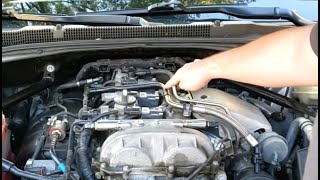
How to confirm: Visually inspect the plastic PCV lines for any visible cracks, especially around fittings and bends. The plastic may feel oily or gummy. A smoke test will definitively show a leak from this area. 🎬 Watch: 7 DIY methods to find and fix vacuum leaks.
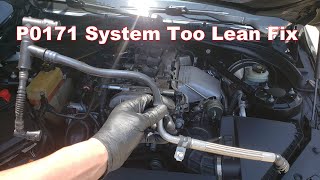
Typical fix: Replace the cracked PCV hose assembly with the updated OEM part. Some owners use fuel line or heat shrink tubing for a temporary patch.
Est. part cost: $40-$70 - Failed Upstream Oxygen Sensor (Bank 1, Sensor 1) 🟡 Medium Probability → Shop Oxygen Sensor This is often misdiagnosed. While the sensor can fail from age or contamination, it is more likely correctly reporting a lean condition caused by the vacuum leaks mentioned above. Always rule out leaks first.
How to confirm: After confirming there are absolutely no vacuum or exhaust leaks, monitor the sensor's live data with a scan tool. If the voltage is stuck low (e.g., below 0.2V) and does not fluctuate during operation on a warm engine, the sensor itself has likely failed.
Typical fix: Replace the Bank 1, Sensor 1 oxygen sensor.
Est. part cost: $60-$180 - Exhaust Leak (Upstream of Sensor) ⚪ Low Probability
How to confirm: Listen for a ticking or hissing noise from the exhaust manifold or downpipe area, especially when the engine is cold. Soot marks around gaskets or cracks are also an indicator. An exhaust leak before the O2 sensor can pull in outside air, causing a false lean reading.
Typical fix: Replace the leaking gasket or repair/replace the cracked exhaust component.
Est. part cost: $20-$200
Rare But Worth Checking
- Damaged Wiring or Poor Ground: The O2 sensor wiring harness can be damaged by heat or contact with other components. A loose or corroded engine ground (specifically G110, located on the upper rear of the cylinder head for the 2.0L/2.5L engines) can also cause faulty low voltage readings.
- Low Fuel Pressure: A weak fuel pump or clogged filter can create a genuine lean condition, causing the O2 sensor to read low voltage. This is less common than vacuum leaks but can be investigated if no leaks are found.
- Torn PCV Diaphragm in Valve Cover: → Shop Engine Valve Cover Some GM engines integrate a PCV diaphragm into the valve cover itself. Over time, this rubber diaphragm can tear, creating a vacuum leak. Symptoms include a hissing or slurping noise from the valve cover and oil residue around the PCV port. The fix requires replacing the entire valve cover.
Diagnosis Steps
- Read all stored fault codes with an OBD-II scanner. Note if P0171 or other codes mentioned in TSB #PIP5529B are present, as this strongly points to a vacuum leak.
- Inspect the plastic PCV hoses on the engine for obvious cracks or breaks, which is a very common failure on the 2.0T engine.
- Following the procedure in TSB #PIP5529B, check the torque of the intake manifold bolts. If they are loose (torque spec is 10 Nm / 89 lb-in), this is the most likely cause.
- If bolts are tight and PCV hoses are intact, perform a smoke test to check for other vacuum leaks, such as a torn PCV diaphragm in the valve cover or a leaking intake manifold gasket.
- Inspect the exhaust manifold and downpipe for cracks or gasket leaks that are upstream of the first O2 sensor.
- Examine the O2 sensor wiring harness and its connector for any signs of melting, corrosion, or physical damage. Check the G110 ground connection on the upper rear of the cylinder head.
- With a scan tool, view the live data for the Bank 1 Sensor 1 O2 sensor. If all leaks and wiring issues are ruled out and the voltage is still stuck below 0.2V, the sensor itself is faulty.
- As a final, less likely step, check fuel pressure to rule out a fuel delivery issue.
Parts You'll Likely Need
- Intake Manifold Bolt Service — This isn't a part, but a service. Per TSB #PIP5529B, loose bolts are a primary cause of P0131. The fix is applying threadlocker and re-torquing to 10 Nm (89 lb-in).
Trusted brands: Permatex, Loctite
OEM price range: N/A
Aftermarket price range: $5-$15 - PCV Hose Assembly (2.0T Engine)
(OEM #12673868 (replaces 12633740, 12654851, 12662657))— This specific hose is a known failure point on the 2.0T LTG engine, becoming brittle and cracking, which causes a vacuum leak that triggers P0131 and P0171.
Trusted brands: ACDelco (OEM)
OEM price range: $40-$70
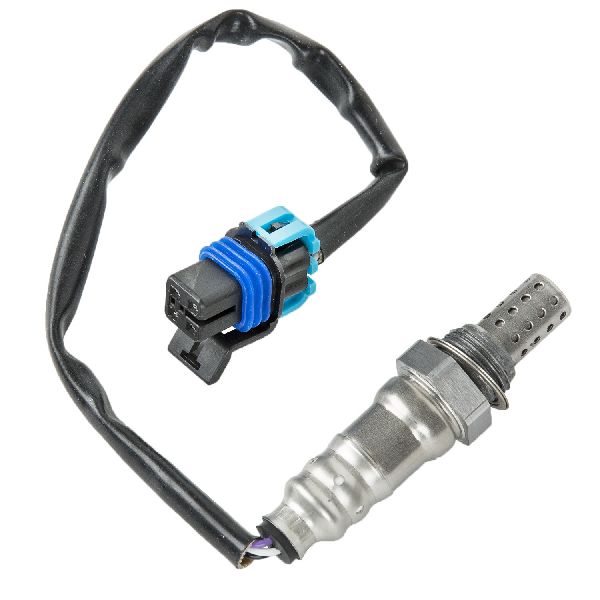
Aftermarket price range: $30-$60 - Upstream Oxygen Sensor (Bank 1 Sensor 1)
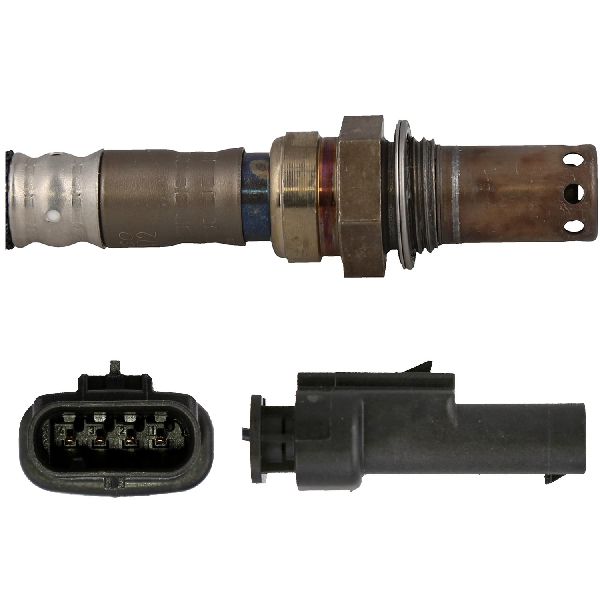
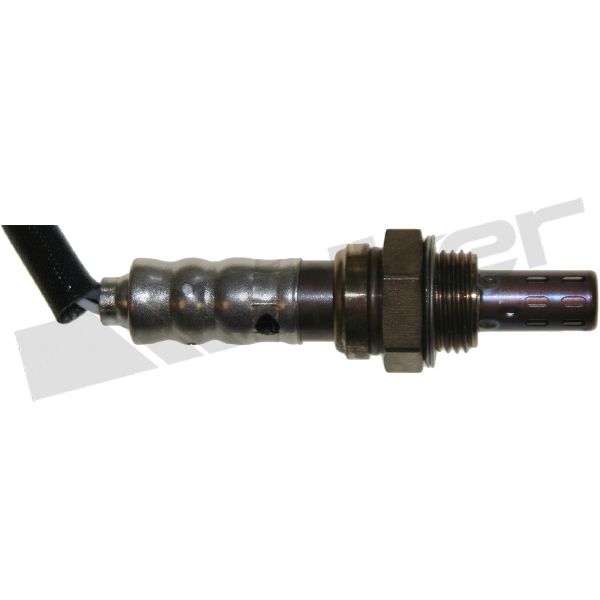
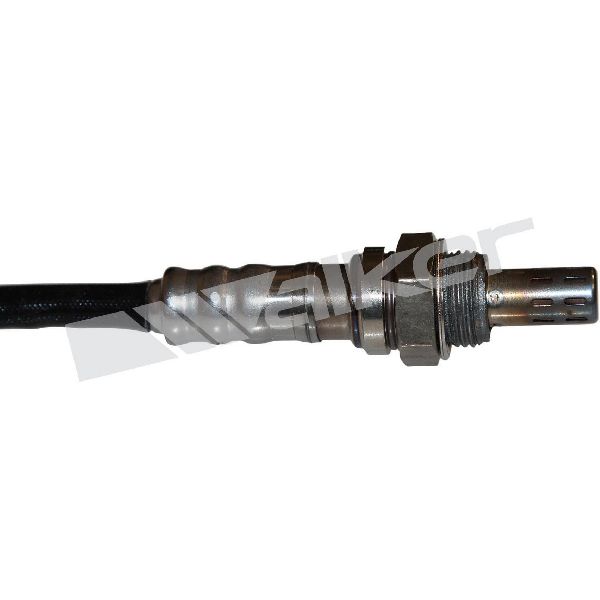
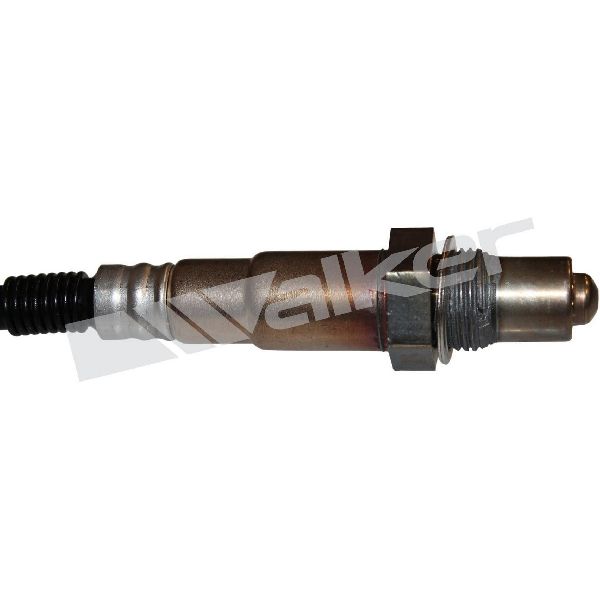
(OEM #12645561 (Verify by VIN, may differ for 2.5L vs 2.0T))— This part is replaced only after all potential vacuum and exhaust leaks have been ruled out. It is often replaced by mistake when the real issue is a leak.
Trusted brands: ACDelco, Denso, Bosch, NGK/NTK
OEM price range: $120-$180
Aftermarket price range: $60-$110
Related Codes That Often Appear With This One
- P0171 - System Too Lean (Bank 1) — This is the most common companion code. Both P0131 and P0171 are direct results of unmetered air entering the engine from a vacuum leak, such as loose intake bolts or a cracked PCV line.
- P0068, P0101, P0106, P0506 — These codes, related to MAP/MAF and idle speed, are specifically listed in TSB #PIP5529B as being potential companion codes caused by loose intake manifold bolts.
- P0137, P2097 — These codes, related to the downstream O2 sensor and post-catalyst fuel trim, are also listed in some versions of the GM intake leak TSB and reported by owners, indicating the vacuum leak is severe enough to affect the entire exhaust stream reading.
Technical Service Bulletins (TSBs) & Recalls
- PIP5529B: Addresses stalling, hesitation, and various DTCs (including P0131, P0171, P0101, P0106, P0506) caused by loose intake manifold bolts on 2.0L LTG and 2.5L LCV engines. The fix is to apply threadlocker and torque to 10 Nm (89 lb-in). This bulletin provides diagnostic assistance for resolving malfunction indicator lamp illumination due to combinations of these codes.
- Bulletin #PIP5529A: An earlier version of the manufacturer service bulletin that also identifies P0131 as part of a cluster of codes (including P0137, P0324, and P0331) that may trigger due to intake manifold issues on the electrical system of these platforms.
Platform-Specific Known Issues
- TSB #PIP5529B: Documents that loose intake manifold bolts can cause P0131 along with a host of other seemingly unrelated codes. The fix is to re-torque the bolts to 10 Nm (89 lb-in) with threadlocker.
- Cracked 2.0T PCV Hose: The positive crankcase ventilation hose on the 2.0L LTG engine is notorious for becoming brittle and cracking, creating a significant vacuum leak. This is a top cause for P0131/P0171 codes on this engine.
- Integrated PCV Diaphragm Failure: Some GM valve covers have a non-serviceable PCV diaphragm. If this tears, it creates a vacuum leak and requires replacement of the entire valve cover.
Mechanic-Grade Diagnostic Values
- Bank 1 Sensor 1 O2 Sensor Voltage (Live Data) — expected: Fluctuating rapidly between ~0.1V (lean) and ~0.9V (rich) on a warm, closed-loop engine.. Failure: Voltage is stuck consistently below 0.15V - 0.2V.
- P0131 Triggering Threshold — expected: Voltage must remain above the lower threshold during closed-loop operation.. Failure: The ECM may trigger P0131 if the sensor voltage remains below ~150 mV.
- Low-Side Fuel Pressure (Key On, Engine Off) — expected: 55-65 PSI.. Failure: Pressure below 50 PSI suggests a weak in-tank fuel pump or clogged filter, which can cause a genuine lean condition.
- Low-Side Fuel Pressure (Engine Idling) — expected: 43-58 PSI (300-400 kPa).. Failure: Pressure dropping significantly below this range at idle or under load can indicate a failing fuel pump.
- Long Term Fuel Trim (LTFT) — expected: Close to 0%, typically within +/- 5%.. Failure: High positive fuel trims (e.g., > +10%) along with P0131 strongly indicate the ECM is compensating for a vacuum leak, not a faulty sensor.
Scan Tool Commands That Help
- GDS2 / Tech2: Fuel Trim Reset — After repairing a significant vacuum leak or replacing a fuel system component, resetting fuel trims will force the ECM to relearn the base fuel strategy immediately, which can help confirm the fix.
- GDS2 / Tech2: Fuel Pump Control — Allows a technician to command the fuel pump on to verify its operation and check for correct pressure without the engine running, aiding in the diagnosis of a fuel delivery problem.
Wiring & Ground Locations
- G110 — Located at the upper rear of the cylinder head for both the 2.0L LTG and 2.5L LCV engines.. This is a primary engine block and sensor ground. A loose or corroded connection here can create an unstable ground reference for the O2 sensor, causing erroneous low voltage readings that trigger P0131.
- ECM Connectors (X1, X2, X3) — Located in the right front of the engine compartment.. All O2 sensor signal and heater circuit wires terminate here. Coolant from a leaking temperature sensor can wick up the wiring harness and contaminate the ECM connector pins, causing shorts and various codes, including P0131.
- HO2S B1S1 Connector — On the engine wiring harness, connecting to the upstream O2 sensor located in the exhaust manifold (2.5L) or turbocharger outlet pipe (2.0T).. This connector is the primary point for checking sensor-side resistance and circuit integrity back to the ECM. It is susceptible to heat damage, corrosion, and physical damage from road debris.
"I Checked Everything" — The Actual Cause
- A torn PCV diaphragm integrated into the valve cover can create a significant vacuum leak that a smoke test may not reveal. This is because the leak is internal, drawing unmetered air from the crankcase into the intake manifold. The primary symptom, besides lean codes, is often a loud hissing or slurping sound from the valve cover area itself.
OEM Part Supersession History
12633740, 12654851, 12662657→12673868— The original PCV hose assemblies on the 2.0T LTG engine were prone to becoming brittle and cracking from engine heat. The updated part is made from a more durable material to better withstand the high-temperature environment.N/A→12645561— This is the common upstream O2 sensor for these engines. Some sources note that this part may require programming or special setup procedures, though this is not always the case for a simple sensor replacement.
Heads up: Always verify the correct part number by VIN, as variations exist between the 2.0T and 2.5L engines and potentially by model year.
Model Year Variations Within This Range
- 2016-2017: For the 2016 model year, an 8-speed automatic transmission replaced the previous 6-speed. A new 3.6L V6 (LGX) also became available, featuring start/stop technology and active fuel management. These changes do not directly affect the common causes of P0131 on the 2.0T/2.5L but are important for overall vehicle identification.
- 2017: The base 2.5L LCV four-cylinder engine was discontinued for the 2017 model year, making the 2.0T LTG the standard engine.
- 2015: The 2.0T engine received a torque increase from 260 lb-ft to 295 lb-ft.
Diagnostic Flowchart
Real Owner Stories
Aggregated from forums and TSBs cited above. Mileages and costs reflect what owners reported in those sources.
Cadillac ATS
Symptoms: Vehicle threw codes P0171 and P0131. A repair shop failed to properly diagnose the issue.
What fixed it: Tightening the loose intake manifold bolts as outlined in the GM TSB.
Source hint: CadillacForums.com thread titled 'P0171 and P0131'
Cadillac ATS 2.0T LTG
Symptoms: Discovered a cracked PCV hose/tubing on the engine.
What fixed it: Used a piece of fuel line as a temporary patch while waiting to install the OEM replacement part (12673868).
Source hint: Reddit r/Cadillac thread titled 'Cracked tubing/pipes on 2.0T LTG'
Cadillac ATS
Symptoms: Triggered a P0171 lean code, a common companion to P0131.
What fixed it: Replaced the failed PCV hose.
Source hint: YouTube video titled 'P0171 Cadillac ATS PCV Hose Replacement'
Related OBD-II Codes
Frequently Asked Questions
Does TSB #PIP5529B apply to my 2013-2017 Cadillac ATS?
What is the correct torque spec for the intake manifold bolts on the ATS 2.0T/2.5L?
I have a P0131 code and hear a hissing sound under the hood of my 2.0T ATS. What is the most likely cause?
Can I temporarily fix a cracked PCV hose on my 2.0L LTG engine?
If my ATS has a torn PCV diaphragm, can I just replace the diaphragm itself?
Should I replace the upstream oxygen sensor immediately if I get a P0131 code?
Helpful Videos
![How to Fix P0171 Engine Code in 5 Minutes [7 DIY Methods]](https://img.youtube.com/vi/g_qItasY91I/mqdefault.jpg)
We Have This Part in Stock


The information in this article is provided for general reference and educational purposes only. Vehicle specifications, procedures, and part compatibility can vary by production date, trim level, and region. Always consult your vehicle's factory service manual and verify part numbers before purchasing or performing repairs. Safety-critical components such as airbags, seat belts, and braking systems should be installed by a qualified professional.
- Cadillac ATS:
- 🧭 Diagnostic Flowchart
- 🎬 Helpful Videos
- 🛍️ Shop This Part
- What's Unique About the 2013-2017 Cadillac ATS
- Symptoms You May Notice
- Most Likely Causes
- Rare But Worth Checking
- Diagnosis Steps
- Parts You'll Likely Need
- Related Codes That Often Appear With This One
- Technical Service Bulletins (TSBs) & Recalls
- Platform-Specific Known Issues
- Mechanic-Grade Diagnostic Values
- Scan Tool Commands That Help
- Wiring & Ground Locations
- "I Checked Everything" — The Actual Cause
- OEM Part Supersession History
- Model Year Variations Within This Range
- Real Owner Stories
- Cadillac ATS
- Cadillac ATS 2.0T LTG
- Cadillac ATS
- Related OBD-II Codes
- Frequently Asked Questions
- 🎟️ Get 5% Off