

P0131 on 2021-2024 Ford Bronco: O2 Sensor Low Voltage Causes and Fixes
This code points to a low voltage signal from the upstream oxygen sensor on Bank 1. The most common fix is replacing the faulty oxygen (O2) sensor itself. Expect to pay $70-$150 for an aftermarket sensor or $120-$200 for an OEM Motorcraft part. It is a DIY-friendly repair for those with the correct O2 sensor socket.
- P0131 on a 2021-2024 Bronco almost always means the upstream oxygen sensor (Bank 1, Sensor 1) has failed.
- Before replacing the sensor, always perform a quick visual inspection for obvious exhaust leaks or melted wiring, which can cause the same code.
- For the 2.7L V6, Bank 1 is the passenger side. For the 2.3L I-4, there is only one bank.
- This is a manageable DIY repair with a special O2 sensor socket, which can save significant labor costs.
- Do not ignore this code, as it will decrease fuel economy and can cause long-term damage to the catalytic converter.
What's Unique About the 2021-2024 Ford Bronco
For the 2021-2024 Bronco, the P0131 code does not point to a widely documented, unique design flaw. The causes are typical for most modern vehicles, with the oxygen sensor itself being the most common point of failure. It's important to note that on the 2.7L V6 engine, Bank 1 is the passenger side. On the 2.3L I-4 engine, there is only one bank, which is considered Bank 1. While no TSBs exist for P0131 specifically, a related bulletin (TSB 21-2366) for some 2021 2.7L models addresses other O2 sensor codes (P2096/P2098) with a PCM software update, highlighting the importance of software in the emissions system. Some owners on forums report dealers replacing the sensor under warranty to resolve the check engine light.
Symptoms You May Notice
- Check Engine Light illuminated
- Reduced fuel economy
- Rough or unstable idle
- Engine hesitation or misfires during acceleration
- Strong "rotten egg" smell from the exhaust
- Stalling at idle or when coming to a stop
- Replacing the O2 sensor without first checking for exhaust leaks. An exhaust leak will cause the new sensor to read incorrectly as well, leading to the code returning.
- Replacing the O2 sensor when the actual fault lies in the wiring or its connector. A thorough visual inspection of the harness is crucial.
Most Likely Causes
- Faulty Bank 1, Sensor 1 Oxygen Sensor 🔴 High Probability → Shop Oxygen Sensor Oxygen sensors are wear-and-tear items with a finite lifespan, typically 70,000-100,000 miles. Contamination from engine fluids or carbon buildup can cause premature failure. Failures on relatively new Broncos are not unheard of, as reported by owners.
How to confirm: Use an OBD-II scanner with live data to monitor the Bank 1 Sensor 1 voltage. A healthy sensor's voltage should fluctuate rapidly between approximately 0.1 and 0.9 volts. If the voltage is stuck low (e.g., below 0.2V), the sensor is likely faulty. You can also test the sensor's internal heater circuit resistance; a healthy sensor typically reads between 3 and 30 ohms.
Typical fix: Replace the Bank 1, Sensor 1 (upstream) oxygen sensor. An O2 sensor socket is recommended for removal. 🎬 Watch this walkthrough for replacing upstream sensors on Ford EcoBoost engines.
Est. part cost: $70-$200 - Exhaust Leak Upstream of the Sensor 🟡 Medium Probability Leaks can occur at the exhaust manifold gasket or pipe connections, especially on vehicles used off-road where vibrations and frame flexing are more severe. EcoBoost engines, in general, can be prone to exhaust manifold issues.
How to confirm: Perform a visual inspection of the exhaust manifold and pipes for soot trails or cracks. A smoke test is the most effective method, where smoke is forced into the exhaust system to reveal the location of any leaks. You can also sometimes hear a ticking or puffing sound from the leak location, especially on a cold start.
Typical fix: Repair the leak. This may involve replacing a gasket or tightening flange bolts. In some cases, a cracked manifold may need to be replaced. 🎬 See how to identify and repair an EcoBoost exhaust manifold leak.
Est. part cost: $10-$500 - Damaged Wiring or Connectors ⚪ Low Probability The wiring harness for the O2 sensor is located in a high-heat area near the exhaust, making it susceptible to melting or becoming brittle and cracking over time. Off-road use can also lead to physical damage from debris snagging the harness. Forum users on F-150s with similar engines have traced multiple codes, including P0131, to a single damaged wiring harness.
How to confirm: Visually inspect the wiring harness leading to the O2 sensor for any signs of melting, chafing, or corrosion at the connector. Check for continuity and voltage at the connector using a multimeter.
Typical fix: Repair the damaged section of the wiring harness or replace the connector pigtail.
Est. part cost: $20-$100
Rare But Worth Checking
- Low Fuel Pressure: If the engine is genuinely running lean due to a weak fuel pump or clogged filter, the O2 sensor will correctly report a low voltage. This can trigger P0131, but the root cause is the fuel system, not the sensor. This should be investigated by checking fuel trims and fuel pressure with a scan tool.
- Faulty Powertrain Control Module (PCM): In very rare cases, the PCM itself can fail and be unable to correctly read the O2 sensor's signal. This should only be considered after all other possibilities have been exhaustively ruled out.
- Sticking EVAP Purge Valve: On a 2016 F-150 with the 2.7L engine, a user reported that a sticking EVAP purge valve caused stalling and a P0131 code, among others. This could potentially affect Broncos with the same engine.
Diagnosis Steps
- Connect an OBD-II scanner to confirm the P0131 code and check for any other stored codes.
- View the live data stream for the Bank 1, Sensor 1 O2 sensor. Observe its voltage. It should switch rapidly between ~0.1V and ~0.9V. If it's stuck low, proceed with diagnosis. 🎬 Watch: Three DIY methods to fix the P0131 code quickly.
- Perform a thorough visual inspection of the exhaust system from the engine manifold to the catalytic converter. Look for black soot marks, which indicate a leak. Listen for ticking noises on a cold start.
- Inspect the O2 sensor's wiring harness and connector for any signs of melting, chafing, corrosion, or loose connections. Follow the harness as far back as possible.
- Check for a blown fuse related to the O2 sensor heater circuit, as this can sometimes cause low voltage readings.
- If no exhaust leaks or wiring damage are found, the oxygen sensor itself is the most likely culprit.
- If replacing the sensor does not resolve the code, consider testing for low fuel pressure or performing a smoke test to find a hard-to-see vacuum or exhaust leak.
Parts You'll Likely Need
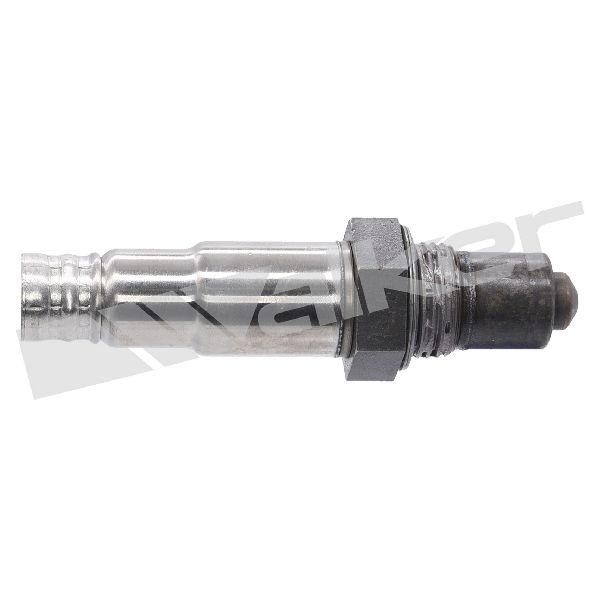
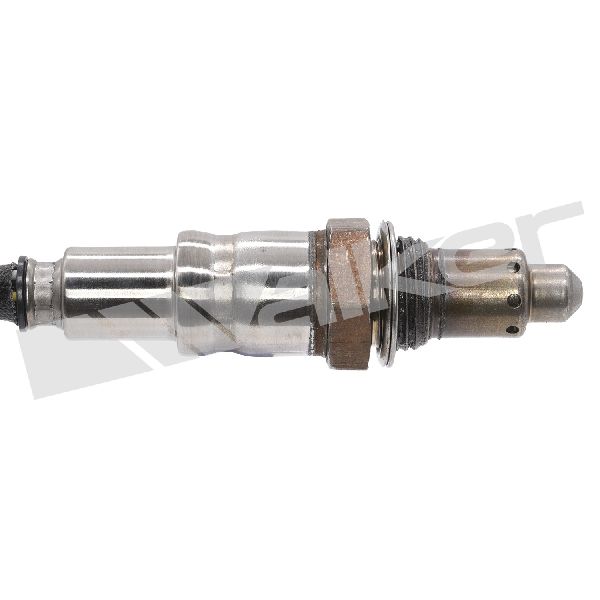
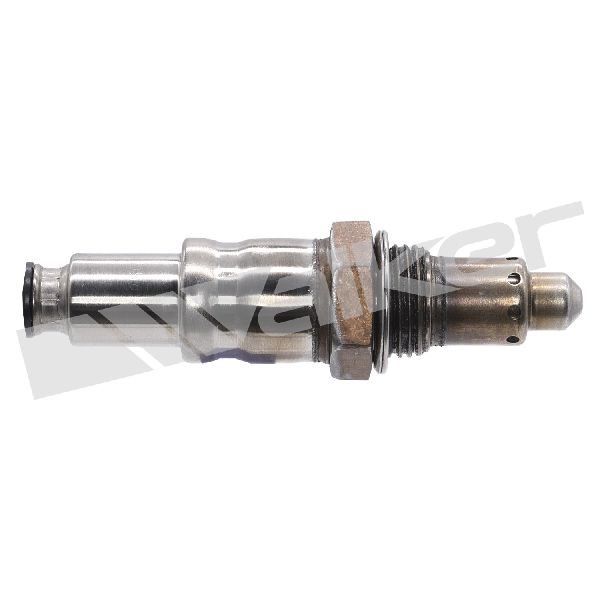
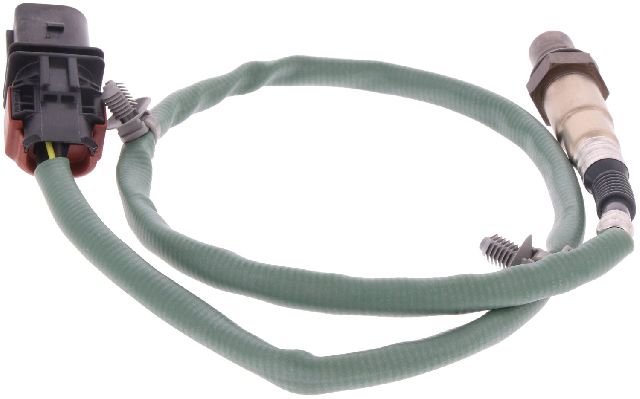
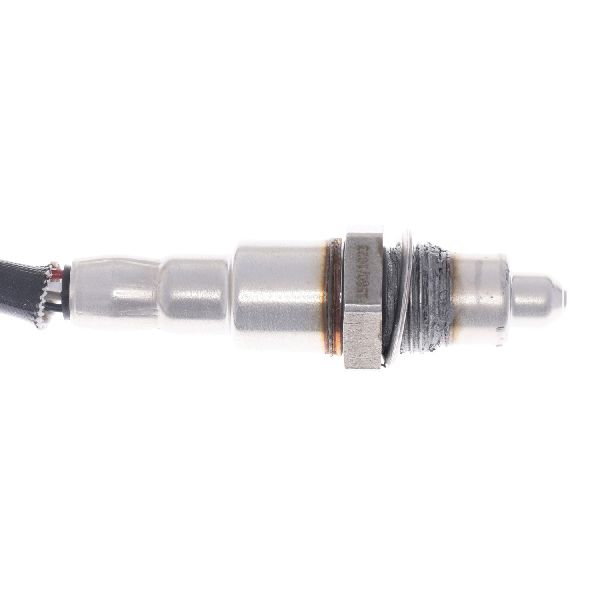
- Upstream Oxygen Sensor (Bank 1, Sensor 1) for 2.7L V6
(OEM #MB3Z-9F472-C)— This is the most common failure part for code P0131. It is a wear item that degrades over time.
Trusted brands: Motorcraft, Bosch, Denso, Walker Products
OEM price range: $120-$200
Aftermarket price range: $70-$150 - Upstream Oxygen Sensor (Bank 1, Sensor 1) for 2.3L I-4
(OEM #LX6Z-9F472-A (Supersedes LJ6Z-9F472-A))— This is the most common failure part for code P0131. The 2.3L engine only has one upstream sensor. The OEM part number can be difficult to cross-reference, but aftermarket equivalents are readily available.
Trusted brands: Motorcraft, Bosch (Part #16188), Denso, Walker Products
OEM price range: $120-$200
Aftermarket price range: $70-$170
Related Codes That Often Appear With This One
- P0171 — This code means 'System Too Lean (Bank 1)'. It can appear alongside P0131 if there is a legitimate lean condition (like a vacuum or exhaust leak) that the O2 sensor is correctly detecting.
- P0135 — This code indicates a fault in the heater circuit of the same O2 sensor. Seeing both codes together strongly suggests the sensor itself has failed and needs to be replaced.
- P0300 — A random/multiple cylinder misfire code. This can occur with P0131 on EcoBoost engines if the lean condition reported by the sensor is either real (due to a vacuum leak) or false (due to a bad sensor) but severe enough to cause combustion instability.
Technical Service Bulletins (TSBs) & Recalls
- TSB 21-2366: While not for P0131, this bulletin addresses related codes P2096/P2098 on some 2021 2.7L Broncos with a PCM re-flash, indicating that software updates can be a factor in resolving some emission system faults.
Mechanic-Grade Diagnostic Values
- O2 Sensor Heater Element Resistance — expected: 3 to 30 Ohms at ambient temperature. A new OEM-style (Bosch) sensor may read around 9 Ohms.. Failure: A reading of infinity/OL (Open Loop) or near 0 Ohms (short circuit) indicates a failed heater element.
- O2 Sensor Heater Circuit Current (Mode $06) — expected: 0.4 Amps to 3.0 Amps.. Failure: A value outside this range when checked via a capable scan tool (Mode $06, MID:$01, TID:$81) indicates a heater circuit fault.
- Low-Pressure Fuel System Pressure (KOEO or Idle) — expected: 55-70 PSI.. Failure: Pressure significantly below 55 PSI indicates a problem with the in-tank fuel pump or Fuel Pump Driver Module (FPDM), which can cause a lean condition and trigger P0131.
- High-Pressure Fuel System Pressure (Idle) — expected: ~200-450 PSI.. Failure: If P0131 is accompanied by fuel pressure codes, and the actual pressure is significantly below the desired pressure on a scan tool, the issue is with the high-pressure fuel system, not the O2 sensor.
- Heater Circuit Power Supply Voltage (KOEO) — expected: 11V - 12V+ (Battery Voltage) at the power supply pin on the harness-side of the O2 sensor connector.. Failure: No voltage or significantly low voltage points to a blown fuse or a break in the power supply wire.
Hidden / Shadow Codes Worth Checking
- Mode $06, MID:$01, TID:$81: This test monitors the electrical current of the Bank 1, Sensor 1 oxygen sensor heater circuit. It's a non-continuous monitor that provides a pass/fail status and a measured value in Amperes. (see via A professional scan tool or an advanced OBD-II app (like Torque) that can display Mode $06 test results. A failure here confirms an electrical fault in the heater circuit, even if a specific heater code (like P0135) is not present.)
Scan Tool Commands That Help
- Ford IDS / FORScan: FP (MODE) PID Control — When diagnosing a potential fuel pressure issue as the root cause of P0131, this command allows a technician to control the fuel pump directly to verify the low-pressure system's functionality, independent of the PCM's normal commands.
- Ford IDS / FORScan: Reset All Adaptations / Clear KAM — After replacing an O2 sensor or fixing a major vacuum/fuel leak, clearing the Keep Alive Memory (KAM) is crucial. This forces the PCM to erase the old, incorrect fuel trim adjustments it learned and start fresh with the new, properly functioning components.
Wiring & Ground Locations
- B1S1 Connector Wires (2.7L) — On the passenger side of the engine, in the wiring harness leading to the upstream O2 sensor.. A diagnostic test for a related O2 code on the 2.7L Bronco specifies checking the Brown-Blue (BN-BU) and White (WH) wires. These are likely the signal and/or heater circuit wires. Damage to these specific wires can cause the P0131 code.
- Main Engine Ground Strap — Typically runs from the negative battery terminal or nearby chassis point directly to the engine block, often near the starter or an engine mount.. A poor main engine ground can introduce electrical noise and voltage offsets, potentially affecting the sensitive O2 sensor signal and causing incorrect low voltage readings. While not a common cause, it's a foundational check for persistent, hard-to-diagnose electrical issues.
- Firewall Ground Point — A common grounding location for many engine bay components is a stud on the firewall.. The O2 sensor harness may share a ground with other components at this location. Corrosion or a loose connection here can affect multiple systems and cause erratic sensor readings.
Real Owner Repair Stories
- F150forum.com user (2016 Ford F-150 2.7L EcoBoost (199,000 mi)) — Engine stalled at idle/low speed, rough idle. Codes P1450 (Unable to Bleed Up Fuel Tank Vacuum), P0131, and P0151 (O2 Sensor Low Voltage Bank 2) all appeared.
❌ Tried (didn't work) Initial diagnosis was unclear due to multiple, seemingly unrelated codes.
✅ What actually fixed it Multiple users suggested the combination of EVAP and dual O2 sensor codes points to a common cause. The most likely culprits identified were a sticking EVAP purge valve causing fueling issues that the O2 sensors correctly detected, or a damaged section of the main wiring harness that is common to the EVAP valve and both upstream O2 sensors. - F150forum.com user (2017 Ford F-150 2.7L EcoBoost (Auction vehicle, unknown mileage)) — Engine dies 30 seconds after starting. Multiple codes present: P00C6 (Fuel Rail Pressure Too Low), P0131, multiple misfire codes (P0300, P0301, P0302, P0303), and camshaft position sensor codes (P0340, P0344).
❌ Tried (didn't work) Replacing the High Pressure Fuel Pump (HPFP) did not solve the problem.
✅ What actually fixed it The presence of P00C6 was the key. The P0131 code was a symptom, not the cause. The O2 sensor was correctly reporting a lean condition because the fuel rail pressure was stuck at 50 PSI instead of climbing to the commanded 1000+ PSI. The root cause was in the fuel delivery system (potentially the fuel rail pressure sensor or its wiring), not the O2 sensor circuit.
OEM Part Supersession History
LJ6Z-9F472-A→LX6Z-9F472-A— Manufacturer revisions for improved performance, durability, or to resolve an undocumented issue. The specific reason is not publicly documented by Ford.
Diagnostic Flowchart
Other Known Issues on This Vehicle
Issues unrelated to this code that are worth knowing about as an owner of this generation:
- 2.7L V6 Engine Valve Failure 🔴 High — Primarily affects early production 2021-2022 models, with failures typically occurring at very low mileage (under 10,000 miles). Caused by a bad batch of intake valves. (Ref: NHTSA investigation PE22-005 was upgraded to an Engineering Analysis (EA23-002). A recall was issued for affected vehicles.)
- Molded-in-Color (MIC) Hardtop Quality Issues 🟠 Medium — Widespread on 2021-2023 models, with reports continuing on newer models. Issues include a 'snakeskin' or honeycomb pattern showing through the finish, discoloration, and cracking, especially after sun exposure. (Ref: Ford initiated a program to replace early defective hardtops, but cosmetic issues persist for many owners.)
- 2.3L EcoBoost Intake Valve Carbon Buildup 🟡 Low — A long-term concern inherent to many direct-injection-only engines. The 2.3L in the Bronco lacks the port injectors found on the 2.7L, which help wash carbon off the valves. Can lead to performance loss over high mileage (e.g., 50k+ miles).
- Accessory Protocol Interface Module (APIM) Glitches 🟡 Low — Affects various 2021-2024 models. Symptoms include Bluetooth connectivity problems with Apple CarPlay or errors during software updates. (Ref: SSM 52370 (CarPlay), SSM 52328 (Update Errors))
- Parasitic Battery Drain 🟡 Low — Some 2021-2024 models may experience a dead battery after sitting. This has been linked to a faulty interior door lock switch that keeps modules awake. (Ref: SSM 52258)
- Transmission/Transfer Case Misalignment (Post-Repair) 🔴 High — Affects a small number of 2021-2025 vehicles that underwent a specific prior service repair. Misalignment can cause spline wear, leading to loss of power or rollaway risk. (Ref: Yes, a recall was issued for the ~4,900 vehicles that received the incorrect prior repair.)
Used vs. New Parts: Buying Guide for This Vehicle
When a used part is the smart pick: For this code, sourcing used parts is generally not recommended for the sensor itself. However, if the fault is traced to a damaged wiring harness connector pigtail or a cracked exhaust manifold, a used part from a low-mileage donor vehicle can be a cost-effective solution.
Donor-vehicle mileage cap: roughly under 50000 miles for the part to have meaningful remaining life.
What to inspect on the donor part:
- For a wiring pigtail: Inspect for any signs of brittleness, melting, or corrosion on the pins. Ensure the locking tab is intact.
- For an exhaust manifold: Check thoroughly for hairline cracks, especially around the turbo flange and cylinder head mounting points. Ensure all mounting surfaces are flat and not warped.
OEM-only on this vehicle (don't cheap out):
- Powertrain Control Module (PCM) - Due to programming requirements, a new or professionally refurbished OEM unit is required.
Aftermarket brands forum-validated for this vehicle:
- NTK (often the Original Equipment manufacturer for Ford)
- Denso
Brands owners have reported issues with on this vehicle:
- Bosch (Aftermarket): While Bosch is a major OEM supplier, numerous forum users across different Ford models report that their aftermarket-boxed sensors can be 'lazy' or fail prematurely compared to NTK or OEM Motorcraft parts.
Real Owner Stories
Aggregated from forums and TSBs cited above. Mileages and costs reflect what owners reported in those sources.
2023 Ford Bronco
Symptoms: The check engine light illuminated only one month after purchasing the vehicle.
What fixed it: The dealer replaced the oxygen sensor under warranty.
Source hint: https://www.bronco6g.com/forum/threads/oxygen-sensor.68361/
2016 Ford F-150 2.7L EcoBoost
Symptoms: The vehicle experienced a P0131 code accompanied by engine stalling.
What fixed it: Diagnosis suggested a damaged wiring harness or a faulty EVAP purge valve.
Source hint: https://www.f150forum.com/f118/p1450-p0131-p0151-2016-f150-2-7l-533968/
Related OBD-II Codes
Frequently Asked Questions
Does TSB 21-2366 apply to my 2021 Bronco with a P0131 code?
I have a 2023 Bronco with very low mileage; is it common for the O2 sensor to fail this early?
Could my Bronco's off-road use be causing the P0131 code?
Is the P0131 code on my 2.3L Bronco related to the intake valve carbon buildup issue?
Can a faulty EVAP purge valve cause P0131 on the 2.7L engine?
Helpful Videos
![How to Fix P0131 Engine Code in 4 Minutes [3 DIY Methods / Only $9.65]](https://img.youtube.com/vi/5a64xpdcVY0/mqdefault.jpg)
Used OEM Parts in Stock
New Aftermarket Parts Available

The information in this article is provided for general reference and educational purposes only. Vehicle specifications, procedures, and part compatibility can vary by production date, trim level, and region. Always consult your vehicle's factory service manual and verify part numbers before purchasing or performing repairs. Safety-critical components such as airbags, seat belts, and braking systems should be installed by a qualified professional.
- Ford Bronco:
- 🧭 Diagnostic Flowchart
- 🎬 Helpful Videos
- 🛍️ Shop This Part
- What's Unique About the 2021-2024 Ford Bronco
- Symptoms You May Notice
- Most Likely Causes
- Rare But Worth Checking
- Diagnosis Steps
- Parts You'll Likely Need
- Related Codes That Often Appear With This One
- Technical Service Bulletins (TSBs) & Recalls
- Mechanic-Grade Diagnostic Values
- Hidden / Shadow Codes Worth Checking
- Scan Tool Commands That Help
- Wiring & Ground Locations
- Real Owner Repair Stories
- OEM Part Supersession History
- Other Known Issues on This Vehicle
- Used vs. New Parts: Buying Guide for This Vehicle
- Real Owner Stories
- 2023 Ford Bronco
- 2016 Ford F-150 2.7L EcoBoost
- Related OBD-II Codes
- Frequently Asked Questions
- 🎟️ Get 5% Off