

P0131 on 2015-2018 Ford Transit: Causes and Fixes for O2 Sensor Low Voltage
Code P0131 on a 2015-2018 Ford Transit indicates a low voltage signal from the upstream oxygen sensor on Bank 1. The most common causes are a faulty O2 sensor or wiring issues, often linked to water intrusion in the engine bay as noted in Ford TSBs. Replacing the sensor costs about $50-$150 for the part.
- P0131 means the upstream O2 sensor on the passenger side (Bank 1) is sending a persistent low voltage signal.
- On a 2015-2018 Transit, **always inspect the wiring first**. Water leaks from the cowl and harness chafing are documented problems that can cause this code.
- The most common fix is replacing the Bank 1, Sensor 1 O2 sensor, but only after ruling out wiring and exhaust leak issues.
- Ignoring this code will lead to poor fuel mileage and can eventually destroy your catalytic converter, a much more expensive repair.
What's Unique About the 2015-2018 Ford TRANSIT
For the 2015-2018 Ford Transit, code P0131 is frequently linked to a specific design vulnerability. Ford issued Technical Service Bulletins (TSBs) warning that water can enter the engine compartment and damage powertrain components and wiring. The water drains from the windshield cowl area can get clogged with debris, causing overflow directly into the engine bay, particularly onto wiring harnesses on the driver's side and potentially the air filter. This makes wiring and connector inspection particularly critical on these vans, as the problem may not be the sensor itself but rather the circuit leading to it. 🎬 Watch: Troubleshooting P0131 and wiring issues on a 2015 Transit. Another TSB for 2015 models with the 3.7L engine points to the O2 sensor harness chafing against the transmission, which can cause a short.
Diagnostic Flowchart
Tap your situation to follow the diagnostic path that matches what you're seeing on this vehicle.
Symptoms You May Notice
- Check Engine Light is on
- Poor fuel economy
- Rough or unstable idle
- Hesitation during acceleration
- Engine stalling or difficulty starting
- Strong, rotten-egg smell from the exhaust.
- Replacing the catalytic converter. The P0131 code relates to the upstream sensor used for fuel trim, not the downstream sensor that monitors converter efficiency.
- Replacing the O2 sensor without first inspecting the wiring. On the Transit, water intrusion and harness chafing are known issues that can mimic a failed sensor.
Most Likely Causes
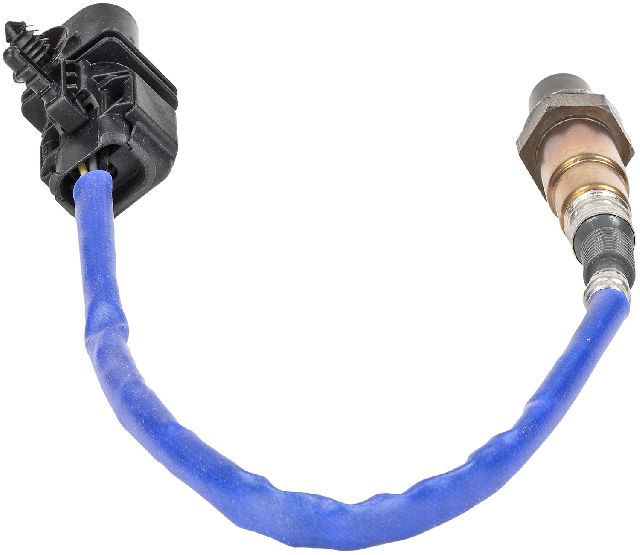
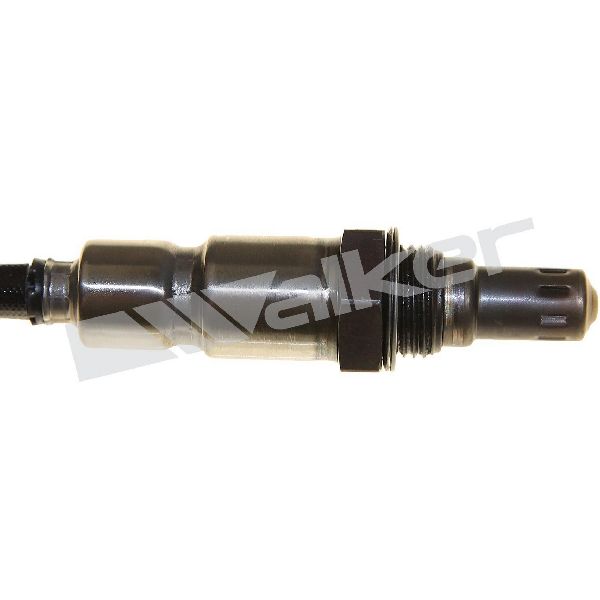
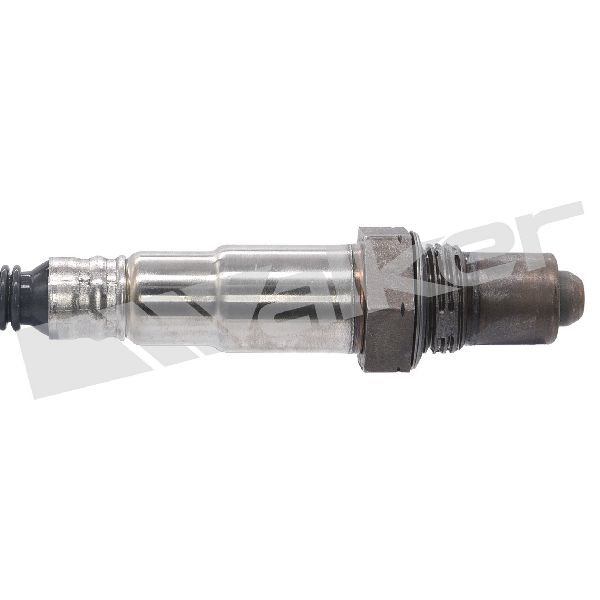
- Faulty Upstream Oxygen Sensor (Bank 1, Sensor 1) 🔴 High Probability → Shop Oxygen Sensor Sensors fail over time due to age, heat, and contamination. This is the most direct cause for the code and a common wear item.
How to confirm: Use an OBD-II scanner to monitor the live voltage data for the B1S1 O2 sensor. A healthy sensor's voltage fluctuates rapidly between approximately 0.1 and 0.9 volts. A sensor causing P0131 will likely show a steady, low voltage (under 0.4V). On some scan tools, upstream wideband sensors may show amperage, which should be near 0 mA at idle.
Typical fix: Replace the Bank 1, Sensor 1 oxygen sensor. This is the upstream sensor on the passenger side. Using a special slotted oxygen sensor socket is highly recommended.
Est. part cost: $50-$150 - Damaged Wiring or Corroded Connector 🔴 High Probability Ford TSBs 19-2091 and 17-0014 specifically mention that water intrusion into the engine bay can cause this code, leading to shorts or corrosion in the O2 sensor circuit. A separate TSB for 2015 3.7L models (TSB 15-0160) notes the HO2S wire harness can chafe on the transmission heat shield, causing a short and potentially blowing fuse F36 in the underhood fuse box.
How to confirm: Visually inspect the entire wiring harness for the Bank 1 Sensor 1 O2 sensor, from the sensor connector back to the PCM. Look for chafing, melting, corrosion, or any signs of water damage, especially in the cowl area mentioned in the TSBs. For the 3.7L, specifically inspect the harness near the right rear of the transmission. Check fuse F36 in the underhood Battery Junction Box on 2015 3.7L models.
Typical fix: Repair the damaged section of the wiring harness using solder and heat shrink, or clean/replace the corroded connector. If related to water intrusion, perform the cowl resealing procedure outlined in TSB 19-2091, which may involve installing new foam seals and a revised air cleaner cover. If the harness is chafed, repair the wires and re-route or protect the harness with loom or tape.
Est. part cost: $10-$100 - Exhaust Leak 🟡 Medium Probability Leaks in the exhaust manifold or pipes before the O2 sensor allow unmetered oxygen into the exhaust stream. This tricks the sensor into reading a lean condition (low voltage).
How to confirm: Perform a visual inspection for cracks or soot trails on the exhaust manifold and connecting pipes. A smoke test is the most effective way to pinpoint small leaks. Listen for ticking or hissing noises from the engine bay, especially when cold.
Typical fix: Replace the leaking gasket or repair the cracked exhaust component.
Est. part cost: $20-$300 - Low Fuel Pressure or Vacuum Leak ⚪ Low Probability An engine running genuinely lean due to a weak fuel pump or a vacuum leak will cause the O2 sensor to report low voltage, triggering P0131.
How to confirm: Check fuel pressure with a mechanical gauge to ensure it's within spec. Check fuel trims with a scan tool; high positive trims suggest a vacuum leak. Perform a smoke test on the intake system to find the source of a vacuum leak.
Typical fix: Replace the failing fuel pump or repair the source of the vacuum leak (e.g., a cracked hose or bad intake gasket).
Est. part cost: $5-$600
Rare But Worth Checking
- Faulty Powertrain Control Module (PCM): This is rare, but if the sensor, wiring, and all other potential causes have been ruled out, the PCM's internal circuit for reading the sensor may have failed. This should be the last resort after all other possibilities are exhausted.
Diagnosis Steps
- Connect an OBD-II scanner to confirm the P0131 code and check for any other related codes.
- Review freeze-frame data to see the engine conditions when the code was set.
- Perform a thorough visual inspection of the Bank 1, Sensor 1 (upstream, passenger side) O2 sensor wiring and connector. Pay close attention to the cowl area for signs of water tracks and debris. On 2015 3.7L models, inspect the harness where it passes the transmission.
- Inspect the exhaust manifold and downpipe for any signs of leaks (soot trails, cracks) before the sensor.
- Use the scanner's live data function to monitor the B1S1 voltage. A healthy sensor fluctuates rapidly. A stuck low voltage points towards a sensor or wiring issue. A voltage that reads correctly but is accompanied by high positive fuel trims suggests a vacuum or exhaust leak.
- If wiring is suspect, test for continuity and check for voltage and ground at the sensor connector. If TSB 15-0160 applies, check for a blown fuse F36 in the underhood BJB.
- If the wiring and exhaust are confirmed to be good and the sensor voltage is stuck low, the oxygen sensor itself is the most likely culprit and should be replaced.
Parts You'll Likely Need
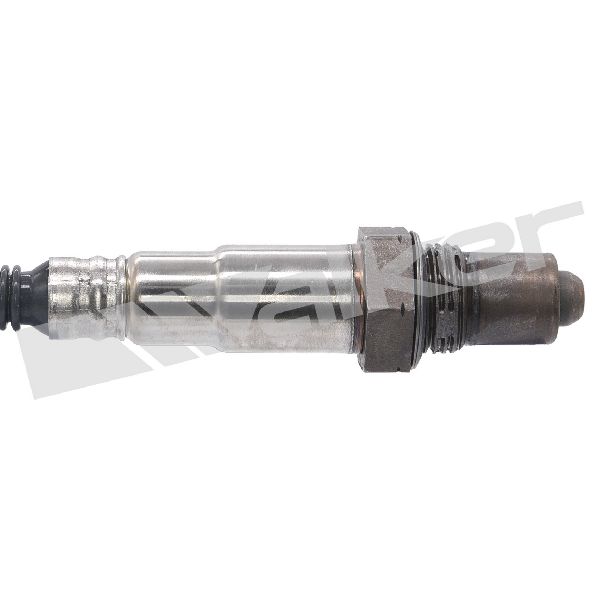
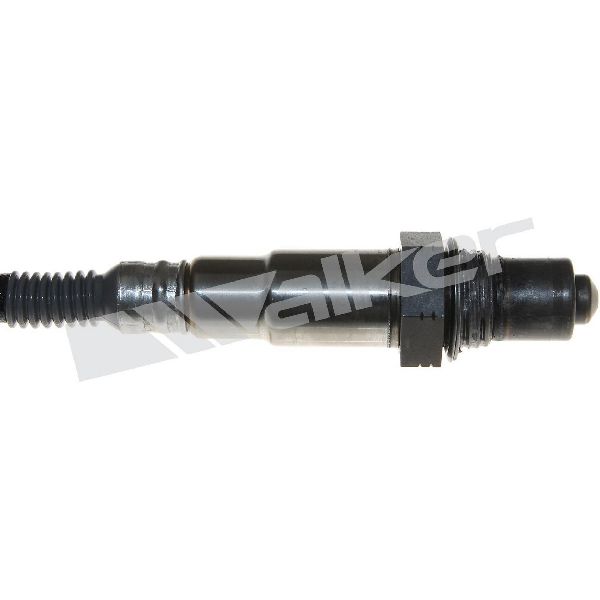
- Upstream Oxygen Sensor (Bank 1, Sensor 1)
(OEM #Motorcraft DY-1155 (Confirm with VIN). Other potential part numbers include Denso 234-5097 for the 3.5L and Bosch 18167 for the 3.7L.)— This is the primary component measured by the P0131 code and is a common failure item.
Trusted brands: Motorcraft, Denso, Bosch, NGK/NTK
OEM price range: $90-$150
Aftermarket price range: $45-$100.
Related Codes That Often Appear With This One
- P0171 — System Too Lean (Bank 1). P0131 indicates a low voltage (lean) signal, which can cause the PCM to set a P0171 code as it tries to compensate by adding more fuel. This is listed as a related code in Ford's water intrusion TSB.
- P219A — Bank 1 Air-Fuel Ratio Imbalance. This code often appears with O2 sensor codes, indicating a problem with the air-fuel mixture on that bank.
- P0141, P0155, P0161, P2627, P2630 — These are various O2 sensor heater and circuit codes listed alongside P0131 in Ford's TSB 15-0160 for harness chafing, suggesting a common electrical fault can trigger multiple codes.
- P0174, P0175, P2195, P2196, P2197, P2198 — These are various fuel trim and O2 sensor codes listed alongside P0131 in Ford's TSB 19-2091 about water intrusion, suggesting a common electrical cause can trigger multiple faults.
Technical Service Bulletins (TSBs) & Recalls
- TSB 19-2091: Notes water intrusion as a cause for P0131 and other DTCs on 2015-2018 models.
- TSB 17-0014: An earlier version of the TSB for the same water intrusion issue.
- TSB 18-2321: Supersedes TSB 17-0014 and provides an updated service procedure for the water leak.
- TSB 15-0160: Notes O2 sensor harness chafing on the transmission for 2015 3.7L models.
Platform-Specific Known Issues
- TSB 19-2091 / 18-2321 / 17-0014: Ford notes that on 2015-2018 Transits built before July 24, 2018, "undesired water entry into the engine compartment directly over powertrain components" can cause a variety of DTCs, including P0131. The fix involves cleaning the body joint between the inner fender and dash panel, applying a foam seal to the cowl grille, and potentially replacing the air cleaner cover.
- TSB 15-0160: Specifically for 2015 Transits with the 3.7L engine built before June 11, 2015, the O2 sensor harness may rub against the transmission heat shield. This can cause a short, blow fuse F36, and trigger code P0131 among others. The fix involves inspecting, repairing any chafed wires with solder, and re-securing the harness.
Mechanic-Grade Diagnostic Values
- O2 Sensor Heater Circuit Resistance — expected: 3 to 30 Ohms. Failure: A reading outside this range indicates a faulty heater element within the sensor.
- Mode $06, Test ID $80 (Voltage Amplitude) — expected: Value should be above the minimum threshold specified by the scan tool.. Failure: A value below the minimum limit confirms the low voltage condition of P0131.
- Mode $06, Test ID $81 (Switch Rate) — expected: Value should be below the maximum threshold specified by the scan tool.. Failure: A value exceeding the maximum limit indicates a slow sensor, which is a sign of failure.
Scan Tool Commands That Help
- Ford IDS (Integrated Diagnostic System): HO2S Test — To actively monitor the O2 sensor's voltage, response rate, and switch counts under controlled conditions to verify its function beyond passive live data viewing.
- Ford IDS (or equivalent): Reset Keep Alive Memory (KAM) — After replacing the O2 sensor or repairing a related wiring/fuel issue. This clears old learned fuel trim adaptations and forces the PCM to immediately start learning with the new, correct sensor data.
Wiring & Ground Locations
- C139 — The electrical connector for the Bank 1, Sensor 1 O2 sensor, typically located on top of the transmission housing.. This connector is a primary point for inspection for corrosion or damage, especially given the water leak TSB. Voltage, ground, and continuity tests should be performed at this connector's pins.
- G100 — Left rear corner of the engine compartment.. This is a major engine compartment ground point. A loose or corroded connection here can cause a variety of sensor and module issues, including incorrect O2 sensor readings.
- B-Pillar D-Ring Ground Point — Inside the van at the base of the B-pillar, often used for upfitter grounding.. While not a direct engine ground, issues with body grounds can sometimes create electrical noise or potential differences that affect sensitive sensor circuits. Ensuring all major grounds are clean and tight is a good practice.
Real Owner Repair Stories
- YouTube: Auto DIY Center (2015 Ford Transit 3.5L) — Check engine light with codes P0131, P2112, P068A. Vehicle would go into limp mode with no acceleration.
❌ Tried (didn't work) Initial diagnosis only, no parts replaced prior to the fix.
✅ What actually fixed it Replaced the Bank 1 Sensor 1 oxygen sensor (Denso 234-5097) and the throttle body (BL3Z 9E926-B). After clearing codes and performing a throttle pedal relearn procedure, the issues were resolved.
"I Checked Everything" — The Actual Cause
- In multiple documented cases for the Ford Transit, a P0131 code persisted even after a smoke test showed no vacuum or exhaust leaks and the O2 sensor was replaced. The root cause was discovered to be the O2 sensor wiring harness chafing against the transmission housing, causing an intermittent short to ground that a smoke test cannot detect.
OEM Part Supersession History
BH6Z-9G444-A→DY-1155— Part number update/revision by Ford/Motorcraft.
Helpful Videos
![How to Fix FORD P0131 Engine Code in 4 Minutes [3 DIY Methods / Only $9.65]](https://img.youtube.com/vi/08Qlh9M1zrU/mqdefault.jpg)

We Have This Part in Stock


The information in this article is provided for general reference and educational purposes only. Vehicle specifications, procedures, and part compatibility can vary by production date, trim level, and region. Always consult your vehicle's factory service manual and verify part numbers before purchasing or performing repairs. Safety-critical components such as airbags, seat belts, and braking systems should be installed by a qualified professional.
- Ford TRANSIT:
- 🧭 Diagnostic Flowchart
- 🎬 Helpful Videos
- 🛍️ Shop This Part
- What's Unique About the 2015-2018 Ford TRANSIT
- Symptoms You May Notice
- Most Likely Causes
- Rare But Worth Checking
- Diagnosis Steps
- Parts You'll Likely Need
- Related Codes That Often Appear With This One
- Technical Service Bulletins (TSBs) & Recalls
- Platform-Specific Known Issues
- Mechanic-Grade Diagnostic Values
- Scan Tool Commands That Help
- Wiring & Ground Locations
- Real Owner Repair Stories
- "I Checked Everything" — The Actual Cause
- OEM Part Supersession History
- 🎟️ Get 5% Off