

P0131 on 2015-2019 Ford Transit 3.5L EcoBoost: O2 Sensor Low Voltage Causes and Fixes
P0131 on a Ford Transit most often means the Bank 1 (passenger side) upstream oxygen sensor has failed or its wiring is damaged. Before replacing the sensor, inspect for the common water leak from the cowl area, which can short out wiring. This is a well-documented issue covered by Ford TSB 19-2091. A new sensor costs between $50 and $180.
- For a P0131 code on a 2015-2019 Transit, your first check should be for water intrusion in the engine bay, per Ford TSB 19-2091.
- The faulty sensor is 'Bank 1, Sensor 1', which is the upstream O2 sensor on the passenger side of the engine.
- Do not replace the O2 sensor until you have thoroughly inspected its wiring harness for melting, chafing, or water damage.
- If wiring is intact, a faulty O2 sensor is the most likely cause. Use a scan tool to watch live data to confirm the sensor is stuck at a low voltage before replacing it.
What's Unique About the 2015-2019 Ford Transit
On the 2015-2019 Ford Transit, code P0131 is frequently not just a simple sensor failure. These vans are known for a design flaw that allows water to leak from the cowl panel directly into the engine bay, dripping onto wiring harnesses and electrical components. This water intrusion can saturate the engine air filter and corrode the O2 sensor connectors, causing a short to ground. Ford has issued multiple Technical Service Bulletins (TSBs) about this water intrusion issue, which can cause shorts and trigger P0131 along with a host of other electrical and drivability DTCs. Always check for signs of a damp air filter or water tracks in the engine bay before assuming the sensor itself is the only problem.
Symptoms You May Notice
- Check Engine Light illuminated
- Reduced fuel economy
- Rough or unstable idle
- Engine hesitation or sluggish performance
- Possible engine misfires
- Limp mode with no acceleration 🎬 Watch: Fixing a Transit in limp mode with code P0131
- Rotten egg (sulfur) smell from the exhaust
- Replacing the O2 sensor without first checking for water intrusion or wiring damage. The new sensor may fail quickly or the code may return immediately if the root cause is a short circuit from a water leak or chafed harness.
- Replacing the catalytic converter. The P0131 code relates to the upstream sensor used for fuel trim, not the downstream sensor that monitors converter efficiency.
Most Likely Causes
- Water Intrusion into Engine Bay 🔴 High Probability A well-documented issue on 2015-2018 Transits where water can leak from a poorly sealed body joint between the inner fender and dash panel, dripping onto the airbox, wiring, and other components. This is covered in TSB 19-2091.
How to confirm: Open the air filter housing and check the air filter element for any signs of dampness, water saturation, or being frozen in cold climates. Look for water stains, corrosion on electrical connectors, or debris on the passenger side of the engine bay, particularly around the PCM and O2 sensor connectors.
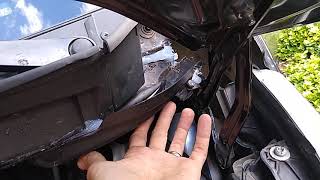
Typical fix: Repair the water leak by cleaning and sealing the body joint as described in TSB 19-2091. 🎬 See how to install the water deflector and seal leaks This involves installing a water deflector (OEM Part #CK4Z-6102408-AA) and potentially a revised air cleaner cover. Any corroded connectors should be cleaned or replaced.
Est. part cost: $30-$70 for seals, sealant, and deflector kit. - Faulty Bank 1, Sensor 1 Oxygen Sensor 🔴 High Probability → Shop Oxygen Sensor Oxygen sensors are wear items with a finite lifespan, typically failing due to age, contamination from fuel/oil, or thermal stress. Water intrusion can also directly damage the sensor itself.
How to confirm: Using a scan tool, monitor the live data for the Bank 1 Sensor 1 voltage (PID for O2S11). A healthy sensor fluctuates rapidly between approximately 0.1V and 0.9V. A faulty sensor will often be stuck at a low voltage (e.g., under 0.2V) and respond slowly or not at all to changes in engine RPM.
Typical fix: Replace the Bank 1, Sensor 1 (passenger side, upstream) oxygen sensor. Applying anti-seize to the threads of the new sensor is recommended.
Est. part cost: $50-$180 - Damaged Wiring or Connectors 🟡 Medium Probability Aside from water intrusion, harnesses can be damaged by heat from the exhaust or chafe against other components. TSB 15-0160 notes a specific issue on some 2015 models (3.7L, but relevant pattern) where the O2 sensor harness can rub on the transmission heat shield, causing a short and blowing fuse F36 in the underhood fuse box.
How to confirm: Visually inspect the entire wiring harness for the Bank 1 Sensor 1 from the sensor to the main engine harness. Look for melted sections, chafed insulation, or corroded pins in the connector. Check for a blown fuse F36 (for 2015 models) or F17 (15A) in the engine compartment fuse box on later models.
Typical fix: Repair the damaged section of wire with solder and heat shrink. If the connector is damaged, replace it with a new pigtail (e.g., Motorcraft WPT-152). Reroute the harness away from heat shields or sharp edges.
Est. part cost: $15-$40 for a connector pigtail. - Exhaust Leak ⚪ Low Probability Exhaust manifold gaskets or the manifold itself can develop leaks over time, allowing unmetered air to enter the exhaust stream before the O2 sensor. This extra oxygen will cause the sensor to read a lean (low voltage) condition.
How to confirm: Visually inspect the exhaust manifold and the exhaust pipe leading to the O2 sensor for cracks or gasket leaks. You may hear a ticking sound when the engine is cold or see black soot around the leak. A smoke test is the most effective way to pinpoint small leaks.
Typical fix: Replace the leaking gasket or repair/replace the cracked exhaust component. Small cracks or seam leaks can sometimes be repaired with exhaust putty or wraps as a temporary solution.
Est. part cost: $20-$200 depending on whether it's a gasket or a manifold.
Rare But Worth Checking
- Low Fuel Pressure: An actual lean condition caused by a weak fuel pump or clogged fuel filter can cause the O2 sensor to read low voltage. This would typically be accompanied by lean codes for both banks (P0171 and P0174) and should be investigated if no other cause is found. 🎬 Watch: Troubleshooting fuel pump issues and lean codes on a Transit
- Faulty Powertrain Control Module (PCM): In very rare cases, the internal circuits of the PCM that process the O2 sensor signal can fail. This should only be considered after all other possibilities, including wiring shorts to ground, have been exhaustively ruled out.
Diagnosis Steps
- Scan for Codes: Use an OBD-II scanner to confirm P0131 and check for any other related codes. Note the freeze frame data to see the engine conditions when the code was set.
- Inspect for Water Intrusion: This is a critical first step for a Transit. Open the hood and remove the air filter cover. Check the air filter for dampness or saturation. Inspect the passenger side of the engine bay, especially around the PCM and wiring harnesses, for water stains or corrosion.
- Inspect Wiring Harness: Carefully trace the Bank 1 Sensor 1 (passenger side, upstream) wiring harness from the sensor to the engine. Look for any signs of melting, chafing against the heat shield (per TSB 15-0160) or engine block, or corrosion in the connector.
- Check Fuses: Inspect the O2 sensor-related fuse. For 2015 models with potential harness chafing, check fuse F36 in the underhood fuse box. For other models, check fuse F17 (15A), also in the underhood box.
- Check for Exhaust Leaks: With the engine cold, start it and listen for any ticking or puffing sounds from the passenger side exhaust manifold that would indicate a leak. Visually inspect for soot trails. A smoke machine test is the most reliable method.
- Analyze Live Data: Use a scanner to view live data for the Bank 1 Sensor 1 voltage (O2S11). At operating temperature, the voltage should fluctuate rapidly between ~0.1V and ~0.9V. If it's stuck low (e.g., <0.2V) or is completely flat, it points towards a bad sensor or a wiring short to ground.
- Test the Sensor Circuit: Disconnect the O2 sensor and check for 5V reference and ground at the connector with the key on. If reference voltage is missing or shorted, the problem is in the wiring or PCM, not the sensor.
- Replace the Sensor: If all wiring, fuse, and leak checks pass and the sensor fails the live data test, replace the Bank 1, Sensor 1.
Parts You'll Likely Need
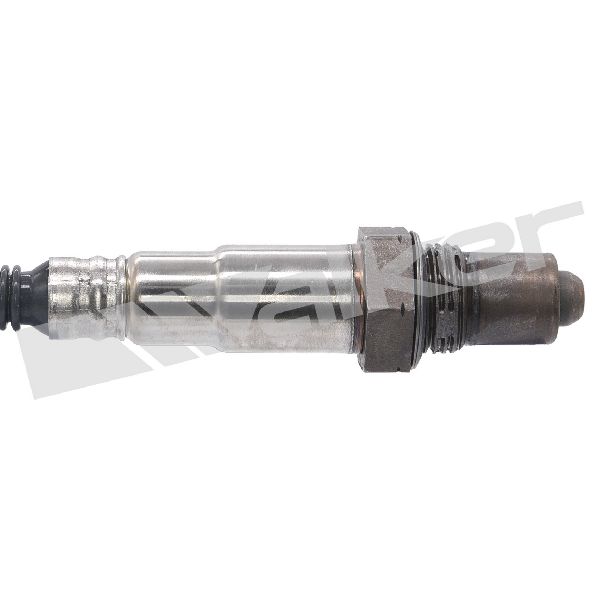
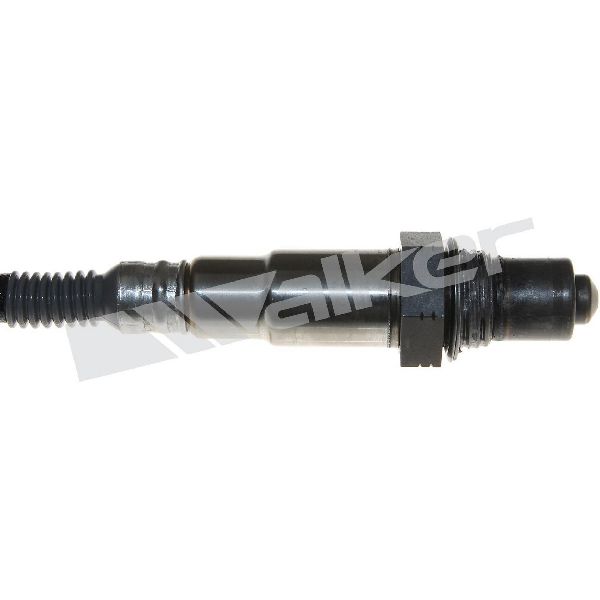
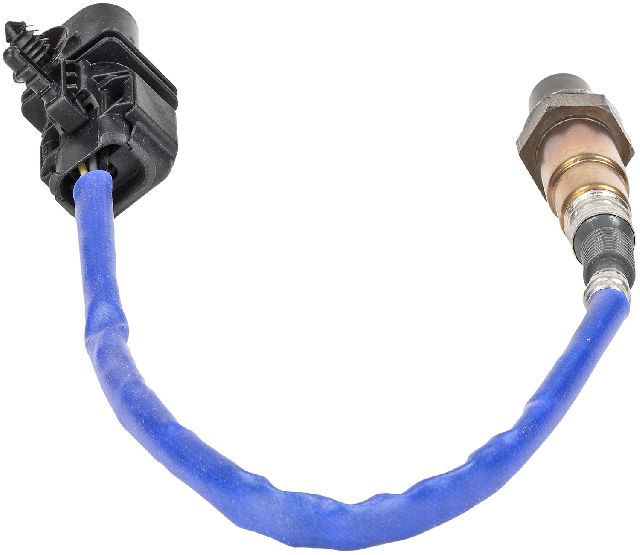
- Oxygen Sensor (Bank 1, Sensor 1)
(OEM #ML3Z-9F472-FA)— This is the upstream sensor on the passenger side. It is the most common part to fail, causing the P0131 code when it can no longer produce a correct voltage signal. This part number supersedes previous versions like ML3Z-9F472-F and DY-1580.
Trusted brands: Motorcraft, Denso (e.g., 234-5097), Bosch, NTK
OEM price range: $120-$250
Aftermarket price range: $50-$150 - Water Deflector Kit (TSB Fix)
(OEM #CK4Z-6102408-AA)— Required to perform the water leak repair outlined in TSB 19-2091. This kit helps prevent water from dripping from the cowl seam onto the engine and electrical components.
Trusted brands: Ford
OEM price range: $30-$50
Related Codes That Often Appear With This One
- P0171 — System Too Lean (Bank 1). This code is often set alongside P0131 because the low voltage signal from the O2 sensor is interpreted by the PCM as a lean condition. It is also listed as a potential code caused by the water intrusion issue in TSB 19-2091.
- P219A — Bank 1 Air-Fuel Ratio Imbalance. This code can be triggered by the same faulty sensor data that causes P0131.
- P0141, P0155, P0161 — These are O2 sensor heater circuit codes. If they appear with P0131, it strongly suggests an electrical fault, such as a blown fuse (F36 on 2015 3.7L models) or harness damage affecting the entire sensor circuit, as noted in TSB 15-0160.
- P068A, P2112 — In some cases, severe electrical issues stemming from water damage or shorts can cause additional codes related to PCM power (P068A) or the throttle body (P2112), potentially putting the van into limp mode.
Technical Service Bulletins (TSBs) & Recalls
- TSB 19-2091: Water intrusion into the engine compartment causing various DTCs on 2015-2018 models.
- TSB 15-0160: O2 sensor harness chafing against the transmission heat shield on 2015 3.7L models, blowing fuse F36.
Platform-Specific Known Issues
- TSB 19-2091 (supersedes 18-2321 & 17-0014): Details a known issue on 2015-2018 Transits built before July 24, 2018, where water enters the engine bay from a poorly sealed cowl/fender joint. This can cause a saturated air filter and damage wiring, leading to P0131 and many other codes.
- TSB 15-0160: Applies to 2015 models with the 3.7L engine built before June 11, 2015. The O2 sensor harness may chafe against the transmission heat shield, causing a short circuit and blowing fuse F36 in the underhood fuse box. This TSB lists P0131 as a potential resulting code.
Mechanic-Grade Diagnostic Values
- Mode $06, Test ID $01, Component ID $01 (O2 Sensor Voltage Amplitude) — expected: Value should be above the minimum threshold specified by the scan tool.. Failure: A value below the minimum limit confirms the low voltage condition of P0131.
- Mode $06, Test ID $81 (O2 Sensor Switch Rate) — expected: Value should be below the maximum threshold specified by the scan tool.. Failure: A value exceeding the maximum limit indicates a slow or lazy sensor, which is a sign of failure.
- VCT Solenoid Resistance (related diagnostic for complex drivability issues) — expected: 6.9 - 7.9 ohms at 68°F (20°C). Failure: A reading outside this range indicates a faulty solenoid.
Scan Tool Commands That Help
- FORScan: Live Data Oscilloscope (PIDs: O2S11_V, O2S12_V) — To graphically monitor the upstream (O2S11) and downstream (O2S12) sensor voltages. A healthy upstream sensor will show rapid fluctuations, while a faulty one may be flatlined near 0V. This is the primary method to confirm a dead or biased sensor.
- FORScan / Ford IDS: Heated Oxygen Sensor (HO2S) Heater Test — Use this actuation test to command the O2 sensor's internal heater on and off. This helps verify the integrity of the heater circuit, which is powered by a fuse (e.g., F17/F36). A failure here, especially with heater circuit codes, points to an electrical issue rather than just sensor failure.
Wiring & Ground Locations
- G104 / G105 — G104 is typically on the right (passenger) fender behind the battery. G105 is on the frame below the washer fluid container on the driver's side.. These are major engine bay ground points. The PCM and its sensor circuits rely on a clean ground reference. A corroded or loose G104 can cause voltage drops and electrical noise, leading the PCM to misinterpret the O2 sensor's signal and trigger a false P0131.
- C175B — This is one of the main multi-pin connectors at the Powertrain Control Module (PCM).. The signal wire from the Bank 1 Sensor 1 O2 sensor terminates at a specific pin in this connector. When diagnosing a persistent P0131 with a good sensor, technicians test for continuity and shorts to ground on the wire between the sensor connector and its corresponding pin at C175B.
- Fuse F17 (Engine Bay Fuse Box) — Located in the underhood fuse box, often labeled as 'Powertrain Control Module' or similar.. This 15A fuse often powers the O2 sensor heaters. If this fuse is blown due to a wiring short (like the chafing mentioned in TSB 15-0160), it will cause heater circuit codes and can accompany a P0131.
Real Owner Repair Stories
- YouTube channel 'auto diy center' (2015 Ford Transit 3.5L) — Check Engine Light with codes P0131, P2112 (Throttle Actuator Control System - Stuck Closed), and P068A (ECM/PCM Power Relay De-Energized). Vehicle would enter limp mode with no acceleration.
❌ Tried (didn't work) Initial diagnosis pointed to multiple simultaneous failures.
✅ What actually fixed it The owner replaced both the Bank 1, Sensor 1 oxygen sensor (Denso 234-5097) and the throttle body (Part #BL3Z-9E926-B). After disconnecting the battery, replacing the parts, and performing a throttle pedal relearn procedure (slowly pressing and releasing the pedal with key-on-engine-off), all codes were cleared and the limp mode issue was resolved. - fordtransitusaforum.com user (2017 Ford Transit) — Water leaking into the engine bay from the cowl area.
❌ Tried (didn't work) Observing the standard drain paths which seemed clear.
✅ What actually fixed it The owner found the known trouble spot where the cowl panel clips are located. The final fix was to drill a small relief hole in the plastic water diverter tray and apply sealant around the cowl clips to prevent water from bypassing the drain channel. This stopped the leak.
"I Checked Everything" — The Actual Cause
- In cases where P0131 persists after a new sensor is installed and an exhaust smoke test reveals no leaks, the root cause is often an intermittent short-to-ground in the O2 sensor wiring harness. A common chafe point on Transits is where the harness can rub against the transmission housing or a heat shield. A smoke test cannot detect this type of electrical fault.
OEM Part Supersession History
DY-1580, DY-1667, ML3Z-9F472-A, ML3Z-9F472-F→ML3Z-9F472-FA— Standard part revision and consolidation by Ford.
Model Year Variations Within This Range
- 2015-2018 (built before July 24, 2018): These model years are specifically called out in TSB 19-2091 and its predecessors for the cowl water leak issue. While later models may still leak, the TSB procedure is officially for this range.
- 2015 (3.7L, but relevant pattern): TSB 15-0160 identifies a specific harness chafing issue on the transmission heat shield that blows fuse F36. While for the 3.7L, this highlights a potential wiring route and failure mode that could also affect 3.5L models from the same period.
Diagnostic Flowchart
Real Owner Stories
Aggregated from forums and TSBs cited above. Mileages and costs reflect what owners reported in those sources.
2015 Ford Transit 3.5L
Symptoms: The van threw code P0131 along with throttle body and PCM codes (P2112, P068A), causing it to enter limp mode with no acceleration.
What fixed it: Replaced the Bank 1 Sensor 1 O2 sensor with a Denso 234-5097 unit and replaced the throttle body.
Source hint: YouTube - Auto DIY Center: 2015 FORD TRANSIT 3.5L - BANK 1 SENSOR 1 CODE P0131 P2112 P068A NO ACCELERATION (FIXED)
Ford F-150 3.5L EcoBoost
Symptoms: Experienced code P0131 alongside P0151 and P219B.
What fixed it: Inspected and repaired the wiring harness for melting and damage near the exhaust, which is a known issue on early models of this platform.
Source hint: Ford F150 Forum - P0131,p0151, p219b
Ford Transit
Symptoms: Experienced the common cowl water leak issue that drips onto engine components.
What fixed it: Drilled a small relief hole in the plastic diverter tray and added sealant to solve the water leak problem.
Source hint: Ford Transit Forum - Transit cowl water leak findings and fixes
Related OBD-II Codes
Frequently Asked Questions
Does TSB 19-2091 for the water leak apply to my 2019 Ford Transit?
I have a 2015 Transit and code P0131. Are there any specific fuses I should check?
What parts are needed to fix the cowl water leak causing P0131 on my Transit?
My Transit went into limp mode with no acceleration and threw code P0131. Is this normal?
Where is the Bank 1 Sensor 1 oxygen sensor located on the 3.5L EcoBoost Transit?
Can a wet air filter cause the P0131 code on my Transit?
Helpful Videos

We Have This Part in Stock


The information in this article is provided for general reference and educational purposes only. Vehicle specifications, procedures, and part compatibility can vary by production date, trim level, and region. Always consult your vehicle's factory service manual and verify part numbers before purchasing or performing repairs. Safety-critical components such as airbags, seat belts, and braking systems should be installed by a qualified professional.
- Ford Transit:
- 🧭 Diagnostic Flowchart
- 🎬 Helpful Videos
- 🛍️ Shop This Part
- What's Unique About the 2015-2019 Ford Transit
- Symptoms You May Notice
- Most Likely Causes
- Rare But Worth Checking
- Diagnosis Steps
- Parts You'll Likely Need
- Related Codes That Often Appear With This One
- Technical Service Bulletins (TSBs) & Recalls
- Platform-Specific Known Issues
- Mechanic-Grade Diagnostic Values
- Scan Tool Commands That Help
- Wiring & Ground Locations
- Real Owner Repair Stories
- "I Checked Everything" — The Actual Cause
- OEM Part Supersession History
- Model Year Variations Within This Range
- Real Owner Stories
- 2015 Ford Transit 3.5L
- Ford F-150 3.5L EcoBoost
- Ford Transit
- Related OBD-II Codes
- Frequently Asked Questions
- 🎟️ Get 5% Off