

P0131 on 2012-2017 Hyundai Veloster 1.6L: Causes and Fixes for O2 Sensor Low Voltage
On a 2012-2017 Veloster, code P0131 almost always means the upstream oxygen sensor (Bank 1, Sensor 1) has failed. Replacing it is the most common fix. Expect to pay $70-$150 for a quality aftermarket sensor and around one hour of labor. The genuine Hyundai OEM part number is 39210-2B210 for 2012-2015 models; later models may use a different part.
- P0131 on your Veloster almost always points to a bad upstream oxygen sensor (the one before the catalytic converter).
- Before buying parts, perform a quick visual inspection of the sensor's wiring and connector for obvious damage.
- Driving with this code will hurt your gas mileage and can eventually damage your catalytic converter, a much more expensive repair.
- Replacing the sensor is a DIY-friendly job for many, but the sensor can be seized in the exhaust manifold, requiring a special O2 sensor socket and penetrating oil.
- Ensure you are buying the 'Upstream' or 'Bank 1, Sensor 1' sensor, not the downstream one.
What's Unique About the 2012-2017 Hyundai Veloster
The 1.6L GDI Gamma engine in the first-generation Veloster is generally reliable but, like many direct-injection engines, is sensitive to proper fuel and emissions control. For this code, the issue is rarely unique to the platform itself but rather a common failure point for the oxygen sensor after 70,000+ miles. While no specific TSBs exist for the naturally-aspirated model for this code, a related TSB (16-FL-002) was issued for the turbo models (2013-2015) for a faulty oxygen sensor, suggesting sensor quality or sensitivity could be a broader platform characteristic. The fix for the turbo models included replacing the sensor and updating the ECM software.
Symptoms You May Notice
- Check Engine Light is on
- Reduced fuel economy
- Rough or unstable idle
- Slight hesitation or stumbling on acceleration
- Strong or unusual smell from the exhaust (like rotten eggs or rich fuel)
- Black smoke from the exhaust in some cases.
- Replacing the downstream (Bank 1, Sensor 2) oxygen sensor. P0131 specifically refers to Sensor 1, the upstream sensor.
- Replacing the catalytic converter. A P0131 code can lead to catalytic converter failure over time, but a bad converter itself does not cause this code. A failing converter would typically trigger a P0420 code.
- Using an incorrect or poor-quality universal oxygen sensor. Some owners have reported that only an OEM or high-quality direct-fit sensor (like Denso or NGK) resolved the code after a cheaper replacement failed to do so.
Most Likely Causes
- Failed Upstream Oxygen Sensor (Bank 1, Sensor 1) 🔴 High Probability → Shop Oxygen Sensor Oxygen sensors are wear-and-tear items that typically have a lifespan of 70,000-100,000 miles. Contamination from engine byproducts, such as oil or coolant, or simple age can cause the internal element to degrade and fail to produce a correct voltage signal. This is the most common resolution reported by owners in forums.
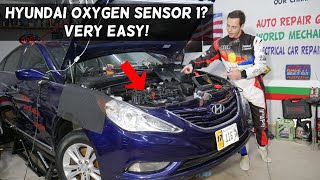
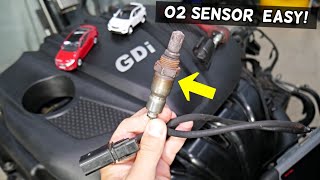
How to confirm: Use an OBD-II scanner to monitor live data for 'O2S11' or 'B1S1'. A healthy sensor's voltage should fluctuate rapidly between approximately 0.1V and 0.9V. If the voltage is stuck low (e.g., below 0.1V) and does not respond to changes in engine RPM, the sensor is bad. A special slotted socket is often required for removal 🎬 Watch: How to replace an upstream oxygen sensor on a GDI engine. due to the wiring.
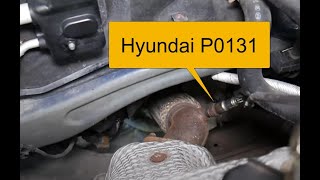
Typical fix: Replace the upstream oxygen sensor. It is located in the exhaust manifold, typically visible at the front or back of the engine. 🎬 See this video to locate the Bank 1 Sensor 1 position. The OEM part number for the non-turbo 1.6L Veloster is 39210-2B210 for model years 2012-2015.
Est. part cost: $70-$150 - Damaged Wiring or Corroded Connector 🟡 Medium Probability The sensor wiring is located in the hot engine bay and is exposed to heat, vibration, and moisture, which can lead to brittle wires, chafing, or corrosion in the connector pins over time. Owners attempting to extend or repair wiring have reported persistent codes, indicating the sensitivity of the circuit.
How to confirm: Visually inspect the entire wiring harness from the oxygen sensor to the main engine harness. Unplug the connector and check for any green or white corrosion, bent pins, or broken wires. Use a multimeter to check for proper voltage and ground at the connector with the key on.
Typical fix: Repair the damaged section of wire or clean the connector terminals. If the connector itself is damaged, it may need to be replaced.
Est. part cost: $5-$30 - Exhaust Leak ⚪ Low Probability Flex pipes and manifold gaskets can develop cracks over time. An exhaust leak before the O2 sensor allows outside air to be sucked into the exhaust stream, which artificially lowers the oxygen concentration and causes the sensor to report a false lean (low voltage) condition.
How to confirm: Listen for a ticking or hissing noise from the engine bay that gets louder with RPM. You can also use a smoke machine to feed smoke into the exhaust system and look for leaks before the upstream O2 sensor. A visual inspection may reveal black soot marks around the leak.
Typical fix: Replace the leaking gasket or repair/replace the section of the exhaust pipe that has failed.
Est. part cost: $20-$200
Rare But Worth Checking
- Blown O2 Sensor Fuse: → Shop Oxygen Sensor The oxygen sensor's internal heater runs on a fused circuit. If the heater shorts out, it can blow the fuse, which may also cut power to the sensor's signal circuit, causing a P0131. Check the fuse box in the engine bay for a fuse labeled 'SENSOR 1' or similar. This is often accompanied by a heater circuit code like P0135.
- Low Fuel Pressure: If the engine is genuinely running lean due to a weak fuel pump or clogged injectors, the O2 sensor will correctly report a low voltage. This is less common and would typically be accompanied by other codes like P0171 (System Too Lean).
- Faulty Engine Control Module (ECM): In very rare cases, the internal circuitry of the ECM that processes the O2 sensor signal can fail. This should only be considered after all other possibilities (sensor, wiring, leaks) have been exhaustively ruled out.
Diagnosis Steps
- Connect an OBD-II scanner and confirm P0131 is the primary code. 🎬 Watch: A step-by-step guide to diagnosing P0131 circuit low voltage. Check for any other codes that could indicate a related problem (e.g., P0171, P0135). Document the freeze frame data.
- Inspect the oxygen sensor's wiring harness and connector for any signs of melting, chafing, or corrosion. Ensure the connector is securely plugged in.
- Check the O2 sensor heater fuse in the engine bay fuse box (often labeled 'SENSOR 1').
- Inspect the exhaust manifold and the exhaust pipe leading to the sensor for any cracks or black soot trails that would indicate an exhaust leak.
- Using the live data function on your scanner, monitor the voltage for 'Bank 1 Sensor 1'. At operating temperature and idle, the voltage should fluctuate rapidly between ~0.1V and ~0.9V.
- If the voltage is stuck below 0.2V and does not fluctuate, it confirms the sensor is not reading correctly.
- As a final check, you can introduce a vacuum leak or add propane to the intake to force a lean/rich condition and see if the sensor responds. If it remains stuck low, the sensor is faulty and needs to be replaced.
- If the sensor is replaced and the code returns, re-check wiring for intermittent shorts or consider the rarer causes like low fuel pressure or an ECM fault. Ensure a quality OEM or equivalent part was used.
Parts You'll Likely Need
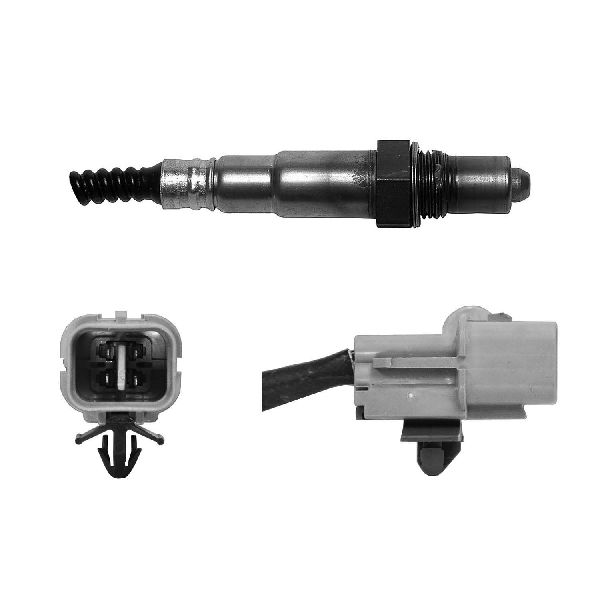
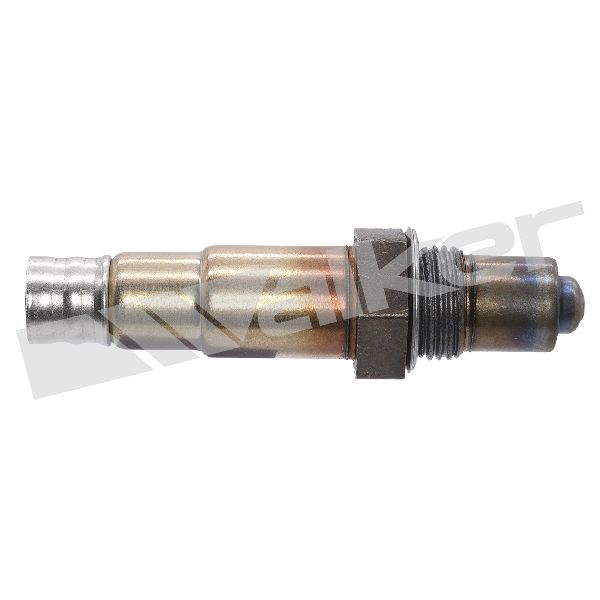
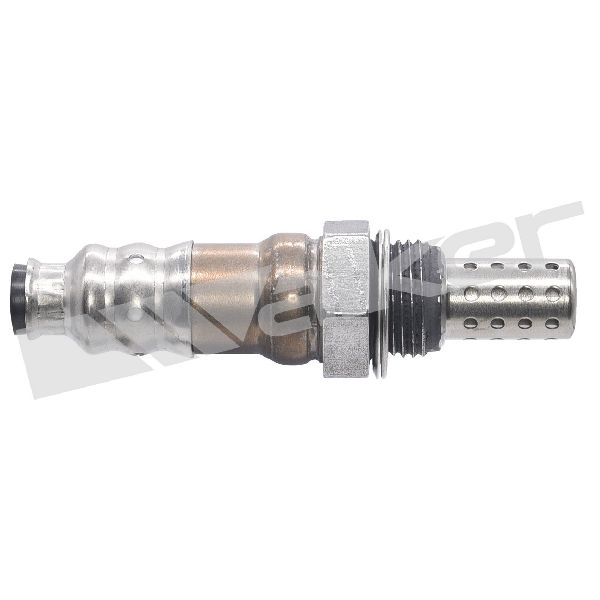
- Upstream Air/Fuel Ratio Oxygen Sensor (Bank 1, Sensor 1)
(OEM #39210-2B210)— This is the most common failure point for code P0131. The sensor's ability to generate voltage degrades over time. This part number is specific to the non-turbo 1.6L engine in the 2012-2015 Veloster and Accent.
Trusted brands: Hyundai (OEM), Denso (e.g., 234-5055), NGK (e.g., 27093), Bosch (e.g., 17011)
OEM price range: $150-$220
Aftermarket price range: $70-$150
Related Codes That Often Appear With This One
- P0171 — If there is a vacuum leak or a fuel delivery issue causing a true lean condition, the O2 sensor will correctly report low voltage (P0131) and the ECM will also flag the lean condition itself (P0171).
- P0135 — This code indicates a fault in the O2 sensor's heater circuit. A failure in the heater element can sometimes cause the sensor to fail entirely, leading to both codes appearing together. It is common to see both when the sensor itself has failed internally.
Technical Service Bulletins (TSBs) & Recalls
- 16-FL-002: Affects 2013-2015 Turbo models for a faulty oxygen sensor and recommends replacement and a software update.
Platform-Specific Known Issues
- A Technical Service Bulletin (TSB 16-FL-002) was issued for 2013-2015 Veloster models with the 1.6L Turbo engine for a faulty oxygen sensor. While not for the base GDI engine, it points to potential O2 sensor issues on the platform. The fix included replacing the sensor and updating the ECM software.
Mechanic-Grade Diagnostic Values
- B1S1 O2 Sensor Voltage (Code Trigger Threshold) — expected: Fluctuating between ~0.1V and ~0.9V. Failure: The ECM will set code P0131 if the sensor voltage remains below 0.06V for a specified time.
- B1S1 O2 Sensor Heater Circuit Resistance — expected: 10 - 15 ohms. Failure: A reading of infinity (open circuit) or very high resistance indicates a failed heater element. A reading outside the expected range suggests a faulty sensor.
Scan Tool Commands That Help
- Hyundai GDS (Global Diagnostic System): Current Data (Live Data) — Use this function to graph the Bank 1 Sensor 1 voltage in real-time. This is the primary method for confirming a failed sensor. A healthy sensor shows rapid fluctuation, while a failed sensor will show a flat, low voltage line (stuck below 0.1V).
Wiring & Ground Locations
- ECM Ground — The main engine ground strap, typically from the engine block or transmission to the chassis.. The O2 sensor's signal and heater circuits are grounded through the ECM. A poor main engine or ECM ground can introduce voltage offsets and noise, potentially causing incorrect sensor readings and triggering codes like P0131. Ensure the main ground strap is clean, tight, and free of corrosion.
Model Year Variations Within This Range
- 2012-2015: The upstream oxygen sensor is Hyundai part number 39210-2B210.
- 2016-2017: The upstream oxygen sensor part number may differ from earlier models. Owners of these later first-generation models should verify the specific part number for their vehicle's VIN, as a change may have occurred during the production run.
Diagnostic Flowchart
Other Known Issues on This Vehicle
Issues unrelated to this code that are worth knowing about as an owner of this generation:
- Connecting Rod Bearing Failure / Engine Seizure 🔴 High — Widespread enough to trigger a class-action lawsuit (In re: Hyundai and Kia Engine Litigation II) and recalls (e.g., NHTSA 20V746000). Failures can occur between 30,000 and 80,000 miles. (Ref: Recall 20V746000; Class Action Settlement extends warranty to 15-year/150,000-mile for this issue, contingent on a KSDS software update.)
- Dual-Clutch Transmission (DCT) Malfunction 🟠 Medium — Common complaints of hesitation from a stop, shuddering, rough shifting, and premature failure. Issues are noted for both early and later models of the first generation. (Ref: Multiple TSBs issued for related models (e.g., 16-01-035 for Tucson) addressing clutch logic and overheating.)
- Peeling White Paint 🟡 Low — A widely reported cosmetic issue where the white paint (and sometimes other colors) bubbles and peels off in large sheets, typically on the roof and hood. Hyundai has extended the paint warranty for some models/years, but coverage for the Veloster can be inconsistent. (Ref: TSB-21-BD-005H (and others) extended the paint warranty for certain models, but owners report difficulty getting coverage outside the specific VIN ranges.)
- ABS Module Fire Risk 🔴 High — Affects 2012-2015 models. The ABS module can leak brake fluid internally, causing an electrical short that can lead to an engine compartment fire, even when the car is parked. (Ref: Recall 23V132000. The fix involves replacing the ABS multi-fuse.)
- High Engine Oil Consumption 🟠 Medium — Some owners report abnormally high oil consumption, sometimes as much as 2.5 quarts per 2,000 miles, often attributed to premature piston ring wear. This can lead to engine damage if not monitored closely.
Used vs. New Parts: Buying Guide for This Vehicle
When a used part is the smart pick: For this repair, a used part is almost never a smart choice. Oxygen sensors are a wear item with a finite lifespan. A used sensor has unknown remaining life and may fail shortly after installation, causing the code to return.
Donor-vehicle mileage cap: roughly under 20000 miles for the part to have meaningful remaining life.
What to inspect on the donor part:
- If considering a used sensor, it should only be from a very low-mileage wreck.
- Inspect the sensor tip for heavy carbon, oil, or white (coolant) deposits, which indicate a hard life or contamination.
- Ensure the wiring pigtail and connector are completely intact with no cuts, melting, or corrosion.
Aftermarket brands forum-validated for this vehicle:
- Denso
- NGK/NTK
- Bosch
Brands owners have reported issues with on this vehicle:
- No-name, unbranded 'universal' sensors from online marketplaces are frequently reported to be incompatible or fail quickly. It is best to stick with direct-fit sensors from reputable brands.
Real Owner Stories
Aggregated from forums and TSBs cited above. Mileages and costs reflect what owners reported in those sources.
2011 Hyundai Elantra 1.6L (Gamma Engine Family)
Symptoms: Check Engine Light with code P0131.
What fixed it: The dealer diagnosed and replaced the bad O2 sensor, which resolved the issue.
Source hint: Hyundai Forum thread titled 'Recurring P0131 CEL code - Hyundai Forum'
2013-2015 Hyundai Veloster 1.6L Turbo
Symptoms: Faulty oxygen sensor performance leading to a TSB issuance.
What fixed it: Replacing the oxygen sensor and performing an ECM software update.
Source hint: TSB 16-FL-002
Hyundai Tiburon
Symptoms: Persistent P0131 and P0135 codes even after trying multiple sensors; sensitivity to wiring extensions.
What fixed it: Ensuring correct wiring and using an OEM sensor instead of aftermarket alternatives.
Source hint: Hyundai Aftermarket forum thread titled 'P0131 And P0135 Still Persist!'
Related OBD-II Codes
Frequently Asked Questions
Does TSB 16-FL-002 apply to my 2012-2017 Hyundai Veloster 1.6L GDI?
What is the correct OEM part number for the oxygen sensor on my non-turbo 1.6L Veloster?
Can I use an aftermarket Bosch sensor to fix P0131 on my Hyundai?
Is there a specific fuse I should check for the P0131 code on the Veloster?
Could an exhaust leak cause a P0131 code on my 1.6L Gamma engine?
How long should the oxygen sensor last on my Veloster before it triggers a code?
Helpful Videos

We Have This Part in Stock



The information in this article is provided for general reference and educational purposes only. Vehicle specifications, procedures, and part compatibility can vary by production date, trim level, and region. Always consult your vehicle's factory service manual and verify part numbers before purchasing or performing repairs. Safety-critical components such as airbags, seat belts, and braking systems should be installed by a qualified professional.
- Hyundai Veloster:
- 🧭 Diagnostic Flowchart
- 🎬 Helpful Videos
- 🛍️ Shop This Part
- What's Unique About the 2012-2017 Hyundai Veloster
- Symptoms You May Notice
- Most Likely Causes
- Rare But Worth Checking
- Diagnosis Steps
- Parts You'll Likely Need
- Related Codes That Often Appear With This One
- Technical Service Bulletins (TSBs) & Recalls
- Platform-Specific Known Issues
- Mechanic-Grade Diagnostic Values
- Scan Tool Commands That Help
- Wiring & Ground Locations
- Model Year Variations Within This Range
- Other Known Issues on This Vehicle
- Used vs. New Parts: Buying Guide for This Vehicle
- Real Owner Stories
- 2011 Hyundai Elantra 1.6L (Gamma Engine Family)
- 2013-2015 Hyundai Veloster 1.6L Turbo
- Hyundai Tiburon
- Related OBD-II Codes
- Frequently Asked Questions
- 🎟️ Get 5% Off