

P0131 on 2007-2012 Kia Rondo: O2 Sensor Low Voltage Causes and Fixes
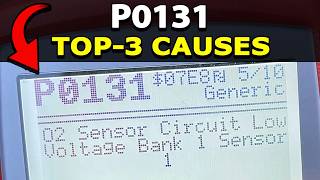
On a 2007-2012 Kia Rondo, code P0131 almost always means the upstream oxygen sensor (Bank 1, Sensor 1) has failed. Replacing this sensor is the most common fix. Expect to pay $40-$80 for an aftermarket sensor and $120-$200 for an OEM part. It is a straightforward DIY repair, but an O2 sensor socket is highly recommended.
- P0131 on a Kia Rondo points directly to the upstream oxygen sensor (Bank 1, Sensor 1).
- The most probable fix is replacing this sensor. Before buying, use a scanner's live data to confirm the sensor's voltage is stuck low.
- Always perform a quick visual inspection of the sensor's wiring for melting or damage before replacing the part.
- An oxygen sensor socket is highly recommended to make the replacement job much easier.
- Do not confuse the upstream (Sensor 1) with the downstream (Sensor 2); replacing the wrong one will not fix the problem.
- On V6 models, Bank 1 is the cylinder bank closer to the firewall.
What's Unique About the 2007-2012 Kia Rondo
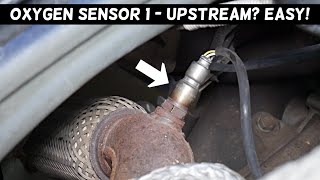
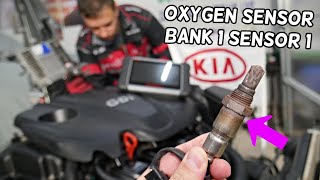
The 2007-2012 Kia Rondo was offered with either a 2.4L 'Theta II' I4 or a 2.7L 'Mu' V6 engine. While the meaning of P0131 is the same for both, the sensor layout differs. The 2.4L has one bank with two sensors (one upstream, one downstream). The V6 has two banks, with the front bank (Bank 2) near the radiator and the rear bank (Bank 1) near the firewall. P0131 specifically points to the upstream sensor on Bank 1, which is the rear bank on the V6, making it slightly more difficult to access 🎬 See this Bank 1 Sensor 1 replacement walkthrough than on the 4-cylinder model.
Symptoms You May Notice
- Check Engine Light is illuminated
- Decreased fuel economy
- Rough or unstable idling
- Engine hesitation on acceleration
- Strong smell of sulfur or "rotten eggs" from the exhaust
- Black smoke from the exhaust under acceleration
- Replacing the downstream oxygen sensor (Bank 1, Sensor 2) instead of the upstream one. P0131 is specific to Sensor 1.
- Replacing the catalytic converter. A failing converter typically causes code P0420 and is a result of long-term issues like a bad O2 sensor, not the cause of P0131.
- Replacing the sensor without checking the wiring first. A melted wire or damaged connector can mimic the symptoms of a failed sensor.
Most Likely Causes
- Failed Upstream Oxygen Sensor (Bank 1, Sensor 1) 🔴 High Probability → Shop Oxygen Sensor Oxygen sensors are consumable parts that degrade over time from constant exposure to high-temperature exhaust gases, typically lasting 60,000 to 100,000 miles. Contamination from coolant or oil can also shorten their lifespan.
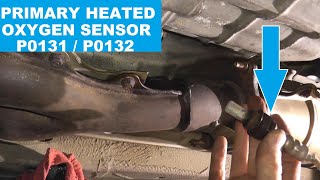
How to confirm: Use an OBD-II scanner to monitor the live data for the Bank 1 Sensor 1 O2 sensor. A healthy sensor's voltage should fluctuate rapidly between approximately 0.1V and 0.9V. A sensor that is stuck or flatlined below 0.2V confirms 🎬 Watch: How to fix a P0131 low voltage code the failure. You can also test the sensor's internal heater circuit with a multimeter; the two wires of the same color should have a specific resistance according to the service manual. 🎬 Watch: How to test and replace a heated oxygen sensor
Typical fix: Replace the upstream oxygen sensor (Bank 1, Sensor 1). Soaking the sensor threads with penetrating oil before removal is highly recommended as they are often seized.
Est. part cost: $40-$200 - Damaged Wiring or Connectors 🟡 Medium Probability The sensor wiring is located near the hot exhaust manifold, making it susceptible to melting, chafing, or corrosion over time. The plastic connector can also become brittle and break.
How to confirm: Visually inspect the entire wiring harness from the O2 sensor to the main engine harness. Look for any signs of melted plastic, frayed wires, or corroded pins in the connector. Wiggle the connector and wiring with the engine running while watching live data to see if the voltage reading changes.
Typical fix: Repair the damaged section of wire or replace the connector pigtail.
Est. part cost: $10-$30 - Exhaust Leak ⚪ Low Probability Rust or failed gaskets can cause leaks at the exhaust manifold or flange connections, especially in regions that use road salt. This allows outside air to be drawn in, which the O2 sensor interprets as a lean condition.
How to confirm: Listen for a ticking or hissing sound from the engine bay, especially when the engine is cold. You can also use a smoke machine to introduce smoke into the exhaust system and watch for where it escapes. A visual inspection may reveal black soot trails around a leaking gasket or crack.
Typical fix: Replace the leaking gasket or repair the cracked exhaust component.
Est. part cost: $20-$100
Rare But Worth Checking
- Low Fuel Pressure: If the engine is genuinely running lean due to a weak fuel pump or clogged filter, the O2 sensor will correctly report low voltage. This would typically be accompanied by other codes (like P0171) or more severe drivability issues like stalling or hard starting.
- Engine Vacuum Leak: A significant vacuum leak from a cracked hose or bad intake gasket can introduce unmetered air, causing a lean condition that the O2 sensor will detect. This usually triggers lean codes like P0171 as well.
- Faulty Powertrain Control Module (PCM): This is extremely rare. A failure in the PCM's internal driver for the O2 sensor circuit can cause a P0131 code. This should only be considered after all other possibilities have been exhaustively ruled out.
Diagnosis Steps
- Connect an OBD-II scanner and confirm that P0131 is the primary code. Document any other codes present.
- View the live data stream for the 'O2S B1S1' (Bank 1, Sensor 1).
- Observe the voltage. A healthy sensor will fluctuate rapidly between ~0.1V and 0.9V. If the voltage is stuck below 0.2V, the sensor is likely faulty or there's a wiring/exhaust leak issue.
- Create a vacuum leak by pulling off a vacuum hose to see if the sensor voltage responds and goes high. Conversely, create a rich condition by adding propane to the intake to see if the voltage drops. A sensor that doesn't respond is likely bad.
- Turn the engine off and allow the exhaust to cool.
- Locate the Bank 1, Sensor 1 O2 sensor. On the 2.4L and 2.7L engines, it is in the exhaust manifold before the catalytic converter.
- Thoroughly inspect the sensor's wiring and connector for any signs of melting, corrosion, or physical damage. Ensure the connector is securely plugged in.
- Check for any audible exhaust leaks near the exhaust manifold. Look for soot tracking around gaskets.
- If wiring and exhaust integrity are confirmed, and the live data was flat or unresponsive, the oxygen sensor is the most likely culprit and should be replaced.
Parts You'll Likely Need
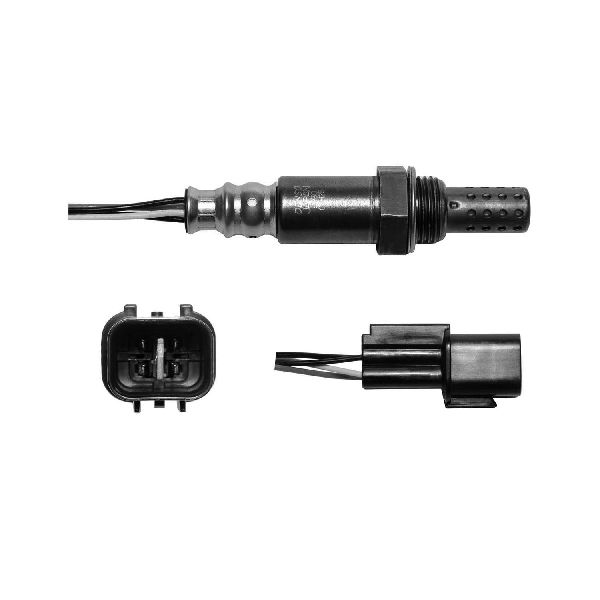
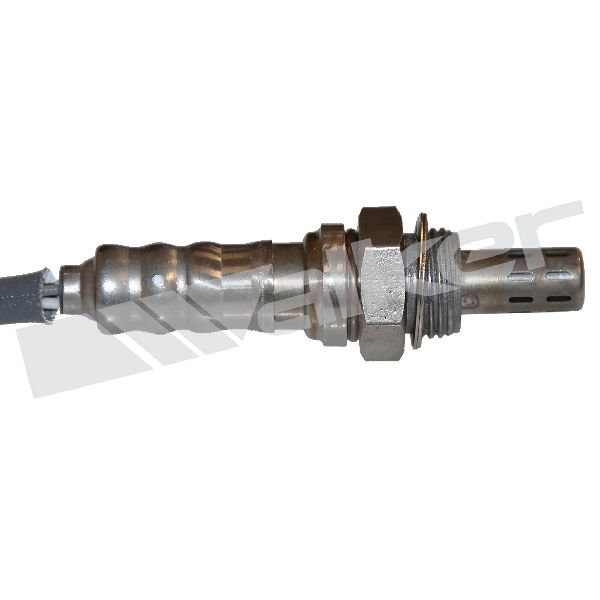
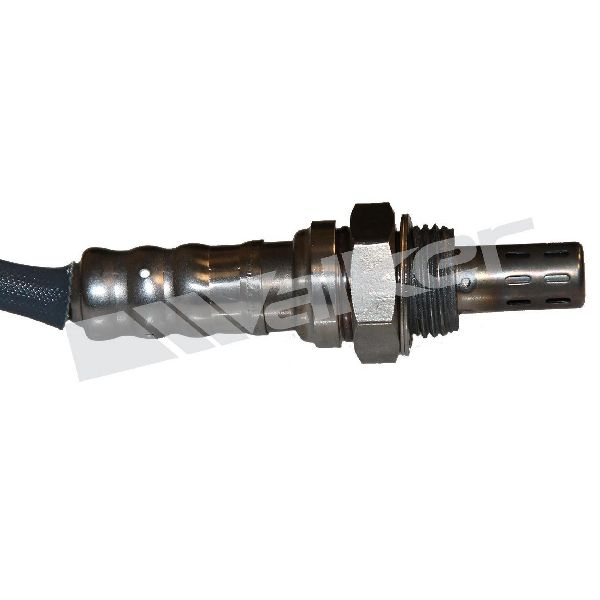
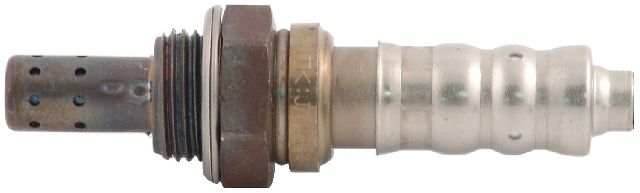
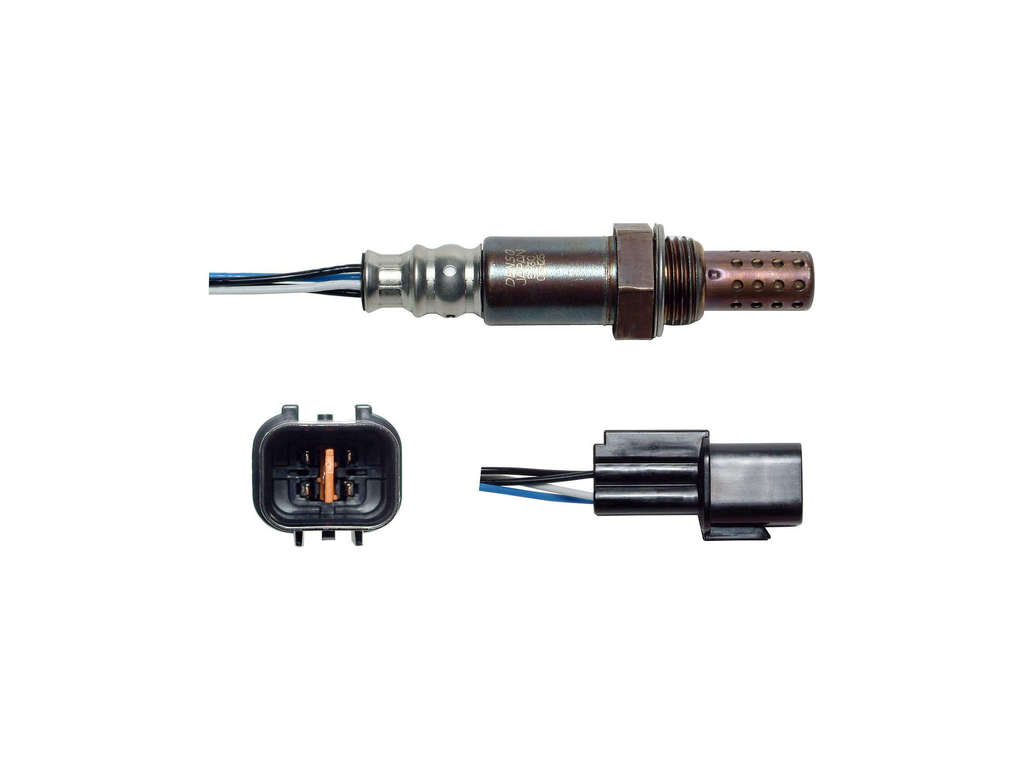
- Upstream Oxygen Sensor (Bank 1, Sensor 1)
(OEM #39210-2G100 (for 2.4L I4) or 39210-3E120 (for 2.7L V6, Bank 1))— This sensor is the most common point of failure for a P0131 code due to age and harsh operating conditions.
Trusted brands: Denso, NGK/NTK, Bosch, Walker Products
OEM price range: $120-$200
Aftermarket price range: $40-$80 - Oxygen Sensor Socket Set — This specialized tool has a slot for the wire, making removal and installation of the O2 sensor much easier, especially in tight spaces.
Trusted brands: Lisle, OEMTools, GearWrench
Aftermarket price range: $15-$40
Related Codes That Often Appear With This One
- P0171 — If there is a legitimate lean condition (like a vacuum or exhaust leak) causing the low O2 sensor voltage, a System Too Lean (Bank 1) code may also be present.
- P0130 — This is a general O2 Sensor Circuit Malfunction code and can sometimes appear with the more specific P0131.
- P0135 — This code indicates a malfunction in the O2 sensor's heater circuit. Since a faulty heater can prevent the sensor from reaching operating temperature and producing a correct voltage, this code often appears alongside P0131 when the sensor itself has failed internally.
Mechanic-Grade Diagnostic Values
- Upstream O2 Sensor (B1S1) Heater Resistance — expected: 2.5 to 15 Ohms at ambient temperature.. Failure: A reading of infinite resistance (OL) indicates an open circuit (burned out heater). A reading near zero Ohms indicates a short circuit. Both require sensor replacement.
- Short-Term (STFT) & Long-Term (LTFT) Fuel Trims — expected: Fluctuating near 0% at idle on a healthy, warm engine. Total trim (STFT + LTFT) should be within +/- 10%.. Failure: If P0131 is from a bad sensor stuck low, the PCM will add fuel, causing fuel trims to become highly positive (e.g., +15% or more). If trims are normal or negative while the O2 sensor reads low, the sensor or its wiring is faulty.
- O2 Sensor Signal Wire Voltage (Key On, Engine Off) — expected: Approximately 0.45V. This is the bias voltage supplied by the PCM.. Failure: A reading near 0V suggests a short to ground in the signal wire or a faulty PCM. A reading near 5V indicates a short to power.
Scan Tool Commands That Help
- Kia GDS (Global Diagnostic System): Resetting Adaptive Values — After replacing an oxygen sensor or fixing a major vacuum/exhaust leak, it can be beneficial to reset the learned fuel trim values. This forces the ECM to relearn the fuel strategy immediately with the new sensor data, which can resolve lingering performance issues.
- Kia GDS (Global Diagnostic System): Actuation Test — While there isn't a direct actuation test for the O2 sensor itself, the GDS can be used to command other components like fuel injectors or the purge control solenoid valve. A technician can use these commands to force a rich or lean condition and observe the O2 sensor's live data response to confirm if it is functioning correctly.
Wiring & Ground Locations
- Engine Block to Chassis Ground — Typically a braided strap or thick black cable connecting the engine block or transmission housing directly to the vehicle's chassis/frame, often near the battery tray or strut tower.. A poor engine ground can create a voltage offset and introduce electrical noise into sensor circuits, including the O2 sensor, leading to incorrect readings and false codes. This is a critical connection for all engine sensors.
- O2 Sensor Connector (Upstream) — On the 2.4L, it's attached to a bracket at the rear of the engine near the firewall. On the 2.7L (Bank 1), it's also near the firewall, attached to the rear cylinder head/exhaust manifold heat shield.. This is the primary point for testing the sensor and the vehicle-side harness. Typical Kia wire colors for a 4-wire sensor of this era are: two black wires for the heater circuit, a blue or black wire for the signal, and a white or gray wire for the signal ground.
Real Owner Repair Stories
- Hyundai-Forums user (2009 Hyundai Sonata 2.4L (same Theta II engine)) — Persistent P0131 code, poor fuel economy.
❌ Tried (didn't work) Replaced the upstream (Bank 1, Sensor 1) oxygen sensor with a new aftermarket part.
✅ What actually fixed it The code returned shortly after replacing the sensor. A second, more thorough inspection revealed a very small crack and resulting exhaust leak at the weld on the exhaust manifold flange, just before the O2 sensor. The leak was almost impossible to see and was only found with a smoke test. Replacing the exhaust manifold gasket and ensuring a proper seal at the flange finally resolved the P0131 code.
OEM Part Supersession History
39210-2G100 (for 2.4L I4)→39210-2G150— Standard part revision for improved performance, durability, or change in manufacturer.
Heads up: The new part number is a direct replacement and is fully compatible with all 2007-2012 2.4L models.
Diagnostic Flowchart
Other Known Issues on This Vehicle
Issues unrelated to this code that are worth knowing about as an owner of this generation:
- Front Subframe / Rear Cross-Member Corrosion 🔴 High — Common in regions with road salt usage. Can become structurally unsafe. A known issue is the A/C drain dripping directly onto the subframe, accelerating rust. (Ref: Service Campaigns SC093, SC122 (anti-corrosion application).)
- Clock Spring Failure 🔴 High — Widespread enough to warrant a recall. Leads to airbag warning light and potential non-deployment of the driver's airbag. (Ref: NHTSA Recall 12V014000 (Campaign SC094).)
- Malfunctioning Stop Lamp Switch 🟠 Medium — Common issue leading to brake lights not working or staying on, and can prevent shifting out of Park. (Ref: NHTSA Recall 13V114000.)
- Automatic Transmission Problems 🟠 Medium — Some owners report harsh shifting, failure to go into reverse, or premature transmission failure.
- HECU Electrical Short Fire Risk 🔴 High — Part of a massive Kia/Hyundai recall. An electrical short in the Hydraulic Electronic Control Unit can cause a fire while parked or driving. (Ref: NHTSA Recall 23V652000.)
Used vs. New Parts: Buying Guide for This Vehicle
When a used part is the smart pick: It is never recommended to buy a used oxygen sensor. They are a wear-and-tear item with a finite lifespan, and a used part from a junkyard has an unknown history and is likely near the end of its service life.
What to inspect on the donor part:
- Not applicable as used parts are not recommended.
OEM-only on this vehicle (don't cheap out):
- While not strictly 'OEM-only', using a high-quality aftermarket sensor from an OEM supplier is critical. Cheap, no-name brand sensors are known to fail prematurely or have incorrect resistance values, causing the P0131 code to return.
Aftermarket brands forum-validated for this vehicle:
- Denso
- NGK/NTK
Brands owners have reported issues with on this vehicle:
- Avoid generic, unbranded 'universal' sensors that require splicing wires. A direct-fit sensor is strongly recommended for proper operation.
Real Owner Stories
Aggregated from forums and TSBs cited above. Mileages and costs reflect what owners reported in those sources.
2007 Kia Rondo — 90000 miles
Symptoms: While driving approximately 40 mph with the accelerator pedal depressed, the vehicle jerked abruptly and the vehicle continued to move forward at a slower speed.
What fixed it: The technician diagnosed that the wheel speed and oxygen sensors failed and needed to be replaced. The vehicle was repaired.
Source hint: CarComplaints.com complaint #16 for 2007 Kia Rondo
Related OBD-II Codes
Frequently Asked Questions
I have a 2007 Kia Rondo and the car jerked abruptly while driving 40 mph; could this be related to P0131?
Is there a recall for the oxygen sensor on my 2007-2012 Kia Rondo?
Where is the Bank 1 Sensor 1 located on the Rondo's 2.4L or 2.7L engine?
Can I use a used oxygen sensor from a donor Kia Optima or Hyundai Sonata to fix P0131?
Could road salt in my area be causing this P0131 code on my Rondo?
Does the anti-corrosion service campaign (SC093/SC122) address the exhaust leaks causing P0131?
Helpful Videos
We Have This Part in Stock


The information in this article is provided for general reference and educational purposes only. Vehicle specifications, procedures, and part compatibility can vary by production date, trim level, and region. Always consult your vehicle's factory service manual and verify part numbers before purchasing or performing repairs. Safety-critical components such as airbags, seat belts, and braking systems should be installed by a qualified professional.
- Kia Rondo:
- 🧭 Diagnostic Flowchart
- 🎬 Helpful Videos
- 🛍️ Shop This Part
- What's Unique About the 2007-2012 Kia Rondo
- Symptoms You May Notice
- Most Likely Causes
- Rare But Worth Checking
- Diagnosis Steps
- Parts You'll Likely Need
- Related Codes That Often Appear With This One
- Mechanic-Grade Diagnostic Values
- Scan Tool Commands That Help
- Wiring & Ground Locations
- Real Owner Repair Stories
- OEM Part Supersession History
- Other Known Issues on This Vehicle
- Used vs. New Parts: Buying Guide for This Vehicle
- Real Owner Stories
- 2007 Kia Rondo — 90000 miles
- Related OBD-II Codes
- Frequently Asked Questions
- 🎟️ Get 5% Off