

P0131 on 2004-2009 Mazda 3 2.0L/2.3L: Upstream O2 Sensor Low Voltage Causes & Fixes
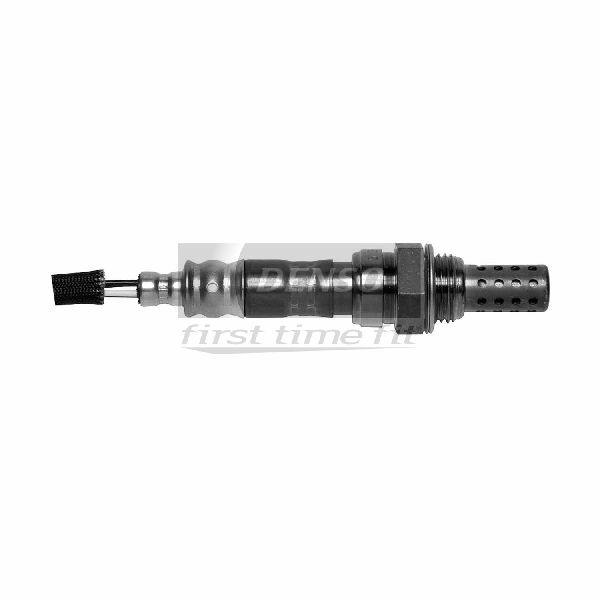
On a first-generation Mazda 3, code P0131 almost always points to a failed upstream oxygen sensor (also called an air-fuel ratio sensor). Replacing this sensor, located in the exhaust manifold, is the most common fix. Before replacement, check for a known wiring harness chafe point near a mounting bracket. Expect to pay $70-$150 for a quality aftermarket sensor (like Denso 234-5015) and $200+ for an OEM part.
- P0131 on your Mazda 3 almost certainly means the upstream oxygen sensor (in the exhaust manifold) has failed or its wiring is damaged.
- **Before buying a new sensor**, inspect the wiring harness where it passes a metal bracket for chafing, as this is a known cause for this code.
- Check for other codes like P0134 or P2251, which further confirm a sensor or circuit issue.
- Replacing the sensor is a manageable DIY job, but the original sensor can be seized in place. Use plenty of penetrating oil beforehand and have an O2 sensor socket ready.
- Use a quality replacement sensor from a reputable brand like Denso (p/n 234-5015 is a common choice) or NTK to avoid premature failure.
What's Unique About the 2004-2009 Mazda 3
The first-generation Mazda 3 (2004-2009) uses a relatively straightforward engine management system. Unlike some later, more complex vehicles, the P0131 code on this platform is rarely caused by obscure software glitches or deep electronic issues. The diagnosis is typically direct, focusing on the sensor itself, its wiring, or physical exhaust leaks. Owners report that the most common culprit is simply an aged air-fuel ratio sensor reaching the end of its service life. A known issue also exists where the sensor's wiring harness can rub against a metal bracket, causing a short and triggering the code.
Symptoms You May Notice
- Check Engine Light illuminated
- Reduced fuel economy
- Rough or unstable idle
- Engine hesitation or lack of power, especially when accelerating from a stop
- Noticeable smell of gasoline from the exhaust (due to the PCM overcompensating for a perceived lean condition)
- Intermittent stalling in some cases
- Replacing the downstream (Bank 1, Sensor 2) oxygen sensor. Sensor 2 is located after the catalytic converter and monitors its efficiency; it does not affect the air-fuel mixture and will not fix a P0131 code.
- Replacing the sensor with a cheap, no-name aftermarket part. Many owners report these fail quickly or are not calibrated correctly, causing the code to return.
Most Likely Causes
- Failed Upstream Oxygen (Air/Fuel Ratio) Sensor 🔴 High Probability → Shop Oxygen Sensor Oxygen sensors are a maintenance item with a finite lifespan, typically 70,000-100,000 miles. Given the age of this vehicle platform, many original sensors are now failing due to heat cycles and contamination.
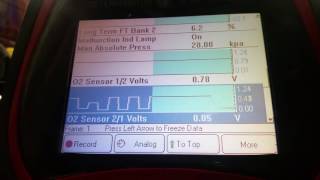
How to confirm: Using a scan tool, observe the live data for 'O2S11'. If the voltage is stuck low (e.g., < 0.2V) and does not fluctuate during engine operation, the sensor has likely failed. A healthy sensor's voltage should fluctuate rapidly. The code is often accompanied by P0134 and/or P2251, further pointing to a dead sensor.
Typical fix: Replace the Bank 1, Sensor 1 Air/Fuel Ratio Sensor. Owners strongly recommend using a quality OEM or Denso/NTK replacement, as cheaper brands are reported to fail quickly.
Est. part cost: $70-$180 - Damaged Wiring or Connector 🟡 Medium Probability There is a known issue where the A/F sensor harness can rub against a metal bracket, chafing the wires and causing a short. The harness can also be damaged by contact with the hot exhaust manifold.
How to confirm: Visually inspect the sensor's wiring harness from the sensor to the main engine harness. Pay close attention to the area where the harness passes a metal retaining bracket. Look for chafing, melting, or corrosion on the connector pins.
Typical fix: If chafed, repair the damaged wires and re-route or bend the bracket away to create clearance. If the connector is damaged, replace the pigtail.
Est. part cost: $15-$50 - Exhaust Leak ⚪ Low Probability Corrosion over time can cause cracks in the exhaust manifold or failure of the manifold gasket, allowing unmetered air to enter the exhaust stream before the sensor. This extra oxygen makes the sensor report a lean (low voltage) condition.
How to confirm: Visually inspect the exhaust manifold and surrounding area for black soot trails, which indicate a leak. Listen for a 'ticking' or 'hissing' sound from the engine bay, especially when the engine is cold. A shop can perform a smoke test to confirm.
Typical fix: Repair the crack (if possible) or replace the faulty exhaust component (e.g., exhaust manifold, gasket).
Est. part cost: $20-$400
Rare But Worth Checking
- Low Fuel Pressure: A failing fuel pump or clogged fuel filter can create a lean condition, which the O2 sensor will correctly report. This would typically be accompanied by other codes or more severe drivability issues.
- Faulty Mass Airflow (MAF) Sensor: → Shop Fuel Injection Air Flow Meter A dirty or failing MAF sensor can under-report the amount of air entering the engine, causing the PCM to command less fuel and creating a lean condition. Cleaning the MAF sensor is a common preliminary step.
- Faulty Powertrain Control Module (PCM): This is extremely rare. The PCM should only be considered after all other possibilities, including sensors, wiring, and mechanical issues, have been definitively ruled out.
Diagnosis Steps
- Connect an OBD-II scanner and confirm the presence of P0131. Note any other codes, such as P0134 or P2251, as they reinforce the diagnosis.
- Turn the vehicle off. Open the hood and locate the upstream O2 sensor (Bank 1, Sensor 1). It is screwed directly into the exhaust manifold, easily visible at the front or back of the engine.
- Crucial Step: Carefully inspect the sensor's wiring harness. Follow it from the sensor to its connector. Look for a metal bracket that the harness passes. Check this area thoroughly for signs of rubbing or chafing, as this is a known failure point. Also check for any signs of melting from contact with the exhaust.
- Inspect the exhaust manifold for cracks or black soot marks, which would indicate an exhaust leak before the sensor.
- If wiring and exhaust look good, start the engine and use the scanner's live data function to monitor the voltage of 'O2S11' (Bank 1 Sensor 1).
- A healthy sensor's voltage should fluctuate rapidly. If the voltage is stuck low (e.g., < 0.2V) and does not respond when you rev the engine, the sensor is the primary suspect.
- Pro Tip for Removal: The original sensor is often seized in the manifold. Spray the threads with a quality penetrating oil (like PB Blaster) the night before you plan to do the work. Let the engine run for a minute to warm the manifold slightly (not hot enough to burn you) can also help break it loose.
- Use a 22mm or 7/8" O2 sensor socket, which has a slot for the wire. A breaker bar may be necessary. 🎬 Watch: Step-by-step guide to replacing the Mazda 3 O2 sensor
- If the wiring is good and there are no exhaust leaks, replace the upstream oxygen (air/fuel ratio) sensor with a quality replacement.
Parts You'll Likely Need
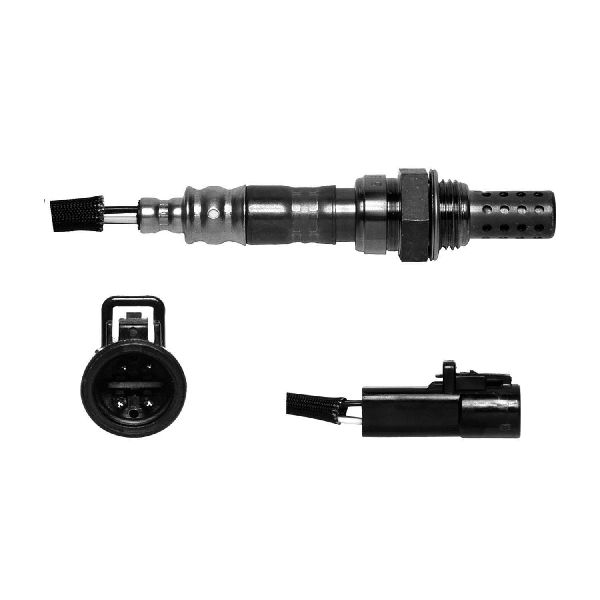
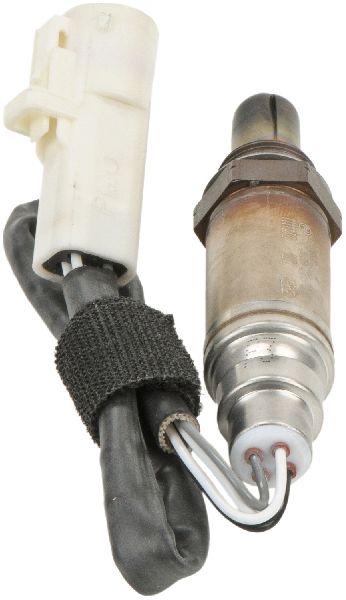
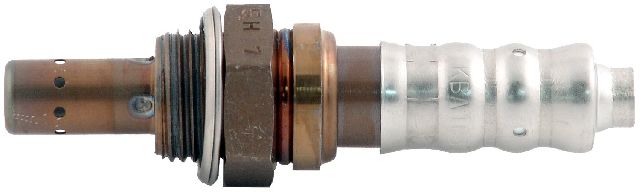
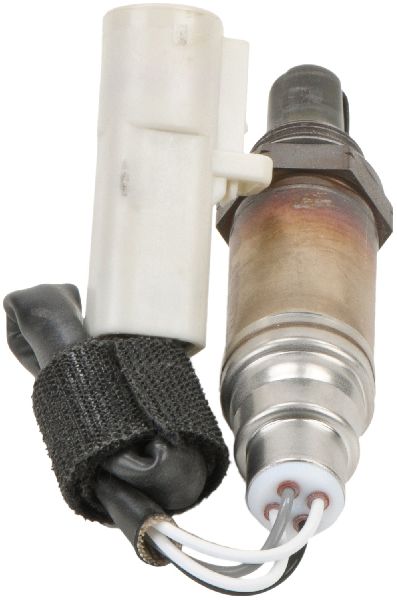
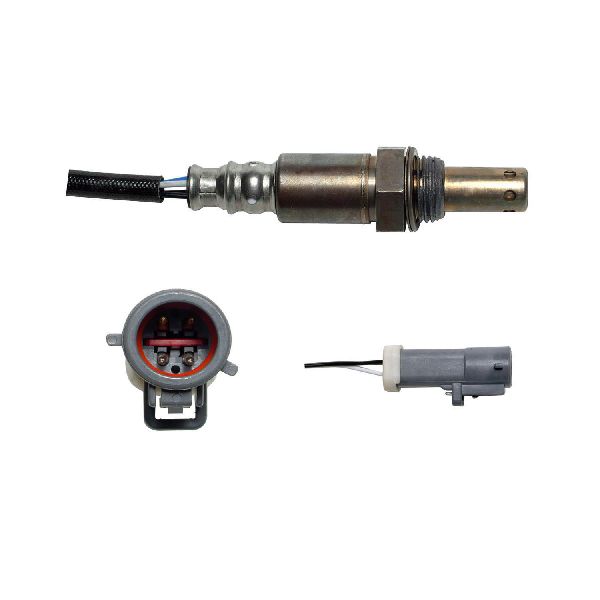
- Upstream Air/Fuel Ratio Sensor
(OEM #LFL7-18-8G1B (supersedes LF8R-18-8G1A, LFL7-18-8G1A))— This is the sensor that generates the voltage reading for code P0131. Due to age and heat cycles, it is the most common failure point for this code. There are several OEM part numbers and supersessions.
Trusted brands: Denso (OEM supplier, highly recommended), NGK/NTK, Bosch
OEM price range: $200-$280
Aftermarket price range: $70-$180
Related Codes That Often Appear With This One
- P0134 — Stands for 'O2 Sensor Circuit No Activity Detected'. This often appears alongside P0131 when the sensor has completely failed and is not sending any signal at all.
- P2251 — Stands for 'O2 Sensor Negative Current Control Circuit/Open'. This is another circuit-related code that points directly to a problem with the sensor or its wiring harness. Seeing P0131 and P2251 together strongly suggests 🎬 See this DIY walkthrough for replacing the upstream sensor a failed sensor or a wiring issue.
Technical Service Bulletins (TSBs) & Recalls
- TSB 01-015/10: Recommends checking the front air/fuel ratio sensor harness for chafing against a bracket, which can cause P0131/P2251. The fix involves repairing the harness and bending the bracket for clearance.
Platform-Specific Known Issues
- Wiring Harness Chafing: A Technical Service Bulletin (01-015/10) and numerous owner reports indicate that the front A/F sensor wiring harness can rub against a nearby metal bracket. Over time, this can wear through the insulation, causing a short circuit and triggering codes P0131 and P2251. The recommended fix is to inspect the harness, repair any damage, and bend the bracket away to provide clearance before replacing the sensor.
Mechanic-Grade Diagnostic Values
- A/F Sensor Signal Circuit Resistance — expected: Below 1.0 Ω. Failure: Resistance above 1.0 Ω indicates a short or high resistance in the harness between the sensor connector and the PCM.
- A/F Sensor Live Data Voltage (O2S11) — expected: Rapidly fluctuating between approximately 0.1V and 0.9V.. Failure: Voltage is stuck low (consistently below 0.2V) and does not respond to engine speed changes.
Wiring & Ground Locations
- Front O2 Sensor Signal (PCM Pin 2Z) — Pin 2Z on the Powertrain Control Module (PCM) connector.. This is the primary signal wire from the upstream A/F sensor. Testing for continuity and shorts at this pin can isolate a wiring problem from a sensor failure.
- Front O2 Sensor Signal (PCM Pin 2AD) — Pin 2AD on the Powertrain Control Module (PCM) connector.. This is another signal wire for the upstream A/F sensor. It should be checked along with pin 2Z.
- Front O2 Sensor Ground (PCM Pin 2BG) — Pin 2BG on the Powertrain Control Module (PCM) connector.. This is the ground reference for the front O2 sensor. A bad connection here can cause erratic readings.
- Main Engine/Chassis Grounds — Key grounding points include: from the negative battery terminal to the driver-side fender/strut tower, from the engine block/head to the chassis, and grounds on the transmission housing.. A poor main engine ground can cause a variety of electrical issues, including incorrect sensor readings. The PCM relies on a stable ground reference for all its sensors, and a voltage drop across a bad ground can mimic a sensor fault.
Real Owner Repair Stories
- Mazda Forum User (2006 Mazda 3s, 2.3L, 142k miles) — Rough idle, delayed acceleration, and codes P0131, P2251, and P0661.
❌ Tried (didn't work) Cleaning the throttle body.
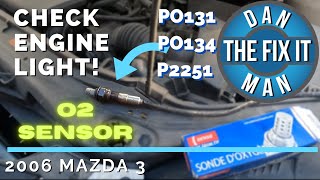
✅ What actually fixed it The user was advised that the combination of P0131 and P2251 strongly points to either a failed sensor or a wiring harness issue. The final resolution was not posted, but the clear diagnosis path was to replace the sensor and, if that failed, to perform a resistance check on the harness between the sensor connector and the PCM, looking for a value below 1 ohm. - YouTube video by 'dan the fix it man' (2006 Mazda 3) — Check Engine Light with codes P0131, P0134, and P2251.
❌ Tried (didn't work) The user directly diagnosed the issue as the sensor based on the combination of codes.
✅ What actually fixed it Replaced the upstream oxygen sensor (Bank 1, Sensor 1) with a Denso part (234-5015). The user noted that after inspecting the wiring and finding no damage, the sensor itself was the most likely culprit. After replacement and clearing the codes, the Check Engine Light went off.
Model Year Variations Within This Range
- 2004-2009: Within this generation, vehicles could be built to Federal (EPA) or California (CARB/PZEV) emissions standards. This is not strictly tied to the year but to the original configuration of the car. The VECI label under the hood is the only definitive way to know. A vehicle with California emissions will explicitly state it conforms to California regulations. Using the wrong sensor type (Federal vs. California) can cause this code to appear even with a new part.
Diagnostic Flowchart
Real Owner Stories
Aggregated from forums and TSBs cited above. Mileages and costs reflect what owners reported in those sources.
2007 Mazda 5 — 184000 miles
Symptoms: Check Engine Light (CEL) on, codes P0131 and P2177. Codes returned within a day of being cleared.
What fixed it: Used a 'shotgun approach': cleaned/recharged K&N air filter, cleaned MAF sensor, cleaned throttle body, and replaced the upstream O2 sensor with a Kwiksen 234-4396 from Amazon.
Cost: <$50
Source hint: Mazdas247 forum thread 'SOLVED P0131 and P2177 | Mazdas247'
2006 Mazda 3
Symptoms: Check Engine Light on with codes P0131, P0134, and P251. The Check Engine Light would turn on after a short drive after the owner had cleared the codes.
What fixed it: Checked the wiring and the connector to make sure there were no wires burned or damage to the electrical harness, then replaced the Air/Fuel Ratio Sensor (Oxygen Sensor).
Source hint: YouTube comment by 'Dan the Fix it Man'
Related OBD-II Codes
Frequently Asked Questions
Does TSB 01-015/10 apply to my Mazda 3 for code P0131?
What brand of oxygen sensor should I use to fix P0131 on my 2004-2009 Mazda 3?
Why am I smelling gas from the exhaust with a P0131 code?
Can an exhaust leak cause a P0131 on my 2.0L/2.3L engine?
How do I remove a seized upstream O2 sensor on this engine?
Helpful Videos
We Have This Part in Stock

The information in this article is provided for general reference and educational purposes only. Vehicle specifications, procedures, and part compatibility can vary by production date, trim level, and region. Always consult your vehicle's factory service manual and verify part numbers before purchasing or performing repairs. Safety-critical components such as airbags, seat belts, and braking systems should be installed by a qualified professional.
- Mazda 3:
- 🧭 Diagnostic Flowchart
- 🎬 Helpful Videos
- 🛍️ Shop This Part
- What's Unique About the 2004-2009 Mazda 3
- Symptoms You May Notice
- Most Likely Causes
- Rare But Worth Checking
- Diagnosis Steps
- Parts You'll Likely Need
- Related Codes That Often Appear With This One
- Technical Service Bulletins (TSBs) & Recalls
- Platform-Specific Known Issues
- Mechanic-Grade Diagnostic Values
- Wiring & Ground Locations
- Real Owner Repair Stories
- Model Year Variations Within This Range
- Real Owner Stories
- 2007 Mazda 5 — 184000 miles
- 2006 Mazda 3
- Related OBD-II Codes
- Frequently Asked Questions
- 🎟️ Get 5% Off