

P0131 on 2006-2010 Mazda 5: Upstream O2 Sensor Causes and Fixes
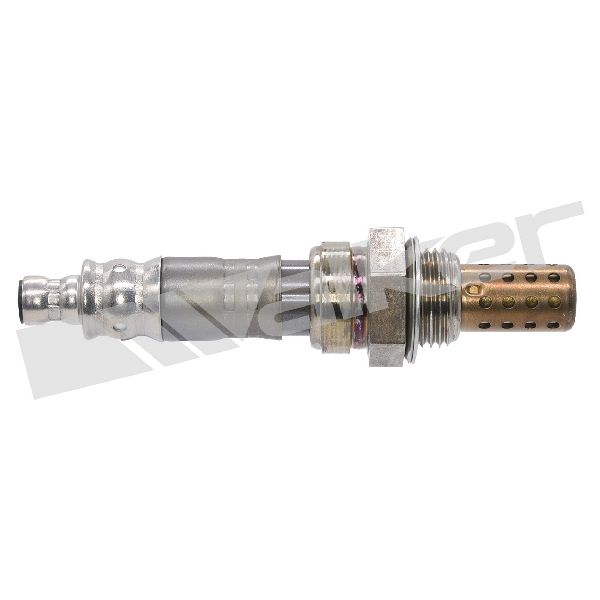
This code almost always points to a failed upstream oxygen (O2) sensor, also known as an Air/Fuel Ratio sensor. On the 2006-2010 Mazda 5, this is a common failure item. Replacing the sensor (e.g., Denso 234-5015) is the most likely fix, costing around $70-$150 for a quality aftermarket part and is a straightforward DIY job with a 22mm O2 sensor socket. Before replacing, inspect for vacuum leaks, especially from the PCV hose.
- P0131 on a 2006-2010 Mazda 5 almost always indicates a problem with the upstream Air/Fuel Ratio sensor (Bank 1, Sensor 1).
- The most probable solution is to replace the upstream O2 sensor with a quality aftermarket part like Denso 234-5015 or NTK 24329.
- Before replacing the sensor, always inspect its wiring for damage and check for vacuum leaks (especially the PCV system) and exhaust leaks.
- If code P2177 is also present, a vacuum leak becomes a stronger possibility, but it can also be caused by the failed sensor itself.
- This is a manageable DIY repair for most home mechanics with the proper 22mm (7/8") O2 sensor socket and penetrating oil.
What's Unique About the 2006-2010 Mazda 5
The first-generation Mazda 5 with the 2.3L MZR engine is generally reliable, but like its platform-mate, the Mazda 3, the upstream A/F sensor is a common wear-and-tear item. There are no major platform-specific design flaws that cause this code; it's typically just the sensor reaching the end of its service life. Owners often report this code appearing alongside P2177 (System Too Lean Off Idle). This combination often points directly to the failed sensor, but can also be caused by a significant vacuum leak, with the PCV valve and hose being a known weak point on this engine.
Symptoms You May Notice
- Check Engine Light is on
- Reduced fuel economy
- Rough or unstable idle
- Hesitation or stumbling during acceleration
- A strong smell of sulfur ('rotten egg') from the exhaust.
- Replacing the downstream (Sensor 2) O2 sensor instead of the upstream (Sensor 1) sensor.
- Replacing the catalytic converter when the issue is simply a sensor providing bad data.
- Replacing the O2 sensor when the root cause is a significant vacuum leak from a component like the PCV hose.
Most Likely Causes
- Failed Upstream Oxygen (A/F) Sensor 🔴 High Probability → Shop Oxygen Sensor The sensor is a wear-and-tear component that degrades over time from heat and exhaust contaminants. It's the most common reason for P0131 on a vehicle of this age, a known issue shared with the Mazda 3.
How to confirm: Use a scan tool to monitor the live data for Bank 1 Sensor 1. On many Mazda vehicles, this is read in milliamps (mA), not volts. A healthy sensor will show readings fluctuating around 0 mA at idle and steady RPMs. If the reading is stuck high or low and unresponsive, the sensor has likely failed. You can also check the heater circuit resistance, which should be low (typically 2-15 ohms).
Typical fix: Replace the upstream Air/Fuel Ratio sensor (Bank 1, Sensor 1). Using a quality brand like Denso or NTK is highly recommended to avoid premature failure.
Est. part cost: $70-$150 - Vacuum Leak 🟡 Medium Probability Aging rubber hoses and intake gaskets crack, allowing unmetered air to enter the engine. The PCV valve and its hose, located under the intake manifold, are very common failure points on the 2.3L MZR engine that cause lean conditions.
How to confirm: The engine may have a high or wandering idle and you may hear a hissing sound. Check long-term fuel trims (LTFT) with a scan tool; values consistently above +10% suggest a vacuum leak. A smoke test is the most effective way to pinpoint the leak's source.
Typical fix: Replace the cracked hose (especially the PCV hose) or failed gasket.
Est. part cost: $15-$75 - Damaged Wiring or Connectors ⚪ Low Probability The wiring harness for the O2 sensor is close to the hot exhaust and can become brittle or melted. On the Mazda 3 platform-mate, there is a known issue where the harness can chafe on a metal bracket, causing a short.
How to confirm: Visually inspect the entire wiring harness from the O2 sensor to the main engine harness. Check for melted plastic, frayed wires, or corrosion inside the connector plug. Perform a continuity test from the sensor connector to the PCM connector pins.
Typical fix: Repair the damaged section of wire or replace the connector pigtail.
Est. part cost: $10-$30 - Exhaust Leak Before the O2 Sensor ⚪ Low Probability → Shop Oxygen Sensor Rust or a failed gasket on the exhaust manifold or the flex pipe can allow outside air to be drawn into the exhaust stream, falsely indicating a lean condition.
How to confirm: Listen for a ticking or puffing noise from the engine bay, especially when the engine is cold. A visual inspection may reveal black soot marks around the leak.
Typical fix: Replace the leaking gasket or repair/replace the cracked exhaust component.
Est. part cost: $20-$200
Rare But Worth Checking
- Low Fuel Pressure: If the engine is genuinely running lean due to a weak fuel pump or clogged filter, the O2 sensor will accurately report low voltage. This would typically be accompanied by other lean codes (like P2177) and noticeable performance issues.
- Faulty Mass Airflow (MAF) Sensor: → Shop Fuel Injection Air Flow Meter A dirty or failing MAF sensor can under-report the amount of air entering the engine, causing the PCM to inject too little fuel. Cleaning the MAF sensor with a dedicated cleaner is a common diagnostic step when lean codes are present.
Diagnosis Steps
- Connect an OBD-II scanner and confirm P0131 is the active code. Note any other codes present, especially P2177 or P2251.
- Using the scanner's live data, monitor 'O2S11' (Bank 1, Sensor 1). For this Mazda, the reading is often in milliamps (mA). A healthy sensor fluctuates slightly around 0 mA at idle and returns to 0 mA at a steady 2500 RPM. If it's stuck at a high or low value, or doesn't respond when revving the engine, it points to a bad sensor.
- Check Long-Term Fuel Trim (LTFT) values at idle and while holding RPMs at ~2500. Consistently high positive values (e.g., > +10%) strongly point towards an unmetered air/vacuum leak.
- Perform a thorough visual inspection of the upstream O2 sensor's wiring and connector. Look for any signs of melting, chafing, or corrosion. Pay attention to where the harness may rub against engine components.
- Inspect the exhaust manifold and the exhaust pipe leading to the sensor for any signs of leaks, such as black soot trails or audible ticking sounds.
- Inspect for vacuum leaks. Listen for hissing noises around the intake manifold and check the condition of all vacuum hoses, paying close attention to the PCV hose which is a known failure point. A smoke test is the most definitive method.
- If wiring, exhaust, and vacuum systems appear fine, the most likely culprit is the sensor itself. Use a 22mm (7/8") offset oxygen sensor socket for removal. Soaking the threads with penetrating oil beforehand is highly recommended.
- As a precaution, especially if P2177 is present, consider cleaning the Mass Airflow (MAF) sensor with a dedicated MAF sensor cleaner.
Parts You'll Likely Need
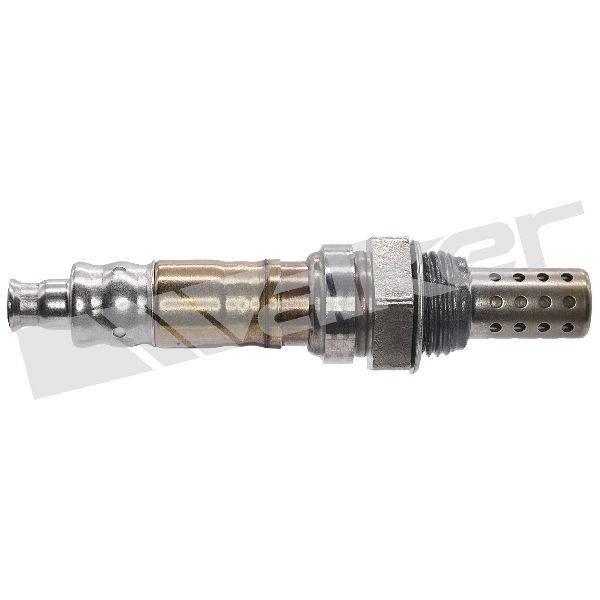
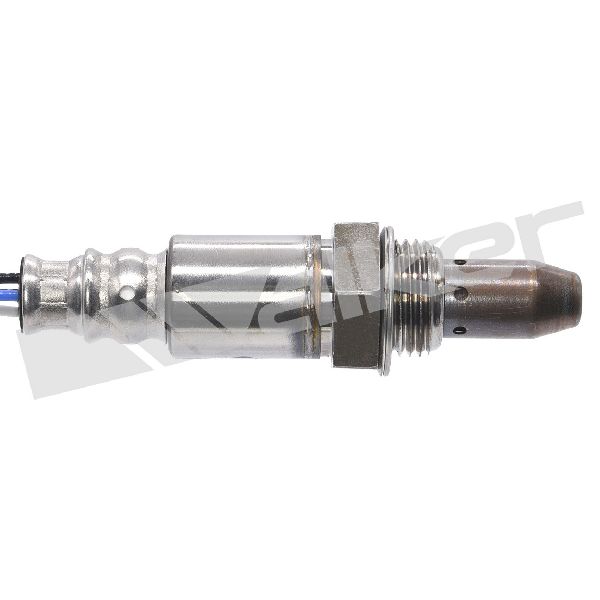
- Upstream Oxygen Sensor / Air-Fuel Ratio Sensor
(OEM #L336-18-861A)— This is the primary component responsible for the measurement that triggers code P0131. It is a common wear item and the most frequent fix for this code.
Trusted brands: Denso (p/n: 234-5015), NGK / NTK (p/n: 24329)
OEM price range: $150-$220
Aftermarket price range: $70-$150 - PCV Valve
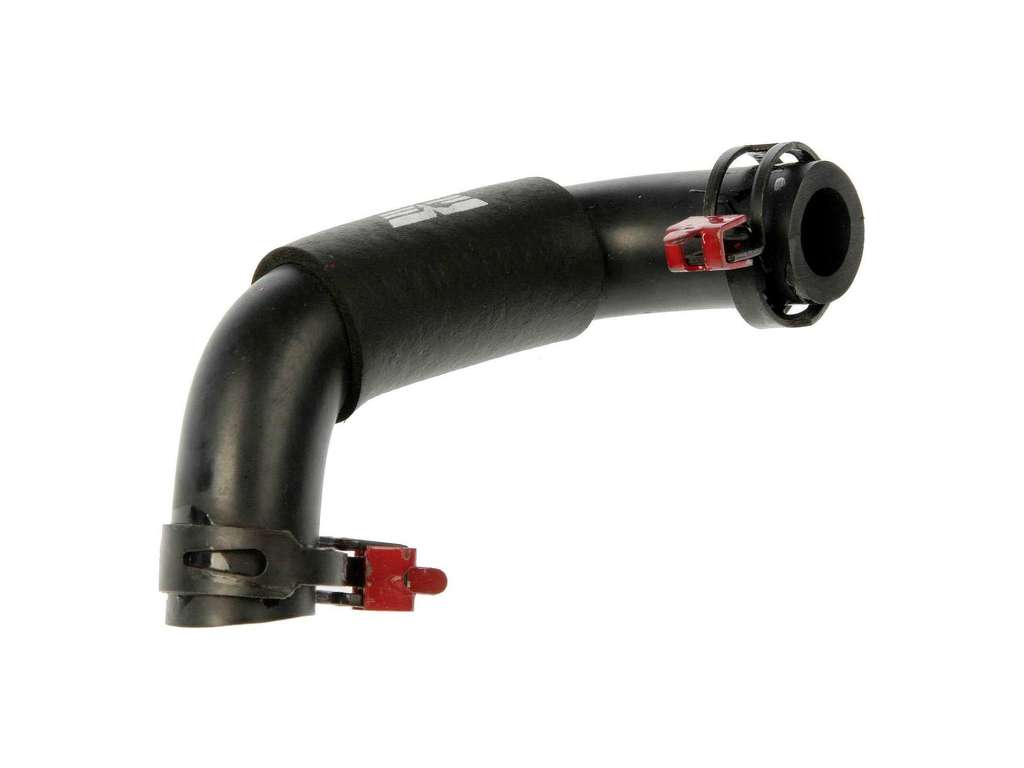
(OEM #L325-13-890A)— A stuck or failing PCV valve is a very common cause of vacuum leaks on the 2.3L MZR engine, leading to lean codes like P0131 and P2177. It's often replaced along with its brittle hose.
Trusted brands: Mazda (OEM)
OEM price range: $20-$30
Aftermarket price range: $10-$20
Related Codes That Often Appear With This One
- P2177 — System Too Lean Off Idle, Bank 1. This code is very common with P0131. A failing O2 sensor can directly cause it, or a shared root cause like a vacuum or exhaust leak can trigger both codes simultaneously.
- P2251 — O2 Sensor Negative Current Control Circuit/Open. This code points specifically to an electrical fault in the sensor or its wiring. Seeing it with P0131 strongly suggests the sensor has failed electrically or the harness is damaged.
- P0134 — O2 Sensor Circuit No Activity Detected. This indicates a completely dead sensor or a total break in the circuit, which is an advanced stage of the failure that causes P0131.
Technical Service Bulletins (TSBs) & Recalls
- TSB 01-007-09: While not directly for P0131, this TSB addresses unstable idle and stalling on some Mazda models. The prescribed fix often involves cleaning the throttle body, which can be a contributing factor to air/fuel mixture problems.
Platform-Specific Known Issues
- The PCV valve and hose assembly on the 2.3L MZR engine is a very common source of vacuum leaks that can trigger P0131 and P2177. The hose becomes brittle and cracks, and the valve itself can stick. Access is difficult as it is located behind and under the intake manifold.
- TSB 01-007-09 was issued for some Mazda vehicles for unstable idling or stalling after stopping, which can be related to carbon buildup in the throttle body or other issues that could potentially influence air/fuel readings.
Mechanic-Grade Diagnostic Values
- Upstream A/F Sensor Live Data (at idle, warm engine) — expected: Fluctuating slightly around 0 mA. It should not be a steady 0.. Failure: Stuck at a constant value (high or low), or completely unresponsive when revving the engine.
- Upstream A/F Sensor Live Data (at steady 2000-3000 RPM) — expected: Should stabilize and hold close to 0 mA.. Failure: Does not return to zero, or stays at a high or low fixed value.
- A/F Sensor Heater Circuit Resistance — expected: Typically between 2 and 15 ohms, depending on the specific sensor.. Failure: Infinite resistance (Open circuit) or a value far outside the expected range.
- Wiring Harness Continuity (Sensor to PCM) — expected: Less than 1.0 ohm of resistance on each wire.. Failure: Resistance above 1.0 ohm, or infinite resistance (open circuit).
Scan Tool Commands That Help
- Mazda IDS (Integrated Diagnostic System): Live Data Monitoring (PID: O2S11) — Used to view the primary A/F sensor's output, which on this platform is typically in milliamps (mA), not volts. This is the primary method for determining if the sensor is responsive.
- Mazda IDS (Integrated Diagnostic System): Parameter Reset — After replacing a major component like an A/F sensor or cleaning the throttle body, a parameter reset can clear learned fuel trim adaptations, forcing the PCM to relearn values with the new/clean components, potentially resolving lingering performance issues.
Wiring & Ground Locations
- PCM Connector Pins (for A/F Sensor) — At the Powertrain Control Module (PCM). A forum post for a similar 2.3L Mazda 3 identifies pins 19, 40, 41, and 53 for the front O2 sensor circuit. A wiring diagram is required for exact pinout verification on the Mazda 5.. Allows for end-to-end continuity testing of the sensor harness to rule out an open or shorted wire between the sensor and the computer.
- Main Engine/Transmission Grounds — Key ground points for the MZR engine are located on top of the transmission, on the front of the transmission case, and at the passenger-side motor mount.. A poor engine ground can introduce electrical noise and voltage offsets, potentially causing incorrect readings from sensors like the A/F sensor, even if the sensor itself is good.
- Throttle Body Ground (Community Mod) — Some owners add a dedicated ground wire from one of the throttle body mounting screws directly to a chassis ground point.. While not a direct cause of P0131, poor throttle body grounding on drive-by-wire systems can cause erratic throttle response. Some in the community believe improving this ground can stabilize idle and air/fuel calculations, though its effect is debated.
Real Owner Repair Stories
- Mazdas247.com user 'jpshay' (2007 Mazda 5, 5-speed manual, 184,000 miles) — Check Engine Light with codes P0131 and P2177.
❌ Tried (didn't work) Clearing codes (they returned within a day).
✅ What actually fixed it Performed a 'shotgun' repair: cleaned the K&N air filter, cleaned the MAF sensor, cleaned the throttle body, and replaced the upstream O2 sensor with an aftermarket Kwiksen brand part. This combination of actions resolved both codes. - Reddit user in r/MechanicAdvice (2008 Mazda 5, 2.3L, 146,000 miles) — P2177 code present, but live data showed the upstream O2 sensor was stuck at 0V, a classic symptom of P0131 even if the code hadn't set yet.
❌ Tried (didn't work) Initial confusion because the dead sensor (0V reading) was expected to throw a P0131 or P0134, but only P2177 was present.
✅ What actually fixed it The final fix was not posted in the thread, but the consensus from professional mechanics in the comments was that the upstream O2 sensor had failed and needed replacement, directly causing the 0V reading and triggering the related P2177 lean code.
OEM Part Supersession History
lf1313890→L325-13-890A— Part revision for the PCV Valve applicable to the 2.3L engine in the Mazda 5.L334-18-861A→L336-18-861A— Part revision for the upstream Oxygen/A-F Sensor.
Model Year Variations Within This Range
- 2008-2010: The Mazda 5 received a minor facelift for the 2008 model year. While the 2.3L MZR engine and its core components related to P0131 remained the same, there could be slight differences in harness routing or connector types. Always verify part fitment for the specific model year.
Diagnostic Flowchart
Other Known Issues on This Vehicle
Issues unrelated to this code that are worth knowing about as an owner of this generation:
- Passenger-Side Hydraulic Motor Mount Failure 🔴 High — Very common, often failing as early as 50,000-70,000 miles. Causes significant vibration at idle when in gear.
- Front Suspension Clunking/Rattling Noise 🟠 Medium — Widespread issue caused by premature wear of front sway bar (stabilizer) bushings and end links, not necessarily the struts.
- Rear Tire Inner Edge Wear 🟠 Medium — Commonly reported issue where rear tires wear unevenly on the inside edge due to suspension geometry. Requires regular tire rotation and sometimes alignment correction.
- Rust on Rear Wheel Arches and Undercarriage 🔴 High — Prevalent in regions with road salt. Rust can form on rear quarter panels, sills, and subframes, compromising structural integrity if not addressed.
- Sticking/Failing PCV Valve and Hose 🟠 Medium → Shop PCV Valve — The PCV valve and associated hose can become brittle or clogged, leading to vacuum leaks, high idle, and lean codes (like P2177). The valve is difficult to access behind the intake manifold.
- Bluetooth Module Parasitic Battery Drain 🟡 Low — The factory Bluetooth module can fail to enter sleep mode, causing the battery to drain overnight.
Used vs. New Parts: Buying Guide for This Vehicle
When a used part is the smart pick: For this repair, used parts are generally not recommended. The primary failure components (O2 sensor, PCV valve, vacuum hoses) are inexpensive wear-and-tear items. A used O2 sensor has an unknown remaining lifespan and is a poor value. A used PCV valve or hose is likely to be just as brittle and failure-prone as the part being replaced.
Donor-vehicle mileage cap: roughly under 50000 miles for the part to have meaningful remaining life.
What to inspect on the donor part:
- Not applicable for the primary failure parts. If sourcing a larger component like an exhaust manifold, check for cracks or heavy rust.
- For wiring pigtails, ensure the plastic is not brittle and the locking tab is intact.
OEM-only on this vehicle (don't cheap out):
- PCV Valve: While aftermarket is available, the OEM Mazda valve is inexpensive and known to function correctly. Given the difficult labor to access it, using a guaranteed-good OEM part is wise.
Aftermarket brands forum-validated for this vehicle:
- Denso (for O2/A-F Sensor)
- NGK / NTK (for O2/A-F Sensor)
Brands owners have reported issues with on this vehicle:
- Unnamed, 'white-box' or ultra-cheap online marketplace oxygen sensors. These often fail quickly or are not calibrated correctly for the vehicle's ECU, causing the code to return.
Real Owner Stories
Aggregated from forums and TSBs cited above. Mileages and costs reflect what owners reported in those sources.
2007 Mazda 5 2.3L
Symptoms: The vehicle had codes P0131 and P2177. The owner used a 'shotgun approach' to address the lean condition and sensor response.
What fixed it: Cleaning the MAF sensor, cleaning the throttle body, and replacing the upstream O2 sensor with an aftermarket part.
Cost: $0-$50
Source hint: Mazdas247.com - 'SOLVED P0131 and P2177'
2006 Mazda 3 2.3L
Symptoms: Reported P0131 and P2251 together, accompanied by rough idle and poor acceleration.
What fixed it: The community confirmed the fix is replacing the faulty upstream O2 sensor or repairing its wiring harness.
Source hint: Mazda Forum - 'Small annoying problems with three codes.'
Related OBD-II Codes
Frequently Asked Questions
Does TSB 01-007-09 apply to my Mazda 5 if I have a P0131 code?
Is there a specific brand of sensor I should use for my 2006-2010 Mazda 5?
Why is my Mazda 5 reading O2 sensor data in milliamps (mA) instead of volts?
Could a vacuum leak on my 2.3L MZR engine cause this code?
Is there a known wiring issue for the Mazda 5's O2 sensor?
What size tool do I need to remove the sensor on my Mazda 5?
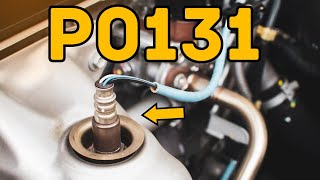
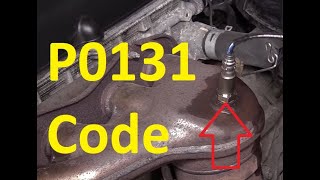
Helpful Videos
We Have This Part in Stock


The information in this article is provided for general reference and educational purposes only. Vehicle specifications, procedures, and part compatibility can vary by production date, trim level, and region. Always consult your vehicle's factory service manual and verify part numbers before purchasing or performing repairs. Safety-critical components such as airbags, seat belts, and braking systems should be installed by a qualified professional.
- Mazda 5:
- 🧭 Diagnostic Flowchart
- 🎬 Helpful Videos
- 🛍️ Shop This Part
- What's Unique About the 2006-2010 Mazda 5
- Symptoms You May Notice
- Most Likely Causes
- Rare But Worth Checking
- Diagnosis Steps
- Parts You'll Likely Need
- Related Codes That Often Appear With This One
- Technical Service Bulletins (TSBs) & Recalls
- Platform-Specific Known Issues
- Mechanic-Grade Diagnostic Values
- Scan Tool Commands That Help
- Wiring & Ground Locations
- Real Owner Repair Stories
- OEM Part Supersession History
- Model Year Variations Within This Range
- Other Known Issues on This Vehicle
- Used vs. New Parts: Buying Guide for This Vehicle
- Real Owner Stories
- 2007 Mazda 5 2.3L
- 2006 Mazda 3 2.3L
- Related OBD-II Codes
- Frequently Asked Questions
- 🎟️ Get 5% Off